Pick the right path and we'll point you to the next step.
I'm the homeowner
Track this property, get market updates, and list it on Home when you're ready to sell or let.
I'm an estate agent
Claim your branch on Home.co.uk, list your properties for free, and reach buyers actively searching your area.
From riverside apartments to country cottages, search hundreds of thousands of properties for sale, to rent, and recently sold, all enriched with three decades of market data.
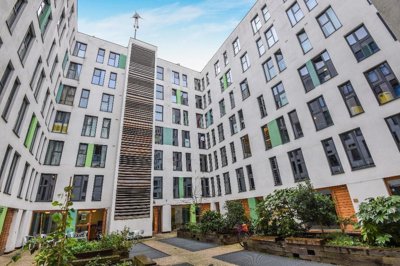
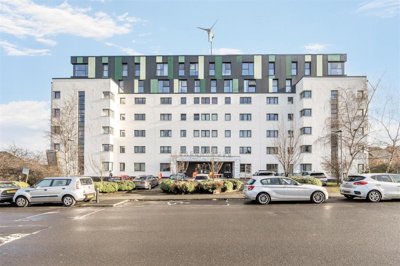
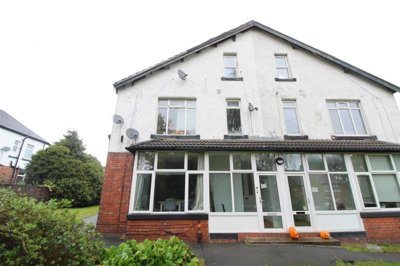
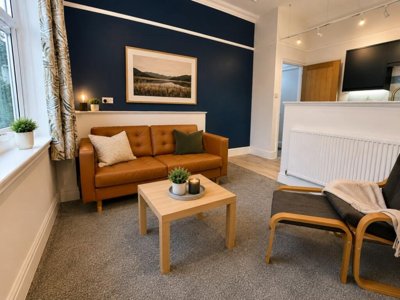
Browse 18 rental homes to rent in Leeds, West Yorkshire from local letting agents.
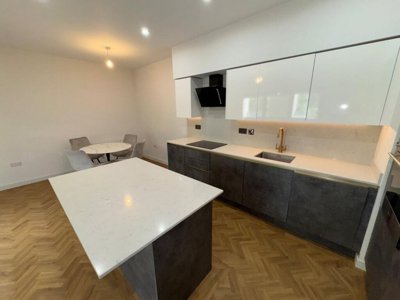
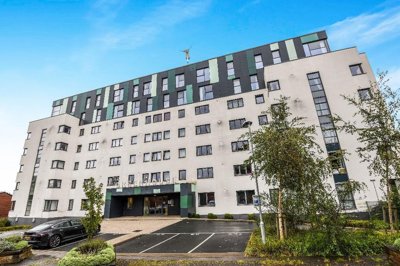
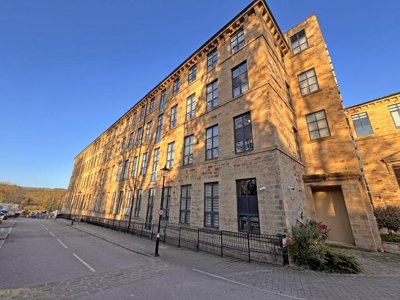
Studio apartments feature open-plan living spaces without separate bedrooms, incorporating sleeping, living, kitchen, and bathroom facilities. The Leeds studio market includes properties in modern apartment complexes, converted Victorian and Georgian buildings, and purpose-built developments.
£950/m
266
12
61
Source: home.co.uk
Showing 266 results for Studio Flats to rent in Leeds, West Yorkshire. 12 new listings added this week. The median asking price is £950/month.
Source: home.co.uk
Flat
266 listings
Avg £981
Source: home.co.uk
Source: home.co.uk
The Leeds market is broad rather than one-note. homedata.co.uk records show prices were similar to the previous year and around 4% up on the 2022 peak of £275,464, while average prices rose by about 1% over the last twelve months in the wider postcode area. Detached homes averaged £491,340 in one dataset, semi-detached homes £286,643, terraced homes £221,266 and flats £194,977 in Leeds city centre. That mix helps explain why central apartments, converted terraces and family houses all sit in different rental brackets.
Live supply is also changing. home.co.uk asking prices in Leeds have eased by 1.9% over the past 6 months, which suggests the market has cooled a little after the stronger period seen earlier. New homes are part of that story, with schemes such as Climate Innovation District, The One Residences from £165,000, Waterhouse, Phoenix and the 1,012-home Leeds Urban Village bringing fresh stock into the pipeline. For renters, that matters because newer apartments usually set the tone for amenities, energy performance and managed building standards in nearby streets.

Leeds feels like a true working city rather than a single commuter dormitory. The population stood at 812,000 in the 2021 Census, up 8.1% on 2011, and that growth has been supported by finance, professional services, retail and digital employers. Average gross weekly pay was £621.3 in 2022, which helps explain why the rental market attracts young professionals, graduates and families who want good jobs close to home. Cultural draw is strong too, with galleries, live music, restaurants and a late-night centre that keeps weekdays busy as well as weekends.
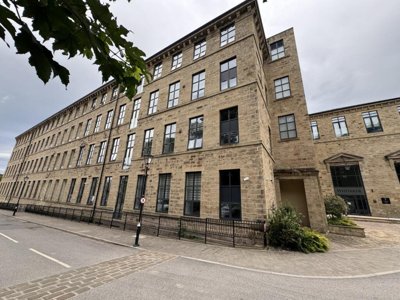
Housing in Leeds is just as varied. Owner occupation sits at 57.6%, private renting at 21.8% and social renting at 20.4%, so renters are a major part of the city housing story. Leeds also has the highest share of flats in West Yorkshire at 17.5%, while a large older stock remains in circulation, including about 19,500 pre-1919 back-to-back houses. That mix gives the city a wide spread of layouts, from compact studios and converted mill apartments to bay-fronted terraces and bigger family homes.
Different districts suit different renters, and that is part of Leeds' appeal. City-centre living puts you close to work, rail, bars and event venues, while outer neighbourhoods offer calmer streets, schools and more parking. Green space is easy to reach, with riverside walks, parks and the wider West Yorkshire countryside all within a short journey. If you want a place that can feel energetic during the week and relaxed on a Sunday morning, Leeds does that better than many large UK cities.
Families renting in Leeds usually start with catchments, then work outward to commute and budget. The city has a wide spread of primary and secondary schools, sixth forms, academies and faith schools, plus major further and higher education institutions such as the University of Leeds, Leeds Beckett University and Leeds Trinity University. Because the area is large, school quality can vary street by street, and the best shortlist is usually built around the exact address rather than the postcode alone. I would always check the latest Ofsted report and admission rules before you commit.
Rather than rely on a town-wide figure, we check the specifics for your exact address. What I can say is that Leeds has enough choice to suit families who want a traditional state route, selective sixth-form options, or a university-led neighbourhood with lots of student facilities. Renters near the centre often value strong transport links and access to colleges, while families in the suburbs usually prioritise primary catchments and quieter roads. If school access matters, line up viewing days outside drop-off and pick-up times so you can see the area as parents actually use it.
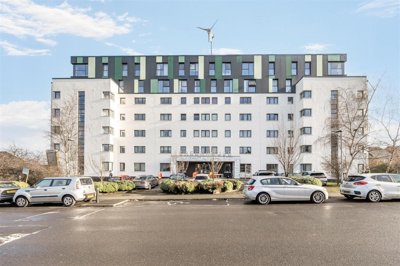
Leeds is large enough to contain several different rental markets under one label. The city has 362,780 households, and around 41% of all additional dwellings built across West Yorkshire since 2011 have been in Leeds. That helps explain the amount of regeneration around the centre and along key transport corridors. New-build supply ranges from apartment-led schemes to larger mixed-tenure projects, so renters can choose between fresh stock with lifts and concierge services or older homes with more character.
Neighbourhood feel changes quickly once you move away from the core. Central LS postcodes tend to have more flats, shorter walks to the station and higher turnover, while inner suburbs still offer terraces, semis and detached streets with a more settled feel. The city's 17.5% flat share is the highest in West Yorkshire, which gives Leeds a more apartment-heavy profile than many nearby authorities. That matters for renters who want low-maintenance living, because managed blocks often come with predictable repairs, although you should check service arrangements carefully.
Affordability is another reason people keep looking at Leeds. homedata.co.uk records show the city average price at £241,000 and the median at £210,000, while the wider district average sits higher at £295,540. Those figures are not rent prices, but they help frame the city as a place where central convenience, job access and housing choice are balanced by strong demand. If you are comparing districts, the most useful approach is to weigh transport, building age and amenity access rather than chasing one typical Leeds postcode.
Leeds is one of the best-connected rental bases in Yorkshire. Leeds railway station anchors regional and national journeys, and the city centre has direct access to the M621, the M1 and the M62 via the ring-road network. The One Residences market release is only 3 minutes from Leeds train station, which gives a good sense of how walkable some central developments can be. Bus routes spread across the city and into the suburbs, so renters without a car still have plenty of options.
Cycling is improving, although conditions vary by street and time of day. Central living usually means less need for parking, but outer districts and family streets can still require a permit check or private drive. Commuters using the station often choose homes on the east, south and city-centre edges for easier access on foot, while drivers may prefer locations close to arterial routes. If you work irregular hours, it is worth testing the route at the same time you would normally travel, because Leeds traffic can change quickly around peak periods.

Start with your rental budget agreement in principle, then decide the maximum monthly rent, deposit and move-in cash you can comfortably manage.
Compare city-centre apartments, inner-suburb terraces and family homes with parking so you can match the property type to your daily routine.
Leeds moves fast in popular postcodes, so arrange viewings early and check the commute, noise levels and nearby amenities at the same time.
Be ready with ID, proof of income, references and any documents the agent asks for, because strong applications often win the best homes.
Read the tenancy agreement, deposit terms, repair responsibilities and any block rules carefully before you commit to the property.
Record meter readings, take dated photos and keep the inventory safe so you can protect your deposit when the tenancy ends.
Leeds has real flood awareness built into planning, because the city has seen major events such as the 2015 Boxing Day floods and now uses a Strategic Flood Risk Assessment that looks at river, surface water, sewer and groundwater sources. If a flat or house sits near the river, ask about past incidents, drainage upgrades and whether the landlord has any flood mitigation in place. Homes on higher ground may still be affected by surface water after heavy rain, so look beyond the postcode and check the street.
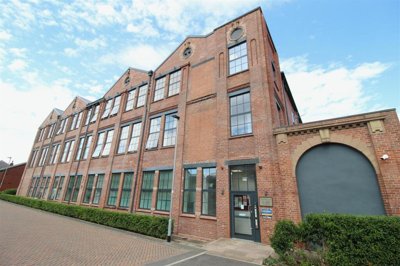
Much of the housing stock is older, and traditional brick remains common in terraces and conversions. That can be a real plus if you like character, but it also means looking closely at insulation, ventilation, rooflines and window condition. In apartment blocks, service charges, building insurance and lease length matter even when you are renting, because they often affect how quickly issues are fixed and how well the block is run. Ask about ground rent, management company rules and any restrictions on pets, bikes or subletting before you sign.
New build homes in Leeds are appealing for energy efficiency and fresh interiors, yet the local snagging local data shows common issues such as poor plastering, cracked tiles, missing mastic, plumbing leaks, defective guttering and poor ventilation. Most of those are cosmetic, but they are still worth documenting at move-in so the landlord or developer puts them right quickly. The snagging local data shows 93.7% of new-build buyers reported problems to their builder, with 26.2% reporting more than 15 snags, so move-in checks are never wasted time. If you are renting a brand-new apartment in a regeneration scheme, inspect windows, seals, extractor fans and balcony finishes with the same care you would give an older terrace.
For market context, homedata.co.uk records show the average Leeds house price at £286,055 over the last year, the city average at £241,000 and the median at £210,000. The live rental market moves quickly, so the best way to find the current monthly asking rent is to check the latest Homemove listings for the exact postcode and property type.
Leeds City Council uses the standard Bands A-H system, and the band depends on the property's valuation band and size. Flats and smaller terraces often sit lower than larger family houses, but there is no single city-wide band. Ask the agent for the exact council tax band before you commit, because it can change your monthly budget more than a modest rent difference.
I would not rank schools without the latest catchment and Ofsted data for your exact street. Leeds has a broad mix of primaries, secondaries, sixth forms, academies and universities, so the 'best' choice depends on age, transport and admissions rules. If education is a priority, shortlist a home against the schools you want first, then check the current report and intake area.
Leeds is very well connected for a city of this size. Leeds railway station links the centre to regional and national routes, while buses cover the core districts and suburbs, and the road network gives access to the M621, M1 and M62. Central homes near the station suit commuters who want to walk, while suburban renters often use a car or bus for the final mile.
Yes, especially if you want job access, a big choice of property types and a lively city centre. Leeds has 812,000 residents, 362,780 households and a private rented sector share of 21.8%, so renting is a normal part of the housing mix. The city also has strong wages for the region at £621.3 a week on average, which supports demand and keeps the market active.
In England, a tenancy deposit is usually capped at five weeks' rent if the annual rent is under £50,000, and six weeks above that level. You may also pay a holding deposit and the first month's rent, while most upfront tenant fees are banned, so ask exactly what is due before you apply. If you later compare renting with buying in Leeds, the 2024-25 stamp duty bands are 0% up to £250,000, 5% from £250,000 to £925,000, 10% from £925,000 to £1.5 million and 12% above that, while first-time buyer relief gives 0% up to £425,000 and 5% from £425,000 to £625,000.
Start with the neighbourhood, not just the flat. Look at flood risk, parking, noise from nightlife or main roads, and how far the home sits from the station or bus routes. It also helps to sort your rental budget agreement in principle before viewing so you can move quickly when the right place appears.
Renting in Leeds usually comes down to three numbers: monthly rent, deposit and the cash needed on day one. Expect a holding deposit when you apply, a tenancy deposit once the home is agreed, and the first month's rent before you collect the keys. Because Leeds has a wide spread of property types, a central flat, a converted terrace and a family house can feel completely different on move-in day even if the headline rent looks similar.
Managed apartment blocks can also bring extras such as parking permits, service charge contributions if utilities are bundled, and fees for replacement keys or fobs. In older homes, you may spend less on buildings management but more on utility bills, so it is worth comparing the energy rating and the likely winter cost of heating brick terraces. A rental budget agreement in principle helps here because it sets a clear ceiling before the best homes disappear from the market.
If you start thinking beyond renting, the 2024-25 stamp duty bands are 0% up to £250,000, 5% from £250,000 to £925,000, 10% from £925,000 to £1.5 million and 12% above that. First-time buyer relief gives 0% up to £425,000 and 5% from £425,000 to £625,000, which matters to Leeds movers comparing monthly rent with a future purchase. That kind of planning is common in a city where homedata.co.uk records show £210,000 as the median property price and £241,000 as the city average, so renters often keep one eye on the ownership ladder.
Properties to Rent In London

Properties to Rent In Plymouth

Properties to Rent In Liverpool

Properties to Rent In Glasgow

Properties to Rent In Sheffield

Properties to Rent In Edinburgh

Properties to Rent In Coventry

Properties to Rent In Bradford

Properties to Rent In Manchester

Properties to Rent In Birmingham

Properties to Rent In Bristol

Properties to Rent In Oxford

Properties to Rent In Leicester

Properties to Rent In Newcastle

Properties to Rent In Leeds

Properties to Rent In Southampton

Properties to Rent In Cardiff

Properties to Rent In Nottingham

Properties to Rent In Norwich

Properties to Rent In Brighton

Properties to Rent In Derby

Properties to Rent In Portsmouth

Properties to Rent In Northampton

Properties to Rent In Milton Keynes

Properties to Rent In Bournemouth

Properties to Rent In Bolton

Properties to Rent In Swansea

Properties to Rent In Swindon

Properties to Rent In Peterborough

Properties to Rent In Wolverhampton

Enter your details to see if this property is within your budget.
Loans, cards, car finance
Estimated property budget
Borrowing + deposit
You could borrow between
Typical borrowing
Monthly repayment
Est. at 4.5%
Loan-to-value
This is an estimate only. Your actual budget may vary depending on interest rates, credit history, and personal circumstances. For an accurate affordability assessment, speak to one of our free mortgage advisors.
This calculator provides estimates for illustrative purposes only and does not constitute financial advice. Your home may be repossessed if you do not keep up repayments on your mortgage. Estimates based on 4.5% interest rate, repayment mortgage. Actual rates depend on your circumstances.
Homemove is a trading name of HM Haus Group Ltd (Company No. 13873779, registered in England & Wales). Homemove Mortgages Ltd (Company No. 15947693) is an Appointed Representative of TMG Direct Limited, trading as TMG Mortgage Network, which is authorised and regulated by the Financial Conduct Authority (FRN 786245). Homemove Mortgages Ltd is entered on the FCA Register as an Appointed Representative (FRN 1022429). You can check registrations at NewRegister or by calling 0800 111 6768.

We use cookies to show you personalised content and improve your experience of our website. Find out more in our Privacy policy and Cookie policy.