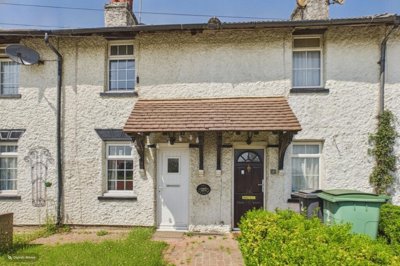
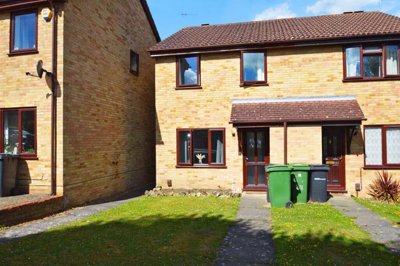
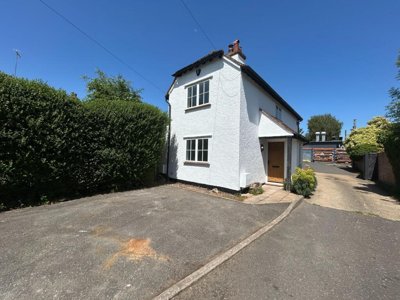
Browse 24 rental homes to rent in Leeds from local letting agents.
The rental market in Leeds, Kent reflects the broader trends affecting the Kent countryside, where demand for village properties has remained steady due to the appeal of rural living combined with excellent transport connections. Rental properties in the village typically include traditional cottages, family houses, and bungalows, with prices varying according to property size, condition, and proximity to local amenities. The private rental sector in this part of Kent attracts tenants who value the village atmosphere and countryside setting while requiring access to employment centres in Maidstone, Tunbridge Wells, and beyond. Homes in Leeds generally offer good value compared to properties in more commuter-focused locations, making the village an attractive proposition for renters seeking space and character without premium city pricing.
Property types available for rent in Leeds include period cottages with original features, semi-detached family homes, and occasionally detached houses with gardens. The village's housing stock reflects its rural character, with many properties dating from the Victorian and Edwardian eras offering generous room proportions and attractive architectural details. Newer developments in and around Leeds have introduced contemporary homes to the rental market, providing options for those preferring modern fittings and energy-efficient accommodation. The rental market remains competitive during peak moving periods, with properties in good condition and convenient locations typically attracting multiple enquiries from prospective tenants seeking to establish roots in this attractive Kentish village.
Village properties in Leeds often feature the characteristic Kentish architecture seen throughout the region, with tiles and weatherboard cladding on older cottages and traditional red brick construction on Victorian and Edwardian houses. Gardens are a common feature of rental properties in the village, ranging from modest cottage gardens to larger enclosed rear gardens suitable for families. Many properties benefit from off-street parking, which is more readily available than in urban areas, and some include outbuildings or sheds for additional storage. Tenants searching for rental properties in Leeds should be prepared to move quickly on well-presented homes, as desirable properties in good locations can receive enquiries within days of listing.
The seasonal nature of the rural rental market means that availability can fluctuate throughout the year, with more properties typically coming to market in spring and summer when moving is more convenient for families. Landlords in village locations often seek long-term tenants who will maintain the property and garden, so prospective renters should demonstrate their reliability and intention to stay when applying for properties in Leeds. Working with local letting agents who understand the village market can provide access to properties before they appear on major portals, giving applicants an advantage in competitive situations.

Leeds, Kent is a village steeped in history, with origins dating back centuries and architecture that reflects its long agricultural heritage. The village centre features a traditional pub, a historic church, and period buildings that contribute to the distinctive character of this rural community. Residents of Leeds enjoy an active village life with local events, community groups, and strong neighbourly connections that are characteristic of successful English villages. The surrounding Kentish countryside provides extensive opportunities for walking, cycling, and exploring the picturesque landscapes that have made this region famous as the Garden of England.
The village offers practical everyday amenities including a village shop or post office, local primary school, and recreational facilities including playing fields and a village hall. For more comprehensive shopping, dining, and entertainment options, residents benefit from proximity to Maidstone, the county town of Kent, which lies just a few miles to the north. Maidstone provides major supermarkets, retail parks, restaurants, theatres, and healthcare facilities, ensuring that Leeds residents have access to comprehensive urban services while enjoying the tranquility of village living. The combination of rural charm, strong community spirit, and convenient access to urban amenities makes Leeds an appealing location for renters seeking the best of both worlds in Kent.
Village life in Leeds centres around its community facilities and the welcoming atmosphere created by long-term residents and newcomers alike. The local pub serves as a social hub where neighbours meet for meals, drinks, and community events throughout the year. The village hall hosts various activities including clubs, classes, and private functions, providing a focal point for community gatherings. Regular events such as fetes, quiz nights, and seasonal celebrations bring the community together and provide opportunities for new residents to meet their neighbours and become established in village life.
The Kentish countryside surrounding Leeds offers exceptional opportunities for outdoor recreation and leisure activities. Public footpaths and bridleways traverse the farmland and woodland of the Low Weald, providing scenic routes for walking and cycling that connect Leeds with neighbouring villages. The nearby countryside is characterised by apple orchards, hop gardens, and farmland that reflect Kent's agricultural heritage. Nature reserves and Areas of Outstanding Natural Beauty are within easy reach, offering opportunities to observe wildlife and enjoy the natural beauty of this part of England. For those who enjoy outdoor pursuits, the location provides an ideal base for exploring the diverse landscapes of Kent while maintaining convenient access to urban amenities.

Families considering renting in Leeds will find educational options that serve the village and surrounding communities. Leeds itself is home to a primary school that serves the local catchment area, providing education for children from Reception through to Year 6. Primary schools in Kent villages typically receive Ofsted ratings that parents can review to assess educational quality, with many village schools maintaining good standards despite their smaller size and community-focused approach to learning. Early years education is available through local nurseries and preschool facilities, both within Leeds and in nearby villages, providing flexible childcare options for working parents.
The primary school in Leeds serves as the foundation of educational provision for local families, with teachers who know their pupils well and a community atmosphere that many parents value for younger children. Village primary schools often benefit from strong parental involvement and smaller class sizes compared to larger urban schools, which can benefit children who thrive in more intimate learning environments. Parents should research current Ofsted reports and visit the school to assess whether it meets their child's educational needs before committing to a rental property in the village. The school catchment area can affect school placement offers, so families should verify their address falls within the designated area before accepting a rental property.
Secondary education options for Leeds residents include schools in the surrounding towns, with several secondary schools and academies in Maidstone serving the wider catchment area. Kent operates a selective education system, and families may consider grammar school options available in Maidstone and other nearby towns, subject to the Kent Test selection process. Schools in the Maidstone area include both grammar schools for academically able students and comprehensive schools serving a broader range of abilities and interests. Transport arrangements for secondary school students typically involve school buses or parental transport, and journey times from Leeds to schools in Maidstone are generally manageable given the proximity.
For families requiring sixth form or further education provision, the colleges and sixth form centres in Maidstone offer comprehensive A-level and vocational courses. Maidstone has several institutions providing post-16 education across a range of academic and vocational pathways, serving students from Leeds and the surrounding villages. Higher education options in Kent include the University of Kent in Canterbury and the University for the Creative Arts, while Leeds and other northern cities offer additional choices for those willing to travel. Parents should verify current catchment areas and school admission policies with Kent County Council, as these can affect placement offers and travel arrangements for secondary school students.

Transport connectivity is a significant advantage for residents of Leeds, Kent, with the village benefiting from its position relative to major road networks and rail connections. The village is conveniently located for access to the M20 motorway, which runs through Kent providing direct connections to the Channel ports, Folkestone, Ashford, and London via the M25 orbital road. This makes Leeds an attractive location for commuters who work in London or require regular access to the capital, with journey times to central London typically taking around an hour by car under normal traffic conditions.
Rail services from nearby stations in Kent offer regular connections to London and other destinations, with high-speed services available from certain Kent stations providing faster journey times to the capital. Stations in the Maidstone area provide access to rail networks, with services to London Victoria, London Bridge, and St Pancras International available from various stations in the region. The high-speed rail connection from Kent to London St Pancras has significantly reduced journey times to the capital, making commuter travel more practical for those working in professional or financial services sectors. Residents should check current timetables and journey times from their nearest station to assess whether daily commuting is feasible for their circumstances.
Bus services connect Leeds with Maidstone and surrounding villages, providing essential public transport options for those without private vehicles. The bus network serving Kent villages typically operates on less frequent schedules than urban services, so residents should familiarise themselves with local timetables and route details. For essential journeys such as medical appointments, shopping trips, or social activities, planning ahead and timing trips around available bus services is advisable. Community transport schemes operate in some rural areas, providing transport for those who cannot access conventional public transport due to mobility limitations or lack of local services.
For air travel, residents benefit from proximity to Kent's coastal ports and the availability of regional airports within reasonable driving distance. The Channel ports at Dover and Folkestone provide ferry services to mainland Europe, while Ashford International station offers high-speed rail connections to Paris and Brussels via the Channel Tunnel. Gatwick Airport is accessible via the M25 and M23, while Heathrow can be reached via the M4 or M25 depending on traffic conditions. These international connections make Leeds an excellent base for those who travel regularly for business or leisure.
Cyclists will appreciate the rural lanes and dedicated cycle routes that connect Leeds with neighbouring communities, while footpaths and bridleways throughout the Kentish countryside provide extensive recreational walking and riding opportunities. The Kent countryside offers excellent cycling along quiet country lanes, though cyclists should be aware of narrow roads and farm traffic in rural areas. Parking provision varies by property but is generally more generous than urban locations, with most family homes offering off-street parking suitable for multiple vehicles.

Before viewing properties in Leeds, take time to explore the village and surrounding area to ensure it suits your lifestyle needs. Visit local amenities including the village centre, primary school, and nearby shops to assess whether the area meets your daily requirements. Obtain a rental budget agreement in principle from a lender or financial provider to understand how much rent you can afford, typically calculated as a multiple of your annual income. Budget for additional costs including council tax, utility bills, and moving expenses alongside your monthly rent to ensure you can sustain the tenancy comfortably.
Use Homemove to browse properties to rent in Leeds and set up property alerts for new listings that match your criteria. Consider working with local letting agents who may have access to properties not advertised on major portals, as off-market rentals can reduce competition from other applicants. Register with multiple agents in the Maidstone area who handle village properties, as this can increase your chances of finding suitable accommodation quickly. Attend local property viewings and open days when available to assess multiple options in a single visit.
Book viewings for properties that match your requirements and attend in person where possible to assess the property accurately. Take notes during viewings and ask about lease terms, included facilities, and any restrictions on pets or smoking that may affect your tenancy. Enquire about the condition of the property, recent maintenance or renovations, and any issues that previous tenants have reported. Photograph the property during viewings to help you compare options later and recall details that may be forgotten over time.
Once you find a property you wish to rent, submit your application promptly as competition can be fierce for desirable village properties. Provide required documentation including proof of identity, income verification, and references from previous landlords or employers as requested by the letting agent or landlord. Be prepared to provide a guarantor or additional security deposit if your referencing does not meet the landlord's affordability requirements. Follow up with the letting agent to confirm receipt of your application and enquire about the timeline for decision-making.
Review the tenancy agreement carefully before signing, ensuring you understand your rights and responsibilities as a tenant and the landlord's obligations. Pay your deposit and first month's rent to secure the property, and request a detailed inventory check that documents the condition of all fixtures and fittings. Ensure the deposit is protected in a government-approved scheme within 30 days as required by law, and obtain written confirmation of this protection. Clarify any queries about the agreement before signing, as once the tenancy commences you will be bound by its terms.
Coordinate your move-in date with your landlord or letting agent, allowing sufficient time for any agreed cleaning or repairs to be completed before you take occupation. Complete the inventory report carefully, noting any discrepancies between the agreed condition and the actual state of the property. Set up utility accounts, internet services, and council tax registration promptly to ensure services are active from your move-in date. Notify relevant parties including banks, employers, and subscriptions services of your change of address, and consider arranging a professional inventory check for your protection.
Renting a property in a rural Kent village like Leeds requires consideration of factors that may differ from urban renting. Flood risk should be assessed, particularly for properties near watercourses or in low-lying areas, as Kent has experienced flooding events in the past. Request information about any historical flooding at the property and verify whether appropriate insurance cover is in place. The age and construction of the property also matters, with older properties potentially requiring more maintenance and featuring different insulation standards than modern homes.
Tenants should clarify lease terms before committing, including the length of the tenancy, notice periods, rent review arrangements, and responsibilities for maintenance and repairs. Rural properties may have different considerations regarding heating costs, with oil or LPG heating systems requiring separate budgeting compared to mains gas properties. Gardens and outdoor spaces are common in village properties but tenants should confirm who is responsible for garden maintenance. Planning restrictions in rural areas and conservation considerations may affect what alterations tenants can make to properties. Service charges and ground rent for leasehold properties should be verified, as should any shared facilities or communal areas that affect overall living costs.
When viewing rental properties in Leeds, pay attention to the condition of the roof, walls, and windows, as these elements can indicate how well the property has been maintained by previous tenants and landlords. Check for signs of damp or condensation, particularly in older properties where ventilation may be less effective than in modern homes. Enquire about the heating system and its efficiency, as heating costs can form a significant part of monthly outgoings, especially in larger properties with higher energy requirements. Ask about the age and condition of appliances, electrical systems, and plumbing, as replacements or repairs may be needed during your tenancy.
Rural considerations specific to village living include pest control, garden maintenance, and access to services that may be less readily available than in urban areas. Properties with large gardens may require regular maintenance during spring and summer months, so clarify expectations with the landlord regarding garden care responsibilities. Check mobile phone signal strength and broadband speeds, as these can vary significantly in rural locations compared to urban areas. Parking arrangements should be confirmed, particularly for properties without dedicated parking spaces, as village streets may have limited parking availability during peak times.

Rental prices in Leeds vary according to property type and size, with village properties typically offering good value compared to urban areas in Kent. Two-bedroom cottages and houses generally range from £1,000 to £1,400 per month, while larger family homes with three or four bedrooms may command £1,400 to £1,800 per month. Prices fluctuate based on property condition, location within the village, and current market demand. Prospective tenants should check current listings on Homemove for accurate, up-to-date rental pricing in Leeds and the surrounding area.
Properties in Leeds fall under Maidstone Borough Council for council tax purposes, as the village is located within the borough boundaries despite its rural character. Council tax bands in the area range from A through to H, with most village properties typically falling in bands B through E depending on their size, condition, and value. Tenants should confirm the council tax band for any property they are considering, as this forms part of the overall cost of renting and is typically payable in addition to rent. Band charges are set annually by the council and can be verified through the Maidstone Borough Council website or by contacting the council directly.
Leeds has a primary school serving the local community, with additional primary schools in neighbouring villages providing options for families within the village catchment area. Secondary school options in the Maidstone area include several academies and secondary schools, with grammar schools available for students who pass the Kent selection tests at age 11. Schools in Kent receive regular Ofsted inspections and parents can review current ratings on the Ofsted website to inform their choices about educational provision. Families should verify current catchment areas with Kent County Council, as these can affect school placement offers and travel arrangements for secondary school students.
Leeds, Kent has bus services connecting the village to Maidstone and surrounding communities, providing essential public transport for residents without private vehicles. The village is conveniently located for access to rail services at nearby stations, with connections to London and Kent coastal destinations available from stations in the Maidstone area. The M20 motorway provides road transport links to the Channel ports, Ashford, and London, with access to the M25 orbital providing connections across the South East. For those commuting to London, journey times vary depending on the route chosen, with access to high-speed rail services available from certain Kent stations reducing travel time to the capital.
Leeds offers an attractive combination of rural charm, community spirit, and convenient access to urban amenities that makes it a desirable location for renters in Kent. The village provides a peaceful living environment with essential local services, while proximity to Maidstone ensures access to comprehensive shopping, healthcare, and employment opportunities. The Kent countryside surrounding Leeds offers excellent recreational opportunities including walking, cycling, and exploring the scenic landscapes of the Garden of England. Transport connections to London and the coast add to the appeal for those who need to commute or travel regularly for work or leisure purposes.
When renting in Leeds, you will typically need to pay a security deposit equivalent to five weeks' rent, held by your landlord or agent in a government-approved deposit protection scheme as required by law. First month's rent is payable in advance along with the deposit to secure the property before the tenancy commencement date. Tenant referencing fees, background checks, and contract preparation fees may apply depending on the letting agent or landlord, though these fees are capped under the Tenant Fees Act regulations. As a first-time renter, you may benefit from relief on certain costs, and it is advisable to obtain a rental budget agreement in principle before beginning your property search to understand your financial position.
The rental market in Leeds, Kent offers a variety of property types to suit different household needs and preferences. Period cottages with original features such as exposed beams, fireplaces, and sash windows are popular among those seeking character properties with traditional appeal. Semi-detached family homes are prevalent throughout the village, offering generous accommodation with gardens suitable for families with children. Bungalows provide single-level living options popular with older tenants or those with mobility considerations, while modern apartments in recent developments offer contemporary accommodation for those preferring lower-maintenance living.
When viewing rental properties in Leeds, tenants should assess the overall condition of the property including the roof, walls, windows, and any visible structural elements. Check the age and condition of heating systems, as properties in rural areas may rely on oil, LPG, or electric heating rather than mains gas, which affects running costs. Enquire about insulation standards and energy efficiency ratings, as these can significantly impact utility bills throughout the year. Ask about the condition of plumbing and electrical systems, any recent renovations or upgrades, and whether there have been any issues with damp, pests, or structural problems reported by previous tenants.
Understanding the costs involved in renting a property in Leeds is essential for budgeting effectively and avoiding unexpected expenses during your tenancy. The security deposit for a rental property is typically capped at five weeks' rent and must be protected in a government-approved deposit scheme within 30 days of receiving it. This deposit protects both tenant and landlord by providing financial recourse for any damages beyond normal wear and tear at the end of the tenancy. Tenants should document the property condition thoroughly at the start of the tenancy through an independent inventory check, which creates an objective record to reference when disputing any deposit deductions.
Additional upfront costs when renting in Leeds include the first month's rent in advance, letting agency fees for tenant referencing and credit checks, and administration charges for drawing up the tenancy agreement. These costs can add several hundred pounds to the moving budget, so prospective tenants should request a full breakdown of all fees before committing to a property application. First-time renters in England may benefit from certain cost reliefs, and those renting new build or substantially refurbished properties may encounter different fee structures under the Tenant Fees Act regulations. It is advisable to obtain a mortgage in principle or rental budget agreement before beginning your property search, as landlords and letting agents will expect evidence of your financial capability to sustain the tenancy throughout its term.
Ongoing costs beyond rent include council tax, utility bills, contents insurance, and potential service charges for leasehold properties or communal facilities. Village properties may have higher heating costs than modern urban apartments, particularly for older properties with solid walls or less effective insulation. Garden maintenance costs should be factored in if the tenancy agreement makes the tenant responsible for garden care during the tenancy. Budgeting for these additional costs alongside rent ensures that the overall cost of renting remains affordable and avoids financial strain during the tenancy.

From 4.5%
Our team can help you understand your rental budget and affordability before you begin searching for properties in Leeds
From £99
We provide comprehensive tenant referencing services to help landlords and agents assess your suitability for rental properties
From £80
Our inspectors conduct thorough inventory checks to protect both tenants and landlords throughout the tenancy
From £80
Energy Performance Certificates required for all rental properties, with local assessors available for properties in Leeds and Kent
Properties to Rent In London

Properties to Rent In Plymouth

Properties to Rent In Liverpool

Properties to Rent In Glasgow

Properties to Rent In Sheffield

Properties to Rent In Edinburgh

Properties to Rent In Coventry

Properties to Rent In Bradford

Properties to Rent In Manchester

Properties to Rent In Birmingham

Properties to Rent In Bristol

Properties to Rent In Oxford

Properties to Rent In Leicester

Properties to Rent In Newcastle

Properties to Rent In Leeds

Properties to Rent In Southampton

Properties to Rent In Cardiff

Properties to Rent In Nottingham

Properties to Rent In Norwich

Properties to Rent In Brighton

Properties to Rent In Derby

Properties to Rent In Portsmouth

Properties to Rent In Northampton

Properties to Rent In Milton Keynes

Properties to Rent In Bournemouth

Properties to Rent In Bolton

Properties to Rent In Swansea

Properties to Rent In Swindon

Properties to Rent In Peterborough

Properties to Rent In Wolverhampton

Enter your details to see if this property is within your budget.
Loans, cards, car finance
Estimated property budget
Borrowing + deposit
You could borrow between
Typical borrowing
Monthly repayment
Est. at 4.5%
Loan-to-value
This is an estimate only. Your actual budget may vary depending on interest rates, credit history, and personal circumstances. For an accurate affordability assessment, speak to one of our free mortgage advisors.
This calculator provides estimates for illustrative purposes only and does not constitute financial advice. Your home may be repossessed if you do not keep up repayments on your mortgage. Estimates based on 4.5% interest rate, repayment mortgage. Actual rates depend on your circumstances.
Homemove is a trading name of HM Haus Group Ltd (Company No. 13873779, registered in England & Wales). Homemove Mortgages Ltd (Company No. 15947693) is an Appointed Representative of TMG Direct Limited, trading as TMG Mortgage Network, which is authorised and regulated by the Financial Conduct Authority (FRN 786245). Homemove Mortgages Ltd is entered on the FCA Register as an Appointed Representative (FRN 1022429). You can check registrations at NewRegister or by calling 0800 111 6768.