Powered by Home

1 Bed Flats To Rent in Lancaster, Lancashire

Browse 116 rental homes to rent in Lancaster, Lancashire from local letting agents.

116 listings Lancaster, Lancashire Updated daily

One bed apartments provide a separate bedroom alongside distinct living space, bathroom, and kitchen areas. Properties in Lancaster are available in various building types including mansion blocks, contemporary developments, and house conversions.

Lancaster, Lancashire Market Snapshot

Median Rent

£600/m

Total Listings

3

New This Week

0

Avg Days Listed

61

Source: home.co.uk

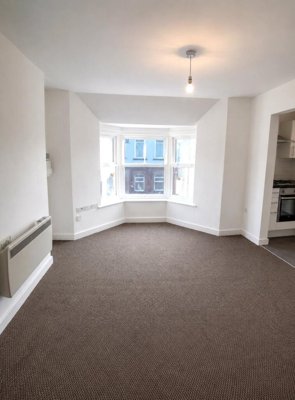
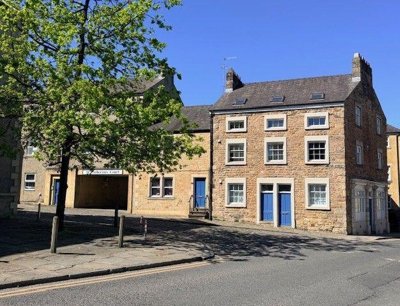
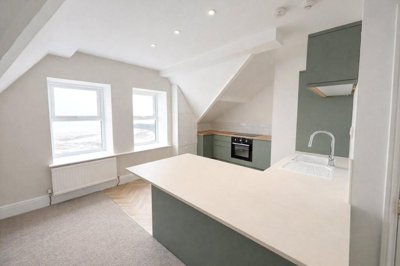
Showing 3 results for 1 Bedroom Flats to rent in Lancaster, Lancashire. The median asking price is £600/month.

Price Distribution in Lancaster, Lancashire

£500-£750/m
3

Source: home.co.uk

Property Types in Lancaster, Lancashire

100%

Flat

3 listings

Avg £615

Source: home.co.uk

Bedrooms Available in Lancaster, Lancashire

1 bed 3
£615

Source: home.co.uk

The Rental Market in Lancaster

The Lancaster rental market reflects the city's unique position as both a historic county town and a university hub, with property types to suit various budgets and lifestyles. Terraced properties remain the most prevalent housing type in the LA1 postcode area, typically commanding average rents that make them accessible for first-time renters and young professionals beginning their journey in the private rental sector. According to recent market data, terraced properties in Lancaster average around £173,000 to £178,000 in value, which translates to competitive rental rates compared to larger regional cities. The rental breakdown shows approximately 14.6% private rentals and 6.1% social housing in the wider Lancaster area, indicating a healthy private rental market that provides diverse options for those seeking homes in this part of Lancashire.

Recent market activity shows approximately 4,400 property transactions in the Lancaster postcode area over the past twelve months, though this figure represents sales rather than rentals. The Lancaster property market has experienced modest price adjustments recently, with overall average prices declining by around 4% to 7% compared to previous periods, suggesting a market that offers opportunities for renters whose landlords may be willing to negotiate on rental terms given current conditions. Property values in the LA1 postcode show terraced homes averaging £172,735, semi-detached properties at £233,191, detached houses at £403,515, and flats at £138,132, providing a useful guide for understanding the local market that underpins rental pricing.

New build activity remains limited at approximately 1.4% of total sales, meaning most rental properties in Lancaster offer the character and charm associated with established housing stock rather than brand-new developments. Where new builds do appear, such as the Highgrove Road site and Guidem Park development in South Lancaster, these typically command premium rents reflecting their modern construction and amenities. Lancaster's position as a cathedral city with strong heritage credentials influences the rental market significantly, with many properties offering original features such as fireplaces, high ceilings, and period details that appeal to tenants seeking homes with character. The presence of Lancaster University continues to drive demand for rental accommodation, particularly in areas close to the campus and those well-connected by public transport, creating consistent rental opportunities throughout the academic year.

Find Rentals Lancaster

Living in Lancaster, Lancashire

Lancaster presents itself as a city where history and contemporary life blend seamlessly, offering residents a quality of life that combines cultural richness with practical urban amenities. The city centre centres around the historic Lancaster Castle, a Norman fortress that dominates the skyline and serves as a reminder of the city's strategic importance throughout English history, while the Lancaster Cathedral provides spiritual focus for the community and hosts regular services and events that welcome both residents and visitors. The Luneside area offers pleasant riverside walks where residents can enjoy the changing seasons along the River Lune, which has shaped the city's development and continues to provide recreational opportunities for those living in the area.

The cultural scene in Lancaster reflects its university city status, with the Lancaster City Museum offering insights into local history and archaeology, while the Theatre at the University and various galleries throughout the city provide regular exhibitions, performances, and cultural events throughout the year. The Market Square hosts regular markets where local producers sell fresh produce and artisan goods, maintaining a tradition of commerce that has characterised this location for centuries. For shopping and everyday amenities, Lancaster offers a mix of independent retailers, national chains, and supermarkets that cater to residents without requiring journeys to larger regional centres. The Luneside Studios and The Storey creative venues add to the cultural offerings, hosting everything from art exhibitions to live music throughout the year.

The surrounding Lancashire countryside provides easy access to outdoor recreation, with Morecambe Bay visible to the west and the Forest of Bowland offering Areas of Outstanding Natural Beauty within easy reach for weekend adventures. Lancaster's population benefits from the city's relatively compact size, which allows most residents to access key amenities on foot or by bicycle while maintaining excellent connections to the wider region. The university presence contributes to a youthful atmosphere in certain neighbourhoods, with cafes, bookshops, and cultural venues catering to both students and permanent residents throughout the city. The Williamson Park area, home to the famous Ashton Memorial and Butterfly House, provides a particularly attractive neighbourhood for families and those seeking proximity to green spaces while remaining close to the city centre.

Rental Search Lancaster

Schools and Education in Lancaster

Education provision in Lancaster serves families well across all levels, with the city and surrounding area offering a range of primary and secondary schools that have earned strong reputations for academic achievement and pastoral care. Lancaster has grammar schools that continue the tradition of selective education in Lancashire, with the Lancaster Girls Grammar School and the grammar stream at Lancaster Royal Grammar School serving students from across the region. Parents seeking rental accommodation in Lancaster should research specific school catchments carefully, as admission policies and catchment boundaries can significantly impact options for families with school-age children. The surrounding areas of Aldcliffe, Marsh, and Bulk offer various state school options that families frequently consider when selecting rental properties.

Beyond secondary education, the Lancaster and Morecambe College provides vocational and academic courses for students completing their GCSEs, offering pathways into employment, apprenticeships, or higher education. The college serves students from across the region and provides facilities for various vocational disciplines, making it relevant for families considering rental properties that accommodate teenagers requiring college access. Higher education options are particularly strong, with Lancaster University consistently ranked among the UK's top institutions and offering world-class research and teaching across multiple departments. The university campus lies slightly outside the city centre but remains accessible by public transport, with regular bus services connecting the campus to central Lancaster and surrounding areas.

For younger children, Lancaster offers numerous primary schools across different neighbourhoods, with Ofsted ratings providing guidance for parents prioritising educational quality in their rental property search. Primary schools such as Lancaster Christ Church Primary, Dunmail Primary, and Willoughby Park Primary serve different catchment areas throughout the city and receive regular mentions in local family discussions about educational options. Many families choose rental properties in Lancaster specifically for access to the strong educational reputation of local schools, with areas near good primary schools often proving particularly popular for family renters. The presence of the university also brings benefits for state school pupils through various outreach and enrichment programmes, while university staff frequently choose to settle in the city, contributing to the overall quality of the educational community.

Rental Properties Lancaster

Transport and Commuting from Lancaster

Lancaster enjoys excellent rail connections that position the city as practical for commuters while maintaining its distinctive character as a regional centre in its own right. Lancaster railway station provides direct services to major cities including London Euston, with journey times to the capital typically around two and a half hours, while Manchester can be reached in approximately one hour, making the city attractive for professionals working in the North West who wish to benefit from more affordable rental costs compared to larger urban centres. Glasgow and Edinburgh are accessible via changes at Preston or Carlisle, while Birmingham requires a single change and offers connections to the national rail network. The West Coast Main Line services stopping at Lancaster make the city particularly well-connected for those who need to travel regularly for work.

The M6 motorway passes close to Lancaster, providing road access to the wider region and connecting the city to Manchester to the south and the Lake District to the north. For residents with cars, the proximity to the motorway makes weekend getaways to the Lake District straightforward, while practical considerations around parking vary by neighbourhood, with city centre rental properties potentially offering limited parking compared to suburban homes. Lancaster bus station provides local and regional bus services, with routes connecting the city centre to surrounding towns, the university campus, and coastal areas including Morecambe and Heysham. Stagecoach operates most local bus routes, with services to the university campus running frequently throughout the day.

For cyclists and pedestrians, Lancaster has invested in infrastructure that makes active travel viable for many residents, with the flat terrain of the city centre and riverside areas particularly suitable for cycling. The Lancaster to Morecambe cycle path provides a traffic-free route to the coast, while various bridleways and footpaths connect the city to surrounding countryside. For those travelling further, Manchester Airport offers international flights within approximately ninety minutes by car or public transport from central Lancaster, while Liverpool John Lennon Airport provides additional options for overseas travel. The coastal town of Morecambe is reachable by bus or cycle in around thirty minutes, offering seaside attractions and the famous Midland Hotel for days out.

Renting Guide Lancaster

How to Rent a Home in Lancaster

1

Get Your Rental Budget in Principle

Before viewing any properties in Lancaster, arrange a rental budget agreement in principle from a financial provider. This document confirms your maximum affordable monthly rent and demonstrates to landlords and letting agents that you are a serious prospective tenant with verified financial capacity. Having this in place before starting your search gives you a clear understanding of what you can afford and prevents disappointment from viewing properties outside your budget.

2

Research Lancaster Neighbourhoods

Spend time exploring different areas of Lancaster to find the neighbourhood that best suits your lifestyle needs. Consider proximity to your workplace, schools if you have children, public transport options, and the character of each area, from the historic city centre with its castle views to quieter suburban streets in areas like Aldcliffe, Marsh, and Skerton. Each neighbourhood offers different advantages, with city centre locations providing walkability while suburban areas often offer more space and parking.

3

Begin Your Property Search

Once you understand your budget and preferred areas, search for available rental properties in Lancaster using Homemove. Create alerts for new listings that match your criteria so you can arrange viewings quickly, as desirable properties in popular areas often receive multiple enquiries within days of listing. The university calendar influences rental demand in certain areas, with increased activity typically around September when the academic year begins.

4

Arrange and Attend Viewings

Book viewings for properties that interest you, taking the opportunity to assess the property condition, ask questions about the tenancy terms, and meet the landlord or letting agent. Arrive prepared with questions about maintenance responsibilities, utility arrangements, and any restrictions on the property. For period properties, ask specifically about heating systems, insulation standards, and any restrictions that may apply as a result of listed building or conservation area status.

5

Submit Your Application

If you find a suitable property, submit your rental application promptly along with required documentation including proof of identity, proof of income or employment, and references from previous landlords or employers. Your letting agent or landlord will conduct referencing checks before making a decision, and being organised with your documentation can help speed up this process considerably.

6

Sign Your Tenancy Agreement

Upon successful referencing, you will receive your tenancy agreement for review and signature. Ensure you understand all terms including the rent amount, deposit requirements, tenancy duration, and any special conditions before signing. Your deposit will be protected in a government-approved scheme as required by law, and you should receive written confirmation of this protection within thirty days of the start of your tenancy.

What to Look for When Renting in Lancaster

Renting property in Lancaster requires attention to several local-specific factors that can significantly impact your experience as a tenant in this historic city. Flood risk deserves consideration given Lancaster's position along the River Lune and proximity to Morecambe Bay, with some areas potentially more susceptible to flooding than others. Before committing to a rental property, research the flood risk for the specific location and ask the landlord or letting agent about any history of flooding or water damage that may affect the property. The Environment Agency provides flood maps that can help identify properties in flood zones, and insurance considerations may also be relevant for properties with elevated flood risk.

The historic nature of many Lancaster properties means that conservation area restrictions and listed building status may apply, potentially limiting what tenants can do in terms of modifications or improvements to the property. If you are considering a period property, verify whether it is listed and understand any restrictions this may place on decorating, installing fixtures, or making alterations during your tenancy. Older properties may also have different maintenance requirements and potential issues related to original construction methods that responsible landlords should address but which tenants should understand before moving in. Properties in areas like the Castle Conservation Area near the city centre are particularly likely to have restrictions on external changes.

For properties in Lancaster city centre, consider the practical implications of limited parking availability, which varies significantly between different neighbourhoods and property types. Students and young professionals may find city centre apartments convenient for nightlife and university access, while families might prefer quieter residential areas with gardens and better parking provisions. The Aldcliffe Road and York Street areas offer different character and practical considerations, so understanding what each neighbourhood offers is valuable when selecting your rental property. Energy efficiency varies considerably across Lancaster's diverse housing stock, with some historic properties offering excellent insulation through solid wall construction while others may have higher heating costs that should factor into your budget calculations.

Rental Market Lancaster

Frequently Asked Questions About Renting in Lancaster

What is the average rental price in Lancaster?

While specific rental price data varies by property type and location within Lancaster, the overall average property price in the LA1 postcode area stands around £245,000 according to recent market data, with terraced properties averaging approximately £172,000 to £178,000. Flats in the Lancaster area typically average around £136,000 to £142,000, while semi-detached properties command higher values of approximately £232,000 to £234,000. Rental prices typically represent a percentage of property values, and Lancaster's relatively affordable purchase prices compared to major cities make it an attractive option for renters seeking value in the private rental sector. Contact local letting agents directly for current rental listings that match your requirements and budget.

What council tax band are properties in Lancaster?

Council tax bands in Lancaster are set by Lancaster City Council, with properties across all bands from A through to H available throughout the city depending on the property type and value. Lancaster city centre has a mix of properties in various bands, with newer developments and larger homes typically in higher bands, while flats and terraced properties often fall into bands A through D. Properties in historic areas may have unusual bandings due to their listed status or conservation considerations. Prospective tenants should ask about the specific council tax band when viewing properties and factor this cost into their monthly budget alongside rent and utility payments.

What are the best schools in Lancaster?

Lancaster offers excellent educational options at all levels, with Lancaster Royal Grammar School and Lancaster Girls Grammar School providing highly regarded secondary education for students who pass the entrance examinations. Primary schools in the area include several rated Good or Outstanding by Ofsted, with specific options varying by neighbourhood catchment. Willoughby Park Primary, Dunmail Primary, and Lancaster Christ Church Primary serve different parts of the city and feature regularly in family discussions about local education. The presence of Lancaster University adds to the educational credentials of the area, with the institution consistently ranked among the UK's leading universities and offering research and teaching across numerous disciplines.

How well connected is Lancaster by public transport?

Lancaster benefits from excellent public transport connections, with the railway station providing direct services to London, Manchester, Birmingham, and destinations across the North West and beyond. The West Coast Main Line stopping at Lancaster station offers journey times of around two and a half hours to London Euston and approximately one hour to Manchester Piccadilly. Local bus services operated by Stagecoach and other providers connect Lancaster city centre to the university campus, surrounding towns, and the coast at Morecambe and Heysham. The Lancaster to Morecambe bus route is particularly useful for those working or studying between the city and the coast.

Is Lancaster a good place to rent in?

Lancaster offers an excellent quality of life for renters, combining historic character with practical amenities and strong transport connections to larger cities. The city provides diverse rental options across different price points, from city centre apartments to family homes in quieter neighbourhoods, all within a compact and walkable urban environment. The university presence contributes to cultural events, good restaurants, and a vibrant atmosphere, while the surrounding countryside and coast provide ample opportunities for recreation and outdoor activities. Rental demand remains steady due to the university's ongoing need for accommodation and professionals seeking affordable alternatives to major cities. The River Lune and Williamson Park provide popular local amenities that enhance daily life for residents.

What deposit and fees will I pay on a property in Lancaster?

When renting a property in Lancaster, you will typically be required to pay a security deposit equivalent to five weeks rent, which is the maximum amount landlords can legally request under the Tenant Fees Act 2019. This deposit will be protected in a government-approved scheme within thirty days of receiving it, and you will receive information about which scheme holds your money. References and credit checks may be required, and some landlords request a holding deposit to secure the property while referencing is completed, though this holding deposit should be deducted from your final deposit payment. Always request a full breakdown of any fees before committing to a rental property and ensure you receive written receipts for all payments made.

Which areas of Lancaster are most popular for renters?

The LA1 postcode area offers several distinct neighbourhoods that appeal to different types of renters in Lancaster. The city centre attracts young professionals and students thanks to its proximity to nightlife, shops, and the university campus, with many apartments in converted historic buildings available. Aldcliffe and the Stodday area provide a quieter residential feel while remaining within easy reach of the city centre, making these popular with families seeking more space. The Skerton area offers more affordable options and good connections to local schools, while the South Lancaster area near the university features various rental options from student flats to family homes.

What should I check when viewing a rental property in Lancaster?

When viewing rental properties in Lancaster, pay particular attention to the heating system, as older properties may have older boilers or heating systems that could result in higher utility bills during Lancashire winters. Check for signs of damp or condensation, particularly in period properties with solid walls, and ask about the insulation standards in the property. For city centre properties, verify parking arrangements and consider how easy it is to park near the property. Ask specifically about which utilities are included in the rent, whether broadband is installed, and who is responsible for garden maintenance if the property has outdoor space.

Deposit and Fees When Renting in Lancaster

Understanding the costs associated with renting in Lancaster helps you budget effectively and avoid surprises when you find your ideal property. The security deposit, capped at five weeks rent under the Tenant Fees Act 2019, represents the largest upfront cost for most renters, and this amount must be protected in a government-approved deposit scheme within thirty days of the start of your tenancy. The deposit protects landlords against unpaid rent or damage beyond normal wear and tear, and you should document the property condition thoroughly at check-in to ensure you receive your full deposit back at the end of your tenancy. Take dated photographs of all rooms and any existing damage when moving in, as this provides evidence if any disputes arise at the end of your tenancy.

Beyond the deposit, prospective tenants in Lancaster should budget for referencing fees, which typically cover credit checks, employment verification, and previous landlord references. Some letting agents and landlords also charge application fees, though these have been restricted by legislation for most tenancies. If you are moving into a furnished property, consider the costs of setting up utilities, internet, and contents insurance, which may be included in rent for some properties but require separate arrangement in others. First-time renters moving from parental homes may also need to budget for furniture and household items that would be provided in owner-occupied or fully furnished rentals. Council tax will be an additional monthly cost, with the band depending on the specific property.

Before beginning your property search, obtaining a rental budget in principle gives you a clear picture of your maximum affordable monthly rent and demonstrates financial credibility to landlords and letting agents. This document, similar to a mortgage agreement in principle, shows that you have considered your finances carefully and can afford the rental payments for properties at your target price level. Lancaster's rental market moves reasonably quickly in popular areas, so having your finances organized and documentation ready puts you in a strong position when you find a property you wish to apply for. Properties near Lancaster University tend to see increased competition around September, so prospective tenants should be prepared to move quickly when they find suitable accommodation.

Find Rentals Lancaster

Browse Homes to Rent Across the UK

Terms of use Privacy policy All rights reserved © homemove.com | Properties to Rent » England » North West » Lancashire » Lancaster, Lancashire

Homemove is a trading name of HM Haus Group Ltd (Company No. 13873779, registered in England & Wales). Homemove Mortgages Ltd (Company No. 15947693) is an Appointed Representative of TMG Direct Limited, trading as TMG Mortgage Network, which is authorised and regulated by the Financial Conduct Authority (FRN 786245). Homemove Mortgages Ltd is entered on the FCA Register as an Appointed Representative (FRN 1022429). You can check registrations at NewRegister or by calling 0800 111 6768.