Powered by Home

Houses To Rent in Isle of Wight

Browse 67 rental homes to rent in Isle of Wight from local letting agents.

67 listings Isle of Wight Updated daily

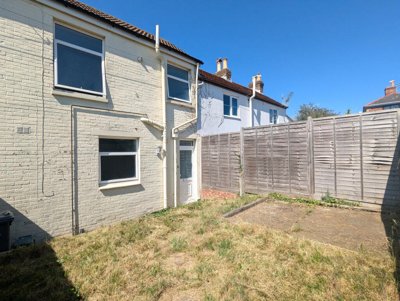
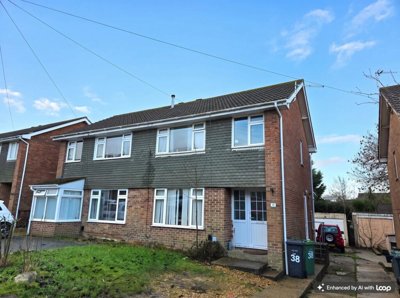
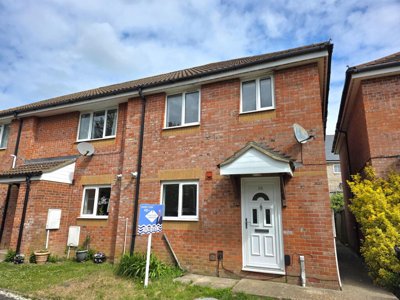
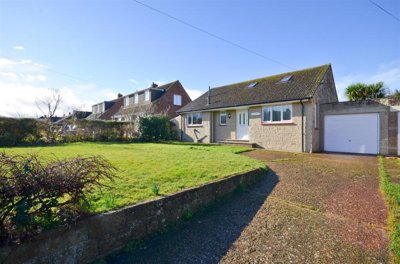
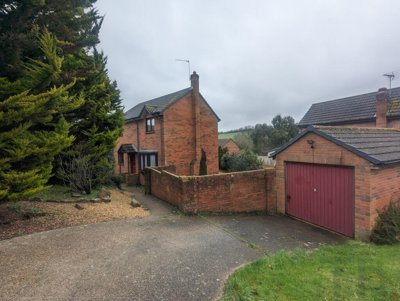
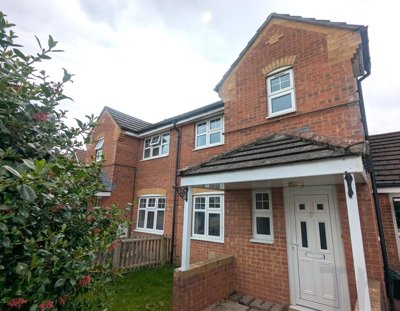
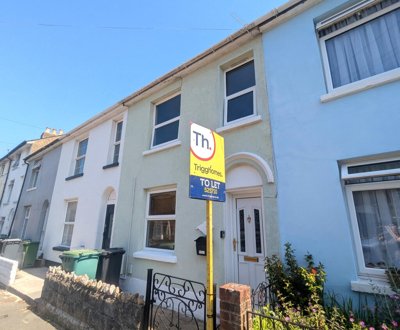
The Isle Of Wight property market offers detached, semi-detached, and terraced houses spanning various price ranges and neighbourhoods. Each listing includes detailed property information, photographs, and direct contact with the marketing agent.

The Rental Property Market in Isle of Wight

The Isle of Wight rental market has shown remarkable resilience and growth in recent years. Private rents on the island reached an average of £918 per month in January 2026, marking a significant 7.3% increase from the same period in 2025. This upward trajectory reflects the continuing appeal of island living and the limited supply of rental properties relative to demand. For those considering a move to the Isle of Wight, this data suggests that early action and thorough preparation can help secure the best available properties before they attract competing interest from other tenants.

Property types available for rent span the full range of housing stock found across the island. The sales market data shows that detached properties average £392,000, semi-detached homes at £276,000, terraced properties at £213,000, and flats and maisonettes at £139,000. While these represent sale prices, similar property types command proportionally comparable rents, with larger detached homes typically offering the highest monthly rentals and flats providing the most accessible entry point to the island rental market. Recent sales data indicates most properties have sold in the £200k to £400k range, which aligns with the broader housing stock available to rent across Newport, Ryde, and the coastal towns.

Several new build developments across the Isle of Wight are expanding rental options for those seeking modern accommodation. Barratt Homes in East Cowes offers properties ranging from £235,000 to £635,000, while Taylor Wimpey developments in Newport provide new apartments and coach houses at Milkcap House and The Gilldale. These new developments often come with the benefit of modern fittings, energy efficiency, and reduced maintenance concerns, making them attractive options for renters seeking contemporary living spaces. However, the majority of rental properties on the island consist of older stock, with many homes dating from the Victorian and Edwardian periods.

Find Rentals Isle Of Wight

Living in Isle of Wight

The Isle of Wight offers a distinctive lifestyle shaped by its island geography and rich heritage. The island's housing stock reflects its architectural history, with detached properties comprising 32.1% of homes, semi-detached at 27.3%, terraced houses at 21.2%, and flats accounting for 19.4%. This variety means renters can choose between spacious family homes in quieter villages, convenient apartments in town centres, or charming coastal properties with sea views. The predominance of older properties, evidenced by over 2,500 listed buildings across the island, adds character and charm to many residential areas.

The island's 36 designated conservation areas, including Arreton, Brading, Brighstone, and Godshill, showcase the Isle of Wight's commitment to preserving its unique character. These areas feature distinctive architecture built from locally sourced materials, including Bembridge limestone, chalk block, flint, and locally made bricks. Traditional building techniques such as uncoursed rubble stonework within wide coursed bands remain visible in many older properties. Renters choosing properties in conservation areas benefit from established character and mature surroundings, though they should be aware of potential restrictions on modifications to listed buildings and the increased maintenance demands that often accompany period properties.

The local economy benefits from tourism, marine industries, and agriculture, with East Cowes notably recognised as a south east haven for sailing enthusiasts and home to one of the oldest regattas in the world. The island's population enjoys access to local produce, independent shops, and community events that strengthen the sense of belonging. For renters considering a move to the Isle of Wight, visiting different areas to experience their unique atmospheres before committing to a tenancy can help identify the most suitable neighbourhood for your lifestyle needs. Sales data shows Newport (330 properties), Ryde (352 properties), and Cowes (164 properties) have recorded the highest transaction volumes over the past year, indicating active local markets across these key towns.

Rental Search Isle Of Wight

Schools and Education in Isle of Wight

Families considering renting on the Isle of Wight will find a range of educational options across the island. The island maintains several primary and secondary schools serving communities from Newport to Ryde, Sandown to Cowes. Researching school performance, Ofsted ratings, and catchment areas should form an essential part of your rental search if you have children of school age. Many families find that living near a well-regarded school can significantly influence their choice of rental area, and properties in popular catchment zones often attract competitive interest from other tenants.

The island's secondary schools prepare students for further and higher education, with several offering sixth form provision for older students. Parents should verify current school performance data and admission policies directly with schools or the local education authority, as catchment areas can change and schools may have specific enrollment criteria. For renters with older children considering university, the island's location means travel to mainland universities requires ferry crossing, a factor worth considering when planning academic commitments and managing term-time travel costs.

For families new to the island, visiting schools during open days or arranging informal visits can provide valuable insights into each institution's culture and facilities. The Isle of Wight's smaller scale means that many schools maintain close community connections, and teachers often know students and families across multiple year groups. This community atmosphere can be particularly appealing for children transitioning to new schools, though the limited number of secondary schools in some areas may mean longer travel times for some students. Families relocating from the mainland may find it helpful to time their move to coincide with the start of the academic year to minimise disruption to children's education.

Rental Properties Isle Of Wight

Transport and Commuting from Isle of Wight

Living on the Isle of Wight requires consideration of transport connections, as the island is separated from the mainland by the Solent. Regular ferry services operate from Portsmouth, Southampton, and Lymington to various points on the island, with crossing times ranging from approximately 20 minutes for the fast catamaran services to around 55 minutes for car ferry crossings. For renters working on the mainland, these crossing times and ferry schedules should factor significantly into your commute planning and lifestyle expectations. The cost of regular ferry travel can also be substantial, particularly for daily commuters, and should be factored into your overall budget calculations.

Within the island, several bus services operated by Southern Vectis connect major towns including Newport, Ryde, Cowes, Sandown, and Ventnor. The island's road network centres on Newport as the main hub, with A-roads connecting coastal towns and villages. For those renting in towns like Ryde or Cowes, local amenities are generally within walking or cycling distance, reducing reliance on cars for daily activities. However, for those in more rural areas such as Rookley, Niton, or Yarmouth, car ownership significantly enhances practical mobility across the island.

Cyclists will find the Isle of Wight offers extensive cycling routes, including the popular Round the Island cycle path that circuits the coastline. The island's relatively compact size makes cycling viable for many journeys, and some commuters combine cycling with ferry travel. Those considering renting without a car should carefully assess transport options for their specific circumstances, including hospital appointments, shopping needs, and social activities, as public transport services may be less frequent in rural areas during evenings and weekends. During the summer tourist season, ferry services and island roads can become significantly busier, potentially impacting commute times and travel planning.

Renting Guide Isle Of Wight

What to Look for When Renting in Isle of Wight

Renting on the Isle of Wight presents unique considerations that differ from mainland property hunting. The island's geology, with its chalk backbone running east to west and clay-rich northern soils, can influence property conditions. Properties built on clay soils may be susceptible to shrink-swell movement, particularly during periods of drought or heavy rainfall. The Gault clay, known locally as the 'blue slipper', underlies much of the northern part of the island and represents a potential risk for ground movement in older properties. When viewing rental properties, look for signs of subsidence, cracking to walls or plasterwork, and doors or windows that stick, which could indicate ground movement issues.

Coastal erosion represents a significant consideration for properties along the island's coastline, particularly the south coast where cliff retreat and landslides have shaped the landscape over millennia. The boundary between the Gault clay and the overlying Upper Greensand formation is particularly prone to landsliding, especially around Ventnor, St Catherine's Hill, and Appuldurcombe. Renters considering properties near coastal cliffs or eroding shorelines should investigate flood risk and coastal erosion history carefully. While standard buildings insurance remains the landlord's responsibility, understanding local risks helps set appropriate expectations for your tenancy.

The island's heritage means many rental properties are older constructions, with significant numbers built before 1919 using traditional materials like Bembridge limestone, chalk block, flint, and locally made bricks. These period properties offer character and charm but may require more maintenance than modern builds. When viewing older properties, check the condition of the roof, look for signs of damp, assess the plumbing and electrical systems, and enquire about recent renovations or improvements. Many older properties feature timber-framing or traditional stonework techniques such as uncoursed rubble within wide coursed bands, which can require specialist maintenance. Understanding the property's construction materials helps anticipate potential maintenance needs during your tenancy.

Rental Market Isle Of Wight

How to Rent a Home in Isle of Wight

1

Get Your Rental Budget in Principle

Obtain a rental budget agreement in principle before beginning your property search. This document from a financial provider confirms how much rent you can afford based on your income and existing financial commitments, strengthening your application when you find a property you love. Most landlords and letting agents require proof of income, and having your budget agreement ready demonstrates serious intent and can help you avoid wasting time on properties beyond your budget.

2

Research Isle of Wight Areas

Explore different towns and villages to find the area that best matches your lifestyle needs. Consider commute times to work, proximity to schools if you have children, local amenities, and the character of each neighbourhood. The island's varied areas, from bustling Newport to coastal Cowes, peaceful villages like Godshill and Brighstone, and peaceful coastal locations such as Ventnor and Freshwater, each offer distinct advantages. Visiting areas in person before committing to a tenancy can provide invaluable insight into daily life in each location.

3

Search and View Properties

Browse available rental listings across the Isle of Wight through Homemove and other platforms. Schedule viewings for properties that meet your criteria, taking time to assess the property condition, surroundings, and any potential concerns. Ask the landlord or agent about lease terms, included features, and any restrictions. When viewing, pay particular attention to signs of damp, roof condition, and the age and condition of windows and doors, which are common areas of concern in older island properties.

4

Prepare Your Documentation

Once you decide on a property, prepare the required documentation quickly. This typically includes proof of identity, evidence of income or employment, references from previous landlords, and your rental budget agreement. Having these ready speeds up the application process in competitive rental situations where multiple applicants may be competing for the same property. The island's limited rental supply means well-prepared applicants are at an advantage.

5

Sign Your Tenancy Agreement

Review the tenancy agreement carefully before signing, paying attention to the lease term, rent amount and payment schedule, deposit amount and protection arrangements, and any clauses regarding pets, smoking, or modifications. The deposit will be protected in a government-approved scheme within 30 days of receiving it, and you should receive written confirmation of this from your landlord or agent. Ensure you receive an inventory check-in report at the start of your tenancy.

6

Arrange Your Move

Once your tenancy begins, coordinate your move and transfer utilities into your name. Consider arranging an inventory check at the start of your tenancy to document the property condition and protect yourself from potential disputes when you leave. Buildings insurance typically remains the landlord's responsibility, but contents insurance is advisable. Register with local healthcare services promptly if you are new to the island, as GP availability can be limited in some areas.

Frequently Asked Questions About Renting in Isle of Wight

What is the average rental price in Isle of Wight?

The average private rent on the Isle of Wight reached £918 per month in January 2026, representing a 7.3% increase from the previous year. Rental prices vary significantly by property type and location, with larger detached homes commanding the highest rents while flats and studio apartments offer more accessible entry points to the market. Coastal properties with sea views and properties in popular areas like Cowes, Ryde, and Newport may command premiums above the island average. Properties near the coast or in areas with sailing heritage, such as East Cowes where the famous regatta takes place, often attract higher rental values due to strong demand from tenants seeking the island lifestyle.

What council tax band are properties in Isle of Wight?

Council tax bands in Isle of Wight properties range from Band A for lower-value properties through to Band H for the most expensive homes. The Isle of Wight Council sets the council tax rates annually, and the specific band for a property depends on its assessed value. You can check the council tax band for any specific property through the Valuation Office Agency website. When budgeting for a rental property, remember to factor council tax into your monthly costs alongside rent and utilities, as this can add several hundred pounds per month depending on the property band.

What are the best schools in Isle of Wight?

The Isle of Wight hosts several primary and secondary schools serving communities across the island. When searching for rental properties with school-age children, researching current Ofsted ratings, examination results, and admission catchment areas will help identify suitable options. Schools in Newport, Ryde, and Cowes serve larger populations, while village schools provide education for younger children in more rural areas. Visiting schools directly and speaking with local parents can provide valuable insights beyond official statistics. The island's smaller scale means class sizes can be smaller than mainland equivalents, and schools often have close community ties, which many families find beneficial for their children's development.

How well connected is Isle of Wight by public transport?

Public transport on the Isle of Wight includes bus services operated by Southern Vectis connecting major towns, with services focused on Newport as the island hub. Ferry services link the island to Portsmouth, Southampton, and Lymington on the mainland, with crossing times from 20 minutes for fast catamaran services to around 55 minutes for car ferries. Within towns, walking and cycling are practical options, and many daily amenities are accessible without a car in areas like Ryde and Newport. However, rural locations may require vehicle ownership for convenient access to services, and ferry costs for regular commuting to mainland workplaces can be substantial.

Is Isle of Wight a good place to rent in?

The Isle of Wight offers an attractive lifestyle for renters seeking coastal living, natural beauty, and a strong sense of community. The island's rental market has shown consistent growth, with average rents rising 7.3% annually, indicating healthy demand and a relatively strong position for landlords. The variety of available properties, from modern apartments in new developments like those by Barratt Homes in East Cowes to period cottages in conservation villages, means renters can find accommodation to match different preferences and budgets. The main considerations include transport connections to the mainland for commuters, the seasonal nature of some island employment, and the potential for longer travel times to access some specialist services.

What deposit and fees will I pay on a property in Isle of Wight?

Renting a property in Isle of Wight typically requires a security deposit equivalent to five weeks' rent, which must be protected in a government-approved deposit protection scheme within 30 days of the landlord receiving it. For an average property at £918 per month, this deposit would be approximately £1,059. Tenant fees in England are strictly regulated under the Tenant Fees Act 2019, and landlords or agents cannot charge fees beyond permitted payments such as rent, deposit, holding deposit (refundable against rent), and default fees for late payment or lost keys. When budgeting for your rental, also consider moving costs, contents insurance, and initial utility setup costs, which can add several hundred pounds to your upfront moving expenses.

Are there any flood risk considerations when renting in Isle of Wight?

The Isle of Wight's coastal and riverside locations mean certain areas carry flood risk from coastal, river, and surface water flooding. The southern coast in particular has experienced significant erosion and landslide activity over millennia, with areas around Ventnor, St Catherine's Hill, and Appuldurcombe showing notable instability at the boundary between Gault clay and Upper Greensand. Before committing to a rental property, particularly near the coast or in low-lying areas, enquire about flood history and consider arranging appropriate contents insurance. Many standard home insurance policies do not cover flood damage to contents, so specialist flood coverage may be advisable for properties in higher-risk coastal areas. The Environment Agency provides flood risk information for specific locations that prospective tenants can consult before signing a tenancy agreement.

Deposit and Fees When Renting in Isle of Wight

Understanding the costs involved in renting a property helps you budget accurately and avoid surprises during your tenancy. The security deposit, typically equivalent to five weeks' rent, must be protected in a government-approved scheme within 30 days of your landlord receiving it. This protection ensures you can recover your deposit at the end of your tenancy, provided there is no damage beyond normal wear and tear or unpaid rent. You should receive written confirmation of which scheme holds your deposit within 28 days of your tenancy start date.

For the average rental property on the Isle of Wight at £918 per month, a five-week deposit would amount to approximately £1,059. This deposit will be protected and you should receive information about which scheme holds it within 28 days of the tenancy start date. At the end of your tenancy, the deposit should be returned within 10 days of you and the landlord agreeing the final amount. If there is a dispute over deductions, you can use the free Alternative Dispute Resolution service provided by the deposit protection scheme.

Before viewing rental properties, obtaining a rental budget agreement in principle provides clarity on how much rent you can comfortably afford based on your income and financial commitments. This document strengthens your rental application by demonstrating to landlords and letting agents that you have been financially assessed. The process is typically straightforward and can be completed quickly online, giving you confidence in your budget before beginning your property search in earnest. Most financial providers offer this service, and it does not usually affect your credit rating if you are simply checking eligibility.

Find Rentals Isle Of Wight

Browse Homes to Rent Across the UK

Terms of use Privacy policy All rights reserved © homemove.com | Properties to Rent » England » South East » Isle of Wight » Isle of Wight

Homemove is a trading name of HM Haus Group Ltd (Company No. 13873779, registered in England & Wales). Homemove Mortgages Ltd (Company No. 15947693) is an Appointed Representative of TMG Direct Limited, trading as TMG Mortgage Network, which is authorised and regulated by the Financial Conduct Authority (FRN 786245). Homemove Mortgages Ltd is entered on the FCA Register as an Appointed Representative (FRN 1022429). You can check registrations at NewRegister or by calling 0800 111 6768.