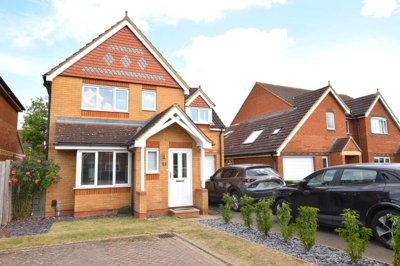
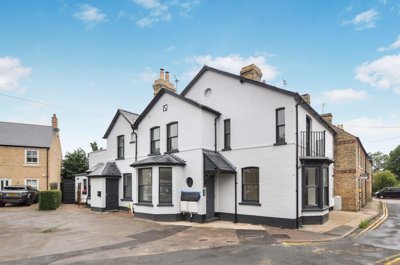
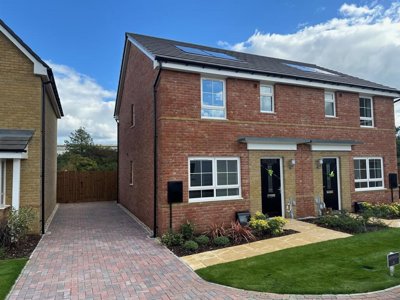
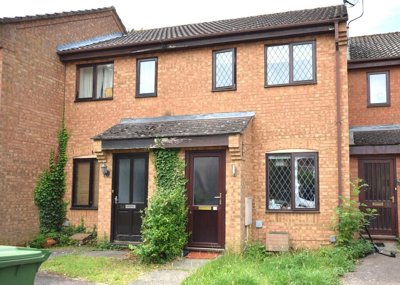
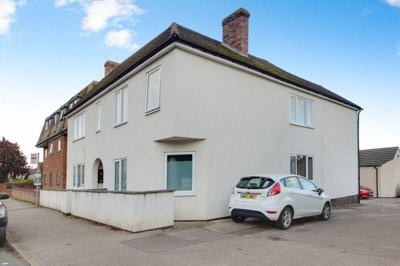
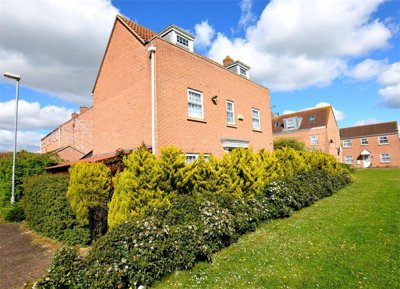
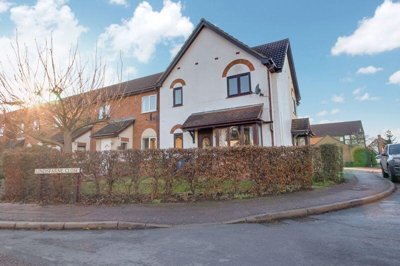
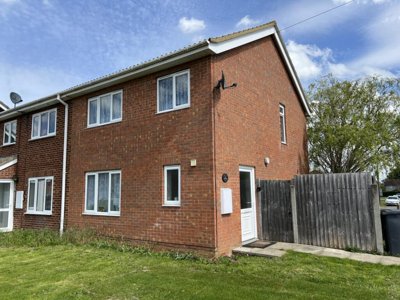
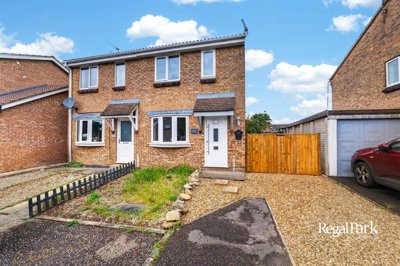
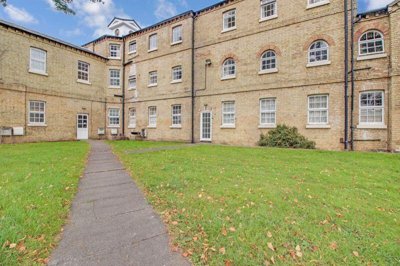
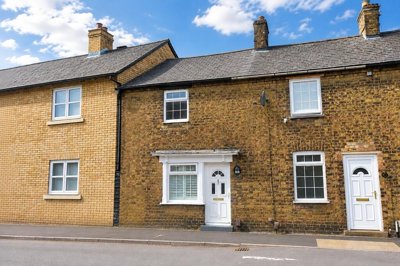
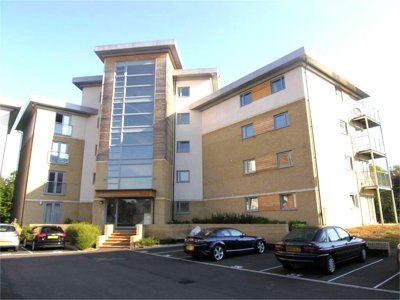
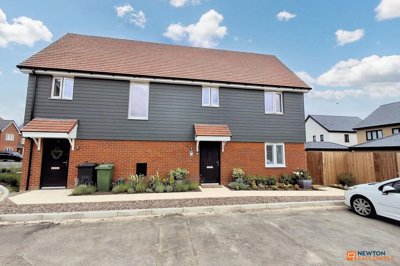
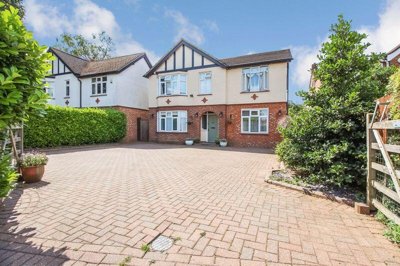
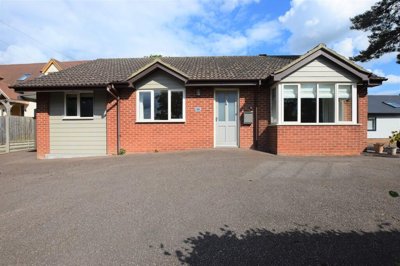
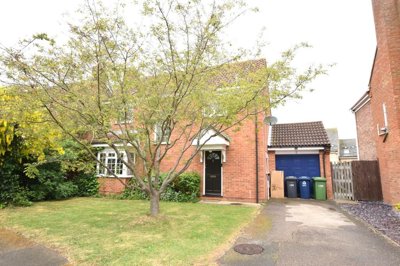
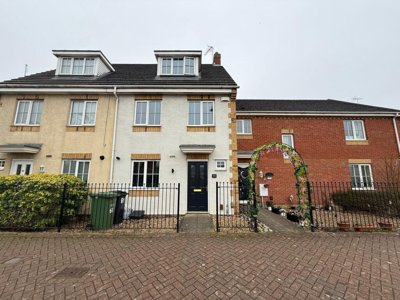
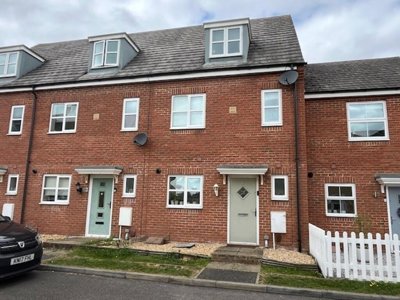
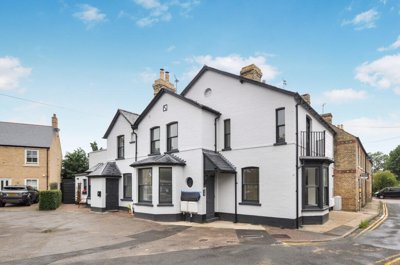
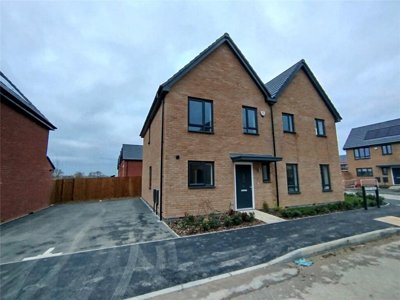
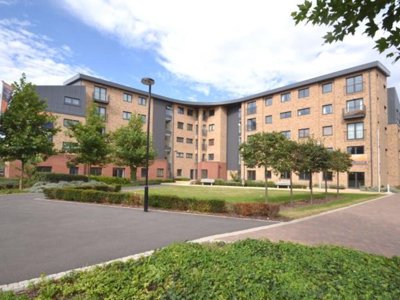
Browse 467 rental homes to rent in Huntingdonshire, Cambridgeshire from local letting agents.
£1,100/m
82
4
48
Source: home.co.uk
Source: home.co.uk
Detached
10 listings
Avg £1,627
Apartment
9 listings
Avg £1,063
Semi-Detached
9 listings
Avg £1,175
End of Terrace
7 listings
Avg £1,156
Flat
7 listings
Avg £962
Maisonette
7 listings
Avg £1,007
Not Specified
6 listings
Avg £1,411
House
5 listings
Avg £1,130
Terraced
5 listings
Avg £1,019
Cottage
3 listings
Avg £1,073
Source: home.co.uk
Source: home.co.uk
The rental market in Huntingdonshire has shown steady growth and resilience in recent years. Our data shows the district benefits from strong buyer activity in the sales market, with the average house price reaching £311,000 in December 2025 according to Land Registry provisional figures. This represents a 3.3% increase compared to December 2024, outpacing the broader East of England regional average of 1.5% growth over the same period. For renters, this healthy sales market translates into consistent availability of rental properties and well-maintained housing stock.
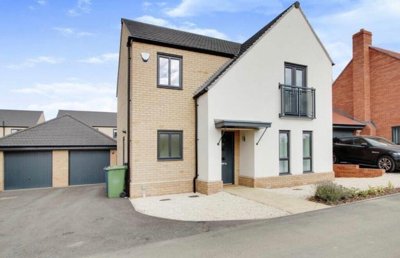
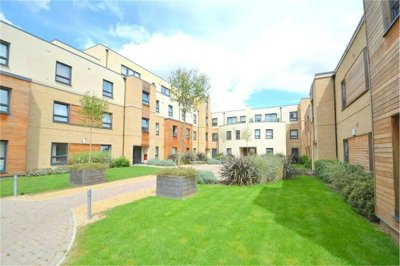
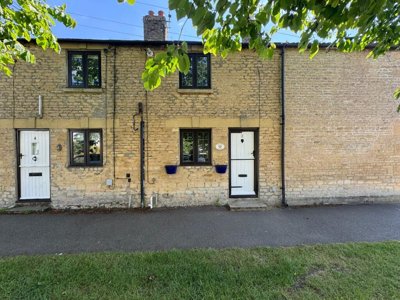
Property types available to rent in Huntingdonshire span a diverse range to accommodate different household needs. Detached properties, which sell for an average of £488,000, frequently appear in the rental market and offer generous space ideal for families. Semi-detached homes, averaging £306,000 in sales value, represent excellent value for renters seeking three-bedroom accommodation at more accessible price points. Terraced properties averaging £243,000 provide affordable options for first-time renters and young professionals, while flats and maisonettes, with an average sales value of £151,000, offer the most budget-friendly rental options throughout the district.

Huntingdonshire is a district of remarkable variety, where medieval market towns sit alongside thriving new communities and peaceful agricultural countryside. The district takes its name from the historic market town of Huntingdon, which dates back to Roman times and remains the administrative centre. The area is characterised by the Great Ouse river valley and its tributaries, which have shaped both the landscape and the settlements that developed along their banks. The geology includes extensive areas of Gault Clay and Oxford Clay, giving the land its distinctive undulating character and fertile agricultural soils.
The population of 183,700 reflects a balanced community of families, professionals, and retirees drawn by the quality of life the area provides. The district includes numerous conservation areas in towns like Huntingdon, St Ives, St Neots, Godmanchester, Ramsey, and Kimbolton, preserving the architectural heritage that makes these places so characterful. Listed buildings ranging from medieval churches to Georgian townhouses dot the landscape, reminding residents of the area's rich history. Local amenities include weekly markets in the market towns, independent shops, pubs, restaurants, and excellent recreational facilities including parks, sports centres, and countryside walks along the river valleys.
Key employers in the area include RAF Alconbury and RAF Molesworth, which provide stable employment for service personnel and civilian staff. The district's strategic position near the A1 and A14 trunk roads attracts logistics and distribution companies, while the proximity to Cambridge's Biomedical Campus makes Huntingdonshire attractive to commuters working in the science and technology sectors. Agriculture remains important in the rural areas, with the fertile soils supporting arable farming that contributes to the picturesque countryside scenery.

Education provision in Huntingdonshire serves families well with a range of primary and secondary schools across the district. The area includes several primary schools in towns like Huntingdon, St Ives, St Neots, and the surrounding villages, many of which have good Ofsted ratings. Parents renting in the district should research individual school catchments, as boundaries can significantly affect which schools children can access. The historic market towns generally offer the most concentrated selection of educational options within reasonable travelling distance.
Secondary education in Huntingdonshire includes both state schools and grammar school options, with schools in areas like St Ives, Huntingdon, and St Neots serving their local communities. Sixth form provision is available at secondary schools and colleges throughout the district, including Hinchingbrooke School in Huntingdon which has a strong academic record. For families considering rental properties, it is advisable to check current school performance data and admission policies, as popular schools can have competitive entry requirements. The presence of Cambridge and Peterborough nearby also provides access to further and higher education institutions for older students and adults pursuing continuing education.

Transport connections from Huntingdonshire are excellent, making the district particularly attractive to commuters working in Cambridge, Peterborough, and beyond. The A14 trunk road runs through the district, connecting Huntingdon to Cambridge to the south and Peterborough to the north, providing direct access for car commuters. The A1(M) runs to the east of the district, offering north-south connectivity to London and the north of England. For those working in London, the train services from Huntingdon station provide regular connections to the capital.
Rail services from Huntingdon station offer direct trains to London King's Cross, with journey times of around 50 minutes to an hour depending on the service. St Neots station provides additional rail options with services to London and Cambridge, making this town particularly popular with commuters. Bus services operate throughout the district, connecting the smaller towns and villages to the main centres for those who prefer public transport or do not have a car. The district's position between Cambridge and Peterborough gives residents access to the full range of transport options available in both cities, including Cambridge airport for domestic and European flights.
Cycling infrastructure has improved in recent years, with dedicated cycle routes connecting many of the towns and villages. For commuters to Cambridge, cycling is a viable option for those living in the southern parts of the district, with the journey taking around an hour depending on starting point. Parking availability varies by town, with larger towns generally providing public car parks while village locations may have more limited options. Residents should consider their typical commute patterns when choosing a rental location, as journey times and transport costs can vary significantly depending on proximity to the main routes and stations.

Consider your priorities regarding proximity to work, schools, amenities, and transport links. Huntingdonshire offers different characters in each town and village, from the riverside charm of St Ives to the historic heart of Huntingdon itself. Visit at different times of day and week to understand the neighbourhood atmosphere before committing to a rental.
Before viewing properties, obtain a rental budget agreement in principle to understand how much you can afford to spend on rent each month. Most letting agents and landlords will require proof of income, usually at least 2.5 to 3 times the monthly rent. Having documentation ready demonstrates your reliability as a potential tenant and speeds up the application process considerably.
Use Homemove to browse available properties and schedule viewings with local letting agents. Wear comfortable shoes as you may view several properties before finding the right one. Take notes and photographs during each viewing to help you compare properties later and recall details accurately.
Once you have found a property you want, submit your application promptly as rental properties in popular areas like Huntingdonshire can move quickly. You will typically need to provide references, proof of identity, proof of income, and consent for background checks including credit searches and tenant referencing.
Your letting agent will process your references, which usually takes a few days to a week. Once approved, you will sign the tenancy agreement and pay the deposit, typically equivalent to five weeks rent. Ensure you understand all terms and conditions before signing, including the length of tenancy and any clauses regarding maintenance responsibilities.
Before moving in, you will receive an inventory report detailing the condition of the property and its contents. Check this carefully and report any discrepancies within the agreed timeframe, typically 7 to 14 days. This protects your deposit when you eventually move out by ensuring you are not held responsible for pre-existing issues.
Renting in Huntingdonshire requires attention to several area-specific factors that could affect your enjoyment and the cost of your tenancy. Flood risk is a consideration in parts of the district, particularly in properties located near the River Great Ouse and its tributaries. Towns like Huntingdon, St Ives, Godmanchester, and St Neots have historical flood risk areas due to their riverside locations, so it is worth checking the Environment Agency flood maps and asking the landlord or agent about any previous flooding incidents before committing to a tenancy.
The geology of the area means that some properties may be built on shrinkable clay soils, which can lead to subsidence or heave issues in properties with shallow foundations. Older properties, which make up a substantial portion of the housing stock given the district's history, may show signs of damp, outdated electrics, or structural movement. A thorough inspection during the viewing and requesting information about the property's maintenance history can help identify potential issues. Properties in conservation areas will have restrictions on modifications you can make, which is worth considering if you plan to personalise your rental home.
Service charges and ground rent apply to leasehold properties, which include many flats and some houses in new developments. These ongoing costs can significantly affect the overall affordability of a rental property and vary considerably between developments. The newer developments in areas like Alconbury Weald offer modern construction with energy-efficient features and reduced maintenance concerns, while older properties provide character and often more generous room sizes. Consider what matters most to you in terms of property age and condition when searching for your ideal rental home.

While specific rental price data was not available in our research, the sales market provides useful context for the rental market. The average house price in Huntingdonshire was £311,000 in December 2025, with Rightmove reporting an average of £355,187. Detached properties sell for around £488,000, semi-detached for £306,000, terraced for £243,000, and flats for £151,000. Rental prices typically track at a proportion of these values, with two-bedroom flats starting from around £800-950 per month, three-bedroom terraced houses from £1,000-1,200 per month, and larger family homes commanding higher rents. For accurate current rental prices, search our listings or contact local letting agents who can provide up-to-date market information for your specific requirements.
Council tax bands in Huntingdonshire are set by Huntingdonshire District Council and follow the national band structure from A through to H. The specific band for a property depends on its assessed value as of April 1991. Most two-bedroom flats and terraced houses fall into bands A to C, while larger detached properties often fall into bands E to G. You can check the council tax band for any specific property through the Valuation Office Agency website using the property address. The district council provides services including waste collection, planning, and local amenities, with council tax contributions funding these essential services.
Huntingdonshire offers good educational provision across all levels, with several primary and secondary schools that have achieved positive Ofsted ratings. Primary schools in towns like St Ives, St Neots, and Huntingdon serve their local communities well, while Hinchingbrooke School in Huntingdon is a well-established secondary school with strong academic results. The area also has grammar school options within reasonable travelling distance. For the most current performance data and to understand catchment areas, parents should check the Ofsted website and the individual school websites, as ratings and admission policies can change. Renting near to a good school can be competitive, so families should begin their property search well in advance of the academic year.
Huntingdonshire has good public transport connections relative to many rural districts. Huntingdon railway station provides direct services to London King's Cross with journey times of around 50 minutes to an hour, making it practical for commuters working in the capital. St Neots station offers additional services to London and Cambridge. Bus services operated by Stagecoach and other providers connect the market towns and larger villages, though frequencies are typically lower in rural areas. For daily commuting to Cambridge or Peterborough, the train services are generally more reliable than bus connections. The A14 provides road links to both cities for those with access to a car, and the nearby A1(M) offers north-south connectivity.
Huntingdonshire is widely regarded as an excellent place to rent, offering a high quality of life with good access to employment centres while maintaining a more affordable cost of living than central Cambridge or London. The district combines attractive countryside, historic towns, and modern amenities with excellent transport connections. Rental properties range from modern apartments in new developments to characterful period homes in conservation areas, catering to diverse preferences and budgets. The strong local economy, driven by proximity to Cambridge, logistics companies, and military bases, supports consistent rental demand and well-maintained housing stock. Communities throughout the district are welcoming, with local markets, pubs, and events creating a strong sense of belonging.
When renting a property in Huntingdonshire, you will typically need to pay a security deposit equivalent to five weeks rent, which is capped under the Tenant Fees Act 2019. This deposit is protected in a government-approved deposit protection scheme for the duration of your tenancy. Holding deposits of one week's rent may also be requested to secure a property while references are being checked, though these are usually offset against the security deposit once the tenancy is agreed. Permitted payments under the Tenant Fees Act include rent, tenancy deposit, default charges for lost keys or security devices, and early termination charges if you choose to leave before the end of your fixed term. Your letting agent or landlord should provide a full breakdown of any fees before you commit to a tenancy.
From 4.5%
Compare rental budget rates and find the best deal for your new home
From £35
Expert referencing services to support your rental application
From £350
Professional survey to assess property condition before you commit
From £80
Energy performance certificate for your rental property
Understanding the costs involved in renting a property helps you budget accurately and avoid surprises. The main upfront costs include the security deposit, which is capped at five weeks rent for properties with annual rent below £50,000. This deposit must be protected in a government-approved scheme within 30 days of receiving it, and you will receive it back at the end of your tenancy minus any deductions for damage or unpaid rent. You should document the property condition thoroughly when you move in, ideally with dated photographs, to protect yourself against unfair deductions.
A holding deposit of one week's rent may be requested to take a property off the market while references are checked. This is typically deducted from your security deposit once the tenancy proceeds but is refundable if the landlord decides not to proceed. Other costs to budget for include the first month's rent in advance, moving costs, and potential agency fees if you are using a letting agent, though many agents now charge no fees to tenants following the Tenant Fees Act 2019. You may also need to budget for contents insurance, which is advisable even if not mandatory, and utility setup costs for your new home.
Monthly rental costs in Huntingdonshire vary by property type and location, with modern two-bedroom apartments in towns like Huntingdon and St Ives typically ranging from £800-1,100 per month. Three-bedroom family homes in good locations generally range from £1,100-1,500 per month, with larger detached properties commanding higher rents. When calculating your budget, remember to account for council tax, utility bills, internet connection, and other living expenses that will be in addition to your rent. Using a rental budget calculator can help you understand the full cost of renting before you commit to a property viewings schedule.

Properties to Rent In London

Properties to Rent In Plymouth

Properties to Rent In Liverpool

Properties to Rent In Glasgow

Properties to Rent In Sheffield

Properties to Rent In Edinburgh

Properties to Rent In Coventry

Properties to Rent In Bradford

Properties to Rent In Manchester

Properties to Rent In Birmingham

Properties to Rent In Bristol

Properties to Rent In Oxford

Properties to Rent In Leicester

Properties to Rent In Newcastle

Properties to Rent In Leeds

Properties to Rent In Southampton

Properties to Rent In Cardiff

Properties to Rent In Nottingham

Properties to Rent In Norwich

Properties to Rent In Brighton

Properties to Rent In Derby

Properties to Rent In Portsmouth

Properties to Rent In Northampton

Properties to Rent In Milton Keynes

Properties to Rent In Bournemouth

Properties to Rent In Bolton

Properties to Rent In Swansea

Properties to Rent In Swindon

Properties to Rent In Peterborough

Properties to Rent In Wolverhampton

Enter your details to see if this property is within your budget.
Loans, cards, car finance
Estimated property budget
Borrowing + deposit
You could borrow between
Typical borrowing
Monthly repayment
Est. at 4.5%
Loan-to-value
This is an estimate only. Your actual budget may vary depending on interest rates, credit history, and personal circumstances. For an accurate affordability assessment, speak to one of our free mortgage advisors.
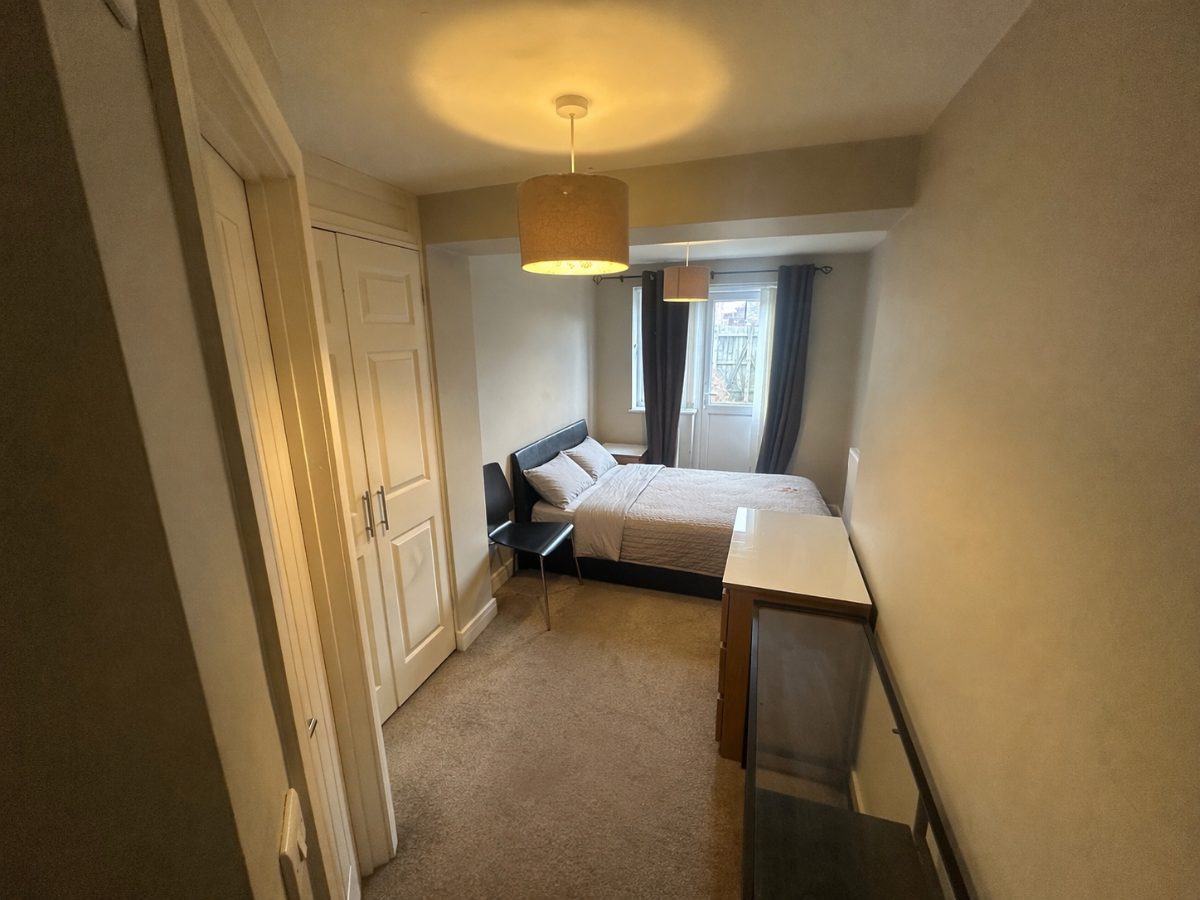

This calculator provides estimates for illustrative purposes only and does not constitute financial advice. Your home may be repossessed if you do not keep up repayments on your mortgage. Estimates based on 4.5% interest rate, repayment mortgage. Actual rates depend on your circumstances.
Homemove is a trading name of HM Haus Group Ltd (Company No. 13873779, registered in England & Wales). Homemove Mortgages Ltd (Company No. 15947693) is an Appointed Representative of TMG Direct Limited, trading as TMG Mortgage Network, which is authorised and regulated by the Financial Conduct Authority (FRN 786245). Homemove Mortgages Ltd is entered on the FCA Register as an Appointed Representative (FRN 1022429). You can check registrations at NewRegister or by calling 0800 111 6768.