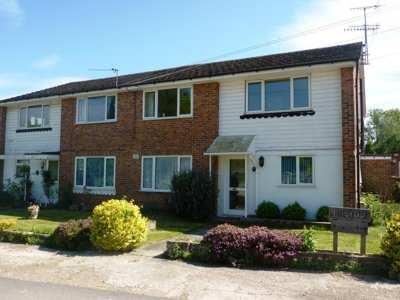
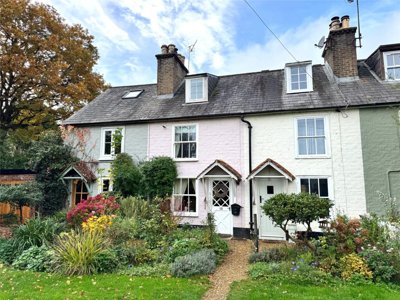
Browse 6 rental homes to rent in Holmwood, Mole Valley from local letting agents.
£0/m
0
0
0
Source: home.co.uk
The Holmwood property market demonstrates the characteristics of a desirable Surrey village location, with semi-detached homes forming the predominant housing type sold in the area over recent years. Sales data indicates semi-detached properties achieved average prices of approximately £504,000-£518,000, while detached homes commanded significantly higher values averaging around £1,000,000-£1,100,000. Terraced homes in the village currently command average rents around £1,750 per calendar month, while semi-detached properties average £1,800 per calendar month, offering accessible options for renters seeking the character and community of this village location.
Market activity in the RH5 postcode area has shown resilience, with transaction volumes indicating 26% growth compared to the previous year, though values sit approximately 9% below the 2021 peak of £589,500. For renters, the local market offers properties at average rents of £1,775 per calendar month, with limited stock meaning competitive conditions for available homes. The village benefits from its proximity to Holmwood railway station, which opened in 1867 and has historically made the area popular with commuters and visitors alike. New build activity in the immediate vicinity remains limited, meaning rental stock typically comprises characterful older properties that require careful consideration during the letting process.
The rental market in Holmwood differs from the sales market in important ways. While sales prices give useful context, rental rates are determined by current demand from tenants seeking village living without the commitment of purchasing. Rental properties in Holmwood typically include converted flats within historic buildings such as Anstie Grange, which was built in the 1860s and now houses several apartments, as well as traditional houses ranging from compact terraced cottages to substantial detached family homes. The limited new build supply means demand for rentals consistently outstrips availability, particularly during peak moving periods in summer and around the new year.
Properties within South Holmwood often attract premium interest due to the concentration of listed buildings and conservation area protections that preserve the architectural character tenants find so appealing. North Holmwood offers a different character with more terraced properties, reflecting the Victorian development patterns that expanded the village as the railway brought increased prosperity. Understanding these micro-market differences helps prospective renters target their search effectively and recognise why certain properties command higher rental values than others.

Holmwood offers a village lifestyle characterised by its peaceful residential streets, traditional architecture, and strong sense of community that appeals to renters seeking an escape from urban intensity. The area developed significantly from the 1830s onwards when wealthy metropolitan buyers began acquiring farmland to establish large country estates, with Anstie Grange built in the 1860s exemplifying the grand residences that now contribute to the village's distinctive character. Middle-class villas proliferated during this period, followed by the enlargement of more humble dwellings, creating the varied housing stock that defines modern Holmwood. The village pond, formed from excavations for a late eighteenth-century pottery, reflects the area's industrial heritage alongside its agricultural roots.
The surrounding landscape forms part of the Surrey Hills Area of Outstanding Natural Beauty, providing residents with immediate access to beautiful countryside walks, cycling routes, and outdoor recreational opportunities. The presence of Holmwood Common on clay lands creates distinctive habitats and walking terrain, while nearby areas offer attractions including historic estates, traditional pubs serving local food, and community events throughout the year. The village maintains essential local services including a village shop and traditional pub, with Dorking just a short journey away offering supermarkets, independent retailers, restaurants, and leisure facilities including swimming pools and fitness centres.
Community life in Holmwood centres around several key venues and annual events that bring residents together. The village hall hosts regular activities from coffee mornings to craft fairs, while the Church of St Mary Magdalene in South Holmwood, a Grade II listed building constructed in 1838, provides both spiritual and community focus. For families, the recreation ground offers outdoor space for children, and the proximity to walking routes across Holmwood Common provides endless opportunities for exploration. The historical industrial heritage of the area, including brick making at Stubs Farm that continued until the 1980s, has left its mark on the landscape and local history, providing talking points for those interested in understanding how the village evolved into the desirable location it is today.
The character of North Holmwood differs somewhat from South Holmwood, with the parish of St John established in 1875 reflecting the northward expansion of the village as it grew in popularity. Terraced properties in North Holmwood often appeal to first-time renters or those seeking more manageable accommodation within this desirable postcode. The terraced housing here contrasts with the grander detached and semi-detached villas found throughout the village, providing housing options at various price points while maintaining the architectural coherence that makes Holmwood such an attractive place to live.

Families considering renting in Holmwood will find educational provision available at both primary and secondary levels, with several well-regarded schools within reasonable travelling distance of the village. Primary education in the local area includes St Mary's CofE Primary School in nearby Brockwood, while several other primary schools serve surrounding villages, many of which have achieved good or outstanding Ofsted ratings. The village's historical connection to education is evident in The Old School House on South Holmwood's Milton Street, a building dating from 1844 that reflects the long-standing importance placed on schooling in the community.
Secondary education options in the broader Dorking area include institutions with strong academic reputations, with Dorking High School and the grammar school system serving able students in the region. For families seeking independent education, several respected private schools operate within commuting distance, including schools in Guildford and Reigate. Sixth form provision is available at nearby colleges and school sixth forms, providing comprehensive options for older students. Parents should note that catchment areas can be competitive in popular Surrey villages, and early enquiry to schools is advisable when planning a rental move with school-age children.
The educational heritage of Holmwood extends beyond formal schooling to the broader cultural development of the village. The Old School House, constructed in 1844, represents a time when education was becoming accessible beyond the gentry, and the subsequent establishment of additional educational facilities reflects the growing importance placed on learning for all village children. This historical commitment to education continues today, with local schools maintaining strong links to the community and offering activities beyond the standard curriculum including sports clubs, music lessons, and environmental projects that align with the Surrey Hills setting.

Holmwood railway station provides the village's primary rail connection, offering services that have shaped the area's development since opening in 1867 when the railway made Holmwood's hotels and guesthouses popular with Victorian holiday-makers. The station connects residents to London Victoria and London Bridge via connections at Dorking, with typical journey times to the capital ranging from approximately 50 minutes to one hour depending on connections. This makes Holmwood particularly attractive to commuters who work in central London but prefer village living, a factor that has influenced property values and rental demand over many decades.
Road connections from Holmwood include access to the A24 which runs through nearby Dorking, providing routes to the M25 motorway at Leatherhead and onward connections to the wider South East road network. Bus services operate between Holmwood and Dorking, offering an alternative to car travel for daily commuting and local journeys. For cyclists, the area's country lanes offer scenic but sometimes challenging routes, while National Cycle Network routes pass through the broader Surrey Hills area. Parking provision varies by property, with period homes typically offering off-street parking or garaging, an important consideration for renters who commute by car to the station.
The station's continued importance to the village cannot be overstated, with regular services making Holmwood particularly appealing to those working in London but wishing to avoid the higher costs and intensity of city living. Properties within walking distance of the station command a premium in the rental market, so prospective renters should factor location relative to the station into their property search. The historic significance of Holmwood station, dating back to the Victorian era when it served holiday-makers visiting the Surrey Hills, contributes to the romantic character of village life that makes Holmwood such a desirable place to rent a home.

Holmwood's architectural heritage sets it apart from many comparable villages, with buildings spanning several centuries of English domestic architecture waiting to be discovered by prospective renters. The Grade II listed buildings scattered throughout South Holmwood represent different eras and styles, from Betchets Green Cottage, a timber-framed house dating from the 1590s, to the Victorian Gothic character of the Church of St Mary Magdalene. This architectural diversity creates a villagescape where every street reveals something of interest, and where renting a property means living within a protected heritage environment.
The village contains several notable historic buildings that contribute to its distinctive character. Anstiebury Farm House, another Grade II listed property, speaks to the agricultural heritage that preceded the Victorian development boom. The Dutch House in South Holmwood represents the international influences that wealthy Victorian homeowners sometimes incorporated into their residences. For renters, living in a listed building or a property within the conservation area means becoming a steward of heritage, with certain restrictions applying to alterations and modifications. These requirements, while potentially limiting for some tenants, help preserve the village character that makes Holmwood so sought after.
Building materials used in Holmwood's historic properties typically include local brick and stone, with some properties featuring the rough cast render and ashlar dressings common in Victorian Surrey construction. The local geology, with Holmwood Common sitting on clay lands, influenced foundation construction techniques used historically, and this geological context remains relevant when considering property condition and maintenance requirements. Properties such as Cinders Cottage, part of Holmwood Park, demonstrate how historic structures were restyled over time, with this particular cottage dating from the 16th century before receiving its 19th-century appearance. Such layered history is typical throughout the village and adds depth to the experience of living in Holmwood.
Several grand estates built during the Victorian boom remain significant features of the village today. Anstie Grange, constructed in the 1860s in an era when wealthy metropolitan buyers were establishing country estates, has since been converted into apartments, offering rental opportunities in an architecturally distinguished building. Similarly, Moorhurst and Holmwood Park represent the larger residences that once dominated the landscape, though many now serve different purposes while retaining their historic character. For renters seeking period features such as original fireplaces, sash windows, or ornate cornicing, properties within these Victorian developments often provide the character that modern conversions cannot match.

Renting a property in Holmwood requires careful attention to several area-specific factors that distinguish this Surrey village from urban rental markets. The prevalence of clay geology across Holmwood Common and surrounding areas means prospective renters should inquire about any history of subsidence or ground movement affecting the property or its neighbours. While specific widespread subsidence reports were not identified for Holmwood, clay soils can cause foundation movement during periods of drought or heavy rainfall, and older properties may show signs of past movement that have been professionally remedied.
The presence of Grade II listed buildings throughout South Holmwood and the surrounding area indicates that many rental properties may be subject to planning restrictions affecting alterations, renovations, and even external decoration. If you plan to personalise your rental property, check with the landlord and Mole Valley District Council regarding any consent requirements. Similarly, properties within conservation areas face additional controls over extensions, outbuildings, and changes to windows and doors. These restrictions protect the village's character but may limit your ability to make certain changes during your tenancy.
For period properties, pay particular attention to the condition of original features including sash windows, fireplaces, timber floors, and period staircases. These features contribute to the charm that makes Holmwood properties desirable but require ongoing maintenance. Enquire about the age and condition of heating systems, as older properties may have less efficient heating than modern alternatives. Double-check which utilities and services are included in your rent and clarify responsibilities for garden maintenance, snow clearance, and shared area upkeep before signing your tenancy agreement.
The historical industrial activity in the area, particularly brick making at Stubs Farm until the 1980s, means some properties may have foundations or structures influenced by local clay extraction. While this does not necessarily indicate problems, it adds to the complexity of property assessment in the village. A thorough inspection before committing to a tenancy can identify any issues that might affect your decision or provide leverage for negotiating rental terms. Given the competitive nature of the Holmwood rental market and the desirability of period properties, being well-informed about potential issues helps you make confident decisions about your rental choice.

Begin by exploring available rental properties in Holmwood through Homemove and other property portals. Understanding current rental levels in the area will help you set realistic budgets, with factors including property type, size, and condition all influencing monthly costs. The RH5 postcode offers properties ranging from compact terraced cottages to substantial detached family homes, each commanding different rental values based on location within the village and proximity to Holmwood station.
Before viewing properties, obtain a mortgage in principle or rental budget agreement in principle. Landlords in competitive areas like Holmwood often require proof of financial capability. Having this documentation ready demonstrates your seriousness as a potential tenant and strengthens your application. For renters in Surrey villages, landlords may also request employment references or evidence of regular income to ensure sustainable tenancy arrangements.
Contact local letting agents or schedule viewings through Homemove. View multiple properties to compare condition, maintenance standards, and rental terms. Pay particular attention to signs of damp, roof condition, and the quality of fixtures and fittings in period properties. In properties of Victorian or earlier construction, look for evidence of damp proof courses, roof repairs, and the condition of original features that may require specialist maintenance.
Given Holmwood's older housing stock including Victorian and earlier properties, consider commissioning a professional survey before committing. A thorough inspection can identify structural issues, damp problems, or needed repairs that might not be visible during a standard viewing. While surveys are more commonly associated with property purchases, renters can also benefit from professional assessments, particularly for longer-term tenancies where any issues would affect your living experience.
Once you find your ideal property, your letting agent will require references, proof of identity, and likely a security deposit equivalent to five weeks' rent. Ensure you understand the terms of your tenancy agreement including maintenance responsibilities and any restrictions on pets or modifications. In listed buildings or conservation area properties, check whether the landlord has granted consent for any planned modifications before signing.
Finalise your tenancy with an inventory check documenting the property's condition. Take dated photographs throughout the property to protect your deposit when you eventually vacate. Arrange utility transfers and notify relevant parties of your change of address. For properties in South Holmwood or those with historic features, the inventory should note the condition of period elements specifically, as wear on historic features is assessed differently from modern fittings.
While comprehensive rental price data for Holmwood indicates an average of £1,775 per calendar month, the sales market provides useful context with average property values around £530,000-£540,000. Rental prices in the village reflect property type and condition, with terraced homes offering more accessible entry points at average rents of £1,750 per calendar month while semi-detached properties average £1,800 per calendar month. For accurate current rental pricing, we recommend searching listing portals and contacting local letting agents who can provide real-time market data for the RH5 postcode area. Terraced properties and flats within converted historic buildings such as Anstie Grange typically provide the most affordable rental options in the village at around £1,750 per calendar month.
Properties in Holmwood fall under Mole Valley District Council jurisdiction, and council tax bands vary by property based on valuation bands A through H. Period properties including Victorian cottages and Edwardian villas typically fall across various bands depending on their assessed value. You can check specific bandings through the Valuation Office Agency website using the property address, and your letting agent should confirm the applicable band before you commit to a tenancy. Budgeting for council tax should account for the full year charge, which can vary significantly between different sized properties in the village.
Holmwood and the surrounding Mole Valley area offer several well-regarded educational options for families. Primary schools in nearby villages include St Mary's CofE Primary School, while secondary options in Dorking serve the area with good GCSE results and sixth form provision. Several independent schools operate within commuting distance, and the village's historical ties to education dating back to 1844 reflect a continued commitment to schooling in the community. Always verify current admission arrangements and catchment areas with individual schools, as Surrey school admissions can be competitive for village properties.
Holmwood railway station provides direct connections to London Victoria and London Bridge via the Dorking route, with typical journey times to the capital of approximately 50-60 minutes. Bus services operate between Holmwood and Dorking, offering local connectivity for daily needs. The A24 runs nearby providing road access to the M25 at Leatherhead, making car travel to surrounding areas straightforward. This combination of rail and road connectivity makes Holmwood popular with commuters while maintaining its village character. Properties near the station typically command premium rental values due to commuter demand.
Holmwood offers renters an exceptional combination of rural village charm, excellent transport links, and access to beautiful Surrey countryside. The village's heritage including historic buildings, traditional architecture, and strong community spirit creates an attractive environment for families, commuters, and those seeking a peaceful lifestyle within easy reach of London. The competitive market means properties may be sought after, so prospective renters should be prepared to act quickly when suitable properties become available. The presence of Holmwood station, local amenities, and proximity to Dorking make this a highly desirable rental location that continues to attract tenants seeking quality of life alongside practical connectivity.
Standard deposits on rental properties in Holmwood typically amount to five weeks' rent, calculated based on the monthly rental rate for the property. As a first-time renter, you may benefit from relief on the deposit threshold for properties up to certain values. Additional fees may include referencing charges, admin costs, and check-in fees, though regulations limit what landlords and agents can charge. Always request a full breakdown of all costs before proceeding with a tenancy application to avoid unexpected charges.
Holmwood contains several Grade II listed buildings concentrated in South Holmwood, including the Church of St Mary Magdalene, Anstiebury Farm House, Betchetts Green, and The Dutch House. If you rent a listed property, you will need to obtain landlord consent and likely planning permission for any modifications, including external decoration. These restrictions protect the architectural heritage that makes Holmwood special but require tenant cooperation with heritage conservation requirements. Your letting agent should clarify any listed building status before you commit to a tenancy.
Holmwood Common sits on clay geology, which can cause ground movement during moisture content changes. This shrink-swell risk is generally manageable but may affect older properties without modern foundations. The historical brick-making activity at Stubs Farm until the 1980s indicates local clay extraction, though this does not necessarily create problems for residential properties. When viewing properties, look for signs of movement such as cracking to internal walls or uneven floors, and ask the landlord about any past structural issues or foundation treatments that have been carried out.
Understanding the financial requirements for renting in Holmwood helps you budget effectively for your move and avoid unexpected costs during the tenancy application process. The standard security deposit required by landlords in the UK is equivalent to five weeks' rent, held in a government-approved Tenancy Deposit Scheme for the duration of your tenancy. As a first-time renter, you may qualify for reduced deposit thresholds on properties valued up to certain amounts, though most rental properties in desirable village locations like Holmwood will require the full five-week deposit.
Beyond the deposit, prospective tenants should budget for various associated fees including tenant referencing costs, which typically range from £100-£200 depending on the agency or landlord. Inventory check fees, usually between £100-£200, cover the detailed condition report that protects both you and your landlord at the start and end of your tenancy. Some agents charge administration fees for processing the tenancy, though these have been restricted under consumer protection regulations. We recommend requesting a written breakdown of all anticipated costs before paying any holding deposit, as this commitment should only be made once you are certain you wish to proceed with the specific property.
For renters considering properties in Holmwood's older housing stock, additional one-off costs may include professional surveys given the prevalence of Victorian and earlier properties that may have hidden defects. A RICS Level 2 survey for a property in the £200,000-£500,000 range typically costs between £380-£600 depending on size and complexity. While surveys are not mandatory for renters, they provide valuable documentation should any disputes arise about property condition when your tenancy ends. Factor these costs into your overall moving budget alongside removals, utility connection fees, and any initial purchases needed for your new home.

From 4.5%
Budget assessment service for tenants in Holmwood
From £499
Comprehensive referencing for rental applications
From £350
Professional property survey for Holmwood rentals
From £85
Energy performance certificate for rental properties
Properties to Rent In London

Properties to Rent In Plymouth

Properties to Rent In Liverpool

Properties to Rent In Glasgow

Properties to Rent In Sheffield

Properties to Rent In Edinburgh

Properties to Rent In Coventry

Properties to Rent In Bradford

Properties to Rent In Manchester

Properties to Rent In Birmingham

Properties to Rent In Bristol

Properties to Rent In Oxford

Properties to Rent In Leicester

Properties to Rent In Newcastle

Properties to Rent In Leeds

Properties to Rent In Southampton

Properties to Rent In Cardiff

Properties to Rent In Nottingham

Properties to Rent In Norwich

Properties to Rent In Brighton

Properties to Rent In Derby

Properties to Rent In Portsmouth

Properties to Rent In Northampton

Properties to Rent In Milton Keynes

Properties to Rent In Bournemouth

Properties to Rent In Bolton

Properties to Rent In Swansea

Properties to Rent In Swindon

Properties to Rent In Peterborough

Properties to Rent In Wolverhampton

Enter your details to see if this property is within your budget.
Loans, cards, car finance
Estimated property budget
Borrowing + deposit
You could borrow between
Typical borrowing
Monthly repayment
Est. at 4.5%
Loan-to-value
This is an estimate only. Your actual budget may vary depending on interest rates, credit history, and personal circumstances. For an accurate affordability assessment, speak to one of our free mortgage advisors.
This calculator provides estimates for illustrative purposes only and does not constitute financial advice. Your home may be repossessed if you do not keep up repayments on your mortgage. Estimates based on 4.5% interest rate, repayment mortgage. Actual rates depend on your circumstances.
Homemove is a trading name of HM Haus Group Ltd (Company No. 13873779, registered in England & Wales). Homemove Mortgages Ltd (Company No. 15947693) is an Appointed Representative of TMG Direct Limited, trading as TMG Mortgage Network, which is authorised and regulated by the Financial Conduct Authority (FRN 786245). Homemove Mortgages Ltd is entered on the FCA Register as an Appointed Representative (FRN 1022429). You can check registrations at NewRegister or by calling 0800 111 6768.