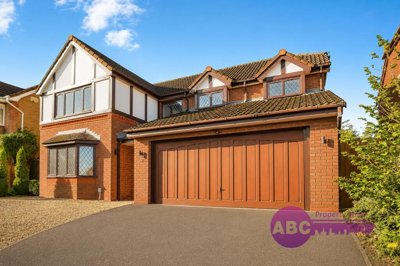
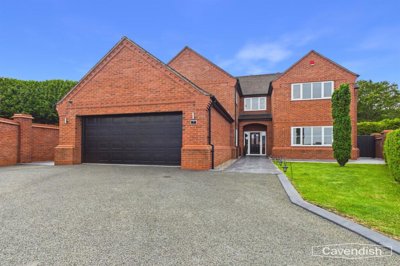
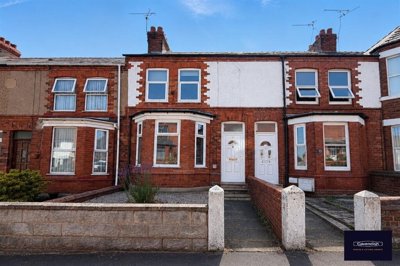
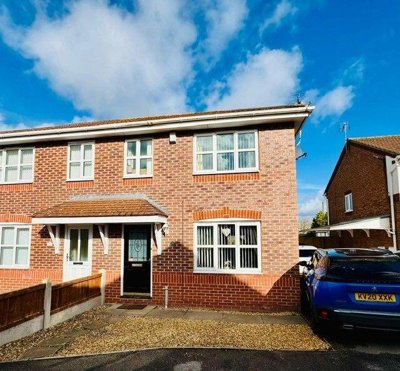
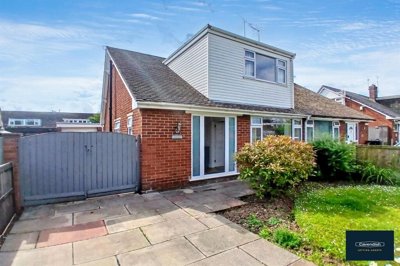
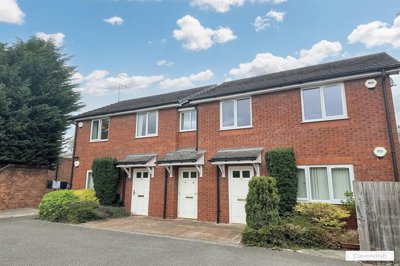
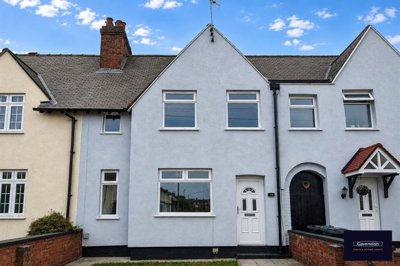
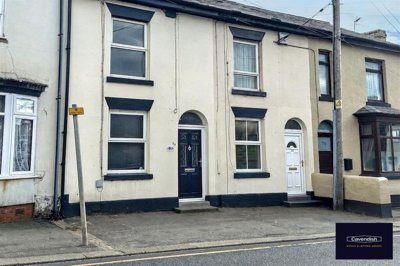
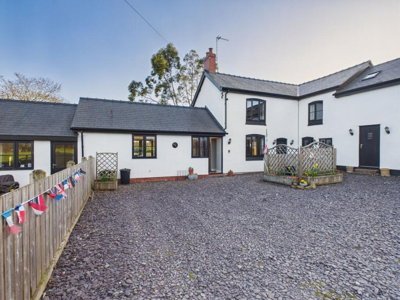
Browse 37 rental homes to rent in Hawarden, Flintshire from local letting agents.
£1,300/m
1
0
23
Source: home.co.uk
Source: home.co.uk
Semi-Detached
1 listings
Avg £1,300
Source: home.co.uk
Source: home.co.uk
The Hawarden rental market reflects the area's position as a desirable commuter village with strong ties to both the Welsh and English economies. Based on current market data, Hawarden offers rental prices that provide good value compared to nearby Chester, where similar property types command significantly higher monthly costs. The average rent in Hawarden stands at £4,440 pcm, with office properties averaging £5,166, retail property at £2,500 and semi-detached homes at £1,300, suggesting a rental market that spans multiple price brackets depending on property type and condition. === Before committing to a tenancy, consider commissioning a survey to assess the property's condition. Given Hawarden's mix of older properties, with approximately 70.5% of homes built before 1980, a thorough inspection can identify issues such as damp, roof condition, subsidence risk from clay soils, or electrical problems that may not be immediately apparent. RICS Level 2 Surveys in the Hawarden area typically range from £500 to £900 depending on property size and complexity. For listed buildings or properties with unusual construction, a more detailed RICS Level 3 Building Survey may be more appropriate, though this comes at higher cost. === While specific rental price data requires current listings to confirm, the sales market in Hawarden provides useful context for the rental market. Semi-detached homes average £1,300 in rent, while detached properties command around £5,166. Rental prices typically correlate with these values, meaning larger detached homes command the highest rents while flats offer the most affordable entry point to the Hawarden market. The village's popularity with commuters and families ensures consistent demand across all property types, and our experience shows that well-presented properties in good school catchments can achieve rental figures at the upper end of market expectations. === When calculating your rental budget, consider that properties in Hawarden span a wide range of values and conditions. The median rent of £2,500 indicates the typical cost of homes in the area, but individual rental prices vary significantly based on property type, condition, and location. Detached family homes in popular areas near good schools typically command the highest rents, while flats and older terraced properties offer more affordable entry points to the Hawarden market. Using a rental budget calculator can help you understand exactly what monthly rental amount you can comfortably afford based on your income and existing financial commitments, ensuring you don't overstretch yourself when searching for properties.
Recent market activity shows 100 property sales in Hawarden over the past twelve months, indicating healthy demand in the area. Price trends show modest corrections across most property types, with detached properties experiencing the smallest decline at -0.34%, while flats have seen more significant adjustment at -4.17%. For renters, this market balance can work in our favour when negotiating terms, as landlords remain competitive to attract quality tenants to this sought-after location. The combination of stable long-term demand driven by commuters and the area's family-friendly reputation means Hawarden continues to attract renters who appreciate its village atmosphere without sacrificing accessibility to larger employment centres.
The local housing stock breakdown reveals why Hawarden appeals to such a wide range of renters. According to ONS Census data, detached properties comprise 33.9% of homes, semi-detached properties account for 33.3%, terraced homes make up 20.2%, and flats represent 12.0% of the housing stock. This balanced mix means renters can find everything from spacious family homes to more compact options suitable for individuals or couples, all within the same village community.

Hawarden nestles in the heart of Flintshire, offering residents a peaceful village lifestyle with exceptional connectivity to surrounding areas. The village is centred around its historic core, where St Deiniol's Church and the imposing Hawarden Castle create a distinctive skyline that has drawn visitors for centuries. Hawarden Castle itself, a Grade I listed building, stands as one of the most significant historic structures in the region, while St Deiniol's Library provides a unique cultural asset that contributes to the village's intellectual heritage. The village centre features a range of independent shops, traditional pubs, and essential amenities, while the surrounding countryside provides ample opportunities for outdoor recreation along the Welsh Marches landscape that characterises this part of North East Wales.
The demographic profile of Hawarden shows a population of approximately 1,939 residents across 830 households, creating a close-knit community atmosphere that many renters find appealing. The housing stock reflects the village's evolution from its historic origins through mid-century development to contemporary housing. Approximately 18% of properties pre-date 1919, lending architectural character to certain neighbourhoods, while 38% were built between 1945 and 1980, providing a substantial base of family homes in established residential areas. This mix creates varied rental options, from period properties with original features to post-war semis offering modern layouts and generous gardens. The community hosts regular events and maintains strong ties to local traditions, making it particularly attractive to families and those seeking an alternative to urban living.
Local employers contributing to Hawarden's economic vitality include manufacturing businesses in the wider Flintshire area, retail operations within the village, and the education and healthcare sectors that provide stable employment for many residents. The proximity to the Deeside industrial park, one of the largest employment zones in North Wales, means that renters working in manufacturing, logistics, or related industries can access significant job opportunities without lengthy commutes. This economic diversity supports consistent rental demand across property types and household configurations.

Education provision in Hawarden ranks among the key factors attracting families to the area, with several well-regarded schools serving the village and surrounding communities. Primary education is available through schools within Hawarden and nearby villages, catering to children from reception through to Year 6. Secondary-aged pupils typically attend schools in the wider Flintshire area, with many families choosing properties based on catchment areas for their preferred secondary school. The presence of grammar schools in nearby Chester and Flintshire adds to educational options for families prioritising academic achievement, with schools such as St David's Catholic College and Flint High School serving as popular choices for secondary students.
For higher education and further studies, Hawarden's position provides convenient access to institutions across North Wales and Cheshire. Students can reach colleges and universities in Chester, Wrexham, and Bangor without lengthy commutes, making Hawarden practical for households with older children pursuing further education. Chester University offers a range of undergraduate and postgraduate courses within easy reach, while the University of Wales Trinity Saint David in Bangor provides options for those seeking a more residential university experience. When renting in Hawarden, families should verify current catchment area boundaries and school admission policies, as these can influence property desirability and rental premiums in certain neighbourhoods.
The area's reputation for educational quality contributes significantly to its appeal among tenants with school-age children, making early engagement with school admissions essential when planning a move to the village. School performance data, including Ofsted ratings, is publicly available through government websites and can help families identify the most suitable options for their children's education. Many letting agents in the area report that properties within good school catchments command a rental premium, so families should factor this into their budget calculations when searching for rental accommodation in Hawarden.

Hawarden enjoys excellent transport connections that make it particularly attractive to commuters working in Chester, the Deeside industrial corridor, or further afield. The village sits within easy reach of major road networks, including the A55 North Wales Expressway, providing direct access to Chester, Liverpool, and the wider motorway network beyond. Daily commuters to Chester can typically reach the city centre within 20-30 minutes by car, while those travelling to Liverpool or Manchester benefit from straightforward motorway routes that avoid much of the congestion affecting more southerly routes into these cities. The A494 provides additional connectivity toward Mold and the wider Flintshire area.
Public transport options include bus services connecting Hawarden to Chester and nearby towns, with regular routes serving commuters and shoppers throughout the day. The Chester Bus Interchange provides connections to an extensive network of routes, making car-free commuting practical for many residents. Rail connections are available from nearby stations in Shotton and Hawarden Bridge, offering direct services to major cities including Manchester, Liverpool, and London via Chester station. For those working in the Deeside area, Hawarden provides particularly short commutes to industrial employers along the River Dee corridor, with journey times often under 15 minutes to the main industrial zones.
Cyclists benefit from dedicated routes and the relatively flat terrain surrounding the village, while pedestrian access to local amenities means many daily needs can be met without vehicle use. The combination of transport options makes Hawarden practical for households where different family members work in different locations, with the flexibility to choose commute methods that suit individual circumstances. Many renters find that the village's connectivity allows them to access employment opportunities across a wide area without sacrificing the quality of life that village living provides.

Renting in Hawarden requires attention to several area-specific factors that can significantly impact your tenancy experience. The village's designation as a Conservation Area means numerous properties fall under planning restrictions that affect alterations, extensions, and even external appearance changes. Tenants should clarify with landlords what permissions exist for personalising properties, particularly regarding painting, fixtures, or garden modifications. Listed buildings, including the Grade I Hawarden Castle and St Deiniol's Church as well as numerous Grade II residential properties, require listed building consent for many changes, creating additional considerations for renters seeking to make a property their own during the tenancy period.
The local geology presents practical considerations for renters, as Hawarden sits on clay-rich soils derived from glacial till that can exhibit shrink-swell behaviour during extreme weather conditions. These clay soils, underlain by Carboniferous sandstones, shales, and mudstones, can pose a risk of subsidence or heave, particularly near large trees or in periods of extreme wet and dry weather. While modern properties incorporate foundation designs appropriate to these conditions, older properties may show signs of movement or require regular monitoring. Our inspectors frequently identify foundation issues in period properties that were built before current understanding of ground conditions.
Surface water flooding represents a genuine concern in parts of Hawarden, particularly during periods of heavy rainfall when drainage systems can become overwhelmed. Properties in low-lying areas near watercourses may be at risk of river flooding from the River Dee and its tributaries. Additionally, the presence of older housing stock means that electrical systems, plumbing, and insulation standards vary considerably between properties. Many properties built before the 1980s contain electrical wiring and plumbing that does not meet current standards, and some older homes may contain asbestos in textured coatings, insulation, or pipe lagging. A thorough inventory check and, where possible, a condition survey can help renters understand what they are taking on before committing to a tenancy.
Flintshire has a history of coal mining, and while Hawarden itself may not be directly over active workings, the legacy of past mining activities in the wider region means that ground stability due to old mine workings can be a consideration in some localised areas. Renters viewing properties in areas with a mining history should consider requesting a mining report to understand any potential risks. This is particularly relevant for properties in the older parts of the village where underlying geology may include historic mine workings.

Before viewing properties in Hawarden, obtain a rental budget agreement in principle from a lender or broker. This document demonstrates to landlords and letting agents that you can afford the monthly rent, typically requiring evidence of income around 30 times the monthly rental figure. Having this ready positions you as a serious applicant in a competitive market where good properties attract multiple viewers. Some letting agents may also request proof of employment, bank statements, or references from previous landlords to verify your financial position.
Spend time exploring the village and understanding which neighbourhoods suit your lifestyle requirements. Consider proximity to schools if you have children, transport connections for your commute, and the type of property that fits your household size. Hawarden offers varied residential areas from the historic village centre with its Conservation Area properties, to more modern developments on the outskirts including Springfield Meadows and Parc Celyn where new build homes are available. Each neighbourhood offers different advantages, whether you prioritise character properties with original features or newer homes with contemporary fittings and energy-efficient designs.
Once you have identified suitable properties, schedule viewings through letting agents or directly with landlords. View multiple properties to compare condition, maintenance standards, and rental values. Take notes and photographs to help compare options later, paying particular attention to the property condition, any maintenance issues, and the terms being offered. Ask specific questions about the property's history, recent upgrades, and what is included in the rent. Our team recommends viewing properties at different times of day to assess noise levels, natural light, and the general atmosphere of the neighbourhood.
Before committing to a tenancy, consider commissioning a survey to assess the property's condition. Given Hawarden's mix of older properties, with approximately 70.5% of homes built before 1980, a thorough inspection can identify issues such as damp, roof condition, subsidence risk from clay soils, or electrical problems that may not be immediately apparent. RICS Level 2 Surveys in the Hawarden area typically range from £400 to £700 depending on property size and complexity. For listed buildings or properties with unusual construction, a more detailed RICS Level 3 Building Survey may be more appropriate, though this comes at higher cost.
Once you have selected a property and completed your checks, negotiate terms with the landlord or agent. Ensure you understand the deposit amount, payment schedule, and what is included in the rent. Your tenancy agreement should clearly state your rights and responsibilities, maintenance obligations, and any restrictions on pets, smoking, or alterations to the property. Given Hawarden's Conservation Area designation, any plans to modify the property may require landlord consent and potentially planning permission, so understanding these restrictions before signing is essential.
While specific rental price data requires current listings to confirm, the sales market in Hawarden provides useful context for the rental market. Detached properties average £377,272 in value, semi-detached homes at £221,438, terraced properties at £183,975, and flats at £115,000. Rental prices typically correlate with these values, meaning larger detached homes command the highest rents while flats offer the most affordable entry point to the Hawarden market. The village's popularity with commuters and families ensures consistent demand across all property types, and our experience shows that well-presented properties in good school catchments can achieve rental figures at the upper end of market expectations.
Properties in Hawarden fall under Flintshire County Council's jurisdiction for council tax purposes. Bands vary by property and are based on the 1991 valuation, with current bands ranging from A through to H depending on the property's assessed value. Detached family homes in established areas typically fall into higher bands, while older terraced properties and flats often occupy lower council tax brackets. You can verify the specific band for any property through the Welsh Government valuation list or by checking the listing details where council tax band is included.
Hawarden and the surrounding Flintshire area offer several well-regarded educational options for families. Primary schools in and around Hawarden serve the local community, while secondary-aged children can access schools across Flintshire including grammar school options for those meeting academic entry requirements. The area's proximity to Chester provides additional schooling choices for families willing to commute, with several highly-rated secondary schools accessible via the A55. School performance data, including Ofsted ratings, is publicly available through government websites and can help families identify the most suitable options for their children's education. Our team often recommends that families prioritise school catchment areas when searching for rental properties, as catchment boundaries can significantly affect access to preferred schools.
Hawarden benefits from bus services connecting the village to Chester and surrounding towns, providing practical options for commuters without cars. Nearby rail stations at Shotton and Hawarden Bridge offer train services, while Chester station provides comprehensive national rail connections including direct services to London. The A55 and A494 roads provide straightforward car access to major employment centres including the Deeside industrial park, one of the largest employment zones in North Wales, making Hawarden accessible across multiple transport modes. Daily commuters to Chester typically find journey times of 20-30 minutes by car, while those working in Liverpool or Manchester can access the motorway network via the A55 without navigating congested city routes.
Hawarden presents excellent rental prospects for those seeking village living with urban connectivity. The community atmosphere, quality local amenities including independent shops and traditional pubs, and access to good schools make it popular among families, while the strong commuter links attract professionals working in Chester, Deeside, or further afield. The Conservation Area designation maintains the village's attractive character, and the mix of property ages and types provides options across different rental budgets. The proximity to both Wales and England adds flexibility for those working across the border. Our experience matching renters to Hawarden properties suggests that tenant satisfaction tends to be high, with many choosing to remain in the area long-term once they have settled into community life.
Standard practice in Hawarden follows UK rental regulations, typically requiring a deposit equivalent to five weeks' rent, providing landlords with financial protection against damage or unpaid rent during the tenancy. This deposit must be protected in a government-approved scheme within 30 days of receipt, and you should receive written confirmation of where your money is held. At the end of your tenancy, the deposit should be returned within ten days of both parties agreeing the final amount, minus any deductions for damage beyond normal wear and tear. Tenant fees are now largely banned under the Tenant Fees Act, meaning you should not be asked to pay additional charges beyond rent, a refundable deposit, and specific permitted payments such as a holding deposit to secure a property.
When viewing properties in Hawarden, pay particular attention to the property's construction type and age, as this affects maintenance requirements and potential issues. With 18% of properties pre-dating 1919 and many more built before 1980, older properties may show signs of damp, outdated electrics, or roof deterioration that require landlord attention. Check for evidence of subsidence or cracking that might indicate foundation movement related to the local clay soils. Enquire about the history of flooding in the area, particularly for properties in lower-lying positions near watercourses. For properties within the Conservation Area or those that are listed, understand what restrictions apply to alterations and personalisation during your tenancy.
Understanding the full cost of renting in Hawarden requires consideration beyond simply the monthly rent figure. Standard deposits in Hawarden are typically set at five weeks' rent, providing landlords with financial protection against damage or unpaid rent during the tenancy. This deposit must be protected in a government-approved scheme within 30 days of receipt, and you should receive written confirmation of where your money is held. At the end of your tenancy, the deposit should be returned within ten days of both parties agreeing the final amount, minus any deductions for damage beyond normal wear and tear.
Additional costs to budget for include the initial rental payment, often one month in advance, along with any upfront fees permitted under the Tenant Fees Act 2019. These permitted payments are limited and do not include charges for referencing, administration, or check-out fees that were common before the legislation came into effect. First-time renters should also factor in removal costs, potential furniture purchases if the property is unfurnished, and utility connection fees. Setting aside funds for an emergency buffer is wise, as unexpected repairs or changes in circumstances can arise during any tenancy.
When calculating your rental budget, consider that properties in Hawarden span a wide range of values and conditions. The average property price of £264,064 indicates the overall value of homes in the area, but individual rental prices vary significantly based on property type, condition, and location. Detached family homes in popular areas near good schools typically command the highest rents, while flats and older terraced properties offer more affordable entry points to the Hawarden market. Using a rental budget calculator can help you understand exactly what monthly rental amount you can comfortably afford based on your income and existing financial commitments, ensuring you don't overstretch yourself when searching for properties.

From 4.5%
Calculate how much you can afford to spend on rent each month
From £30
Comprehensive referencing services for prospective tenants
From £400
Professional survey to assess property condition before renting
From £85
Energy performance certificate for your rental property
Properties to Rent In London

Properties to Rent In Plymouth

Properties to Rent In Liverpool

Properties to Rent In Glasgow

Properties to Rent In Sheffield

Properties to Rent In Edinburgh

Properties to Rent In Coventry

Properties to Rent In Bradford

Properties to Rent In Manchester

Properties to Rent In Birmingham

Properties to Rent In Bristol

Properties to Rent In Oxford

Properties to Rent In Leicester

Properties to Rent In Newcastle

Properties to Rent In Leeds

Properties to Rent In Southampton

Properties to Rent In Cardiff

Properties to Rent In Nottingham

Properties to Rent In Norwich

Properties to Rent In Brighton

Properties to Rent In Derby

Properties to Rent In Portsmouth

Properties to Rent In Northampton

Properties to Rent In Milton Keynes

Properties to Rent In Bournemouth

Properties to Rent In Bolton

Properties to Rent In Swansea

Properties to Rent In Swindon

Properties to Rent In Peterborough

Properties to Rent In Wolverhampton

Enter your details to see if this property is within your budget.
Loans, cards, car finance
Estimated property budget
Borrowing + deposit
You could borrow between
Typical borrowing
Monthly repayment
Est. at 4.5%
Loan-to-value
This is an estimate only. Your actual budget may vary depending on interest rates, credit history, and personal circumstances. For an accurate affordability assessment, speak to one of our free mortgage advisors.
This calculator provides estimates for illustrative purposes only and does not constitute financial advice. Your home may be repossessed if you do not keep up repayments on your mortgage. Estimates based on 4.5% interest rate, repayment mortgage. Actual rates depend on your circumstances.
Homemove is a trading name of HM Haus Group Ltd (Company No. 13873779, registered in England & Wales). Homemove Mortgages Ltd (Company No. 15947693) is an Appointed Representative of TMG Direct Limited, trading as TMG Mortgage Network, which is authorised and regulated by the Financial Conduct Authority (FRN 786245). Homemove Mortgages Ltd is entered on the FCA Register as an Appointed Representative (FRN 1022429). You can check registrations at NewRegister or by calling 0800 111 6768.