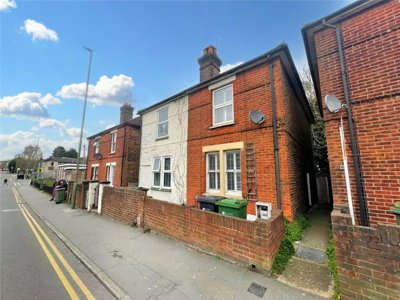
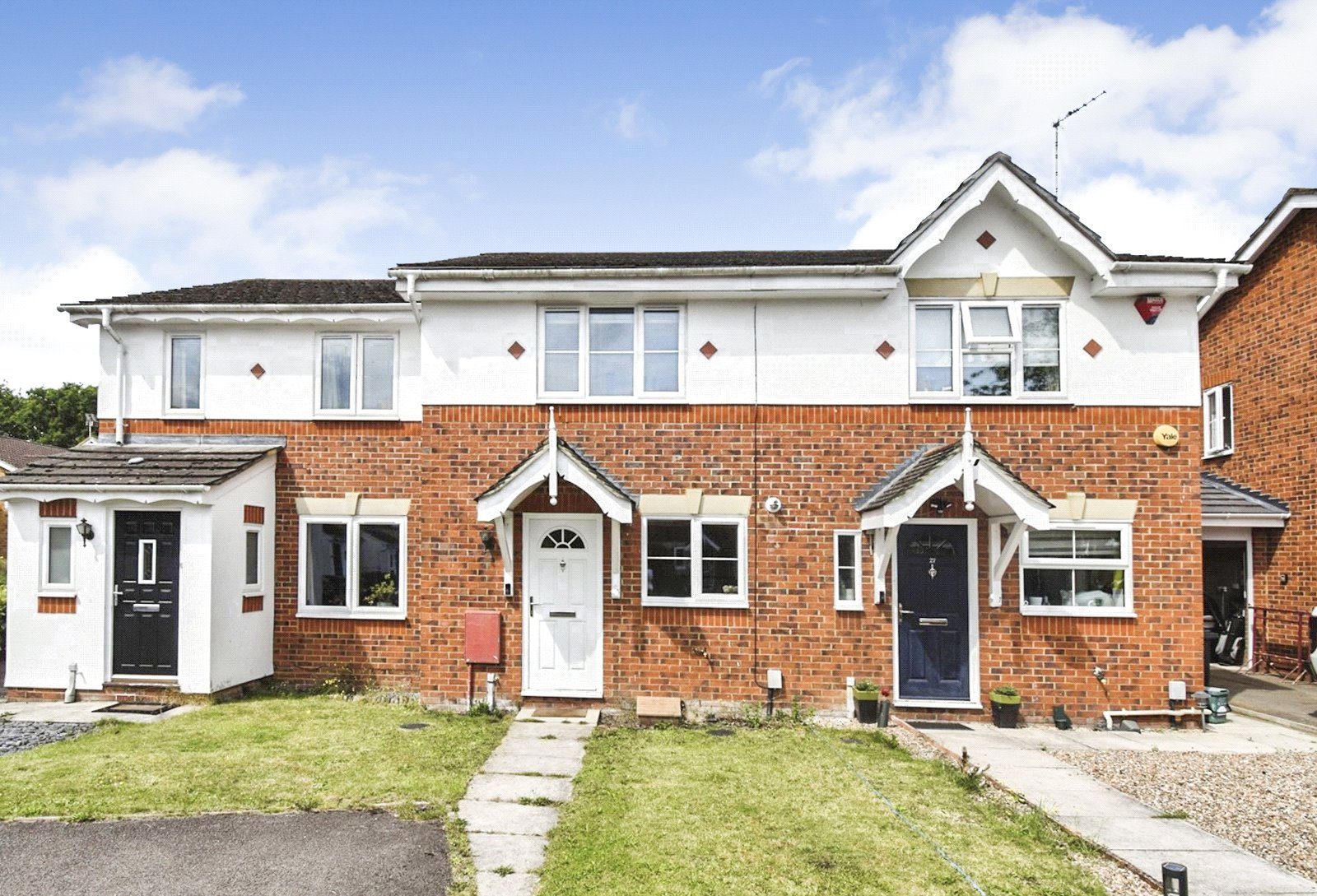
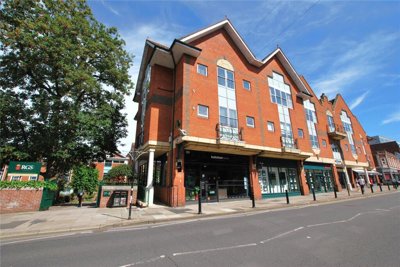
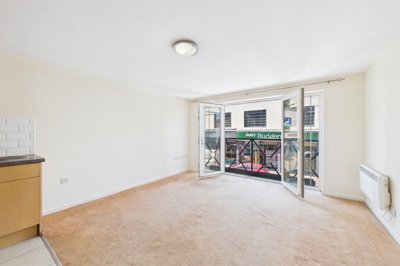
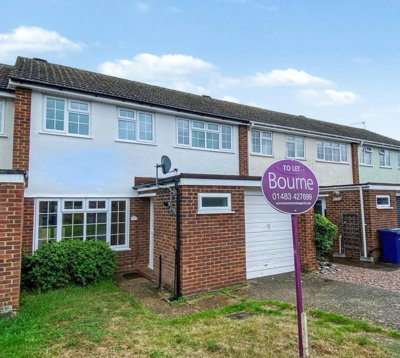
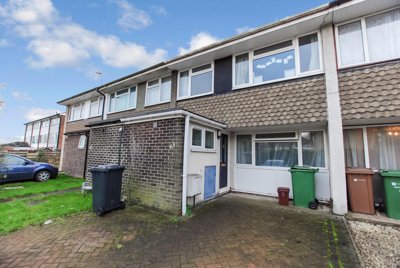
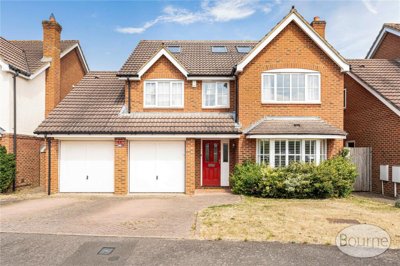
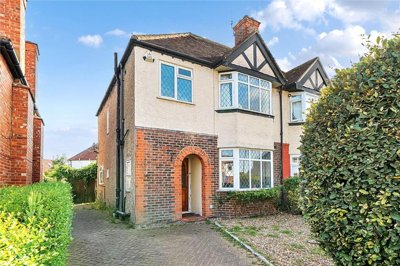
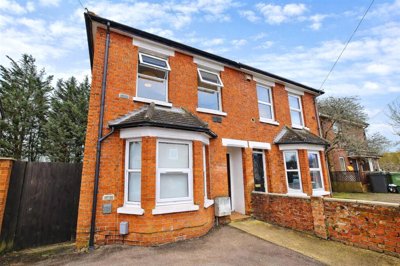
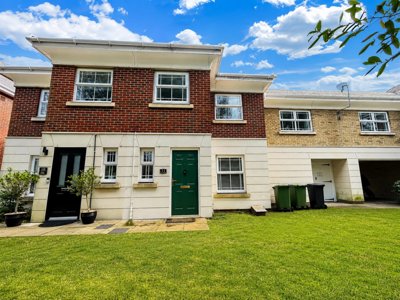
Browse 1,141 rental homes to rent in Guildford, Surrey from local letting agents.
£2,400/m
302
5
81
Source: home.co.uk
Source: home.co.uk
Semi-Detached
103 listings
Avg £2,949
Apartment
47 listings
Avg £1,740
Terraced
36 listings
Avg £2,609
Detached
23 listings
Avg £2,832
Flat
19 listings
Avg £1,506
House Share
19 listings
Avg £910
End of Terrace
16 listings
Avg £2,601
House
12 listings
Avg £1,977
House of Multiple Occupation
8 listings
Avg £826
Maisonette
7 listings
Avg £1,453
Source: home.co.uk
Source: home.co.uk
The Guildford rental market reflects the town's popularity as a Surrey commuter hub, with demand consistently outstripping supply in popular areas. Our platform lists a wide variety of rental properties, from contemporary one-bedroom apartments in the town centre to spacious four-bedroom family homes in surrounding villages like Shalford, Shere, and Compton. The average house price in Guildford stands at £635,502, with detached properties averaging £1,048,608 and flats averaging £328,683, figures that underscore the premium nature of this area. Rental prices naturally vary based on property type, location, and condition, with town centre flats typically commanding higher per-square-foot rates due to their proximity to transport links and amenities.
New build developments in Guildford include Guildford Place and Sovereign Gate, both offering one and two-bedroom apartments from £315,000, as well as larger family homes at The Mount and Larchfield from £895,000. These developments add modern options to the rental market, providing contemporary living spaces with energy-efficient features and professional management. The market has shown resilience with approximately 1,228 properties changing hands over the past year, indicating active buyer and renter interest in the area. Properties in conservation areas such as Pewley Hill and along the River Wey corridor often attract premium rents due to their character and desirable locations.
Recent market data shows property prices in Guildford have adjusted by approximately 3.89% over the past twelve months, with detached properties seeing slightly larger adjustments at 4.36% and terraced properties remaining more stable at 3.42%. These price movements reflect broader national trends while maintaining Guildford's position as a premium Surrey location. For renters, this slightly cooler sales market may create opportunities as some property owners consider renting rather than selling, potentially increasing the supply of quality rental properties in the coming months.

Guildford Local Authority is home to a population of 147,889 residents across approximately 60,183 households, creating a vibrant and diverse community. The housing mix reflects the town's character, with detached properties comprising 34.5% of stock, semi-detached homes at 28.5%, terraced properties at 16.6%, and flats and apartments accounting for 19.8%. This variety ensures renters can find properties ranging from compact modern apartments to substantial family houses, depending on their needs and budget. The town's population includes professionals working in London, families drawn by excellent schools, students at the University of Surrey, and residents who have chosen Guildford for its exceptional quality of life.
The local economy benefits from major employers including the University of Surrey with its thriving research programmes, Royal Surrey County Hospital providing healthcare services to the region, and gaming industry giant Electronic Arts. The professional, scientific, and technical sectors are particularly strong, attracting skilled workers who fuel demand for rental properties. The town centre offers excellent shopping with major high street brands alongside independent boutiques, while the nighttime economy features restaurants, pubs, and cultural venues. Guildford's location on the North Downs provides easy access to stunning countryside walks, while the River Wey offers scenic riverside paths perfect for cycling and jogging.
The property age distribution in Guildford shows a significant proportion of housing stock built before 1980, with the historic core and Victorian/Edwardian expansion accounting for around 20-25% of properties. Post-war development from 1945 to 1980 represents approximately 30-35% of the housing stock, while modern developments from the past four decades make up the remaining 20-25%. This mix means renters encounter properties ranging from charming period cottages with original features to contemporary apartments with modern finishes. Understanding the age of your potential rental property helps you anticipate construction characteristics and potential maintenance concerns.

Guildford boasts an impressive selection of schools, making it particularly attractive to families seeking rental properties in a well-served educational area. Primary schools in the town and surrounding villages consistently achieve good Ofsted ratings, with institutions like Shalford Primary School and St Mary's Church of England Primary School serving local communities. The area features several outstanding secondary schools, including Guildford County School, St Peter's Catholic School, and George Abbot School, all of which regularly appear in county rankings. Grammar school provision includes Royal Grammar School Guildford for boys and Guildford High School for girls, both with strong academic reputations and selective admissions processes.
Higher education is well-represented by the University of Surrey, located in Stag Hill near the town centre, offering undergraduate and postgraduate programmes across disciplines including engineering, business, health sciences, and arts. The university campus provides excellent facilities including a sports park, library, and student accommodation, contributing significantly to the local community. Further education opportunities are available through Guildford College, offering vocational courses and apprenticeships. For renters with school-age children, understanding catchment areas and admission criteria is essential, as popular schools can be oversubscribed. Our platform allows you to search for rental properties near specific schools, helping families find homes within their preferred school catchment zones.
The competitive nature of Guildford's schools means families should research admission criteria carefully before committing to a rental property. Many schools give priority to children living within a defined catchment area, and proximity is typically measured as a straight-line distance from the school. Properties in villages surrounding Guildford, such as those in the GU3 and GU4 postcodes, may fall into different school admission zones than those in the GU1 and GU2 town centre areas. Starting your property search with school requirements clearly defined helps narrow your options to areas where your children are more likely to secure a place at your preferred school.

Guildford enjoys exceptional transport connectivity, making it a prime location for commuters working in London or other South East destinations. Guildford railway station provides direct services to London Waterloo with journey times of approximately 35-40 minutes, placing the capital easily within reach for daily commuters. South Western Railway operates frequent services throughout the day, with additional connections to Portsmouth, Basingstoke, and Reading. The station also offers good local bus services connecting surrounding villages and neighbouring towns, reducing the need for car ownership for many residents.
Road connectivity is excellent via the A3, which passes through Guildford providing direct access to London and the M25 motorway network. The A322 branches off towards Bracknell and Reading, while the A246 serves local routes to Leatherhead and surrounding villages. For cyclists, National Cycle Route 223 passes through Guildford, connecting to the wider Surrey cycling network. Parking in Guildford town centre can be challenging during peak periods, with several public car parks available but often filling quickly on weekends. The combination of rail, road, and bus services makes Guildford particularly attractive to renters who need flexible commuting options or wish to reduce their environmental footprint by using public transport.
Local bus services operated by Stagecoach and other providers connect Guildford town centre with surrounding villages including Worplesdon, Merrow, and Effingham, as well as neighbouring towns such as Woking, Farnham, and Dorking. These services provide vital connections for residents without cars, particularly students at the University of Surrey and residents accessing healthcare appointments at Royal Surrey County Hospital. The A322 provides a direct route towards Bracknell and the M4 corridor, opening up employment opportunities for those working further east. For renters considering properties in villages like Shalford or Shere, understanding local bus timetables and service frequency is important for planning daily travel without relying on a car.

Renting in Guildford requires careful consideration of several location-specific factors that can affect your tenancy experience. Properties near the River Wey require particular attention to flood risk, as the river and its tributaries can pose flooding risks to low-lying areas during periods of heavy rainfall. Surface water flooding can also affect certain streets and developments, so checking the Environment Agency flood maps before committing to a property is advisable. Buildings constructed before 1980 may have issues with damp due to the age of properties in Guildford, with many featuring solid brick walls and original damp-proof courses that may have deteriorated over time.
The presence of conservation areas in Guildford, including the Town Centre, Pewley Hill, and sections of the River Wey corridor, means that certain properties may be subject to planning restrictions affecting alterations and improvements. Listed buildings require listed building consent for works, which can limit your ability to modify the property during your tenancy. Properties built on clay soils, particularly common in areas south of Guildford town centre, may experience subsidence or heave issues, especially where mature trees are present. Ground movement can cause structural cracking, so a thorough inspection before signing a tenancy agreement is essential. The local geology, with chalk formations to the north and east, generally provides stable foundations, but individual site conditions vary.
Guildford's geology presents distinct challenges depending on location within the town. The chalk formations to the north and east around areas like Guildford Castle and the university campus typically offer stable foundations for properties. However, the town centre and southern areas sit on sands and clays, including London Clay and Bagshot Beds, which carry moderate to high shrink-swell risk. This risk increases significantly where mature trees are present, as tree roots extract moisture from clay soils, causing them to shrink and swell seasonally. Properties in these areas may show signs of structural movement, including cracking to walls and distortion of door and window frames. Renters should ask landlords about any history of subsidence or structural repairs when viewing properties in these locations.
The construction materials used in Guildford properties reflect their age and location. Older properties, particularly those in conservation areas and those built before 1919, often feature traditional red brick construction in Flemish or English bond patterns, with timber floors and slate or clay tile roofs. Bargate stone, a local sandstone, appears frequently in significant historic buildings and boundary walls throughout the town. Properties from the inter-war period (1919-1945) introduced cavity wall construction with brick outer leaves, while post-war properties from 1945-1980 typically feature fully cavity wall brick construction with concrete tiled roofs. Modern developments from the 1980s onwards include a mix of traditional cavity wall construction, brick and render finishes, and some timber frame properties. Understanding these construction types helps renters anticipate common defects and maintenance requirements.

Before viewing properties in Guildford, obtain a rental budget agreement in principle from a lender or broker. This confirms how much rent you can afford based on your income and commitments, strengthening your position when you find the right property. Landlords in competitive areas like Guildford often have multiple applicants, so having your financial position confirmed upfront gives you an advantage.
Browse listings on Homemove and local estate agent websites to understand what is available in your preferred area. Consider proximity to Guildford station for commuting, local school catchment zones for families, and access to amenities that matter most to your lifestyle. Set up property alerts to be notified immediately when new listings matching your criteria become available.
Once you have identified suitable properties, arrange viewings through estate agents or private landlords. View properties in person to assess condition, natural light, noise levels, and the general feel of the neighbourhood. Ask about the length of the current tenancy and reason for letting, as well as the landlord approach to maintenance and repairs.
Before moving in, commission a professional inventory check to document the condition of the property and its contents. This protects both you and the landlord by creating an accurate baseline for the deposit at the end of your tenancy, preventing disputes over pre-existing damage. The inventory should include detailed notes and photographs of all rooms, fixtures, and fittings.
Review the tenancy agreement carefully before signing, paying particular attention to the deposit amount, notice periods, rent payment schedule, and responsibilities for maintenance and repairs. Ensure you understand your obligations regarding the conservation area or listed building status if applicable. Seek clarification on anything you do not understand before committing.
Take meter readings, collect keys, and document the property condition with dated photographs when you move in. Keep copies of all correspondence with your landlord or letting agent throughout your tenancy for reference if needed. Report any maintenance issues promptly in writing to create a paper trail.
While specific rental price data requires checking current listings, Guildford is one of Surrey's most sought-after towns, and rents reflect the area's desirability and excellent transport links. Town centre flats typically offer the most accessible entry point to the rental market, while family houses in villages like Shalford, Shere, and Compton command premium rents. Demand consistently exceeds supply, particularly for properties near Guildford station and in good school catchment areas. We recommend browsing our listings to see current rental prices for different property types in your preferred area of Guildford.
Guildford falls under Guildford Borough Council, which sets council tax rates for properties across the town and surrounding villages. Council tax bands range from A to H based on property value, with the specific band shown on the property listing or available through the Valuation Office Agency website. Renting tenants are responsible for paying council tax during their tenancy, and landlords typically pass this obligation to tenants in the tenancy agreement. Band D is often used as a reference point for average council tax levels, but actual bands vary by property.
Guildford offers excellent educational provision across all levels, with standout options including Royal Grammar School Guildford for boys and Guildford High School for girls at secondary level. Guildford County School, St Peter's Catholic School, and George Abbot School all have strong academic records and good Ofsted ratings. Primary schools such as Shalford Primary and St Mary's Church of England Primary serve local communities well. For higher education, the University of Surrey provides undergraduate and postgraduate programmes across multiple disciplines. Renting families should research specific school catchment areas before committing to a property, as admission criteria can be competitive in popular areas.
Guildford railway station provides excellent connectivity with direct services to London Waterloo taking approximately 35-40 minutes. South Western Railway operates frequent services throughout the day, with connections to Portsmouth, Basingstoke, Reading, and other regional destinations. Local bus services run by Stagecoach and other operators connect Guildford town centre with surrounding villages and neighbouring towns including Woking, Farnham, and Dorking. The A3 trunk road passes through Guildford providing road access to London and the M25, while the nearby A322 offers routes towards Bracknell and Reading. For cyclists, National Cycle Route 223 provides access to the wider Surrey cycling network.
Guildford consistently ranks as one of the best places to live in Surrey and the South East, offering an exceptional combination of urban amenities and access to beautiful countryside. The town's strong economy, excellent schools, and superb transport links make it particularly attractive to professionals and families. The rental market is competitive, so properties in desirable locations with good transport access tend to let quickly. The presence of the University of Surrey creates a diverse community with good facilities including sports centres, libraries, and cultural venues. The River Wey and North Downs provide excellent recreational opportunities, while the town centre offers comprehensive shopping and dining options.
Standard practice for renting in Guildford involves a security deposit equivalent to five weeks' rent, which is capped under the Tenant Fees Act 2019 for properties with annual rents below £50,000. The deposit is held in a government-approved tenancy deposit scheme for protection during your tenancy. Permitted payments include rent, council tax, utility bills, and costs for replacing lost keys or changing locks if required. Holding deposits of up to one week's rent may be requested to secure a property while referencing checks are completed. We recommend getting a rental budget agreement in principle before beginning your property search to streamline the process and demonstrate your financial credibility to landlords.
Guildford has several designated conservation areas including the Town Centre, Pewley Hill, and sections of the River Wey corridor, which protect the historic character of these neighbourhoods. The town centre features a high concentration of listed buildings, including Guildford Castle and the Guildhall, reflecting the area's rich heritage. Renting a property within a conservation area means that certain works may require planning permission, and your ability to make alterations could be restricted. Listed buildings require listed building consent for any modifications, which can limit your flexibility during the tenancy. These properties often feature traditional construction methods and materials, such as Bargate stone and handmade bricks, that may require specialist maintenance.
Given that approximately 65-75% of Guildford's housing stock was built before 1980, many rental properties will show signs of age-related defects. Damp problems are common in solid-walled period properties, manifesting as rising damp where damp-proof courses have failed, penetrating damp from damaged masonry or roof defects, and condensation damp resulting from inadequate ventilation. Roof condition issues frequently affect older properties, with slipped tiles, damaged flashing, and deteriorated felt common problems. Properties built on clay soils, particularly in areas south of the town centre, may show evidence of subsidence or heave where ground movement has occurred, often visible as diagonal cracking in walls. Outdated electrical systems and original plumbing are also frequently encountered in pre-1980 properties, requiring careful attention during tenancy. We recommend requesting a thorough inventory check before moving in to document any existing defects.
Guildford's geology varies significantly across the town, influencing foundation conditions and potential property issues. The chalk formations of the North Downs to the north and east generally provide excellent stable foundations for properties in these areas. However, the town centre and southern districts sit on sands and clays, including London Clay and Bagshot Beds, which present more challenging ground conditions. London Clay is shrinkable, meaning it contracts during dry periods and expands when wet, a cycle that can cause significant ground movement where trees extract moisture from the soil. This shrink-swell behaviour creates a moderate to high risk of subsidence and heave, particularly for properties with mature trees nearby. Signs of this type of movement include cracking patterns in walls, sticking doors and windows, and distorted floor levels. Renters viewing properties in south Guildford should ask specifically about any history of subsidence claims or underpinning work.
Understanding the costs involved in renting a property in Guildford helps you budget accurately and avoid surprises during the application process. The security deposit, capped at five weeks' rent under the Tenant Fees Act 2019 for properties with annual rent below £50,000, must be protected in a government-approved scheme within 30 days of receipt. This protection ensures you can recover your deposit at the end of the tenancy, provided there is no damage beyond fair wear and tear or unpaid rent. Many landlords in Guildford request references from previous landlords, proof of employment, and the right to rent documentation as part of their standard tenant selection process.
Holding deposits of up to one week's rent may be requested when you decide to proceed with a property, reserving it while referencing checks are conducted. These payments are typically deducted from the final deposit or first month's rent upon tenancy commencement, but may be retained if you withdraw without good reason. Moving costs in Guildford include removal expenses, connection fees for utilities and broadband, and potential redirection costs for mail. First-time renters should budget for furnishing costs if moving into an unfurnished property, while those relocating for work may need to consider temporary accommodation costs. Building contents insurance is advisable for protecting your belongings during the tenancy, with premiums in Guildford comparable to the Surrey average.
Additional costs to budget for include inventory check fees, typically ranging from £100-200 depending on property size, and any referencing fees charged by letting agents. Some landlords in Guildford require tenant referencing through specific providers, while others accept references from previous landlords and employers directly. Utility setup costs vary depending on whether you are taking over existing accounts or establishing new ones, and you should budget for possible administration charges from service providers. Council tax is a significant monthly outgoing, with bands in Guildford ranging from A to H based on property value, and it is worth checking the specific band before budgeting as this varies considerably between properties in the same street.

From 4.5%
Get expert advice on rental affordability and budgeting for your move
From £150
Complete referencing checks to strengthen your rental application
From £150
Professional inventory documentation to protect your deposit
From £80
Energy performance certificates for rental properties
Properties to Rent In London

Properties to Rent In Plymouth

Properties to Rent In Liverpool

Properties to Rent In Glasgow

Properties to Rent In Sheffield

Properties to Rent In Edinburgh

Properties to Rent In Coventry

Properties to Rent In Bradford

Properties to Rent In Manchester

Properties to Rent In Birmingham

Properties to Rent In Bristol

Properties to Rent In Oxford

Properties to Rent In Leicester

Properties to Rent In Newcastle

Properties to Rent In Leeds

Properties to Rent In Southampton

Properties to Rent In Cardiff

Properties to Rent In Nottingham

Properties to Rent In Norwich

Properties to Rent In Brighton

Properties to Rent In Derby

Properties to Rent In Portsmouth

Properties to Rent In Northampton

Properties to Rent In Milton Keynes

Properties to Rent In Bournemouth

Properties to Rent In Bolton

Properties to Rent In Swansea

Properties to Rent In Swindon

Properties to Rent In Peterborough

Properties to Rent In Wolverhampton

Enter your details to see if this property is within your budget.
Loans, cards, car finance
Estimated property budget
Borrowing + deposit
You could borrow between
Typical borrowing
Monthly repayment
Est. at 4.5%
Loan-to-value
This is an estimate only. Your actual budget may vary depending on interest rates, credit history, and personal circumstances. For an accurate affordability assessment, speak to one of our free mortgage advisors.

This calculator provides estimates for illustrative purposes only and does not constitute financial advice. Your home may be repossessed if you do not keep up repayments on your mortgage. Estimates based on 4.5% interest rate, repayment mortgage. Actual rates depend on your circumstances.
Homemove is a trading name of HM Haus Group Ltd (Company No. 13873779, registered in England & Wales). Homemove Mortgages Ltd (Company No. 15947693) is an Appointed Representative of TMG Direct Limited, trading as TMG Mortgage Network, which is authorised and regulated by the Financial Conduct Authority (FRN 786245). Homemove Mortgages Ltd is entered on the FCA Register as an Appointed Representative (FRN 1022429). You can check registrations at NewRegister or by calling 0800 111 6768.