Powered by Home

Flats To Rent in Great Yarmouth

Browse 38 rental homes to rent in Great Yarmouth from local letting agents.

38 listings Great Yarmouth Updated daily

Studio apartments feature open-plan living spaces without separate bedrooms, incorporating sleeping, living, kitchen, and bathroom facilities. The Great Yarmouth studio market includes properties in modern apartment complexes, converted Victorian and Georgian buildings, and purpose-built developments.

The Rental Property Market in Great Yarmouth

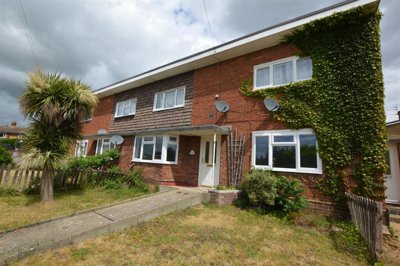
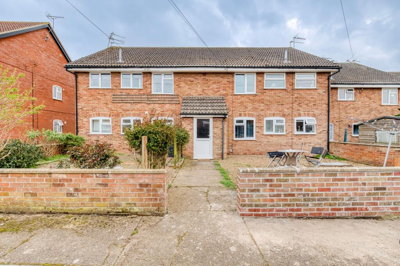
The rental market in Great Yarmouth reflects the town's broad housing stock, which is dominated by terraced properties at 38.6% of all homes, followed by semi-detached houses at 29.2%. Flats and apartments account for 16.0% of the housing stock, providing options for those seeking lower-maintenance living or compact city-centre accommodation. The remaining 15.6% consists of detached homes, generally found in more residential suburban areas or along the edges of town. This mix means renters can choose from traditional Victorian and Edwardian terraces popular in areas like Gorleston and Southtown, through to post-war semi-detached homes and purpose-built modern flats.

Great Yarmouth benefits from new build rental opportunities at several developments across the wider area. The Kingfisher Meadow development by Persimmon Homes at Bradwell offers 2, 3, 4 and 5 bedroom homes from £219,995, while Lovell Homes at The Heath in Gorleston-on-Sea provides 2, 3 and 4 bedroom options from £225,000. Norfolk Homes' The Pastures development also offers 2, 3 and 4 bedroom properties from £225,000. Property values across Great Yarmouth have remained relatively stable, with the overall average house price at £214,082 according to recent market data. Detached properties command the highest values at around £317,314, while flats average approximately £115,282.

The age profile of properties in Great Yarmouth significantly influences the rental market. Approximately 28.5% of properties were built before 1919, meaning many rentals are Victorian or Edwardian terraces with original features including sash windows, period fireplaces, and solid brick walls. A further 20.3% were built between 1945 and 1964, representing post-war housing stock that often provides good-sized rooms and mature gardens. Only around 9.1% of the housing stock has been built since 2001, meaning newer rental properties can be competitive. When searching for rentals, understanding the property's construction era helps you anticipate features like insulation levels, heating systems, and potential maintenance issues.

Find Rentals Great Yarmouth

Living in Great Yarmouth

Great Yarmouth's character is shaped by its unique position as a historic port town and premier seaside resort on the Norfolk coast. The town centre features a mix of architectural periods, from the Georgian and Victorian buildings of the historic market place to the more modern commercial areas along Market Gates and the shopping centre. The South Quay area showcases the town's maritime heritage with its cobbled streets and converted warehouses, while the seafront promenade offers a traditional British seaside experience with amusements, arcades, and the famous Pleasure Beach that has entertained visitors for over a century.

The wider Great Yarmouth borough encompasses several distinct neighbourhoods, each offering its own character for renters. Bradwell to the northwest provides quiet residential streets with local shops and primary schools, making it popular with families seeking affordable rents. Gorleston-on-Sea to the south offers a more suburban feel with a thriving High Street, independent shops, and the sandy beach at Gorleston beach. Caister-on-Sea combines residential housing with the historic Caister Roman Fort and access to the coast. The town centre itself offers the greatest variety of flats and convenience for those working in retail, hospitality, or the offshore energy sector.

Cultural attractions enrich life for Great Yarmouth renters, including the Time and Tide Museum which chronicles the area's fishing and maritime history, and the annual Great Yarmouth Maritime Festival celebrating the town's connection to the sea. The Wellington Pier gardens and the Etruria Marshes provide green spaces for residents to enjoy throughout the year. For entertainment, the town offers two theatres, multiple cinema screens, and a range of pubs and restaurants along the seafront and in the historic quarters. The Twice-Yearly Racecourse events and the nearby Liberty Stadium provide additional leisure options for residents.

Rental Search Great Yarmouth

Schools and Education in Great Yarmouth

Families considering renting in Great Yarmouth will find a comprehensive range of educational establishments across all age groups. The town provides multiple primary school options, with several schools rated Good or Outstanding by Ofsted in recent inspections. Primary schools in the area include Great Yarmouth Primary Academy, which serves the town centre catchment, and several other community primary schools distributed across residential neighbourhoods in Bradwell, Gorleston, and Caister-on-Sea. Parents should research individual school catchments carefully, as admission policies can significantly affect placement eligibility and renting in a particular street can determine which school your child can access.

Secondary education in Great Yarmouth is served by several local authority and academy schools, with Great Yarmouth Academy providing secondary education for a significant portion of the town. For post-16 education, East Norfolk Sixth Form College is the main provider in the borough, offering a wide range of A-level and vocational courses including subjects relevant to the offshore energy sector and tourism. The college has established strong links with local employers, providing students with relevant career pathways into the growing renewable energy industry that operates from the Port of Great Yarmouth.

Further education opportunities extend beyond the immediate area through Norfolk-based colleges with campuses accessible from Great Yarmouth. City College Norwich offers apprenticeships and professional qualifications relevant to the local economy, including construction, engineering, and hospitality programmes. For families prioritising education in their rental search, areas around outstanding primary schools such as those in Gorleston and the western parts of Bradwell tend to be particularly competitive for family rentals, and starting your search early when school terms begin is advisable.

Rental Properties Great Yarmouth

Transport and Commuting from Great Yarmouth

Great Yarmouth benefits from excellent transport connections that make it a practical choice for commuters and those needing to travel regularly. The town is served by Great Yarmouth railway station, which operates on the Bittern Line running between Norwich, Great Yarmouth, and Lowestoft. Direct trains to Norwich take approximately 35 minutes, making day-trips and commuting to Norfolk's largest city entirely feasible. Norwich offers broader rail connections including services to London Liverpool Street, Cambridge, and Birmingham, with journey times to London of around two hours. The station also connects with local bus services for onward travel across the borough.

Road access is provided primarily via the A47 trunk road, which runs through the northern edge of the town connecting to Norwich to the west and towards Lowestoft to the east. The A12 provides an alternative route south towards Great Yarmouth from the Ipswich direction. For air travel, Norwich International Airport is approximately 30 miles away and offers domestic flights and connections to European destinations, making international travel accessible for Great Yarmouth residents. The Port of Great Yarmouth itself handles cargo and offshore energy vessels, providing employment for local residents in the maritime and energy sectors.

Within the town itself, local bus services operated by First Group and other providers connect all major neighbourhoods, including regular services to Bradwell, Gorleston, and Caister-on-Sea. The town has improved cycling infrastructure in recent years with dedicated routes along the seafront promenade and connecting paths to surrounding villages, making cycling a viable option for shorter journeys. Parking in the town centre can be challenging during the peak summer season when tourist traffic increases significantly, so proximity to public transport may be worth considering when choosing a rental property if you work in the town centre or prefer to avoid seasonal congestion.

Renting Guide Great Yarmouth

How to Rent a Home in Great Yarmouth

1

Get Your Rental Budget in Place

Before you begin searching for properties, arrange a rental budget agreement in principle to understand how much you can afford to spend on monthly rent. Include all associated costs such as council tax, utility bills, and service charges when calculating your budget. This preparation will help you focus your search on properties within your price range and demonstrate your seriousness to landlords when you make enquiries. Great Yarmouth's rental prices typically offer excellent value compared to coastal towns in the south of England.

2

Research Great Yarmouth Neighbourhoods

Explore the different areas within and around Great Yarmouth to find the neighbourhood that best suits your lifestyle and needs. Consider factors such as proximity to your workplace, local schools if you have children, access to public transport, and the character of each area. Gorleston-on-Sea offers a more suburban feel with its own high street and beach, while the town centre provides greater convenience for amenities and entertainment. Bradwell is popular with families for its quieter residential streets.

3

Search and Arrange Property Viewings

Browse available rental listings in Great Yarmouth and shortlist properties that meet your criteria. Contact estate agents and letting landlords to arrange viewings of properties you are interested in. When viewing properties, assess the condition of the accommodation, ask about the length of the tenancy on offer, and enquire about what is included in the rent. Many properties in Great Yarmouth include white goods as standard, but this varies between landlords.

4

Get a Professional Inventory Check

Once you have agreed on a tenancy, arrange a professional inventory check of the property before you move in. This document records the condition of the property and its contents, protecting both you and your landlord from disputes at the end of your tenancy. A thorough inventory can save significant disputes over deposit deductions later, particularly important in older properties where wear and tear may be evident.

5

Complete Referencing and Sign Your Tenancy Agreement

Your landlord will require you to undergo tenant referencing, which typically checks your credit history, employment status, and previous landlord references. You may also need to provide proof of identity and income. Once referencing is complete, you will sign a tenancy agreement that sets out the terms and conditions of your rental. Standard Assured Shorthold Tenancies in Great Yarmouth typically run for six months or twelve months.

6

Move In and Enjoy Your New Home

After completing all paperwork and paying your deposit and first month's rent, you can collect your keys and move into your new rental home in Great Yarmouth. Take meter readings for gas, electricity, and water on the day you move in, familiarise yourself with heating and hot water systems, and report any issues to your landlord promptly. Most landlords in Great Yarmouth respond quickly to maintenance requests, particularly for urgent issues affecting your safety or comfort.

What to Look for When Renting in Great Yarmouth

Renting a property in Great Yarmouth comes with specific considerations that prospective tenants should be aware of before committing to a tenancy. Given the town's coastal location on the North Sea and River Yare estuary, flood risk is a significant factor. Parts of Great Yarmouth, particularly those close to the seafront along Marine Parade and areas near the river estuaries, face risks from tidal surges, coastal erosion, and river flooding. Properties in low-lying areas near the coast should be carefully assessed for their flood resilience, and renters should understand their liability and the landlord's responsibilities regarding flood damage. Checking the Environment Agency flood risk maps for specific postcodes before committing to a rental is strongly advisable.

The age of Great Yarmouth's housing stock is another important consideration. Approximately 28.5% of properties were built before 1919, meaning many rentals will be Victorian or Edwardian terraces with original features such as sash windows, fireplaces, and cornicing. These period properties often have solid brick walls rather than cavity insulation, which can lead to condensation and damp issues, particularly in the colder months when heating is used less consistently. Older properties may also have outdated electrical systems, older heating systems, and limited insulation compared to modern standards. Prospective renters should ask landlords about recent improvements to insulation, heating systems, and damp proofing measures.

Properties in conservation areas, such as the Great Yarmouth Central Conservation Area which encompasses the historic town centre and South Quay, and areas of Gorleston-on-Sea, may have restrictions on modifications. Landlords cannot make certain alterations without planning permission, and renters should understand these constraints before signing a tenancy if they intend to decorate or make changes. The geology of Great Yarmouth includes areas with clay deposits that can cause foundation movement during periods of drought or heavy rain, though this affects only specific locations and is not widespread across the town.

For those considering flats in Great Yarmouth, understanding the full cost of renting is essential. Many flats will be leasehold properties where the landlord pays service charges and ground rent, and these costs should be clearly outlined in the tenancy agreement. Service charges can vary significantly between developments and can include building insurance, maintenance of communal areas, and contribution to a sinking fund for major repairs. Always ask for a clear breakdown of what is included in your rent and what additional costs you may be expected to cover before committing to a property.

Rental Market Great Yarmouth

Frequently Asked Questions About Renting in Great Yarmouth

What is the average rental price in Great Yarmouth?

Great Yarmouth is known for its affordable rental market compared to many other coastal towns in England, with rents typically lower than seaside destinations in Sussex, Kent, or Cornwall. One and two-bedroom flats in areas like the town centre or near the seafront typically offer the most affordable options, with terraced houses in neighbourhoods such as Southtown or Gorleston commanding slightly higher rents reflecting their additional space and often private gardens. Semi-detached family homes in Bradwell or Caister-on-Sea generally fall in the middle range. The best way to get accurate current rental prices for specific property types and locations is to search our live listings, which are updated regularly with new properties coming onto the market across Great Yarmouth.

What council tax band are properties in Great Yarmouth?

Properties in Great Yarmouth fall under Great Yarmouth Borough Council's jurisdiction for council tax purposes. The borough contains properties across all council tax bands from A through to H, with the majority of residential properties falling in bands A through D reflecting the more affordable property values in the area. Band A properties, which are typically lower-value homes including many one-bedroom flats, attract the lowest annual charge. The local council provides various discounts and exemptions including single person discount, student discount, and severe mental impairment discount that may reduce your council tax bill. You can check the specific band of any property by searching the Valuation Office Agency's council tax band records online using the property address.

What are the best schools in Great Yarmouth?

Great Yarmouth offers educational options across all levels, with several primary and secondary schools serving the town and surrounding villages. For primary education, parents should research individual school Ofsted reports to identify the best options for their children, as ratings can change between inspections. For secondary education, Great Yarmouth Academy and other local schools provide good educational provision across various subjects. Post-16 students can access East Norfolk Sixth Form College, which offers a broad curriculum including A-levels and vocational qualifications relevant to careers in the offshore energy and tourism sectors. When choosing a rental property, parents should check the specific catchment areas for schools, as admission policies can be competitive in popular catchment zones and properties outside the catchment may not qualify.

How well connected is Great Yarmouth by public transport?

Great Yarmouth is well served by public transport, with Great Yarmouth railway station offering direct services to Norwich in approximately 35 minutes on the Bittern Line, making it practical for regular commuters working in the city. From Norwich, passengers can connect to national rail services heading to London, Cambridge, and Birmingham. Within the town, First Group and other operators run bus services connecting all major neighbourhoods including Bradwell, Gorleston, and Caister-on-Sea with regular intervals throughout the day. The A47 trunk road provides road connections to Norwich to the west and Lowestoft to the east, making car travel straightforward for those who prefer to drive. Norwich International Airport is approximately 30 miles away for air travel.

Is Great Yarmouth a good place to rent in?

Great Yarmouth offers an excellent combination of affordable living, coastal amenities, and strong community spirit that makes it an attractive place to rent for many people. The town has seen continued interest from renters due to its lower cost of living compared to larger cities, good transport links to Norwich, and the presence of major employers in the offshore energy sector including wind farm operations from the Port of Great Yarmouth. The town centre has undergone significant regeneration in recent years, improving amenities and facilities for residents, with new retail and leisure developments enhancing the shopping experience. Whether you are a first-time renter, a family looking for more space, or someone seeking a coastal lifestyle at an affordable price, Great Yarmouth merits serious consideration.

What deposit and fees will I pay on a property in Great Yarmouth?

When renting a property in Great Yarmouth, you will typically need to pay a security deposit equivalent to five weeks' rent, which is capped under the Tenant Fees Act 2019 for annual rents below £50,000. Your deposit will be protected in a government-approved Tenancy Deposit Protection scheme within 30 days of the start of your tenancy, and your landlord must provide you with prescribed information about where your deposit is held. You will also usually pay the first month's rent in advance before moving in. Holding fees charged by agents to reserve a property are limited to one week's rent and must be refunded if your tenancy does not proceed. Other permitted fees under the Tenant Fees Act are limited and clearly regulated to protect tenants from excessive charges, and landlords cannot charge you for things like viewing properties or providing tenancy documentation.

What flood risk should I be aware of when renting in Great Yarmouth?

Great Yarmouth's coastal location means that flood risk is a genuine consideration for renters, particularly for properties near the seafront along Marine Parade, areas close to the River Yare estuary, and low-lying parts of the town that have historically been affected by tidal surges. The Environment Agency designates certain areas as being at risk from both coastal and river flooding, and we strongly recommend checking flood risk maps for any specific property you are considering before committing to a tenancy. Landlords have obligations to provide an Energy Performance Certificate and to maintain the property in a fit condition for habitation, but renters should also take their own precautions by understanding the flood risk of their chosen property and considering appropriate contents insurance cover. Properties on higher ground in areas like Bradwell Hill or parts of Gorleston-on-Sea generally face lower flood risk.

What are my rights as a renter in Great Yarmouth?

As a tenant in Great Yarmouth, you have specific legal rights under the Housing Act 1988 and subsequent legislation including the Tenant Fees Act 2019. Your landlord must protect your deposit in a government-approved scheme, provide a valid Energy Performance Certificate before you move in, and ensure the property meets basic safety standards including gas safety checks, electrical safety checks, and smoke detector installation. Your landlord is responsible for repairs to the structure and exterior of the property, plumbing, and heating systems, while you are responsible for keeping the property reasonably clean and not causing damage. If your landlord fails to carry out necessary repairs, you can contact Great Yarmouth Borough Council's private housing team for advice and enforcement action. Most disputes can be resolved through the government's free dispute resolution service for deposit protection.

Deposit and Fees When Renting in Great Yarmouth

Understanding the costs involved in renting a property in Great Yarmouth is essential for budgeting effectively. The most significant upfront cost is usually the security deposit, which is capped at five weeks' rent under the Tenant Fees Act 2019 for annual rents below £50,000. This deposit must be protected in a government-approved Tenancy Deposit Protection scheme within 30 days of your tenancy start date, and your landlord must provide you with prescribed information about where your deposit is held. This protection means you should receive your deposit back at the end of your tenancy, minus any legitimate deductions for damage or unpaid rent that are documented in your check-in inventory.

In addition to your deposit, you will typically need to pay the first month's rent in advance before moving in. Some landlords and letting agents may also request a holding deposit to secure the property while referencing checks are carried out, though this is limited to one week's rent under the Tenant Fees Act and must be refunded if your tenancy does not proceed or if the landlord decides not to proceed. Other permitted fees are tightly regulated, and landlords or agents cannot charge you for things like viewing properties, providing Tenancy Agreement documentation, or renewing your tenancy unless these are genuine costs they have incurred. Always request a full breakdown of all costs before committing to a tenancy.

Beyond the initial costs of moving in, remember to budget for ongoing monthly expenses including council tax, utility bills, internet, and contents insurance. Properties in Great Yarmouth are generally more affordable to heat than properties in older UK towns with solid walls, though this varies depending on the property's insulation levels and whether it has modern double glazing and central heating. Flat dwellers should clarify with their landlord whether service charges are included in the rent or payable separately, as these can add significantly to monthly costs. Planning your budget carefully before you start your property search will help ensure a smooth renting experience in Great Yarmouth, with no unexpected costs once you have moved in.

Find Rentals Great Yarmouth

Browse Homes to Rent Across the UK

Terms of use Privacy policy All rights reserved © homemove.com | Properties to Rent » England » East » Norfolk » Great Yarmouth

Homemove is a trading name of HM Haus Group Ltd (Company No. 13873779, registered in England & Wales). Homemove Mortgages Ltd (Company No. 15947693) is an Appointed Representative of TMG Direct Limited, trading as TMG Mortgage Network, which is authorised and regulated by the Financial Conduct Authority (FRN 786245). Homemove Mortgages Ltd is entered on the FCA Register as an Appointed Representative (FRN 1022429). You can check registrations at NewRegister or by calling 0800 111 6768.