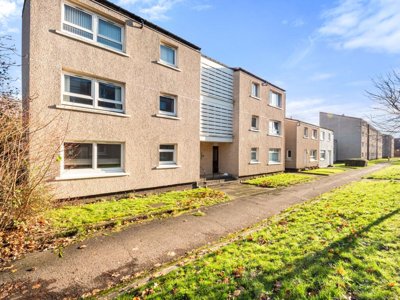
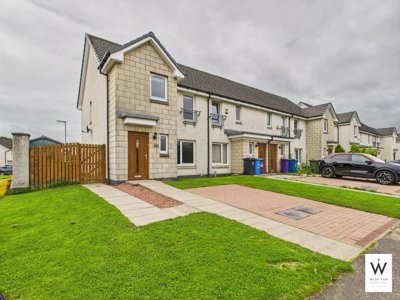
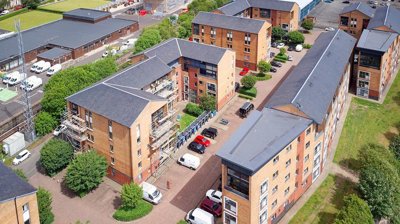
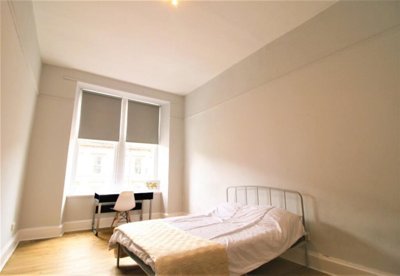
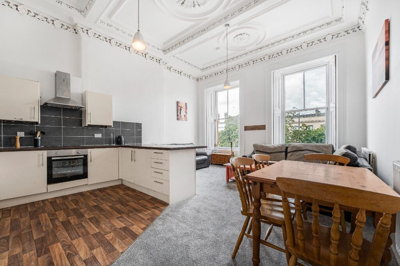
Browse 1,457 rental homes to rent in Glasgow, Scotland from local letting agents.
£1,150/m
310
7
52
Source: home.co.uk
Source: home.co.uk
Flat
239 listings
Avg £1,432
Apartment
32 listings
Avg £1,178
House of Multiple Occupation
9 listings
Avg £3,156
Semi-Detached
7 listings
Avg £1,347
Ground Flat
6 listings
Avg £986
House
6 listings
Avg £1,453
Not Specified
2 listings
Avg £995
Studio
2 listings
Avg £673
Cottage
1 listings
Avg £900
Detached
1 listings
Avg £2,000
Source: home.co.uk
Source: home.co.uk
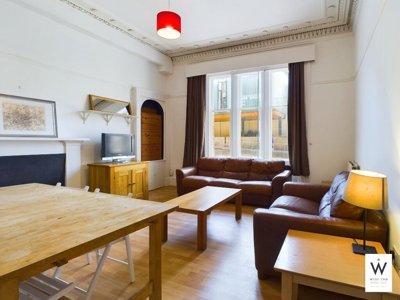
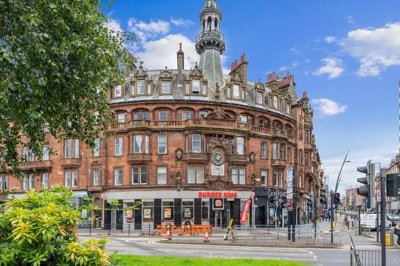
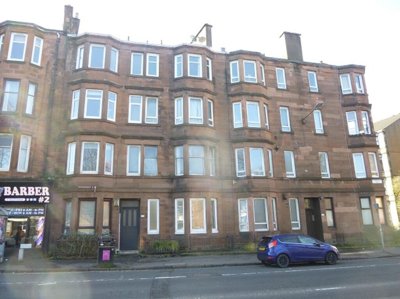
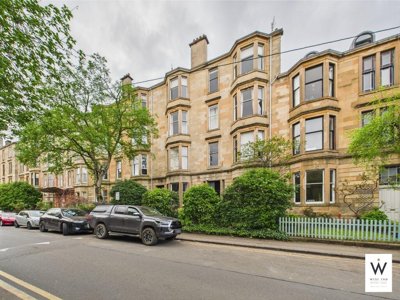
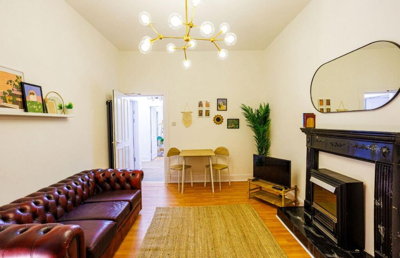
Glasgow's rental market offers remarkable variety, from traditional sandstone Victorian tenements with their original features and high ceilings to contemporary city centre apartments in developments like the Buchanan Galleries and St. Vincent Plaza. One-bedroom flats in prime West End locations such as Finnieston, Hillhead, and Kelvingrove typically command rents ranging from £800 to £1,200 per month, while similar properties in the city centre start from around £700. Larger two and three-bedroom tenement flats remain highly sought after, with rents in established family areas like Shawlands, Mount Florida, and Dennistoun ranging from £1,000 to £1,800 depending on size and condition.
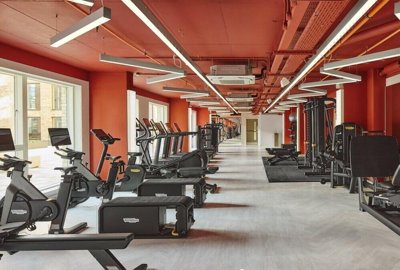
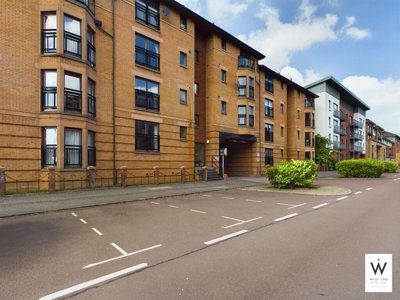
The suburban rental market provides excellent alternatives for those seeking more space, with semi-detached houses and bungalows available in areas like Partick, Partickhill, and Anniesland offering two to four bedrooms at prices typically between £1,200 and £2,200 per month. New build developments continue to reshape Glasgow's rental landscape, with modern apartment complexes offering amenities such as concierge services, gym facilities, and secure parking in locations including Pacific Quay, Custom House Quay, and the Digital Media Quarter. The market has shown resilience and steady growth, with rental prices generally increasing by around 3-5% annually over recent years as demand consistently outpaces supply in popular neighbourhoods.
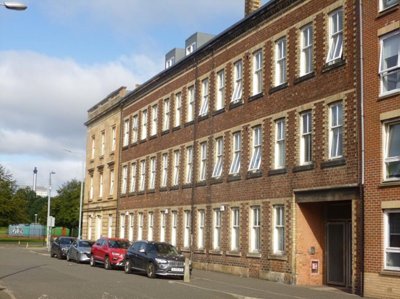
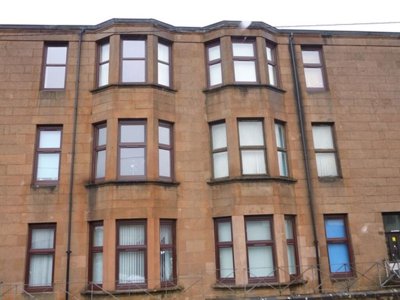
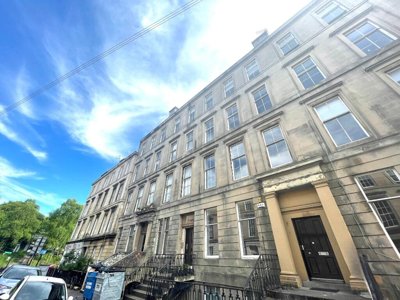
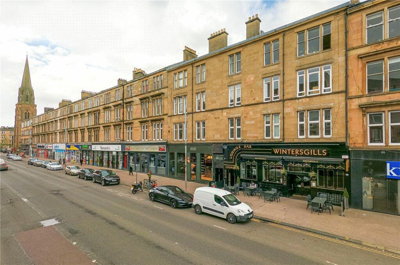
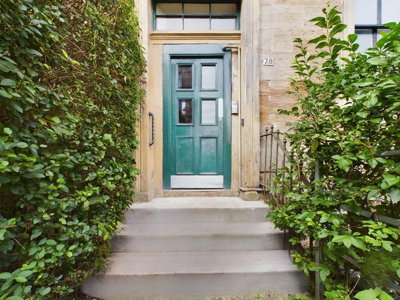
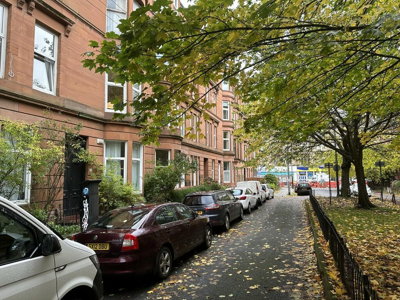
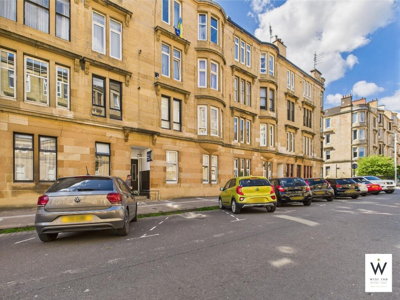
Property types in Glasgow vary significantly by area, with the iconic sandstone tenement blocks dominating the West End, Southside, and Northside neighbourhoods. These properties, typically built between 1870 and 1910, feature characteristic internal timber structure and stone external walls that require ongoing maintenance. Glasgow's post-war housing stock includes various schemes built during the 1950s and 1960s, with notable developments in areas like Drumchapel, Castlemilk, and Easterhouse offering more affordable rental options. More recent construction since the 1990s has concentrated on brownfield sites and regeneration areas, with modern flats and houses available across the city.
Rental yields in Glasgow remain attractive for property investors, typically ranging from 5% to 8% depending on location and property type. The city's universities and colleges create a consistent demand for student accommodation, particularly in the West End and city centre, while the growing financial services sector at Buchanan Wharf has increased demand for quality city centre rentals. Tenants seeking long-term rentals in Glasgow should be aware that properties in high-demand areas can be let within days of listing, making it essential to act quickly when suitable properties become available.

Glasgow rewards those who choose to rent within the city with an unparalleled combination of cultural richness, architectural beauty, and genuine community spirit. The city centre features a stunning mix of Victorian and Edwardian grandeur alongside sleek modern developments, with George Square serving as the heart of civic life and Buchanan Street offering one of Britain's premier shopping experiences. The West End of Glasgow represents a particular gem, with tree-lined avenues, independent boutiques, artisan cafes, and the magnificent Kelvingrove Park creating an atmosphere that consistently ranks among the most desirable urban neighbourhoods in the UK. Local residents enjoy easy access to world-class museums, theatres, and music venues, with the Barrowland Ballroom, Royal Concert Hall, and Tramway arts centre providing entertainment to suit all tastes.
The city's Southside offers a different but equally compelling character, with areas like Shawlands, Strathbungo, and Govanhill combining excellent local amenities with a strong sense of community and more affordable rental prices than the West End. Shawlands has emerged as a particular hotspot in recent years, with its thriving restaurant and bar scene centred around Kilmarnock Road attracting young professionals and families alike. The area benefits from good transport connections via the Underground at Queens Park station and regular bus services along main routes. Strathbungo maintains its village atmosphere despite its proximity to the city centre, with beautiful Victorian architecture and the annual Gooses Fair bringing community spirit to this quieter corner of the Southside.
The East End has undergone remarkable transformation in recent years, with the Barclays Campus at Buchanan Wharf, the St. Enoch student accommodation development, and the regeneration of the Gorbals creating new focal points for urban living. The famous Barras market continues to operate at weekends, selling everything from fresh produce to vintage clothing and antiques, while the nearby Templeton Business Centre and Clockwork Studios house creative businesses in converted Victorian buildings. The Riverside Museum and Tall Ship at Glasgow Harbour provide cultural attractions, while the new Oatlands community has grown up around the historic Oatlands Cross, creating a diverse and vibrant neighbourhood.
Glasgow's residents benefit from an exceptional array of green spaces, from the formal gardens of Glasgow Green and the botanical gardens at Kelvingrove to the wild landscapes of Rouken Glen and the Whitelee Wind Farm Visitor Centre. The city consistently punches above its weight in terms of quality of life indicators, offering world-class dining, nightlife, and cultural attractions alongside genuine affordability compared to London and the South East. The West End festival, Pride Glasgow, and the Simply UK Student Carnival are among the major events that draw visitors and locals alike, contributing to a calendar of activities that ensures there is always something happening across the city's diverse neighbourhoods.

Glasgow provides exceptional educational opportunities across all levels, making it a particularly attractive city for families considering renting. The city is home to some of Scotland's most prestigious secondary schools, including the selective Glasgow Gaelic School, the highly-regarded Hillhead Secondary School known for its exceptional exam results and performing arts programme, and the popular Jordanhill School which operates as a state school with a broader catchment area. Shawlands Secondary, Govanhill Secondary, and St. Thomas Aquinas Secondary in the Jordanhill area all maintain strong academic reputations, while the Hyndland area is served by the well-established Hyndland Secondary School. Parents should note that catchment areas can be highly competitive in popular neighbourhoods, so early research into school zones is essential when searching for rental properties.
Primary education in Glasgow is well-served by a network of excellent schools, with notable institutions including St. Mary's Primary School in the city centre, Hillhead Primary School serving the West End, and the popular Anderston Primary which has earned recognition for its innovative curriculum. The city also offers several successful Catholic primary schools including St. Mary's in the city centre, St. Joseph's in the North West, and St. Ninian's in the Southside, reflecting Glasgow's strong Catholic educational tradition. Independent primary schools including Glasgow Montessori School and The King's Park Primary offer alternative educational approaches for families willing to pay fees, though the vast majority of Glasgow children attend council schools.
Glasgow also boasts exceptional independent schools including the Glasgow Academy, Kelvinside Academy, and St. Columba's, though these require private fees rather than council placement. The Glasgow Academy in the West End has a strong reputation for academic excellence and extracurricular activities, while Kelvinside Academy on the north side of the West End offers a progressive educational environment. St. Columba's in Kilmacolm, though technically in Inverclyde, serves many Glasgow families seeking independent secondary education with boarding facilities available. For higher education, the University of Glasgow consistently ranks among Scotland's top institutions, the University of Strathclyde excels in science and engineering disciplines, and Glasgow Caledonian University is renowned for its professional programmes.
Further education opportunities are abundant through the City of Glasgow College and various specialist training providers, ensuring that residents at every stage of their educational journey can access quality learning within the city. The City of Glasgow College operates from modern campuses at City and North Saltire, offering vocational courses and higher national qualifications across a wide range of subjects. Students seeking vocational training can also access courses at the Glasgow College of Building and Fitting, while those interested in creative industries may wish to explore opportunities at the Scottish Youth Theatre and the Royal Conservatoire of Scotland. The city's public libraries, including the Mitchell Library one of Europe's largest public reference libraries, provide additional learning resources accessible to all Glasgow residents regardless of where they choose to rent.

Glasgow offers an exceptionally well-connected transport network that makes commuting and exploring the city remarkably straightforward. Glasgow Central Station and Glasgow Queen Street Station serve as the main rail hubs, providing direct services to Edinburgh (approximately 50 minutes), London (around 4.5 hours), and destinations across Scotland including Aberdeen, Inverness, and Stirling. The West Coast Main Line services from Queen Street connect Glasgow to Birmingham, Manchester, and London Euston, while the CrossCountry network offers direct connections to destinations as far as Plymouth and Bristol. For local travel, the Glasgow Subway represents one of the oldest underground railway systems in the world, with twelve stations serving the West End, city centre, and Southside, providing an efficient way to navigate between key areas without dealing with surface traffic.
Bus services in Glasgow are comprehensive and relatively affordable, with First Glasgow operating extensive routes across the metropolitan area and the newly introduced Glasgow City Centre bus corridor improving reliability on key routes. The SPT Subway system connects twelve stations across a circular route serving the West End, city centre, and Southside, with stations including Hillhead, Kelvinbridge, St. George's Cross, Cowcaddens, and West Street providing access to different neighbourhoods. The Partick interchange provides connections between the Subway, train services, and bus routes, making it a key hub for commuters travelling from the West End and surrounding areas. Students at the University of Glasgow benefit from the UofG Bus Service connecting the campus to the city centre and West End.
The Clyde Fastlink provides express connections between the city centre, the SEC, and the Queen Elizabeth University Hospital, while the upcoming Glasgow City Region Bus Partnership aims to further improve services. Major road connections include the M8 motorway which passes through the city centre connecting Glasgow to Edinburgh via Stirling and the M77 which provides access to the Ayrshire coast and the town of Kilmarnock. The M80 connects Glasgow to the north of England via Cumbernauld, while the M74 provides a direct route to the south-west of Scotland and England via Carlisle. For cyclists, Glasgow has invested significantly in active travel infrastructure including the Connect2 network which includes the South West City Way and the National Cycle Network Route 754 which follows the River Clyde.
Many Glasgow residents choose to cycle, with the city investing significantly in protected cycle lanes including the Connect2 network and the scenic routes along the Clyde and through Kelvingrove Park. The Clyde walkway provides an attractive traffic-free route for cyclists and pedestrians between Glasgow Green in the East End and the Riverside Museum in the West End. For those driving, parking arrangements vary significantly by neighbourhood, with city centre residents able to apply for resident parking permits while suburban areas generally offer more generous on-street parking availability. Glasgow Airport located near Paisley provides international flights, while Prestwick Airport to the south of Glasgow offers budget airline services and is accessible via the Ayrshire coast train line.

Before viewing properties in Glasgow, obtain a rental budget agreement in principle from a reputable lender. This demonstrates to landlords and letting agents that you are a serious, qualified tenant with the financial capacity to meet monthly rental payments. Glasgow's competitive rental market means that properties can receive multiple applications, so having your finances pre-approved gives you a significant advantage over other prospective tenants. Most letting agents and landlords will request proof of income, typically requiring three months of payslips or bank statements for employed tenants, or business accounts for self-employed applicants.
Glasgow offers distinct areas to suit every lifestyle and budget. Consider factors such as proximity to work or universities, school catchment areas if you have children, transport connections, local amenities, and the character of the neighbourhood. Whether you prefer the bohemian atmosphere of the West End, the family-friendly Southside, or the regenerating East End, understanding each area's character will help you narrow your search effectively. The West End suits those seeking cultural attractions and university proximity, the Southside offers family amenities and relative affordability, while the city centre appeals to young professionals prioritising convenience and nightlife.
Once you have identified suitable properties, arrange viewings promptly as desirable properties can be let within days of listing. Attend viewings with your identification, proof of income, and rental budget agreement ready to discuss. Take time to inspect the property thoroughly, checking the condition of fixtures, appliances, heating systems, and any included furniture. Ask about the length of tenancy on offer, what is included in the rent, and the process for reporting maintenance issues. In Glasgow's tenement properties, pay particular attention to the condition of the close and common stairwell, the age and efficiency of the boiler, and any signs of damp or condensation on external walls.
If you find a property you love, move quickly to submit a strong application. Expect to pay a holding deposit equivalent to around one week's rent to take the property off the market while references are checked. Your letting agent will typically require credit checks, employment verification, landlord references from previous rentals, and proof of income or guarantors for students and those new to employment. In Scotland, it is against the law for letting agents to charge certain fees under the Tenant Fees Act 2019, so you should not be asked to pay admin fees or charges for viewing a property.
Once your references are approved, you will sign a Scottish Assured Shorthand Tenancy (AST) agreement which sets out the terms of your rental including the duration, rent amount, deposit arrangements, and both landlord and tenant responsibilities. Ensure you understand your obligations regarding rent payments, property maintenance, and the notice period required to end the tenancy. Your deposit must be protected in a government-approved scheme within 30 days of receipt, and you should receive written confirmation of this from your landlord or letting agent. At the end of your tenancy, the inventory check report will be used to assess any deductions for damage beyond normal wear and tear.
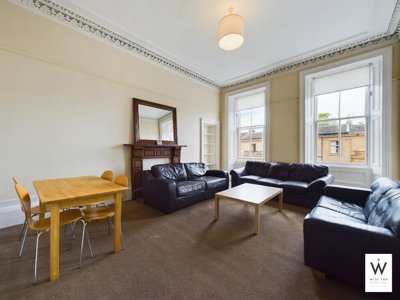
Glasgow's architectural diversity means that rental properties come in many different forms, each with its own characteristics and potential considerations. Victorian and Edwardian tenements dominate many neighbourhoods, offering generous room sizes, high ceilings, and original features such as cornicing, fireplaces, and bay windows. However, these properties can sometimes have issues with damp, drafty windows, or dated wiring, so a thorough inspection during viewing is essential. Modern apartments in purpose-built developments offer contemporary comforts including double glazing, central heating, and often concierge services, but typically come with service charges and restrictions on pets or modifications that tenants should carefully review before committing.
Energy efficiency is an important consideration when renting in Glasgow, as the city's climate means that heating costs can be significant during the colder months. Check the Energy Performance Certificate (EPC) rating before committing to a property, as older tenements may have poor insulation and higher-than-average energy costs. Properties with EPC ratings of D or below may result in higher winter heating bills, particularly in top-floor flats where heat loss through the roof can be an issue. Many Glasgow landlords have invested in upgrading insulation and installing new condensing boilers in response to rising energy costs, so newer renovations may offer better thermal efficiency than their age would suggest.
The Historic Environment Scotland designation affects many properties in conservation areas such as the West End, which may restrict what modifications tenants can make without permission. If you are renting in a listed building or a property within a conservation area, you will typically need landlord permission and possibly planning consent for any alterations including painting external doors, installing satellite dishes, or adding fixtures to the exterior walls. The West End Conservation Area and the gdinburgh Road Conservation Area in the Southside are among the designated zones that affect rental properties in these popular neighbourhoods. Your letting agent or landlord should be able to confirm whether any restrictions apply to the property you are considering.
Flood risk varies across the city, with areas near the River Clyde and local watercourses having varying levels of exposure that should be verified through the Scottish Environment Protection Agency maps before signing any tenancy agreement. While major flooding events are relatively rare in Glasgow, properties in low-lying areas near the River Clyde, particularly in the Gorbals and Townhead, may be at elevated risk during periods of exceptional rainfall or snowmelt. Surface water flooding can also affect areas with poor drainage, and prospective tenants should check drainage patterns during heavy rain if possible. Most residential insurance policies will cover flood damage to contents, but excess charges may be higher in flood-risk areas, so this is worth discussing with your insurer before committing to a tenancy.

Average rental prices in Glasgow vary significantly by property type and location. One-bedroom flats in the city centre typically range from £700 to £1,100 per month, while two-bedroom flats in popular areas like the West End or Southside generally cost between £1,000 and £1,500. Larger family homes in suburban areas like Bearsden, Giffnock, or Newton Mearns can range from £1,500 to £2,500 per month. The city remains considerably more affordable than London and the South East, making it an attractive option for renters seeking value without sacrificing urban amenities. Property in areas closer to the University of Glasgow such as Hillhead and Kelvingrove commands premium rents due to consistent demand from students and university staff.
Council tax in Glasgow is administered by Glasgow City Council and bands range from A to H, with most tenement flats falling into bands A to C and larger properties or those in more expensive areas potentially attracting higher bands. Band A properties typically attract the lowest council tax charges, while band H properties in areas like Kelvinside or Newlands pay significantly more. Students are generally exempt from council tax, while single occupants receive a 25% discount on their bill. Tenants should confirm the council tax band with their letting agent before committing to a property, as this affects the overall cost of renting in Glasgow and varies significantly between properties even in the same street.
Glasgow offers excellent educational options at all levels, with standout secondary schools including Hillhead Secondary School, Jordanhill School, and the selective Glasgow Gaelic School. The primary school landscape is strong across the city, with notable institutions including Hillhead Primary, St. Mary's Primary in the city centre, and Anderston Primary. For higher education, the University of Glasgow, University of Strathclyde, and Glasgow Caledonian University all maintain excellent reputations. Parents should research specific catchment areas, as school placements are determined by proximity and demand can be intense in popular neighbourhoods like the West End and Southside where competition for places at oversubscribed schools is particularly strong.
Glasgow boasts one of Scotland's most comprehensive public transport networks, centred around Glasgow Central and Queen Street stations which offer direct rail services across the UK. The Glasgow Subway provides efficient Underground services connecting the West End, city centre, and Southside, while extensive bus networks operated primarily by First Glasgow serve the entire metropolitan area. The city is investing heavily in public transport improvements, including the upcoming Glasgow Metro proposals and expanded active travel infrastructure. Journey times to Edinburgh are approximately 50 minutes by rail, with London accessible in around 4.5 hours. The Subway operates from 6am to 11.30pm daily with single journey fares and day tickets available, making it an economical option for regular commuters.
Glasgow consistently ranks as one of Scotland's most desirable cities for renters, offering an exceptional combination of cultural attractions, strong employment opportunities, and relative affordability compared to other UK major cities. The city's diverse neighbourhoods cater to different lifestyles and budgets, from vibrant city centre living to peaceful suburban family life. Glasgow's universities, growing tech sector, and expanding financial services industry create steady demand for rental properties. The city was named as one of the top ten best cities in the world by Time Out magazine, reflecting its excellent quality of life, welcoming atmosphere, and thriving arts and music scene. Renting in Glasgow also provides flexibility for those considering a longer-term move to the city, allowing time to explore different neighbourhoods before committing to a specific area.
When renting in Glasgow, you will typically pay a security deposit equivalent to between one and five weeks' rent, held by your letting agent or landlord in a government-approved scheme as required by the Tenant Fees Act 2019. You should not be asked to pay any fees beyond the deposit, first month's rent, and reasonable costs for references or background checks if you are not using a rental budget agreement. Be wary of any letting agent or landlord requesting fees for administration, inventory checks, or renewal as these charges are now banned for tenants. Always ensure you receive a written receipt for any payments and understand exactly what your deposit covers, and request a copy of the inventory check report at the start of your tenancy to avoid disputes at the end.
Like any major city, Glasgow has neighbourhoods that may not suit everyone's circumstances, and it is worth researching specific areas thoroughly before committing to a tenancy. Some regeneration areas are still undergoing transition, and while investment has improved many districts, others may have ongoing issues with crime or vacant properties. Areas like Gorbals and Easterhouse have seen significant investment and improvement in recent years, but prospective tenants should visit at different times of day before making a decision. Talking to current residents can provide valuable insights into what it is actually like to live in a particular neighbourhood, and your letting agent should be able to provide honest advice about the character of different areas within Glasgow.
Scottish Assured Shorthold Tenancies (ASTs) typically run for an initial fixed term of six or twelve months, after which they roll over onto a periodic tenancy unless notice is given. To end your tenancy, you must provide the landlord with written notice equal to 28 days (or whatever notice period is specified in your tenancy agreement, which cannot be less than 28 days for periodic tenancies). During the fixed term, you are liable for rent until the end of the term unless the landlord agrees to release you from the tenancy. At the end of your tenancy, ensure you leave the property in the same condition as described in the inventory check report, with all belongings removed and the property professionally cleaned if required by your agreement.
Understanding the full cost of renting in Glasgow extends beyond the monthly rent figure to encompass various upfront and ongoing expenses that should be factored into your budget. The standard security deposit for a rented property in Scotland is capped at the equivalent of five weeks' rent, held in a government-approved scheme such as the Deposit Protection Service, MyDeposits, or the Tenancy Deposit Scheme. This deposit is returned at the end of your tenancy, less any deductions for damage beyond normal wear and tear or unpaid rent, and the scheme provides free adjudication services if disputes arise. You may also need to pay the first month's rent in advance, bringing your initial outlay to around six weeks' rent in total before moving into your new Glasgow home.
Additional costs to budget for include the cost of moving your belongings, potential furnishing expenses if renting an unfurnished property, and ongoing utility bills which in Glasgow's climate can be significant during autumn and winter months. Contents insurance is strongly recommended even in rental properties, as your landlord's insurance will not cover your personal belongings. Council tax varies by property band and depends on your circumstances, with students typically exempt and single occupants entitled to a 25% discount. Many Glasgow residents also budget for regular travel costs, whether through public transport passes, car parking charges, or cycling equipment, as transport expenses can vary substantially depending on where you choose to rent and where you need to commute to each day.
Utility costs in Glasgow can vary significantly depending on property type and energy efficiency. A typical household might budget £80-£150 per month for electricity and gas combined, with older tenement flats typically having higher energy costs than modern apartments due to poorer insulation and less efficient heating systems. Water and sewerage charges are usually included in council tax for Glasgow City Council properties, but if not, Scottish Water charges approximately £400-£500 per year. Internet and mobile phone contracts typically cost £25-£40 per month for standard broadband, though full fibre connections are becoming more widely available across the city, particularly in new build developments. TV licensing costs £159 per year for colour TV, and is a legal requirement if you watch or record live TV broadcasts.

From 4.5% APR
Get pre-approved for your rental budget to strengthen your application
From £99
Comprehensive tenant checks for landlords and letting agents
From £120
Professional inventory reports to protect your deposit
From £60
Energy performance certificates for Glasgow properties
Properties to Rent In London

Properties to Rent In Plymouth

Properties to Rent In Liverpool

Properties to Rent In Glasgow

Properties to Rent In Sheffield

Properties to Rent In Edinburgh

Properties to Rent In Coventry

Properties to Rent In Bradford

Properties to Rent In Manchester

Properties to Rent In Birmingham

Properties to Rent In Bristol

Properties to Rent In Oxford

Properties to Rent In Leicester

Properties to Rent In Newcastle

Properties to Rent In Leeds

Properties to Rent In Southampton

Properties to Rent In Cardiff

Properties to Rent In Nottingham

Properties to Rent In Norwich

Properties to Rent In Brighton

Properties to Rent In Derby

Properties to Rent In Portsmouth

Properties to Rent In Northampton

Properties to Rent In Milton Keynes

Properties to Rent In Bournemouth

Properties to Rent In Bolton

Properties to Rent In Swansea

Properties to Rent In Swindon

Properties to Rent In Peterborough

Properties to Rent In Wolverhampton

Enter your details to see if this property is within your budget.
Loans, cards, car finance
Estimated property budget
Borrowing + deposit
You could borrow between
Typical borrowing
Monthly repayment
Est. at 4.5%
Loan-to-value
This is an estimate only. Your actual budget may vary depending on interest rates, credit history, and personal circumstances. For an accurate affordability assessment, speak to one of our free mortgage advisors.
This calculator provides estimates for illustrative purposes only and does not constitute financial advice. Your home may be repossessed if you do not keep up repayments on your mortgage. Estimates based on 4.5% interest rate, repayment mortgage. Actual rates depend on your circumstances.
Homemove is a trading name of HM Haus Group Ltd (Company No. 13873779, registered in England & Wales). Homemove Mortgages Ltd (Company No. 15947693) is an Appointed Representative of TMG Direct Limited, trading as TMG Mortgage Network, which is authorised and regulated by the Financial Conduct Authority (FRN 786245). Homemove Mortgages Ltd is entered on the FCA Register as an Appointed Representative (FRN 1022429). You can check registrations at NewRegister or by calling 0800 111 6768.

We use cookies to show you personalised content and improve your experience of our website. Find out more in our Privacy policy and Cookie policy.