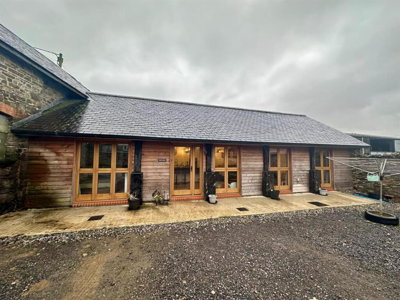
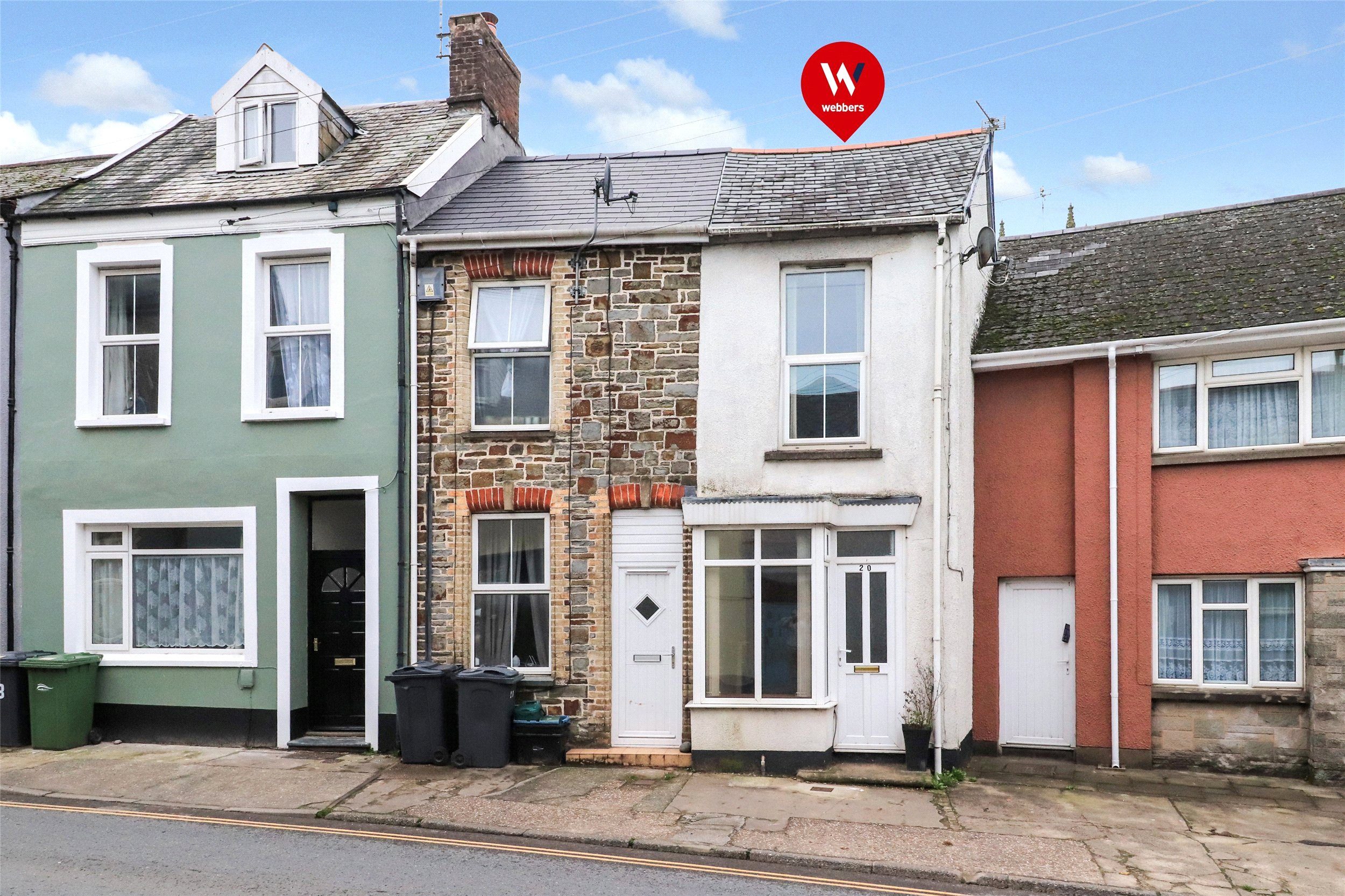
Browse 2 rental homes to rent in Filleigh, North Devon from local letting agents.
£0/m
0
0
0
Source: home.co.uk
The rental market in Filleigh operates differently from larger towns, characterised by limited turnover and a high proportion of long-term residents. Property types available for rent typically include traditional cottages, some featuring thatched roofs and original stone walls, as well as detached family homes with generous gardens. The majority of the housing stock in Filleigh dates from the 18th and 19th centuries, meaning that rental properties often boast period features such as exposed beams, inglenook fireplaces, and sash windows. Given the village's location within the Grade I listed Castle Hill parkland and the presence of several Grade II and Grade II* listed buildings, prospective renters should be aware that many properties will carry historic designations that require careful maintenance.
Rental prices in the wider North Devon area have shown varied trends across property types, with semi-detached properties experiencing modest growth of around 1.9% while flats have seen decreases of approximately 3.2% over recent periods. For Filleigh specifically, rental values are influenced by the unique combination of rural location, heritage status, and proximity to Exmoor National Park. Properties with features such as large gardens, parking, or views across the surrounding farmland typically command premium rents. The North Devon sales market has demonstrated long-term resilience, with prices increasing by 31.1% over the past decade, and this stability often translates to the rental sector as landlords seek tenants who will appreciate and maintain their distinctive properties.
New rental properties in Filleigh remain rare given the village's scale and the high proportion of owner-occupied homes. The only recent new-build development in the village was completed in December 2022, when Westward Housing delivered four affordable homes on the former Home Farm site, comprising three 2-bedroom and 3-bedroom semi-detached homes for social rent alongside one shared ownership property. This development served to increase the availability of affordable rental options within the village, but the private rental sector continues to rely largely on the existing period housing stock. Prospective renters should register with local estate agents in South Molton and Barnstaple and monitor property portals regularly, as suitable rental homes in Filleigh become available infrequently and often attract multiple enquiries quickly.

Filleigh offers a lifestyle that has become increasingly rare in modern Britain - a close community where neighbours know each other, where the village hall hosts regular events, and where daily life unfolds against a backdrop of rolling hills, ancient woodlands, and productive farmland. The village sits within the stunning Exmoor National Park boundary, placing residents within minutes of some of the most beautiful countryside in England. The Castle Hill estate, with its formal gardens and historic buildings, provides both a local attraction and a tangible connection to centuries of English heritage. Residents enjoy walking directly from their doorsteps onto public footpaths and bridleways that crisscross the surrounding landscape, with the River Bray flowing through the valley to the south of the village.
The demographic profile of Filleigh reflects a balanced community with a mean age of 41.5 years, suggesting a mix of families, working-age couples, and retirees. Home ownership rates in the surrounding Mid Devon area stand at approximately 77.7%, significantly above the national average, which indicates a stable population with residents who have chosen to put down roots in the area. The local economy centres on agriculture and tourism, with the Castle Hill gardens drawing visitors throughout the spring and summer months. Village amenities include a primary school and parish hall, while the proximity to South Molton and Barnstaple provides access to supermarkets, medical services, banks, and a wider range of retail outlets.
The sense of community in Filleigh remains strong, with events such as fetes, quiz nights, and seasonal celebrations providing regular opportunities for social connection. The village hall serves as a hub for community activities, while the local primary school fosters connections between families. Given the small population of around 320 residents, new renters can expect to be welcomed into a community where their presence will be noticed and appreciated. The area around the Church of St Paul, a Grade II* listed building remodelled in neo-Norman style, forms the historic heart of the village, with a designated conservation area protecting the character of the oldest properties including Paynes Cottages, which feature traditional thatched roofs.

Filleigh's extraordinary concentration of historic buildings sets it apart from most North Devon villages, and prospective renters should understand the implications of living in such a heritage-rich environment. The entire village sits within the Grade I listed park and garden of Castle Hill, one of the most significant designed landscapes in the South West. Castle Hill House itself is a Grade II* listed building featuring Portland stone elevations, dressed stone with brick quoins, and terracotta tiled roofs, while later additions include brick and slate roofed extensions. The Grade II* listed Parish Church of St Paul dominates the village centre and was remodelled in the neo-Norman style, creating a striking architectural focal point.
Beyond these headline buildings, numerous other structures carry listed status, including Ackland Barton, the Grade II* listed Bremridge, Filleigh Saw Mill, Satyr's Temple, Ugly Bridge, Sunset Temple, and the Triumphal Arch within the Castle Hill estate. A renter living in any property with listed status, whether directly listed or within the curtilage of a listed building, has certain responsibilities regarding alterations and maintenance. Tenants should clarify with landlords what permissions exist for making changes, who is responsible for maintaining historic features such as original windows, thatched roofs, or stone walls, and what insurance arrangements cover potential damage to listed elements. Properties within the conservation area centred on the Church of St Paul may also face restrictions on external alterations.
Families considering renting in Filleigh will find educational provision centred on the village's own primary school, which serves the local community and surrounding farms. Filleigh Primary School provides education for children from early years through to Key Stage 2, offering a nurturing environment where class sizes remain small and teachers can provide individual attention. The school benefits from its rural setting, with extensive grounds that support outdoor learning activities and environmental education programmes. For families seeking alternative educational approaches, several independent schools operate within reasonable driving distance across North Devon, including institutions with strong reputations for academic achievement and pastoral care.
Secondary education options for Filleigh residents include schools in the nearby market towns of South Molton and Barnstaple, both accessible by school transport or parental driving. South Molton Community College offers secondary education with sixth form provision, while Barnstaple hosts several secondary schools including the well-regarded Park School and the selective grammar school entry options. Parents should note that catchment areas influence secondary school allocations, so rental proximity to particular schools should be verified with the local education authority before committing to a tenancy. For higher education and further education, Exeter, Plymouth, and Bristol all offer comprehensive university programmes and vocational courses, with regular bus and train services connecting North Devon to these major centres.

Transport connections from Filleigh reflect its status as a small rural village rather than a major population centre, though the location between South Molton and Barnstaple provides reasonable access to regional transport infrastructure. The nearest railway station is located in Barnstaple, approximately 10 miles distant, offering connections on the Tarka Line to Exeter and onwards to the national rail network. Journey times from Barnstaple to Exeter take approximately one hour, making day trips to the county capital feasible for work or leisure. For commuters to Exeter or beyond, the journey requires careful planning around train timetables, and many residents opt to drive to nearest stations or larger hubs in Somerset or Devon.
Road transport forms the backbone of daily travel for most Filleigh residents, with the village situated on local roads that connect to the A361 (the North Devon Link Road) providing access to Junction 27 of the M5 motorway near Tiverton. Bristol can be reached in approximately two hours by car, making it a feasible destination for occasional office-based work or city visits. Local bus services operate between Filleigh and the nearby towns, though frequencies are limited, typically running hourly or less on weekdays with reduced weekend services. For those working locally or studying from home, the peaceful environment of Filleigh offers an excellent quality of life, but prospective renters should carefully consider their commuting requirements and transport options before committing to a tenancy.

Begin by exploring the Filleigh area thoroughly, considering your commute requirements, proximity to schools, and lifestyle needs. Our platform allows you to browse available rental properties and understand the local rental market before making commitments. Given the limited rental turnover in this small village, understanding the wider North Devon market and being prepared to consider properties in nearby villages can expand your options considerably.
Before viewing properties, obtain a rental budget agreement in principle to understand how much you can afford monthly. This demonstrates to landlords that you are a serious tenant and helps narrow your search to properties within your financial reach. For Filleigh properties, where rental homes often command premium rents due to their character and location, having your budget confirmed upfront positions you well in competitive situations.
Contact local estate agents and landlords to arrange viewings of properties that meet your criteria. Take notes on property conditions, note any maintenance concerns, and ask about lease terms, deposit amounts, and included utilities. When viewing period properties in Filleigh, pay particular attention to the condition of thatched roofs, stone walls, original windows, and any signs of damp or timber issues.
Landlords typically require references from previous landlords, employers, and credit checks. Ensure you have these prepared in advance to avoid delays when applications are competitive. Given the limited availability of rental properties in Filleigh, being ready to move quickly with complete documentation can make the difference between securing a property and missing out.
Given the age of properties in Filleigh, we strongly recommend booking a survey before committing to a tenancy. An EPC assessment provides energy efficiency information, while a more comprehensive survey can identify potential maintenance issues or structural concerns in period properties. Many Filleigh homes are over 100 years old and may have issues related to traditional construction methods, listed building status, or the local geology.
Once your application is accepted and references verified, you will sign a tenancy agreement. Ensure you understand all terms, including the deposit protection scheme, notice periods, and responsibilities for maintenance and repairs. For tenants in listed properties or those within the Castle Hill estate, clarify any additional obligations regarding listed building maintenance or estate covenants.
Renting a property in Filleigh requires careful consideration of several factors specific to this historic rural village. The age of the housing stock means that many properties will require understanding of listed building regulations, conservation area restrictions, and traditional construction methods. If you are renting a period property, clarify with the landlord what permissions exist for making changes to the property and who is responsible for maintaining historic features such as thatched roofs, stone walls, or original windows. Properties within the Castle Hill estate area may have additional obligations related to the Grade I listed parkland setting, and prospective tenants should seek clarification on any relevant covenants or agreements.
Flood risk represents an important consideration for Filleigh renters, given the presence of the River Bray and historical flooding events including the devastating Lynmouth Flood of 1952. The stream to the south of Filleigh village has a flood zone identified by the Environment Agency, and properties situated near watercourses or in low-lying areas should be researched using Environment Agency flood maps. The Lynmouth Flood, which affected rivers including the Bray, remains the worst peacetime natural disaster in Britain, highlighting the seriousness with which flood risk should be considered in this part of North Devon. Tenants should understand their responsibilities regarding flood preparedness and damage management, and should factor the cost of flood insurance into their budgeting.
Buildings constructed from traditional materials such as cob, stone, or timber framing may require more attentive maintenance than modern properties, and renters should discuss with landlords how maintenance issues will be handled and what response times to expect for repairs. Filleigh's local geology includes areas with clay-rich soils susceptible to shrink-swell behaviour, which can cause subsidence or heave in properties. While significant ground movement issues are not widespread in the village, the presence of former limestone quarries active from the early 1760s to the late 19th century, particularly across the southern part of Castle Hill Park, indicates that some properties may sit above historical mining activity. Energy efficiency varies considerably across the older housing stock, with some historic properties featuring solid walls, single glazing, and limited insulation that can result in higher heating costs during North Devon's cooler months.

Specific rental price data for Filleigh itself is limited due to the small number of rental transactions in the village. However, the wider North Devon rental market offers properties across various price points, with the overall average house price standing at approximately £380,000 in recent years. Rental prices typically reflect property size, condition, and features, with traditional cottages and family homes commanding competitive rents due to strong demand from those seeking the North Devon lifestyle. We recommend registering with local estate agents and checking our platform regularly for new rental listings in Filleigh and surrounding villages.
Council tax bands in Filleigh are set by North Devon District Council, and bands range from A through to H depending on property value. Properties in this rural area include a mix of valuations across these bands, with many period cottages and smaller homes falling into bands A through D, while larger detached properties and those with recent renovations may be in higher bands. Prospective renters should ask landlords or check the local authority's online band checker to confirm the council tax band for any specific property, as this forms part of the regular monthly cost of tenancy alongside rent and utility bills. Given the range of property types in Filleigh, from traditional thatched cottages to larger farmhouses, council tax costs can vary significantly between properties.
Filleigh Primary School serves the village and immediate surrounding area, providing education for children from Reception through to Year 6. The school benefits from its small class sizes and rural setting, with strong community involvement from parents and local residents. For secondary education, families typically access schools in South Molton or Barnstaple, with transport arrangements or driving required for daily commutes. South Molton Community College provides secondary education with sixth form provision, while Barnstaple offers several options including Park School and grammar school entry for those meeting academic criteria. Several independent schools operate within reasonable driving distance, and parents should verify catchment areas with Devon County Council before finalising a tenancy if school placement is a priority.
Public transport options from Filleigh are limited, reflecting the village's small population and rural location. Local bus services connect Filleigh to South Molton and Barnstaple, though frequencies are modest with typically hourly or less frequent services on weekdays and reduced weekend provision. The nearest railway station is in Barnstaple, approximately 10 miles away, offering Tarka Line services to Exeter with connections to the national rail network. Most residents rely on private cars for daily transport, and prospective renters without vehicles should carefully consider how they will manage shopping, commuting, and social activities without independent transport. For commuters working in Exeter or beyond, the drive to Barnstaple station takes around 25 minutes, and journey planning should account for train timetables when considering regular commuting.
Filleigh offers an exceptional quality of life for those who appreciate rural living, stunning natural scenery, and strong community bonds. The village sits within Exmoor National Park, providing immediate access to excellent walking, cycling, and riding across some of England's most beautiful countryside. The historic character of the village, centred around the Castle Hill estate with its Grade II* listed house and celebrated formal gardens, creates a distinctive atmosphere that attracts visitors and prospective residents alike. The main considerations for renters include the limited local amenities requiring travel to nearby towns for supermarkets and services, the dependence on car ownership for most daily activities, and the prevalence of older properties that may require more maintenance attention than modern homes. For those seeking a peaceful village lifestyle within North Devon, Filleigh represents an excellent option.
When renting in Filleigh, you will typically be required to pay a security deposit equivalent to five weeks' rent, which must be protected in a government-approved deposit scheme by your landlord within 30 days of receiving it. Additional costs include referencing fees covering credit checks, employment verification, and landlord references, typically ranging from £50 to £200 depending on the letting agent. Administration fees from agents for processing applications have been largely eliminated following consumer protection legislation, though some agents still charge reasonable fees for specific services. You should also budget for moving costs, contents insurance, and the cost of setting up utility accounts and council tax at your new property. For tenants in older Filleigh properties, it is wise to set aside funds for potential heating costs, as properties with solid walls or older heating systems can prove more expensive to heat during winter months. We recommend obtaining a rental budget agreement in principle before beginning your property search to understand your complete financial position.
From 4.5%
Get a rental budget in principle to understand what you can afford
From £49
Complete tenant referencing to speed up your rental application
From £85
Get an energy performance certificate for your rental property
From £95
Document property condition at check-in to protect your deposit
Understanding the full financial commitment of renting in Filleigh requires budgeting for several costs beyond the monthly rent. The security deposit represents the largest upfront cost, typically set at five weeks' rent and held in a government-approved Tenancy Deposit Protection scheme throughout your tenancy. This deposit is returned at the end of your tenancy, subject to any deductions for damage beyond normal wear and tear or unpaid rent. Given that many properties in Filleigh are period homes with features requiring careful maintenance, tenants should document the property's condition thoroughly at check-in and report any existing issues promptly to avoid disputes at check-out. An inventory check conducted by a qualified provider creates an objective record of the property's condition at the start of your tenancy, protecting both tenant and landlord.
Additional costs include referencing fees which cover credit checks, employment verification, and landlord references, typically ranging from £50 to £200 depending on the letting agent. Administration fees charged by agents for processing applications and setting up tenancies have been largely eliminated following consumer protection legislation, though some agents still charge reasonable fees for specific services. First-time renters should note that while stamp duty land tax relief applies to property purchases, this does not extend to residential tenancies, so there is no tax exemption on rental payments. Utility bills, council tax, internet connection, and contents insurance all require budgeting as separate costs from rent, and tenants in older Filleigh properties should be aware that heating costs may be higher in properties with solid walls or older heating systems.
Obtaining a comprehensive rental budget agreement in principle before beginning your property search ensures you understand your complete financial position and can act quickly when suitable properties become available. In Filleigh's competitive rental market, where quality properties attract multiple enquiries, being financially prepared positions you favourably with landlords. The village's desirability, combined with limited rental turnover, means that preparation is key to securing a tenancy in this sought-after North Devon village.

Properties to Rent In London

Properties to Rent In Plymouth

Properties to Rent In Liverpool

Properties to Rent In Glasgow

Properties to Rent In Sheffield

Properties to Rent In Edinburgh

Properties to Rent In Coventry

Properties to Rent In Bradford

Properties to Rent In Manchester

Properties to Rent In Birmingham

Properties to Rent In Bristol

Properties to Rent In Oxford

Properties to Rent In Leicester

Properties to Rent In Newcastle

Properties to Rent In Leeds

Properties to Rent In Southampton

Properties to Rent In Cardiff

Properties to Rent In Nottingham

Properties to Rent In Norwich

Properties to Rent In Brighton

Properties to Rent In Derby

Properties to Rent In Portsmouth

Properties to Rent In Northampton

Properties to Rent In Milton Keynes

Properties to Rent In Bournemouth

Properties to Rent In Bolton

Properties to Rent In Swansea

Properties to Rent In Swindon

Properties to Rent In Peterborough

Properties to Rent In Wolverhampton

Enter your details to see if this property is within your budget.
Loans, cards, car finance
Estimated property budget
Borrowing + deposit
You could borrow between
Typical borrowing
Monthly repayment
Est. at 4.5%
Loan-to-value
This is an estimate only. Your actual budget may vary depending on interest rates, credit history, and personal circumstances. For an accurate affordability assessment, speak to one of our free mortgage advisors.
This calculator provides estimates for illustrative purposes only and does not constitute financial advice. Your home may be repossessed if you do not keep up repayments on your mortgage. Estimates based on 4.5% interest rate, repayment mortgage. Actual rates depend on your circumstances.
Homemove is a trading name of HM Haus Group Ltd (Company No. 13873779, registered in England & Wales). Homemove Mortgages Ltd (Company No. 15947693) is an Appointed Representative of TMG Direct Limited, trading as TMG Mortgage Network, which is authorised and regulated by the Financial Conduct Authority (FRN 786245). Homemove Mortgages Ltd is entered on the FCA Register as an Appointed Representative (FRN 1022429). You can check registrations at NewRegister or by calling 0800 111 6768.