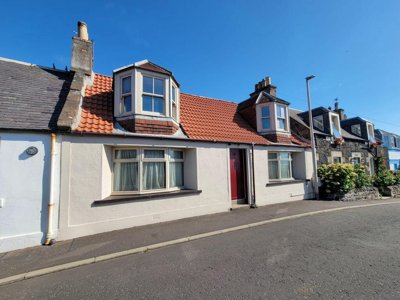
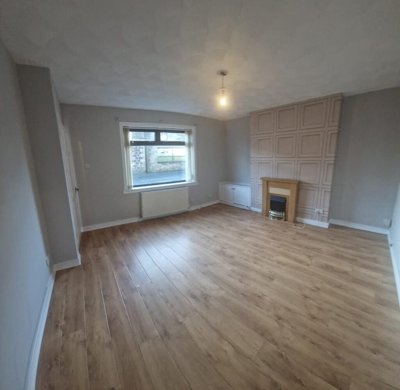
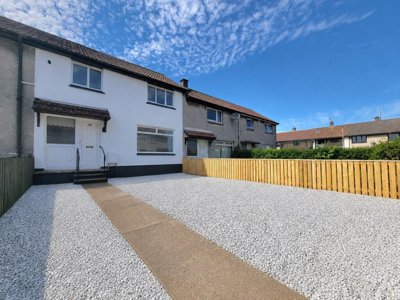
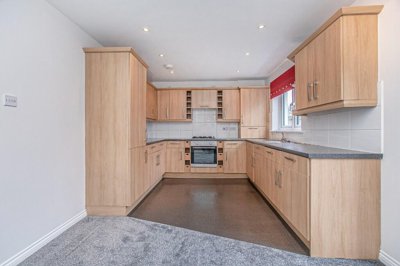
Browse 18 rental homes to rent in Fife, Scotland from local letting agents.
Three bedroom properties represent a significant portion of the Fife housing market, offering space for families with multiple reception rooms and gardens in many cases. Browse detached, semi-detached, and terraced options ranging from period character homes to contemporary developments.
£1,048/m
4
0
181
Source: home.co.uk
Showing 4 results for 3 Bedroom Houses to rent in Fife, Scotland. The median asking price is £1,048/month.
Source: home.co.uk
Semi-Detached
2 listings
Avg £1,200
Terraced
2 listings
Avg £848
Source: home.co.uk
Source: home.co.uk
The rental market in Fife presents a diverse range of options across property types and price points. Flats and maisonettes typically command asking prices around £849, making them an accessible entry point for first-time renters or those seeking lower maintenance living. Terraced properties, averaging £1,033, offer more space and often come with the character of traditional Scottish construction, including original features that appeal to renters seeking period charm. Semi-detached homes average £1,309, providing comfortable family accommodation with gardens and multiple bedrooms, while detached properties averaging £3,471 cater to those requiring larger living spaces or home office facilities.
Recent market activity shows Fife's property prices have risen 7.2% over the past year, reaching an average of £885 pcm by December 2025, outperforming the broader Scottish growth rate of 4.9%. This sustained demand reflects Fife's growing popularity as a residential destination. The region saw 4,639 property sales in 2025, with Dunfermline recording the highest number of listings and transactions, indicating strong rental activity in the area. Whether you are looking for urban convenience in Dunfermline, coastal living in the East Neuk, or proximity to the University of St Andrews, the Fife rental market offers properties to suit varied budgets and lifestyles.
East Fife has emerged as a particularly strong performer in recent months, with average home prices rising 14.4% between September and November 2025 to reach £12,092 pcm. This growth reflects increasing interest in coastal and semi-rural locations where buyers and renters can access larger properties at more reasonable prices than urban centres. The terraced property segment showed robust price growth of 8.9% year-on-year, while flats saw more modest increases of 4.1%, suggesting continued demand for family-sized accommodation as remote working arrangements encourage tenants to seek properties with dedicated workspace.
For renters navigating the Fife market, understanding current listing trends proves valuable alongside historical sales data. The current average listing price stands at £885 pcm, representing a 4.76% decrease from six months prior, which may present opportunities for tenants to negotiate favourable terms. Those searching in towns like Cupar, Ladybank, or the smaller villages scattered across the Howe of Fife will find a different market dynamic compared to Dunfermline or Kirkcaldy, with varying availability and pricing across these distinct localities.

Fife, known as the Kingdom of Fife, is a peninsula in eastern Scotland characterised by its stunning coastline along the Firth of Forth and Firth of Tay, rolling farmland, historic towns, and charming fishing villages. The region offers an exceptional quality of life that combines rural tranquility with practical urban amenities. Towns like Dunfermline serve as administrative centres with excellent shopping, dining, and entertainment facilities, while coastal villages such as St Andrews, Crail, Anstruther, and Pittenweem in the East Neuk offer quintessentially Scottish coastal living with independent shops, traditional pubs, and breathtaking views across the North Sea.
The local economy benefits from diverse employment sectors that provide stable foundations for the housing market. The University of St Andrews, Scotland's third-oldest university, brings academic prestige and employment opportunities to the area. The energy sector maintains a significant presence, with connections to both traditional oil and gas industries and growing renewable energy operations. Tourism flourishes along the coastline and in historic towns, while manufacturing and healthcare through NHS Fife round out the employment landscape. This economic diversity helps maintain a stable rental market where demand remains consistent across different sectors and professional backgrounds.
Beyond the major towns, Fife encompasses a variety of distinct neighbourhoods each with its own character. Glenrothes, originally built as a new town in the 1960s, offers modern amenities and good transport connections. Methil and Buckhaven on the coast have undergone significant regeneration in recent years. The inland towns of Cupar and Ladybank serve the agricultural Howe of Fife region, while smaller villages like Falkland and Aberdour offer enchanting period properties and community atmospheres. This variety means renters can genuinely tailor their living environment to match their lifestyle preferences, whether that prioritises urban conveniences, coastal charm, or rural peace.
For those drawn to Fife's outdoor offerings, the region provides exceptional recreational opportunities. The Fife Coastal Path stretches for over 100 miles, passing through picturesque fishing villages and along dramatic cliffs. St Andrews Links attracts golfers from around the world to its seven courses, while the wider region offers walking, cycling, and water sports activities. The Lomond Hills provide challenging terrain for hikers, and several nature reserves support diverse wildlife. These amenities contribute significantly to Fife's appeal as a place to live, offering quality of life benefits that extend well beyond the property itself.

Education provision across Fife serves students from primary through secondary levels, with a network of schools distributed across urban and rural communities. Dunfermline offers several secondary options including Woodmill High School, Glenwood High School, and Dunfermline High School, each serving distinct catchment areas across the town. Larger towns throughout the region provide accessible schooling for families, with secondary schools in Kirkcaldy, Glenrothes, St Andrews, and Cupar serving wider geographic catchments. The presence of the University of St Andrews in the coastal town of St Andrews adds a higher education dimension that enriches the local community and attracts academics, students, and professionals to the surrounding rental areas.
St Andrews University consistently ranks among the UK's top institutions, offering world-class education and contributing significantly to the town's character and economy. The university attracts students from across the UK and internationally, creating demand for various rental accommodation types from student flats to family homes near the school. Beyond higher education, St Andrews also offers excellent primary schooling through schools like Stackline Primary and the Catholic St Mary's Primary, making it attractive for families at multiple stages of their educational journey.
For families considering rental properties in Fife, the region offers a mix of schooling options including community schools, academies, and faith schools. Primary education is well-distributed across towns and villages, ensuring most families can find schooling within reasonable travelling distance. Secondary schools typically serve wider catchment areas, and parents should verify specific school catchments when considering rental properties, particularly in more rural locations where catchment boundaries can significantly affect school placement. Schools serving towns like Cowdenbeath, Lochgelly, and the mining communities of central Fife have their own distinct traditions and reputations within the local educational landscape.
The further education landscape includes Adam Smith College in Kirkcaldy, offering vocational and academic courses, along with various training providers offering opportunities for young people and adults seeking to develop their skills and qualifications. Fife College provides apprenticeships and professional development courses across multiple campuses, supporting the local workforce and those seeking career advancement. For renters considering their long-term plans, access to these educational opportunities can significantly influence the suitability of different areas for family living.

Fife benefits from excellent transport connections that make commuting to Edinburgh straightforward and convenient. The Firth of Forth road and rail bridges provide direct links to Scotland's capital, with journey times to Edinburgh city centre typically ranging from 30 to 50 minutes depending on your specific location in Fife and destination. The rail network serves key towns including Dunfermline, Kirkcaldy, Cupar, and smaller stations like Markinch, Leslie, and Glenrothes with Thornton, offering regular services for daily commuters and leisure travellers alike. For those working in Edinburgh but seeking more affordable rental accommodation, Fife presents an attractive proposition where property costs remain significantly lower than Edinburgh averages while maintaining excellent connectivity.
Train services from Fife operate from several stations with varying frequencies and journey times. Dunfermline City station offers direct links to Edinburgh, while Edinburgh Gateway provides connections to the tram network and airport. Kirkcaldy station serves the intermediate towns along the coast, and St Andrews does not have its own railway station, with residents typically travelling to either Leuchars or Cupar for rail services. The scheduled service improvements and the introduction of new rolling stock have enhanced the reliability and comfort of commuting from Fife to Edinburgh in recent years.
Within Fife, local bus services connect towns and villages across the peninsula, with operators including Stagecoach East Scotland providing comprehensive coverage. The M90 motorway runs through the region connecting to the A92 and A91 trunk roads, while the A917 traces the coastal route through the East Neuk villages. Those considering rental properties should note that parking availability varies significantly between locations, with town centres typically offering public parking while more rural villages may have limited options. Coastal communities like Crail and Anstruther can become congested during summer tourist season, a factor worth considering for those who drive regularly.
Edinburgh Airport, accessible via the road bridges, provides international connections for business and leisure travellers, adding to Fife's connectivity advantages. The airport is particularly accessible from northern Fife, with journey times from St Andrews and the East Neuk often being quicker than from more distant Edinburgh suburbs. Cyclists will find varying conditions across the region, with some coastal routes and rural lanes suitable for confident riders, while dedicated cycle paths are being developed gradually to improve safety and encourage sustainable transport choices.

Before viewing properties, obtain a rental budget agreement in principle to understand how much you can afford. Factor in rent, council tax, and moving costs when calculating your total monthly expenditure. Fife's diverse towns offer different price points, from more affordable options in former mining towns to premium rents near St Andrews and the East Neuk coastal villages. Consider commute times to Edinburgh if you plan to work in the capital, as properties closer to the rail network may command slightly higher rents but save significantly on transport costs.
Browse our listings for properties to rent in Fife, including flats, terraced houses, semi-detached, and detached homes. Schedule viewings to assess the property condition, neighbourhood, and proximity to schools, transport links, and amenities that matter to you. When viewing properties, consider factors specific to Fife such as the proximity to historic mining areas in Cowdenbeath and Lochgelly, or the potential for tourist seasonal congestion in popular coastal villages during summer months.
Before committing to a rental, consider a professional property survey to identify any issues with the property. Older properties in Fife, particularly the stone-built houses common in conservation areas like St Andrews, Crail, and Culross, may have defects such as damp, roof condition concerns, or outdated electrical systems. A thorough inspection helps you make an informed decision and may provide leverage for negotiating repairs or terms with the landlord before signing the tenancy agreement.
Once you have chosen a property, review the tenancy agreement carefully before signing. Ensure you understand the terms, your obligations as a tenant, and what is included in the rent such as white goods or garden maintenance. In Scotland, tenants have specific rights under the Private Residential Tenancy system, which provides comprehensive protections including the right to occupy the property without unjustified eviction. Take time to read the full agreement or seek advice if any terms seem unclear.
Your landlord will likely require tenant referencing to verify your identity, employment, and rental history. You will also need to pay a security deposit, typically equivalent to one month's rent, which must be held in a government-approved tenancy deposit scheme within 30 days of receipt. In Scotland, the Tenant Fees Act restricts what landlords and agents can charge, meaning you should not be asked to pay fees beyond rent, deposit, and reasonable costs for changing the tenancy terms if requested by the tenant.
Before taking possession, complete a detailed inventory check-in report documenting the property condition with photographs where possible. This protects both you and your landlord by establishing a clear baseline against which any deposit deductions can be assessed at the end of your tenancy. Report any discrepancies or damage noted during check-in to your landlord in writing within the timeframe specified in your tenancy agreement.
Renting in Fife requires understanding several area-specific factors that can affect your tenancy experience and property condition. Given Fife's mining heritage, particularly in areas around Cowdenbeath, Lochgelly, Kelty, and Kirkcaldy, prospective tenants should consider whether the property sits above or near historic mining operations. Mining activity can create ground instability risks, and while not all properties in these areas will be affected, being aware of local history helps inform your decision. A mining search can reveal whether any past mining activity might affect the property you are considering, and some tenants in these areas choose to obtain specialist reports before committing.
Properties in coastal locations along the Firth of Forth or Firth of Tay may face considerations around coastal erosion and flooding, and those near rivers and watercourses should understand potential flood risks during heavy rainfall. The River Eden flows through the centre of Fife, and the region has experienced flooding events in certain locations. Before committing to a rental property in a coastal or riverside location, particularly in areas like St Monans, Elie, or near the Eden Estuary, research specific flood risk information to understand any potential exposure and check whether the property has appropriate flood resilience measures in place.
The architectural character of Fife varies significantly between areas, from traditional stone-built properties with slate roofs in historic towns to modern developments offering contemporary living. Many properties in Fife's conservation areas, including those in St Andrews, the East Neuk villages, and Culross, are constructed from sandstone and feature traditional construction methods including solid walls and lime mortar pointing. Older stone properties, while often charming, may require more maintenance attention and can be susceptible to damp issues in areas with solid walls and traditional construction methods. Those renting flats should clarify service charges, building maintenance responsibilities, and any factors relating to shared facilities such as communal gardens or maintenance of the building structure.
When viewing properties, pay particular attention to signs of common defects in Fife's housing stock. Look for evidence of damp, particularly in ground floor properties or those with north-facing walls. Check the condition of roofing materials, especially on older properties with slate tiles which may have reached the end of their useful lifespan. In post-war properties built between 1950 and 1980, watch for signs of concrete degradation or timber decay. Properties built after 1980 may have cavity wall construction but can still present issues with insulation standards or Window systems. Understanding these practical aspects helps ensure your tenancy runs smoothly and avoids unexpected costs during your rental period.

While specific rental price data varies with market conditions, Fife offers rental options across a wide price spectrum reflecting the diversity of property types available. Flats typically represent the most affordable entry point, with terraced, semi-detached, and detached homes commanding progressively higher rents based on size and location. Dunfermline, as the most active market in Fife, offers a broad range of rental options from compact flats suitable for singles to substantial family homes. Coastal properties in the East Neuk, particularly near St Andrews, often command premium rents reflecting the desirability of these locations. Contact local estate agents for current rental listings that match your budget and requirements, as rental prices can fluctuate seasonally and vary significantly between towns.
Council tax in Fife is administered by Fife Council, and property bands range from A through H based on the property value assessed by the Scottish Assessors. The specific band for any property depends on the valuation assigned at the time of the last revaluation, which in Scotland occurred in 2017. Prospective tenants should check the council tax band for any rental property they are considering using Fife Council's online tools, as this forms part of the ongoing cost of tenancy alongside rent. Council tax bands can affect the overall affordability of a rental property, with Band A properties typically attracting lower council tax charges than Band H properties.
Fife offers a comprehensive network of primary and secondary schools distributed across the region, with several schools maintaining strong reputations within the local community. Schools in Dunfermline, including Dunfermline High School and Woodmill High School, serve significant catchment areas with established track records. In Kirkcaldy, schools like Kirkcaldy High School and Balwearie High School serve the local population. St Andrews benefits from the presence of the University of St Andrews, one of Scotland's leading universities, while also offering good primary school options including Stackline Primary. When renting with children, verify the specific school catchment for your chosen property, as catchments can vary even within the same town and acceptance cannot be guaranteed based on proximity alone.
Fife maintains excellent public transport connections, particularly for commuters travelling to Edinburgh. The rail network serves key towns including Dunfermline, Kirkcaldy, Cupar, Markinch, and Leslie, with regular services to Edinburgh and connections to the wider rail network. Bus services operate throughout the region, connecting towns and villages across the peninsula with routes managed by Stagecoach East Scotland and other operators. The road network includes the M90 motorway running through the region and connecting to the A92 and A91 trunk roads, providing reliable connections by car. Edinburgh Airport, accessible via the road bridges within approximately one hour from most Fife towns, offers international travel options for residents.
Fife represents an excellent rental destination for those seeking quality of life at more accessible price points compared to Edinburgh. The region offers diverse housing options, strong transport links to the capital, excellent coastal and rural amenities, and a stable local economy driven by education, energy, tourism, and healthcare sectors. Towns like Dunfermline provide comprehensive urban conveniences including shopping centres, restaurants, and entertainment venues, while the East Neuk coastal villages offer charming community atmospheres with independent shops and traditional pubs. The 7.2% annual price growth demonstrates sustained demand, reflecting Fife's growing popularity as a residential choice. First-time renters often find the transition straightforward, with comprehensive tenant protections under Scottish law providing throughout the tenancy.
When renting in Fife, you will typically need to pay a security deposit equivalent to one month's rent, held in a government-approved Tenancy Deposit Scheme to protect both tenant and landlord. The deposit must be protected within 30 days of receipt and you should receive information about which scheme is being used. Additional costs may include the first month's rent in advance, referencing fees charged by your landlord or agent, and potentially a holding deposit to secure the property while references are being checked. Under the Tenant Fees Act in Scotland, certain fees are restricted, and you cannot be charged for things like viewing properties, administration, or check-out costs. Always request a full breakdown of costs before committing to a tenancy and ensure you understand exactly what is included in the rental figure.
Fife's geography presents some flood considerations for renters to understand before committing to a tenancy. The extensive coastline along the Firth of Forth and Firth of Tay creates coastal flood risks in exposed areas, particularly during severe weather events and high tides. Rivers including the River Eden, which flows through Cupar and towards the coast near Guardbridge, and numerous smaller watercourses pose potential river flood risks during periods of heavy rainfall. Surface water flooding can occur in urban and low-lying areas, particularly where drainage systems may be overwhelmed during exceptional rainfall events. Before committing to a rental property, particularly in coastal or riverside locations, research specific flood risk information using SEPA's flood maps and discuss any concerns with the landlord or letting agent.
Fife has a significant history of coal mining, particularly in areas like Cowdenbeath, Lochgelly, Kelty, and parts of Kirkcaldy, where mining operations were central to the local economy for generations. This historical mining activity means there could be a risk of ground movement or subsidence affecting properties in these areas, though not all properties will be impacted. If you are considering renting a property in these locations, you may wish to investigate past mining activity using publicly available records or specialist mining reports. While most properties in former mining areas are perfectly safe to occupy, being informed about local geology helps you make a confident decision about your rental choice.
The rental market in Fife encompasses a wide variety of property types to suit different needs and budgets. Flats and maisonettes are available throughout the region, particularly in towns like Dunfermline, Kirkcaldy, and Glenrothes where purpose-built apartment blocks supplement Victorian and post-war conversions. Terraced houses are common in established residential areas, offering more space and often featuring traditional Scottish construction with original features. Semi-detached and detached family homes are available in suburban areas and villages, providing gardens and additional living space. Coastal communities offer unique rental opportunities including traditional fisher cottages in the East Neuk villages, while modern new-build developments in towns like Dunfermline and Glenrothes provide contemporary accommodation options.
From 4.5%
Our mortgage broker partners can help arrange your rental budget in principle so you know exactly what you can afford to spend on rent each month
From £299
Comprehensive tenant referencing checks to verify your identity, employment, and rental history for landlords
From £350
A detailed survey to identify any defects or concerns with the property before you commit to renting
From £85
Check the energy efficiency rating of any property you are considering renting
Understanding the full cost of renting in Fife helps you budget effectively and avoid surprises during your tenancy search. The primary upfront costs typically include the first month's rent in advance and a security deposit, usually equivalent to one month's rent. In Scotland, deposits must be protected in a government-approved Tenancy Deposit Scheme within 30 days of receipt, and you are entitled to receive information about which scheme is being used. This requirement protects your money and ensures you receive it back at the end of your tenancy, subject to any legitimate deductions for damage beyond normal wear and tear or unpaid rent.
Additional fees may apply during the rental application process, including referencing fees to verify your identity, employment status, and previous landlord references. Some agents may charge administration fees, though these have been restricted in Scotland under the Tenant Fees Act, which means you cannot be asked to pay fees for things like viewing properties, credit checks, or most administrative tasks. As a first-time renter, you may qualify for certain exemptions or reduced costs under the Tenant Fees Act provisions for those in financial difficulty. Always request a full breakdown of all costs before committing to a tenancy application.
Beyond these upfront expenses, ongoing costs include council tax, utility bills, contents insurance, and potentially service charges for flats which may cover building insurance, maintenance of communal areas, or factor fees. Council tax bands vary by property, and you should factor this into your monthly budget alongside rent. Many renters find it helpful to obtain a rental budget agreement in principle before searching for properties, as this gives you a clear picture of what you can afford and helps you focus your search on realistic options within your means. This budgeting step can prevent disappointment and ensure you only pursue properties that you can comfortably afford throughout the tenancy.

Properties to Rent In London

Properties to Rent In Plymouth

Properties to Rent In Liverpool

Properties to Rent In Glasgow

Properties to Rent In Sheffield

Properties to Rent In Edinburgh

Properties to Rent In Coventry

Properties to Rent In Bradford

Properties to Rent In Manchester

Properties to Rent In Birmingham

Properties to Rent In Bristol

Properties to Rent In Oxford

Properties to Rent In Leicester

Properties to Rent In Newcastle

Properties to Rent In Leeds

Properties to Rent In Southampton

Properties to Rent In Cardiff

Properties to Rent In Nottingham

Properties to Rent In Norwich

Properties to Rent In Brighton

Properties to Rent In Derby

Properties to Rent In Portsmouth

Properties to Rent In Northampton

Properties to Rent In Milton Keynes

Properties to Rent In Bournemouth

Properties to Rent In Bolton

Properties to Rent In Swansea

Properties to Rent In Swindon

Properties to Rent In Peterborough

Properties to Rent In Wolverhampton

Enter your details to see if this property is within your budget.
Loans, cards, car finance
Estimated property budget
Borrowing + deposit
You could borrow between
Typical borrowing
Monthly repayment
Est. at 4.5%
Loan-to-value
This is an estimate only. Your actual budget may vary depending on interest rates, credit history, and personal circumstances. For an accurate affordability assessment, speak to one of our free mortgage advisors.
This calculator provides estimates for illustrative purposes only and does not constitute financial advice. Your home may be repossessed if you do not keep up repayments on your mortgage. Estimates based on 4.5% interest rate, repayment mortgage. Actual rates depend on your circumstances.
Homemove is a trading name of HM Haus Group Ltd (Company No. 13873779, registered in England & Wales). Homemove Mortgages Ltd (Company No. 15947693) is an Appointed Representative of TMG Direct Limited, trading as TMG Mortgage Network, which is authorised and regulated by the Financial Conduct Authority (FRN 786245). Homemove Mortgages Ltd is entered on the FCA Register as an Appointed Representative (FRN 1022429). You can check registrations at NewRegister or by calling 0800 111 6768.