Browse 490 rental homes to rent in Exeter, Devon from local letting agents.
£1,200/m
141
3
55
Source: home.co.uk
Source: home.co.uk
Flat
36 listings
Avg £1,495
Apartment
33 listings
Avg £1,138
Terraced
29 listings
Avg £2,101
House Share
10 listings
Avg £660
Semi-Detached
9 listings
Avg £1,302
House
6 listings
Avg £1,988
Detached
5 listings
Avg £2,205
End of Terrace
2 listings
Avg £1,300
Ground Flat
2 listings
Avg £1,125
Not Specified
2 listings
Avg £725
Source: home.co.uk
Source: home.co.uk
131,405 residents
Population
56,100
Households
£358,690
Average Property Value
1,570 properties
Annual Sales
The Exeter rental market has demonstrated resilience and steady demand, driven by the city's diverse economy and excellent quality of life. Average property values in Exeter stand at £358,690, with flats commanding around £214,888 and terraced homes averaging £298,284, giving renters a clear picture of the purchase market that influences rental pricing. Our current listings include properties across all segments, from compact city centre studios to expansive family homes in sought-after neighbourhoods like Topsham, Stoke Hill, and Pennsylvania.
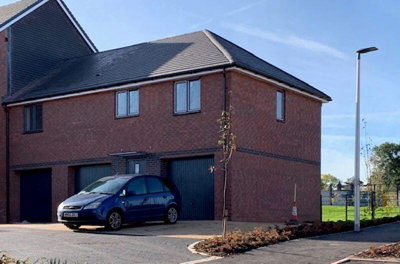
Several new build developments in Exeter are now offering properties for rent, including homes at Cavanna @ Elm Park, Hillside Gardens, and Victoria Heights, where modern energy-efficient properties are available through developer schemes. The rental market has seen modest price adjustments of approximately 1.15% over the past twelve months, creating opportunities for renters who are prepared to act quickly when quality properties become available. The city recorded 1,570 property sales in the past year, indicating strong underlying demand that translates into competitive rental conditions, particularly for well-presented homes in popular areas.
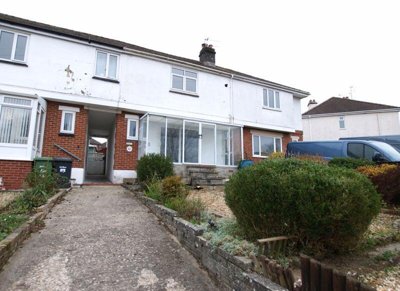
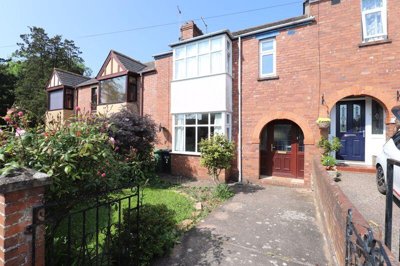
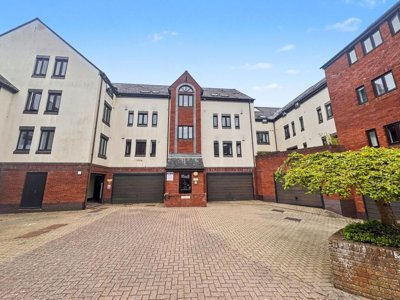
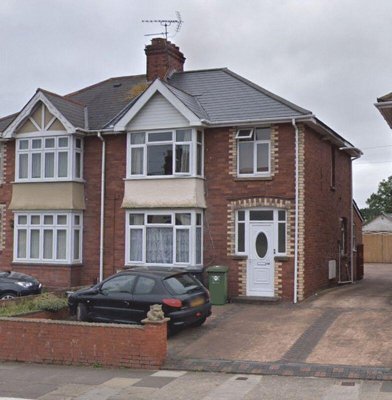
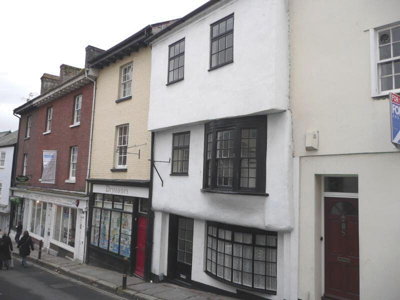
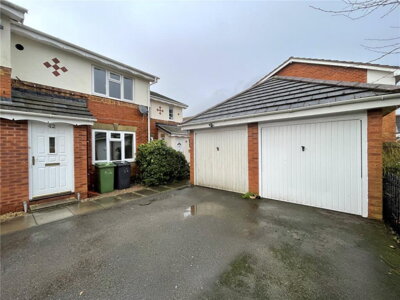
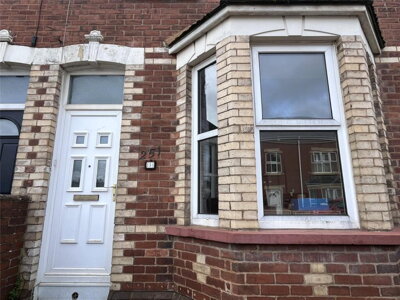
The predominant housing stock in Exeter reflects the city's diverse architectural heritage, with terraced properties making up 30.6% of the market, semi-detached homes at 28.1%, and flats or maisonettes at 21.1%. This mix provides rental options across all budgets and lifestyle preferences, from period properties with original features in conservation areas to contemporary apartments in new developments. Detached properties account for approximately 19.8% of homes and typically command the highest rents, particularly those in desirable suburbs like Broadclyst and Exton.
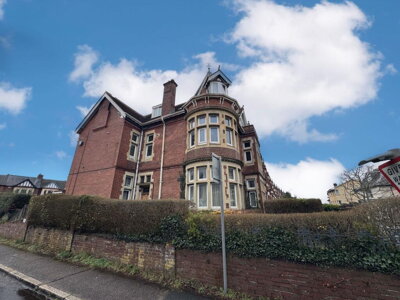
Exeter is a city of approximately 131,405 residents spread across 56,100 households, offering a perfect balance between urban conveniences and access to beautiful Devon countryside. The city takes its nickname "the red city" from the distinctive Heavitree sandstone used in many historic buildings, creating a warm terracotta appearance that characterises the Cathedral Green area, High Street, and the charming Southernhay district. This architectural heritage combines with modern amenities to create a genuinely special place to call home, whether you are renting a period property with original features or a contemporary apartment with all mod cons.
The city centre hosts a thriving mix of national retailers on the Fore Street and High Street, alongside the acclaimed Exeter Shopping Centre, while the historic Quayside offers an eclectic mix of independent shops, waterside pubs, and restaurants overlooking the River Exe. Local communities like St Thomas, Alphington, Stoke Hill, and Whipton each have their own distinct character, with local shops, pubs, and community facilities that make suburban living in Exeter feel welcoming and well-served. For those who love the outdoors, the River Exe provides excellent walking and cycling routes, while Dartmoor National Park lies just fifteen miles to the west and the stunning Devon coastline is within easy reach.
Exeter's economy is anchored by several major employers that drive consistent demand for rental properties across the city. The University of Exeter is one of the region's largest employers, while the Royal Devon University Healthcare NHS Foundation Trust operates the Royal Devon and Exeter Hospital, serving as a major NHS trust in the South West. The Met Office, headquartered at Exeter Science Park, adds to the city's strong public sector and technology employment base, creating career opportunities that attract professionals from across the region.
Exeter is renowned for its excellent educational provision at all levels, making it a particularly attractive location for families seeking rental properties. The University of Exeter, one of the UK's leading universities, employs thousands of staff and attracts students from across the globe, contributing significantly to the city's vibrant atmosphere and diverse community. For younger children, primary schools in Exeter include St Michael's Church of England Primary, St John's Catholic Primary, and Whipton Barton Junior School, all of which serve their respective local communities with strong reputations for academic achievement and pastoral care.
Secondary education in Exeter features several highly-regarded schools, including St Luke's Church of England School, West Exe School, and the Ofsted-rated Good Strode College and Thorverton. For those seeking grammar school provision, Torquay Boys' Grammar School and Torquay Girls' Grammar School serve the wider Devon area, while Exeter School and The King's School, Exeter offer independent education options. Parents renting in Exeter should research catchment areas carefully, as school admission policies can significantly impact which properties are most suitable for family renters, particularly in popular areas like Stoke Hill, Pennsylvania, and Topsham where demand for school places is particularly strong.
The city also benefits from further education provision at Exeter College, which offers a wide range of vocational and academic courses, and the University of Plymouth's Exeter campus provides additional higher education opportunities. The presence of quality education at all levels makes Exeter particularly appealing to families, with many rental properties specifically marketed toward those with school-age children. Areas like Stoke Hill and Pennsylvania benefit from proximity to several well-performing primary schools, while Topsham offers access to good secondary provision.
Exeter offers excellent transport connectivity that makes commuting and exploring the region straightforward, whether you travel by train, bus, or car. Exeter St David's station provides direct rail services to major destinations including London Paddington (around 2 hours 30 minutes), Bristol Temple Meads (approximately 1 hour 30 minutes), and Plymouth (around 1 hour). Exeter Central station serves local destinations along the Avocet Line to Exmouth and the Riviera Line to Torquay, while the M5 motorway passes just east of the city, providing convenient road access to Bristol, Birmingham, and the national motorway network.
Local bus services in Exeter are operated primarily by Stagecoach, with comprehensive routes connecting residential areas to the city centre, University campus, and retail parks. The Eclipse bus route has been praised for its frequency and reliability, connecting the city centre with new developments in Cranbrook and the eastern outskirts. For cyclists, Exeter has invested significantly in dedicated cycling infrastructure, with the River Exe Trail and other traffic-free routes making sustainable commuting a realistic option for many residents. The Exeter Airport, located at Clyst Honiton, offers flights to UK destinations and seasonal European holidays, while long-distance coach services operated by National Express provide additional travel options.
For commuters working in Exeter itself, the city offers relatively short journey times compared to larger urban centres, with most residential areas within a 20-minute drive of the city centre. The growing technology and innovation sector around Exeter Science Park has created new employment opportunities accessible from residential areas in Cranbrook, Topsham, and the eastern suburbs. The interchange at Pinhoe station, currently undergoing improvements, will further enhance connectivity for residents in the eastern parts of the city.
Understanding Exeter's diverse building heritage helps renters appreciate the character of different neighbourhoods and anticipate potential property issues. The city's historic buildings often feature local red sandstone, particularly Heavitree stone, giving Exeter its distinctive "red city" appearance that characterises areas around the Cathedral Green and Southernhay. Many period properties in St Leonard's, St David's, and the city centre are constructed from brick with a mix of render and stone, while newer developments predominantly use brick and render combinations.
Exeter's underlying geology largely consists of Permian breccias and sandstones, including the Aylesbeare Mudstone Group, with clay soils present in certain areas that can pose a shrink-swell risk for properties with shallow foundations. This geological context means that older properties, particularly those built before 1919 with solid wall construction, may show signs of structural movement during prolonged dry spells or periods of heavy rainfall. Properties in areas with notable tree coverage, such as parts of Stoke Hill and Pennsylvania, may be particularly susceptible to subsidence issues as tree roots extract moisture from clay soils.
The property age distribution in Exeter reflects the city's long history, with a significant proportion of homes built before 1919, particularly in central areas and traditional neighbourhoods. Inter-war development from 1919 to 1945 created housing estates in areas like St Thomas and Whipton, while post-war expansion from 1945 to 1980 brought new estates to the city's outskirts. Continued development since 1980 has seen significant new build activity on the city's fringes, including recent developments at locations like Cavanna @ Elm Park, Hillside Gardens, Victoria Heights, and Tithe Barn.
Renting a property in Exeter requires careful attention to local factors that can significantly impact your experience as a tenant. Flood risk is an important consideration, as parts of Exeter, including areas of St Thomas, Alphington, and properties near the River Exe in the city centre, carry elevated flood risk from both river flooding and surface water during heavy rainfall. Always check the property's flood risk rating and consider whether the property has appropriate flood resilience measures in place, such as raised electrical sockets and waterproof ground floor construction.
Exeter's numerous conservation areas, including the City Centre, St Leonard's, St David's, and Newtown, impose planning restrictions that can affect what changes tenants can make to properties. If you are renting a listed building, additional consent requirements may apply for any alterations. The city's geological conditions, including areas of shrinkable clay soil, can contribute to subsidence issues in older properties, particularly those with shallow foundations, so look out for signs of structural movement such as cracking around door frames or windows. For properties in newer developments, review the service charges and ground rent terms carefully, as these ongoing costs can vary significantly between developments.
Common defects in Exeter's older rental properties include damp issues, which can manifest as rising damp, penetrating damp, or condensation, particularly in solid-walled properties with inadequate ventilation. Roof defects such as worn slate or tile coverings, failing lead flashing, and defective guttering are frequently encountered in period properties. Timber defects including wet and dry rot, as well as woodworm activity, can be found in properties with poor ventilation or existing damp problems. For older properties built before 1980, outdated electrical wiring and plumbing systems may require upgrading to meet modern safety standards, so always request information about the condition of these essential services.
Before you start searching for properties to rent in Exeter, secure a rental budget agreement in principle from a specialist broker. This document demonstrates to landlords and letting agents that you can afford the monthly rent, typically calculated as your annual income multiplied by a factor of 30 to 35, giving you a clear budget and strengthening your position when making applications.
Spend time exploring different areas of Exeter to find the neighbourhood that best suits your lifestyle and requirements. Consider factors such as commute times to your workplace, proximity to schools if you have children, local amenities and transport links, and the general character of each area, from the historic streets around Cathedral Green to the family-friendly suburbs of Whipton and Pinhoe.
Get on the books with reputable letting agents operating in Exeter, as many quality rental properties are marketed exclusively through agencies before reaching public listings. Provide all required documentation upfront, including proof of identity, evidence of income or employment, references from previous landlords, and your right to rent documentation if applicable.
Schedule viewings for properties that meet your criteria, paying attention to the property's condition, any signs of damp or maintenance issues, the neighbourhood at different times of day, and what is included in the rent. Ask about the length of the proposed tenancy, any break clause provisions, what the deposit covers, and whether any alterations or pets are permitted.
Once you have had your offer accepted, carefully review the tenancy agreement before signing, ensuring you understand all terms and conditions. Your lease should specify the rent amount and payment dates, the deposit amount and protection scheme, maintenance responsibilities, notice periods, and any restrictions on usage. Consider having a legal professional review the document if you have any concerns.
Arrange your deposit protection under one of the three government-approved schemes within 30 days of the tenancy start date, and request a detailed inventory check-in report to document the property's condition. Coordinate utility connections, council tax registration, and any insurance requirements, then collect your keys and move into your new Exeter home.
Understanding the full cost of renting in Exeter goes beyond the monthly rent to include various upfront and ongoing expenses that should factor into your budget planning. Upfront costs typically include a security deposit equivalent to five weeks' rent, which is legally protected in a government-approved scheme and returned at the end of your tenancy subject to any deductions for damage or unpaid rent. You will also need to budget for the first month's rent in advance, along with referencing fees, administration charges, and the cost of an inventory check-in report, which together can amount to several hundred pounds.
Ongoing costs during your tenancy include monthly rent, council tax (which varies by property band under Exeter City Council), utility bills, contents insurance, and potentially service charges or ground rent if you rent a flat in a managed development. It is worth noting that Exeter has seen stable property values with modest adjustments of around 1.15% over the past twelve months, suggesting that rental prices are likely to remain relatively steady. For older properties, particularly those in conservation areas or built before 1980, consider budgeting for potential maintenance issues such as damp treatment, roof repairs, or electrical rewiring that may arise during your tenancy, and document the property's condition thoroughly at move-in to protect yourself from unfair deductions at the end of your lease.
When budgeting for your Exeter rental, factor in additional costs such as moving expenses, potential furniture purchases for unfurnished properties, and utility setup fees including deposits for gas, electricity, and internet services. Properties in new build developments may offer lower maintenance requirements but often include higher service charges, while period properties in conservation areas may require more upkeep but typically feature more character and potentially lower service charges. Taking out tenant contents insurance is advisable, often costing between £10 and £20 per month, to protect your belongings against theft, fire, or water damage.
While specific rental figures are not available in the current data, Exeter's rental market is influenced by property values averaging £358,690 across all types, with flats typically valued around £214,888 and terraced homes at approximately £298,284. Two-bedroom properties in popular areas like St Leonard's and Topsham typically command rents between £950 and £1,300 per month, while larger family homes can reach £1,500 to £2,000 per month depending on location and condition. The city has seen modest price adjustments of approximately 1.15% over the past year, suggesting relatively stable rental conditions.
Properties in Exeter fall under Exeter City Council's jurisdiction, with council tax bands ranging from A to H depending on the property's assessed value. Most flats and smaller terraced properties fall into bands A to C, while larger family homes and detached properties typically occupy bands D to F. You can check the specific council tax band for any property through the Valuation Office Agency website or by contacting Exeter City Council directly, and current rates are available on the council's official website.
Exeter offers excellent educational options at all levels, with primary schools such as St Michael's Church of England Primary and St John's Catholic Primary serving local communities well. Secondary schools include St Luke's Church of England School and West Exe School, while Strode College and Thorverton have received positive Ofsted ratings. The University of Exeter provides higher education opportunities, and the city also has good independent school options including Exeter School and The King's School, making Exeter particularly attractive for families seeking rental properties near quality schools.
Exeter boasts excellent public transport connections, with Exeter St David's providing direct train services to London Paddington (2h 30m), Bristol (1h 30m), and Plymouth (1h). Exeter Central station serves local routes along the Avocet Line to Exmouth and the Riviera Line to Torquay. Stagecoach buses operate comprehensive services throughout the city, including the well-regarded Eclipse route, while the M5 motorway passes close to the city for those who drive. Cyclists benefit from the River Exe Trail and other dedicated paths, making sustainable travel an attractive option for many residents.
Exeter consistently ranks as one of the most desirable places to live in Devon, offering an exceptional quality of life through its combination of historic character, modern amenities, and access to beautiful countryside. The city's diverse economy, anchored by employers including the University of Exeter, the Royal Devon University Healthcare NHS Foundation Trust, and the Met Office, provides stable employment prospects that support the local rental market. With a population of approximately 131,405 residents across 56,100 households, Exeter offers a vibrant community atmosphere while retaining the friendliness of a smaller city, making it an excellent choice for renters at all stages of life.
Standard deposits on rental properties in Exeter are equivalent to five weeks' rent, which must be protected in a government-approved deposit scheme within 30 days of your tenancy start date. Letting agent fees typically include referencing costs (usually £150 to £300 per applicant), administration fees, and inventory check-in charges (often £100 to £250). You may also need to pay the first month's rent in advance, and some landlords request additional months' rent as security. First-time renters should budget for these upfront costs alongside any moving expenses, potentially totalling between £2,000 and £4,000 depending on the monthly rent level.
Parts of Exeter carry elevated flood risk, particularly areas close to the River Exe and its tributaries such as the River Clyst. Specific neighbourhoods with higher flood risk include parts of St Thomas, Alphington, and properties in the lower-lying areas near the city centre quayside. Surface water flooding can also affect various parts of the city during periods of heavy rainfall, so renters should check the Environment Agency's flood map for any property they are considering. Properties in flood-risk areas may have flood resilience measures such as raised electrical sockets, non-return valves on drainage, and waterproof ground floor construction.
Exeter's housing stock is predominantly terraced properties at 30.6% of the market, followed by semi-detached homes at 28.1% and flats or maisonettes at 21.1%, with detached properties making up approximately 19.8% of homes. Many rental properties are period homes in areas like St Leonard's and St David's, offering character features such as high ceilings, fireplaces, and original sash windows. Modern apartments are available in new developments around the city centre and at locations like Elm Park and Victoria Heights, providing options for renters who prefer contemporary living with energy-efficient construction.
Several new build developments in Exeter now offer properties for rent, including homes at Cavanna @ Elm Park developed by Cavanna Homes, Hillside Gardens by Barratt Homes, and Victoria Heights by Bovis Homes. These modern developments typically feature energy-efficient construction, contemporary interiors, and often come with developer warranties. Renting from a new build development can offer the advantage of lower maintenance requirements and modern amenities, though service charges and ground rent terms should be carefully reviewed before committing.
From 4.5%
A rental budget agreement helps you understand what you can afford before you start searching for properties to rent in Exeter
From £150
Comprehensive referencing services to help landlords assess your suitability as a tenant
From £85
Energy Performance Certificate required for all rental properties
From £400
Detailed property survey for buyers purchasing in Exeter
Properties to Rent In London

Properties to Rent In Plymouth

Properties to Rent In Liverpool

Properties to Rent In Glasgow

Properties to Rent In Sheffield

Properties to Rent In Edinburgh

Properties to Rent In Coventry

Properties to Rent In Bradford

Properties to Rent In Manchester

Properties to Rent In Birmingham

Properties to Rent In Bristol

Properties to Rent In Oxford

Properties to Rent In Leicester

Properties to Rent In Newcastle

Properties to Rent In Leeds

Properties to Rent In Southampton

Properties to Rent In Cardiff

Properties to Rent In Nottingham

Properties to Rent In Norwich

Properties to Rent In Brighton

Properties to Rent In Derby

Properties to Rent In Portsmouth

Properties to Rent In Northampton

Properties to Rent In Milton Keynes

Properties to Rent In Bournemouth

Properties to Rent In Bolton

Properties to Rent In Swansea

Properties to Rent In Swindon

Properties to Rent In Peterborough

Properties to Rent In Wolverhampton

Enter your details to see if this property is within your budget.
Loans, cards, car finance
Estimated property budget
Borrowing + deposit
You could borrow between
Typical borrowing
Monthly repayment
Est. at 4.5%
Loan-to-value
This is an estimate only. Your actual budget may vary depending on interest rates, credit history, and personal circumstances. For an accurate affordability assessment, speak to one of our free mortgage advisors.
This calculator provides estimates for illustrative purposes only and does not constitute financial advice. Your home may be repossessed if you do not keep up repayments on your mortgage. Estimates based on 4.5% interest rate, repayment mortgage. Actual rates depend on your circumstances.
Homemove is a trading name of HM Haus Group Ltd (Company No. 13873779, registered in England & Wales). Homemove Mortgages Ltd (Company No. 15947693) is an Appointed Representative of TMG Direct Limited, trading as TMG Mortgage Network, which is authorised and regulated by the Financial Conduct Authority (FRN 786245). Homemove Mortgages Ltd is entered on the FCA Register as an Appointed Representative (FRN 1022429). You can check registrations at NewRegister or by calling 0800 111 6768.

We use cookies to show you personalised content and improve your experience of our website. Find out more in our Privacy policy and Cookie policy.