Try adjusting your filters or searching a wider area.
Search homes to rent in Elton-on-the-Hill. New listings are added daily by local letting agents.
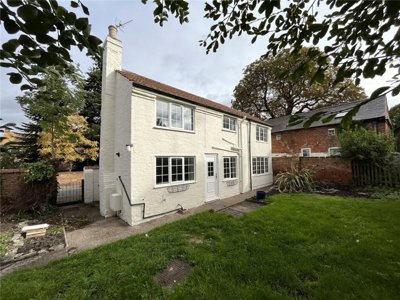
The rental market in Elton-on-the-Hill reflects the character of this small Nottinghamshire hamlet, where available homes are limited in number but rich in character and history. We list properties across the NG13 postcode area, which encompasses this rural parish and surrounding villages in the Vale of Belvoir. Properties available for rent typically consist of traditional cottages, farmhouses, and conversion apartments, with the majority of housing stock dating from the 18th and 19th centuries. The village architecture showcases distinctive whitewashed walls with black paintwork, a style so characteristic that it defines the visual identity of the community. Given the limited volume of rental properties in such a small parish, prospective tenants should be prepared to act quickly when suitable properties become available.
For context, the broader area around Elton-on-the-Hill shows property prices averaging around £414,408 according to recent market data, with detached properties commanding prices around £581,500 and semi-detached homes averaging approximately £235,500. Rental prices in the village and surrounding area are influenced by the quality of finish, number of bedrooms, and outdoor space available. The local rental market remains relatively stable with a modest three percent decrease in values recorded over the past year. Properties with period features, original fireplaces, and traditional farmyard character tend to attract premium rents from tenants seeking authentic rural living experiences. The proximity to excellent secondary schools in Bingham and Bottesford adds value for families considering the area.

Life in Elton-on-the-Hill centres around community spirit, natural beauty, and a pace of living that feels a world away from urban pressures. The civil parish spans peaceful farmland and lanes lined with hedgerows, where walkers and nature enthusiasts can explore footpaths winding through the Vale of Belvoir. The village earns its "Magpie Village" nickname from the striking visual harmony of whitewashed cottages accented with black timber beams, window frames, and front doors, a tradition that has been maintained for generations and contributes to the strong sense of place residents feel. Local history is tangible here, with the Church of St Michael and All Angels standing as a Norman-era landmark that appears in the Domesday Book of 1086, and various agricultural buildings and farmhouses dating back to the 18th century still standing as testaments to the village's agricultural heritage.
The former Manor Arms pub, once the social hub of village life, was sold and converted to residential use in 2020, marking a change in local amenities that residents have adapted to by patronising establishments in nearby villages. The Vale of Belvoir Inn and Hotel sits on the border of Elton and Whatton in the Vale, providing dining options within a short drive. Jansen's Fishery offers recreational fishing opportunities, while a caravan and campsite in the area brings seasonal visitors who appreciate the rural character. The population of just 114 residents means everyone knows their neighbours, and community events, whether formal or informal, tend to revolve around the church, local walks, and the shared appreciation for this beautiful corner of Nottinghamshire. For those seeking rental properties in a village where community matters and heritage is valued, Elton-on-the-Hill represents an exceptional opportunity.
The village sits close to the border with Leicestershire, placing it in a strategically convenient position for accessing amenities in both Nottinghamshire and Leicestershire counties. The surrounding landscape consists of rolling farmland and gentle valleys characteristic of the Belvoir estate region, with the Moor Dyke watercourse providing a focal point for local wildlife and drainage across the parish. Walking routes connect Elton-on-the-Hill to neighbouring villages including Whatton-in-the-Vale and Orston, allowing residents to explore the wider Vale of Belvoir area on foot or by bicycle. The distinctive building materials used throughout the village include traditional brick, stone, and lime mortar, reflecting construction practices common in this part of the East Midlands before modern building techniques became standard. These materials require specific maintenance approaches that prospective tenants should discuss with landlords before committing to a tenancy.

Families considering rental properties in Elton-on-the-Hill will find educational provision organised across nearby villages and market towns, with children typically travelling to schools outside the hamlet itself. For primary education, pupils from Elton-on-the-Hill commonly attend schools in surrounding villages, with the nearest primary schools located in nearby communities accessible by local bus services or parental transport. These smaller village schools typically maintain good Ofsted ratings and benefit from close relationships between teachers, pupils, and families in the rural catchment area. The intimate class sizes allow for individual attention and a supportive learning environment that many parents prefer for their children's early education years.
Secondary education opportunities for Elton-on-the-Hill residents are available in the market towns of Bingham and Bottesford, both of which host well-regarded secondary schools serving the Vale of Belvoir area. Bingham Academy and Bottesford Multi-Academy Trust provide comprehensive secondary education with strong academic records and extracurricular programmes including sports, arts, and music. For families seeking alternative educational pathways, further education colleges in Nottingham offer A-level programmes and vocational courses accessible via public transport or commuting by car. The travel time to these secondary schools from Elton-on-the-Hill varies depending on location within the village and the specific school chosen, but parents should factor school transport arrangements into their moving plans when selecting a rental property in this rural hamlet.
The village of Orston, located approximately three miles from Elton-on-the-Hill, serves as the primary catchment area for primary school age children. Orston Primary School has built a reputation for its community-focused approach and consistent educational standards. Parents should verify current catchment arrangements with Nottinghamshire County Council before committing to a rental property, as admission policies can be competitive in popular rural areas. School bus services operate on routes connecting Elton to nearby educational facilities, though service frequency and availability should be confirmed directly with the local education authority when planning a move to the hamlet.

Transport connections from Elton-on-the-Hill reflect its rural character, with residents typically relying on private vehicles for daily commuting while benefiting from reasonable access to major road networks. The village sits approximately eight miles east of Nottingham, with the A46 trunk road providing a direct route to the city and connecting to the A1 motorway for travel north and south. Newark-on-Trent, with its East Coast Main Line railway station, is reachable within approximately 30 minutes by car, offering fast train services to London King's Cross in under 90 minutes for those who commute to the capital. The strategic position of the village between Nottingham, Leicester, and Lincoln makes it viable for professionals working in any of these cities who prefer the quieter pace of rural living.
Public transport options in Elton-on-the-Hill are limited, as is typical for small Nottinghamshire hamlets, with the nearest bus stops located in neighbouring villages along routes connecting to Bingham, Newark, and Nottingham. Residents without private vehicles may find the car-free lifestyle challenging, making proximity to major employers and amenities in surrounding towns a consideration when selecting a rental property. Cycling infrastructure in the area consists primarily of rural lanes with varying surfaces, suitable for confident cyclists during dry weather but requiring care during winter months when muddy conditions prevail. For international travel, East Midlands Airport is accessible within approximately 45 minutes by car, providing connections to European destinations and holiday hotspots throughout the year.
The A46 trunk road that passes near Elton-on-the-Hill forms part of the strategic road network connecting the East Midlands to Lincoln and the wider national motorway system. This route provides direct access to employment centres in Newark, Lincoln, and towards Sheffield in the north. For commuters travelling to Nottingham, the journey time by car typically ranges from 25 to 40 minutes depending on traffic conditions and the specific destination within the city. The village's position relative to these major transport corridors makes it practical for workers in logistics, manufacturing, and service industries who require regular access to regional employment hubs while maintaining a rural home address.

Before beginning your property search in Elton-on-the-Hill, obtain a rental budget agreement in principle from a lender to understand how much rent you can afford. This document strengthens your position when making enquiries and demonstrates seriousness to landlords and letting agents in a competitive rural market. Budget assessments should account for rent, council tax, utilities, and insurance costs associated with renting a period property.
Familiarise yourself with the Vale of Belvoir area, visiting the village and surrounding communities to understand daily life, local amenities, and travel requirements. Consider proximity to schools, shops, and your workplace, and research the condition and history of properties that interest you before arranging viewings. Understanding the local property market dynamics and the specific characteristics of traditional Nottinghamshire rural homes will help you make informed decisions.
Contact local letting agents and register your interest in rental properties matching your criteria. View multiple properties to compare condition, features, and rental terms. In a small village like Elton-on-the-Hill, viewing properties in surrounding villages may expand your options significantly and increase your chances of finding suitable accommodation.
Before signing any agreement, carefully review the tenancy terms including the length of contract, rent amount and payment schedule, deposit amount and protection scheme, maintenance responsibilities, and any restrictions on pets or modifications. For period properties, understand how listed building status may affect alterations you wish to make.
Most landlords will require tenant referencing including credit checks, employment verification, and landlord references from previous rentals. Allow time for these checks to be completed, typically taking one to two weeks for a thorough assessment. References from previous landlords in rural or village settings can strengthen your application when renting character properties.
Once references are approved and tenancy agreements are signed, coordinate your move to Elton-on-the-Hill. Consider arranging a professional inventory at the start of your tenancy to protect your deposit, and take meter readings and photographs documenting the property condition to avoid disputes at the end of your tenancy.
Renting a property in Elton-on-the-Hill requires attention to the specific characteristics of this historic rural hamlet, where the housing stock consists predominantly of period properties that may present unique considerations for tenants. The village contains nine Grade II listed buildings including traditional cottages, farmhouses, and agricultural buildings converted to residential use, and renting a listed property means accepting certain obligations regarding maintenance of original features and restrictions on alterations. Planning permission from Rushcliffe Borough Council would be required for most external changes to listed buildings, and tenants should clarify with landlords whether consent has been obtained for any existing modifications before committing to a tenancy. The distinctive whitewashed appearance of local properties may require ongoing maintenance to preserve, so prospective tenants should factor repainting obligations into their budget.
Given the rural location and the presence of the Moor Dyke watercourse flowing through the parish, potential tenants should investigate flood risk history for any property under consideration. The overall flood risk in this part of Nottinghamshire is generally low to moderate, though localised flooding can occur due to local topography and drainage conditions. The age of most properties in the village means that surveys such as a RICS Level 2 report are advisable before moving in, helping new tenants understand the condition of the building structure, roof, and any existing defects before assuming tenancy responsibilities. For flats or converted agricultural buildings, understanding service charge arrangements, ground rent terms, and responsibilities for communal areas becomes essential to avoid unexpected costs during the tenancy.
The construction materials used in traditional Elton-on-the-Hill properties typically include solid brick and stone walls with lime mortar pointing, reflecting building practices common in the East Midlands before modern cavity wall construction became standard. These solid-walled properties can be more susceptible to penetrating damp and rising damp than newer builds, making it important to check for signs of moisture ingress during property viewings. Roof conditions also warrant careful inspection, as older properties may have original slate or tile coverings with limited remaining lifespan. Electrical and plumbing systems in period homes often require updating to meet current safety standards, so prospective tenants should establish whether any recent upgrades have been carried out before committing to a tenancy.

Specific rental price data for Elton-on-the-Hill itself is limited due to the village's small size and low turnover of rental properties. The broader NG13 postcode area encompasses multiple villages where rental prices vary considerably based on property type, size, and condition. For context, the average property sale price in the Elton area is approximately £414,408, with detached properties averaging £581,500 and semi-detached homes around £235,500. Rental prices typically correlate with sale prices, though rental values also reflect demand from tenants seeking rural character homes. Prospective tenants should register with multiple local letting agents to receive alerts when properties become available, as the limited supply means rents can vary significantly between individual listings.
Elton-on-the-Hill falls under Rushcliffe Borough Council administration, and properties in this parish are assigned council tax bands ranging from A to F depending on the property's assessed value. Period cottages and converted farmhouses may be in lower bands, while larger detached homes or recently renovated properties could be in higher bands. Prospective tenants should verify the council tax band for any specific property before committing to a tenancy, as this represents an ongoing cost alongside rent that should be factored into the overall rental budget. Rushcliffe Borough Council provides current banding information through its online portal, and tenants are responsible for arranging council tax accounts in their name upon moving in.
Elton-on-the-Hill itself does not have a school, with primary-age children typically attending schools in nearby villages such as Orston, which serves the local catchment area with a primary school known for its community focus. Secondary education is provided at schools in Bingham and Bottesford, both within reasonable travelling distance by car or school bus. Bingham Academy and Bottesford schools serve as the main secondary options, offering academic programmes and extracurricular activities. Parents should verify current catchment area arrangements and admission policies directly with Nottinghamshire County Council, as these can change and may affect placement offers for children transferring into the area.
Public transport connections from Elton-on-the-Hill are limited, reflecting the rural character of the village and its small population of 114 residents. The nearest bus stops are located in neighbouring villages along routes serving Bingham, Newark, and Nottingham, with services typically running at frequencies suitable for occasional travel rather than daily commuting. The nearest railway station is Newark North Gate on the East Coast Main Line, approximately 30 minutes away by car, offering direct services to London, Edinburgh, and major northern cities. Residents without private vehicles may find a rural location challenging for daily commuting, making proximity to employers and amenities in surrounding market towns an important factor when choosing a rental property in this area.
Elton-on-the-Hill offers a distinctive rental opportunity for those seeking authentic rural English village life in a community with strong heritage character and natural beauty. The village's population of just 114 people means renters become quickly integrated into local social networks, and the distinctive "Magpie Village" architecture creates an attractive living environment that residents take pride in maintaining. The proximity to the Vale of Belvoir provides excellent walking and cycling opportunities, while access to major road networks keeps Nottingham and other regional centres within reasonable commuting distance. The main considerations for prospective tenants include limited local amenities within the village itself, reduced public transport options, and the need to travel for schools, shops, and entertainment. For those who value heritage, community, and countryside over urban convenience, Elton-on-the-Hill represents an excellent renting opportunity.
When renting a property in Elton-on-the-Hill, tenants typically pay a security deposit equivalent to five weeks' rent, which is capped at this level where the annual rent is below £50,000. This deposit must be protected in a government-approved Tenancy Deposit Protection scheme within 30 days of receiving it. Additional fees may include referencing fees, admin charges from letting agents, and inventory check costs at the start and end of tenancy. As of 2024-25, there are no government-mandated fees for immigration checks or similar charges under the Tenant Fees Act 2019. First-time renters should budget for the first month's rent in advance plus deposit, along with moving costs and potential furniture purchases if renting an unfurnished property. Renting a period property may also require investment in household items not provided by landlords.
The Moor Dyke is the only watercourse flowing through Elton-on-the-Hill, and while the overall flood risk in this part of Nottinghamshire is generally low to moderate, localised flooding can occur near watercourses during periods of heavy rainfall. Properties situated in low-lying areas or those with rear gardens bordering the Moor Dyke may be more susceptible to surface water accumulation following extreme weather events. Prospective tenants should request information about any historical flooding incidents from landlords and check the government flood risk warning service before committing to a tenancy. Buildings insurance typically covers flood damage to the structure, but tenants should confirm whether contents insurance adequately covers their belongings in a flood scenario.
Maintenance responsibilities in rental properties are typically defined in the tenancy agreement, with landlords generally responsible for structural repairs and maintaining the property in a habitable condition while tenants handle minor upkeep and report issues promptly. Period properties in Elton-on-the-Hill, many of which feature traditional construction with solid brick or stone walls and original timber elements, may require more frequent maintenance than modern homes. Issues such as repainting exterior whitewashed walls, maintaining lime mortar pointing, and ensuring adequate ventilation to prevent damp in solid-walled properties often require landlord involvement. Tenants should document the property condition thoroughly at the start of the tenancy through photographs and a professional inventory to protect against unfair deductions at the end of the tenancy.
Understanding the costs involved in renting a property in Elton-on-the-Hill helps prospective tenants budget accurately and avoid unexpected expenses during the letting process. The standard security deposit for rental properties in England is equivalent to five weeks' rent, capped at this level for annual rents under £50,000, and must be protected in a government-approved Tenancy Deposit Protection scheme within 30 days of receipt. This protection ensures tenants can recover their deposit at the end of the tenancy, provided there is no damage beyond normal wear and tear or unpaid rent. Letting agents may charge administration fees for referencing, contract preparation, or check-in services, though these fees have been restricted since the introduction of the Tenant Fees Act 2019. Prospective renters should request a full breakdown of all costs before committing to a property to ensure complete transparency.
First-time renters or those moving from a different area may need to budget for additional costs including moving van hire or removal services, connection fees for utilities such as gas, electricity, and internet, and potential furniture purchases if the property is let unfurnished. Period properties in Elton-on-the-Hill, many of which are listed buildings or traditional cottages, may be let unfurnished or with a limited inventory of period furniture appropriate to the property style. The condition of older properties means that some initial investment in cleaning, redecoration, or minor repairs may be necessary at the start of a tenancy, though tenant obligations for maintenance should be clearly specified in the tenancy agreement. Obtaining quotes for rental budgeting services before committing to a tenancy provides clarity on the total financial commitment involved in moving to this charming Nottinghamshire village.
Council tax costs vary depending on the banding of the specific property, with bands ranging from A to F under Rushcliffe Borough Council administration. Utility costs in period properties may be higher than in modern homes due to less effective insulation in solid-walled construction, and tenants should request information about typical energy consumption from previous occupants or landlords. Internet connectivity in rural locations like Elton-on-the-Hill can be slower than urban areas, though fibre broadband rollout continues to expand across Nottinghamshire. Budgeting for these ongoing costs alongside rent and deposit requirements ensures prospective tenants can sustain their tenancy comfortably without financial strain.

From 4.5%
Professional rental budget assessments to help you understand how much rent you can afford before starting your property search.
From £49
Comprehensive referencing services including credit checks and employment verification to support your rental application.
From £75
Professional property inventory reports to protect your deposit at the start and end of tenancy.
From £75
Energy Performance Certificate assessments required for rental properties to provide information about energy efficiency.
Properties to Rent In London

Properties to Rent In Plymouth

Properties to Rent In Liverpool

Properties to Rent In Glasgow

Properties to Rent In Sheffield

Properties to Rent In Edinburgh

Properties to Rent In Coventry

Properties to Rent In Bradford

Properties to Rent In Manchester

Properties to Rent In Birmingham

Properties to Rent In Bristol

Properties to Rent In Oxford

Properties to Rent In Leicester

Properties to Rent In Newcastle

Properties to Rent In Leeds

Properties to Rent In Southampton

Properties to Rent In Cardiff

Properties to Rent In Nottingham

Properties to Rent In Norwich

Properties to Rent In Brighton

Properties to Rent In Derby

Properties to Rent In Portsmouth

Properties to Rent In Northampton

Properties to Rent In Milton Keynes

Properties to Rent In Bournemouth

Properties to Rent In Bolton

Properties to Rent In Swansea

Properties to Rent In Swindon

Properties to Rent In Peterborough

Properties to Rent In Wolverhampton

Enter your details to see if this property is within your budget.
Loans, cards, car finance
Estimated property budget
Borrowing + deposit
You could borrow between
Typical borrowing
Monthly repayment
Est. at 4.5%
Loan-to-value
This is an estimate only. Your actual budget may vary depending on interest rates, credit history, and personal circumstances. For an accurate affordability assessment, speak to one of our free mortgage advisors.
This calculator provides estimates for illustrative purposes only and does not constitute financial advice. Your home may be repossessed if you do not keep up repayments on your mortgage. Estimates based on 4.5% interest rate, repayment mortgage. Actual rates depend on your circumstances.
Homemove is a trading name of HM Haus Group Ltd (Company No. 13873779, registered in England & Wales). Homemove Mortgages Ltd (Company No. 15947693) is an Appointed Representative of TMG Direct Limited, trading as TMG Mortgage Network, which is authorised and regulated by the Financial Conduct Authority (FRN 786245). Homemove Mortgages Ltd is entered on the FCA Register as an Appointed Representative (FRN 1022429). You can check registrations at NewRegister or by calling 0800 111 6768.