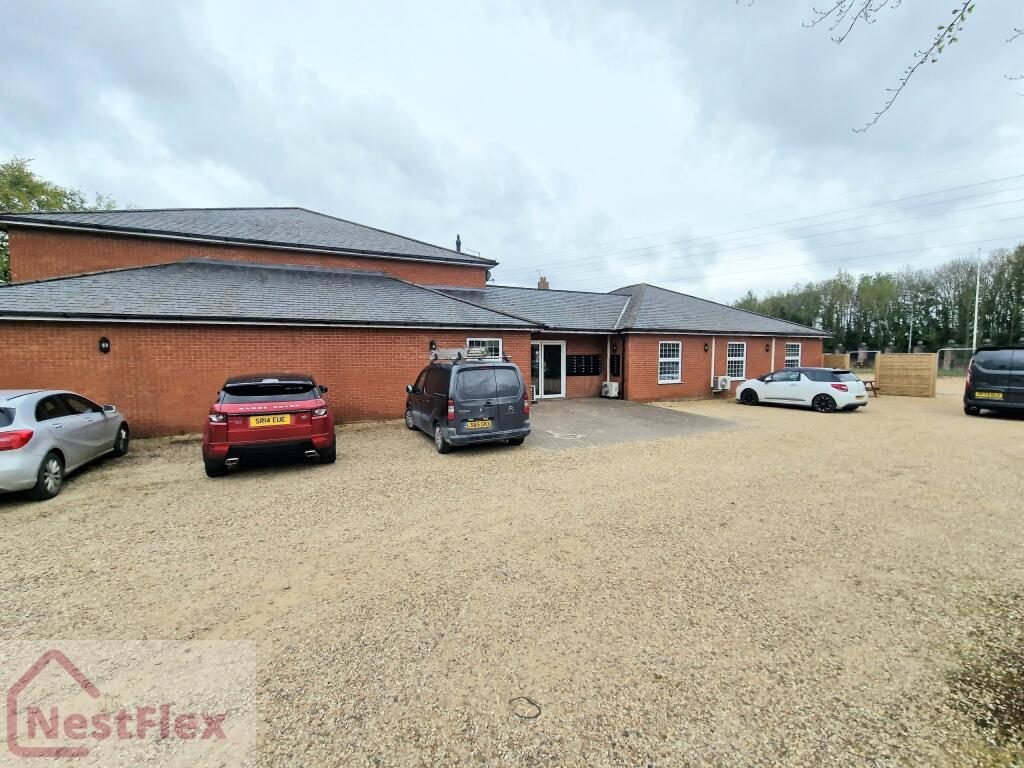
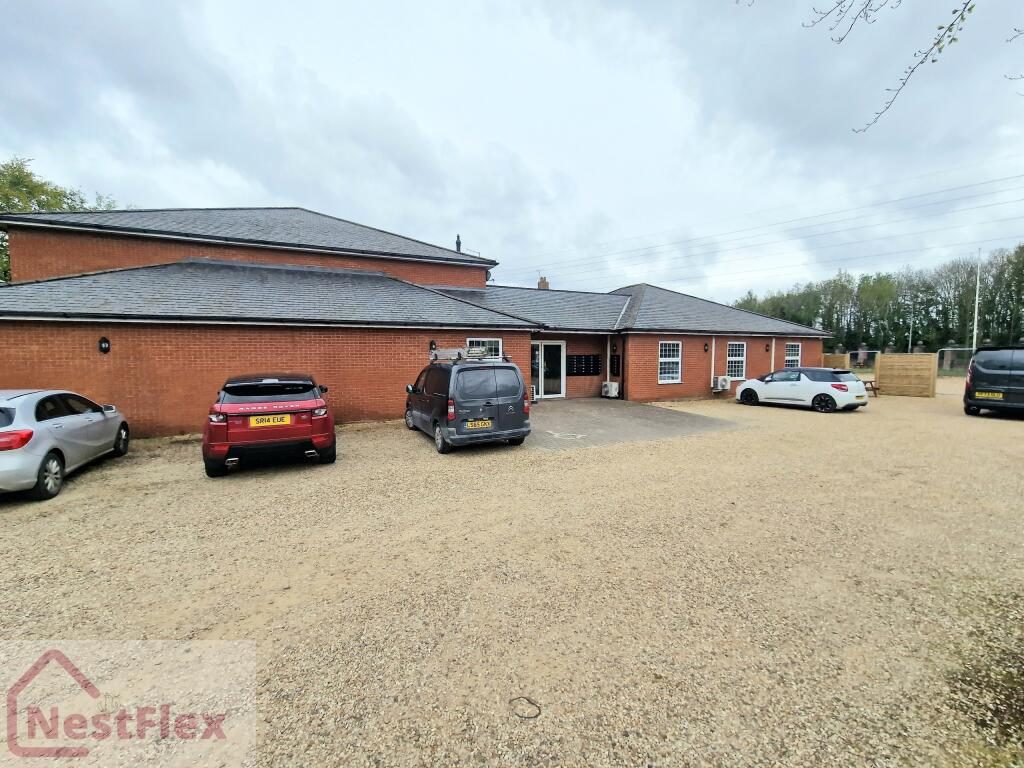
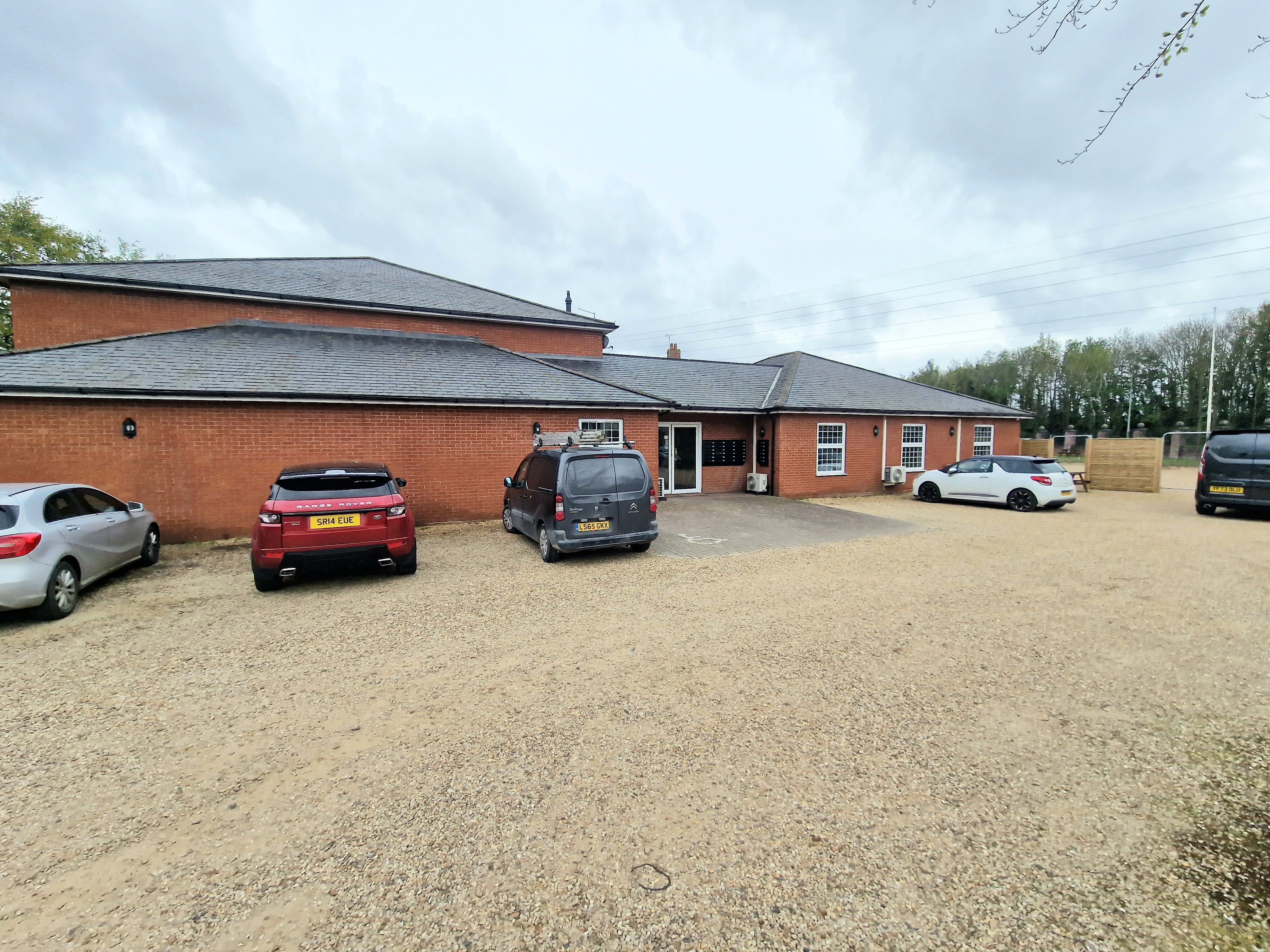
Browse 27 rental homes to rent in Elm, Fenland from local letting agents.
£480/m
1
0
30
Source: home.co.uk
Source: home.co.uk
House Share
1 listings
Avg £480
Source: home.co.uk
Source: home.co.uk
The rental market in Elm and the wider Fenland area tends to offer more competitive pricing compared to many other parts of Cambridgeshire and the wider East of England region. Tenants can typically find a range of property types including traditional terraced cottages, semi-detached family homes, and occasionally larger detached properties with generous gardens. The village itself has a limited number of rental properties available at any given time, which means prospective tenants should act quickly when suitable properties become available. The seasonal nature of rural lettings can also mean that availability fluctuates throughout the year, with agricultural employment patterns sometimes influencing local demand.
Properties available for rent in Elm generally fall within the more affordable segments of the Cambridgeshire rental market. A typical three-bedroom family home in the village or nearby parishes might be found at competitive monthly rents that represent good value for those seeking space and a rural lifestyle. The Fenland district has seen gradual increases in rental values over recent years as more tenants discover the affordability and quality of life offered by villages like Elm. New build developments in the surrounding area have been limited, meaning the rental stock predominantly consists of older properties with traditional construction methods that require thorough inspection before committing to a tenancy.

Elm is a village and civil parish located in the Fenland district of Cambridgeshire, situated approximately four miles northeast of the market town of Wisbech. The village sits on the northern edge of the Cambridgeshire Fens, a vast area of reclaimed marshland that represents one of the most dramatic landscape transformations in English history. The Fens are characterised by their exceptional flatness, with the land lying barely above sea level in places, and the horizon stretches for miles in every direction, creating a sense of space and freedom that urban dwellers often find liberating. The village name likely derives from the elm trees that once lined the watercourses and hedgerows throughout this part of Cambridgeshire, though modern farming practices have altered the traditional landscape considerably.
The community in Elm and the surrounding fenland villages tends to be close-knit, with residents often knowing one another through local work, school connections, or village activities. The village benefits from essential amenities including a traditional public house, which serves as an important social hub for the local community. Local events, seasonal celebrations, and community initiatives bring residents together throughout the year, creating an atmosphere that many renters find welcoming and inclusive. The pace of life in Elm is deliberately unhurried, offering respite from the pressures of urban existence while still maintaining sufficient connections to larger towns for those who need them.
The natural environment surrounding Elm offers considerable appeal for those who appreciate outdoor pursuits and wildlife. The drained fenland fields support intensive agriculture, but the area is also home to important nature reserves and drainage channels known locally as drains, which provide habitats for diverse birdlife and wetland species. Walking and cycling are popular activities in the flat fenland terrain, with miles of quiet lanes and public footpaths connecting the scattered villages of the area. The proximity to the Norfolk and Lincolnshire borders means that coastlines and heather-covered heathland are within reasonable driving distance for day trips and weekend excursions.

Families considering renting in Elm will find educational provision available through a network of primary schools in the surrounding villages and market towns. The village itself falls within the catchment area for primary schools in nearby settlements, with children typically travelling by school transport to reach their allocated primary school. Pupils in Elm and the surrounding fenland villages generally attend primary schools in locations such as Friday Bridge, Elm, or other nearby communities, where class sizes can be smaller than in urban schools and where teachers often develop strong relationships with students and families over several years of continuous education.
Secondary education for children from Elm is typically provided at schools in the nearby market towns, most commonly in Wisbech or March, which serve as the principal towns for the Fenland district. These secondary schools offer a range of academic and vocational programmes, with transport arrangements in place to serve students living in the surrounding villages. Parents should research specific school catchment areas and admission policies when choosing where to rent, as educational choices can significantly impact daily routines and family logistics. The fenland area has seen ongoing investment in school facilities, though some parents choose to explore independent schooling options available in the wider Cambridgeshire region for those seeking alternatives to the state system.
For families with younger children or those planning families in the future, understanding the local early years provision is important when considering a move to Elm. Village playgroups and preschool facilities serve the immediate community, while childcare options in nearby towns provide additional flexibility for working parents. The Cambridgeshire County Council education website provides detailed information about school performance data, Ofsted inspection reports, and admission arrangements that all prospective tenant families should review before committing to a rental property in the area.

Transport connectivity from Elm reflects its position as a rural village in the Cambridgeshire Fens, with residents relying primarily on private vehicles for the majority of journeys. The village sits close to the A47, which provides an important east-west corridor connecting Wisbech to Peterborough and Norwich. The A1101 and other local roads connect Elm to the surrounding villages and market towns, though journey times to larger centres can be extended by the single-carriageway nature of many fenland roads. For those working in Cambridge or Peterborough, accepting a degree of commuting is necessary, though the lower rental costs in Elm can offset some of these travel expenses.
Public transport options serving Elm and the surrounding fenland villages include bus services that connect to Wisbech, March, and other local towns, though frequencies are limited compared to urban routes and may not suit those working conventional office hours. The nearest railway stations are located in March and Peterborough, providing connections to London, Birmingham, and other major destinations. March station offers services to Cambridge and Peterborough, while Peterborough provides faster services to London with journey times of around 45 minutes to the capital. For commuters who can work from home for some days of the week, Elm can offer a viable base that balances rural living with reasonable connectivity.
Cycling is a practical option for shorter journeys in the flat fenland terrain, with dedicated cycle routes and quiet lanes connecting Elm to nearby villages and towns. The National Cycle Network passes through the fenland area, providing traffic-free routes for recreational and commuting cyclists. For those considering renting in Elm without a car, careful research into bus timetables and the feasibility of cycling for daily needs is essential before committing to a tenancy. The village location does require a considered approach to transport planning, particularly for those who need regular access to larger towns for specialist appointments, shopping, or entertainment.

Renting a property in the Cambridgeshire Fens requires attention to specific local factors that differ from those affecting properties in other areas. The fenland geology, characterised by deep deposits of peat and alluvial soils, can affect the foundations and stability of older properties, particularly those constructed before modern building regulations were introduced. Properties in Elm and the surrounding villages may show signs of settlement or movement related to historical drainage works, changes in groundwater levels, or the natural consolidation of fenland soils. A thorough survey before committing to a tenancy can identify potential issues that might prove costly or problematic during the rental period.
Flood risk in the fenland area warrants careful consideration, with the low-lying nature of the landscape meaning that drainage and water management are constant concerns for residents and property owners. While extensive drainage systems protect the area from the catastrophic flooding that historically affected the Fens, surface water flooding and exceptional weather events can still cause problems in some locations. Prospective tenants should investigate the specific flood risk of any property they are considering, including checking the Environment Agency flood maps and speaking to current or former occupiers about any previous flooding incidents. Insurance considerations should also be discussed with landlords before signing a tenancy agreement.
The age and construction of rental properties in Elm should be carefully assessed, with many homes dating from the Victorian or Edwardian periods when building standards differed significantly from today. Traditional fenland cottages were often built with solid walls, limited insulation, and construction techniques suited to the local materials and conditions. These properties can offer considerable character and charm but may also present challenges related to energy efficiency, damp penetration, or outdated services. Understanding the condition of the property, the landlord's approach to maintenance and improvements, and the likely costs of heating an older property through Cambridgeshire winters is essential information for anyone considering a rental in this area.

Renting a property in Elm, Fenland involves several upfront costs that prospective tenants should budget for carefully before beginning their property search. The standard deposit requirement for rental properties in England is equivalent to five weeks' rent, held by the landlord or their agent in a government-approved tenancy deposit scheme for the duration of the tenancy. This deposit is returnable at the end of the tenancy, subject to any deductions for damage beyond normal wear and tear or unpaid rent. In addition to the deposit, tenants typically need to pay the first month's rent in advance, which combined with other moving costs can represent a significant financial commitment before taking occupation of a rental property.
Reference checks and administrative fees form part of the renting process, with most landlords or letting agents requiring tenant referencing that confirms identity, right to rent in the UK, employment status, and previous rental history. Some letting agents charge administration fees for processing applications, though regulations introduced in recent years have limited the fees that can be charged to tenants. Credit checks and employment verification form standard parts of the referencing process, and prospective tenants should ensure they have appropriate documentation readily available to expedite their application. For those with complex rental histories or non-standard employment situations, providing additional references or guarantees may be necessary to secure a tenancy.
Ongoing costs beyond monthly rent include council tax, which is charged by Fenland District Council and South Holland District Council depending on the specific location of the property within the civil parish boundaries. Utility bills including gas, electricity, water, and telecommunications services are typically the tenant's responsibility unless otherwise specified in the tenancy agreement. Energy costs can be higher in older properties with solid walls and limited insulation, making energy performance certificate ratings an important consideration when comparing properties. Budgeting for these ongoing costs alongside rent ensures that prospective tenants can comfortably afford all aspects of renting in Elm before committing to a tenancy agreement.

Before beginning your search for rental properties in Elm, obtain a clear understanding of your financial situation. A rental budget agreement in principle from a lender can strengthen your application when competing for properties in competitive rental situations. Budget carefully for upfront costs including deposit, first month's rent, referencing fees, and moving expenses alongside ongoing monthly commitments.
Spend time in Elm and the surrounding fenland villages to understand what daily life would be like. Visit local amenities, explore the neighbourhood at different times of day, and speak to existing residents about their experiences. Understanding the practical realities of rural village living, including transport options and local service availability, will help you make an informed decision.
Use Homemove to browse currently available properties to rent in Elm and set up alerts for new listings. Properties in rural villages can be limited and highly sought after, so acting quickly when suitable properties appear is important. Arrange viewings promptly and prepare questions about the property condition, landlord expectations, and any specific local factors that might affect your tenancy.
Once you have found a suitable property, your landlord or letting agent will require referencing that confirms your identity, right to rent, and financial reliability. Provide all requested documentation promptly and ensure references from previous landlords or employers are ready to support your application. For self-employed applicants or those with complex rental histories, gathering supporting documentation in advance can expedite the process.
Carefully review the tenancy agreement before signing, ensuring you understand your rights and responsibilities as a tenant. Pay attention to the term of the tenancy, notice periods, rent amount and payment dates, deposit arrangements, and any specific clauses relating to the property. Ask for clarification on any points that are unclear and ensure you receive a copy of the signed agreement for your records.
Once referencing is complete and the tenancy agreement signed, coordinate your move into the property. Document the condition of the property thoroughly using photographs and the landlord's inventory check-in report. Set up utility accounts, council tax, and any other ongoing services in your name from the tenancy commencement date. Welcome to your new home in the Cambridgeshire Fens.
Specific rental price data for Elm village itself is limited due to the small number of properties available. However, rental properties in the Fenland area of Cambridgeshire generally offer more affordable options compared to Cambridge city and surrounding commuter villages. A typical three-bedroom family home in the wider Wisbech or March rental market might be found in the range of £800 to £1,100 per month, while smaller properties such as two-bedroom cottages could be available from around £600 to £800 monthly. The exact rent achievable in Elm will depend on property condition, size, and specific location within the village.
Properties in Elm, Fenland are subject to council tax levied by the appropriate local authority, which depends on the specific civil parish boundaries. Elm falls within the Fenland District Council area for most local services, with Cambridgeshire County Council providing educational and other upper-tier services. Council tax bands range from A to H based on property valuation, with bands in rural fenland villages often including significant proportions of lower-band properties due to the generally modest values of rural housing stock compared to urban areas.
Primary school provision for Elm includes facilities in the village itself or nearby Friday Bridge, with children typically allocated places based on catchment area proximity. Secondary education options include schools in Wisbech and March, with schools such as Thomas Clarkson Academy in Wisbech and Neale-Wade Academy in March serving the wider fenland community. Parents should research specific Ofsted ratings and admission policies directly through the Cambridgeshire County Council school admissions portal, as school performance data and catchment boundaries can change over time.
Public transport connectivity from Elm is limited, reflecting its rural village location. Bus services operate between Wisbech and the surrounding villages, but frequencies are significantly lower than in urban areas. The nearest railway stations are in March and Peterborough, offering connections to Cambridge, London, and other major destinations. Residents without private vehicles should carefully review bus timetables and consider whether transport options meet their daily commuting and service access needs before committing to a rental property in Elm.
Elm offers a distinctive lifestyle opportunity for those seeking the peace and community spirit of a rural Cambridgeshire village. The advantages include affordable rental costs, strong local community connections, beautiful fenland landscapes, and proximity to nature reserves and outdoor pursuits. The challenges include limited public transport, reliance on nearby towns for many services, and the practical realities of rural living that include longer journeys for employment and amenities. Whether Elm is a good place to rent depends entirely on individual circumstances, priorities, and the ability to accommodate the limitations of village life.
Standard deposits for rental properties in Elm are five weeks' rent, held in a government-approved deposit protection scheme throughout the tenancy. Additional upfront costs include the first month's rent, tenant referencing fees, and potentially small administration charges from letting agents. A rental budget agreement in principle is advisable before starting your property search, as this demonstrates financial preparedness to landlords. The total upfront cost of renting a property worth £800 per month would typically be around £5,200 including deposit, first month rent, and referencing costs.
New build developments specifically within Elm village are limited, with the rural nature of the settlement meaning that development opportunities are constrained by planning policies aimed at preserving the character of fenland villages. However, the wider Fenland area has seen some new housing development in nearby towns and larger villages, which may offer modern rental options for those willing to travel slightly further for enhanced property specifications. Modern properties often benefit from improved energy efficiency, contemporary fittings, and warranties that can provide for tenants.
From 4.5%
Get your rental budget in principle before searching for properties
From £60
Complete your referencing checks quickly and efficiently
From £100
Professional check-in and check-out reports for your tenancy
From £80
Energy performance certificate for your rental property
Properties to Rent In London

Properties to Rent In Plymouth

Properties to Rent In Liverpool

Properties to Rent In Glasgow

Properties to Rent In Sheffield

Properties to Rent In Edinburgh

Properties to Rent In Coventry

Properties to Rent In Bradford

Properties to Rent In Manchester

Properties to Rent In Birmingham

Properties to Rent In Bristol

Properties to Rent In Oxford

Properties to Rent In Leicester

Properties to Rent In Newcastle

Properties to Rent In Leeds

Properties to Rent In Southampton

Properties to Rent In Cardiff

Properties to Rent In Nottingham

Properties to Rent In Norwich

Properties to Rent In Brighton

Properties to Rent In Derby

Properties to Rent In Portsmouth

Properties to Rent In Northampton

Properties to Rent In Milton Keynes

Properties to Rent In Bournemouth

Properties to Rent In Bolton

Properties to Rent In Swansea

Properties to Rent In Swindon

Properties to Rent In Peterborough

Properties to Rent In Wolverhampton

Enter your details to see if this property is within your budget.
Loans, cards, car finance
Estimated property budget
Borrowing + deposit
You could borrow between
Typical borrowing
Monthly repayment
Est. at 4.5%
Loan-to-value
This is an estimate only. Your actual budget may vary depending on interest rates, credit history, and personal circumstances. For an accurate affordability assessment, speak to one of our free mortgage advisors.
This calculator provides estimates for illustrative purposes only and does not constitute financial advice. Your home may be repossessed if you do not keep up repayments on your mortgage. Estimates based on 4.5% interest rate, repayment mortgage. Actual rates depend on your circumstances.
Homemove is a trading name of HM Haus Group Ltd (Company No. 13873779, registered in England & Wales). Homemove Mortgages Ltd (Company No. 15947693) is an Appointed Representative of TMG Direct Limited, trading as TMG Mortgage Network, which is authorised and regulated by the Financial Conduct Authority (FRN 786245). Homemove Mortgages Ltd is entered on the FCA Register as an Appointed Representative (FRN 1022429). You can check registrations at NewRegister or by calling 0800 111 6768.