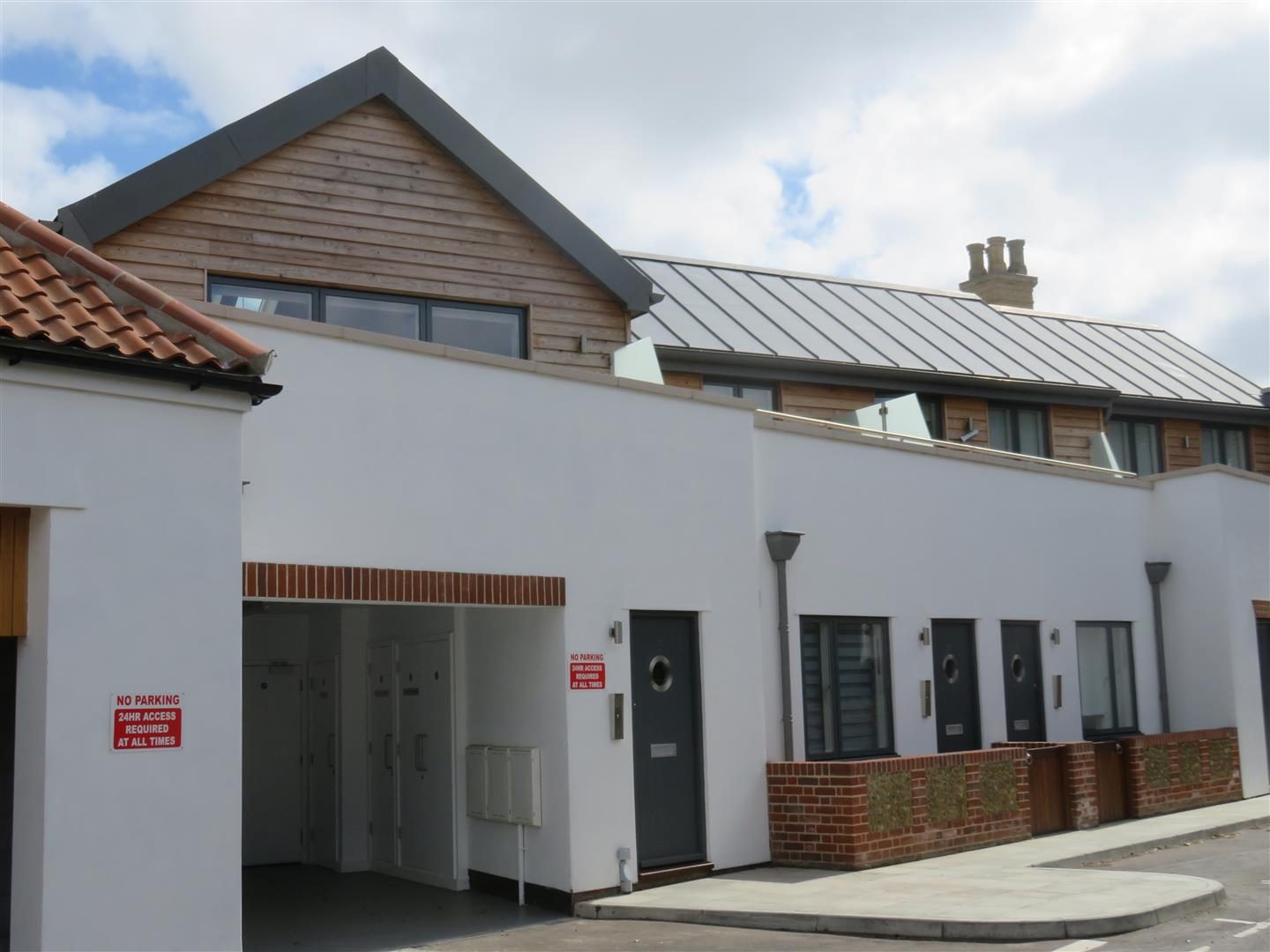
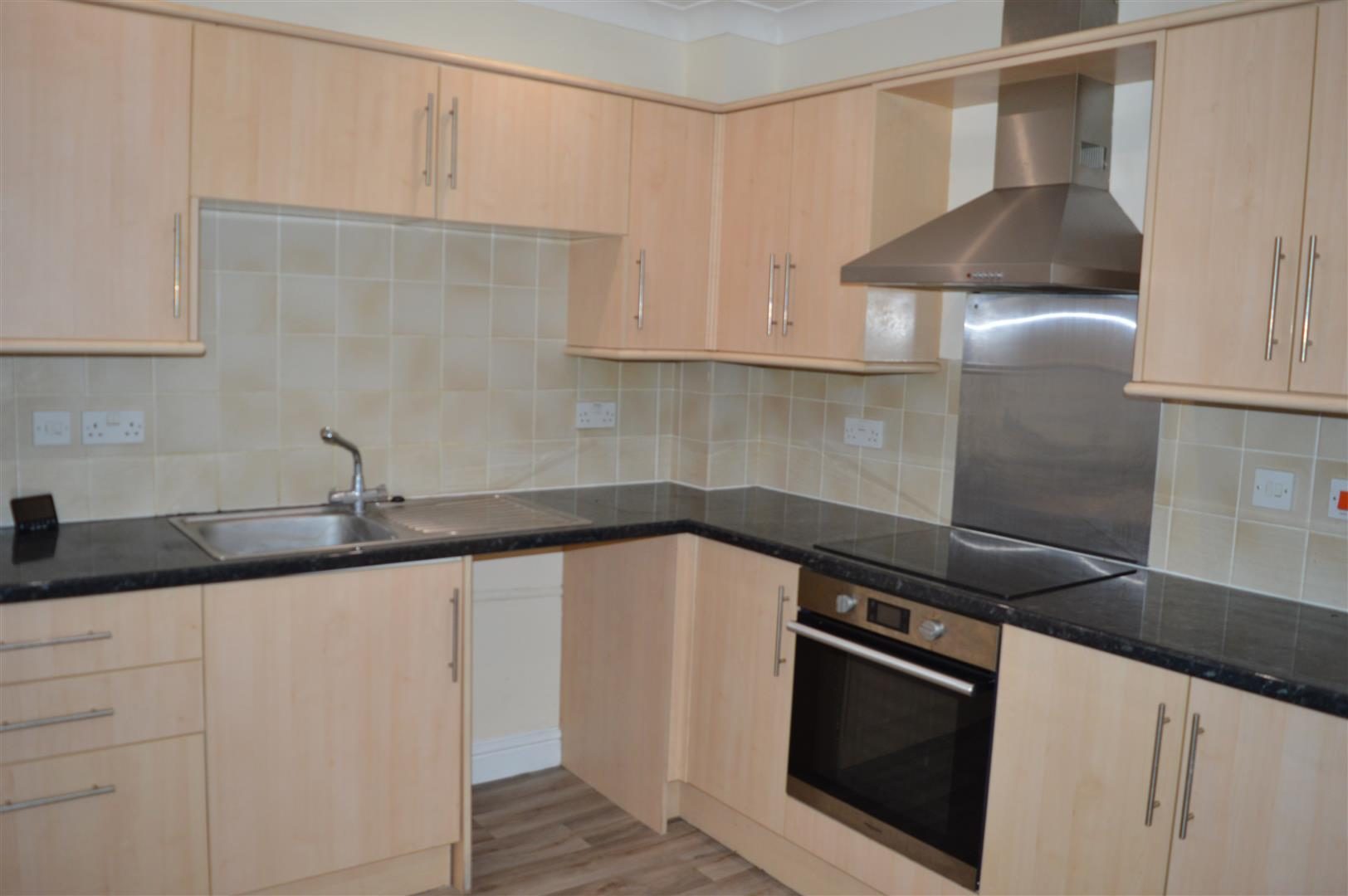
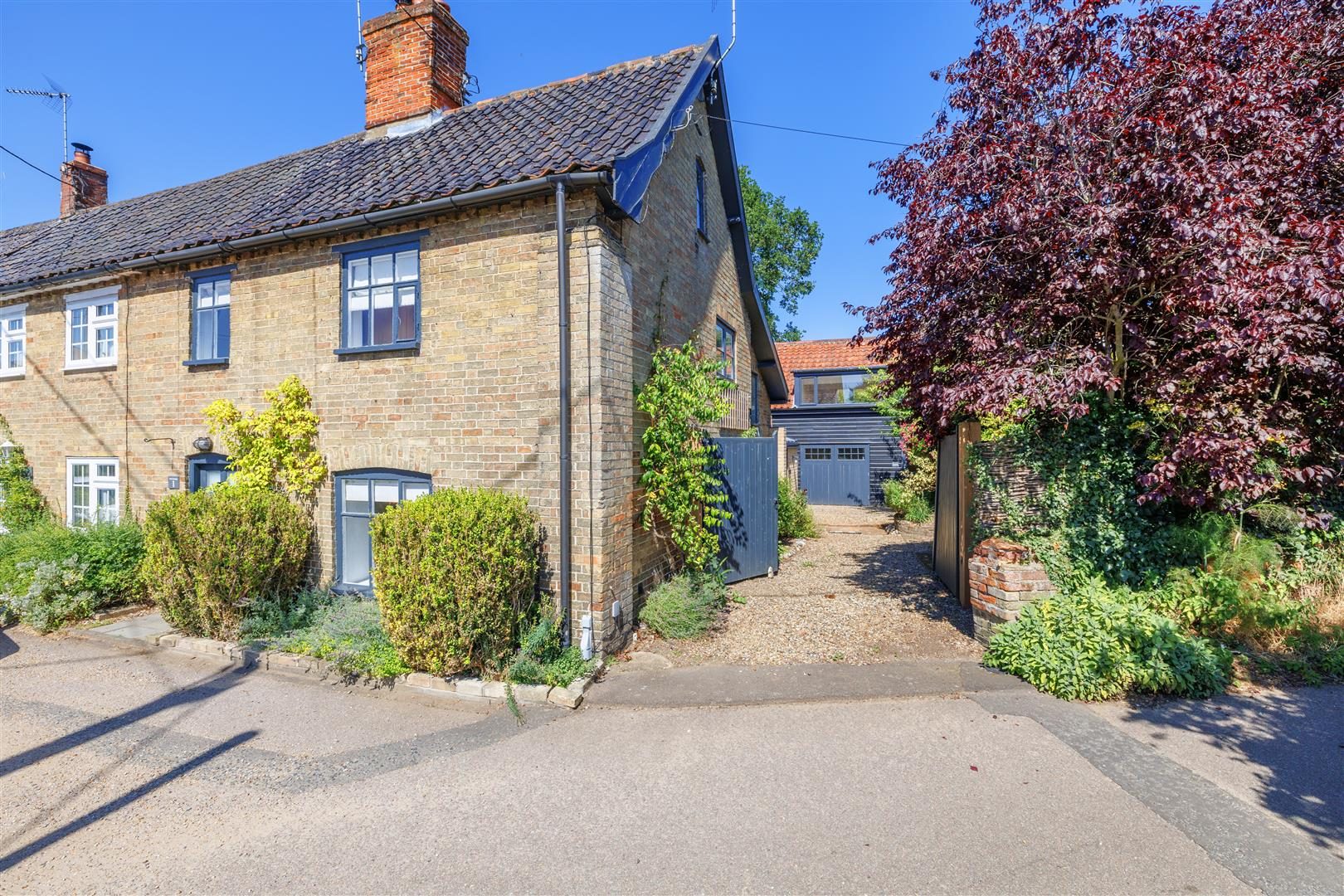
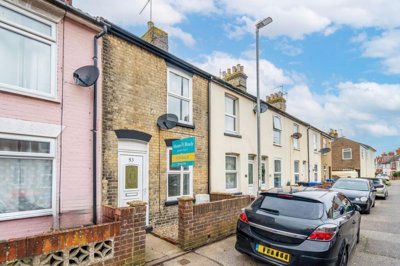
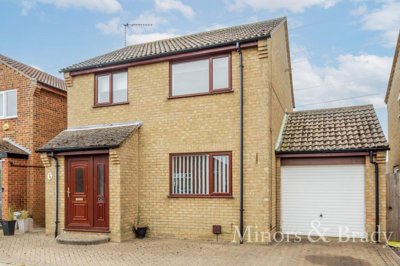
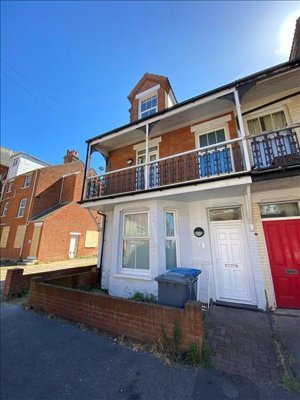
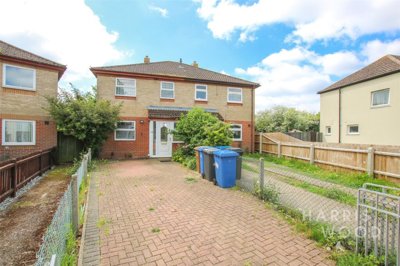
Browse 403 rental homes to rent in East Suffolk from local letting agents.
£284,000
Average House Price
£412,000
Detached Average
£271,000
Semi-Detached Average
£210,000
Terraced Average
£145,000
Flats Average
+1.2%
Annual Price Change
Understanding the broader property market in East Suffolk helps contextualise rental values across the district. The average house price in East Suffolk reached £284,000 in December 2025, representing a 1.2% increase over the previous twelve months according to the most recent ONS data. This steady growth reflects the enduring appeal of the district among buyers and, by extension, influences rental values across the area. The market has demonstrated particular resilience compared to wider Suffolk trends, with sales volumes declining only 18% year-on-year rather than the 35% drop seen across the county as a whole.
Property values vary considerably across different housing types, which directly impacts what renters can expect to pay. Detached properties command an average price of £412,000, while semi-detached homes average £271,000. Terraced properties in the district average £210,000, and flats and maisonettes sit at approximately £145,000. Recent trends show semi-detached properties increasing by 2.5% over the past year, while flat values have softened by 1.7%. These variations in the sales market often translate to corresponding adjustments in rental pricing, though landlord pricing decisions also factor in mortgage costs, property management expenses, and local demand levels.
The rental market has shown particular resilience in certain postcode areas, with properties near the coast and in popular market towns like Woodbridge and Aldeburgh commanding steady demand. Monthly rents typically range from £700-900 per month for one-bedroom flats in towns, £900-1,300 for two-bedroom houses, and £1,500-2,500 for larger family homes in premium coastal locations. Properties in villages further from town centres may offer more affordable options, though transport considerations and access to services become more important factors in those locations.

East Suffolk stretches from the Norfolk border down to the Essex boundary, encompassing a remarkable diversity of landscapes that include rolling farmland, ancient woodlands, the stunning Suffolk Coast and Heaths Area of Outstanding Natural Beauty, and the southernmost reaches of the Norfolk Broads. This geography creates an exceptional quality of life for residents who enjoy outdoor pursuits, with excellent walking, cycling, birdwatching, and watersports available on the doorstep. The coastline around Southwold, Aldeburgh, and Thorpeness particularly draws visitors and new residents alike, with the area offering some of the most unspoiled stretches of English coastline remaining.
The demographic profile of East Suffolk reflects a balanced community that combines long-established families with newcomers drawn by the area's lifestyle offering. Market towns like Woodbridge provide comprehensive shopping facilities, independent restaurants, and cultural venues, while smaller villages offer the kind of close-knit community spirit that makes raising a family or settling into retirement particularly pleasant. The population swells significantly during summer months due to tourism, particularly in coastal areas, which supports a vibrant local economy throughout the year but also means that seasonal parking pressures and tourist numbers peak between May and September.
Cultural attractions across East Suffolk include the celebrated Aldeburgh Festival held annually in June, the Snape Maltings Concert Hall which hosts year-round performances, and numerous galleries and theatres that punch well above their weight for a rural district. The area has a strong artistic heritage, having attracted composers like Benjamin Britten and painters of the Newlyn School. For renters, this cultural richness adds significant value beyond the purely practical considerations of property and location, with many residents finding that the quality of life improvements offset any practical compromises required by rural living. Local community groups, sports clubs, and village events provide ample opportunities to integrate into the community regardless of how long you have lived in the area.

Families considering renting in East Suffolk will find a strong selection of educational establishments across all levels. Primary education is well-served throughout the district, with numerous village schools and larger primaries in market towns providing good foundations for young learners. Many primary schools in East Suffolk benefit from picturesque rural settings while maintaining high standards of teaching and enrichment activities that rival urban alternatives. School sizes vary considerably, from small village primaries with fewer than 100 pupils to larger schools in Woodbridge and surrounding areas that serve broader catchment zones.
Secondary education options include several well-regarded schools within East Suffolk, with Kesgrave High School and Farlingaye High School in Woodbridge frequently cited among the most popular choices for secondary education in the area. These schools serve wide catchment areas and offer comprehensive curricula alongside strong extracurricular programmes including sports, arts, and vocational subjects. For those seeking grammar school education, the nearby towns of Colchester and Ipswich provide access to selective schools, though this may influence property search areas for families with specific educational priorities and requires careful consideration of daily commute distances.
Sixth form and further education provision across East Suffolk continues to develop, with Suffolk One in Ipswich and East Coast College in Lowestoft providing vocational and academic routes for post-16 students. The proximity of University of Suffolk in Ipswich also offers higher education opportunities within reasonable commuting distance, making the area viable for students who prefer to live at home while studying. Parents renting in the area should always verify current catchment areas and school admission policies with East Suffolk Council, as these can change and may significantly impact which schools serve a particular property. School transport arrangements for properties outside walking distance of popular schools also warrant investigation before committing to a tenancy.

Transport connectivity from East Suffolk has improved significantly in recent years, making the district increasingly attractive to commuters who work in London or other major cities but prefer rural living. The A12 runs through the heart of the district, providing direct road access to Ipswich, Chelmsford, and London. The A14 trunk road offers additional route options to Cambridge and the Midlands, making regional travel straightforward for those with vehicles. Traffic levels on these routes vary considerably by time of day, with the A12 particularly busy during morning and evening rush hours as commuters travel to and from Ipswich.
Rail services connect several East Suffolk towns to the wider rail network. Ipswich station, accessible from many parts of the district, provides direct services to London Liverpool Street with journey times of approximately one hour ten minutes. Other stations including Woodbridge, Saxmundham, and Darsham connect to the East Anglian rail network, providing services to Norwich, Cambridge, and Peterborough, opening up employment and leisure opportunities across East Anglia and beyond. Weekend and evening service frequencies on some rural lines can be limited, so commuters should verify exact timetables for their specific location before committing to a tenancy.
Local bus services operated by various providers connect towns and villages throughout East Suffolk, though frequency can be limited in more rural areas with some routes running only two or three times daily. Cyclists benefit from quiet country lanes and several designated cycle routes, including parts of the National Cycle Network that traverse the district. For air travel, London Stansted and Norwich airports are within reasonable driving distance, offering international connections from East Suffolk. Parking availability varies by location, with coastal towns often experiencing seasonal pressure during summer months, and renters in towns like Woodbridge should verify permit availability if they own vehicles.

Before searching for properties, obtain a rental budget agreement in principle from a lender. This documents how much rent you can afford based on your income and expenditure, and demonstrates your financial credibility to landlords when making applications. In East Suffolk, monthly rental costs vary significantly between coastal premium locations like Aldeburgh and Southwold, and more affordable inland villages, so understanding your budget early helps focus your search effectively. Budget agreements typically remain valid for 90 days and strengthen your application against competing renters.
East Suffolk encompasses diverse neighbourhoods from bustling market towns like Woodbridge to quiet coastal villages along the Suffolk Heritage Coast. Spend time visiting different areas during various times of day and the week to understand local amenities, traffic patterns, and community atmosphere before committing to a location. Consider factors like your daily commute requirements if working from home or commuting, proximity to schools if applicable for families, and access to shops and services that you use regularly. Coastal areas offer exceptional lifestyle benefits but may experience seasonal tourism pressures during summer months.
Once you have identified suitable properties, schedule viewings through local letting agents and private landlords. In East Suffolk's competitive rental market, attending viewings promptly and being prepared with required documentation helps your application stand out among other interested parties. Bring proof of income such as recent payslips or accounts, references from previous landlords if available, and photographic identification to viewings to streamline the process if you decide to proceed. Being prepared with documentation demonstrates your seriousness as a potential tenant and can expedite the application process.
If you find a property you wish to rent, submit a formal application with all required supporting documentation promptly. This typically includes proof of identity, employment references, previous landlord references, and bank statements showing regular income. Your credit history will be checked by the landlord or their letting agent, and landlords in East Suffolk increasingly require tenant referencing through approved referencing companies to verify your suitability. Applications are typically processed within a few days, though some landlords may take longer to review and make decisions.
Once your application is approved, you will receive a tenancy agreement to review carefully before signing. The agreement will specify the rent amount, deposit amount, tenancy length, and both landlord and tenant responsibilities. Before moving in, you will walk through the property with the landlord or agent to complete a detailed inventory documenting the condition of fixtures, fittings, and any furniture included. This protects both parties and ensures you receive your deposit back at the end of the tenancy, provided the property is left in the same condition as documented minus fair wear and tear.
Renting properties in East Suffolk requires attention to several area-specific considerations that may not apply in urban locations. Flood risk awareness is particularly important in parts of the district, especially properties near rivers such as the River Deben near Woodbridge, the coast, or in low-lying areas close to the Broads around Oulton Broad and Lowestoft. Request information about previous flooding incidents and check Environment Agency flood maps before committing to a tenancy. Buildings insurance and contents coverage should be verified with your landlord, and potential tenants should understand their liability in case of water damage occurs during their tenancy.
Conservation areas affect numerous properties in East Suffolk's historic towns and villages including much of Aldeburgh, Thorpeness, and central Woodbridge, with implications for permitted development rights and alterations you may wish to make during your tenancy. If you plan to decorate, install fixtures, or make changes to a listed or conservation area property, obtain written permission from your landlord and confirm with East Suffolk Council's planning department what restrictions apply. These requirements protect the character of the area but require tenant cooperation to navigate properly. Properties with thatched roofs, common in some Suffolk villages, may have specific insurance and maintenance requirements.
Property condition and maintenance arrangements deserve careful attention when renting in rural East Suffolk. Properties may be older with different construction methods than modern urban homes, potentially featuring period construction details like solid walls, older electrical systems, or oil-fired heating rather than mains gas. Clarify with your landlord exactly what maintenance responsibilities you hold versus what they will arrange, and get these terms written into your tenancy agreement. Response times for repairs may differ from urban areas due to contractor availability in rural locations, so understanding these arrangements before signing prevents misunderstandings later.
Broadband and mobile phone coverage varies across East Suffolk, with some rural villages experiencing slower speeds or limited mobile signal reception. Before committing to a tenancy, verify the expected broadband speed at the property, particularly if you work from home or have household members who require reliable internet connectivity. Several providers now offer full-fibre broadband in town centres, but outlying properties may still rely on slower connections. Mobile coverage from major networks has improved but still varies, and those requiring reliable phone reception should test signal strength at the property before signing.

Comprehensive rental price data for East Suffolk varies significantly by property type, location, and current market conditions. While the average house price in the district reached £284,000 in December 2025, rental prices typically range from £700-900 per month for one-bedroom flats in towns, £900-1,300 for two-bedroom houses, and £1,500-2,500 for larger family homes in popular locations like Woodbridge and coastal villages. Properties near the coast around Aldeburgh and Southwold, or in premium positions in market towns, command the higher end of this range. Direct enquiry with local letting agents provides the most accurate current rental pricing for specific properties and locations you are considering.
Council tax in East Suffolk is administered by East Suffolk Council, with properties placed in bands A through H based on their assessed value at the time of the most recent valuation. Rural properties and smaller homes frequently fall into bands A-C, making council tax costs relatively affordable compared to urban areas, with band A properties in East Suffolk paying around £1,200-1,400 annually. Band D properties typically pay around £1,800-2,000 annually, though this varies by specific property valuation. Renters should confirm the council tax band with their landlord or letting agent and factor this cost into their monthly budget alongside rent, as council tax is typically the second-largest regular housing cost after rent.
East Suffolk offers strong educational options at all levels, with primary schools in the market towns and larger villages generally performing well in Ofsted inspections. Farlingaye High School and Kesgrave High School, both located in or near Woodbridge, frequently appear among the most popular choices for secondary education in the area, with strong academic results and comprehensive extracurricular programmes. Parents should verify current Ofsted ratings on the official Ofsted website, confirm admission catchment areas with East Suffolk Council, and consider transport arrangements when considering rental properties, as school places can be competitive in popular areas and catchment boundaries may affect which schools serve a particular address.
Public transport in East Suffolk varies significantly between urban centres and rural villages, with the A12 corridor and market towns offering the most frequent services. Bus services operated by various providers connect major towns including Woodbridge, Saxmundham, Aldeburgh, Felixstowe, and Lowestoft, though frequencies reduce considerably in more remote villages, with some routes running only two or three times daily on weekdays. Rail access is available through stations at Woodbridge, Saxmundham, Darsham, and several others, with connections to Ipswich, Norwich, and London Liverpool Street. Those relying entirely on public transport should research specific route and timetable information for their intended location using Traveline or individual operator websites before committing to a tenancy.
East Suffolk offers an exceptional quality of life for renters seeking countryside and coastal living with good connectivity to larger employment centres. The rental market provides genuine variety, from affordable village homes to premium coastal properties in locations like Southwold, Aldeburgh, and the surrounding villages. Community spirit is strong throughout the district, and the area offers excellent walking, cycling, watersports, and cultural activities including the Aldeburgh Festival and Snape Maltings. Properties represent good value compared to London and the Southeast, with renters typically getting significantly more space for equivalent monthly costs. The main practical considerations include rural transport limitations if you do not drive, seasonal tourism impacts in coastal areas during summer months, and potential flood risk in specific locations that warrant checking before committing to a tenancy.
Standard deposits for rental properties in East Suffolk typically equal five weeks' rent, capped at five weeks' annual rent regardless of the property value under the Tenant Fees Act 2019. Tenant fees banned under this legislation include charges for referencing, administration, and inventory checks, which landlords must now cover themselves rather than passing costs to tenants. Permitted payments you may need to make include rent, deposit (capped at five weeks), a holding deposit to secure a property (capped at one week's rent and deducted from your final deposit), and charges for early termination if you leave before the tenancy end date. Always request a written breakdown of all costs before committing to a tenancy, and never pay fees to third parties claiming to represent a landlord.
Parts of East Suffolk carry elevated flood risk due to proximity to the coast, rivers including the River Deben and River Blyth, and the extensive waterways of the Norfolk Broads. Properties in areas like Southwold, Lowestoft, Oulton Broad, and near riverside locations in villages require careful consideration before committing to a tenancy. Check Environment Agency flood maps for the specific location, ask the landlord or agent about the property's flood history, and verify that appropriate buildings insurance is in place covering flood damage. Renters should understand their responsibilities regarding flood preparation, including knowing how to shut off utilities in an emergency and reporting any water ingress promptly to both the landlord and your contents insurance provider.
Broadband and mobile phone coverage varies considerably across East Suffolk, with urban areas and market towns typically having access to faster services than rural villages. Full-fibre broadband is increasingly available in towns like Woodbridge and Saxmundham, offering speeds suitable for home working and streaming, while some outlying properties may still rely on older copper-based connections with more limited speeds. Mobile coverage from major networks has improved in recent years but still varies, with some rural areas experiencing weak signal or limited coverage indoors. Before committing to a rental property, verify the expected broadband speed using Ofcom or provider coverage checkers, particularly if reliable internet is essential for your work or household needs.
From 4.5%
Document your rental budget before searching for properties across East Suffolk
From £35
Verification service required by most landlords
From £85
Energy Performance Certificate for your rental property
From £75
Protect your deposit with detailed check-in report
Understanding the costs associated with renting in East Suffolk helps you budget accurately and avoid unexpected expenses during your tenancy. The standard security deposit equals five weeks' rent, held in a government-approved deposit protection scheme throughout your tenancy such as the Deposit Protection Service, MyDeposits, or the Tenancy Deposit Scheme. This money is returned at the end of your tenancy, subject to any deductions for damage beyond normal wear and tear or unpaid rent. The cap under the Tenant Fees Act 2019 means larger properties cannot legally require deposits exceeding five weeks' rent, regardless of the monthly rental amount.
Before paying any fees or deposits, obtain a rental budget agreement in principle to confirm how much rent lenders will factor into your affordability assessment based on your income and existing financial commitments. This document strengthens your rental applications by demonstrating financial credibility to landlords and letting agents, particularly important in competitive areas like Woodbridge where multiple applications for popular properties are common. Budget agreements typically remain valid for 90 days, giving you time to find suitable properties without requiring repeat applications, though you should notify lenders if your financial circumstances change.
Additional moving costs to factor into your East Suffolk rental budget include removal expenses which can range from £300-1,500 depending on volume and distance, contents insurance which typically costs £150-400 annually for a standard policy, and potential connection charges for utilities and broadband installation. If you are moving from outside the area, consider travel costs for property viewings, which may require multiple trips to find suitable properties, and the logistics of establishing yourself in a rural location including potential vehicle requirements for daily life. Planning these costs in advance ensures a smooth transition to your new East Suffolk home and prevents financial stress during what should be an exciting life change.

Properties to Rent In London

Properties to Rent In Plymouth

Properties to Rent In Liverpool

Properties to Rent In Glasgow

Properties to Rent In Sheffield

Properties to Rent In Edinburgh

Properties to Rent In Coventry

Properties to Rent In Bradford

Properties to Rent In Manchester

Properties to Rent In Birmingham

Properties to Rent In Bristol

Properties to Rent In Oxford

Properties to Rent In Leicester

Properties to Rent In Newcastle

Properties to Rent In Leeds

Properties to Rent In Southampton

Properties to Rent In Cardiff

Properties to Rent In Nottingham

Properties to Rent In Norwich

Properties to Rent In Brighton

Properties to Rent In Derby

Properties to Rent In Portsmouth

Properties to Rent In Northampton

Properties to Rent In Milton Keynes

Properties to Rent In Bournemouth

Properties to Rent In Bolton

Properties to Rent In Swansea

Properties to Rent In Swindon

Properties to Rent In Peterborough

Properties to Rent In Wolverhampton

Enter your details to see if this property is within your budget.
Loans, cards, car finance
Estimated property budget
Borrowing + deposit
You could borrow between
Typical borrowing
Monthly repayment
Est. at 4.5%
Loan-to-value
This is an estimate only. Your actual budget may vary depending on interest rates, credit history, and personal circumstances. For an accurate affordability assessment, speak to one of our free mortgage advisors.

This calculator provides estimates for illustrative purposes only and does not constitute financial advice. Your home may be repossessed if you do not keep up repayments on your mortgage. Estimates based on 4.5% interest rate, repayment mortgage. Actual rates depend on your circumstances.
Homemove is a trading name of HM Haus Group Ltd (Company No. 13873779, registered in England & Wales). Homemove Mortgages Ltd (Company No. 15947693) is an Appointed Representative of TMG Direct Limited, trading as TMG Mortgage Network, which is authorised and regulated by the Financial Conduct Authority (FRN 786245). Homemove Mortgages Ltd is entered on the FCA Register as an Appointed Representative (FRN 1022429). You can check registrations at NewRegister or by calling 0800 111 6768.