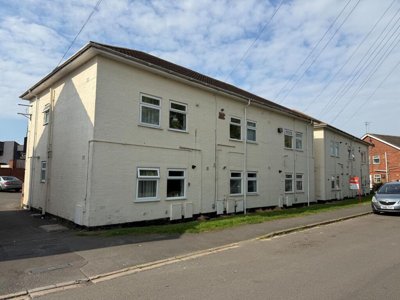
Browse 34 rental homes to rent in East Lindsey from local letting agents.
Studio apartments feature open-plan living spaces without separate bedrooms, incorporating sleeping, living, kitchen, and bathroom facilities. The East Lindsey studio market includes properties in modern apartment complexes, converted Victorian and Georgian buildings, and purpose-built developments.
The East Lindsey property market has demonstrated notable resilience despite broader national trends, with transaction data showing 2,423 total sales across the district in the 12 months to February 2026. Detached properties dominate the market at 1,069 sales, reflecting the rural character where larger family homes and bungalows are particularly sought after. Semi-detached homes follow with 746 sales, while terraced properties recorded 440 transactions and flats accounted for 168 sales, showing that properties across all price points remain active in this Lincolnshire district.
Average property prices across East Lindsey currently sit at £214,082, with detached properties averaging £272,374 and semi-detached homes at £175,064. Terraced properties average £142,654 while flats remain the most affordable option at £93,667. Over the past 12 months, prices have shown a modest correction of approximately 3.89%, which has created opportunities for renters whose landlords may be willing to negotiate on longer-term tenancies. The rental market benefits from this price stability, with landlords generally confident in the long-term value of their properties across this desirable coastal and rural district.
New build activity in East Lindsey includes several notable developments that may influence rental availability. The Chase in Legbourne near Louth offers 3, 4, and 5-bedroom homes from £289,950, while The Wolds development on Legbourne Road provides similar family homes from £229,995. The Meadows near Spilsby and The Swale in Ingoldmells offer more affordable options starting from £219,950 and £199,950 respectively. These new developments add variety to the housing stock but represent a small proportion of the overall rental market, where character properties in established towns and villages continue to dominate.

East Lindsey district offers an exceptional quality of life that blends rural tranquility with coastal charm and excellent local amenities. The area is characterised by its diverse landscape, from the rolling chalk hills of the Lincolnshire Wolds in the west to the flat fenland and dramatic coastline in the east. The market town of Louth serves as the principal service centre, offering a comprehensive range of shops, restaurants, and cultural attractions including the remarkable St James' Church and the historic Eastgate. Horncastle, Spilsby, and Alford each provide their own characterful market towns with weekly markets, independent retailers, and strong community atmospheres that welcome newcomers readily.
The coastal towns of Skegness and Mablethorpe draw visitors from across the region with their traditional seaside attractions, sandy beaches, and family-friendly amenities. Skegness offers a lively promenade, amusement attractions, and regular events throughout the year, while Mablethorpe provides a more relaxed coastal experience with its long beaches and nature reserves. Tourism is a major economic driver in the area, supporting hospitality, retail, and leisure sectors that create employment opportunities and demand for both permanent and seasonal housing. The district also benefits from significant agricultural activity in its rural areas, influencing demand for properties near farm communities and village locations.
Beyond the towns, East Lindsey is blessed with an extensive network of public footpaths, cycling routes, and natural areas including the Lincolnshire Wolds Area of Outstanding Natural Beauty. The district's population of 144,300 includes a significant proportion of retirees drawn by the peaceful environment and excellent healthcare facilities, creating a balanced demographic community. Public sector employment in healthcare, education, and local government provides stable job opportunities throughout the district, supporting the local rental market and community sustainability.

East Lindsey provides a comprehensive range of educational options for families considering renting in the district. Primary education is well-served through numerous village and town primary schools, many of which benefit from small class sizes and strong community connections. Towns such as Louth, Horncastle, and Skegness offer multiple primary options, while smaller villages typically have their own community primary schools serving local families. These schools often achieve good outcomes and provide children with solid foundations in their early education within supportive rural environments.
Secondary education in the district is centred on several well-established secondary schools including King Edward VI Academy in Spilsby, Banovallum House School in Horncastle, and various academies in the Skegness area. These schools offer a range of GCSE and A-Level programmes, with some offering specialist subjects and vocational courses. For families seeking grammar school education, the nearest options may require travel to surrounding districts, though the standard of education at comprehensive schools within East Lindsey remains a draw for families. The district also features several primary schools rated good or outstanding by Ofsted, providing parents with confidence in local educational provision.
For older students, further education opportunities are available at colleges in nearby cities including Lincoln and Grimsby, accessible by public transport for those in larger towns. The combination of good primary and secondary schools, smaller class sizes, and supportive learning environments makes East Lindsey an attractive location for families seeking quality education without the pressures of more urban environments.

Transport connectivity in East Lindsey has improved significantly in recent years, making the district increasingly accessible for commuters and those seeking to explore the wider region. The A16 trunk road runs through the heart of the district, providing direct connections to Peterborough to the south and Grimsby to the north. The A158 links Lincoln to Skegness through the district, while the coastal towns are well-connected by the A52. For those travelling to major employment centres, the M180 motorway is accessible via Grimsby, providing connections to Hull, Sheffield, and the wider motorway network.
Public transport options include regular bus services operated by various providers, connecting the market towns and larger villages to each other and to nearby cities including Lincoln, Grimsby, and Boston. The nearest railway stations are located in Cleethorpes and Grimsby, offering connections to Sheffield, Manchester, and London via the trans-Pennine route, while Boston station provides access to Peterborough and London. For those flying, Humberside Airport near Grimsby offers flights to various UK and European destinations. Within the district, cycling is popular on the quieter country lanes, and many residents appreciate the peaceful nature of rural transport links compared to more congested urban areas.
Commuting patterns in East Lindsey vary significantly by location, with residents in towns like Louth and Horncastle having reasonable access to employment options, while those in more isolated villages will typically require private vehicle ownership. The flexibility of working from home has expanded opportunities for those seeking rural lifestyles without sacrificing career prospects, making the district increasingly attractive to remote workers and those in digital industries.

Renting properties in East Lindsey requires consideration of several area-specific factors that may not be immediately apparent to those unfamiliar with the district. The geology of the area varies significantly from west to east, with the western Wolds areas built on chalk and limestone foundations that generally provide stable ground conditions. However, the central and eastern parts of the district, particularly in lower-lying and coastal areas, feature significant clay deposits that can cause shrink-swell movement, especially where mature trees are present. This ground movement can affect older properties with shallow foundations, making a thorough property survey particularly valuable before committing to a tenancy.
Flood risk is another critical consideration for renters in East Lindsey, given the district's extensive coastline and network of rivers and drainage channels. Coastal towns including Skegness, Mablethorpe, and Sutton-on-Sea face elevated risk from storm surges and tidal events, while properties near rivers such as the Steeping, Lymn, and their tributaries may be susceptible to fluvial flooding. Surface water flooding can affect low-lying areas across the district during periods of heavy rainfall. Prospective tenants should enquire about flood history with landlords and consider the elevation and drainage of any property they are considering, particularly for ground-floor accommodations or properties near watercourses.
We frequently identify damp in older properties and those in low-lying or coastal areas, including rising damp, penetrating damp, and condensation. Roofing problems are common in properties over 50 years old, including wear and tear on slate and tile roofs, lead flashing defects, and timber decay in roof structures. Properties with significant clay deposits, particularly in the lower-lying and coastal regions, present a moderate to high shrink-swell risk, especially where mature trees are present. Outdated electrics and plumbing are common in properties built before the 1980s, often requiring upgrading.

The housing stock in East Lindsey reflects its predominantly rural character, with detached properties comprising 46.2% of all homes across the district. This high proportion of detached housing offers renters excellent options for families seeking space and privacy, with many properties featuring generous gardens and off-street parking. Semi-detached homes account for 26.2% of the housing stock, providing more affordable rental options while still offering the benefits of separate bedrooms and living spaces. Terraced properties make up 16.4% and are particularly common in the historic market towns, offering character homes often located close to town centre amenities.
The age of housing stock in East Lindsey shows that approximately 70.1% of properties were built before 1980, meaning a significant proportion of the rental market consists of character properties with traditional construction methods. Pre-1919 properties account for 20.3% of homes and include period features such as original fireplaces, high ceilings, and traditional timber floors that many renters find appealing. A further 14.7% were constructed between 1919 and 1945, while 35.1% date from the post-war period up to 1980. Properties built after 1980 comprise 29.9% of the stock, including modern developments and more recent constructions that may offer improved energy efficiency and contemporary layouts.
Traditional properties often feature local brick construction, with some use of render and occasionally stone in older, more significant buildings. Solid brick walls in Flemish or English bond, timber floor joists, and timber roof structures with slate or clay tile coverings are common in pre-war properties. Post-war properties from 1945 to 1980 typically feature cavity wall construction with brick outer leaf and block inner leaf, concrete tiled roofs, and timber or concrete ground floors. Modern properties from post-1980 use standard cavity wall construction with a mix of brick and render, uPVC windows, concrete tiled roofs, and modern timber frame construction in some new builds. Traditional construction methods in older properties can hide defects that a professional survey would identify.

East Lindsey has numerous conservation areas centred around historic market towns and villages including Louth, Alford, Spilsby, Horncastle, and Burgh le Marsh. These designated areas protect the special architectural and historic character of these settlements, with properties within them subject to planning restrictions regarding exterior alterations, extensions, and certain renovations. Tenants should clarify what permissions they would need for any planned changes when viewing properties in conservation areas, as these restrictions can significantly affect what you are permitted to change during your tenancy.
The district also has significant concentrations of listed buildings, ranging from medieval churches to Georgian and Victorian residences, with Louth having a particularly high number of listed properties. Listed buildings are protected under special regulations that govern any alterations, no matter how minor they might seem. Properties within conservation areas or those that are listed buildings often require specialist surveys due to their complex construction, historic materials, and specific regulations governing alterations and repairs. A standard survey may highlight issues, but a RICS Level 3 Building Survey is usually recommended for such properties.
The character of properties in conservation areas often includes features such as original sash windows, period fireplaces, exposed beams, and traditional floorboards that add charm but may require specialist maintenance. These features can increase both the appeal and the ongoing maintenance responsibilities of a rental property. We recommend discussing any concerns about historic properties with local letting agents and considering a thorough survey before committing to a tenancy in these distinctive areas.

Before beginning your rental search in East Lindsey, consider which towns or villages best suit your lifestyle needs and calculate a realistic monthly budget that accounts for rent, council tax, utilities, and moving costs. The district offers diverse options from busy Skegness to peaceful Wolds villages, so understanding your priorities will help narrow your search effectively. We recommend visiting different areas before committing, as the character and amenities vary significantly between coastal towns, market towns, and rural villages.
Contact lenders or use online services to obtain a rental budget agreement in principle that shows landlords you are a serious applicant with verified financial circumstances. This document demonstrates your ability to afford the rent and can give you a competitive edge when applying for properties in popular areas of East Lindsey where rental demand is strong. Many landlords in the area prefer tenants with verified finances, particularly for family homes in sought-after villages near good schools.
Contact local letting agents in East Lindsey to arrange viewings of properties that match your criteria. View multiple properties to compare condition, location, and value, and do not hesitate to ask questions about the property history, any recent renovations, and what is included in the rental agreement. We recommend viewing properties at different times of day and in various weather conditions to get a true picture of light, access, and any potential issues with drainage or flooding.
For older properties or those in areas with potential ground movement or flood risk, arranging a RICS Level 2 Survey before committing can identify any structural issues or defects that may require attention. Survey costs for a typical 3-bedroom semi-detached property in East Lindsey typically range from £450 to £600, while larger detached homes may cost £550 to £750 or more. Given that approximately 70.1% of properties in East Lindsey were built before 1980, surveys are particularly valuable for identifying issues common to traditional construction such as damp, timber decay, and outdated services.
Once you have selected a property, your letting agent will require references, proof of identity, right to rent documentation, and employment verification. Prepare these documents in advance to expedite the process and demonstrate your reliability as a tenant. Many local letting agents in East Lindsey operate efficiently with digital documentation, so having scans of your identification, employment contracts, and previous landlord references ready will speed up the process considerably.
Review your tenancy agreement carefully before signing, ensuring you understand the terms including rent amount, deposit protection arrangements, notice periods, and any restrictions. In East Lindsey, deposits are typically capped at five weeks rent for properties with annual rent below £50,000, and must be protected in a government-approved deposit scheme within 30 days of receiving it. We recommend taking time to read the full agreement and asking questions about anything unclear before committing.
While specific rental figures require current market listings, the overall average property price in East Lindsey is £214,082 according to sales data from February 2026. Rental prices typically correlate with property size and location, with larger detached homes commanding higher rents and coastal or town centre properties often premium-priced compared to rural village locations. Town centre flats and terraced houses in market towns like Louth, Horncastle, and Skegness tend to offer the most affordable rental options, while spacious family homes in sought-after villages command higher monthly rents.
Council tax bands in East Lindsey are set by East Lindsey District Council and Lincolnshire County Council. Properties are assigned bands A through H based on their assessed value, with the majority of homes in the district falling within bands A through D. Band A properties typically have the lowest council tax charges while band H properties attract the highest rates. Prospective tenants should enquire about the specific council tax band for any property they are considering, as this forms a significant part of the ongoing costs of renting.
East Lindsey offers good educational provision at both primary and secondary levels. Primary schools in towns such as Louth, Horncastle, and the larger villages often achieve good Ofsted ratings and benefit from small class sizes in supportive environments. Secondary education is provided through academies including King Edward VI Academy in Spilsby and Banovallum House School in Horncastle. Families should research individual school performance data and consider catchment areas when selecting their rental property, as school quality can vary between towns and villages within the district.
East Lindsey is served by regular bus services connecting the major towns and villages, though frequencies may be reduced in more rural areas compared to urban centres. The nearest railway stations are in Cleethorpes and Grimsby to the north and Boston to the south, offering connections to major cities including Sheffield, Manchester, and London. The A16 and A158 roads provide good road connections to surrounding areas, though commuting to distant employment centres typically requires private vehicle ownership. Residents should check local bus timetables carefully when considering properties in more isolated rural villages.
East Lindsey offers an excellent quality of life for renters seeking space, natural beauty, and a strong sense of community at an affordable price point. The district combines the benefits of coastal living with access to the Lincolnshire Wolds Area of Outstanding Natural Beauty, while market towns provide comprehensive amenities without the higher costs associated with larger cities. The area is particularly suitable for families, retirees, and those seeking a quieter lifestyle, though job opportunities may be more limited than in urban areas. The property market benefits from stable prices and a variety of housing types, making it accessible for renters across different budgets and life stages.
Standard deposits for rental properties in East Lindsey are capped at five weeks rent for properties with annual rent below £50,000, as required by government regulations. This deposit must be protected in a government-approved scheme within 30 days of receipt. Additional fees may include referencing fees, administration charges, and inventory check costs, though many landlords and agents now operate fee-free rental models. First-time renters should budget for moving costs, initial rent payments in advance, and potentially a rental budget agreement in principle, which helps demonstrate financial reliability to landlords.
Flood risk in East Lindsey varies significantly by location, with coastal areas including Skegness, Mablethorpe, and surrounding low-lying regions facing the highest risk from tidal and storm surge flooding. Properties near rivers including the Steeping, Lymn, and their tributaries may be at risk from fluvial flooding, particularly during periods of heavy rainfall. Surface water flooding can affect low-lying areas throughout the district. Prospective tenants should check Environment Agency flood risk maps, enquire about the property's flood history with current or previous owners, and consider the elevation and drainage characteristics of any property before committing to a tenancy.
East Lindsey has numerous conservation areas centred around historic market towns and villages including Louth, Alford, Spilsby, Horncastle, and Burgh le Marsh. Properties within these designated areas may be subject to planning restrictions regarding exterior alterations, extensions, and certain renovations. This can affect what tenants are permitted to change during their tenancy. The district also has significant concentrations of listed buildings, ranging from medieval churches to Georgian and Victorian residences, which may require specialist surveys and carry additional restrictions. Tenants should clarify what permissions they would need for any planned changes when viewing properties in conservation areas.
From £450
Our inspectors assess properties across East Lindsey, identifying defects common in the district's older housing stock including damp, timber issues, and construction problems.
From £85
We provide Energy Performance Certificates for rental properties throughout East Lindsey, required by law and useful for understanding a property's energy costs.
Understanding the full cost of renting in East Lindsey is essential before beginning your property search. The initial financial commitment typically includes rent in advance, a security deposit, and various administrative fees. Security deposits are capped at five weeks rent for properties with annual rent below £50,000, providing tenants with protection against unfair deductions at the end of their tenancy. This deposit must be placed in a government-approved deposit protection scheme within 30 days of the start of your tenancy, and you should receive information about which scheme is being used and how to retrieve your deposit when you leave.
Additional costs to budget for include letting agent fees, which may cover referencing, credit checks, and tenancy administration. Many agents now charge reduced or no fees following government legislation, but it is worth clarifying what is included. An inventory check at the start of your tenancy protects both tenant and landlord by documenting the condition of the property and its contents. Renting a property in East Lindsey also requires budgeting for council tax, which varies by property band and is typically paid monthly, along with utility bills, contents insurance, and moving costs. Obtaining a rental budget agreement in principle before searching can streamline the application process and demonstrate your financial readiness to landlords in this competitive market.
We recommend creating a comprehensive budget that includes not just rent but all associated costs, as properties in East Lindsey can vary significantly in their running costs depending on age, construction, and heating systems. Older properties with solid walls may have higher heating costs than modern cavity-walled homes, while properties with extensive gardens require maintenance budgeting. Taking a thorough approach to budgeting helps ensure a successful and sustainable tenancy in your new East Lindsey home.

Properties to Rent In London

Properties to Rent In Plymouth

Properties to Rent In Liverpool

Properties to Rent In Glasgow

Properties to Rent In Sheffield

Properties to Rent In Edinburgh

Properties to Rent In Coventry

Properties to Rent In Bradford

Properties to Rent In Manchester

Properties to Rent In Birmingham

Properties to Rent In Bristol

Properties to Rent In Oxford

Properties to Rent In Leicester

Properties to Rent In Newcastle

Properties to Rent In Leeds

Properties to Rent In Southampton

Properties to Rent In Cardiff

Properties to Rent In Nottingham

Properties to Rent In Norwich

Properties to Rent In Brighton

Properties to Rent In Derby

Properties to Rent In Portsmouth

Properties to Rent In Northampton

Properties to Rent In Milton Keynes

Properties to Rent In Bournemouth

Properties to Rent In Bolton

Properties to Rent In Swansea

Properties to Rent In Swindon

Properties to Rent In Peterborough

Properties to Rent In Wolverhampton

Enter your details to see if this property is within your budget.
Loans, cards, car finance
Estimated property budget
Borrowing + deposit
You could borrow between
Typical borrowing
Monthly repayment
Est. at 4.5%
Loan-to-value
This is an estimate only. Your actual budget may vary depending on interest rates, credit history, and personal circumstances. For an accurate affordability assessment, speak to one of our free mortgage advisors.
This calculator provides estimates for illustrative purposes only and does not constitute financial advice. Your home may be repossessed if you do not keep up repayments on your mortgage. Estimates based on 4.5% interest rate, repayment mortgage. Actual rates depend on your circumstances.
Homemove is a trading name of HM Haus Group Ltd (Company No. 13873779, registered in England & Wales). Homemove Mortgages Ltd (Company No. 15947693) is an Appointed Representative of TMG Direct Limited, trading as TMG Mortgage Network, which is authorised and regulated by the Financial Conduct Authority (FRN 786245). Homemove Mortgages Ltd is entered on the FCA Register as an Appointed Representative (FRN 1022429). You can check registrations at NewRegister or by calling 0800 111 6768.