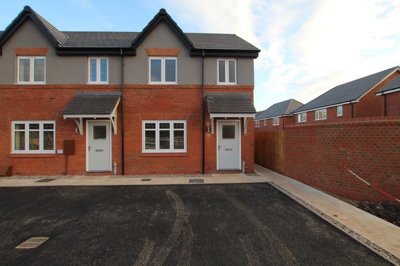
Browse 9 rental homes to rent in Dunstall, East Staffordshire from local letting agents.
£0/m
0
0
0
Source: home.co.uk
The rental market in Dunstall reflects the village's semi-rural character, with a housing stock dominated by detached and semi-detached properties. These larger property types typically command higher rental values due to their generous living space and gardens, appealing to families and professionals who work from home. The average sale price in the area sits at approximately £324,995, with detached properties averaging £437,500 and semi-detached homes around £265,000, providing useful context for understanding rental pricing expectations in this part of East Staffordshire.
Recent market activity shows around 20 property sales in the past twelve months, indicating a stable but relatively quiet market typical of smaller villages. The 12-month price change of roughly -1% suggests price stability rather than significant growth, which can translate to reasonable rental costs for tenants. New build activity within the specific Dunstall postcode area remains limited, with most development occurring in neighbouring towns, meaning rental opportunities in the village itself tend to feature character properties with traditional construction methods. This scarcity of new rental stock can make available properties more competitive, so prospective tenants are advised to act promptly when suitable homes become available.
The village benefits from its proximity to the A38 dual carriageway, which connects residents to employment centres in Burton-on-Trent, Derby, and the wider Midlands region. Many renters in Dunstall commute to these larger towns for work, appreciating the village's peaceful setting while maintaining access to urban job markets. The rental market tends to follow seasonal patterns, with increased activity during summer months when families prefer to relocate outside the academic year. Prospective tenants searching for properties to rent in Dunstall should set up automated alerts to monitor new listings, as available homes can attract multiple interested parties within days of being advertised.

Life in Dunstall offers a quintessentially English village experience, where community spirit and natural beauty combine to create an enviable quality of life. The village derives much of its character from the presence of Dunstall Hall, a Grade II* listed building that stands as the area's historical significance. Beyond this landmark, the surrounding landscape features traditional farmhouses and cottages that reflect Dunstall's agricultural heritage, creating an environment that feels genuinely rooted in history while remaining practical for modern living.
The local economy benefits from proximity to larger employment centres, with Burton-on-Trent and Wolverhampton accessible for daily commuters. Manufacturing, logistics, retail, and service industries provide diverse job opportunities within reasonable travelling distance. Agricultural activity persists in the wider area, contributing to the rural atmosphere that defines Dunstall. The population represents a mix of long-term residents and newcomers drawn by the village's peaceful setting, creating a welcoming community that balances traditional values with contemporary aspirations.
For day-to-day amenities, residents typically travel to nearby towns for shopping, healthcare appointments, and leisure facilities. Burton-on-Trent, approximately 15-20 minutes by car, offers a comprehensive range of supermarkets, independent shops, restaurants, and recreational facilities including leisure centres and parks. The town also hosts regular markets and seasonal events that draw visitors from surrounding villages. For more extensive retail therapy or cultural attractions, Derby and Birmingham are accessible via the A38 and M1 motorway, making weekend outings to these regional centres straightforward from Dunstall's central location.
Community life in Dunstall centres around the village's rural character and proximity to open countryside. Footpaths and bridleways criss-cross the surrounding farmland, providing opportunities for walking, cycling, and horse riding directly from the village. The agricultural setting means that residents experience the changing seasons firsthand, from spring lambing in nearby fields to summer harvest activities in the surrounding farmland. This connection to the land contributes to the village's distinctive atmosphere, offering a quality of life that appeals to families and individuals seeking respite from urban busyness.

Families considering a move to Dunstall will find educational options available in the surrounding East Staffordshire area. Primary education is provided by schools in nearby villages and towns, with many offering good to outstanding Ofsted ratings. Secondary education options include schools in Burton-on-Trent and the wider Staffordshire region, with grammar schools available for academically inclined students. Parents should research specific catchment areas and admission policies, as these can significantly impact school placements for children relocating to the village.
For sixth form and further education, students have access to colleges and sixth form centres in Burton-on-Trent, which offers a range of academic and vocational qualifications. The proximity to larger towns means families do not need to compromise on educational opportunities when choosing the village lifestyle that Dunstall provides. Transport arrangements for school-age children typically involve school bus services or family transport, and prospective renters should factor these logistics into their decision-making process when evaluating properties in the area.
When evaluating rental properties in Dunstall for family occupation, the commute to school is an important practical consideration. Properties closer to main roads may offer more reliable bus routes, while those in more isolated positions within the village may require private transport arrangements. Some families choose to prioritise proximity to primary schools in surrounding villages, potentially extending their search beyond Dunstall itself to include nearby communities with strong primary provision. Secondary school options in Burton-on-Trent include both comprehensive and grammar school pathways, catering to different educational preferences and academic trajectories.

Dunstall benefits from its strategic position within East Staffordshire, offering connectivity to major road networks while maintaining its rural character. The A38 dual carriageway provides direct access to Burton-on-Trent and Derby to the north east, while connections to the wider motorway network enable commuting to Birmingham, Nottingham, and other regional centres. The village sits comfortably between these employment hubs, making it viable for professionals who split their working time between office and home.
Public transport options include bus services connecting Dunstall to nearby towns, though frequency may be limited compared to urban routes. The railway stations at Burton-on-Trent and Willington provide access to the Midland Main Line, offering direct services to Derby, Nottingham, Leicester, and London St Pancras. For those who drive, the journey to Burton-on-Trent typically takes around 15-20 minutes, while Birmingham can be reached in approximately 45-60 minutes depending on traffic conditions. Parking availability within the village is generally good, reflecting its lower density residential nature.
The A38 serves as the primary arterial route for Dunstall residents, providing swift connections to the M1 motorway at Birmingham and the A50 corridor heading toward Stoke-on-Trent and the Potteries. This road infrastructure means that employment centres across the Midlands remain accessible within reasonable commute times, expanding job opportunities for residents beyond the immediate local area. Many professionals choose to rent in Dunstall specifically for the combination of countryside living and the practical advantage of straightforward motorway access for business travel.
For remote workers and those who split their time between home and office, Dunstall offers a peaceful base with increasingly reliable broadband connectivity. The village's semi-rural setting means that broadband speeds can vary depending on property location and infrastructure, so prospective tenants should verify current speeds with providers before committing to a tenancy. Working from home in Dunstall allows residents to enjoy the village's natural surroundings while maintaining professional connections through digital communication tools and occasional office attendance.

Before searching for rental properties in Dunstall, arrange a rental budget agreement in principle from a lender. This document demonstrates to landlords and letting agents that you can afford the monthly rent, giving your application credibility in a competitive market where village properties can attract multiple interested tenants. Budget agreements typically consider your monthly income, existing commitments, and credit history to establish a maximum rental figure that lenders consider affordable.
Take time to explore Dunstall thoroughly before committing to a rental. Visit at different times of day, check local amenities in nearby towns, and familiarise yourself with commute times to your workplace. Understanding the village's character, from Dunstall Hall to local countryside walks, will help you determine whether this peaceful location suits your lifestyle. Consider practical factors such as nearest supermarket locations, petrol station access, and mobile phone signal strength across different networks.
Browse our comprehensive listings for properties to rent in Dunstall and arrange viewings with registered letting agents. When viewing properties, pay attention to construction quality, garden boundaries, and the condition of traditional features like timber windows and older plumbing systems that are common in properties across this village. Take photographs during viewings to help compare properties later and note any questions to ask the agent regarding maintenance responsibilities or upcoming works.
Given Dunstall's geology, which features Mercia Mudstone and moderate to high shrink-swell risk, consider commissioning a RICS Level 2 Survey before signing your tenancy. This professional assessment can identify potential issues with foundations, drainage, and structural movement that may affect older properties in the area. For listed buildings or properties with significant historical features, a more detailed RICS Level 3 Building Survey may be appropriate to assess the condition of traditional construction methods and identify any maintenance concerns specific to heritage properties.
Before moving in, carefully review your tenancy agreement, paying particular attention to deposit amounts, notice periods, maintenance responsibilities, and any restrictions on pets or modifications. Ask the letting agent to explain anything unclear and ensure you receive a full inventory of the property contents and condition. For properties near agricultural land, the tenancy agreement should address responsibilities for garden maintenance, tree management, and any permissions required for modifications to traditional buildings.
Once your tenancy is signed and deposit protected under a government-approved scheme, arrange your move into the property. Take meter readings, collect keys from the agent, and document the property condition thoroughly with dated photographs to protect yourself at the end of your tenancy. Create a comprehensive record of all existing damage or wear, ideally using a standardised inventory form that both tenant and landlord sign to confirm the property's condition at move-in.
Renting in Dunstall requires attention to factors specific to this part of East Staffordshire. The local geology presents particular considerations for prospective tenants, as the Mercia Mudstone Group underlying the area carries moderate to high shrink-swell risk, especially where clay content is significant. Properties in Dunstall may show signs of movement or cracking related to soil conditions, and tenants should inspect walls, floors, and door frames carefully for any evidence of subsidence or heave issues.
Flood risk in Dunstall is generally low for river flooding given the village's position away from major watercourses, though surface water flooding can occur in low-lying areas during periods of heavy rainfall. Prospective tenants should check the Environment Agency flood maps for individual properties and verify the adequacy of drainage systems around the building. Properties with larger gardens or those near trees may require more maintenance, and tenancy agreements should clarify who is responsible for garden upkeep and tree management.
The presence of listed buildings and traditional construction in Dunstall means that some rental properties may have restrictions on modifications or require specialist maintenance. Tenants should understand that older properties with solid walls may have different insulation performance compared to modern builds, potentially affecting heating costs. Traditional features like timber-framed windows and original fireplaces contribute to character but may require more upkeep than contemporary alternatives.
Construction materials in Dunstall properties typically feature traditional red brick, a hallmark of West Midlands architecture, often paired with slate or clay tile roofs. Some older properties may incorporate render or pebbledash finishes, particularly on extensions or refurbished elements. When viewing properties, prospective tenants should assess the condition of brickwork for signs of deterioration, check roof tiles for damage or moss growth, and examine the boundaries of gardens where traditional walls or fencing may require maintenance.
For properties constructed before 1919, common defects include outdated electrical wiring that may not meet current safety standards, plumbing systems with galvanised steel pipes prone to corrosion, and insufficient insulation in walls and lofts. These age-related issues can affect running costs and require negotiation with landlords regarding necessary improvements before or during the tenancy. A thorough inspection during the viewing, and potentially a professional survey, helps identify these concerns before committing to a rental agreement.
Parking availability varies across Dunstall depending on property type and garden configuration. Detached homes with driveways typically offer dedicated parking spaces, while some terraced or cottage properties may rely on on-street parking. Given the village's rural setting and limited public transport options, vehicle ownership is effectively essential for most residents, making adequate parking an important practical consideration when evaluating rental properties.

Specific rental price data for Dunstall is not published separately, but the sale market provides useful context with an overall average price of £324,995. Detached properties average around £437,500, semi-detached homes around £265,000, and terraced properties approximately £205,000. Rental prices in the village typically fall within a comparable range, with semi-detached and terraced homes offering more affordable options for tenants. For accurate current rental pricing, browse our live listings which are updated regularly with asking rents from local letting agents.
Properties in Dunstall fall under East Staffordshire Borough Council for council tax purposes. Bandings range from A through to H, with actual bands depending on the property's assessed value. Most traditional terraced and semi-detached properties in the village tend to fall in bands A to D, while larger detached homes and period properties like those near Dunstall Hall may be in higher bands. You can verify the specific band for any property through the East Staffordshire Borough Council website or your tenancy agreement.
Primary schools in nearby villages and Burton-on-Trent serve the Dunstall community, with several receiving positive Ofsted ratings. Secondary education options include schools in Burton-on-Trent, where grammar schools are available for students who pass the entrance assessment. Parents should research individual school websites and Ofsted reports, and verify which schools fall within your intended catchment area before committing to a rental property. School transport arrangements should also be confirmed, as bus services may vary.
Public transport options in Dunstall are limited, reflecting its village character. Bus services connect the village to nearby towns, though frequencies are lower than urban routes. The nearest railway stations at Burton-on-Trent and Willington provide access to the Midland Main Line with services to Derby, Nottingham, and London. For commuting and daily travel, most residents rely on private vehicles, and the A38 provides reasonable access to surrounding towns and the wider motorway network.
Dunstall offers an attractive option for renters seeking countryside living with good connectivity to employment centres. The village provides a peaceful, community-focused environment with access to quality schools and local amenities in nearby Burton-on-Trent. The stable property market, with a 12-month price change of approximately -1%, suggests consistent values that benefit both renters and landlords. Properties range from traditional cottages to modern family homes, catering to various household requirements.
Standard deposits for rental properties in England are equivalent to five weeks' rent, held under a government-approved Tenancy Deposit Protection scheme throughout your tenancy. This protection ensures you receive your deposit back at the end of your tenancy, minus any legitimate deductions for damage or unpaid rent. Your tenancy agreement should clearly state the deposit amount and which protection scheme will be used. Additional costs may include referencing fees, admin charges from letting agents, and a refundable holding deposit. Always request a full breakdown of costs before committing to a tenancy.
The primary environmental consideration for Dunstall relates to ground conditions. The local geology featuring Mercia Mudstone creates moderate to high shrink-swell risk, which can lead to foundation movement in properties with clay soils, particularly where trees or poor drainage are present. Surface water flooding is possible during heavy rainfall in low-lying areas. Mining activity in the broader Staffordshire region means it is worth checking for historical mining records for specific properties.
Dunstall contains several listed buildings, most notably Dunstall Hall, and the surrounding area features protected farmhouses and cottages of historical significance. Renting a listed property in this village means accepting restrictions on modifications and alterations, as listed building consent is required for many changes that would be permitted in non-listed properties. These homes often feature traditional construction methods and materials that require specialist maintenance, potentially affecting maintenance response times and costs. Prospective tenants should discuss these considerations with letting agents before committing to a tenancy.
The Mercia Mudstone Group underlying much of Dunstall consists of red mudstones, siltstones, and sandstones that can experience significant volume changes with moisture variations. Properties built on this geology may show signs of subsidence or heave, particularly those with clay-rich soils or nearby trees that extract moisture from the ground. When viewing properties, look for diagonal cracks extending from door and window openings, uneven floors, and doors that stick or fail to close properly. These signs may indicate foundation movement that warrants further investigation before committing to a tenancy.
Standard Assured Shorthold Tenancy agreements usually require tenants to maintain the property in good condition, report repairs promptly, and avoid causing damage. Garden maintenance is commonly the tenant's responsibility in Dunstall, where properties often feature larger outdoor spaces than urban alternatives. For properties with traditional features like timber windows, original fireplaces, or thatched elements, tenants may be expected to contribute to the upkeep of these character features. Always clarify maintenance responsibilities during the tenancy agreement review to avoid disputes at the end of the tenancy.
From 4.5% APR
Get a mortgage in principle to support your rental application
From £35
Credit checks and referencing services for rental applications
From £450
Professional property surveys for rented homes in Dunstall
From £85
Energy performance certificates for rental properties
Understanding the costs involved in renting a property in Dunstall helps you budget effectively for your move. The standard deposit amount in England is five weeks' rent, held under a government-approved Tenancy Deposit Protection scheme throughout your tenancy. This protection ensures you receive your deposit back at the end of your tenancy, minus any legitimate deductions for damage or unpaid rent. Your tenancy agreement should clearly state the deposit amount and which protection scheme will be used.
First-time renters in England benefit from Stamp Duty Land Tax relief on residential properties purchased, though this does not apply to rental tenancies. However, renting remains one of the most cost-effective ways to establish yourself in the Dunstall property market without the upfront costs associated with purchasing. Additional fees may include referencing fees to verify your identity and creditworthiness, admin charges from letting agents for processing your application, and a holding deposit to secure the property while references are checked.
When calculating your overall moving budget, remember to factor in rent in advance, removal costs, and potential furniture or equipment purchases if the property is unfurnished. An inventory check at the start of your tenancy protects both you and the landlord by documenting the condition of fixtures, fittings, and appliances. Taking your own dated photographs provides additional evidence of the property's condition when you move in, ensuring a fair outcome when your tenancy ends.
For properties to rent in Dunstall, additional costs may arise from the village's rural character. Larger gardens common to detached and semi-detached properties may require investment in lawn care equipment or professional gardening services. Properties with older heating systems or solid wall construction may have higher energy costs than modern equivalents, so budgeting for increased utility bills during winter months is advisable. Some tenants choose to arrange contents insurance to protect personal belongings, particularly in properties with traditional construction where maintenance responsibilities are shared with landlords.

Properties to Rent In London

Properties to Rent In Plymouth

Properties to Rent In Liverpool

Properties to Rent In Glasgow

Properties to Rent In Sheffield

Properties to Rent In Edinburgh

Properties to Rent In Coventry

Properties to Rent In Bradford

Properties to Rent In Manchester

Properties to Rent In Birmingham

Properties to Rent In Bristol

Properties to Rent In Oxford

Properties to Rent In Leicester

Properties to Rent In Newcastle

Properties to Rent In Leeds

Properties to Rent In Southampton

Properties to Rent In Cardiff

Properties to Rent In Nottingham

Properties to Rent In Norwich

Properties to Rent In Brighton

Properties to Rent In Derby

Properties to Rent In Portsmouth

Properties to Rent In Northampton

Properties to Rent In Milton Keynes

Properties to Rent In Bournemouth

Properties to Rent In Bolton

Properties to Rent In Swansea

Properties to Rent In Swindon

Properties to Rent In Peterborough

Properties to Rent In Wolverhampton

Enter your details to see if this property is within your budget.
Loans, cards, car finance
Estimated property budget
Borrowing + deposit
You could borrow between
Typical borrowing
Monthly repayment
Est. at 4.5%
Loan-to-value
This is an estimate only. Your actual budget may vary depending on interest rates, credit history, and personal circumstances. For an accurate affordability assessment, speak to one of our free mortgage advisors.
This calculator provides estimates for illustrative purposes only and does not constitute financial advice. Your home may be repossessed if you do not keep up repayments on your mortgage. Estimates based on 4.5% interest rate, repayment mortgage. Actual rates depend on your circumstances.
Homemove is a trading name of HM Haus Group Ltd (Company No. 13873779, registered in England & Wales). Homemove Mortgages Ltd (Company No. 15947693) is an Appointed Representative of TMG Direct Limited, trading as TMG Mortgage Network, which is authorised and regulated by the Financial Conduct Authority (FRN 786245). Homemove Mortgages Ltd is entered on the FCA Register as an Appointed Representative (FRN 1022429). You can check registrations at NewRegister or by calling 0800 111 6768.