Powered by Home

2 Bed Flats To Rent in Dorset, England

Browse 444 rental homes to rent in Dorset, England from local letting agents.

444 listings Dorset, England Updated daily

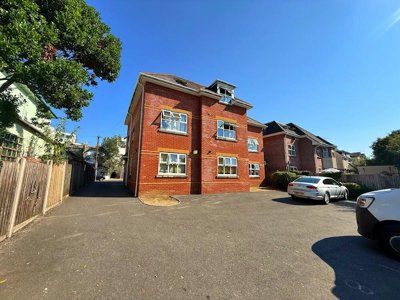
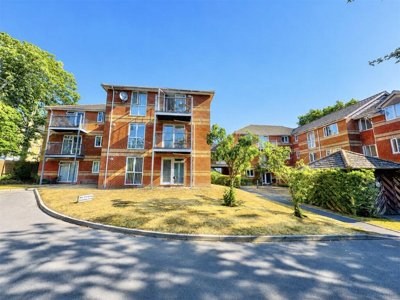
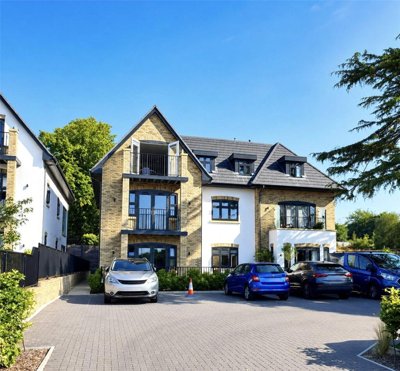
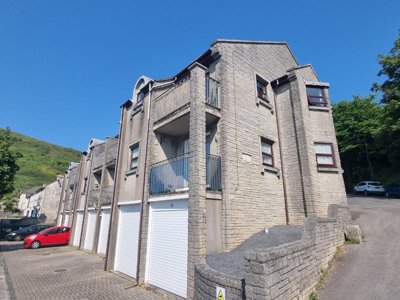
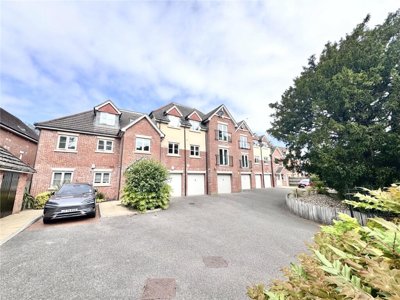
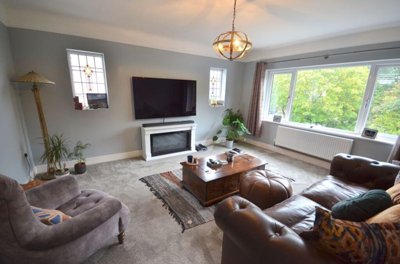
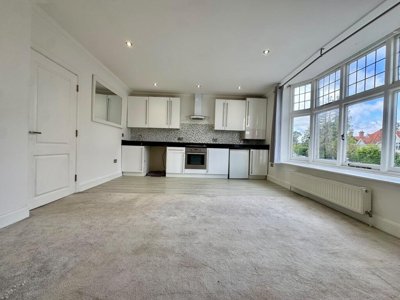
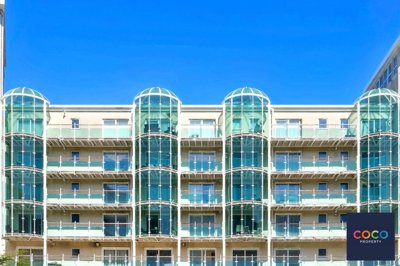
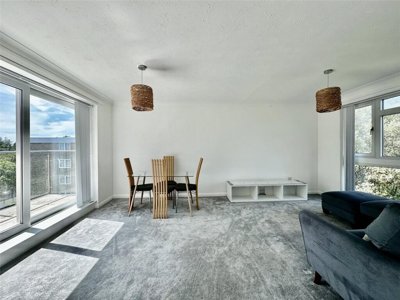
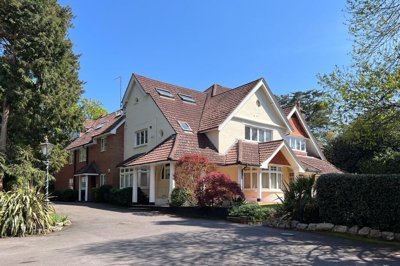
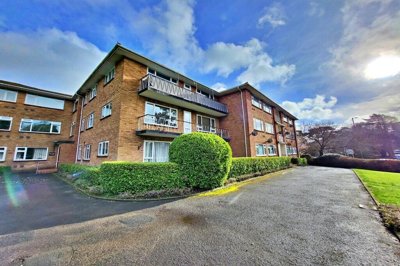
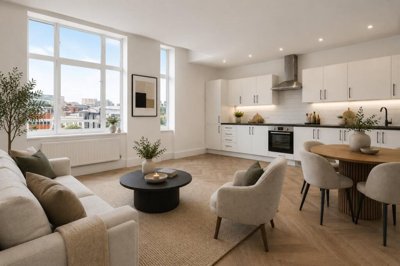
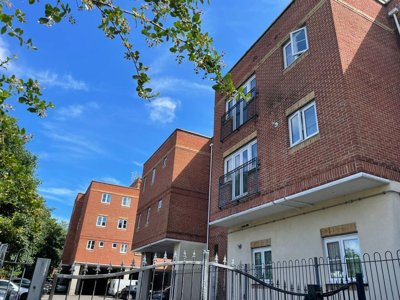
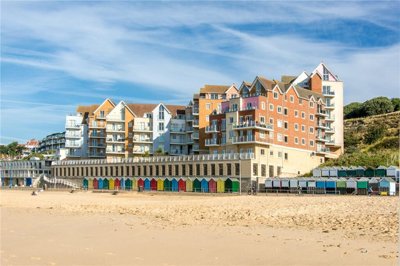
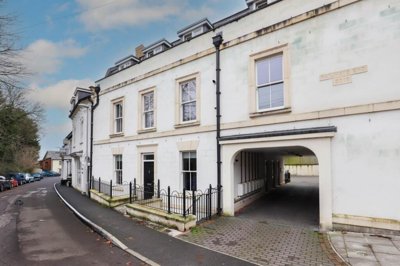
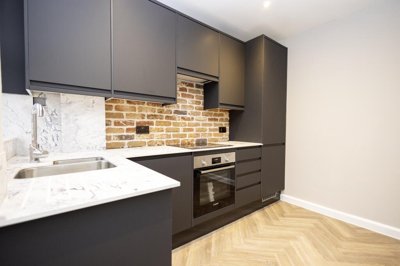
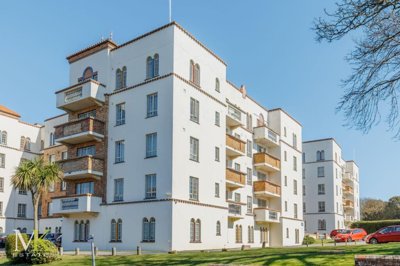
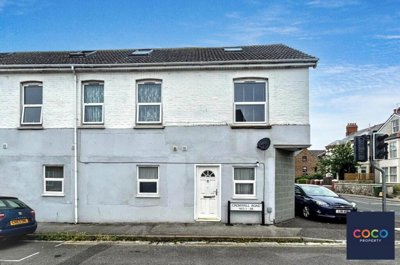
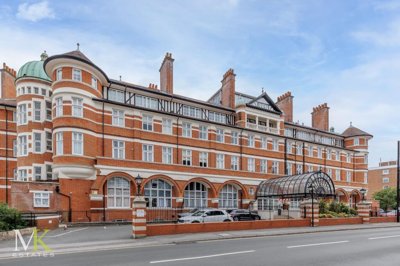
The 2 bed flat sector typically includes two separate bedrooms, dedicated living areas, and bathroom facilities. Properties in Dorset span purpose-built blocks, converted period houses, and modern apartment complexes on various floors.

Dorset, England Market Snapshot

Median Rent

£1,150/m

Total Listings

119

New This Week

2

Avg Days Listed

56

Source: home.co.uk

Showing 119 results for 2 Bedroom Flats to rent in Dorset, England. 2 new listings added this week. The median asking price is £1,150/month.

Price Distribution in Dorset, England

£500-£750/m
1
£750-£1,000/m
20
£1,000-£1,500/m
89
£1,500-£2,000/m
9

Source: home.co.uk

Property Types in Dorset, England

100%

Flat

119 listings

Avg £1,168

Source: home.co.uk

Bedrooms Available in Dorset, England

2 beds 119
£1,168

Source: home.co.uk

The Dorset Rental Market

The Dorset property market demonstrates remarkable resilience despite national economic headwinds, with average house prices hovering around £387,000 according to recent data from major property portals. Historical sold prices over the last twelve months show a modest 2% decline compared to the previous year, and prices now sit approximately 5% below the 2022 peak of £408,937. This softening has created opportunities for renters as some property owners choose to enter the lettings market, increasing the supply of available rental properties across the county. The market remains competitive in sought-after areas, particularly coastal towns and villages within easy commuting distance of major employment centres.

Property types available for rent in Dorset reflect the county's varied housing stock, with detached homes commanding the highest rents due to their relative scarcity and family-friendly appeal. The county's housing stock breaks down approximately as 38% detached properties, 24% flats, 20% terraced homes, and 18% semi-detached properties, based on current property type distribution data. Flats comprise around 24% of the housing stock and offer more accessible rental options, particularly for first-time renters and young professionals looking to establish themselves in desirable areas like Poole or Bournemouth. Semi-detached properties often provide the best value for families needing additional bedroom space without the premium pricing of detached homes. The rental market sees seasonal fluctuations, with increased demand during spring and summer months as families seek to relocate outside the academic year and holidaymakers explore longer-term lets in coastal areas.

New build activity in Dorset accounted for approximately 1.8% of total sales between January and December 2025, with most new properties sold in the £300,000 to £500,000 price range. The postcode sector DT11 9, covering areas around Blandford Forum, saw the most new home sales with 29 properties sold in this period, indicating ongoing development activity in North Dorset. For renters, new build properties may offer modern facilities and energy efficiency benefits, though rental availability in new developments varies by location and developer release schedules.

Find Rentals Dorset

Living in Dorset

Dorset captures the essence of English countryside living with a character shaped by its exceptional geology and dramatic coastline. The county's underlying geology creates a diverse landscape, from the chalk uplands of the Dorset Downs and Cranborne Chase to the distinctive limestone formations of Portland and Purbeck that have provided building materials for centuries. Traditional Dorset properties often feature local Purbeck stone, flint, and render, with thatched roofs adding charm to many village homes. The use of Portland stone extends beyond domestic properties to famous London landmarks, demonstrating the quality of Dorset's natural resources and the architectural heritage embedded in its settlements.

The county's population centres around several vibrant towns, each offering distinct character and amenities for residents. Dorchester, Dorset's county town, combines Roman and Georgian heritage with modern shopping facilities and a thriving cultural scene. Poole and Bournemouth provide the major urban centres with extensive shopping, dining, and entertainment options along with their famous beaches. Smaller towns like Sherborne, with its magnificent abbey and historic buildings, and Shaftesbury, perched atop the famous Gold Hill, offer quintessential Dorset charm with weekly markets and community events that draw visitors from across the region.

Dorset's economy benefits from diverse sectors including tourism along the Jurassic Coast, advanced manufacturing around Poole, agricultural enterprises across the rural interior, and significant defence-related employment at Bovington Camp and Blandford Forum. The county attracts considerable retirement migration, creating a balanced demographic profile and supporting extensive healthcare and leisure services. Local amenities across Dorset include excellent independent shops in market towns, traditional pubs serving locally-sourced food, and excellent walking and cycling routes that showcase the county's Areas of Outstanding Natural Beauty.

Rental Search Dorset

Schools and Education in Dorset

Dorset offers a strong educational landscape that makes the county particularly attractive to families considering renting long-term. The county maintains a network of primary schools across both urban and rural areas, with many achieving excellent Ofsted ratings and serving defined catchment areas that influence property choices for parents. Primary schools in towns like Wimborne Minster, Dorchester, and the Bournemouth and Poole suburbs provide good options, while village primary schools serve smaller communities with the advantage of smaller class sizes and strong community ties. Parents should research individual school performance and catchment boundaries when selecting rental properties, as these can significantly impact daily family routines and reduce commute times for school runs.

Secondary education in Dorset includes excellent grammar schools, particularly in areas like Poole and Bournemouth where selective education provides pathways to some of the county's highest-performing state schools. The Poole Grammar Schools consistently rank among the top-performing secondary schools in Dorset, attracting families specifically to that area. Non-selective secondary schools in towns such as Ferndown, Blandford Forum, and Sherborne offer comprehensive education with good facilities, many having undergone recent investments in technology and specialist teaching spaces. For families requiring sixth form or further education provision, several schools offer comprehensive sixth forms while Dorset's colleges provide vocational and academic courses across the county.

Independent education options in Dorset include the prestigious Sherborne School, which draws students from across the region and beyond, and several other independent preparatory and secondary schools serving families seeking private education. For higher education, Dorset residents typically access universities in Bournemouth, Southampton, and Exeter, with the University of Bournemouth offering a range of undergraduate and postgraduate programmes. The presence of quality educational provision throughout Dorset makes it a sensible choice for families at all stages, from those with young children to those approaching GCSE and A-level years.

Rental Properties Dorset

Transport and Commuting from Dorset

Transport connectivity from Dorset has improved significantly in recent years, with the county now benefiting from regular rail services connecting major towns to London and other regional centres. The mainline railway from Bournemouth and Poole reaches London Waterloo in approximately two hours, making these coastal towns viable options for commuters who work in the capital but wish to enjoy Dorset's lifestyle benefits. Dorchester provides connections to the West Country and South Wales via different routes, while smaller stations at towns like Sherborne and Gillingham offer additional options for residents in North Dorset. Bus services operated by various providers connect smaller communities with larger towns, though frequency varies significantly between rural and urban routes.

Road travel within Dorset relies primarily on the major A-roads that traverse the county, including the A35 running east-west through Bournemouth, Poole, and Dorchester toward Exeter, and the A31 providing access to the New Forest and beyond. The M27 motorway terminates near Southampton, providing efficient access to the wider motorway network for residents willing to travel to the county boundary. Major congestion points include the approaches to Poole Bridge during peak hours and the A35 through Honiton in East Devon during holiday periods. Some residents in North Dorset commute regularly to Salisbury or Southampton for work, taking advantage of the A30 and A36 connections.

Cycling infrastructure has expanded in recent years, particularly around Bournemouth and Poole where dedicated routes provide alternatives to car travel for shorter journeys. The county council has invested in several traffic-free cycle paths connecting urban areas with popular destinations, making cycling a viable option for daily commutes where suitable routes exist. For air travel, Bournemouth Airport offers limited commercial services while Southampton Airport and Bristol Airport provide broader connections to UK and European destinations, accessible within approximately one to two hours drive from most parts of Dorset.

Renting Guide Dorset

How to Rent a Home in Dorset

1

Get Your Rental Budget in Principle

Contact lenders or use Homemove's rental budget calculator to establish exactly how much you can afford in monthly rent. A rental budget agreement in principle strengthens your position when applying for properties and demonstrates to landlords that you are a serious prospective tenant. In Dorset, where average rents vary significantly by location and property type, understanding your budget ceiling helps narrow searches effectively to properties within your range.

2

Research Dorset Neighbourhoods

Explore different areas of Dorset to find locations that match your lifestyle needs. Consider proximity to work, schools, amenities, and transport links. Coastal areas like Poole and Bournemouth offer different advantages compared to market towns like Sherborne and Shaftesbury. Each area has distinct rental price profiles and availability, so researching specific postcodes can reveal opportunities that broader area searches might miss.

3

Search and View Properties

Use Homemove to browse available rental properties in Dorset. Once you find properties that interest you, arrange viewings to assess the condition, location, and suitability of each home. Take photos and notes during viewings to help compare options later. Many rental properties in Dorset attract multiple viewings, so acting promptly when you find a suitable property can be advantageous in competitive areas.

4

Understand the Costs

Beyond monthly rent, budget for a deposit (typically five weeks rent), referencing fees, and any upfront costs like inventory checks. First-time renters in Dorset should check eligibility for relief on applicable fees. Ensure you have funds available for immediate costs upon moving in. Additional moving costs may include removal services, furniture purchases if moving from unfurnished properties, and potential connection fees for utilities.

5

Submit Your Application

When you find your ideal property, submit a formal rental application with references, proof of income, and identification. Your letting agent or landlord will conduct tenant referencing checks before offering the tenancy to the strongest applicant. Having documentation ready in advance can expedite the application process and demonstrate your preparedness as a tenant.

6

Sign Your Tenancy Agreement

Once your application is approved, you will receive and sign your tenancy agreement. Ensure you understand all terms including the deposit protection scheme, notice periods, and maintenance responsibilities before signing. In Dorset, tenancy agreements typically run for six months or twelve months initially, with periodic rent reviews specified in the terms.

What to Look for When Renting in Dorset

Renting properties in Dorset requires awareness of several area-specific factors that can significantly impact your tenancy experience. Properties in coastal areas like Poole, Bournemouth, and Weymouth may face specific challenges related to their proximity to the sea, including higher humidity levels that can lead to condensation issues and the potential for coastal erosion affecting certain properties. Renters should inspect properties carefully for signs of damp, particularly in older buildings where solid wall construction provides less insulation than modern cavity wall properties. Properties in former mining areas of Purbeck may have different ground stability considerations compared to other parts of the county.

Conservation areas and listed buildings are numerous throughout Dorset, with strict planning controls affecting what tenants can and cannot do to their rental properties. Many towns and villages including Dorchester, Sherborne, Wimborne Minster, Shaftesbury, and numerous coastal settlements have designated conservation areas that restrict external modifications. Renters in these protected properties should be aware that permission for modifications such as installing satellite dishes, painting external walls, or making structural alterations will likely be restricted. Older properties throughout the county often feature traditional construction methods and materials that require different maintenance approaches compared to modern homes, and tenants should report maintenance issues promptly to avoid small problems developing into significant defects.

Flood risk represents a genuine consideration for renters in certain Dorset locations, with properties in towns along major rivers including Dorchester, Blandford Forum, Wareham, and Wimborne Minster potentially at risk from fluvial flooding during periods of heavy rainfall. The rivers Stour, Frome, Piddle, and Brit all have floodplains that can affect properties in their valleys. Coastal properties face additional tidal and storm surge risks, especially in low-lying areas of Poole, Christchurch, and Weymouth. Renters should verify whether their potential property falls within identified flood zones using Environment Agency maps, and should ensure their contents insurance adequately covers flooding scenarios as excess amounts can vary significantly between policies.

Rental Market Dorset

Frequently Asked Questions About Renting in Dorset

What is the average rental price in Dorset?

Average rental prices in Dorset vary considerably depending on property type and location, with flats typically offering more affordable options starting from around £800 per month for a one-bedroom property in less central areas. Larger family homes with three or four bedrooms in sought-after locations like Poole, Bournemouth, and Wimborne can command rents of £1,500 to £2,500 per month or more. The overall property market in Dorset shows average prices around £387,000, which influences landlord rental expectations and overall market dynamics across the county. Coastal premium locations and properties near excellent schools typically command higher rents than comparable properties in less sought-after areas.

What council tax band are properties in Dorset?

Council tax bands in Dorset vary by property and are determined by the Valuation Office Agency based on property values as of April 1991. The majority of Dorset falls under Dorset Council, with Bournemouth and Poole having their own unitary authorities that set council tax rates independently. Renters should check the specific council tax band for any property they are considering, as this affects the monthly cost of living in that property. Bands typically range from A (lowest) to H (highest), with coastal properties and larger family homes generally falling in higher bands. Council tax charges can vary by several hundred pounds per year between bands, making this an important factor in budgeting for a rental property.

What are the best schools in Dorset?

Dorset offers excellent educational options at all levels, with primary schools in towns like Wimborne Minster, Ferndown, and Corfe Mullen consistently achieving good Ofsted ratings for their Key Stage 2 results. Secondary education includes the Poole Grammar Schools for boys and girls, which feature selective admission based on academic ability, along with highly-performing academies such as Corfe Hills School and Shaftesbury School. Sherborne School provides prestigious independent secondary education for boys, while St Mary's School in Shaftesbury offers independent education for girls. The county's schools serve distinct catchment areas that parents should research when selecting rental properties, as school admission policies significantly influence access to the most sought-after educational establishments.

How well connected is Dorset by public transport?

Public transport connectivity in Dorset has improved with regular rail services from Bournemouth and Poole to London Waterloo, typically taking around two hours for the direct service. Bus services connect towns and villages throughout the county, though rural routes often have less frequent services than urban ones, with some villages served by only one or two buses per day. The major road network includes the A35 and A31 providing good east-west connectivity, though some rural areas remain relatively isolated without private vehicle access. For commuting to London, the twice-hourly rail service from Bournemouth provides a reliable option for those working in the capital several days per week.

Is Dorset a good place to rent in?

Dorset offers an exceptional quality of life that makes it highly desirable for renters, combining beautiful natural landscapes with good amenities and reasonable connectivity to larger employment centres. The county provides diverse housing options from coastal apartments in Poole and Bournemouth to country cottages in the Blackmore Vale around Sherborne, catering to various lifestyles and budgets. While rental demand remains strong in popular areas, the market offers good variety for those seeking their ideal home, and the presence of multiple employment sectors including tourism, advanced manufacturing, defence, and healthcare provides economic stability for long-term residents. The strong sense of community in Dorset's towns and villages, combined with excellent walking countryside and beautiful beaches, makes it a rewarding place to call home.

What deposit and fees will I pay on a property in Dorset?

Standard deposits on rental properties in Dorset are typically set at five weeks rent, protected in a government-approved scheme throughout the tenancy and returned at the end minus any legitimate deductions for damage or unpaid rent. This deposit sits in a custodial scheme within 30 days of receiving it, and tenants receive detailed information about the scheme used and how to resolve any disputes at the end of the tenancy. Tenant referencing fees have been capped under the Tenant Fees Act 2019, though some costs may still apply for credit checks, right to rent verification, and employment references. First-time renters should check eligibility for any fee relief schemes, and additional costs may include inventory check fees and upfront rent payments. Budget typically requires the first month rent plus deposit available at signing, so having funds readily accessible is essential for securing your chosen property quickly in competitive areas.
Deposit and Fees for Renting in Dorset

Understanding the full cost of renting in Dorset extends beyond monthly rent to include various upfront and ongoing fees that renters must budget for carefully. The standard deposit requirement in England and Wales, including Dorset, is five weeks rent, protected in a government-approved scheme throughout the tenancy and returned at the end minus any legitimate deductions for damage or unpaid rent. This deposit sits in a custodial scheme within 30 days of receiving it, and tenants receive detailed information about the scheme used and how to resolve any disputes at the end of the tenancy. Our team can explain the deposit protection process in detail and advise on what constitutes legitimate deductions at the end of a tenancy.
Tenant referencing fees have been capped under the Tenant Fees Act 2019, though some costs may still apply for credit checks, right to rent verification, and employment references. Landlords are limited in what they can charge for fees, with holding deposits capped at one week's rent and refundable against the first month's rent if the tenancy proceeds. Permitted payments include rent, deposit, utilities where applicable, and communication services, while charges for drawing up tenancy agreements by letting agents must be reasonable and itemised. Renters should request a full breakdown of any fees before committing to a property to avoid unexpected costs.

For those renting properties valued above certain thresholds, Stamp Duty land tax considerations do not apply to rental properties as this tax only concerns property purchases. However, renters should consider other moving costs including removal services, furniture purchases if moving from unfurnished properties, and potential estate agent fees if using a service to find properties. Building insurance is typically the landlord's responsibility, but tenants should consider contents insurance to protect their personal belongings, with premiums varying based on property location, value of contents, and chosen coverage levels. Flood risk areas may attract higher insurance premiums, so renters in towns like Dorchester, Blandford Forum, or coastal areas should obtain quotes before committing to a tenancy.

Find Rentals Dorset

Browse Homes to Rent Across the UK

Terms of use Privacy policy All rights reserved © homemove.com | Properties to Rent » England » South West » Dorset » Dorset, England

Homemove is a trading name of HM Haus Group Ltd (Company No. 13873779, registered in England & Wales). Homemove Mortgages Ltd (Company No. 15947693) is an Appointed Representative of TMG Direct Limited, trading as TMG Mortgage Network, which is authorised and regulated by the Financial Conduct Authority (FRN 786245). Homemove Mortgages Ltd is entered on the FCA Register as an Appointed Representative (FRN 1022429). You can check registrations at NewRegister or by calling 0800 111 6768.