Pick the right path and we'll point you to the next step.
I'm the homeowner
Track this property, get market updates, and list it on Home when you're ready to sell or let.
I'm an estate agent
Claim your branch on Home.co.uk, list your properties for free, and reach buyers actively searching your area.

From riverside apartments to country cottages, search hundreds of thousands of properties for sale, to rent, and recently sold, all enriched with three decades of market data.
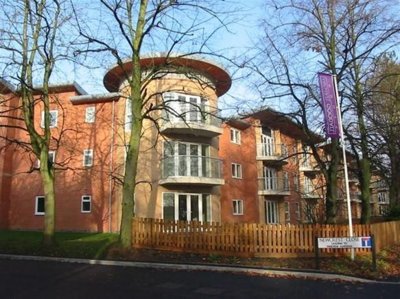
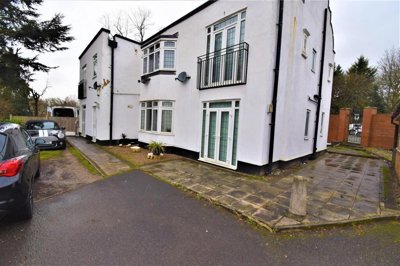
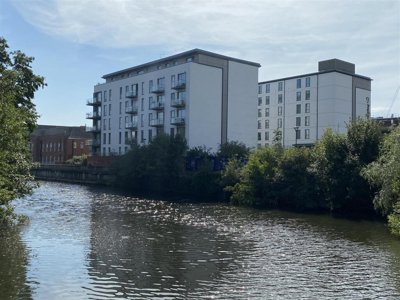
Browse 40 rental homes to rent in Derby, East Midlands from local letting agents.
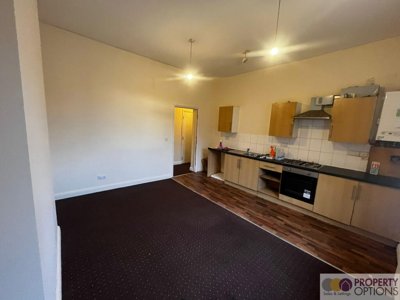
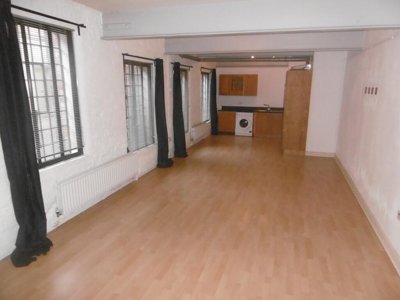
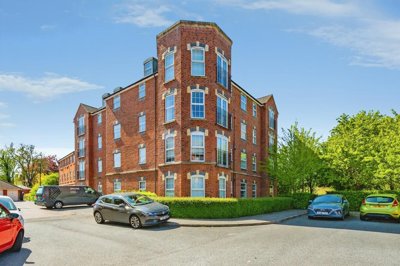
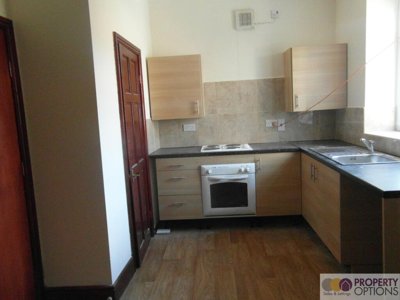
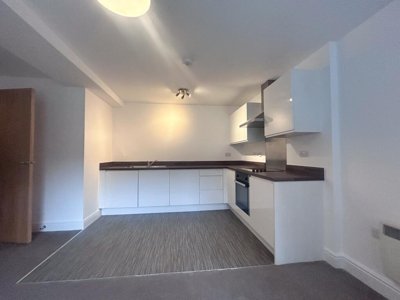
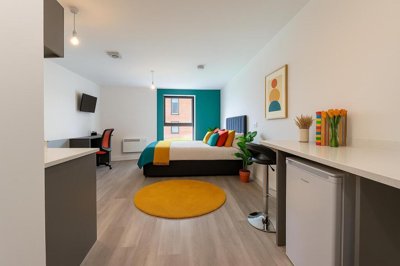
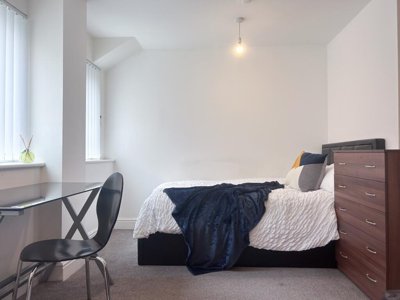
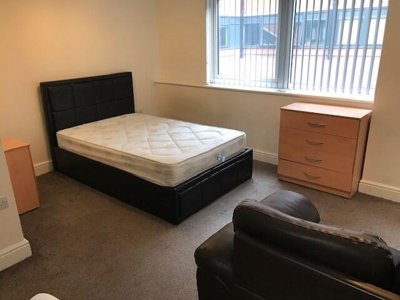
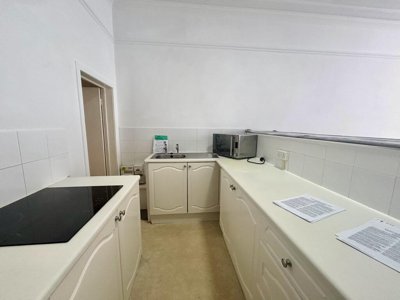
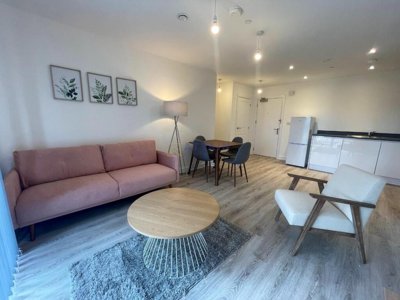
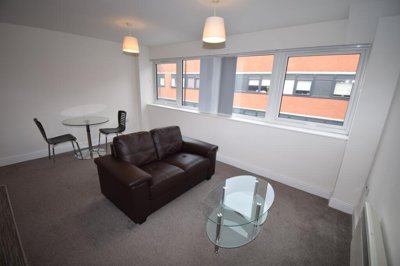
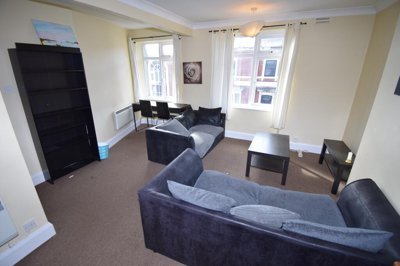
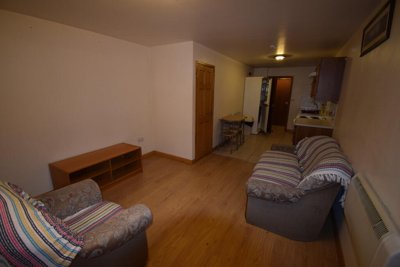
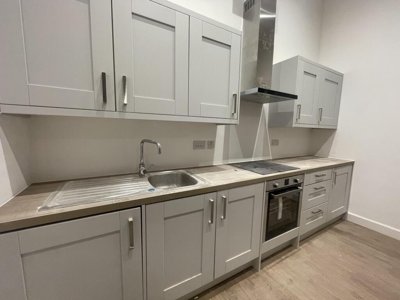
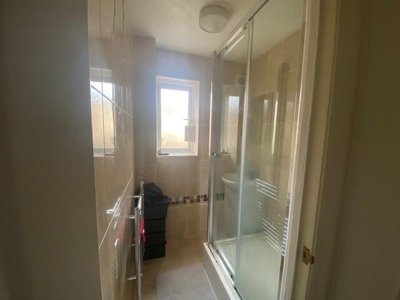
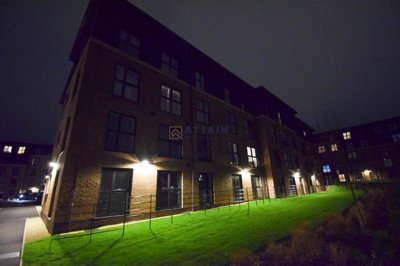
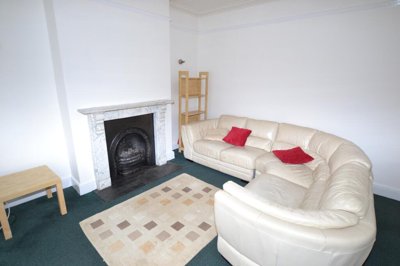
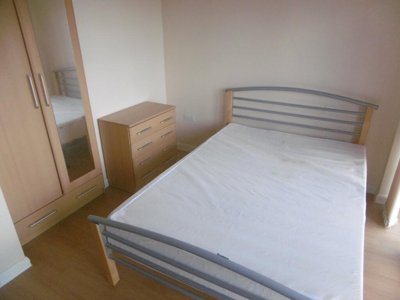
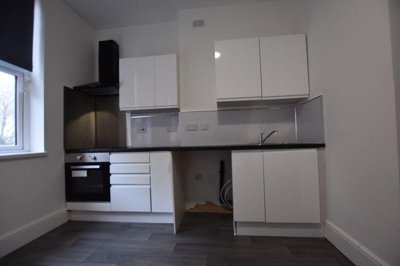
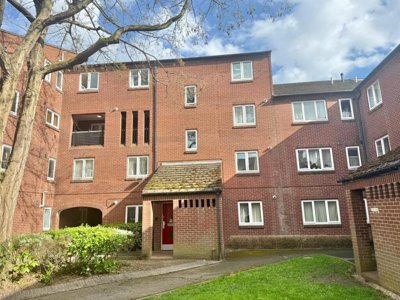
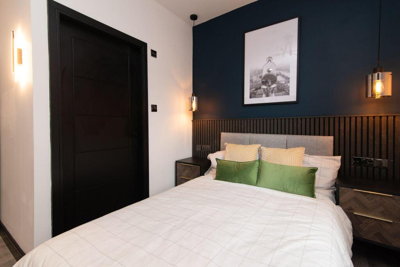
Studio apartments feature open-plan living spaces without separate bedrooms, incorporating sleeping, living, kitchen, and bathroom facilities. The Derby studio market includes properties in modern apartment complexes, converted Victorian and Georgian buildings, and purpose-built developments.
£735/m
48
1
51
Source: home.co.uk
Showing 48 results for Studio Flats to rent in Derby, East Midlands. 1 new listing added this week. The median asking price is £735/month.
Source: home.co.uk
Flat
48 listings
Avg £754
Source: home.co.uk
Source: home.co.uk
Derby’s wider housing market helps explain why renting stays busy here. homedata.co.uk records show around 9,506 property sales in the latest 12 months, a level of turnover that points to people moving regularly across the city. The average sold price is £245,924, with terraced homes at around £176,743 and flats at around £152,502, so Derby still sits below many larger UK urban areas on price. For renters, that tends to mean a decent spread of homes, from smaller apartments and starter homes to larger family properties.
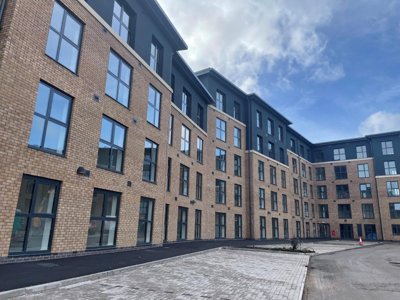
Choice is also shaped by what is being built now. Local schemes currently include Nightingale Quarter with 925 one, two and three-bedroom homes and apartments, Marble Square on Nightingale Road in DE24, Radbourne View in DE22 and The Meadows in DE24. Fresh supply matters, especially for renters weighing up monthly costs, because newer stock often means modern apartments or family houses with better energy performance. We use home.co.uk to check live homes to rent, so what you see is what is on the market now, not an out-of-date snapshot.

More than a stop on the map, Derby feels like a city with its own working rhythm. The River Derwent runs through the middle, and streets such as Sadler Gate and Wardwick still give the centre a clear historic shape, with stone and red-brick buildings across key parts of town. There are 16 designated conservation areas, among them Friar Gate, the City Centre, Darley Abbey, Allestree, Markeaton and Mickleover. That matters if you are drawn to older terraces, converted villas or streets with some history behind them.
Green space changes the feel of Derby more than many renters expect. Markeaton Park, Darley Park and the Arboretum break up the built-up areas, while Allestree and Mickleover often feel calmer than the core. Under the surface, the local geology is mixed, with sandstones, mudstones and coal measures affecting the landscape and, in places, the way older housing has aged. Worth checking closely. On some streets, especially where homes pre-date modern construction standards, drainage, subsidence and maintenance history deserve proper attention.
Derby’s housing stock is mixed, and you notice that quickly once you move around the city. In one stretch of postcode you can pass older central homes, then post-war estates, then newer schemes on the edge. It also has a sizeable rental culture, with a strong private rented sector and a good number of homes aimed at professionals, students and young families. For anyone weighing up practical living, local jobs and real choice by budget, Derby is hard to dismiss.
School access shapes plenty of rental moves here. Local data does not name individual primary or secondary schools, so we will not guess, but Derby is large enough to give catchment options across Allestree, Mickleover, Chaddesden, Chellaston and Littleover. Most families start with the exact street, then check admission areas, Ofsted reports and the time it takes to get to the school gate. That usually works better than chasing a nice listing first and asking questions later.
There is more to Derby’s education picture than schools. The University of Derby is a major local employer and part of the city’s identity, while Derby College adds further education and vocational routes across the area. That brings in a steady stream of students, staff and early-career professionals, which helps support rental demand near the city centre. In practical terms, renters often see more choice in shared homes, studios and compact one-beds, especially in locations close to key routes.
Some parts of Derby are simply easier for family life day to day. Allestree and Mickleover are often chosen by renters after a more residential setting, while Chellaston and Chaddesden can suit people who need extra space and direct road access. The better approach is to line up the school run, the commute and the budget before building a viewing list. Anyone relocating from outside Derby should check catchments early, because homes that suit family planning can move fast.
Location is one of Derby’s strongest cards, especially for renters travelling around the Midlands. The city has rail connections to London, Nottingham, Birmingham and Leicester, and it sits near the A38, A50, A52 and the M1 corridor. That spread works for people employed in manufacturing, aerospace, rail, healthcare and education, because the daily journey is not tied to one direction only. We often see Derby shortlisted by renters who want a central base without feeling cut off.
Inside the city, public transport is functional and that suits plenty of renters. Bus corridors connect the main neighbourhoods with the city centre, the station and retail areas, and cycling can work well for shorter local trips if you would rather skip parking. Car use needs a bit of thought, though, because parking is often easier in outer residential districts and newer developments than in the busier centre. For households mixing hybrid work with office days, that flexibility can make Derby easier to live with.

Some lets in Derby go quickly, so being ready matters. Homes near the station, the city centre or the main employment hubs often catch the eye of professionals after a short commute, while larger suburban houses can suit families more closely. We always suggest getting references, ID and budget lined up before the search starts properly. It gives you a stronger chance when you are targeting a specific school catchment or a home near the Derwent corridor.
Knowing the area before you commit can save a lot of hassle later. In Derby, flood exposure, conservation restrictions, parking and building age can all shape the day-to-day reality of renting, and they are much easier to judge if you know what to look for. The sharpest tenants use each viewing to assess the street, the building and the lease terms, not just the décor. That matters here, where older homes, converted flats and newer estates can sit side by side.
Moving in from outside Derby takes a bit more prep. A place can look right on paper but prove awkward if it is far from the routes you use every day, or if it needs more upkeep than you expected. We recommend settling your budget, references and preferred areas before you start searching seriously. Then, when the right home shows up on home.co.uk, you are in a position to move quickly.
Older housing stock in Derby needs a proper once-over, particularly on central streets and in conservation areas where character homes may come with a longer maintenance history. A good number of properties were built around the middle of the twentieth century or earlier, so it is worth asking about wiring, insulation, roof condition and any previous damp treatment before agreeing terms. Stone and red-brick buildings can look the part, but they sometimes conceal ventilation problems, ageing electrics or uneven repairs where maintenance has slipped. During a viewing, we would always check windows, loft space, bathrooms and the ground around external walls.
Flood risk is one point not to skim over in Derby. The River Derwent and several tributaries affect parts of the city, and some city centre locations near the river have flooded before. Surface water can also cause trouble where drainage is weak or streets are heavily paved. That is not a reason to rule out the centre, but it is a reason to ask direct questions about the exact street and building. In lower-lying areas, look for clear answers on water management and evidence that maintenance has been kept up.
Ground conditions can matter just as much. In places where clay soils sit alongside mixed geology, shrink-swell movement is a real consideration, and some Derby homes merit closer inspection if you notice cracking, sloping floors or signs of earlier movement. Flats bring their own points to check, including service charges or leasehold terms that affect the landlord’s costs, which can feed into the rent and the facilities provided. In conservation areas, planning restrictions may also affect smaller changes, so if you want things like satellite dishes or altered décor, check the tenancy first.
Rather than rely on a town-wide figure, we check the specifics for your exact address. homedata.co.uk records put the wider Derby housing market at an average of £245,924, with prices up 2% year on year, which helps explain why local rents tend to stay competitive rather than cheap. If you want live asking rents by size, area and budget, home.co.uk is the best place to look.
Council tax in Derby can fall anywhere from band A to band H, depending on the property itself. For an exact answer on a specific address, Derby City Council is the authority to check. It is also worth remembering that a flat in a converted building can sit in a different band from a nearby terrace, even on the same postcode. Always confirm the individual home.
The supplied material does not list specific schools or Ofsted grades, but families often compare catchments in Allestree, Mickleover, Chaddesden, Chellaston and Littleover, then check current Ofsted information before applying. Derby also has established post-16 and higher education options through Derby College and the University of Derby.
For commuting, Derby is in a strong spot. Rail services connect the city with London, Nottingham, Birmingham and Leicester, while the A38, A50, A52 and M1 cover a wide range of road journeys across the Midlands. Buses and cycling can work well too, especially through the city centre and along the main residential corridors. Parking and journey times are less uniform, so the neighbourhood still matters.
For many renters, the answer is yes. Derby has a broad job base, central transport links and a housing market that remains more affordable than many bigger UK cities, which keeps demand up across different property types. You still need to check each area for issues such as flood risk, older wiring and conservation restrictions. Even so, the overall offer works well for professionals, families and people renting for the first time.
The standard tenancy rules for England apply in Derby as well. A holding deposit is usually capped at one week’s rent, and the tenancy deposit is generally capped at five weeks’ rent where annual rent is under £50,000. On top of that, most renters should budget for the first month’s rent, moving costs, utility setup and council tax after the agreement is signed. Straightforward, but worth planning for early.
Area choice often comes down to how you want to live day to day. Renters after a more walkable setup usually start with the Cathedral Quarter, Friar Gate and the streets around the station. Families tend to compare Allestree, Mickleover, Chaddesden, Chellaston and parts of the west side when they need more space and simpler school access. Derby gives you quieter options too, without having to leave the city altogether.
Renting in Derby is usually easier to manage when you cost the whole move, not just the headline rent. Upfront charges are limited by law, with tenancy deposits usually capped at five weeks’ rent and holding deposits usually capped at one week’s rent, so there should not be surprises where the landlord follows the rules. You will still need the first month’s rent, moving costs and some room in the budget for council tax, utilities and broadband. Then there are the smaller extras, furniture, cleaning, parking permits or setup costs for a flat or house that is not fully furnished.
Running costs can vary sharply from one Derby address to the next because the housing stock spans so many ages. Older stone or red-brick homes may need more spent on heating, ventilation and upkeep, while newer apartments can mean lower maintenance but come with service charges or leasehold conditions that affect overall living costs. A conservation area can add another layer, especially if later changes matter to you, such as external alterations or replacement windows. Our advice is simple, sort the budget early, read the tenancy terms carefully and keep some money back for the first few months.
Properties to Rent In London

Properties to Rent In Plymouth

Properties to Rent In Liverpool

Properties to Rent In Glasgow

Properties to Rent In Sheffield

Properties to Rent In Edinburgh

Properties to Rent In Coventry

Properties to Rent In Bradford

Properties to Rent In Manchester

Properties to Rent In Birmingham

Properties to Rent In Bristol

Properties to Rent In Oxford

Properties to Rent In Leicester

Properties to Rent In Newcastle

Properties to Rent In Leeds

Properties to Rent In Southampton

Properties to Rent In Cardiff

Properties to Rent In Nottingham

Properties to Rent In Norwich

Properties to Rent In Brighton

Properties to Rent In Derby

Properties to Rent In Portsmouth

Properties to Rent In Northampton

Properties to Rent In Milton Keynes

Properties to Rent In Bournemouth

Properties to Rent In Bolton

Properties to Rent In Swansea

Properties to Rent In Swindon

Properties to Rent In Peterborough

Properties to Rent In Wolverhampton

Enter your details to see if this property is within your budget.
Loans, cards, car finance
Estimated property budget
Borrowing + deposit
You could borrow between
Typical borrowing
Monthly repayment
Est. at 4.5%
Loan-to-value
This is an estimate only. Your actual budget may vary depending on interest rates, credit history, and personal circumstances. For an accurate affordability assessment, speak to one of our free mortgage advisors.
This calculator provides estimates for illustrative purposes only and does not constitute financial advice. Your home may be repossessed if you do not keep up repayments on your mortgage. Estimates based on 4.5% interest rate, repayment mortgage. Actual rates depend on your circumstances.
Homemove is a trading name of HM Haus Group Ltd (Company No. 13873779, registered in England & Wales). Homemove Mortgages Ltd (Company No. 15947693) is an Appointed Representative of TMG Direct Limited, trading as TMG Mortgage Network, which is authorised and regulated by the Financial Conduct Authority (FRN 786245). Homemove Mortgages Ltd is entered on the FCA Register as an Appointed Representative (FRN 1022429). You can check registrations at NewRegister or by calling 0800 111 6768.

We use cookies to show you personalised content and improve your experience of our website. Find out more in our Privacy policy and Cookie policy.