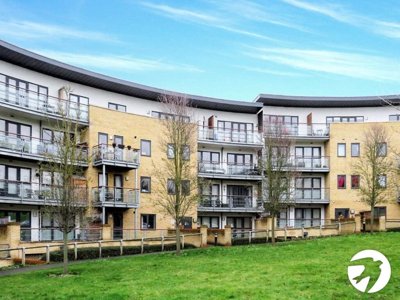
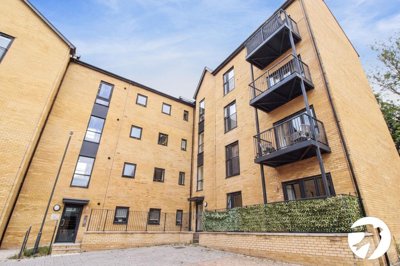
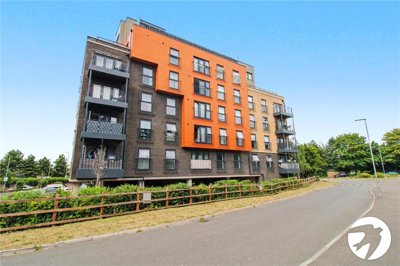
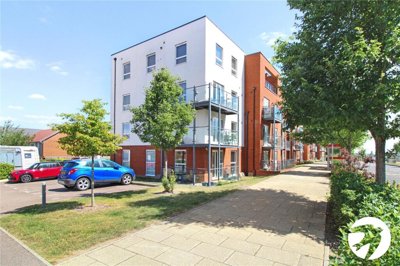
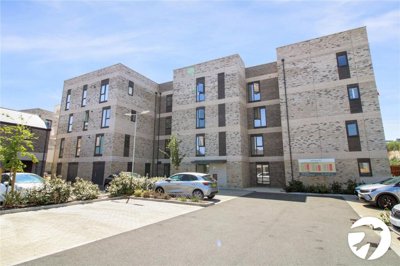
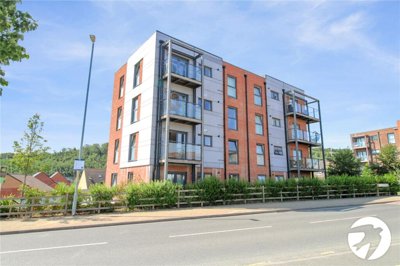
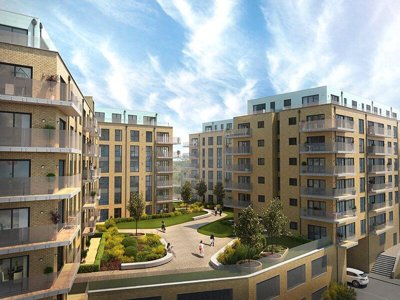
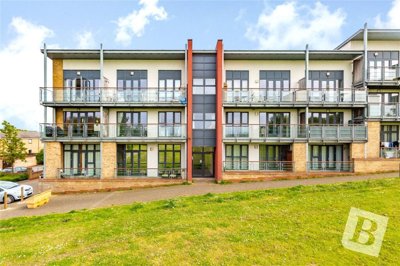
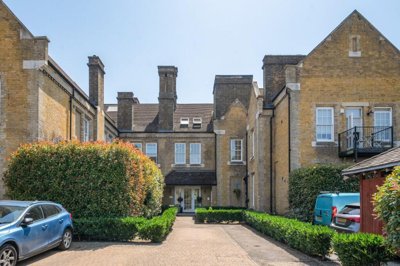
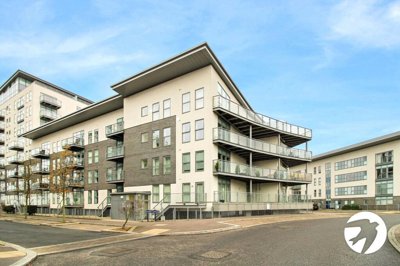
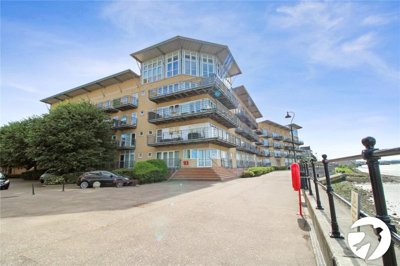
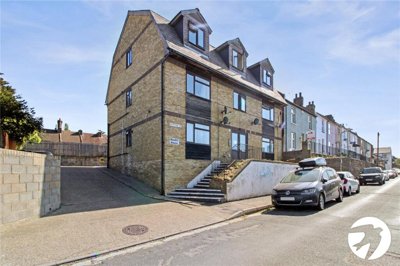
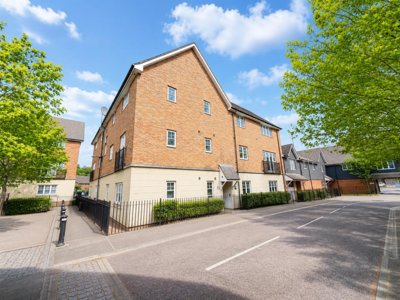
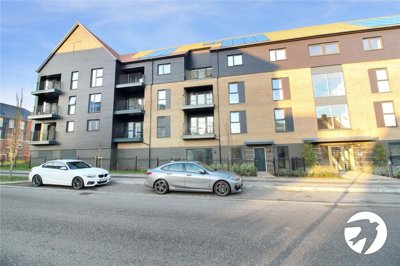
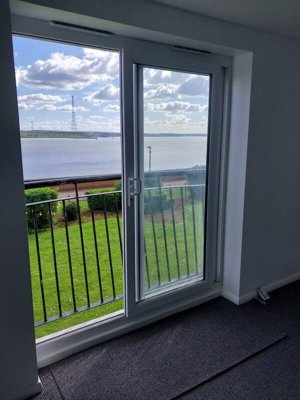
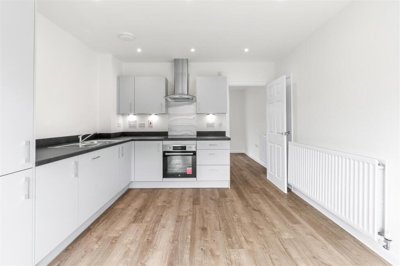
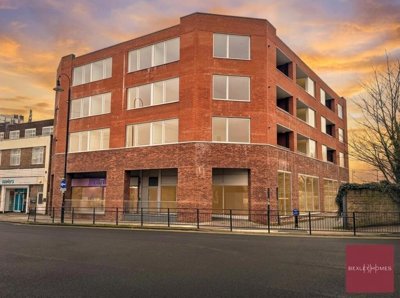
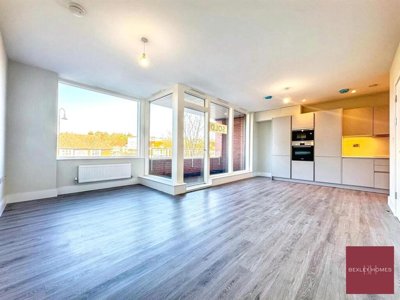
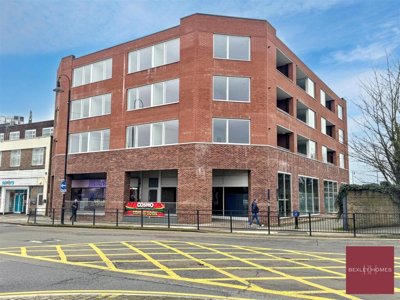
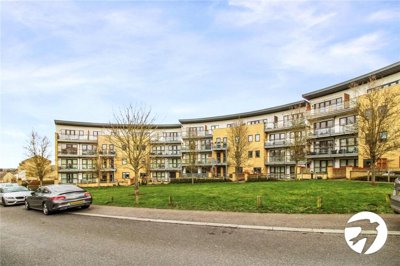
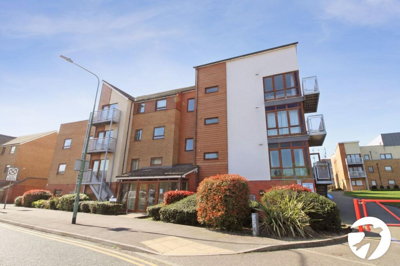
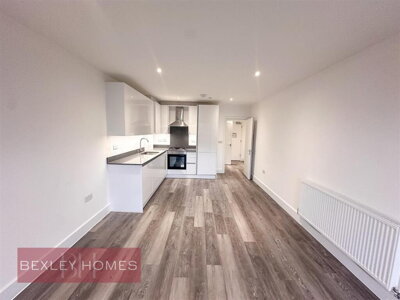
Browse 210 rental homes to rent in Dartford, Kent from local letting agents.
Studio apartments feature open-plan living spaces without separate bedrooms, incorporating sleeping, living, kitchen, and bathroom facilities. The Dartford studio market includes properties in modern apartment complexes, converted Victorian and Georgian buildings, and purpose-built developments.
£1,400/m
34
0
41
Source: home.co.uk
Showing 34 results for Studio Flats to rent in Dartford, Kent. The median asking price is £1,400/month.
Source: home.co.uk
Flat
34 listings
Avg £1,423
Source: home.co.uk
Source: home.co.uk
The Dartford rental market offers excellent variety for tenants seeking different property types and price points. Our listings include flats and maisonettes perfect for young professionals and first-time renters, with prices typically ranging from around £900 to £1,400 per month depending on size and location within the DA1 and DA2 postcode areas. Family houses, including terraced and semi-detached properties, form a significant part of the local rental stock, with three-bedroom homes generally available from £1,500 to £2,200 per month. Detached properties and larger family homes with four or more bedrooms can command higher rents, often reaching £2,500 or more in desirable neighbourhoods like Wilmington and Greenhithe. This variety means renters can find everything from compact starter flats to substantial family homes within the Dartford area.
The sales market provides useful context for renters, with the average house price in Dartford standing at approximately £356,000 according to recent ONS data, showing a 1.7% increase over the previous year. Property prices by type show terraced homes averaging £349,000, semi-detached properties at £435,000, and detached houses reaching £713,000. Flats and maisonettes average around £216,000 on the sales market. These figures influence the rental market, as landlords base their pricing on purchase costs, mortgage rates, and local demand. New build developments in the area, such as Monarch Place with properties ranging from £450,000 to £675,000, contribute to premium rental options for tenants seeking modern accommodation.
Recent market activity shows around 4,800 property sales in the Dartford postcode area over the past year, with terraced properties accounting for approximately 34.7% of sales and semi-detached homes at 33.9%. Flats represent about 20.6% of sales, while detached properties make up 10.7% of the market. This sales mix reflects the availability of rental properties in each category, as many landlords purchase properties across these types to offer as rentals. The Dartford rental market remains active with new properties becoming available regularly through local letting agents.

Dartford offers a welcoming and diverse community that appeals to a wide range of residents, from young professionals commuting to London to growing families seeking space and good schools. The town centre has undergone significant regeneration, with The Bridge development bringing new amenities, cafes, and public spaces that have enhanced the urban environment. Residents appreciate the blend of historic character, with several conservation areas protecting the architectural heritage of parts of Dartford and West Dartford, alongside modern facilities and new housing developments. The local economy benefits from strong logistics and distribution sectors, retail employment at nearby Bluewater shopping centre, and light industrial businesses throughout the area, providing jobs across various skill levels.
The geography of Dartford includes the River Darent flowing through the town towards the Thames, creating pleasant green corridors and open spaces along its banks. The area sits partly on chalk geology, particularly to the south, with London Clay deposits present in other areas, which influences both the local landscape and certain property considerations for renters. Properties built on clay soils can be susceptible to subsidence or heave depending on moisture levels, so understanding the underlying geology is useful when evaluating potential rental homes. Parks and open spaces are well-distributed throughout the town, providing recreation areas for families and individuals alike. The proximity to the Kent countryside means residents have easy access to rural walks, country pubs, and scenic villages within a short drive.
Community life in Dartford is active, with local events, sports clubs, and strong neighbourhood associations contributing to a sense of belonging in this traditionally Kentish town. The town centre features a mix of independent shops and national retailers, while theOrchard Theatre provides entertainment options for residents. Local pubs and restaurants offer social gathering spaces, and the weekly market in the town centre has been a feature of Dartford life for generations. For those moving to the area, getting involved in local community groups can help establish connections and learn about the neighbourhood from long-term residents.

Families renting in Dartford benefit from a good selection of schools at all levels, making the area popular among parents seeking quality education for their children. Primary schools in the area include several that have achieved good or outstanding Ofsted ratings, serving families across different neighbourhoods of Dartford and the surrounding villages. The Brent Primary School and Holy Trinity Primary School are among those with positive Ofsted reports, providing solid educational foundations for younger children. Parents should research specific catchment areas, as school admissions in Kent are typically based on proximity, and rental properties within certain postcodes may qualify for priority placement.
Secondary education options include both local authority schools and grammar schools, with the latter requiring students to pass the Kent selection test for admission. Dartford Grammar School for Boys and Dartford Grammar School for Girls both have sixth forms offering A-level courses alongside their secondary provision and consistently achieve strong academic results. Other notable secondary schools include Dartford Science and Technology College and Wilmington Grammar School for Boys. Secondary schools in Dartford and nearby areas have shown strong GCSE performance in recent years, with good progression rates to further education. For families seeking grammar school education for their children, passing the Kent selection test is required for admission to these selective schools.
For sixth form and further education, students can access courses at school sixth forms or at colleges in the wider Kent area. The University of Kent campus at Canterbury and the University of Greenwich are accessible for older students, with good bus and rail connections from Dartford. Several primary schools in the area have received recognition for their educational quality, providing solid foundations for children before they transition to secondary education. When searching for rental properties in Dartford, families should consider school catchment areas and admission criteria, as properties near popular schools can be in high demand and may command premium rents. Our property listings include location information to help you identify homes within good school catchment zones.

Transport connectivity is one of Dartford strongest assets, making the town particularly attractive to commuters working in London or the wider South East. Dartford railway station offers Southeastern services to London Victoria, London Cannon Street, and London Bridge, with journey times to the capital typically taking 40-50 minutes depending on the service and destination. Thameslink services also call at Dartford, providing access to additional London stations including Farringdon, St Pancras International, and Luton Airport. For those working in Canary Wharf or the City, these rail connections provide practical daily commute options that make Dartford a viable base.
Road connectivity from Dartford is excellent, with the M25 motorway surrounding the town and providing connections to the M11, M20, and the wider motorway network. The A2 trunk road runs through Dartford, offering a direct route towards Canterbury and the Kent coast. For those travelling to London by car, the Blackwall Tunnel and Dartford Crossing provide river crossings, though these can experience congestion during peak hours. The strategic location of Dartford, between the M25 and major A-roads, makes it accessible for those who need to travel by car for work or leisure. Bus services operated by Arriva and other providers connect Dartford with surrounding towns and villages, offering practical public transport options for local journeys and those without car access.
The station has good facilities including parking, cycle storage, and step-free access to platforms. Cyclists benefit from dedicated cycle lanes on some routes and connections to the National Cycle Network, while pedestrian infrastructure in the town centre has improved with recent regeneration work. For residents without a car, the combination of rail services and local bus routes provides comprehensive connectivity across the area and into London. Those considering renting in Dartford should factor commute times into their property search, as homes closer to the station often command premium rents due to demand from daily commuters.

Before searching for properties in Dartford, work out how much you can afford to spend on rent each month. Include not just rent but also council tax, utility bills, and moving costs. Getting a rental budget agreement in principle from a lender can strengthen your application when you find a property you like. Most rental properties in Dartford fall within council tax bands B through D, so budgeting an additional £100-£180 per month for council tax is advisable.
Spend time exploring different neighbourhoods in Dartford to find areas that match your lifestyle needs. Consider commute times if you work in London or the wider South East, proximity to schools if you have children, local amenities, and the character of different areas from the town centre to quieter suburbs like Wilmington and Bean. Each neighbourhood has distinct characteristics, so visiting at different times of day can give you a fuller picture of what living there would be like.
Once you have identified suitable properties, contact the letting agent to arrange viewings. Our platform allows you to browse listings and contact agents directly. Attend viewings with a list of questions about the property, the tenancy terms, and what is included in the rent. Ask about the condition of appliances, any restrictions on pets or decorations, and how maintenance issues are handled by the landlord or managing agent.
When you find a property you want, you will typically need to pay a holding deposit equivalent to one weeks rent, first month rent in advance, and a security deposit usually equivalent to five weeks rent. Budget for these costs plus any referencing fees. First-time renters should check whether they qualify for any deposit schemes or schemes to help with moving costs. The Tenant Fees Act 2019 caps what landlords can legally charge, so familiarise yourself with these regulations.
Your letting agent will arrange referencing checks covering your credit history, employment status, and previous landlord references. Once satisfactory, you will sign your tenancy agreement and pay the remaining funds to secure your new home in Dartford. Ensure you receive copies of all documentation, understand your rights as a tenant, and know how to report maintenance issues during your tenancy.
Renting a home in Dartford comes with specific considerations that prospective tenants should keep in mind when evaluating properties. Flood risk is a relevant factor for some properties in the area, particularly those near the River Darent or in low-lying areas, as the Environment Agency maps show potential river and surface water flooding in certain locations. When viewing properties, ask about any history of flooding and check whether the property has appropriate flood resilience measures in place. Buildings insurance and contents insurance are important considerations for all renters, and some areas of Dartford may have specific insurance requirements due to perceived flood risk.
The age and construction of properties in Dartford varies significantly between older terraced houses in conservation areas and new build flats in modern developments. Older properties built before 1919 often feature traditional brick construction with solid walls, which may require more maintenance or have outdated electrics and plumbing systems. Properties from the interwar and post-war periods commonly use similar construction methods but may have been subject to various alterations over the decades. Conservation areas may impose restrictions on modifications you can make to the property, so check with the letting agent if you are considering any changes.
For leasehold flats, understand the service charges and ground rent arrangements, as these can vary considerably between properties and developments. Ask for details of recent service charge expenditure and any planned major works or increases. Newer properties may offer better energy efficiency ratings but could come with higher monthly rents reflecting their modern specifications and lower utility costs. The predominance of terraced and semi-detached properties in Dartford means these property types are widely available for rent, offering options across different price points and locations.

While specific rental figures vary by property type and location, rental prices in Dartford typically range from around £900 per month for a one-bedroom flat to £1,400 for a two-bedroom flat in areas like the town centre and near Dartford station. Three-bedroom terraced and semi-detached houses generally rent for £1,500 to £2,200 per month, with larger detached properties commanding higher rents of £2,500 or more in desirable neighbourhoods. The rental market in Dartford is influenced by strong commuter demand from those working in London, with properties offering good transport access to Dartford railway station commanding premiums. Our platform updates listing prices regularly, so checking current availability gives you the most accurate picture of rental costs in the area.
Properties in Dartford fall under Dartford Borough Council for council tax purposes, and bands in the area range from Band A for the lowest valued properties up to Band H for the most expensive homes. Most rental properties in Dartford fall within Bands B through D, with terraced houses typically in Band C or D and larger detached properties in higher bands. You can check the specific band for any property through the Valuation Office Agency website, and your letting agent should be able to confirm the council tax band before you commit to a tenancy. Council tax bills typically range from around £1,200 to £2,500 per year depending on the band.
Dartford has excellent public transport connections, with Dartford railway station offering Southeastern services to London Victoria, London Bridge, and Cannon Street with journey times of 40-50 minutes to the capital. Thameslink services provide access to additional London stations including Farringdon and St Pancras International, making Dartford particularly attractive for commuters working in the City or at Canary Wharf. Local bus services operated by Arriva connect Dartford with surrounding towns and villages, while the M25 and A2 provide road connections to the wider road network. For commuters to London, the excellent rail services make Dartford a practical base, and the town is well-positioned for those working throughout the South East.
Dartford is considered a good place to rent for many reasons, including its strong transport links to London, variety of rental properties available across all types, and relatively more affordable rents compared to many London boroughs. The town has good local amenities including shopping, restaurants, and leisure facilities, with Bluewater shopping centre nearby, plus easy access to green spaces and the Kent countryside. The area has seen ongoing investment in regeneration projects including The Bridge development, which continue to improve facilities and attract further development. For commuters to London, families seeking good schools, or those looking for a well-connected Kent base, Dartford offers a compelling combination of value and accessibility.
When renting a property in Dartford, you will typically need to pay a security deposit equivalent to five weeks rent, which is protected in a government-approved deposit scheme for the duration of your tenancy under the Tenant Fees Act 2019. Most letting agents require the first month rent in advance, paid before or on the tenancy start date, and a holding deposit equivalent to one weeks rent may be required to take a property off the market while referencing is completed. Referencing fees typically range from £100 to £200 per applicant, covering credit checks and employment verification, though agents cannot charge these as separate prohibited fees under current regulations. First-time renters should budget for these costs plus moving expenses, and should check whether any government schemes are available to help with deposit costs.
The Dartford rental market offers properties across all main types, with terraced houses and semi-detached homes making up the majority of available rental stock alongside a significant number of flats and maisonettes. One-bedroom and two-bedroom flats are commonly available in the town centre and near Dartford station, making them popular choices for young professionals and first-time renters. Family-sized homes with three or four bedrooms are available in residential neighbourhoods, often commanding higher rents but offering more space and gardens. New build developments such as those at The Bridge provide modern rental options with contemporary specifications and energy-efficient features.
Understanding the costs involved in renting a property in Dartford helps you budget effectively and avoid surprises during your move. The security deposit, capped at five weeks rent under the Tenant Fees Act 2019, must be protected in a government-approved scheme within 30 days of receiving it by law. This deposit is returned at the end of your tenancy, minus any deductions for damage beyond normal wear and tear or unpaid rent. The first month rent in advance is typically required before you receive the keys to your new home, so factor this into your initial moving costs alongside the deposit. Some landlords may request additional rent in advance or negotiate terms depending on your circumstances and rental history.
Additional costs to budget for include referencing fees, which cover credit checks, employment verification, and landlord references. Inventory check costs, usually paid by the landlord, establish the condition of the property at the start of the tenancy to protect both parties and help ensure a smooth deposit return at the end of your tenancy. You should also budget for utility setup costs, council tax, and contents insurance, which is advisable even if not mandatory. First-time renters or those on lower incomes may be eligible for deposit schemes or interest-free loans to help with moving costs, so it is worth researching what support might be available before committing to a tenancy in Dartford.

From 4.5%
Budget assessment and mortgage in principle to support your rental application
From £99
Credit checks, employment verification and landlord references for your tenancy
From £85
Energy performance certificate for your rental property
From £350
Professional survey if you are considering buying a property in Dartford
Properties to Rent In London

Properties to Rent In Plymouth

Properties to Rent In Liverpool

Properties to Rent In Glasgow

Properties to Rent In Sheffield

Properties to Rent In Edinburgh

Properties to Rent In Coventry

Properties to Rent In Bradford

Properties to Rent In Manchester

Properties to Rent In Birmingham

Properties to Rent In Bristol

Properties to Rent In Oxford

Properties to Rent In Leicester

Properties to Rent In Newcastle

Properties to Rent In Leeds

Properties to Rent In Southampton

Properties to Rent In Cardiff

Properties to Rent In Nottingham

Properties to Rent In Norwich

Properties to Rent In Brighton

Properties to Rent In Derby

Properties to Rent In Portsmouth

Properties to Rent In Northampton

Properties to Rent In Milton Keynes

Properties to Rent In Bournemouth

Properties to Rent In Bolton

Properties to Rent In Swansea

Properties to Rent In Swindon

Properties to Rent In Peterborough

Properties to Rent In Wolverhampton

Enter your details to see if this property is within your budget.
Loans, cards, car finance
Estimated property budget
Borrowing + deposit
You could borrow between
Typical borrowing
Monthly repayment
Est. at 4.5%
Loan-to-value
This is an estimate only. Your actual budget may vary depending on interest rates, credit history, and personal circumstances. For an accurate affordability assessment, speak to one of our free mortgage advisors.
This calculator provides estimates for illustrative purposes only and does not constitute financial advice. Your home may be repossessed if you do not keep up repayments on your mortgage. Estimates based on 4.5% interest rate, repayment mortgage. Actual rates depend on your circumstances.
Homemove is a trading name of HM Haus Group Ltd (Company No. 13873779, registered in England & Wales). Homemove Mortgages Ltd (Company No. 15947693) is an Appointed Representative of TMG Direct Limited, trading as TMG Mortgage Network, which is authorised and regulated by the Financial Conduct Authority (FRN 786245). Homemove Mortgages Ltd is entered on the FCA Register as an Appointed Representative (FRN 1022429). You can check registrations at NewRegister or by calling 0800 111 6768.