Properties To Rent in Crosthwaite and Lyth

Browse 2 rental homes to rent in Crosthwaite and Lyth from local letting agents.

2 listings Crosthwaite and Lyth Updated daily

Crosthwaite and Lyth Key Facts

£499,134

Median Property Price

79%

Owner Occupancy Rate

618

Population

9%

Second Homes

6 miles

Distance to Kendal

40

New Dwellings 2016-2020

The Rental Market in Crosthwaite and Lyth

The Crosthwaite and Lyth property market reflects the character of this small rural parish, where the median property price stood at £499,134 as of 2020 according to Land Registry data. This figure underscores the premium associated with living in such a desirable location near the Lake District, though it also highlights the challenges facing local renters and first-time buyers competing against buyers from outside the area. Recent market activity shows a notable increase in flat prices, with the median sale price for flats reaching £325,000 in 2025, representing a 63.3% increase compared to 2023 figures.

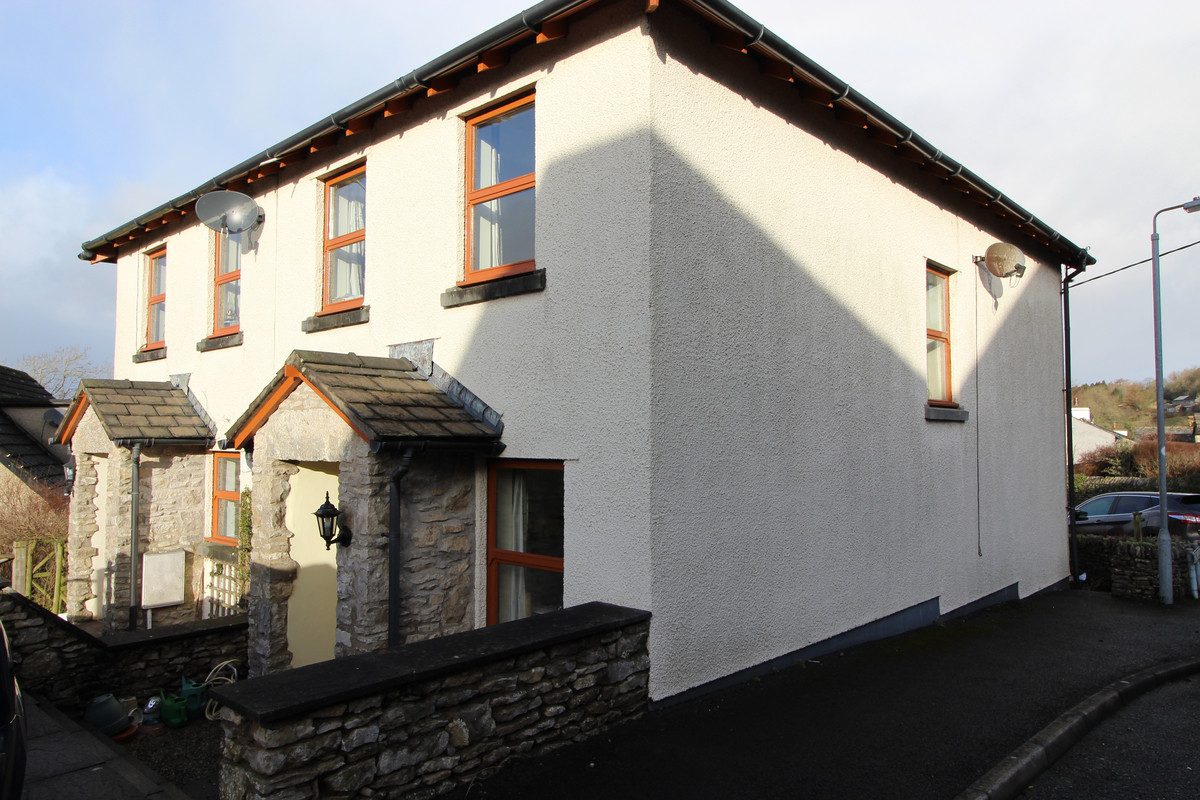
Rental availability in the parish tends to be limited, with properties often coming to market through word of mouth or local connections rather than national portals. The majority of housing stock consists of traditional stone-built properties with slate roofs, many dating back to the 18th and 19th centuries when the area was predominantly agricultural. Between 2016 and 2020, the parish saw significant new development with 40 new dwellings granted planning permission, representing approximately 40% expansion of Crosthwaite village. These newer properties have predominantly been larger 3 and 4-bedroom homes, though the overall rental market remains dominated by period properties requiring careful consideration of condition and maintenance needs.

Properties in Crosthwaite and Lyth command premium rents reflecting the quality of the natural environment and the scarcity of available homes. Traditional stone cottages with original features, converted agricultural buildings, and character homes overlooking Whitbarrow Scar represent the most common rental options in the parish. The high owner-occupancy rate of 79% means that fewer properties enter the private rental sector, intensifying competition when homes do become available. Landlords in this market often seek long-term tenants who will respect the character of period properties and contribute to the stability of the local community.

Find Rentals Crosthwaite And Lyth

Living in Crosthwaite and Lyth

Life in Crosthwaite and Lyth centres around the breathtaking natural environment that defines this Lake District parish. The Lyth Valley stretches across a gentle flood plain, with the River Gilpin meandering through grassland and mosses towards its confluence with the River Kent at Sampool. Local landowners, including the Landowners of Crosthwaite and Lyth charity, actively manage the countryside, including Whitbarrow Scar, which rises dramatically above the valley as a Site of Special Scientific Interest and Special Area of Conservation. The limestone pavement, scree slopes, and ancient woodlands of Whitbarrow provide exceptional walking and wildlife observation opportunities right on the doorstep.

The community maintains a strong rural character, with the 2011 Census recording a population of 618 residents across approximately 270 households. The demographic profile shows a notably older population, with significant proportions in the 45-59 and 65+ age categories, reflecting both the appeal of the area to retirees and the challenges facing younger families. The economy remains rooted in agriculture, though the number of active farms has declined significantly over the past four decades, with 18 farms and 11 agricultural-related businesses recorded in a 2007 parish plan. Tourism plays an increasingly important role in the local economy, with visitors drawn to the area's scenic beauty, excellent walking routes, and proximity to the wider Lake District National Park.

Despite its rural setting, Crosthwaite and Lyth offers access to essential amenities through nearby settlements, with Kendal approximately 6 miles away providing supermarkets, healthcare facilities, and cultural attractions. The village itself retains a traditional character, with stone cottages, listed farmhouses including Crosthwaite House and Mireside Farm, and converted agricultural buildings defining the built environment. Community life revolves around local events, the parish church, and the network of public footpaths that connect the scattered settlements of the parish. The Lyth Valley hosts several annual events that bring together residents and visitors, celebrating the agricultural heritage and natural beauty of the area.

The parish includes scattered settlements such as Helsington, Bowland Bridge, and the hamlet of Crosthwaite itself, each with its own distinct character while sharing the common advantages of the Lyth Valley setting. Helsington Pool snakes across the valley floor, creating wetland habitats that support diverse wildlife and occasionally result in road closures during periods of heavy rainfall. The proximity to the River Kent Estuary and Morecambe Bay influences the local climate, with the valley sometimes experiencing fog and damp conditions that prospective renters should consider when evaluating properties, particularly those on lower ground.

Rental Search Crosthwaite And Lyth

Schools and Education in Crosthwaite and Lyth

Families considering renting in Crosthwaite and Lyth will find educational facilities available within the local area, though the small-scale rural nature of the parish means that primary education is typically accessed through nearby village schools. The closest primary schools serve the surrounding communities, with pupils generally progressing to secondary education in Kendal, approximately 6 miles away. Parents should research specific school catchment areas and admission policies, as these can vary significantly and may influence property choices within the broader rental market.

Several primary schools in the surrounding area serve families from Crosthwaite and Lyth, including schools in the nearby villages that provide education for children from reception through to Year 6. These small rural schools often benefit from close community relationships and outdoor learning opportunities linked to the stunning natural environment of the Lyth Valley and surrounding Lake District landscape. However, class sizes and the range of extracurricular activities may differ from those available in larger urban schools, and parents should visit potential schools to assess whether they meet their children's educational needs.

Secondary education for pupils from Crosthwaite and Lyth is provided at schools in Kendal, with families typically arranging transport for the 6-mile journey along the A591 and through the Lyth Valley. Kendal offers several secondary options, including both state-funded and independent schools, providing choices for different educational approaches and academic pathways. The journey time by school bus from the Lyth Valley to Kendal schools can be significant, typically taking 20-30 minutes depending on the specific school and traffic conditions on country roads. For families requiring early years childcare or after-school arrangements, local availability may be limited compared to urban areas, and planning ahead is advisable when securing a rental property in this rural parish.

Rental Properties Crosthwaite And Lyth

Transport and Commuting from Crosthwaite and Lyth

Transport connectivity from Crosthwaite and Lyth reflects its rural location, with residents relying primarily on private vehicles for daily commuting and essential journeys. The parish sits approximately 6 miles from Kendal, the main service centre for South Lakeland, where residents access rail services, larger supermarkets, and specialist healthcare facilities. The A591 and A590 roads provide connections to the wider road network, linking the area to the M6 motorway at junction 36 and facilitating journeys to Lancaster, Preston, and the north-south corridor. However, the winding country lanes characteristic of the Lyth Valley require careful navigation and add journey time compared to direct urban routes.

Public transport options are limited, with bus services serving the main settlements on an infrequent timetable suitable for occasional journeys rather than daily commuting. The Bus Connect service operates routes connecting outlying villages with Kendal town centre, but frequencies are typically limited to hourly or less on weekday mornings and afternoons, with very reduced services on evenings and weekends. The nearest railway stations are located in Kendal and Oxenholme, with Oxenholme offering direct services to London Euston, Edinburgh, and major northern cities. For commuters working in Kendal, car-sharing arrangements are common within the rural community, and cycling is popular for shorter journeys given the scenic countryside routes.

Cyclists will find both challenges and rewards in the Lyth Valley, with gentle gradients through the valley floor contrasting with the steep ascents to Whitbarrow Scar and the surrounding fells. Road cycling routes connect Crosthwaite and Lyth to Kendal, Windermere, and the wider Lake District, though cyclists must be prepared for narrow lanes and occasional agricultural traffic. Many residents appreciate that the transport limitations are an acceptable trade-off for the quality of life offered by this beautiful Lake District setting, though prospective renters should honestly assess their transportation needs before committing to a property in this relatively isolated location. The scenic country lanes that require extra journey time also offer rewards in terms of beautiful views and reduced traffic compared to busier routes.

Renting Guide Crosthwaite And Lyth

Employment and Local Economy

The economic landscape of Crosthwaite and Lyth reflects its transition from a predominantly agricultural community to one increasingly influenced by commuting, retirement, and tourism. Historical parish data recorded 18 active farms and 11 agricultural-related businesses in the area, though the number of working farms has declined significantly over the past four decades as rural economics have shifted. The high cost of housing in the parish, influenced by demand from better-off commuters, holiday homeowners, and retirees, creates challenges for local employment and younger residents seeking to remain in the community.

Employment opportunities for Crosthwaite and Lyth residents are concentrated in Kendal, approximately 6 miles away, which serves as the main service centre for South Lakeland with retail, healthcare, professional services, and light manufacturing sectors. The wider Cumbria economy includes significant employment in the nuclear industry, advanced manufacturing, construction, and tourism sectors, with larger employers accessible from the parish via the A590 and M6 corridor. Home working has become increasingly viable for residents with appropriate broadband connections, though the rural nature of the parish means that download speeds can vary significantly depending on location and technology.

Tourism contributes substantially to the local economy, with visitors drawn to the Lyth Valley's scenic beauty, excellent walking routes including paths to Whitbarrow Scar, and the proximity to the wider Lake District National Park. Pubs and farm shops in the area serve both visitors and residents, while the local economy also benefits from visitors to nearby attractions including Sizergh Castle, Levens Hall, and the Lake District's northern shores. For renters considering the area, understanding the local employment context helps set realistic expectations about commuting requirements and the practicalities of daily life in this beautiful but relatively remote rural setting.

Rental Market Crosthwaite And Lyth

How to Rent a Home in Crosthwaite and Lyth

1

Research Your Budget

Obtain a rental budget agreement in principle before beginning your property search, as this documents your financial capacity and demonstrates seriousness to landlords in a competitive local market where rental properties are limited.

2

Explore the Local Area

Spend time in Crosthwaite and Lyth to understand the village's character, check flood risk areas in the Lyth Valley, identify which properties have the best access to public footpaths and local amenities, and speak with existing residents about what makes the community special.

3

Arrange Property Viewings

Contact local letting agents and monitor property portals for new listings, as rental properties in this small parish can be let quickly through word-of-mouth or local connections rather than public advertising.

4

Get a Professional Survey

Consider a RICS Level 2 survey on older stone properties or converted barns, as these can have hidden defects related to age, traditional construction methods, or previous flooding incidents in the Lyth Valley.

5

Understand Your Tenancy

Review the tenancy agreement carefully, noting any restrictions on pets, modifications, or rental duration. In a tight market with high demand from commuters and second-home seekers, landlords may seek tenants committed to longer-term arrangements.

6

Complete Reference Checks

Provide required documentation including proof of identity, income verification, and rental references, as landlords in this sought-after location can be selective given limited availability and high demand from outside the area.

What to Look for When Renting in Crosthwaite and Lyth

Renting properties in Crosthwaite and Lyth requires careful attention to several factors unique to this Lake District parish, starting with the area's flood risk profile. The Lyth Valley sits on a flood plain of the River Gilpin, with much of the valley only a few feet above sea level and historically vulnerable to flooding when heavy rainfall combines with high tides in the River Kent Estuary. The December 2015 floods demonstrated the impact of saturated soils and restricted water discharge, causing significant disruption across the valley. Prospective tenants should inquire about a property's flood history, check the Environment Agency flood risk maps, and consider ground floor versus upper floor accommodation when evaluating rental options.

The age and construction of properties in Crosthwaite and Lyth demand thorough inspection, as many homes are traditional stone-built structures with slate roofs dating from the 18th and 19th centuries. These character properties offer tremendous appeal but may require increased maintenance and present issues that a professional survey would identify. Look for signs of damp related to the valley's moisture levels, roof condition on older structures, and the quality of any conversions or renovations undertaken on barns and agricultural buildings. Properties in the parish may be subject to planning restrictions under the Crosthwaite and Lyth Neighbourhood Development Plan Design Code, particularly those in or near conservation areas or affecting listed buildings.

The strong presence of second homes in the parish, with approximately 9% of properties classified as such in 2020, affects the character and availability of rental housing. Some properties may be offered as holiday lets or weekend retreats, limiting the long-term rental stock available to residential tenants. Understanding the landlord's intentions regarding property use and future occupation can help avoid disruption during your tenancy. Energy efficiency is another consideration, as older stone properties may have higher heating costs than modern equivalents, and improvements to insulation and heating systems may be limited by listed building constraints.

The local building materials used throughout the parish deserve attention during property viewings, as limestone from Whitbarrow Scar has been the traditional building material for centuries, with properties ranging from roughcast renders to exposed stone facades. Slate roofs are prevalent on older properties, though some agricultural buildings feature corrugated asbestos sheeting, a material that requires specialist assessment if renovation is planned. Properties listed under the planning system, including Crosthwaite House and Mireside Farm, have specific requirements regarding maintenance and alterations that tenants should understand before committing to a rental agreement.

Find Rentals Crosthwaite And Lyth

Deposit and Fees When Renting in Crosthwaite and Lyth

Understanding the costs associated with renting in Crosthwaite and Lyth is essential for budgeting effectively, particularly given the premium nature of this Lake District property market. A standard tenancy deposit is capped at five weeks' rent under the Tenant Fees Act 2019, held in a government-approved deposit protection scheme and returned at the end of your tenancy subject to any deductions for damage or unpaid rent. In a competitive market where rental properties are limited, landlords may be selective about tenants, making it important to demonstrate financial stability and references from previous landlords or employers.

Additional costs include referencing fees charged by letting agents, which cover credit checks, employment verification, and landlord references. Some agents also charge administration fees for processing the tenancy, though these are increasingly being abolished or reduced in competitive markets. First-time renters may be eligible for government schemes to support their rental applications, though the high demand for properties in this scenic location means that being well-prepared financially and having documentation ready will improve your chances of securing a desirable rental. Always request a written breakdown of all expected costs before paying any fees or committing to a property.

Holding deposits may be requested by landlords to secure a property while references and checks are completed, typically capped at one week's rent under the Tenant Fees Act. This deposit is usually offset against the first month's rent or the security deposit due at tenancy commencement. Given the older nature of many rental properties in Crosthwaite and Lyth, landlords may also request a slightly higher deposit to cover potential maintenance issues, though any amount exceeding five weeks' rent requires specific justification. Tenants should document the condition of the property thoroughly at the start of the tenancy, ideally with photographic evidence, to protect themselves against any disputed deductions at the end of the tenancy.

Rental Search Crosthwaite And Lyth

Frequently Asked Questions About Renting in Crosthwaite and Lyth

What is the average rental price in Crosthwaite and Lyth?

Specific rental price data for Crosthwaite and Lyth is not published separately, but the overall property market reflects the area's desirability with a median sale price of £499,134. Rental properties in this Lake District parish command premium prices due to limited availability, high demand from commuters and those seeking rural lifestyles, and the character of period stone properties available. Flats in the broader Crosthwaite area have sold for a median of £325,000 recently, indicating the upper end of property values. Prospective renters should budget accordingly and expect monthly rents to reflect the quality of life and natural environment offered by this scenic location.

What council tax band are properties in Crosthwaite and Lyth?

Properties in Crosthwaite and Lyth fall under Westmorland and Furness Council, with council tax bands assigned by the Valuation Office Agency based on 1991 property values rather than current market prices. The rural character of the parish and prevalence of older period properties means that bands may not always correspond to current market values, as the banding system is based on property values at a specific point in time. You can check specific bandings on the Valuation Office Agency website using the property address, and the local council provides detailed information about current council tax rates for each band. Properties in conservation areas or listed buildings may have specific considerations affecting their banding.

What are the best schools in Crosthwaite and Lyth?

Crosthwaite and Lyth does not have schools within the parish itself, with primary education typically accessed through nearby village schools serving the surrounding communities. Secondary school pupils generally travel to schools in Kendal, approximately 6 miles away, which offer GCSE and A-level programmes across both state and independent options. Parents should research specific school catchment areas, admission policies, and transport arrangements, as these can significantly affect the practicalities of family life in this rural parish. School transport arrangements and the availability of before and after-school childcare should be confirmed before committing to a rental property, as the journey time and logistics can be substantial compared to more urban settings.

How well connected is Crosthwaite and Lyth by public transport?

Public transport connectivity from Crosthwaite and Lyth is limited, reflecting the rural nature of the parish. Bus services operate on an infrequent basis between local villages and Kendal, making private vehicles essential for most residents for daily commuting, shopping, and accessing services. The nearest railway stations are in Kendal and Oxenholme, with Oxenholme offering direct services to London, Edinburgh, and other major cities. The winding country lanes of the Lyth Valley add journey time to destinations, so prospective renters should factor in realistic travel times and consider whether car ownership or car-sharing arrangements are practical for their circumstances.

Is Crosthwaite and Lyth a good place to rent in?

Crosthwaite and Lyth offers an exceptional quality of life for those seeking a peaceful rural setting within the Lake District National Park landscape. The parish provides stunning natural beauty, excellent walking opportunities on Whitbarrow Scar and through the Lyth Valley, and a strong sense of community among long-term residents. However, the limited rental availability, relatively high property values, and dependence on private transport require careful consideration. The area suits those who work locally, commute to Kendal or further afield by car, or are retired and seeking a tranquil lifestyle. Families with school-age children should confirm schooling arrangements and transport logistics before renting in this small rural community.

What deposit and fees will I pay on a property in Crosthwaite and Lyth?

Standard deposits for rental properties in England are capped at five weeks' rent, held in a government-approved scheme and returned at the end of the tenancy minus any legitimate deductions. Beyond the deposit, you will typically pay referencing fees for credit checks and employment verification, administration costs charged by letting agents, and potentially a holding deposit to secure a property while references are checked. Given the premium nature of the local market and the older properties available, landlords may request evidence of your ability to maintain a period property responsibly. Always request a full breakdown of all costs in writing before committing to any rental agreement, and ensure you understand the conditions under which your deposit will be returned.

Browse Homes to Rent Across the UK

Terms of use Privacy policy All rights reserved © homemove.com | Properties to Rent » England » Crosthwaite and Lyth

Homemove is a trading name of HM Haus Group Ltd (Company No. 13873779, registered in England & Wales). Homemove Mortgages Ltd (Company No. 15947693) is an Appointed Representative of TMG Direct Limited, trading as TMG Mortgage Network, which is authorised and regulated by the Financial Conduct Authority (FRN 786245). Homemove Mortgages Ltd is entered on the FCA Register as an Appointed Representative (FRN 1022429). You can check registrations at NewRegister or by calling 0800 111 6768.