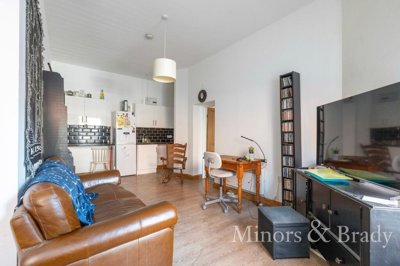
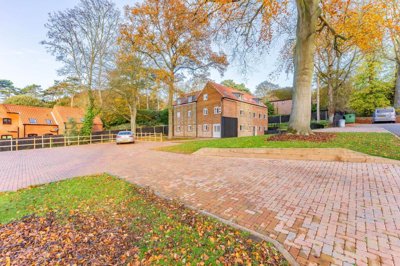
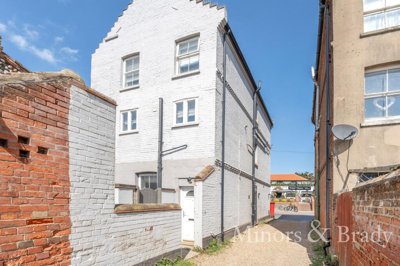
Browse 16 rental homes to rent in Cromer, North Norfolk from local letting agents.
£800/m
4
0
56
Source: home.co.uk
Source: home.co.uk
Flat
2 listings
Avg £800
Apartment
1 listings
Avg £700
House
1 listings
Avg £900
Source: home.co.uk
Source: home.co.uk
The rental market in Cromer benefits from the town's enduring appeal as both a holiday destination and a residential choice. Property prices in the area have shown consistent growth, with overall prices increasing by 2.22% over the past twelve months. Detached properties have risen by 1.62%, semi-detached homes by 2.01%, terraced properties by 2.65%, and flats by 3.65%, indicating sustained demand across all property types. This growth reflects Cromer's transformation from a traditional seaside resort into a desirable year-round residential location, with 164 property sales recorded in the last twelve months demonstrating active market activity.
Rental properties in Cromer encompass a wide variety of styles reflecting the town's architectural heritage. Victorian and Edwardian properties dominate the town centre and seafront areas, many featuring the distinctive red brick and flint detailing characteristic of North Norfolk construction. These period properties often come with generous room sizes, high ceilings, and original features that appeal to renters seeking character homes. The town also offers purpose-built flats, particularly near the seafront, as well as modern developments on the outskirts for those preferring contemporary accommodation. A significant proportion of the housing stock dates from the Victorian and Edwardian eras, with inter-war and post-war properties adding further variety to the available rental options.
New build activity in the broader Cromer area includes The Links development on Cromer Road at West Runton, offering 2, 3, and 4-bedroom homes from Norfolk Homes, and The Pastures at Hall Road in Northrepps from Abel Homes with similar bedroom options. While West Runton and Northrepps are distinct villages immediately adjacent to Cromer, they are often considered part of the broader Cromer area for property searches and expand the rental options available to those seeking newer properties. These developments offer modern insulation, heating systems, and layouts designed for contemporary living, though they fall outside the main town centre where the character properties are concentrated.

Life in Cromer centres around its historic town centre, conservation area, and the iconic seafront that has drawn visitors since the Victorian era. The Conservation Area encompasses the historic town centre and seafront, including the famous Cromer Pier, Cromer Parish Church of St Peter and St Paul, and numerous Victorian and Edwardian properties that line the main streets. The pier, constructed in the early 19th century, remains a focal point for both locals and visitors, offering views along the North Norfolk coast and hosting events throughout the summer season. Living in Cromer means becoming part of a community that takes pride in its traditions while embracing the present.
The local economy relies heavily on tourism, healthcare, and retail services, with Cromer Hospital serving as a significant employer in the area. The fishing industry, though smaller than in generations past, remains part of Cromer's identity, and visitors can still purchase fresh catches from the harbour. The town supports a good range of shops, restaurants, cafes, and pubs, while larger supermarkets meet daily shopping needs. A Morrisons supermarket on the outskirts of town provides additional convenience for residents, complementing the traditional market town feel of the centre. The local economy creates employment opportunities across various sectors, reducing the need for many residents to commute to larger centres.
Cromer attracts a diverse demographic, from young families to retirees, drawn by the quality of life the coastal location provides. The town's retirement popularity means a significant proportion of residents are retired, creating a settled community atmosphere. The 2021 Census recorded 8,140 residents across 3,929 households, creating a town large enough to offer amenities and social opportunities while retaining an intimate, friendly character. For entertainment, the Cromer Carnival and various local events throughout the year create a vibrant community atmosphere that renters quickly come to appreciate. The town's dual appeal to both retirees seeking peaceful coastal living and families looking for a supportive community environment creates a balanced demographic mix.

Families considering renting in Cromer will find a reasonable selection of educational establishments serving the town and surrounding villages. Primary education is well-represented with several schools in the area, providing options for families with younger children. The schools in and around Cromer serve a coastal community that values both academic achievement and the holistic development of young people, reflecting the town's family-oriented character. Early years childcare is available through various providers in the town, supporting working parents with children of all ages from nursery age upwards.
Secondary education options in North Norfolk include schools in the broader area, with students potentially travelling to nearby towns for specialist subjects or particular curriculum offerings. Parents should research specific school catchment areas and admission policies when considering rental properties, as school places can be competitive in popular areas. Many secondary schools in North Norfolk have good reputations for both academic and vocational education, preparing students for further study or entering the local workforce. The presence of Cromer as a service centre for surrounding villages means that educational infrastructure is more developed than might be expected for a town of its size, reflecting its role as a hub for North Norfolk.
For families with children of all ages, renting in Cromer offers the advantage of coastal living combined with access to educational provision that serves the local community. The quality of life available in Cromer, with its beaches, coastal walks, and community events, provides excellent opportunities for child development beyond the classroom. Families are encouraged to research current Ofsted ratings and admission catchment areas when choosing rental properties, as these can change over time and directly affect schooling options. Visiting schools directly and speaking with administrators can provide valuable insights that go beyond published statistics and Ofsted reports.

Transport connections from Cromer serve the town reasonably well for a coastal location, though residents should expect a primarily car-dependent lifestyle for many daily needs. The town sits on the Bittern Line railway, providing regular services connecting Cromer to Norwich, with journey times of approximately 1 hour to the city centre. This rail connection proves valuable for commuters working in Norwich or those wishing to access the broader rail network for travel further afield. The station is centrally located, making it accessible for residents living in various parts of the town, and car parking is available for those combining rail travel with other transport modes.
Bus services operate within Cromer and connect the town to surrounding villages and larger centres, though frequencies may be limited on less popular routes. For daily commuting to Norwich or other major employment centres, many residents rely on private vehicles, with the A149 coast road providing access to surrounding areas and connecting to the A140 for travel inland. The journey by car to Norwich takes approximately 45 minutes to an hour, depending on traffic and exact destination. Norfolk's road network, while less congested than major urban areas, can experience seasonal delays during summer when tourist traffic increases significantly.
Parking in Cromer can be challenging during peak tourist season, with the summer months bringing significant additional traffic to the town. Many rental properties come with parking provision, which renters should confirm before committing to a tenancy. Cycling infrastructure has improved in recent years, with some dedicated routes appearing, though the hilly terrain in parts of the area makes cycling more challenging than in flat coastal regions. For travel further afield, Norwich Airport provides domestic and limited international connections, while the port of Great Yarmouth offers ferry services for those wishing to explore continental destinations.

Before beginning your property search in Cromer, obtain a rental budget agreement in principle to understand your financial position. This document from lenders shows landlords that you can afford the rent, strengthening your application against competing tenants. Understanding your complete financial picture, including additional costs like council tax, utilities, and contents insurance, helps you set realistic expectations and avoid disappointment when viewing properties above your budget range.
Browse available rental listings in Cromer, shortlisting properties that match your requirements for location, size, and price. Schedule viewings to assess properties in person, paying attention to condition, storage, natural light, and the neighbourhood atmosphere during different times of day. Take notes and photos during viewings to help compare properties later, and don't hesitate to return for a second viewing if you have strong interest in a particular property.
Consider area-specific issues when viewing properties in Cromer, including proximity to the cliff edge, flood risk areas, and conservation restrictions. Ask about heating costs for period properties, potential service charges, and any planned local developments that might affect your tenancy. The coastal environment means salt-laden air can accelerate wear on metal components and external joinery, so understanding the maintenance history of properties is particularly relevant in this location.
Once you find a suitable property, complete the application process promptly as desirable rentals in Cromer can attract multiple interested parties. Provide required documentation including proof of income, references, and identification. Your letting agent will conduct referencing checks on your behalf, and being organised with documentation can help speed up what can otherwise be a lengthy process during peak rental periods.
Review the tenancy agreement carefully before signing, ensuring you understand your rights, responsibilities, and the terms of your tenancy. At this stage, you will typically pay your deposit and first month's rent. The deposit is protected in a government-approved scheme within 30 days, and you should receive written confirmation of which scheme is being used and your deposit amount.
Arrange your move and take meter readings, document the property condition with photos, and familiarise yourself with local services and facilities. Cromer's friendly community and range of local amenities will help you settle quickly into your new coastal home. Registering with local healthcare services, understanding bin collection schedules, and exploring the town centre all help establish you as a resident rather than a visitor.
Renting properties in Cromer requires awareness of several area-specific factors that differ from inland locations. Flood risk deserves careful consideration, as Cromer faces coastal flooding from tidal surges and wave overtopping during severe weather events, river flooding from smaller watercourses, and surface water flooding during heavy rainfall. The North Norfolk coast experiences erosion rates of 1-2 metres annually in certain exposed areas, making proximity to the cliff edge a significant consideration for any property in the town. When viewing properties, ask about previous flooding incidents and check the property's elevation and drainage situation, particularly for lower-ground floor accommodation or properties near the seafront.
The coastal environment brings additional considerations for renters. Properties close to the seafront or clifftops may experience accelerated wear from salt-laden air, which can affect metal components, external joinery, and exterior decorations. When viewing, inspect window frames, door hardware, and any visible metal fixings for signs of corrosion. The geology of Cromer and surrounding North Norfolk coast is dominated by glacial tills, sand, and gravels overlying chalk bedrock, with areas of significant clay content presenting moderate shrink-swell risk to foundations. Older properties may also have outdated electrical systems or plumbing that do not meet current standards, so understanding the condition of these utilities is important before committing to a tenancy.
Conservation Area restrictions apply to many properties in central Cromer, limiting what alterations tenants can make without landlord permission or planning consent. If you wish to decorate or modify a property within the Conservation Area, discuss any plans with your landlord before signing the tenancy agreement. Listed buildings, of which Cromer has several including the iconic Cromer Pier and Cromer Parish Church of St Peter and St Paul, have even more stringent requirements, and any alterations would typically be prohibited under the tenancy terms. Understanding these restrictions ensures you choose a property where your lifestyle can comfortably fit within the existing constraints, and a RICS Level 2 Survey can help identify any issues before you commit to a long-term tenancy.

While specific rental price data for Cromer is not currently available, the overall property market provides useful context for estimating rental values. Average sale prices stand at £328,217 overall, with terraced properties averaging £280,300, flats at £188,967, semi-detached homes at £310,381, and detached properties at £448,517. Rental prices typically sit between 0.8% and 1.2% of the property value annually, meaning terraced properties might rent for £1,200-£2,100 per month and flats for £800-£1,400 per month, though actual rents depend on condition, location, and current market demand. Properties near the seafront often command a premium due to views and location appeal, while those on the outskirts may offer better value for space. Contact local letting agents for current rental listings in your preferred price range.
Properties in Cromer fall under North Norfolk District Council, with council tax bands ranging from A to H depending on the property's valuation. The specific band depends on the property's assessed value as of April 1991, with Band A representing the lowest values and Band H the highest. Most terraced properties and smaller flats fall into Bands A-C, while larger detached properties and those in prestigious locations may attract higher bands. Council tax payments in North Norfolk are comparable to other rural Norfolk areas and represent an important budget consideration when calculating the full cost of renting, alongside rent, utilities, and contents insurance.
Cromer offers primary education through several schools serving the town and surrounding villages, with families encouraged to research current Ofsted ratings and admission catchment areas when choosing rental properties. The town functions as a local service hub for surrounding villages, which means educational infrastructure is more developed than might be expected for a town of its size. Secondary education options in the broader North Norfolk area provide good academic and vocational pathways, with students potentially travelling to schools in nearby towns for specialist subjects or particular curriculum offerings. Visiting schools directly and speaking with administrators can provide valuable insights beyond published statistics and Ofsted reports, helping families make informed decisions about where to rent.
Cromer is connected to the national rail network via the Bittern Line, with regular services to Norwich taking approximately 1 hour, making day commuting feasible for those working in the city. Bus services operate within Cromer and to surrounding villages, though frequencies on less popular routes may be limited. For comprehensive daily transport needs, particularly for shopping, hospital visits, or accessing services in Norwich, a private vehicle remains advantageous. The nearest airport is Norwich Airport, offering domestic flights and limited international connections, while the port of Great Yarmouth provides ferry services for continental travel.
Cromer offers an exceptional quality of life for renters seeking coastal living with community atmosphere. The town's 8,140 residents enjoy access to good local shops, restaurants, healthcare facilities including Cromer Hospital, and regular cultural events including the famous Cromer Carnival. The property market offers variety from period terraces to modern flats, though demand means competitive applications for desirable properties. For those who appreciate traditional seaside charm, stunning coastal walks, and a genuine sense of community, renting in Cromer provides an attractive lifestyle opportunity that continues to grow in popularity, particularly among those seeking to escape larger urban centres.
Standard deposits for renting in England are equivalent to five weeks' rent, calculated as annual rent divided by 52 and multiplied by five. As an example, a property renting for £1,200 per month would require a £1,385 deposit. This deposit is legally protected in a government-approved scheme within 30 days of the tenancy start date and returned at the end of the tenancy, subject to any deductions for damage or unpaid rent. Additional fees may include referencing costs, administration charges, and inventory check fees, though tenant fees were largely banned in England in June 2019, meaning most letting agents cannot charge these. Always request a written breakdown of all costs before committing to a tenancy to avoid unexpected charges.
Flood risk in Cromer comes from three main sources: coastal flooding from tidal surges and wave action during severe weather, river flooding from smaller local watercourses, and surface water flooding during periods of heavy rainfall. Properties on lower floors, near the seafront, or in identified flood risk zones require careful consideration, particularly given the active coastal erosion affecting parts of the North Norfolk coastline. Before committing to a tenancy, ask the landlord or agent about the property's flood history and check Environment Agency flood risk maps for the specific location. Buildings insurance is the landlord's responsibility, but contents insurance remains your responsibility as a tenant and should be arranged before moving in.
While RICS Level 2 Surveys are typically associated with property purchases rather than rentals, they can prove valuable for tenants in long-term rental arrangements or those considering purchasing a property they currently rent. In Cromer, RICS Level 2 Surveys typically cost between £400 and £700 depending on property size and complexity. These surveys can identify common issues in the local housing stock, including damp in coastal properties, roof deterioration, timber defects from wet and dry rot, and the condition of period construction that characterises much of the town. Given that a high proportion of Cromer's housing stock is over 50 years old, a professional survey can reveal defects that might not be apparent during a casual viewing, helping you make an informed decision before committing to a tenancy or future purchase.
Understanding the costs involved in renting a property in Cromer helps you budget accurately and avoids surprises during the application process. The deposit, typically five weeks' rent, represents the largest upfront cost after your first month's rent. This deposit is legally protected in a government-approved scheme such as the Deposit Protection Service, MyDeposits, or the Tenancy Deposit Scheme, and must be returned within 10 days of you and your landlord agreeing on any deductions at the end of your tenancy. You should receive written confirmation of which scheme is protecting your deposit within 30 days of the tenancy start date.
The cost of living in Cromer extends beyond rent and deposit to include council tax, utilities, and contents insurance. Council tax in North Norfolk varies by property band, with Band A properties currently paying less than Band H properties, and most residential properties falling within Bands A through D. Utilities can be particularly significant in older period properties, which may have higher heating costs due to single-glazed windows, solid walls with limited insulation, and older heating systems. When viewing properties, ask about recent energy performance certificate ratings to gauge potential utility costs, and factor these into your monthly budget alongside rent and council tax.
Contents insurance is an essential expense for renters, protecting your personal belongings against damage, theft, or loss. While buildings insurance remains the landlord's responsibility, your personal possessions inside the property are not covered unless you arrange your own policy. Premiums vary based on the value of your belongings and the level of excess you choose, with typical annual premiums ranging from £100 to £300 for a furnished rental property. Combining contents insurance with other policies often provides cost savings, and some providers offer specific rental property packages. Take inventory of your belongings and estimate their total value to ensure you have adequate coverage for your circumstances.

From 4.5%
Obtain a rental budget agreement in principle to strengthen your application
From £30
Comprehensive referencing checks for prospective tenants
From £400
Professional survey identifying defects common in local properties
From £85
Energy performance certificate for rental properties
Properties to Rent In London

Properties to Rent In Plymouth

Properties to Rent In Liverpool

Properties to Rent In Glasgow

Properties to Rent In Sheffield

Properties to Rent In Edinburgh

Properties to Rent In Coventry

Properties to Rent In Bradford

Properties to Rent In Manchester

Properties to Rent In Birmingham

Properties to Rent In Bristol

Properties to Rent In Oxford

Properties to Rent In Leicester

Properties to Rent In Newcastle

Properties to Rent In Leeds

Properties to Rent In Southampton

Properties to Rent In Cardiff

Properties to Rent In Nottingham

Properties to Rent In Norwich

Properties to Rent In Brighton

Properties to Rent In Derby

Properties to Rent In Portsmouth

Properties to Rent In Northampton

Properties to Rent In Milton Keynes

Properties to Rent In Bournemouth

Properties to Rent In Bolton

Properties to Rent In Swansea

Properties to Rent In Swindon

Properties to Rent In Peterborough

Properties to Rent In Wolverhampton

Enter your details to see if this property is within your budget.
Loans, cards, car finance
Estimated property budget
Borrowing + deposit
You could borrow between
Typical borrowing
Monthly repayment
Est. at 4.5%
Loan-to-value
This is an estimate only. Your actual budget may vary depending on interest rates, credit history, and personal circumstances. For an accurate affordability assessment, speak to one of our free mortgage advisors.
This calculator provides estimates for illustrative purposes only and does not constitute financial advice. Your home may be repossessed if you do not keep up repayments on your mortgage. Estimates based on 4.5% interest rate, repayment mortgage. Actual rates depend on your circumstances.
Homemove is a trading name of HM Haus Group Ltd (Company No. 13873779, registered in England & Wales). Homemove Mortgages Ltd (Company No. 15947693) is an Appointed Representative of TMG Direct Limited, trading as TMG Mortgage Network, which is authorised and regulated by the Financial Conduct Authority (FRN 786245). Homemove Mortgages Ltd is entered on the FCA Register as an Appointed Representative (FRN 1022429). You can check registrations at NewRegister or by calling 0800 111 6768.