Powered by Home

Houses To Rent in Crick, West Northamptonshire

Browse 11 rental homes to rent in Crick, West Northamptonshire from local letting agents.

11 listings Crick, West Northamptonshire Updated daily

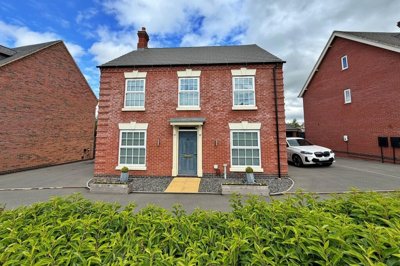
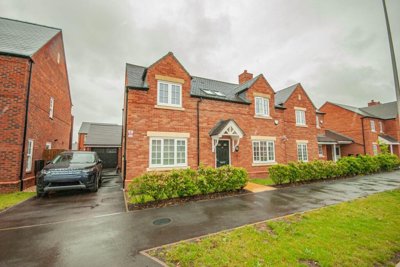
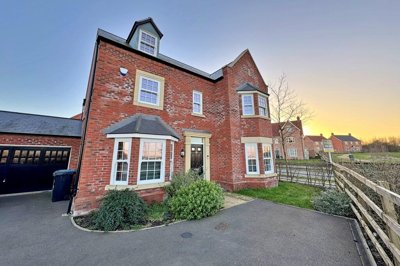
The Crick property market offers detached, semi-detached, and terraced houses spanning various price ranges and neighbourhoods. Each listing includes detailed property information, photographs, and direct contact with the marketing agent.

Crick, West Northamptonshire Market Snapshot

Median Rent

£1,750/m

Total Listings

1

New This Week

0

Avg Days Listed

14

Source: home.co.uk

Showing 1 results for Houses to rent in Crick, West Northamptonshire. The median asking price is £1,750/month.

Price Distribution in Crick, West Northamptonshire

£1,500-£2,000/m
1

Source: home.co.uk

Property Types in Crick, West Northamptonshire

100%

Detached

1 listings

Avg £1,750

Source: home.co.uk

Bedrooms Available in Crick, West Northamptonshire

4 beds 1
£1,750

Source: home.co.uk

The Property Market in Crick

The rental market in Crick reflects the broader trends across West Northamptonshire, where detached properties command the highest rents, followed by semi-detached and terraced homes. Average monthly private rent in the wider area increased by 4.2% for detached properties and 5.1% for terraced properties and flats over the past year, indicating sustained demand across all property types. While specific rental data for Crick village itself is limited due to the smaller number of available properties, the surrounding area provides a reliable guide for expectations.

The village has seen substantial housing development over recent years, as noted in the Crick Neighbourhood Development Plan, which documented new sizeable developments under construction that have expanded the village footprint. This new build activity has added variety to the housing stock, complementing the historic character properties that dominate the Conservation Area. Prospective renters will find a mix of traditional ironstone cottages dating from the 17th and 18th centuries alongside more contemporary homes built to modern specifications.

The construction history of Crick reveals fascinating shifts in local building materials over the centuries. Early dwellings dating from before 1500 were simple timber, wattle, and daub structures, reflecting the readily available woodland resources. As timber became scarce by the mid-1500s, builders increasingly turned to stone, with at least half of all houses partially or completely stone-built by 1700. Local brown ironstone was extracted from quarries around the village and used extensively during the 1600s and 1700s, giving many properties their characteristic warm appearance. From the late 1700s onwards, brick became prevalent for house building, often locally sourced from brick pits, and imported slate replaced thatch as the dominant roofing material once the canal network opened.

Find Rentals Crick

Living in Crick

Life in Crick offers a quintessentially English village experience, where community spirit thrives and essential amenities are within easy reach. The village centre, designated as a Conservation Area, features charming streets lined with historic buildings constructed from the local brown ironstone that has been quarried in the area since the 1600s. This distinctive honey-coloured stone, along with honey-coloured sandstone and white limestone, gives Crick its warm, cohesive appearance that distinguishes it from surrounding villages.

The parish of Crick benefits from an abundance of natural resources, including sand, clay, and water, which have shaped both its geography and history. The village pub, local shops, and community facilities provide daily necessities without requiring travel to larger towns. For recreation, the surrounding countryside offers extensive walking and cycling opportunities across the Northamptonshire plateau, with the canal network nearby providing scenic routes for exploration. The strong sense of community is evident in local events and the preservation of the village's historic character through active neighbourhood planning.

The Grand Union Canal, which passes through the area, reflects Crick's historic importance as a transport corridor before the railway era. The canal brought imported slate to replace traditional thatch roofing and facilitated trade in local agricultural produce. Today, the towpaths provide traffic-free routes for cyclists and walkers, connecting Crick to the wider canal network and surrounding countryside. The village's position on the edge of the Middle Lias escarpment means residents enjoy views across the Northamptonshire plateau while benefiting from the sheltered valley location that has made this an attractive settlement site for centuries.

Rental Search Crick

Schools and Education in Crick

Families considering renting in Crick will find educational options available within the village and the surrounding area. The village contains primary schools serving the local community, with catchment areas that typically cover properties within reasonable walking distance of the school gates. West Northamptonshire maintains a comprehensive school network, and parents should research specific catchment boundaries and admission criteria when planning a move with school-age children.

The village's historic character, with buildings dating back to the 17th and 18th centuries, includes properties that may fall within catchment areas for local primary schools. Many family homes occupy historic plots with generous gardens, appealing to those seeking more space than typically available in urban settings. The village's rural location means children may benefit from shorter school commutes compared to urban areas, though this varies depending on the specific property location and school allocation.

Secondary education options in the area include schools in nearby towns, accessible via local bus services that connect Crick to educational facilities in Northampton and surrounding market towns. For families prioritising educational outcomes, scheduling school visits and understanding admission arrangements should form part of the rental research process before committing to a property. The presence of numerous Grade II listed properties throughout the village means that many family homes offer character and space that appeals to those seeking a traditional village environment for family life.

Rental Properties Crick

Transport and Commuting from Crick

Crick enjoys practical transport connections that make it suitable for commuters working in the larger towns and cities of the Midlands. The village is positioned to access the A14 trunk road, providing routes towards Northampton, Leicester, and the wider motorway network. This connectivity has contributed to Crick's appeal as a rural location that does not require sacrificing accessibility for those who need to travel for work.

Today, local bus services connect Crick to nearby towns, providing public transport options for daily travel and leisure. The village generally offers better parking availability than urban areas, a practical benefit for residents who own vehicles. For cyclists, the canal towpaths and country lanes offer scenic routes for local journeys, while the strategic road position makes car travel straightforward for those travelling further afield.

The A14 provides direct access to the M1 motorway, opening routes to Birmingham and London, while the A45 connects Crick to Northampton town centre and the major retail and employment areas on the outskirts. Rail connections are available from Northampton station, offering services to London Euston with journey times of around an hour. The village's position at the edge of the Northamptonshire plateau means main roads are generally accessible without navigating narrow village lanes, a practical advantage for daily commuters.

Renting Guide Crick

How to Rent a Home in Crick

1

Get Your Rental Budget in Place

Before viewing properties, obtain a rental budget agreement in principle from a lender. This demonstrates your financial credibility to landlords and estate agents, showing you can afford the monthly rent and associated costs. Having this documentation ready speeds up the application process and shows serious intent when competing for desirable properties.

2

Research the Crick Rental Market

Explore available properties in Crick and the surrounding West Northamptonshire area. Consider property types from historic ironstone cottages to modern developments, and understand the local rental trends showing 4.8% annual increases. The village's varied housing stock means comparing options across different property ages and styles helps identify the best value for your circumstances.

3

Schedule Property Viewings

Visit properties that match your requirements, paying attention to the Conservation Area restrictions and the character of different neighbourhoods within the village. Note the condition of historic features and any specific maintenance considerations for period properties. Viewing multiple properties helps calibrate expectations and identify the features that matter most in your new home.

4

Arrange a Professional Inventory Check

Before moving in, book an inventory check to document the property condition. This protects your deposit by establishing a clear baseline of the property's state at the start of your tenancy. For historic properties with original features, the inventory provides important protection for both tenant and landlord.

5

Complete Your Tenancy Agreement

Sign the tenancy agreement after reviewing all terms carefully. Ensure you understand your obligations regarding rent payments, maintenance responsibilities, and any restrictions related to the property's listed building status. The Conservation Area designation may affect what alterations are permitted during your tenancy.

6

Move Into Your New Crick Home

Arrange your move and settle into village life. Register with local services and explore the community facilities, from the village pub to the surrounding countryside walks that make Crick special. The village's position on the edge of the Northamptonshire plateau offers scenic routes for exploring the local landscape.

What to Look for When Renting in Crick

Renting in Crick requires attention to specific local factors that may not apply in urban areas. The village's Conservation Area designation means that certain restrictions may apply to property modifications, external alterations, or changes to the exterior appearance. Prospective tenants should clarify any planning considerations with the landlord or letting agent before committing, particularly if they intend to personalise the property.

The geology of Crick, situated on clay-rich land at the edge of the Middle Lias escarpment, means that some properties may be susceptible to ground movement. The parish has an abundance of sand, clay, and water, and the presence of shrinkable clay soils is a factor that can affect older properties. Historic properties built with traditional materials may require more maintenance than newer homes, and understanding the property's construction history provides valuable context when evaluating maintenance needs.

The prevalence of ironstone and sandstone construction means that buildings with original features may have different maintenance needs compared to modern brick-built homes. Ironstone bricks have been used in Northamptonshire for hundreds of years, and properties dating from the 1600s and 1700s often feature this distinctive material in their external walls. The transition from thatch to slate roofing occurred from the late 1700s onwards, so historic properties may have original slate or later replacement roofing materials. A thorough inspection during the tenancy process helps identify any existing issues with these traditional building elements.

For tenants renting period properties, awareness of the property's listed status is important. Over 46 Grade II listed buildings exist in Crick, and rental properties within this designation may carry specific responsibilities regarding alterations and maintenance. Insurance considerations and potential restrictions on making changes form part of the due diligence process when renting character properties in this village. Properties built before 1700 typically feature stone walls constructed from locally quarried ironstone, while later period properties may incorporate the brick that became prevalent from the late 1700s onwards.

Rental Market Crick

Frequently Asked Questions About Renting in Crick

What is the average rental price in Crick?

Specific rental price data for Crick village itself is limited due to the smaller market in rural villages. However, the wider West Northamptonshire area shows average monthly private rents increasing by 4.8% from January 2025 to January 2026, with detached properties seeing 4.2% increases and terraced properties and flats rising by 5.1%. These trends provide a reliable guide for what tenants might expect when renting in the Crick area, though actual prices vary based on property size, condition, and whether the property is a historic character home or a modern new build. Detached properties in West Northamptonshire have average rents commanding the highest prices, followed by semi-detached homes, with terraced properties and flats offering more affordable options for tenants working within tighter budgets.

What council tax band are properties in Crick?

Properties in Crick fall under West Northamptonshire Council for council tax purposes. The village contains a mix of historic properties, many of which are Grade II listed buildings dating from the 17th and 18th centuries. Council tax bands are assigned based on property value and type, so specific bands vary between individual homes. Properties in the Conservation Area may include historic buildings constructed from locally quarried ironstone or honey-coloured sandstone, and these traditional properties sometimes fall into specific bands based on their age and construction. Prospective tenants should check the specific band for any property they are considering, as this forms part of the ongoing monthly cost of renting alongside rent, utilities, and other charges.

What are the best schools in Crick?

Crick offers primary education options within the village itself, with families also able to access schools in surrounding villages and towns. West Northamptonshire maintains a network of primary and secondary schools, with admission policies based on catchment areas. The village's rural character means some families may prefer to research specific school performance data and admission criteria when planning a move, particularly for those with secondary-age children who require transport to schools in nearby towns. Properties with larger gardens are common in Crick due to the village's historic building plots, which can appeal to families seeking outdoor space. Primary school catchments typically cover properties within reasonable distance of the school, and renting within the village means children can often walk to school rather than requiring transport.

How well connected is Crick by public transport?

Crick is connected to nearby towns and villages via local bus services, providing public transport options for daily travel and access to larger centres. The village's position near the A14 trunk road offers straightforward road connections to Northampton, Leicester, and Milton Keynes, while the A45 provides access to employment areas on the outskirts of Northampton. For commuters relying on rail services, the nearest railway stations are typically in larger nearby towns, with Northampton station offering services to London Euston. The village generally offers better parking availability than urban areas, which compensates somewhat for more limited public transport options. The canal towpaths provide traffic-free routes for cycling to nearby villages and towns, offering an alternative to car travel for shorter journeys.

Is Crick a good place to rent in?

Crick represents an attractive option for renters seeking village life with practical connectivity to larger employment centres. The village has experienced steady population growth, increasing from 1,460 in 2001 to 1,886 by 2011, reflecting its appeal as a residential location. The Conservation Area designation ensures the village centre maintains its historic character, while new developments have added modern housing stock to meet diverse housing needs. The 4.8% increase in local rents indicates sustained demand, suggesting the village remains popular with tenants seeking a traditional village environment within reach of major employment centres. Properties range from historic ironstone cottages to contemporary homes, offering choice across different budgets and preferences.

What deposit and fees will I pay on a property in Crick?

When renting a property in Crick, tenants typically pay a security deposit equivalent to five weeks' rent, which is held in a government-approved deposit protection scheme under the Tenant Fees Act 2019. Additional fees may include referencing costs, administration charges, and a holding deposit to secure the property while referencing checks are completed. The holding deposit is usually one week's rent and is deductible from the final move-in costs if the tenancy proceeds. First-time renters should budget for moving costs and ongoing monthly expenses alongside rent, which in West Northamptonshire has shown consistent growth with annual increases of around 4.8%. Obtaining a rental budget agreement in principle before property viewings demonstrates financial readiness to landlords and strengthens your application when competing for desirable properties.

What should I know about living in a Conservation Area in Crick?

Living in Crick's Conservation Area means respecting restrictions on external alterations, signage, and certain property modifications to preserve the village's historic character. The centre of Crick holds Conservation Area status, protecting features like original ironstone facades, traditional windows, and the overall streetscape appearance that gives the village its distinctive appearance. The Conservation Area encompasses many of the Grade II listed buildings that make up the historic core, including properties constructed from locally quarried brown ironstone and honey-coloured sandstone. Tenants should discuss any planned changes with their landlord and may need planning permission for certain alterations, even minor external works. The Neighbourhood Development Plan guides future development while preserving the character that makes Crick attractive to residents.

What types of properties are available to rent in Crick?

The rental market in Crick includes a mix of property types reflecting its varied housing stock built over several centuries. Historic ironstone cottages from the 17th and 18th centuries sit alongside more modern homes from the substantial developments noted in the Neighbourhood Development Plan. The village contains detached, semi-detached, and terraced properties, with fewer flats than typically found in urban areas due to the predominantly residential character of the village. The construction history reveals that early properties were timber-framed before the transition to stone construction from the 1500s onwards, when locally quarried ironstone became the dominant building material. Properties from the late 1700s onwards were often built using locally sourced brick, adding to the variety of construction styles found in the village today.

Deposit and Fees When Renting in Crick

Understanding the full cost of renting in Crick helps prospective tenants budget accurately and avoid surprises. Beyond monthly rent, initial costs typically include a security deposit equivalent to five weeks' rent, which must be protected in a government-approved scheme under the Tenant Fees Act 2019. Holding deposits, usually one week's rent, may also be required to secure a property while referencing checks are completed. These upfront costs can amount to several thousand pounds depending on the monthly rental level.

The West Northamptonshire rental market has shown consistent growth, with average rents increasing by 4.8% annually, meaning tenants should factor in potential rent adjustments at renewal. Properties in Crick range across different price points depending on size, condition, and whether they are historic character homes or newer builds. The village's popularity, evidenced by its growing population from 1,460 in 2001 to 1,886 by 2011, suggests demand for rental properties will remain steady, making early preparation with a rental budget in principle a practical step for serious applicants.

The variety of property types available in Crick means rental prices vary significantly between a 17th-century ironstone cottage and a modern home from recent developments. Properties in the Conservation Area may command premium rents due to their historic character and restricted supply, while newer builds offer different features and potentially lower maintenance obligations. When budgeting for your Crick rental, consider not just the monthly rent but also council tax, utilities, and the potential costs of maintaining period features in older properties.

Find Rentals Crick

Browse Homes to Rent Across the UK

Terms of use Privacy policy All rights reserved © homemove.com | Properties to Rent » England » Crick, West Northamptonshire

Homemove is a trading name of HM Haus Group Ltd (Company No. 13873779, registered in England & Wales). Homemove Mortgages Ltd (Company No. 15947693) is an Appointed Representative of TMG Direct Limited, trading as TMG Mortgage Network, which is authorised and regulated by the Financial Conduct Authority (FRN 786245). Homemove Mortgages Ltd is entered on the FCA Register as an Appointed Representative (FRN 1022429). You can check registrations at NewRegister or by calling 0800 111 6768.