Browse 28 rental homes to rent in Cowes, Isle of Wight from local letting agents.
£998/m
12
0
70
Source: home.co.uk
Source: home.co.uk
Apartment
3 listings
Avg £1,317
End of Terrace
2 listings
Avg £1,175
Maisonette
2 listings
Avg £763
Terraced
2 listings
Avg £975
Detached Bungalow
1 listings
Avg £1,625
House
1 listings
Avg £1,500
Not Specified
1 listings
Avg £995
Source: home.co.uk
Source: home.co.uk
The Cowes rental market reflects the broader property trends of this sought-after island town. Our data shows that terraced properties make up approximately 32.2% of the local housing stock, with semi-detached houses accounting for 29.5% and detached properties representing 22.1%. Flats, maisonettes, and apartments comprise 15.9% of available properties, offering options for those seeking lower-maintenance living or a pieds-a-terre in this prestigious coastal location. Understanding this distribution helps renters identify which property types are most readily available when planning their move to Cowes.
For those considering longer-term investment in the area, the sales market provides useful context for rental values. Average house prices in Cowes (as of February 2026) stand at around £364,000 overall, with detached properties averaging £526,000, semi-detached homes at £351,000, terraced properties at £296,000, and flats at £211,000. Over the past 12 months, prices have remained relatively stable with modest growth across all property types, with terraced properties and flats showing the strongest appreciation at approximately 1.03% and 1.09% respectively. This stability suggests a healthy market where rental values are likely to remain consistent for tenants.
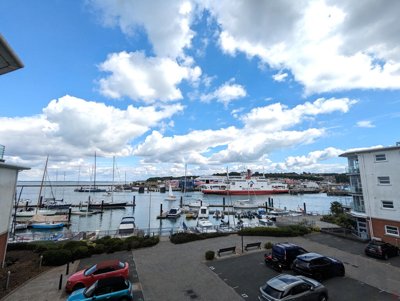
Several new developments have added to the rental options available in Cowes. The Gables development by Barratt Homes off Newport Road offers 2, 3, and 4-bedroom homes, while Hawthorn Meadows from David Wilson Homes provides larger family housing in the same area. For those seeking waterfront living, Medina Yard and Victoria Quay both offer contemporary apartments on the Cowes waterfront, giving renters access to modern accommodation with harbour views. These newer properties often come with parking and modern fixtures, which can be valuable advantages for tenants on the island.

Cowes, Isle of Wight, is a vibrant maritime town with a population of approximately 10,483 residents across 4,834 households, according to the 2021 Census. The town derives much of its character from its deep-rooted association with sailing and yachting, hosting world-renowned regattas including Cowes Week, which transforms the town each summer into the epicentre of the international sailing calendar. The town centre features an eclectic mix of independent shops, traditional pubs dating back centuries, and restaurants offering fresh local produce and seafood from the Solent. The historic High Street and The Parade area retain much of their Victorian and Edwardian architecture, reflecting the prosperity the town experienced during its maritime heyday.
The local economy is heavily influenced by the marine and maritime industry, with numerous businesses specialising in yacht building, marine electronics, yacht brokerage, and associated services. This sector provides skilled employment opportunities and attracts a professional workforce to the area. Tourism also plays a significant role, with visitors drawn by the sailing heritage, coastal scenery, and the pleasant island atmosphere. Many residents commute to Newport, the Isle of Wight's administrative capital, or travel to the mainland via the regular ferry services from Cowes to Southampton, making the town well-connected despite its island location.
The age of properties in Cowes varies significantly across different neighbourhoods. The historic core around the High Street and The Parade features many Victorian and Edwardian buildings constructed before 1919, with their distinctive bay windows, original sash frames, and solid brick walls. Post-war development added residential estates during 1945-1980, while more recent construction has brought modern apartments and housing estates to areas like Newport Road. This mix of property ages means renters can choose between period character and contemporary convenience, though older properties may require more maintenance.

Families considering renting in Cowes will find several educational options available on the Isle of Wight. Primary education is served by schools within and near the town, with many children attending schools in Cowes itself or in neighbouring communities across the island. The town has several primary schools serving different catchment areas, and parents should research specific catchment boundaries when choosing where to rent, as school admissions are typically determined by geographic proximity.
Secondary education options include schools in Newport and other parts of the island, with some students travelling to specialist schools offering particular curricula or extracurricular programmes. The Isle of Wight Council manages the majority of state-funded schools in the area, and catchment areas can influence which schools children may be eligible to attend depending on where families choose to rent. Travel times to secondary schools can be longer than on the mainland due to the island road network, so factoring in transport arrangements is advisable when renting in areas further from Newport.
For families with specific educational requirements or those seeking alternative provision, the Isle of Wight offers several options including faith schools and schools with specialist units. Parents are advised to research individual school performance data and Ofsted ratings directly, as well as checking current catchment area boundaries, before committing to a rental property in a particular location. For older students, there are further education opportunities on the island, with sixth form colleges and vocational training providers serving young people continuing their education beyond GCSE level.

Transport connections are a key consideration for renters in Cowes, given the island location. The Red Funnel ferry service operates from Cowes to Southampton on the mainland, providing both passenger and vehicle transport with regular sailings throughout the day. This ferry crossing takes approximately 25 minutes, connecting island residents to the mainland rail network at Southampton Central station. From there, direct train services reach London Waterloo in around two hours, making Cowes viable for commuters willing to combine ferry and rail travel. The Wightlink ferry service also operates from nearby Fishbourne, providing an alternative crossing point to Portsmouth.
Within Cowes itself, the town is relatively walkable, with most amenities accessible on foot from residential areas. The town centre's compact layout means that properties in the High Street, The Parade, and surrounding streets offer particularly convenient access to shops, restaurants, and the waterfront. Local bus services operated by Southern Vectis connect Cowes with Newport and other parts of the island, providing essential public transport for those without vehicles. Bus journey times to Newport typically take around 20-30 minutes depending on traffic and the specific route taken.
The island road network connects Cowes to other towns and villages, though visitors and new residents should be aware that journey times may be longer than equivalent distances on the mainland due to the rural nature of some island roads. For cyclists, the island offers various cycling routes and the relatively flat terrain around Cowes and the Medina valley is suitable for everyday cycling. Those relying on public transport should factor ferry costs and timetables into their planning, as crossing schedules can affect daily routines and commute times.

Renting properties in Cowes requires careful attention to several area-specific factors that differ from mainland locations. The geology of the area is characterised by Tertiary deposits including clays, silts, sands, and gravels, with particular clay content that creates a moderate to high shrink-swell risk in parts of the town. This clay-related ground movement can affect property foundations, particularly during periods of drought followed by heavy rainfall. Renters should note any signs of cracking or subsidence when viewing properties and may wish to request information about the property's foundation type and any history of structural movement.
Coastal flooding represents another significant consideration for renters in Cowes. The town sits at the mouth of the River Medina and is susceptible to coastal flooding during high tides combined with storm surges, particularly in areas along the waterfront and parts of the High Street. Properties bordering the river face additional river flood risk during heavy rainfall and high tide combinations. Surface water flooding can also occur when heavy rainfall overwhelms local drainage systems. Prospective renters should enquire about the property's flood history and check Environment Agency flood risk data before committing to a tenancy agreement in vulnerable areas.
The construction materials used in Cowes properties reflect both their age and the coastal environment. Many older properties are built from brick, often with render or painted finishes that require maintenance in the salt-laden air. Traditional Isle of Wight stone may be present in historic buildings, while timber cladding is common in coastal-style properties. Roofs typically feature slate or tile, though older properties may have original materials requiring attention. For rented properties, understanding the landlord's maintenance responsibilities and the property's recent upkeep history helps tenants assess what condition they can expect when moving in.

Given the age of much of Cowes housing stock, several common defects are worth checking when viewing rental properties. Damp issues frequently affect older properties, particularly those with solid walls or inadequate damp-proof courses. The coastal environment can exacerbate these problems, especially in properties that have not been well-maintained. Renters should examine walls, corners, and window frames for signs of damp, mould, or condensation damage during viewings.
Roof condition is another area requiring attention in Cowes properties. Older roofs may suffer from slipped tiles, degraded felt, or failing leadwork around chimneys and dormers, leading to leaks that can cause significant damage to interior decoration and fixtures. Timber elements in older properties can also be vulnerable to both wet and dry rot, particularly in damp conditions or where ventilation is poor. These issues may not be immediately apparent during a viewing but can become costly problems during a tenancy.
Electrical and plumbing systems in older rental properties often require updating to meet modern standards and usage requirements. Many properties built before the 1980s will have wiring and plumbing that predates current regulations, and landlords may be working through programmes of gradual upgrade. Renters should ask about the age and condition of these systems, as well as any recent upgrades or planned improvements to the property. Properties close to the coast may also experience accelerated corrosion of metal components due to salt air, which can affect gutters, downpipes, and visible pipework.

Understanding the costs associated with renting in Cowes is essential for budgeting your move effectively. Traditional deposits are typically equivalent to five weeks' rent, capped at five weeks' rent where the annual rent is less than £50,000, under the Tenant Fees Act 2019. These deposits are protected in a government-approved tenancy deposit scheme within 30 days of receiving them. Renters should budget for the first month's rent in advance plus the deposit, plus any fees charged by letting agents for referencing, administration, or inventory checks if applicable. Holding deposits are limited to one week's rent and are refundable unless the landlord decides to proceed with the tenancy.
Before beginning your property search in Cowes, obtaining a rental budget agreement in principle is highly recommended. This document from a mortgage broker or financial provider confirms how much you can afford to spend on rent each month, demonstrating your financial credibility to landlords and letting agents. Having this in place streamlines the application process and can give you a competitive edge in Cowes's sometimes competitive rental market, particularly for popular waterfront properties or homes in the town centre conservation area. Additional costs to factor in include removal expenses, contents insurance, and utility setup fees when moving into your new rental home.
Reference and administration fees that letting agents previously charged have been banned under the Tenant Fees Act 2019, meaning landlords cannot pass these costs to tenants. However, some costs remain permissible, including late payment charges, replacement key fees, and charges for early termination at the tenant's request. Inventory check fees at the start and end of tenancy may still be charged in some cases, so renters should clarify what is included in their tenancy agreement before signing.

Browse available rental properties in Cowes to understand current prices, property types, and locations. Consider your commute requirements and proximity to schools if applicable. The island rental market can move quickly, so being prepared with your requirements clearly defined helps streamline the search process.
Obtain a rental budget agreement in principle to confirm your affordability. Gather required documentation including proof of identity, recent payslips or accounts, bank statements, and employment references. Having all paperwork ready speeds up the application process significantly.
Book viewings for properties that meet your criteria. In Cowes, waterfront properties and homes in the conservation area are particularly desirable, so viewing promptly when listings appear is advisable. Take notes during viewings and ask about the property's flood risk, maintenance history, and any planning restrictions.
Once you have found a suitable property, complete the referencing process through the letting agent or landlord. Provide all required documentation promptly to avoid delays. Be prepared to explain any gaps in employment history or unusual financial circumstances.
Ensure your deposit is protected in a government-approved scheme (DPS, MyDeposits, or TDS) within 30 days of the tenancy start date. Your landlord must provide you with prescribed information about where your deposit is held. This protection is a legal requirement and gives you recourse if disputes arise at the end of the tenancy.
Conduct a thorough move-in inspection and inventory check, documenting the condition of all rooms, fixtures, and fittings. Take dated photographs as evidence. Report any discrepancies between the inventory and the property's actual condition to your landlord or letting agent immediately in writing.
While specific rental price data was not available in our research, the sales market provides useful context for understanding property values in Cowes. As of February 2026, average house prices stand at £364,000 overall, with terraced properties averaging £296,000, semi-detached homes at £351,000, and flats at £211,000. Rental prices typically correlate with these sale values, with larger detached properties commanding higher monthly rents than one or two-bedroom flats. For accurate current rental pricing, we recommend searching Homemove's listings directly, as rental prices fluctuate based on property condition, location, and market demand. Waterfront properties and homes in the conservation area tend to command premium rents compared to similar properties in other parts of Cowes.
Cowes falls under the Isle of Wight Council authority for council tax purposes. Properties on the Isle of Wight are assigned bands A through H based on their assessed value as of April 1991. Most terraced properties and smaller flats typically fall into bands A to C, while larger semi-detached and detached homes may be in bands D to F. Prospective tenants should enquire about the specific council tax band for any property they are considering, as this forms part of the regular monthly outgoings alongside rent and utility bills. Council tax rates on the Isle of Wight are generally comparable to mainland England, though specific charges vary by band.
Cowes and the surrounding Isle of Wight area offer several educational options for families. Primary schools in and around Cowes serve the local community, while secondary education is available in Newport and other island towns. Individual school performance varies from year to year, and we recommend checking the latest Ofsted reports and government performance data for specific schools. Families with particular educational requirements or those seeking faith-based education should research available options across the island before committing to a rental property in a specific location. Transport arrangements to schools should be considered, as journey times can be longer on the island compared to mainland areas of similar distance.
Cowes benefits from regular Red Funnel ferry services to Southampton, with the crossing taking approximately 25 minutes. From Southampton Central station, direct trains reach London Waterloo in around two hours. Within the island, Southern Vectis operates bus services connecting Cowes with Newport and other destinations. The town itself is walkable, and cycling is practical given the relatively flat terrain around the Medina estuary. However, those without vehicles should factor ferry costs and timetables into their daily routines, as the island location means public transport options are more limited than on the mainland. Ferry services can be affected by weather conditions, particularly during winter months or storms.
Cowes offers an exceptional quality of life for renters seeking a coastal lifestyle with strong community ties. The town's world-famous sailing heritage, beautiful waterfront setting, and range of local amenities make it highly desirable. The marine and maritime industry provides skilled employment opportunities, while the tourism sector supports local shops, pubs, and restaurants. The island's relative isolation from the mainland can be a consideration for those who travel regularly, but many residents find the trade-off of island living worthwhile. The presence of a conservation area and listed buildings adds character but may bring planning considerations for tenants planning modifications to their rented home.
Standard deposits for rental properties in Cowes are typically five weeks' rent, capped under the Tenant Fees Act 2019. Holding deposits are limited to one week's rent. Reference and administration fees may be charged by letting agents, though these are not permitted to be charged to tenants under the Act. You should budget for the first month's rent plus deposit upfront, plus removal costs and potential inventory check fees. Your deposit must be protected in a government-approved scheme within 30 days of the tenancy start date, and your landlord must provide written confirmation of the scheme used. At the end of your tenancy, the deposit should be returned within 10 days of both parties agreeing the amount to be retained.
Flood risk is an important consideration in Cowes due to its coastal and riverside location. The town faces coastal flooding risk during high tides and storm surges, particularly affecting waterfront areas and properties adjacent to the River Medina. River flooding can impact properties bordering the river during periods of heavy rainfall and high tides. Surface water flooding can also occur during intense rainfall overwhelming drainage systems. We recommend checking Environment Agency flood risk maps for any specific property and discussing flood resilience measures with the landlord or letting agent before committing to a tenancy agreement. Properties in areas with higher flood risk may require specialist insurance, which could affect overall rental costs.
Cowes has a significant concentration of listed buildings, particularly in the town centre and along the waterfront, reflecting its important maritime history. The Cowes Conservation Area encompasses much of the historic core, including the High Street, The Parade, and surrounding streets. Properties within this conservation area are subject to stricter planning controls, which may affect what alterations or renovations tenants can undertake. Listed buildings offer unique character but may require specialist maintenance and come with obligations regarding their preservation. Prospective renters should clarify the property's listed status and any associated restrictions with the landlord before signing a tenancy agreement, as tenants are generally responsible for minor alterations only with landlord permission.
From 4.5%
A rental budget agreement confirms how much you can afford to spend on rent each month
From £99
Comprehensive referencing checks for landlords and letting agents
From £450
Detailed survey for properties in Cowes, identifying defects common in local housing stock
From £85
Energy Performance Certificate for rental properties in Cowes
Properties to Rent In London

Properties to Rent In Plymouth

Properties to Rent In Liverpool

Properties to Rent In Glasgow

Properties to Rent In Sheffield

Properties to Rent In Edinburgh

Properties to Rent In Coventry

Properties to Rent In Bradford

Properties to Rent In Manchester

Properties to Rent In Birmingham

Properties to Rent In Bristol

Properties to Rent In Oxford

Properties to Rent In Leicester

Properties to Rent In Newcastle

Properties to Rent In Leeds

Properties to Rent In Southampton

Properties to Rent In Cardiff

Properties to Rent In Nottingham

Properties to Rent In Norwich

Properties to Rent In Brighton

Properties to Rent In Derby

Properties to Rent In Portsmouth

Properties to Rent In Northampton

Properties to Rent In Milton Keynes

Properties to Rent In Bournemouth

Properties to Rent In Bolton

Properties to Rent In Swansea

Properties to Rent In Swindon

Properties to Rent In Peterborough

Properties to Rent In Wolverhampton

Enter your details to see if this property is within your budget.
Loans, cards, car finance
Estimated property budget
Borrowing + deposit
You could borrow between
Typical borrowing
Monthly repayment
Est. at 4.5%
Loan-to-value
This is an estimate only. Your actual budget may vary depending on interest rates, credit history, and personal circumstances. For an accurate affordability assessment, speak to one of our free mortgage advisors.
This calculator provides estimates for illustrative purposes only and does not constitute financial advice. Your home may be repossessed if you do not keep up repayments on your mortgage. Estimates based on 4.5% interest rate, repayment mortgage. Actual rates depend on your circumstances.
Homemove is a trading name of HM Haus Group Ltd (Company No. 13873779, registered in England & Wales). Homemove Mortgages Ltd (Company No. 15947693) is an Appointed Representative of TMG Direct Limited, trading as TMG Mortgage Network, which is authorised and regulated by the Financial Conduct Authority (FRN 786245). Homemove Mortgages Ltd is entered on the FCA Register as an Appointed Representative (FRN 1022429). You can check registrations at NewRegister or by calling 0800 111 6768.