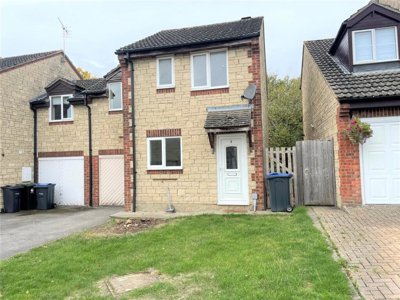
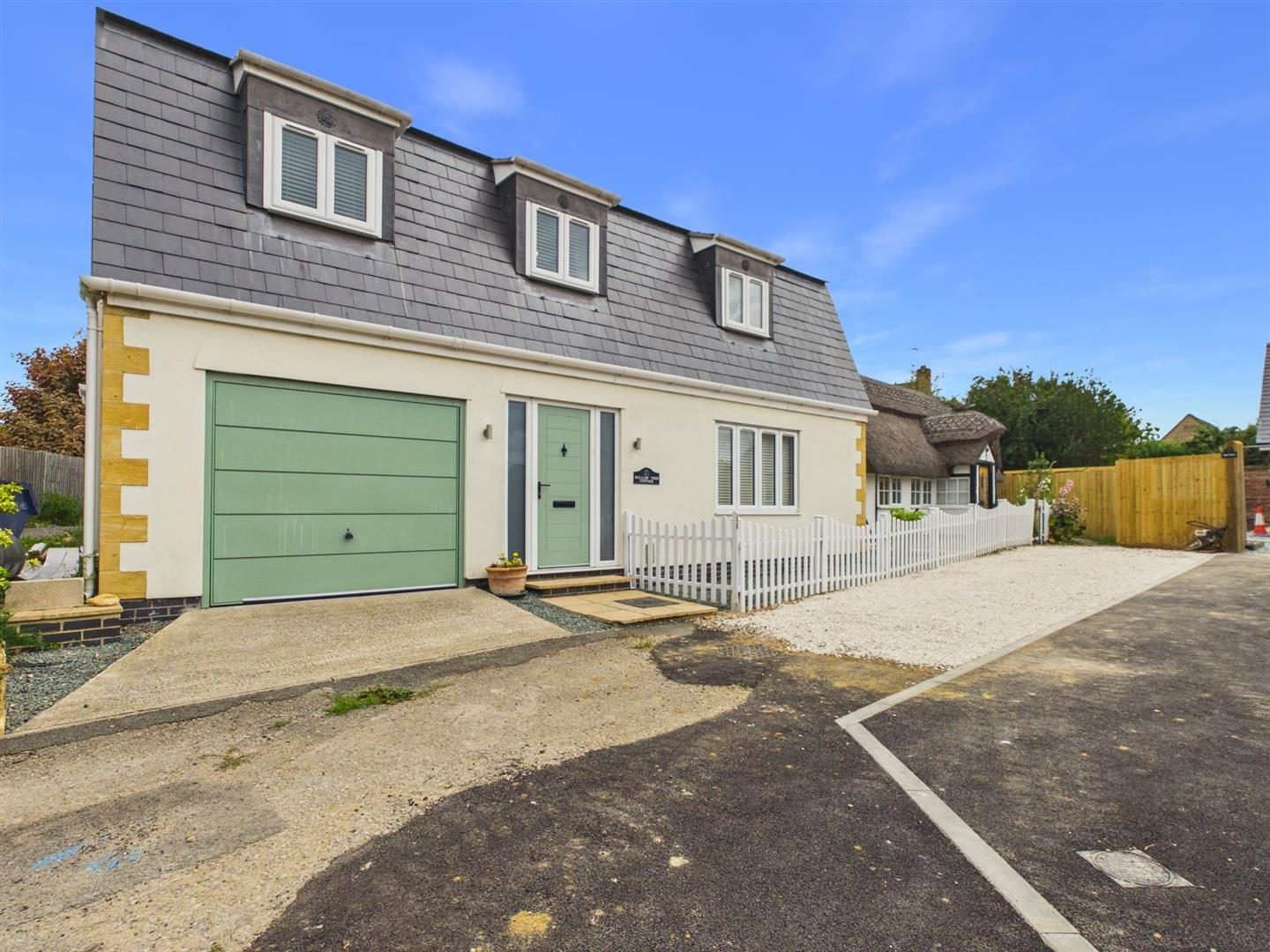
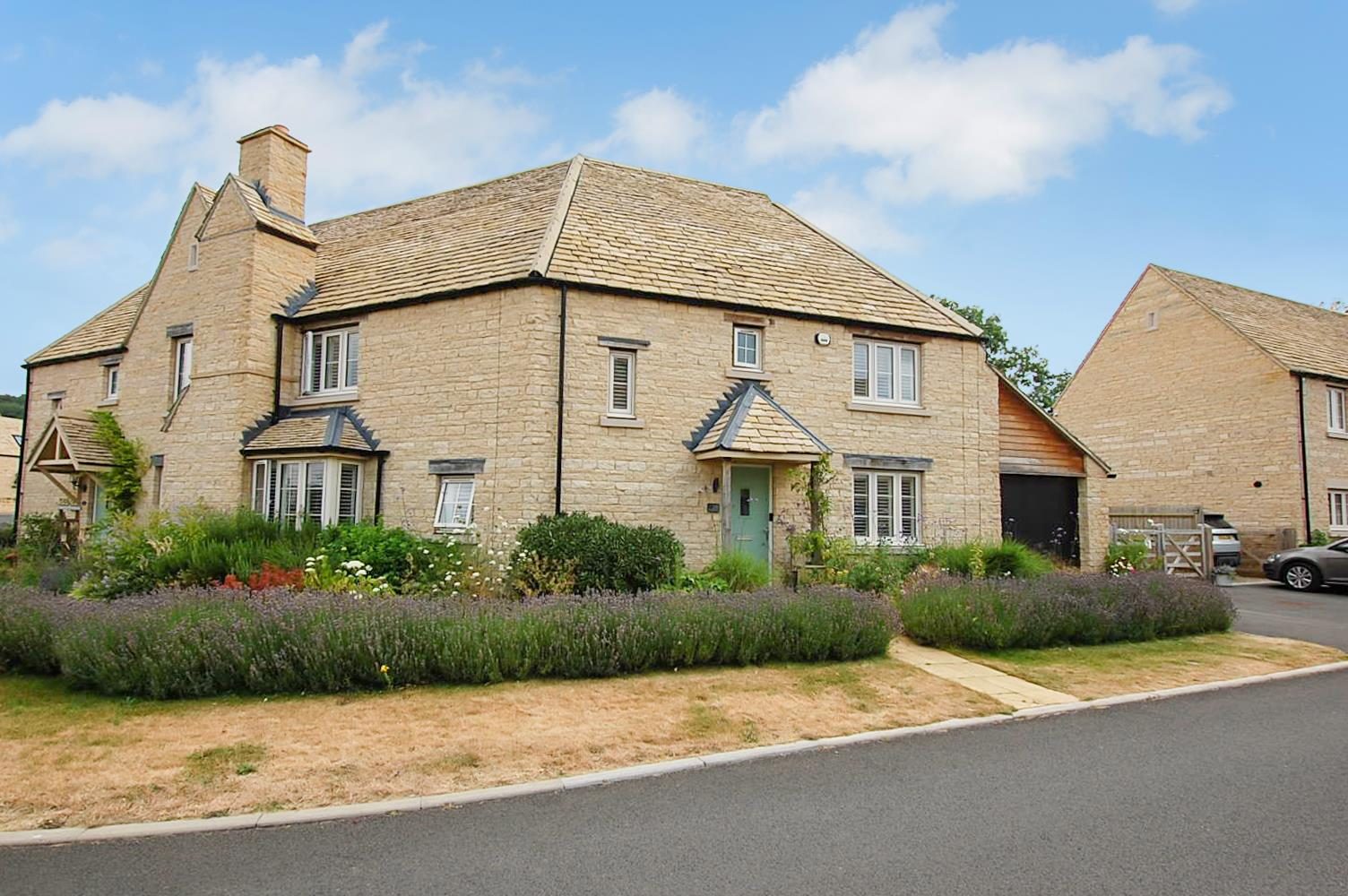
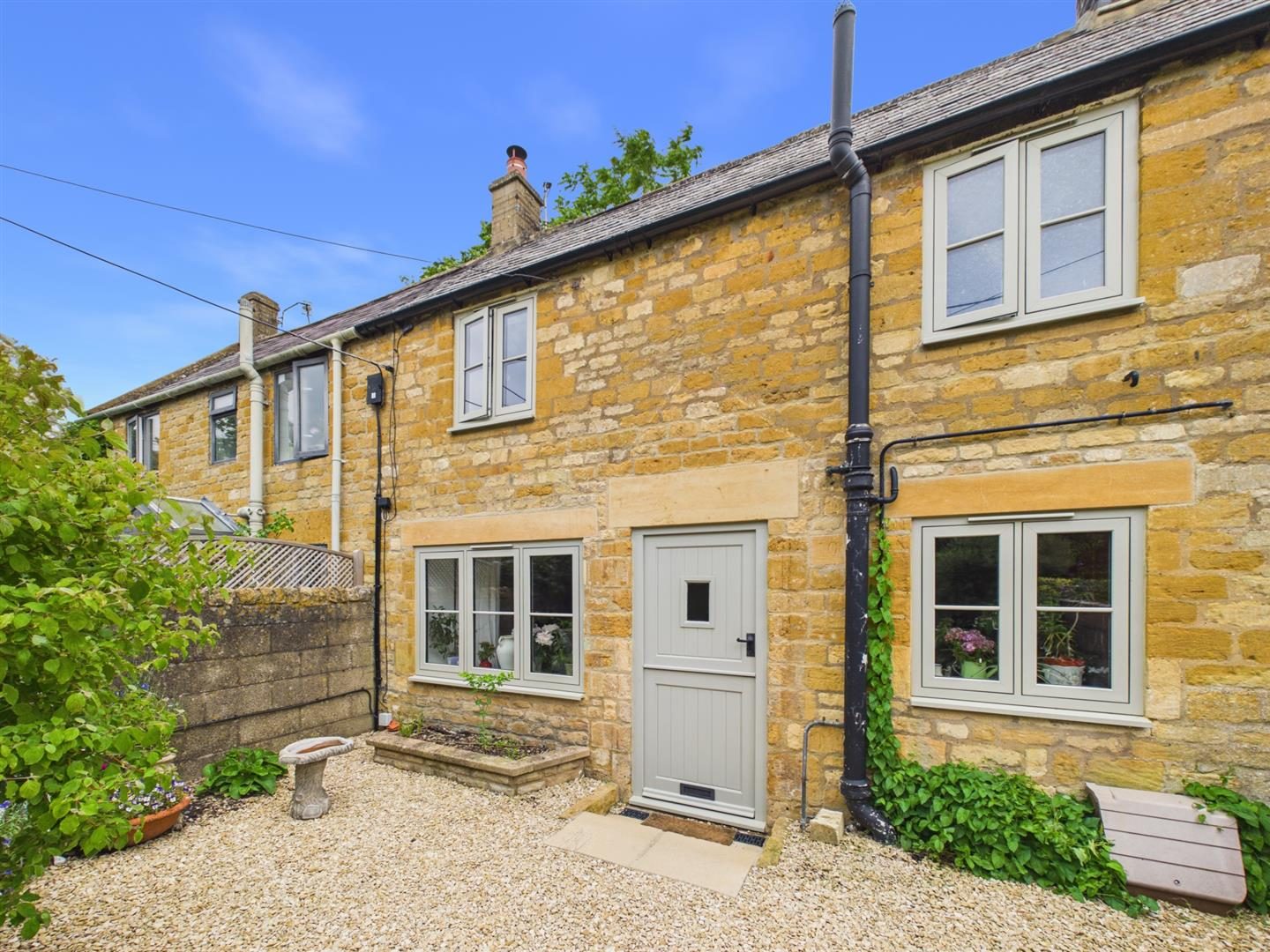
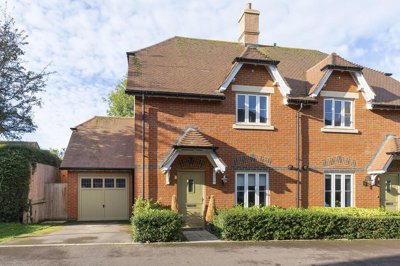
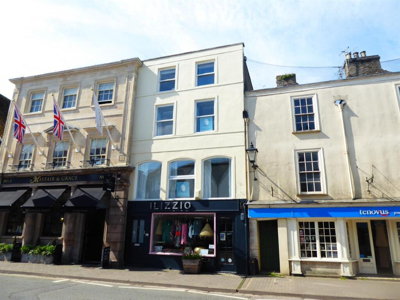
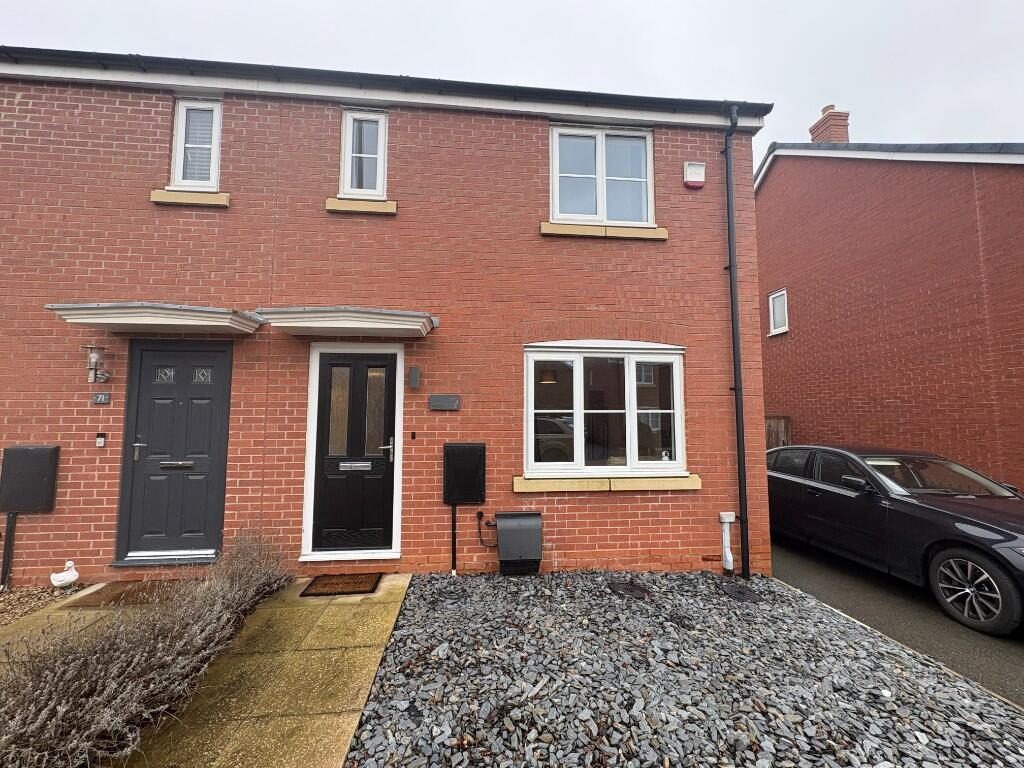
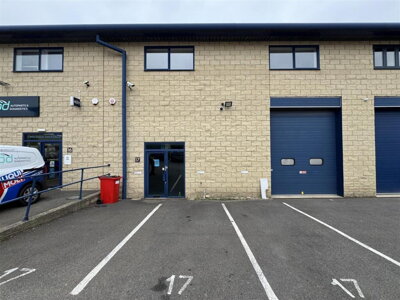
Browse 200 rental homes to rent in Cotswold, Gloucestershire from local letting agents.
£1,500/m
58
1
50
Source: home.co.uk
Source: home.co.uk
Terraced
10 listings
Avg £1,505
Semi-Detached
9 listings
Avg £1,586
Detached
8 listings
Avg £2,363
Apartment
7 listings
Avg £1,119
Cottage
6 listings
Avg £1,632
Flat
6 listings
Avg £1,264
End of Terrace
3 listings
Avg £1,392
House
2 listings
Avg £2,625
Barn Conversion
1 listings
Avg £1,900
Bungalow
1 listings
Avg £1,150
Source: home.co.uk
Source: home.co.uk
The Cotswold property market has experienced notable price adjustments recently, creating new opportunities for renters and buyers alike. Average property prices in Cotswold stood at £416,000 in December 2025, representing a 6.8% decrease from December 2024, according to the Land Registry. This market correction follows previous years of steady growth and has made the area more accessible to a broader range of buyers and renters. homedata.co.uk data from February 2025 indicated an average price of £457,200, with a 1.1% increase recorded over the previous year, demonstrating the complex dynamics at play in this sought-after location. home.co.uk reported an overall average of £436,275 over the last year, with further variation across property types.
Property types in Cotswold vary significantly in price, offering options across different budgets. Detached properties command the highest prices at approximately £657,000, down 8.1% from the previous year, making them substantial investments even in the current market. Semi-detached homes average around £398,000, while terraced properties offer more accessible entry points at approximately £341,000, having decreased 5.6% year-on-year. Flats and maisonettes represent the most affordable segment at around £210,000, appealing to first-time buyers and those seeking lower-maintenance living in this prestigious area.
Rental prices in the Cotswold area reflect the broader property market dynamics, with location and property type significantly influencing monthly costs. Cirencester, as the largest town, offers the widest selection of rental properties with prices typically ranging from £1,200 for a two-bedroom flat to £2,500 for a spacious family home. Villages with excellent school catchments or convenient commuting links command premium rents, while more remote locations offer relative value for tenants prioritising space and character over convenience.

The Cotswolds is designated as an Area of Outstanding Natural Beauty, encompassing some of England's most picturesque countryside across Gloucestershire, Oxfordshire, and Warwickshire. The region is characterised by its distinctive honey-coloured Cotswold stone buildings, built from the locally mined Oolitic limestone that gives villages their unique appearance. The local geology, predominantly limestone bedrock, generally presents lower shrink-swell risk compared to clay-rich areas, though localised drainage and foundation issues can affect older properties. The landscape features gentle hills, meandering rivers including the River Coln, and extensive farmland that has shaped the character of the area for centuries.
The local economy benefits from tourism, with visitors drawn to historic country estates, charming tea rooms, and traditional pubs that line village high streets. Young families are particularly attracted to the area for its excellent schools and outdoor lifestyle, while retirees appreciate the peaceful environment and strong sense of community that persists in Cotswold villages. The presence of the Royal Agricultural University in Cirencester adds an academic dimension to the region, contributing to local facilities and cultural events throughout the year. Property buyers and renters are drawn from diverse backgrounds, including commuters working in London, Birmingham, and Bristol, as well as those seeking a permanent escape to countryside living.
The Cotswolds stands out as a distinctive place to rent because of its remarkable character and consistent appeal to tenants seeking countryside living with good connectivity to major employment centres. Rental properties range from traditional stone cottages in conservation villages to converted farm buildings and modern apartments in towns such as Cirencester and Tetbury. This variety means tenants can choose between the maintenance responsibilities of period properties and the convenience of newer developments. The competitive market means properties in sought-after villages like Bourton-on-the-Water and Broadway attract considerable interest, and prospective tenants should be prepared to move quickly when suitable properties become available.

Education provision across the Cotswold District serves families well, with a mix of primary and secondary schools available in the market towns and surrounding villages. The area is home to several primary schools that serve their local communities, many situated in historic buildings that reflect the traditional character of the region. Secondary education is provided through schools in towns such as Cirencester, Chipping Campden, and Bourton-on-the-Water, offering comprehensive curricula and sixth-form provision for older students. Grammar school options exist in nearby areas for those who meet the entrance criteria, including The King's School in Gloucester which serves students from across the wider region.
The Royal Agricultural University in Cirencester represents the higher education presence in the Cotswolds, offering undergraduate and postgraduate degrees in agricultural, equine, and land-based subjects. This specialist institution attracts students from across the UK and internationally, contributing to the academic vibrancy of the largest town in the district. Further education colleges in nearby towns provide additional vocational and academic routes for young people and adults seeking qualifications. Parents researching rental properties in the Cotswolds should note that school catchment areas can influence property values and availability, particularly in popular villages where school places are at a premium.
When considering rental properties in the Cotswolds, parents should research individual school Ofsted ratings before committing, as quality varies between institutions. Competition for places at popular schools can be intense in desirable villages, and rental properties within good catchment areas often command premium rents. The proximity of rental properties to schools should be factored into location decisions, particularly for families with children of secondary school age where school transport options may be limited in more rural areas.

Transport connections from the Cotswolds have improved significantly in recent years, making the area increasingly attractive to commuters who previously considered rural locations impractical. Train services from Kemble station provide regular connections to Swindon and London Paddington, with journey times to the capital typically under 90 minutes. Kingham station offers similar London services via Oxford, while Moreton-in-Marsh provides direct routes to Worcester and Hereford. These rail connections have transformed the commute viability for those working in major cities while maintaining a countryside lifestyle. The improved rail services have contributed to increased demand for rental properties in villages within easy reach of these stations.
Road transport within the Cotswolds centres on the A417 and A429 trunk roads, which traverse the area connecting market towns and providing access to the M4 and M40 motorways. The A429 passes through Cirencester, offering routes to Cheltenham and Stratford-upon-Avon, while the A424 provides connections to Stow-on-the-Wold and beyond. Bus services operated by Stagecoach and local operators link villages with market towns, though frequency can be limited in more rural areas. For those considering rental properties in the Cotswolds, parking provision varies significantly between locations, with market towns typically offering public car parks while village living may require on-street parking arrangements.
Broadband connectivity varies across the Cotswolds, and prospective tenants should verify download speeds and provider options before committing to a rental property in more remote villages. Working from home has become increasingly common, and reliable internet connectivity is essential for those commuting to London or other cities on a hybrid basis. Properties in market towns generally offer better broadband coverage than more isolated rural locations, though several villages now have access to superfast broadband through community-led initiatives.

Before viewing properties, explore current rental listings across different villages and towns within the Cotswold District to understand availability, typical rental prices, and which areas match your lifestyle requirements. Consider factors such as commute times, school catchment areas, and proximity to local amenities. Cirencester offers the widest selection of rental properties, while villages provide more character but fewer options. Properties near train stations at Kemble, Kingham, and Moreton-in-Marsh often command premium rents due to their commuting appeal.
Secure a rental budget agreement in principle before arranging viewings, as landlords in this competitive market often require proof of financial capability. This document demonstrates your budget capacity and strengthens your position when making an offer on a property. We recommend obtaining your budget agreement early in the process, as desirable properties in the Cotswolds can attract multiple interested parties within days of listing.
Contact local letting agents in the Cotswolds to arrange viewings of properties that interest you. Take notes on property condition, note any maintenance concerns, and assess whether the property meets your requirements for space, parking, and outdoor areas. Given the age of many Cotswold properties, pay particular attention to the condition of traditional stone walls, timber windows, and roof structures during viewings.
Given the age of many Cotswold properties, arrange a thorough inspection report to identify any potential issues with traditional construction methods, listed building restrictions, or conservation area requirements that may affect your tenancy. Many villages and properties fall within conservation areas or are listed buildings, imposing restrictions on modifications that tenants should understand before signing a tenancy agreement.
Once you have found your ideal rental property, submit your application with all required documentation including references, proof of income, and your rental budget agreement. Be prepared to move quickly in competitive areas where desirable properties attract multiple interested parties. The Cotswolds rental market moves quickly, particularly during spring and summer when demand peaks from families seeking to relocate before the new school year.
Upon acceptance, review your tenancy agreement carefully, noting the terms regarding deposits, notice periods, and property maintenance responsibilities. Arrange an inventory check at the start of your tenancy to document the condition of the property and protect your deposit at the end of your tenancy. Standard deposits are capped at five weeks' rent and must be protected in a government-approved scheme within 30 days of receipt.
Renting a property in the Cotswolds requires careful consideration of factors unique to this historic rural area. Many properties are constructed from traditional Cotswold stone using methods that differ significantly from modern building standards, including solid walls, lime mortar pointing, and timber roof structures. These construction methods require different maintenance approaches and may be more susceptible to issues such as damp penetration or timber decay than newer properties. The majority of properties in the Cotswolds were built before 1919, and prospective tenants should view properties with an awareness of these traditional characteristics and factor any maintenance needs into their decision.
Flood risk represents an important consideration for renters in certain Cotswold locations, particularly properties situated near rivers or in low-lying areas. The River Coln and other watercourses in the region create associated floodplains that can pose risks during periods of heavy rainfall. The Environment Agency's flood risk checker provides specific information for individual properties, and we recommend consulting this resource before committing to a tenancy. Additionally, many villages and properties fall within conservation areas or are listed buildings, imposing restrictions on modifications, external alterations, and even interior decorations that tenants should understand before signing a tenancy agreement.
Service charges and ground rent apply to leasehold properties such as apartments and maisonettes, and these ongoing costs should be factored into your overall budget alongside monthly rent. The Cotswolds market includes both period cottages and newer developments, each with different maintenance responsibilities and cost structures. Properties with extensive gardens require additional time and potentially expense to maintain, while apartments in managed developments may offer more convenient but less private living arrangements. Properties at The Limes in Tetbury offer modern alternatives for those preferring contemporary construction with lower maintenance requirements.

Rental prices in the Cotswold area vary considerably based on property type, location, and size. Cirencester offers the broadest range of rental options, with two-bedroom cottages typically ranging from £1,200 to £1,600 per month and larger family homes commanding £2,000 to £3,500 depending on condition and amenities. Villages such as Bourton-on-the-Water and Broadway command premium rents due to their desirable locations and character properties. Properties near train stations at Kemble, Kingham, and Moreton-in-Marsh often carry higher rental values reflecting their commuting appeal. Contact local letting agents for current rental listings and accurate pricing information for specific property types and areas.
Council tax bands in Cotswold vary depending on property value and type, with most homes falling into bands C through G. Cotswold District Council administers council tax for the area, and bands are determined by the Valuation Office Agency based on property characteristics including size, location, and condition. Period properties and cottages may occasionally fall into lower bands, while larger detached homes in prestigious village locations often occupy higher bands. Tenants should confirm the council tax band for any property they are considering, as this forms part of the overall cost of renting in the area alongside monthly rent and utility bills.
The Cotswold District offers good educational provision across primary and secondary levels, with schools in towns like Cirencester, Chipping Campden, and Bourton-on-the-Water serving local communities. The area is served by several well-regarded primary schools, many located in historic buildings within village communities. Secondary schools include The Cotswold School in Bourton-on-the-Water and Chipping Campden School, both providing comprehensive education with sixth-form provision. The Royal Agricultural University in Cirencester provides higher education opportunities within the district. School quality is measured by Ofsted ratings, and parents should research individual school performance before committing to a rental property, as catchment areas can significantly affect school placement.
Public transport in the Cotswolds has improved considerably in recent years, with train services from Kemble, Kingham, and Moreton-in-Marsh providing connections to London, Oxford, and other major cities. Kemble offers regular services to London Paddington in under 90 minutes, while Kingham provides routes via Oxford to the capital. Bus services operated by Stagecoach and local operators link market towns with surrounding villages, though service frequency is lower than in urban areas. For daily commuting, most residents rely on private vehicles, making parking provision an important consideration when renting a property. The A417 and A429 roads provide good trunk route connections to the M4 and M40 motorways for those commuting by car.
The Cotswolds offers an exceptional quality of life for renters seeking countryside living with excellent connectivity to major employment centres. The area combines natural beauty, historic character, and strong community spirit, making it popular with families, professionals, and retirees alike. Rental properties range from traditional stone cottages in conservation villages to converted agricultural buildings and modern apartments in towns such as Cirencester, Moreton-in-Marsh, and Tetbury. Properties range from compact flats suitable for first-time renters to spacious family homes with gardens, offering options across different budgets and lifestyle preferences. The competitive rental market means properties in desirable villages can be sought after, so prospective tenants should be prepared to act quickly when suitable properties become available.
Standard deposits for rental properties in England are capped at five weeks' rent under the Tenant Fees Act 2019, providing protection for tenants against excessive upfront costs. This deposit must be protected in a government-approved deposit protection scheme within 30 days of receiving it, and tenants should receive detailed information about the scheme used. Additional fees may include referencing fees to cover credit checks and landlord references, administration charges levied by letting agents, and potentially a holding deposit to secure a property while references are processed. Any charges not explicitly permitted under the Tenant Fees Act should be challenged. We recommend obtaining a rental budget agreement in principle before commencing your property search, as this demonstrates financial readiness to landlords and can strengthen your application in competitive situations.
From 4.5%
Get pre-approved for your renting budget and demonstrate financial credibility to landlords
From £99
Comprehensive referencing including credit checks and employer references
From £99
Detailed property condition reports to protect your deposit
From £85
Energy performance certificates for rental properties
Understanding the costs associated with renting in the Cotswolds is essential for budgeting effectively, particularly given the premium nature of this desirable rural location. Standard deposits for rental properties in England are capped at five weeks' rent under the Tenant Fees Act 2019, providing protection for tenants against excessive upfront costs. This deposit must be protected in a government-approved deposit protection scheme within 30 days of receiving it, and tenants should receive detailed information about the scheme used. The deposit serves as security against any damages beyond normal wear and tear at the end of the tenancy, and a thorough inventory check at the start of your tenancy is essential to document existing conditions.
Additional fees may include referencing fees to cover credit checks and landlord references, administration charges levied by letting agents, and potentially a holding deposit to secure a property while references are processed. Tenants should receive a written breakdown of all fees before committing to a property, and any charges not explicitly permitted under the Tenant Fees Act should be challenged. First-time renters in the Cotswold area should note that the various government relief schemes for property purchases do not apply to rental transactions, meaning standard rental costs apply regardless of previous homeownership status.
Beyond monthly rent, tenants should budget for council tax, utility bills, building insurance, and ongoing maintenance responsibilities depending on the property type. Period stone cottages require different maintenance approaches than modern apartments, and conservation area restrictions may limit what modifications tenants can make without landlord approval. We strongly recommend obtaining a rental budget agreement in principle before commencing your property search, as this provides clarity on your affordable monthly rent and demonstrates financial credibility to landlords in this competitive market. Our team can arrange a thorough inspection report to identify any potential maintenance concerns before you commit to a tenancy.

Properties to Rent In London

Properties to Rent In Plymouth

Properties to Rent In Liverpool

Properties to Rent In Glasgow

Properties to Rent In Sheffield

Properties to Rent In Edinburgh

Properties to Rent In Coventry

Properties to Rent In Bradford

Properties to Rent In Manchester

Properties to Rent In Birmingham

Properties to Rent In Bristol

Properties to Rent In Oxford

Properties to Rent In Leicester

Properties to Rent In Newcastle

Properties to Rent In Leeds

Properties to Rent In Southampton

Properties to Rent In Cardiff

Properties to Rent In Nottingham

Properties to Rent In Norwich

Properties to Rent In Brighton

Properties to Rent In Derby

Properties to Rent In Portsmouth

Properties to Rent In Northampton

Properties to Rent In Milton Keynes

Properties to Rent In Bournemouth

Properties to Rent In Bolton

Properties to Rent In Swansea

Properties to Rent In Swindon

Properties to Rent In Peterborough

Properties to Rent In Wolverhampton

Enter your details to see if this property is within your budget.
Loans, cards, car finance
Estimated property budget
Borrowing + deposit
You could borrow between
Typical borrowing
Monthly repayment
Est. at 4.5%
Loan-to-value
This is an estimate only. Your actual budget may vary depending on interest rates, credit history, and personal circumstances. For an accurate affordability assessment, speak to one of our free mortgage advisors.
This calculator provides estimates for illustrative purposes only and does not constitute financial advice. Your home may be repossessed if you do not keep up repayments on your mortgage. Estimates based on 4.5% interest rate, repayment mortgage. Actual rates depend on your circumstances.
Homemove is a trading name of HM Haus Group Ltd (Company No. 13873779, registered in England & Wales). Homemove Mortgages Ltd (Company No. 15947693) is an Appointed Representative of TMG Direct Limited, trading as TMG Mortgage Network, which is authorised and regulated by the Financial Conduct Authority (FRN 786245). Homemove Mortgages Ltd is entered on the FCA Register as an Appointed Representative (FRN 1022429). You can check registrations at NewRegister or by calling 0800 111 6768.