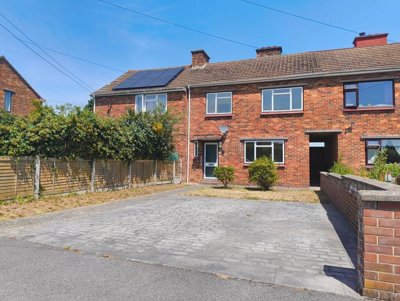
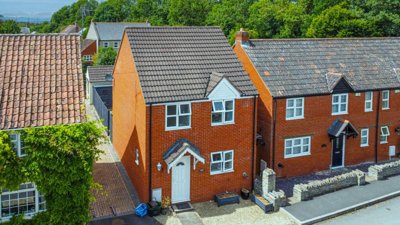
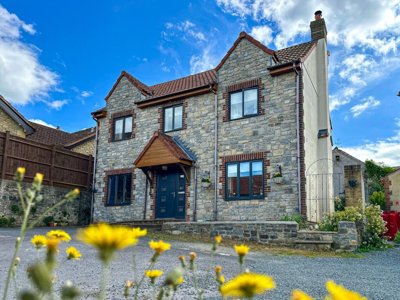
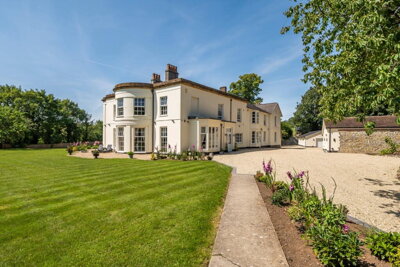
Browse 3 rental homes to rent in Cossington from local letting agents.
The Cossington property market offers a distinctive mix of housing types shaped by the village's long history. Land Registry data indicates that approximately 63% of properties in Cossington are detached homes, with semi-detached properties comprising around 21% of the housing stock and terraced properties making up approximately 14%. This prevalence of larger, detached properties reflects Cossington's evolution from a medieval settlement through to the 20th century, with many homes built using traditional Somerset materials such as local stone and cob. The village's architecture tells a story spanning several centuries, from 16th-century farmhouses like Cossington Park to the Victorian-era additions that replaced or reclad earlier buildings.
Recent market analysis shows that house prices in Cossington have experienced an 8% decrease compared to the previous year, settling around the £376,500 mark which mirrors the 2021 peak prices. For rental seekers, this market adjustment may present opportunities as property owners respond to changing conditions. The village has seen limited new build activity in recent years, with only a handful of individual planning permissions granted. A notable exception includes a unique new build dwelling completed in 2023, designed with a grass roof and built into the natural contours of the land, demonstrating how contemporary architecture can complement Cossington's rural setting. Nearby Woolavington also has a proposed development of up to 150 dwellings on Cossington Lane, which could influence the wider area's housing landscape.
The Somerset rental market continues to show resilience despite broader economic pressures, with county-wide property values seeing a 1% decline over the past twelve months. Properties in Cossington benefit from the village's desirable location along the Polden Hills ridge, offering both scenic views and practical access to the M5 motorway at Bridgwater. The presence of major employers including the Hinkley Point C nuclear power station and Leonardo Helicopters has sustained demand for housing in the wider Sedgemoor district, making village locations like Cossington attractive to professionals seeking countryside accommodation without sacrificing commute convenience.

Cossington embodies the essence of Somerset village life, offering residents a close-knit community atmosphere within easy reach of urban conveniences. The village sits strategically along the Polden Hills ridge, with its underlying geology comprising clay-rich soils with occasional limestone outcrops. This geological foundation has shaped both the landscape and the traditional building methods used throughout the area. The Somerset Levels and Moors extend to the north and east of Cossington, creating a landscape of water meadows, peat deposits, and winding rhine channels that define the region's character. Agriculture remains an important economic activity in the surrounding area, with farming operations contributing significantly more to local employment than the national average.
The village community benefits from several historic landmarks that anchor its identity. The Conservation Area designation protects Cossington's special architectural interest, encompassing key buildings such as Cossington Park and its roadside wall, Moon Cottage, and The Old Rectory, all of which are Grade II listed. These protected structures ensure that future development respects the village's historic character. Local amenities within Cossington itself are limited, reflecting its small scale, but the nearby town of Bridgwater provides access to supermarkets, healthcare facilities, and a range of shops and restaurants. The presence of major employers including Leonardo Helicopters and the Hinkley Point C nuclear power station in the wider Somerset area influences housing demand and contributes to the regional economy, making Cossington an attractive location for workers seeking countryside accommodation.
The Polden Hills location means Cossington residents enjoy elevated views across the Somerset Levels while being protected from the worst of the coastal weather. The village's position on the ridge provides relatively good drainage compared to lower-lying areas, though the clay soils beneath the village can present foundation considerations for older properties. The Somerset Rivers Authority has undertaken flood risk management projects in the nearby Levels area, including upgrading structures at Cossington itself, helping to protect the village from the water that periodically affects lower-lying parts of the county. For renters, understanding the local flood risk and checking whether any specific property has experienced flooding is essential before committing to a tenancy.

Families considering a move to Cossington will find educational options available both within the village and in the surrounding area. The village's small population of around 640 residents means that primary education facilities within Cossington itself are limited, though the wider Somerset area offers several primary schools serving surrounding villages. Parents should research specific admission arrangements and catchment area boundaries, as these can be competitive in desirable village locations where demand from families exceeds available places. Early contact with Somerset County Council's education admissions team can clarify which schools serve specific addresses in and around Cossington.
Secondary education options include schools in nearby Bridgwater and Street, with some families choosing independent education options available in Somerset's larger towns. The county's school system follows standard national curricula, with Ofsted-rated schools providing education benchmarks for parents to research when planning a move to the area. Schools in the Bridgwater area include The Castle School, which has a strong reputation, and other secondary options accessible via school transport routes that serve village communities like Cossington. Parents should note that school transport provision for pupils beyond the statutory walking distance threshold may require application to Somerset County Council.
Further education opportunities in Somerset include colleges in Taunton and Bridgwater, providing progression routes for students completing secondary education. The presence of these institutions means that families can plan for the longer term, knowing that educational progression through to A-levels and vocational qualifications is available within reasonable travelling distance. For renters with school-age children, understanding the local education landscape before committing to a tenancy is essential for planning family life in Cossington. The village's older housing stock, including properties dating from the 16th and 17th centuries, means that many family homes are well-established within established school transport routes, though new families should verify current arrangements.

Transport connectivity from Cossington centres on road access, with the village positioned near the A39 and with convenient links to the M5 motorway at Bridgwater. The A39 provides access to the Somerset coast at Burnham-on-Sea and connects westward to the county town of Taunton. For commuters working in Bristol, the journey from Cossington takes approximately 45 minutes to an hour by car, depending on traffic conditions on the M5 motorway. Bus services operate in the area, though frequency may be limited compared to urban routes, making car ownership practical for most residents. Railway connections are available at Bridgwater station, offering services to Bristol, Exeter, and London via the Great Western Railway network.
Bridgwater station has undergone significant upgrade in recent years as part of the rail improvements associated with Hinkley Point C construction, with better facilities and increased service frequency. The station provides direct connections to Bristol Temple Meads, Exeter St David's, and London Paddington, with journey times to the capital averaging around two and a half hours. For professionals working in Bristol or London on hybrid arrangements, Cossington's village location combined with these rail connections offers a viable balance between countryside living and employment access. Cycling infrastructure in rural Somerset varies, with the level of provision differing between main routes and minor country lanes.
The Somerset Levels and coastal paths offer recreational cycling opportunities, though the region's flat landscape contrasts with the elevated Polden Hills where Cossington sits. Road cycling is popular on the quieter lanes surrounding the village, though riders should be prepared for the hills that characterise the local topography. Parking provision within Cossington reflects its residential character, with on-street parking typical in the older parts of the settlement. For those working in the Hinkley Point C area or other major employment sites in Somerset, Cossington's central location provides reasonable access to the western Somerset corridor while maintaining the character of village living.

Begin by exploring the Cossington rental market thoroughly. Understand the village character, check flood risk information for specific properties, and familiarise yourself with the Conservation Area restrictions that may affect property alterations. The village sits on the Polden Hills with clay-rich soils, and understanding the local geology can help you assess potential foundation concerns in older properties.
Before viewing properties, obtain a rental budget agreement in principle to demonstrate your affordability to landlords. This financial pre-qualification strengthens your application in a competitive rental market. Have references, proof of income, and right to rent documentation ready to present quickly when you find a suitable property.
Schedule viewings of suitable properties in Cossington. Take time to inspect the condition of older properties carefully, noting construction materials such as stone or cob walls, and check for signs of damp or structural movement common in period homes. Many properties in Cossington date back centuries, so a thorough internal and external inspection is advisable before committing.
For rental properties that are older or have non-standard construction, consider a RICS Level 2 survey to identify any defects before committing. Survey costs typically range from £400 to £1,000 depending on property value and condition. Given that the majority of Cossington's housing stock consists of detached properties built with traditional materials, a professional survey can reveal issues with damp-proof courses, roof condition, or foundation stability that might not be apparent during a standard viewing.
Once you have selected a property, carefully review the tenancy agreement terms, deposit amount, and any restrictions on alterations given Cossington's Conservation Area status. Seek clarification on ground rent, service charges, and maintenance responsibilities. Properties in conservation areas often have additional restrictions on external changes that tenants should understand before signing.
Arrange your inventory check at move-in, photograph all conditions, and understand the deposit protection scheme arrangements. Set up council tax accounts with Sedgemoor District Council and utility services for your new Cossington home. Document the condition of any period features, old timber windows, or stone walls, as these are common areas where deposit disputes arise in older properties.
Renting in Cossington requires attention to several area-specific factors that distinguish this Somerset village from urban rental markets. Flood risk represents a primary consideration, as Cossington is identified as an area at risk of flooding from the River Soar. Flood warnings have been issued for Cossington Village, including Cossington Grange, Cossington Mill, and Old Mill areas, with potential for flooding of property, roads, and farmland during periods of high water. Prospective renters should enquire about the property's flood history and check whether flood resilience measures have been installed. Buildings insurance costs may be higher for properties in flood risk zones, and this could influence rental pricing.
The prevalence of older construction in Cossington brings additional considerations for renters. Many properties feature traditional walls of stone or cob, which require different maintenance approaches compared to modern brick construction. Signs of damp require careful investigation in period properties, as rising damp, penetrating damp, and condensation issues are common in buildings without modern damp-proof courses. The village's Conservation Area status means that exterior alterations to properties often require planning permission from Sedgemoor District Council, limiting what tenants can change during a tenancy. Subsidence risk exists in areas with clay soils and large nearby trees, as the shrink-swell behaviour of clay can affect foundations over time. Properties near the River Soar may also face ground stability considerations that warrant professional inspection.
When viewing rental properties in Cossington, pay particular attention to the condition of roofs, as many homes still feature original clay tiles from local manufacturers including those from Bridgwater. Replacement of these traditional tiles with heavier concrete alternatives can cause structural issues over time. Windows in period properties may be single-glazed and show signs of timber decay, and the condition of original features often determines whether a landlord maintains them or plans replacement. Electrical systems in older properties may not meet modern standards, and a basic check of the consumer unit and visible wiring can reveal whether updates have been made. Given the village's heritage, some properties may have historic building defects that have been managed rather than fully resolved, making professional survey advice particularly valuable before committing to a tenancy.

While specific rental price data for Cossington is not publicly available, the broader Somerset rental market reflects the area's desirability and the value of period properties. Purchase prices in Cossington average around £379,314, with terraced properties typically around £1,060,000 and semi-detached homes averaging £263,400. Rental prices will be influenced by property type, size, condition, and whether the property is a period cottage or a more modern addition to the village. For a village property in Cossington, monthly rents typically range from £900 to £1,500 depending on the accommodation type, garden size, and overall condition. Somerset county has seen slight fluctuations in property values, with a 1% decline recorded over the past year, and similar modest adjustments are reflected in the rental sector.
Properties in Cossington fall under Sedgemoor District Council administration for council tax purposes. The village's mix of older and newer properties means council tax bands range across the A to G spectrum depending on the property's assessed value. Band D is commonly used as the reference point for area comparisons, and for 2024-25, Band D properties in Sedgemoor attract an annual charge of approximately £1,900 to £2,000. Prospective renters should enquire about the specific band for any property they are considering, as this forms part of the ongoing cost of tenancy alongside rent and utility bills. Newer detached properties built in the later 20th century may fall into higher bands than smaller period cottages.
Cossington's small population means primary schools within the village itself are limited, with the nearest primary schools located in surrounding villages such as Woolavington and Puriton. The surrounding Somerset area provides primary education options, and parents should check which school catchment area applies to their prospective rental address as admission arrangements can be competitive. Secondary education is available in nearby towns including Bridgwater, with schools such as The Castle School serving the wider area. Parents should research specific admission arrangements and Ofsted ratings when considering a move to Cossington with school-age children. School transport provision for distances beyond the statutory walking limit requires application to Somerset County Council, and families should confirm arrangements before committing to a tenancy.
Public transport options in Cossington reflect its rural village character, with bus services providing limited connectivity to nearby towns. The nearest railway station is in Bridgwater, offering Great Western Railway services to Bristol, Exeter, and London with journey times of approximately two and a half hours to the capital. For commuters to Bristol, road access via the M5 motorway provides approximately 45 minutes to an hour journey time depending on traffic conditions. Most residents find car ownership essential for day-to-day living in Cossington, as bus services connecting to larger centres operate on reduced frequencies compared to urban routes. The nearby A39 provides access to Taunton and the Somerset coast, though without a car, accessing these destinations can be challenging.
Cossington offers a charming village lifestyle in a historic Somerset setting, making it well-suited to renters who appreciate countryside living and community atmosphere. The village's Conservation Area status helps maintain its character, while the proximity to Bridgwater provides access to everyday amenities including supermarkets, healthcare, and leisure facilities. Flood risk from the River Soar is a consideration, and prospective tenants should check specific property flood history and any flood resilience measures in place. The prevalence of older properties means maintenance issues may arise during a tenancy, and tenants should understand their responsibilities for reporting problems promptly to the landlord. For those seeking peaceful rural living within reasonable reach of Somerset's larger towns and transport links including the M5 and rail services, Cossington represents an attractive renting option.
Standard rental deposits in England are capped at five weeks rent where the annual rent is below £50,000, and this amount must be protected in a government-approved scheme within 30 days of receipt. For Cossington properties, where monthly rents for quality period homes might range from £900 to £1,500 or more, deposits typically fall between £1,000 and £1,800. Most landlords will require references, proof of income, and a security deposit held in a government-approved protection scheme. Additional fees may include tenancy agreement administration costs and charges for inventory checks, though these are capped under the Tenant Fees Act 2019. As Cossington properties are often older period homes, landlords may require higher deposits to cover potential maintenance issues, though legal caps apply. First-time renters should budget for moving costs including furniture purchases if the property is unfurnished, along with council tax setup and utility connections.
The majority of properties in Cossington are detached homes built using traditional Somerset construction methods including stone and cob walls, many dating back several centuries. These period properties carry significant character but also present specific risks that tenants should understand before committing. Damp is a common issue in older buildings without modern damp-proof courses, manifesting as rising damp from ground moisture, penetrating damp through porous walls, or condensation from inadequate ventilation. The clay-rich soils beneath the village can cause foundation movement during dry spells, particularly for properties with shallow historical footings and large nearby trees. Roof conditions on period properties warrant close inspection, as original clay tiles may be fragile and replacement materials should match the weight of traditional coverings to avoid structural stress. Electrical systems in historic properties often require updating to meet modern safety standards, and tenants should confirm what improvements the landlord has made or plans to make.
Understanding the full cost of renting in Cossington extends beyond monthly rent to include deposits, fees, and ongoing household expenses. The standard security deposit in England is capped at five weeks rent where annual rent is below £50,000, and this must be protected in a government-approved scheme within 30 days of receipt. For Cossington properties, where monthly rents for quality period homes might range from £900 to £1,500 or more, deposits typically fall between £1,000 and £1,800. First-time renters should note that they do not qualify for first-time buyer relief on deposits, as this concession applies only to purchase transactions. The deposit protection scheme ensures that money is returned at the end of tenancy, minus any legitimate deductions for damage or unpaid rent.
Additional upfront costs when renting include agency fees where a letting agent is involved, which have been capped under the Tenant Fees Act 2019. Holding deposits to reserve a property are limited to one week's rent, and this is credited against the final move-in costs if the tenancy proceeds. For Cossington's older properties, renters may wish to commission an independent inventory check at move-in, typically costing between £100 and £200, to protect against unfair deductions at tenancy end. This is particularly advisable for period properties with multiple original features such as timber windows, stone floors, or open fireplaces that might be subject to wear-and-tear disputes. Ongoing costs include council tax, which in Sedgemoor District ranges from Band A to G depending on property value, along with utility bills, contents insurance, and any service charges for communal areas in flats. Budgeting for these expenses alongside rent ensures a realistic assessment of affordability before committing to a tenancy in Cossington.

From 4.5%
Budget planning for your Cossington tenancy
From £29
Reference checks for rental applications
From £400
Professional survey for Cossington rental properties
From £85
Energy performance certificate for rental homes
Properties to Rent In London

Properties to Rent In Plymouth

Properties to Rent In Liverpool

Properties to Rent In Glasgow

Properties to Rent In Sheffield

Properties to Rent In Edinburgh

Properties to Rent In Coventry

Properties to Rent In Bradford

Properties to Rent In Manchester

Properties to Rent In Birmingham

Properties to Rent In Bristol

Properties to Rent In Oxford

Properties to Rent In Leicester

Properties to Rent In Newcastle

Properties to Rent In Leeds

Properties to Rent In Southampton

Properties to Rent In Cardiff

Properties to Rent In Nottingham

Properties to Rent In Norwich

Properties to Rent In Brighton

Properties to Rent In Derby

Properties to Rent In Portsmouth

Properties to Rent In Northampton

Properties to Rent In Milton Keynes

Properties to Rent In Bournemouth

Properties to Rent In Bolton

Properties to Rent In Swansea

Properties to Rent In Swindon

Properties to Rent In Peterborough

Properties to Rent In Wolverhampton

Enter your details to see if this property is within your budget.
Loans, cards, car finance
Estimated property budget
Borrowing + deposit
You could borrow between
Typical borrowing
Monthly repayment
Est. at 4.5%
Loan-to-value
This is an estimate only. Your actual budget may vary depending on interest rates, credit history, and personal circumstances. For an accurate affordability assessment, speak to one of our free mortgage advisors.
This calculator provides estimates for illustrative purposes only and does not constitute financial advice. Your home may be repossessed if you do not keep up repayments on your mortgage. Estimates based on 4.5% interest rate, repayment mortgage. Actual rates depend on your circumstances.
Homemove is a trading name of HM Haus Group Ltd (Company No. 13873779, registered in England & Wales). Homemove Mortgages Ltd (Company No. 15947693) is an Appointed Representative of TMG Direct Limited, trading as TMG Mortgage Network, which is authorised and regulated by the Financial Conduct Authority (FRN 786245). Homemove Mortgages Ltd is entered on the FCA Register as an Appointed Representative (FRN 1022429). You can check registrations at NewRegister or by calling 0800 111 6768.