Powered by Home

Properties To Rent in City of London

Browse 2,932 rental homes to rent in City of London from local letting agents.

2,932 listings City of London Updated daily

The Rental Market in the City of London

The City of London rental market has demonstrated remarkable resilience despite broader national price fluctuations. The average rent in the area currently sits at £16,311 pcm, representing a 14% decrease from the previous year and a 34% reduction from the 2018 peak of £1,296,039. These price adjustments have created opportunities for renters entering the market, with more competitive terms becoming available across the Square Mile's diverse property stock. The area's status as the UK's primary financial hub continues to sustain demand from professionals seeking convenient access to their workplaces. Flats dominate the City's housing stock, reflecting the predominantly commercial character of the district, and rental demand remains strong from City workers who prioritise location over sprawling square footage. ---NEXT---

Modern developments like One Crown Place at 54 Wilson Street (EC2A 2ER) offer contemporary living spaces designed for City workers who prioritise location over spacious layouts. Pinks Mews on The Dyers Building in EC1N represents another example of carefully designed residential conversions in the Holborn fringe area of the City. The rental market sees particular activity around key arterial routes and near major transport interchanges, where commuting convenience drives tenant demand. Properties near Blackfriars, Farringdon, and Moorgate command premium rents due to their excellent transport connections. The recently completed Elizabeth line has further enhanced the City's connectivity, with direct services now reaching Reading, Heathrow, and Shenfield from City stations.

The City of London Corporation is actively investing in new housing across the area. The York Way Estate development is delivering 91 new net-zero carbon homes for social rent, with residents expected to move in by Summer 2026. The Sydenham Hill Estate redevelopment is providing 110 new homes for social rent, with residents anticipated to take up residency in early 2026. While these specific developments focus on social housing, they reflect the broader investment in the City's residential fabric that benefits the entire rental market by maintaining the area's appeal as a place to live.

Find Rentals City Of London

Living in the City of London

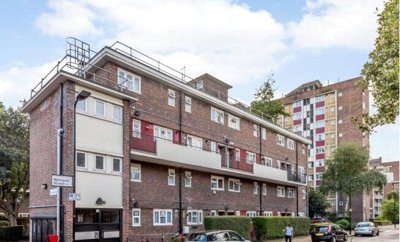
The City of London occupies a unique position in the capital, functioning simultaneously as a global financial centre and a residential neighbourhood with a rich historical heritage. With a daytime population swelling to over 500,000 workers yet a residential community of approximately 8,000 residents, the area transforms dramatically between working hours and evenings. This duality creates a distinctive living experience where tranquil residential streets sit alongside bustling commercial districts. The Barbican Estate, with its brutalist concrete architecture, represents one of the most significant examples of mid-twentieth century urban planning in Europe and remains a sought-after address for those who appreciate its bold aesthetic and the excellent facilities of the Barbican Centre.

Residents of the City enjoy proximity to some of London's most iconic green spaces, including the Barbican's own lakes and gardens, as well as the ancient grounds of the Tower of London. The Thames Path provides an attractive route for cyclists and walkers, connecting the City to Westminster and beyond. For those renting in areas like Farringdon or Blackfriars, the riverside path offers a scenic commute option that avoids the Underground's rush-hour crush. Cultural offerings include the Museum of London near the Barbican, the Guildhall Art Gallery, and numerous historic churches that showcase medieval and Renaissance art. The area's culinary scene ranges from traditional City chop houses to innovative fine dining establishments that have earned Michelin recognition.

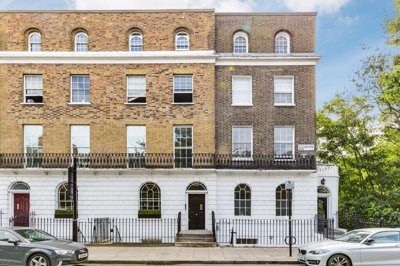
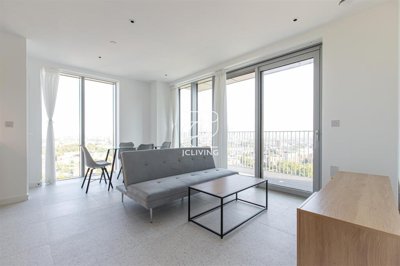
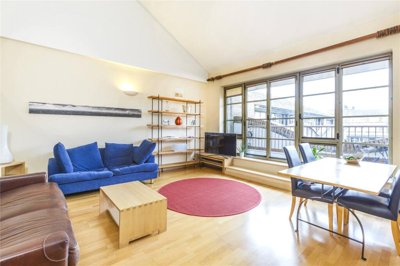
The architectural character of the City reflects its layered history. Georgian terraces built in London Stock Brick, known for its distinctive yellowish-brown hue, line quieter streets away from the main commercial thoroughfares. Prestigious buildings in Portland Stone, the creamy limestone that clad St Paul's Cathedral, give the skyline its distinguished appearance. The Barbican Estate showcases post-war brutalist concrete at its most ambitious, while glass towers represent the City's ongoing evolution as a centre of global commerce. For renters, this architectural diversity means options ranging from historic one-bedroom flats in converted warehouses to sleek modern apartments with floor-to-ceiling windows and city views.

Rental Search City Of London

Schools and Education in the City of London

The City of London's educational landscape reflects its unique status as both a commercial hub and a residential area. Primary education is served by several well-regarded schools within and adjacent to the Square Mile, including the City of London School for Girls and the City of London School for Boys, both of which have established strong academic reputations over many decades. The Sir John Cass's Foundation Primary School has earned recognition for its commitment to excellence in primary education, serving families who choose to raise children in this distinctive part of London. These institutions draw students from across the City and surrounding boroughs, reflecting the area's reputation for educational quality.

Secondary education options include the Central Foundation Boys' School and various Academy institutions that serve the broader borough. For families considering rental properties in the City, catchment areas and admissions criteria should be verified directly with the local education authority, as demand for school places in this area can be competitive given the relatively small residential population. The City of London Corporation's education department manages several of these institutions and can provide current information on admissions policies. Sixth form and further education opportunities are abundant, with institutions like the London School of Economics and King's College London located within easy commuting distance via the Underground network.

The proximity to London's world-class universities makes the City an attractive base for students undertaking higher education or young professionals beginning their careers. University College London, the Courtauld Institute of Art, and numerous other higher education institutions are accessible via the excellent transport links from stations including Liverpool Street, Bank, and Blackfriars. For renters sharing properties in the City, this proximity to universities creates a natural market of young professionals who value the convenience of a short commute to lectures, seminars, and university facilities.

Rental Properties City Of London

Transport and Commuting from the City of London

Transport connectivity represents one of the City of London's most compelling advantages for renters. The Square Mile is served by an exceptional network of Underground stations, including Bank (serving the Central, Northern, Waterloo & City, and DLR lines), Liverpool Street (Central, Metropolitan, Circle, Hammersmith & City, and Elizabeth line), St Paul's (Central line), and Blackfriars (Circle and District lines). The recently completed Elizabeth line has transformed commuting times, with direct services to Reading, Heathrow, and Shenfield now accessible from City stations. Journey times to key destinations include approximately 10 minutes to Oxford Circus, 15 minutes to Canary Wharf, and under 30 minutes to King's Cross St Pancras.

Major national rail services operate from Liverpool Street and Blackfriars stations, connecting the City directly to destinations across the South East and East of England. From Liverpool Street, commuters can reach Cambridge in around 45 minutes, while Stansted Airport is accessible in approximately the same time. This makes the City particularly attractive for renters who need to travel regularly for business or who have family connections outside London. The extensive bus network serves the Square Mile comprehensively, while Santander Cycles provides bicycle hire throughout the district via numerous docking stations.

The City's location within London's transport network makes cycling a popular option for residents, with dedicated cycle superhighways connecting the Square Mile to surrounding boroughs. The Thames Path provides a scenic route for cyclists and walkers heading towards Westminster or, in the opposite direction, towards the Docklands area. For those who drive, parking permits in the City can be competitive due to limited residential parking availability, though several public car parks serve the commercial district. The absence of congestion charging exemptions for residents means that commuting costs should be factored into rental budgeting. Most City renters find that the excellent public transport options make car ownership unnecessary, reducing their overall cost of living in this central location.

Renting Guide City Of London

How to Rent a Home in the City of London

1

Research the Market

Start by exploring our comprehensive listings to understand the rental landscape in EC1, EC2, EC3, and EC4. Consider your commute requirements, proximity to Underground stations, and access to local amenities. The City offers diverse property types from modern studios to spacious apartments in historic buildings. Set up property alerts to be notified when new rentals matching your criteria become available, as properties in prime City locations tend to let quickly.

2

Get Your Finances in Order

Before arranging viewings, secure a rental budget agreement in principle from a financial provider. This demonstrates to landlords that you are a serious tenant with verified affordability. City of London rentals attract competitive interest from City workers and professionals, so having your finances prepared gives you an advantage in the application process. Prepare to provide recent payslips, bank statements, and employment references as part of the verification process that landlords will request.

3

Arrange Property Viewings

Schedule viewings for properties that match your criteria. In the City of London, properties near major transport hubs like Bank, Liverpool Street, and Farringdon tend to be in highest demand due to their excellent commuting connections. Take note of the property's condition, maintenance responsibilities, and any specific requirements outlined by the landlord. View multiple properties before making a decision to ensure you find the best fit for your circumstances and budget.

4

Understand the Lease Terms

Review the tenancy agreement carefully before signing. City of London rentals typically operate on assured shorthold tenancy agreements of six months to three years. Pay particular attention to deposit amounts, notice periods, and any clauses relating to maintenance or modifications. If the property is in a listed building, ask about any restrictions on decorations or alterations that may apply.

5

Complete Referencing and Sign the Agreement

Once your offer is accepted, you will undergo tenant referencing checks including credit history, employment verification, and landlord references. Prepare documents including proof of identity, recent payslips, and bank statements. Your deposit (typically five weeks' rent for properties with annual rents under £50,000) will be protected in a government-approved scheme under the Tenancy Deposit Protection scheme within 30 days of receipt. ---NEXT---

6

Move Into Your New Home

Arrange an inventory check at the start of your tenancy to document the property's condition. This protects both you and your landlord by establishing a clear baseline for the deposit return at the end of your tenancy. Welcome to your new home in the heart of London, where you can enjoy excellent transport connections, world-class amenities, and the unique character of the Square Mile.
What to Look for When Renting in the City of London

Renting in the City of London requires careful attention to several area-specific factors that differ from other London districts. Flood risk deserves particular consideration, as the area faces threats from tidal flooding via the River Thames, surface water accumulation, sewer surcharges, and rising groundwater levels. The City is protected from tidal surges by the Thames Barrier, but surface water flooding due to excessive rainfall and overloaded drainage systems is becoming more common with climate change. Surface water flooding hotspots have been identified around Blackfriars, Holborn Viaduct, New Bridge Street, and Farringdon Street. Prospective tenants should inquire about flood resilience measures and insurance provisions when considering properties in these locations.

The City's extensive heritage means that many residential properties occupy buildings of significant historical interest, with over 600 listed buildings within the Square Mile. Living in a listed building can bring restrictions on modifications and maintenance responsibilities, though it also ensures architectural preservation and often guarantees a higher standard of construction. Before signing a tenancy agreement for a listed property, ask the landlord or agent about what modifications are permitted and who is responsible for maintaining historic features. Your deposit protection arrangements should be clearly explained, as the process for resolving disputes may differ for listed properties.

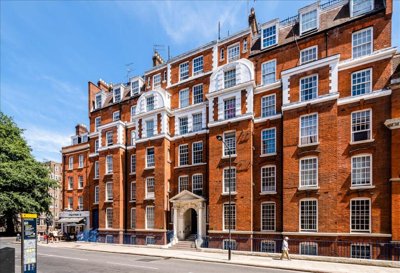
The predominant building materials in the City reflect its varied architectural history: London Stock Brick characterises Georgian and Victorian properties, Portland Stone adorns prestigious commercial and residential buildings, while the Barbican Estate showcases post-war brutalist concrete architecture. Each construction type brings its own maintenance considerations. London Stock Brick properties may require repointing of mortar between bricks over time, while concrete buildings like the Barbican benefit from robust construction but may have specific maintenance requirements managed through service charges. Understanding these building characteristics helps you evaluate the true cost of renting, as significant service charges can affect the apparent value of a rental property.

Subsidence risk exists throughout London due to the area's clay soil conditions, which expand and contract with moisture levels. Older properties, particularly Victorian and Edwardian buildings, may show signs of structural movement. Look for cracks wider than 3mm, uneven floors, or sticking doors and windows when viewing a property. While minor settlement cracks are common in older London properties, significant structural issues should be investigated before committing to a tenancy. A professional condition report can identify any existing issues and provide documentation that protects both you and the landlord. Ground rent and service charge arrangements for leasehold properties should be scrutinised carefully, as City apartments can carry significant annual charges that affect the true cost of renting.
Rental Market City Of London

Frequently Asked Questions About Renting in the City of London

What is the average rental price in the City of London?

While comprehensive rental price data for the City of London was not available in our research, the area's overall average rent sits at £16,311 pcm. Flats and apartments in the City typically command premium rents due to the location's desirability and proximity to major financial institutions. Houndsditch properties average around £5,161 while EC4 offers more accessible entry points near £4,416. Rental prices vary significantly by property type, floor level, and proximity to transport connections. Properties near Bank, Liverpool Street, and Farringdon stations typically attract the highest rents due to commuting convenience. The Elizabeth line has made areas further from the City more accessible, potentially affecting rental values across the market. ---NEXT---

What council tax band are properties in the City of London?

Properties in the City of London are assessed by the City of London Corporation, which acts as both a local authority and a landowning institution. Council tax bands in the City range from Band A to Band H, matching the national framework used across England. The specific band for any property depends on its assessed value as of April 1991. Prospective tenants should request the council tax band from the landlord or letting agent when considering a property, as this forms part of the ongoing cost of tenancy. The City of London Corporation sets its own council tax rates, which may differ from surrounding London boroughs.

What are the best schools in the City of London?

The City of London offers several respected educational institutions. Primary options include Sir John Cass's Foundation Primary School, noted for its academic standards and its location near St Luke's church, and the City of London School for Girls which provides education from ages 11 to 18. The City of London School for Boys serves male students from primary through sixth form age. Central Foundation Boys' School serves secondary education needs in the broader area. Families should verify current admissions policies and catchment areas with the City of London Corporation's education department, as school places in this area can be competitive due to the strong academic reputations of local institutions.

How well connected is the City of London by public transport?

The City of London benefits from exceptional public transport connectivity. The area is served by multiple Underground stations including Bank, Liverpool Street, St Paul's, and Blackfriars, providing access to the Central, Northern, Circle, District, Metropolitan, and Hammersmith & City lines. The Elizabeth line offers direct connections to Reading, Heathrow, and Shenfield. Major rail stations at Liverpool Street and Blackfriars provide national rail services to destinations across the South East and East Anglia. The extensive bus network serves the Square Mile comprehensively, while Santander Cycles provides bicycle hire throughout the district via numerous docking stations.

Is the City of London a good place to rent in?

The City of London offers a distinctive living experience for those who value walkable commutes, historic surroundings, and proximity to London's financial heart. The area combines remarkable architecture, excellent transport links, and cultural attractions with a relatively compact residential footprint. Evening and weekend quietude differs significantly from the daytime bustle, creating a neighbourhood that transforms throughout the day. For professionals working in the Square Mile or nearby Canary Wharf, renting in the City eliminates lengthy commutes. However, the predominantly flat-based housing stock may not suit those seeking larger family accommodation or garden access. The City's small residential population means that community facilities, while excellent, are designed primarily for daytime workers as well as residents.

What deposit and fees will I pay on a property in the City of London?

Standard deposits for City of London rentals amount to five weeks' rent, protected in a government-approved scheme under the Tenancy Deposit Protection scheme. This applies to properties with annual rents under £50,000. Additional moving costs include holding deposits (typically one week's rent), references, and inventory check fees. As of 2024-25, first-time renters may benefit from relief on Stamp Duty Land Tax for properties up to £425,000 if purchasing rather than renting. Tenants should budget for upfront costs including the first month's rent and deposit alongside referencing and admin fees, which together can amount to several thousand pounds. Always request a breakdown of all fees before committing to a tenancy. ---NEXT---

What flood risks should I be aware of when renting in the City of London?

The City of London faces flood risks from tidal flooding via the River Thames, surface water accumulation, sewer surcharges, and rising groundwater levels. While the Thames Barrier provides protection from tidal surges, surface water flooding due to heavy rainfall is an increasing concern, particularly around Blackfriars, Holborn Viaduct, New Bridge Street, and Farringdon Street. Groundwater flooding and burst water mains also present risks across the area. When viewing properties, ask about flood resilience measures, insurance provisions, and the property's history of any flooding incidents. Climate change is expected to increase flood risk in the future, making this consideration increasingly important for long-term renters.

Are there many listed buildings to rent in the City of London?

The City of London contains over 600 listed buildings, representing a remarkable concentration of heritage property. Living in a listed building offers architectural preservation and often superior construction quality, but brings restrictions on modifications and alterations. Tenants in listed properties typically cannot make significant changes without obtaining listed building consent from the City of London Corporation. Ask the landlord about permitted decorations and any restrictions before signing a tenancy agreement. The additional care required for historic properties is often offset by their character and the high standards of their original construction.

Deposit and Fees When Renting in the City of London

Renting a property in the City of London involves several upfront costs that prospective tenants should budget for carefully. The security deposit, typically set at five weeks' rent for tenancies with annual rents below £50,000, must be protected in a government-approved scheme within 30 days of receipt. This protection ensures you can recover your deposit at the end of the tenancy, provided there are no legitimate deductions for damage or unpaid rent. Your landlord is legally required to provide information about which scheme they use and to protect your deposit within the required timeframe. ---NEXT---

Holding deposits reserve a property while referencing checks are completed and typically amount to one week's rent. This sum is deducted from your first month's rent or returned if the landlord withdraws the offer unreasonably. If the landlord can demonstrate that you provided false information or withdrew without good reason, they may be entitled to retain the holding deposit. Referencing fees cover credit checks, employment verification, and previous landlord references, with costs varying between providers. Some letting agents include referencing in their admin fees while others charge separately, so always request a full breakdown of costs.

Inventory check fees, paid at the start of your tenancy, document the property's condition to protect both parties during the tenancy. This professional inventory, conducted by an independent clerk, provides crucial evidence if disputes arise at the end of your tenancy. These professional moving costs can accumulate to £500-1,000 or more depending on rental level and chosen providers. For first-time renters in the City of London, understanding Stamp Duty Land Tax implications provides important context for your overall financial planning, though this tax applies to purchases rather than rentals.

Your monthly rental budget should account for council tax (set by the City of London Corporation), utility bills where not included in rent, and building insurance which landlords typically arrange but recoup through service charges. City of London apartments can carry significant service charges, particularly in modern developments or listed buildings where maintenance costs may be higher. Taking out a rental budget agreement in principle before property viewings demonstrates financial readiness and strengthens your application against competing tenants in the competitive City of London market where desirable properties can attract multiple interested parties.

Find Rentals City Of London

Browse Homes to Rent Across the UK

Terms of use Privacy policy All rights reserved © homemove.com | Properties to Rent » England » London » City of London » City of London

Homemove is a trading name of HM Haus Group Ltd (Company No. 13873779, registered in England & Wales). Homemove Mortgages Ltd (Company No. 15947693) is an Appointed Representative of TMG Direct Limited, trading as TMG Mortgage Network, which is authorised and regulated by the Financial Conduct Authority (FRN 786245). Homemove Mortgages Ltd is entered on the FCA Register as an Appointed Representative (FRN 1022429). You can check registrations at NewRegister or by calling 0800 111 6768.