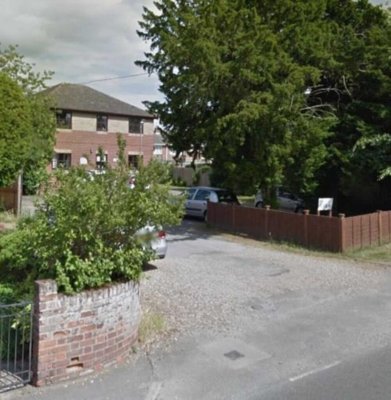
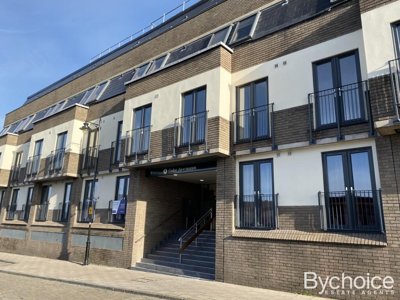
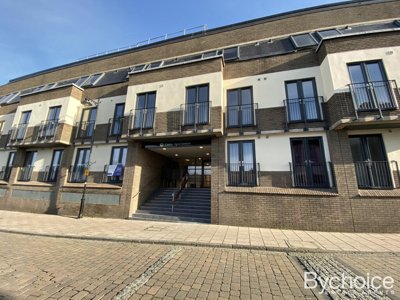
Browse 34 rental homes to rent in Chilton from local letting agents.
The rental market in Chilton reflects the broader Babergh district trends, where detached properties command the highest values at around £485,000 for purchase, while semi-detached homes average £313,000. For renters, this translates to a range of accommodation types including charming terraced cottages, spacious semi-detached family homes, and characterful detached properties. The housing stock in Babergh shows detached properties dominate at 35.8% of sales, followed by semi-detached at 28.9% and terraced properties at 27.5%, with flats making up just 7.8% of the market. This mix provides good variety for those seeking their ideal rental home.
Property prices in the Babergh district have shown resilience, with overall prices increasing 1.8% over the 12 months to December 2025, according to provisional data. Semi-detached properties led the way with a 3.3% increase, while flats saw a slight decline of 1.5%. Rightmove data covering the broader area shows the average price was £332,579 over the last year, down 8% on the previous year and 25% below the 2023 peak of £444,839, suggesting some cooling from recent highs. For the rental market, this stable performance suggests landlord confidence in the area and continued demand for quality homes to rent.
As a Countryside Village under Babergh's planning framework, Chilton experiences limited new-build development, meaning much of the available rental stock consists of established properties. Research shows 95.1% of property sales in Suffolk were for established properties rather than new builds, indicating an older housing stock that may require careful inspection before committing to a tenancy. This preference for traditional construction means many rental properties feature period features, solid wall construction, and character that newer developments often lack.

Chilton offers residents a quintessential Suffolk village experience where community spirit thrives among winding country lanes and traditional architecture. As a Countryside Village under Babergh's planning framework, Chilton maintains its rural character with limited local services, encouraging residents to access nearby Sudbury for shopping, healthcare, and leisure facilities. The village sits within easy reach of Great Cornard, sharing the tranquil environment of the Stour Valley and benefiting from the cultural attractions of the wider Sudbury area.
The proximity to Sudbury proves essential for daily life, with the market town providing supermarkets, independent shops, restaurants, and the recently developed cinema and leisure facilities. Residents enjoy access to healthcare at local GP surgeries, pharmacy services, and the West Suffolk Hospital for more comprehensive medical needs. The area around Sudbury and Great Cornard has seen investment from Babergh and Mid Suffolk District Councils' commercial property company CIFCO, which has invested in the Chilton Industrial Estate, providing local employment opportunities that support the residential community.
Daily life in Chilton revolves around the rhythm of village activities and easy access to Sudbury's comprehensive services. The industrial estate investment signals ongoing economic activity in the wider area, providing jobs for residents who might otherwise commute further afield. For renters, this means the village remains a viable long-term option rather than simply a transitional location, with local employment reducing the need for lengthy car journeys to work each day.

The housing stock available for rent in Chilton reflects the predominantly traditional nature of the village, with many properties dating from the 18th and 19th centuries when agricultural buildings and farmworker cottages dominated the area. Terraced cottages along the village lanes represent a significant portion of smaller rental properties, often featuring original fireplaces, beam ceilings, and cottage gardens that appeal to those seeking period charm. These traditional Suffolk cottages typically include thick walls, which provide excellent temperature regulation but may require attention to damp proofing and ventilation.
Semi-detached and detached family homes form the backbone of the rental market for those needing more space, with properties often featuring generous gardens, off-road parking, and more modern kitchen and bathroom facilities. The prevalence of semi-detached properties at 28.9% of the local market means families can often find suitable accommodation without competing for the limited detached stock. Detached properties, representing 35.8% of sales in the Babergh district, tend to command premium rents but offer the space and privacy that many renters seek in a countryside location.
Given Chilton's designation as a Countryside Village with carefully managed development, flats represent a smaller segment of the local market at just 7.8% of property sales. This means renters seeking apartment-style living may need to look towards Sudbury or Great Cornard for a broader selection. However, some properties may include annexe accommodation or converted agricultural buildings offering self-contained living arrangements within the village setting.

Families considering a move to Chilton will find educational options available within the wider Sudbury and Great Cornard area, with primary schools serving the village and surrounding countryside. The Stour Valley Community College in Great Cornard provides secondary education, offering a modern educational environment for students progressing from primary school. Parents should research specific catchment areas and admission policies, as school places are allocated based on proximity and catchment boundaries which may affect options for families in outlying villages like Chilton. Ofsted ratings for local schools should be checked to ensure the best educational fit for children of all ages.
For sixth form and further education, students typically travel to Sudbury's secondary schools or explore options across Babergh and the wider Suffolk region. The county offers various educational pathways including A-levels, vocational courses, and apprenticeships through colleges in Bury St Edmunds and Colchester. Families renting in Chilton should factor school transport arrangements into their decision-making, as the rural location means some journeys to school may require private transport or school bus services. Early application to schools is recommended, particularly for popular options within the catchment area.
The education landscape in Suffolk has evolved with changing demographics and school structures, making it essential for renting families to verify current arrangements directly with schools and the local education authority. Transport costs can significantly impact the household budget, especially for secondary students attending schools in Sudbury where parking restrictions and peak-time congestion may create challenges for daily commutes.

Transport connectivity from Chilton centres on road networks connecting the village to nearby towns and villages across the Babergh district. The A134 provides a key route linking Sudbury to Colchester, while other country roads connect Chilton to surrounding villages for daily needs. For commuters working in Sudbury or Great Cornard, the short journey times prove highly advantageous, with many residents choosing to live in Chilton specifically for the village lifestyle while working locally. The Chilton Industrial Estate in Sudbury offers employment opportunities within easy reach, reducing the need for lengthy commutes for many residents.
Public transport options in rural Suffolk require careful planning, with bus services connecting Chilton to Sudbury and Colchester, though frequencies may be limited compared to urban areas. The nearest railway stations are located in Sudbury, Colchester, and Bury St Edmunds, providing connections to London Liverpool Street and Cambridge for those needing to commute longer distances. Driving remains the primary mode of transport for most residents in this Countryside Village, and those renting in Chilton should consider vehicle ownership essential for full access to amenities and employment.
Suffolk's county-wide data shows 9,700 property sales in the previous twelve months, with sales dropping by 14.1%, indicating broader market activity that may reflect commuting patterns and employment distribution across the region. The scenic countryside surrounding Chilton makes even routine journeys pleasant, with country lanes through farmland and villages providing a daily dose of Suffolk landscape that urban dwellers rarely experience.

Before viewing properties in Chilton, arrange a rental budget agreement in principle from a lender or financial provider. This shows letting agents and landlords that you can afford the monthly rent and helps streamline your application when you find the right property. Having your finances organized in advance gives you a competitive edge in the rental market, particularly for desirable village properties.
Explore what Chilton and the surrounding Sudbury area offer in terms of local services, transport links, schools, and community facilities. Understanding the lifestyle before committing ensures the village suits your daily needs and preferences. Visit the area at different times of day and week to gauge the atmosphere, traffic levels, and community activity.
Book viewings on available rentals that match your criteria. Take time to assess the property condition, garden space if applicable, parking facilities, and the general state of repair. Properties in older villages like Chilton may require careful inspection, so note any areas of concern that warrant further investigation or professional assessment.
Consider arranging a professional assessment on any property you are seriously considering, particularly for older village properties where traditional construction methods may hide defects. This professional assessment identifies any structural issues, damp problems, roof condition concerns, or maintenance needs before you commit to a tenancy agreement.
Review the tenancy agreement carefully, including the deposit amount, rent amount, lease length, and any clauses regarding pets, maintenance, or alterations. Ask questions about the deposit protection scheme and your rights as a tenant. In England, deposits must be protected in a government-approved scheme within 30 days of receipt.
Once all paperwork is signed and deposit paid, arrange your move into your new Chilton home. Take meter readings, collect keys, and conduct a thorough inventory check to document the property condition at the start of your tenancy. An inventory check typically costs between £95 and £200 and protects both tenant and landlord from disputes at the end of the tenancy.
Renting in a countryside village like Chilton requires consideration of factors beyond the property itself, including access to services, flood risk awareness, and planning restrictions that affect what you can do with your home. The proximity to the River Stour and the village's position in the Stour Valley functional cluster suggests potential river-related flood risk in the broader area, so prospective renters should investigate specific flood risk for any property they are considering. Insurance considerations may also apply for properties in flood-risk zones, adding to the cost of tenancy.
As a designated Countryside Village under Babergh Local Plan Policy CS2, Chilton is subject to planning policies that preserve its rural character and limit development. This means the property stock tends to be older, potentially including listed buildings or properties requiring more maintenance than newer constructions. The older housing stock in the area, with 95.1% of Suffolk sales being for established properties, means careful inspection is advisable for all rental properties to identify common issues such as damp, roof condition, and outdated electrical systems.
Many properties in Chilton will feature traditional construction methods common throughout Suffolk, including solid brick walls, thatched roofs on older cottages, and period features that require specialist maintenance. Renters should clarify with landlords or letting agents how maintenance responsibilities are divided, particularly for properties where age-related issues may arise more frequently than in modern housing. The question of whether the property is leasehold or freehold may arise for flats, and service charges and ground rent arrangements should be clarified before committing to any tenancy agreement.

Specific rental price data for Chilton village is limited, but rental prices in the Babergh district generally reflect the wider Suffolk market influenced by property type and location. The average purchase price in Babergh is £332,000, with detached properties averaging £485,000 and semi-detached homes at £313,000. Rental prices typically correlate with purchase values, meaning detached properties command higher monthly rents than flats or terraced cottages. Contact local letting agents for current rental listings in Chilton to get accurate pricing for your requirements.
Council tax bands in Babergh district vary by property, with bands ranging from A through to H depending on the property's assessed value. The village of Chilton falls under Babergh District Council for council tax purposes, and specific band information can be found on the council website or by checking the Valuation Office Agency database. Council tax payments are typically made monthly and form an important part of the overall budget for any rental property, so prospective renters should clarify the exact band and associated costs before committing.
The best schools near Chilton include primary schools in the Sudbury and Great Cornard area serving the village catchment, with Stour Valley Community College in Great Cornard providing secondary education. Parents should research individual school Ofsted ratings, admission policies, and catchment boundaries when choosing a rental property in Chilton. School transport arrangements should be considered given the rural location of the village, as journey times and costs can significantly impact family life for those renting outside the immediate catchment area.
Public transport connections from Chilton are limited, reflecting its status as a Countryside Village where most residents rely on private vehicles for daily transport. Bus services connect Chilton to Sudbury and Colchester, though frequencies may be infrequent compared to urban areas, making timetable planning essential for those without a car. The nearest railway stations are in Sudbury, Colchester, and Bury St Edmunds, providing connections to London Liverpool Street, Cambridge, and other major cities for longer distance travel. Prospective renters should factor in the need for vehicle ownership when budgeting for life in this rural village location.
Chilton offers an excellent quality of life for renters seeking countryside living within reach of town amenities, providing a peaceful environment, scenic Suffolk landscapes, and community spirit among a small population. The proximity to Sudbury and Great Cornard means access to supermarkets, healthcare, leisure facilities including cinema and restaurants, and employment opportunities at the Chilton Industrial Estate. The trade-off is limited local services within the village itself and the need for private transport, which suits those who value rural tranquility and traditional village character over urban convenience.
Standard deposits on rental properties in England are capped at five weeks' rent, calculated based on your annual rental income for properties with annual rent below £50,000. Additional fees may include referencing fees to verify your identity and employment, admin charges from letting agents for processing your application, and inventory check costs typically between £95 and £200. First-time renters should budget for the first month's rent plus deposit upfront, along with moving costs and any furniture needed for unfurnished properties. Always request a full breakdown of all costs from your letting agent before committing to a tenancy.
The housing stock in Chilton and the wider Babergh district is predominantly made up of detached properties at 35.8% and semi-detached homes at 28.9%, with terraced properties comprising 27.5% of the market. Flats represent only 7.8% of available properties, meaning those seeking apartment living may need to look towards Sudbury or Great Cornard. As a Countryside Village, Chilton features traditional architecture including period cottages, farmhouses, and converted agricultural buildings alongside more modern family homes, most of which will be established properties rather than new builds.
Understanding the full cost of renting in Chilton extends beyond monthly rent to include deposits, fees, and ongoing expenses that should be factored into your budget. The standard deposit requirement in England is capped at five weeks' rent for properties with annual rent below £50,000, providing protection for landlords while establishing clear limits for tenants. This deposit must be protected in a government-approved scheme within 30 days of receiving it, and you should receive prescribed information about the scheme from your landlord or letting agent.
Additional upfront costs when renting in Chilton may include referencing fees to verify your identity, employment, and rental history, along with admin charges from letting agents for processing your application. Inventory check costs, typically between £95 and £200, document the property condition at the start and end of your tenancy, protecting both parties from disputes about damage or missing items. Renters should also budget for council tax, utility bills, contents insurance, and potential utility setup costs when moving into a new property.
Given that Chilton features older village properties, additional maintenance costs for heating systems, insulation, and general upkeep may arise, particularly during winter months when traditional cottages can be more expensive to heat. Contents insurance is essential for protecting your belongings, and some insurers may adjust premiums based on flood risk assessments for properties near the River Stour. A comprehensive budget should include a contingency fund for unexpected repairs or emergencies that may fall under tenant responsibility during the tenancy.

From 4.5%
Arrange your rental budget in principle before searching for properties
From £99
Verification services for landlords and letting agents
From £95
Professional property inventory documentation
From £85
Energy performance certificate for your rental property
Properties to Rent In London

Properties to Rent In Plymouth

Properties to Rent In Liverpool

Properties to Rent In Glasgow

Properties to Rent In Sheffield

Properties to Rent In Edinburgh

Properties to Rent In Coventry

Properties to Rent In Bradford

Properties to Rent In Manchester

Properties to Rent In Birmingham

Properties to Rent In Bristol

Properties to Rent In Oxford

Properties to Rent In Leicester

Properties to Rent In Newcastle

Properties to Rent In Leeds

Properties to Rent In Southampton

Properties to Rent In Cardiff

Properties to Rent In Nottingham

Properties to Rent In Norwich

Properties to Rent In Brighton

Properties to Rent In Derby

Properties to Rent In Portsmouth

Properties to Rent In Northampton

Properties to Rent In Milton Keynes

Properties to Rent In Bournemouth

Properties to Rent In Bolton

Properties to Rent In Swansea

Properties to Rent In Swindon

Properties to Rent In Peterborough

Properties to Rent In Wolverhampton

Enter your details to see if this property is within your budget.
Loans, cards, car finance
Estimated property budget
Borrowing + deposit
You could borrow between
Typical borrowing
Monthly repayment
Est. at 4.5%
Loan-to-value
This is an estimate only. Your actual budget may vary depending on interest rates, credit history, and personal circumstances. For an accurate affordability assessment, speak to one of our free mortgage advisors.
This calculator provides estimates for illustrative purposes only and does not constitute financial advice. Your home may be repossessed if you do not keep up repayments on your mortgage. Estimates based on 4.5% interest rate, repayment mortgage. Actual rates depend on your circumstances.
Homemove is a trading name of HM Haus Group Ltd (Company No. 13873779, registered in England & Wales). Homemove Mortgages Ltd (Company No. 15947693) is an Appointed Representative of TMG Direct Limited, trading as TMG Mortgage Network, which is authorised and regulated by the Financial Conduct Authority (FRN 786245). Homemove Mortgages Ltd is entered on the FCA Register as an Appointed Representative (FRN 1022429). You can check registrations at NewRegister or by calling 0800 111 6768.