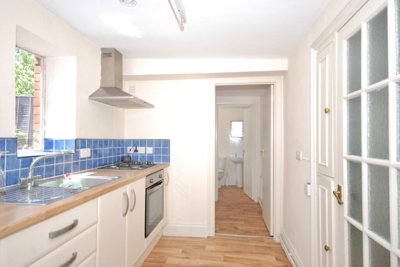
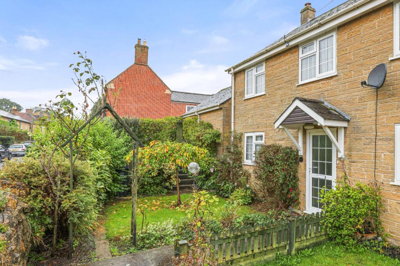
Browse 5 rental homes to rent in Castle Cary from local letting agents.
The Castle Cary property market has experienced notable shifts over recent years, with house prices declining approximately 19% from the 2022 peak of £361,583. Current average sale prices hover around £292,526 according to home.co.uk listings data, though homedata.co.uk records a slightly lower average of £289,324. This price adjustment has created opportunities for both buyers and renters, as the market recalibrates following the pandemic-era surge. Rental prices in the area typically reflect the sales market, with terraced properties and flats offering more accessible entry points for tenants seeking character accommodation without premium pricing.
Property types available for rent in Castle Cary span a diverse range. Detached homes command the highest rents, reflecting their larger size and typically superior finishes, with average sale prices around £453,125 indicating premium positioning. Semi-detached properties represent a significant portion of the housing stock, offering family accommodation at moderate price points, with average sale prices of approximately £246,091. Terraced cottages, many built from the local distinctive Cary Stone, provide character-filled options that appeal to those seeking period features at more accessible price points averaging around £252,333. Flats in the area typically offer the most affordable entry to the rental market, with average sale prices around £242,000 suggesting reasonable monthly rents compared to houses.
New rental options continue to enter the market through ongoing development activity. The Tor View development by Persimmon Homes offers two, three, and four-bedroom homes at West Park with prices from £340,000, creating modern rental opportunities with contemporary finishes. The Mulberry Meadows development provides affordable rent, Shared Ownership, and Rent to Buy options across one to four-bedroom homes, adding diversity to the rental market. These developments bring modern construction standards and energy efficiency to the rental sector, offering contrast to the character properties that define much of the town centre.
Castle Cary stands out among Somerset towns for its remarkable architectural heritage and community spirit. The town is substantially built from local Inferior Oolite limestone, known locally as Cary Stone or Hadspen Stone, which gives the buildings their characteristic buff and grey tones. This distinctive local stone, extracted from two beds known as the Yellow Bed and Grey Bed, has shaped the visual identity of the town over centuries. The narrow streets feature high-quality late eighteenth and nineteenth-century buildings that have earned the town its designated Conservation Area status, preserving the character that makes Castle Cary such an appealing place to call home.
The local economy has evolved from its historical roots in woollen cloth, linen, sailcloth, and twine production to embrace modern services and light manufacturing. The horsehair weaving tradition continues in the town, with a working factory serving as a living link to the Victorian era when this craft became a local specialty. Today, the town maintains low unemployment at 3.9%, comfortably below the national average of 5.0%, indicating a resilient local economy that provides employment across, light manufacturing, and tourism sectors. The BMI Mill redevelopment, approved in August 2024, will transform a former industrial site close to the town centre into 81 homes, including 11 apartments within the converted mill building, demonstrating ongoing investment in heritage assets.
Residents value the independent shops, traditional pubs, and weekly market that provide daily necessities without requiring travel to larger centres. The town serves as a rural hub for surrounding villages, with good connectivity via the A371 road and rail services to major cities. Community venues and events throughout the year foster the strong social fabric that makes Castle Cary more than simply a dormitory town. The demographics show an ageing population with higher-than-average numbers of residents over 65, according to 2021 Census data, suggesting quieter streets and a settled community atmosphere that many families find appealing for raising children in a stable environment.

Families considering a move to Castle Cary will find educational provision that serves the local community well. The town offers primary school options within walking distance of the town centre, providing convenient education for younger children without requiring daily transport arrangements. The surrounding area includes several primary schools serving the villages of South Somerset, each with their own catchment areas that families should verify before committing to a rental property. The diversity of primary school options across the ward means parents have genuine choice, though this also means careful research into specific catchment boundaries is essential before signing a tenancy agreement.
Secondary education is available at schools in nearby towns, with school transport links connecting students to institutions across the region. The proposed new primary school adjacent to the Station Road development reflects South Somerset District Council's commitment to meeting educational demand as the town grows. This development, delivering 162 homes by Persimmon Homes Severn Valley, includes land safeguarded for the new primary school, ensuring educational infrastructure keeps pace with housing growth. The Station Green development north of Castle Cary station, granted outline planning permission in May 2022, also contributes to infrastructure planning for the expanding population.
For families prioritising school access, renting in Castle Cary allows flexibility to assess which schools best meet their children's needs before committing to longer-term housing decisions. The rental market spans properties across different neighbourhoods, from town centre locations near existing primary schools to newer developments on the outskirts where catchment boundaries may be more settled. Families should verify specific school catchment areas and admission policies through Somerset County Council's school admissions portal, as these can influence which properties best suit household needs. The town's demographics show an ageing population with higher-than-average numbers of residents over 65, according to 2021 Census data, suggesting quieter streets and a settled community atmosphere that many families find appealing for raising children in a stable environment.

Castle Cary railway station sits on the intercity route connecting London Paddington to Penzance, providing direct services that make the town attractive to commuters seeking countryside living with urban connectivity. Journey times to London Paddington typically take around two to two and a half hours, positioning Castle Cary within reasonable reach of the capital for those who work remotely occasionally or travel weekly. The station also connects passengers to Bristol, Bath, Exeter, and the Cornish coastline, opening up employment and leisure opportunities throughout the South West. For renters without cars, this rail connectivity significantly expands their employment options and access to urban amenities.
Road connectivity centres on the A371, which passes through the town and connects to the A37 and A303, providing routes to larger centres including Bristol and Yeovil. The A303 provides direct access to the M3 corridor towards London, making Castle Cary practical for those who drive regularly to the capital or other regional centres. Bus services operate throughout the town and connect to surrounding villages, though frequency may be limited compared to urban areas. For those who drive, parking in the town centre is relatively straightforward compared to larger towns, with on-street and car parking options available without the congestion typical of larger market towns.
Cyclists will find some rural routes and local lanes, though the hilly Somerset terrain requires reasonable fitness for recreational cycling. The River Brue catchment area that Castle Cary sits within creates some flat routes along the valley bottom, though surrounding countryside quickly becomes undulating. The Tor View development and other new housing areas include parking provision appropriate to modern household needs, with allocated spaces and driveways standard on newer properties. For commuters working in Bristol or Bath, the train service provides a practical alternative to driving, with regular services throughout the day making reverse commuting viable for those willing to accept the journey time.

A significant portion of the rental properties in Castle Cary fall within or adjacent to the designated Conservation Area, which brings specific considerations for tenants. Properties in these locations may be Listed Buildings or subject to planning restrictions that limit external alterations. Before signing a tenancy agreement for a character property, prospective tenants should understand that consent may be required for changes that would be permitted on standard residential properties. This restriction helps preserve the architectural heritage that makes Castle Cary special, but it does mean that personalisation options may be more limited than in non-designated areas. Our inspectors regularly assess these historic properties and understand the construction methods that define the local character.
The older housing stock, much of it dating from the late seventeenth to nineteenth centuries, requires understanding from both landlords and tenants. Traditional stone buildings often have different ventilation requirements than modern construction, and issues such as rising damp or condensation can occur if properties are not heated and ventilated appropriately. The local Cary Stone construction means solid walls without cavity insulation, which affects heating costs and comfort levels throughout the year. We recommend discussing insulation or heating efficiency with landlords before committing to a tenancy, as these factors significantly impact living costs in older properties during Somerset's variable seasons.
Properties in Conservation Areas may have additional restrictions on permitted development rights, meaning that what might be acceptable at a standard property requires planning permission at a listed or conservation area property. This affects decisions about satellite dishes, exterior lighting, outbuildings, and even some interior modifications that affect the external appearance. Tenants renting period properties should request clarification on what alterations are permitted and whether the landlord would support any planning applications that might be needed. The RICS Level 2 Survey we offer can identify specific maintenance concerns with historic construction before you commit to a lengthy tenancy.

Before viewing properties in Castle Cary, secure a rental budget agreement in principle from a lender. This confirms your affordability for monthly rent payments and demonstrates to landlords that you are a serious prospective tenant. Most landlords in Castle Cary will require references, proof of income, and a tenant referencing check before offering a tenancy. Budget planning should account for the five-week security deposit, first month's rent in advance, and potential holding deposit to secure a property while references are checked. Our rental budget service can help you understand the full cost commitment before you start viewing properties.
Castle Cary offers distinct areas from the historic town centre with its Conservation Area to newer developments on the outskirts including Tor View and Mulberry Meadows. Consider your priorities regarding proximity to the station, town centre amenities, schools, and access roads. The rental market spans period cottages built from Cary Stone to modern new-build homes, each with different practical implications for daily living including heating costs, parking arrangements, and maintenance responsibilities. Families should verify school catchment areas, while commuters should assess the walkability to the station from different neighbourhoods.
Once you have identified suitable properties, attend viewings to assess the condition and character of available homes. Pay attention to the property's construction materials, heating systems, insulation levels, and any signs of damp or maintenance issues. For older properties in Castle Cary's Conservation Area, consider commissioning a RICS Level 2 Survey before committing to a lengthy tenancy, as defects common to historic stone buildings may not be immediately apparent. We offer surveys specifically tailored to Castle Cary's housing stock, including properties with Cary Stone construction and solid-wall insulation challenges.
Before signing, read your tenancy agreement carefully and understand your rights and responsibilities as a tenant. Castle Cary's Conservation Area properties may have additional restrictions on permitted development that affect what alterations you can make. Clarify with your landlord what maintenance they will handle and what you are responsible for, including garden upkeep, utility management, and any service charges applicable to flats. The Tenancy Deposit Protection scheme requires your deposit be held in a government-approved scheme, and you should receive prescribed information about where it is held within 30 days of the tenancy start date.
Once you have secured your tenancy, arrange for inventory check-in documentation, transfer of utilities into your name, and notification to relevant parties of your change of address. Building contents insurance is essential, particularly for rental properties with older construction where water damage or storm damage may be more likely due to traditional building methods. Document the property condition thoroughly with photographs at move-in to protect yourself from unjustified claims at move-out. Set up council tax with South Somerset District Council and arrange broadband installation, which can take several weeks in some areas of Somerset.
Prospective tenants should understand Castle Cary's position within the River Brue catchment area when assessing flood risk for rental properties. While there are currently no active flood warnings or alerts for the town, the long-term flood risk from rivers, surface water, and groundwater should inform decisions about specific property locations. New developments in the area, including Station Green and the Station Road scheme, incorporate surface water drainage systems designed to manage excess rainwater, though older properties may have less sophisticated drainage. We recommend checking the GOV.UK long-term flood risk service for any specific address before committing to a tenancy.
The underlying geology of Castle Cary includes Inferior Oolite limestones, which generally provide stable foundations compared to clay-rich soils. However, some areas of Somerset may have medium to high plasticity clay soils that carry shrink-swell risk, potentially causing subsidence or heave in extreme weather conditions. Research predicts a 50% increase in shrink-swell subsidence across Europe by 2040 due to climate change, making foundation assessment increasingly important for longer tenancies. Properties built on such soils may show signs of movement over time, and tenants should look for any cracks in walls, uneven floors, or doors that do not close properly, which could indicate foundation issues requiring attention.
For older properties in Castle Cary, particularly those built before the 1970s, a professional survey can identify structural concerns before you commit to a tenancy. Common defects in the area's historic housing stock include damp due to solid-wall construction, outdated electrical systems that may not meet current safety standards, and roofing problems common to older properties. Our RICS Level 2 Survey is specifically priced for Castle Cary properties and includes assessment of the local Cary Stone construction, Conservation Area considerations, and typical defect patterns found in Somerset's older buildings. Given that Castle Cary has a substantial proportion of properties over 100 years old, survey costs are a worthwhile investment before committing to a tenancy.

While specific rental price data for Castle Cary was not available in the research, rental prices typically correlate with the sales market, which averages around £292,526 according to home.co.uk listings data. Detached properties command the highest rents, reflecting their larger size, with average sale prices around £453,125 suggesting premium monthly rents. Terraced cottages and flats offer more affordable options, with terraced averages around £252,333 and flats around £242,000 indicating accessible entry points. Prospective tenants should check current listings on our platform to see asking rents for specific property types that match their requirements, as rental prices fluctuate seasonally and vary based on property condition and location within the BA7 7 postcode area.
Castle Cary falls under South Somerset District Council for council tax purposes. Property bands range from A to H depending on the property's assessed value, with the average band likely falling in the C to D range given the mix of period and modern properties. The town's historic housing stock includes many properties that may be valued lower due to their age and construction type, potentially placing them in lower bands. You can verify the specific band for any property through the Valuation Office Agency website using the property address, and council tax charges can be confirmed on the South Somerset District Council website. Band A properties in South Somerset currently pay around £1,400 annually, while Band D properties pay approximately £2,100.
Castle Cary offers primary education within the town at locally-rated schools serving the town centre and immediate surrounding area. The town's proposed new primary school adjacent to the Station Road development will expand capacity as the population grows through the 600+ homes with planning permission. Secondary schools in the area include institutions in nearby towns accessible via school transport, with catchment areas that families should verify before committing to a rental property. The Land at South Street development, granted planning permission in November 2025, will include 17 affordable properties alongside market homes, contributing to the town's continued growth. Families should verify specific school catchment areas and admission policies through Somerset County Council's school admissions portal, as catchment boundaries can change and competition for popular schools can be strong.
Castle Cary railway station provides direct intercity services to London Paddington, Bristol, Bath, and the south-west including Exeter and Penzance. The station sits on the London to Penzance main line, with journey times of around two to two and a half hours to London Paddington making it practical for weekly commuting or occasional travel. Local bus services operated by First Bus and local operators connect the town to surrounding villages and towns including Yeovil and Wincanton, though service frequency may be limited compared to urban areas, with some routes running only hourly or less on certain days. For daily commuting to major employment centres, the rail connection is a significant advantage for Castle Cary residents, with regular services throughout the day connecting to Bristol Temple Meads and Bath Spa.
Castle Cary offers an attractive combination of historic character, community atmosphere, and practical connectivity that makes it a strong choice for renters seeking a Somerset market town lifestyle. The town has a population of around 3,500 in the town itself, expanding to 10,547 in the wider ward, providing a close-knit community feel while offering reasonable amenities including independent shops, traditional pubs, and a weekly market. Local unemployment at 3.9% indicates a stable economy, and the ongoing development activity including Tor View, Mulberry Meadows, and major schemes at Station Road and Station Green suggests continued investment in the area. For those who appreciate Somerset's countryside, historic architecture built from local Cary Stone, and don't need daily city access, Castle Cary delivers an excellent quality of life with the practical benefit of direct rail connections to major cities.
Standard practice for renting in England requires a security deposit equivalent to five weeks' rent, which must be protected in a government-approved Tenancy Deposit Protection scheme within 30 days of receiving it. This deposit is returned at the end of the tenancy, subject to any deductions for damage beyond fair wear and tear or unpaid rent. Tenants should expect to pay the first month's rent in advance plus deposit before moving in, so budgeting for around six weeks' rent total as upfront costs is prudent. Tenant referencing fees typically range from £100 to £300, covering credit checks and employment verification, though some landlords absorb these costs. Holding deposits of up to one week's rent may be required to secure a property while references are checked. Always request a written breakdown of all fees before committing to a property, as surprise charges at the last moment can derail a planned move.
From 4.5%
Our rental budget service helps you understand what you can afford before you start viewing properties, with affordability assessments from 4.5%
From £299
Comprehensive referencing service covering credit checks, employment verification, and previous landlord references
From £495
Ideal for Castle Cary's older properties, our RICS Level 2 Survey identifies defects common to Cary Stone construction and historic buildings
From £85
Energy Performance Certificate required for all rentals, assessing heating efficiency relevant to solid-wall properties
Understanding the full cost of renting in Castle Cary requires consideration beyond simply the monthly rent figure. Most landlords will require a security deposit equivalent to five weeks' rent, which must be protected in a government-approved scheme under the Tenancy Deposit Protection rules. This deposit is returned at the end of the tenancy, subject to any deductions for damage beyond fair wear and tear or unpaid rent. Tenants should document the property's condition at the start of the tenancy through an inventory check to protect themselves from unjustified claims at move-out. Our inventory documentation service helps ensure you have photographic evidence and written records of every room and any existing damage.
Additional upfront costs include the first month's rent, tenant referencing fees typically ranging from £100 to £300, and potentially a holding deposit to secure a property while references are checked. For properties in Castle Cary's Conservation Area or Listed Buildings, tenants should factor in potentially higher heating costs due to solid-wall construction without cavity insulation. The older housing stock may also require more maintenance awareness, as issues such as damp or plumbing problems can emerge more frequently than in modern properties. Building contents insurance is essential and should be arranged from the date of move-in, with premiums often higher for period properties due to the increased risk of subsidence-related damage or storm damage affecting older construction.
Council tax, utilities, and internet services will need to be set up in the tenant's name, with initial bills potentially requiring payment on commencement of the tenancy. Properties with solid walls and older heating systems may have higher energy costs than modern insulated homes, so understanding the property's Energy Performance Certificate rating is important for budgeting. Our rental budget service can help you calculate the true cost of renting including all these factors, ensuring you understand your full financial commitment before signing a tenancy agreement. The flexibility of renting allows you to experience Castle Cary's lifestyle before committing to longer-term decisions about purchasing in this historic Somerset market town.

Properties to Rent In London

Properties to Rent In Plymouth

Properties to Rent In Liverpool

Properties to Rent In Glasgow

Properties to Rent In Sheffield

Properties to Rent In Edinburgh

Properties to Rent In Coventry

Properties to Rent In Bradford

Properties to Rent In Manchester

Properties to Rent In Birmingham

Properties to Rent In Bristol

Properties to Rent In Oxford

Properties to Rent In Leicester

Properties to Rent In Newcastle

Properties to Rent In Leeds

Properties to Rent In Southampton

Properties to Rent In Cardiff

Properties to Rent In Nottingham

Properties to Rent In Norwich

Properties to Rent In Brighton

Properties to Rent In Derby

Properties to Rent In Portsmouth

Properties to Rent In Northampton

Properties to Rent In Milton Keynes

Properties to Rent In Bournemouth

Properties to Rent In Bolton

Properties to Rent In Swansea

Properties to Rent In Swindon

Properties to Rent In Peterborough

Properties to Rent In Wolverhampton

Enter your details to see if this property is within your budget.
Loans, cards, car finance
Estimated property budget
Borrowing + deposit
You could borrow between
Typical borrowing
Monthly repayment
Est. at 4.5%
Loan-to-value
This is an estimate only. Your actual budget may vary depending on interest rates, credit history, and personal circumstances. For an accurate affordability assessment, speak to one of our free mortgage advisors.
This calculator provides estimates for illustrative purposes only and does not constitute financial advice. Your home may be repossessed if you do not keep up repayments on your mortgage. Estimates based on 4.5% interest rate, repayment mortgage. Actual rates depend on your circumstances.
Homemove is a trading name of HM Haus Group Ltd (Company No. 13873779, registered in England & Wales). Homemove Mortgages Ltd (Company No. 15947693) is an Appointed Representative of TMG Direct Limited, trading as TMG Mortgage Network, which is authorised and regulated by the Financial Conduct Authority (FRN 786245). Homemove Mortgages Ltd is entered on the FCA Register as an Appointed Representative (FRN 1022429). You can check registrations at NewRegister or by calling 0800 111 6768.