Pick the right path and we'll point you to the next step.
I'm the homeowner
Track this property, get market updates, and list it on Home when you're ready to sell or let.
I'm an estate agent
Claim your branch on Home.co.uk, list your properties for free, and reach buyers actively searching your area.

From riverside apartments to country cottages, search hundreds of thousands of properties for sale, to rent, and recently sold, all enriched with three decades of market data.
Browse 24 rental homes to rent in Cardiff, Cymru / Wales from local letting agents.
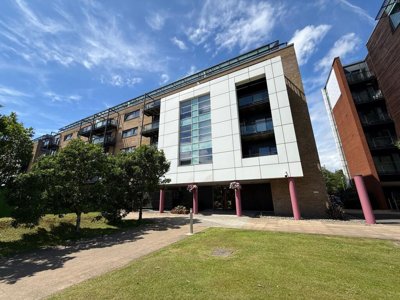
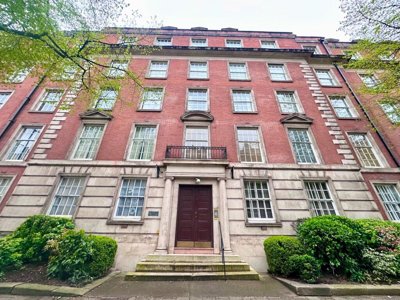
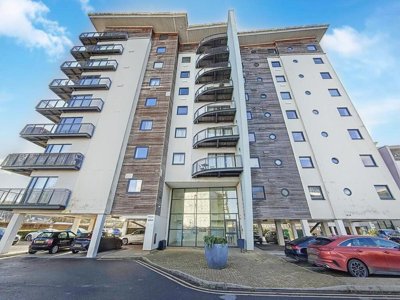
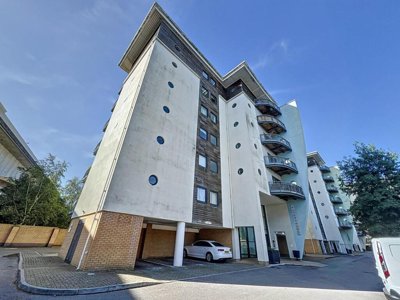
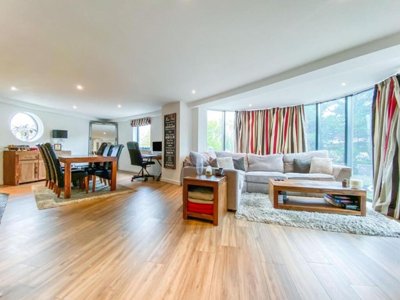
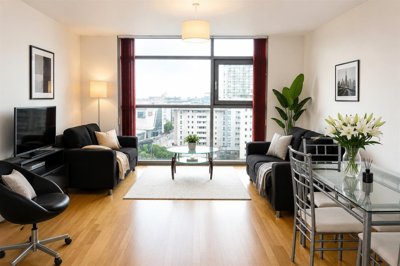
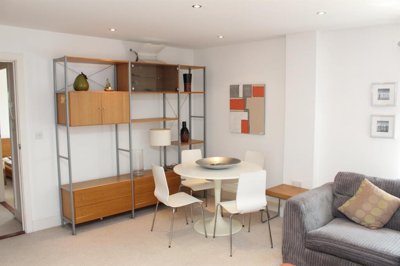
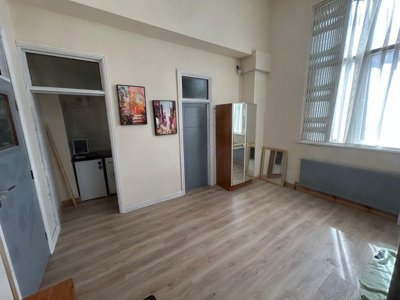
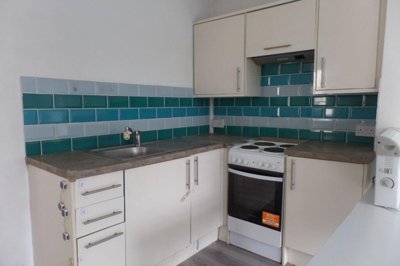
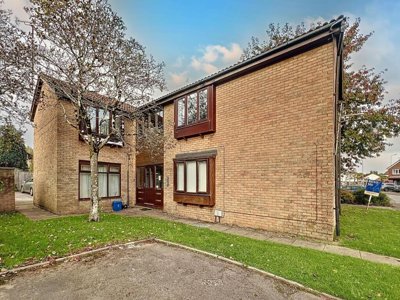
Studio apartments feature open-plan living spaces without separate bedrooms, incorporating sleeping, living, kitchen, and bathroom facilities. The Cardiff studio market includes properties in modern apartment complexes, converted Victorian and Georgian buildings, and purpose-built developments.
£1,000/m
125
3
54
Source: home.co.uk
Showing 125 results for Studio Flats to rent in Cardiff, Cymru / Wales. 3 new listings added this week. The median asking price is £1,000/month.
Source: home.co.uk
Flat
125 listings
Avg £1,071
Source: home.co.uk
Source: home.co.uk
Cardiff has a wide housing spread, so we see renters choosing from very different price points and property types. homedata.co.uk records show detached homes averaging £519,000, semi detached properties at £322,000, terraced homes at £260,000 and flats and maisonettes at £162,000. That range helps explain the layered rental picture, from smaller flats in the centre to bigger houses across the north and west. It also helps explain why some streets move quickly, especially where older houses have already been updated.
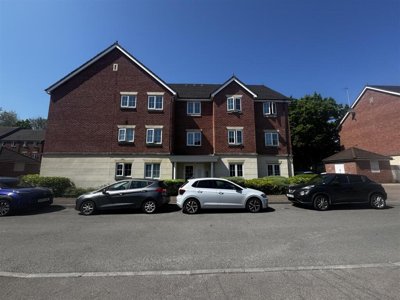
A lot of Cardiff is still made up of established housing, but new build stock keeps shaping the market. Sold price records show newly built homes averaging £379,000 against £246,000 for established property, so newer schemes are coming through at a noticeable premium. In rental terms, we often find those developments suit tenants looking for lower upkeep, stronger insulation and simpler parking arrangements. It is not a one track market.

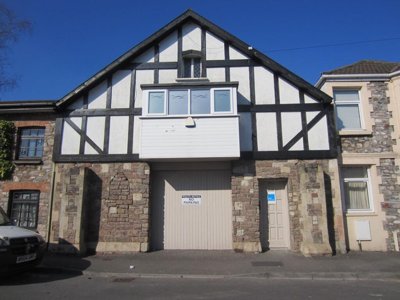
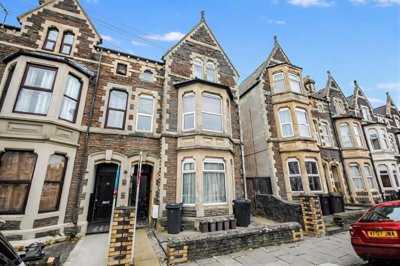
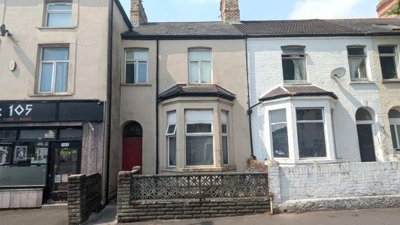
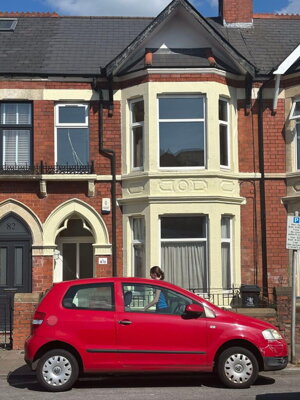
One thing Cardiff does not lack is contrast between neighbourhoods. Terraced homes account for 44.5% of sales volume, semi detached properties make up 26.8%, detached homes 17.4% and flats 11.2%, which keeps the city strongly terrace led across many inner districts. You can see that in the streetscape, with red brick Victorian and Edwardian rows, older stone buildings in historic areas, render on post war homes and slate roofs on many traditional properties. For renters, that means plenty of period stock, with some modern apartment blocks and newer estates mixed in.
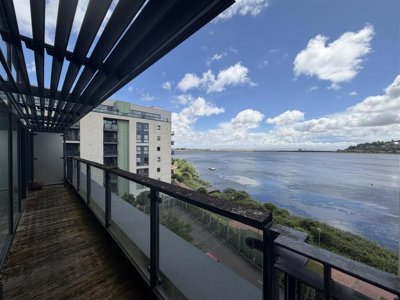
Cardiff's geography has a real effect on renting decisions. Much of the urban area sits on Triassic Mercia Mudstone and alluvial deposits, bringing moderate to high shrink swell risk in clay rich parts of the city, especially where mature trees stand close to older foundations. Flooding needs checking too, because the River Taff, River Ely, Cardiff Bay and the wider coastal setting can all bring river, tidal and surface water issues. We would look carefully at Grangetown, Canton, Riverside and parts of the city centre, while conservation areas in Cathays Park, Llandaff, Pontcanna, Riverside, Roath Park and Cardiff Bay stand out for heritage streetscapes and listed buildings.
For many families, the search starts with schools rather than the property itself. Cardiff High School, Whitchurch High School, Ysgol Glantaf and Ysgol Gymraeg Bro Edern are often high on the shortlist, and Fitzalan High and Cathays High serve other parts of the city. In Wales, inspections come through Estyn rather than Ofsted, so we always suggest checking the latest Estyn reports before settling on a postcode. Catchment changes can shift demand quickly, particularly in north and west Cardiff where family houses are under the most pressure.
Schooling is only part of the picture. Cardiff University, Cardiff Metropolitan University and Cardiff and Vale College bring students, lecturers and staff into the city, and Welsh Government and NHS Wales employment adds a longer term professional base. That combination keeps rental demand steady around campus areas, the city centre and major bus routes. If children are part of the move, we would match the school shortlist with the commute and a realistic parking plan, especially for a suburban house.

Getting across Cardiff is simple in some spots and less so in others. Cardiff Central and Cardiff Queen Street give direct rail links across South Wales and further afield, with regular services to Newport, Swansea, Bristol and London Paddington. Buses also cover a lot of ground, especially into the centre, the bay and the university districts. We would pick inner neighbourhoods carefully if walking to work matters, because convenience can change from one street to the next.
For drivers, the road network is a big plus. The M4, A48 and A4232 give straightforward routes out of Cardiff, and the ring road helps with cross city trips and commuting to nearby towns. Cycling has become easier as well, with the Taff Trail and improving cycle corridors feeding into the centre and along the river. Parking is often where the compromise shows up in Cathays, Roath, Pontcanna, Cardiff Bay and other dense areas, so we would check permit rules and driveway space before signing anything.
We would narrow the search by routine first, not just by budget. A rental budget agreement in principle gives a firm ceiling before viewings start, which can make a real difference when a well priced home comes up. It also helps to compare school catchments, parking, flood risk and walking distance to rail or bus links before choosing an area. That sort of filtering saves wasted trips.
Then we would book viewings at different times of day. Noise, traffic and parking can feel completely different depending on the hour, and a flat that seems calm at midday may sit on a busy commuter route. The same goes for a terrace near the centre on a Friday evening. Once the right place turns up, read the tenancy terms carefully, ask how repairs are handled and check exactly what sits within the move in costs.
Paperwork is worth getting ready early, because Cardiff's better placed homes do not hang around for long. We would have references, proof of income and identification lined up before applying. Ask for the inventory before move in, then photograph anything that already looks worn or damaged. With a larger or older property, it also helps to pin down how heating, maintenance and parking are dealt with from day one.

Older stock can be attractive, but it needs a sharper check. Pre 1919 terraces may have solid walls, older roofs, timber floors and limited insulation, so damp, heat loss and roof wear are all worth watching during a viewing. On clay rich ground, we would also ask about any structural movement or subsidence history, especially where mature trees are close to the building. Windows, gutters, pointing and signs of condensation in corners or behind furniture spaces should all be part of the walkthrough.
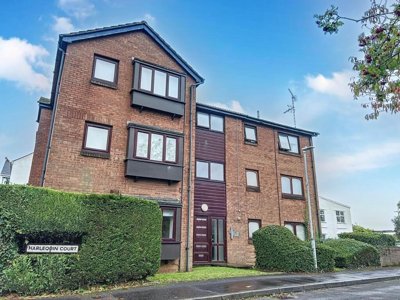
Leasehold flats need a bit more digging because service charges and ground rent can push up monthly costs. That is especially relevant in Cardiff Bay and newer apartment schemes near the centre, where communal areas, lifts, secure entries and parking management are common. In a conservation area, planning restrictions and alterations may limit what a landlord can change, which can affect window replacements, external works or even satellite dishes. We would ask early about bin storage, bike storage, entry systems and guest parking, just to understand how the building works day to day.
Flood checks matter here just as much as heating bills. Homes near the River Taff, River Ely or low lying bay areas can face river, tidal or surface water issues, and that can affect insurance, access and winter disruption. Even away from the highest risk zones, Cardiff's urban drainage can struggle in heavy rain, so we would look for signs of past water ingress around thresholds, garages and garden walls. Flood history, EPC rating and maintenance records are best treated as one conversation, not separate ones.
We do not have a single live rental average, but homedata.co.uk records show Cardiff's average house price at £271,000, with flats at £162,000 and terraced homes at £260,000. That still points to a broad rental spread, from compact city flats to bigger family houses in the suburbs. In practice, central and waterside homes tend to sit above places further out in Radyr, Lisvane or St Mellons.
Across Cardiff Council, homes sit in council tax bands from A to H. The band depends on the size, age and value of the property, so flats and smaller terraces are often lower down the scale, while larger detached houses are usually higher. We would always check the exact band on the listing or ask the landlord before committing.
School access can make or break the decision for families. Cardiff High School, Whitchurch High School, Ysgol Glantaf and Ysgol Gymraeg Bro Edern are names we hear often, and Fitzalan High and Cathays High also cover many parts of Cardiff. In Wales, Estyn reports are the main inspection reference, so it makes sense to read the latest findings rather than lean on reputation alone. Catchment areas can shift quickly, and a strong house is not always the right house if school access comes first.
Cardiff is one of the easier Welsh cities to manage without driving every day. Cardiff Central and Cardiff Queen Street give direct rail links, and buses serve the city centre, the bay, the universities and many suburbs. If you do travel by car, the M4, A48 and A4232 make commuting to Newport, Swansea or Bristol relatively simple. We see that flexibility matter a lot.
For a lot of renters, Cardiff works because the city covers several needs at once. There are jobs, universities, green spaces and a broad property mix. Inner neighbourhoods suit people who want a simpler commute, while outer districts such as Radyr, Lisvane and St Mellons can mean more space. We would judge the best area by budget, school needs and how much travel time feels realistic each day.
Upfront tenancy costs are usually clear, but they still need checking. For a standard tenancy, the holding deposit is usually capped at one week's rent and the tenancy deposit is capped at five weeks' rent if the annual rent is under £50,000. On top of that, there may be the first month's rent in advance, referencing checks, moving costs and sometimes an inventory fee if the landlord uses one. We would read the tenancy agreement closely so it is obvious what is refundable and what is not.
Family renters often look first at Llandaff, Lisvane, Radyr, Whitchurch and parts of Pontprennau. Those areas usually mean larger homes, more access to green space and better parking than denser parts of Cardiff. Homes near good schools can be harder to secure and can carry higher rent, so we would weigh catchment, commute and garden space before signing. The balance matters.
Before booking anything, we would compare Cardiff's inner areas with riverside zones and the suburbs. Commute times matter. So do parking, flood risk, school access and whether the home actually fits the routine you keep every week.
We would get a rental budget agreement in principle sorted before viewings begin. That makes it easier to move quickly and helps avoid overspending. The total should include rent, council tax, utilities, broadband, parking permits and moving costs, not just the headline figure.
It is worth visiting at different times of day. Traffic, light, noise and parking can all shift, and the feel of a street changes with them. While you are there, we would check roofs, windows, heating and any communal areas as well.
We would have ID, references, proof of income and any supporting documents ready before applying. Cardiff's best located homes can move fast. Being organised can be the difference between getting the place and missing it.
Before signing, we would read the agreement, the deposit details, the inventory and the maintenance responsibilities in full. It is also sensible to ask about repairs, service charges on flats and any restrictions that come with leasehold buildings or conservation areas.
Once terms are agreed, pay the deposit and the first month's rent, collect the keys and photograph the property on day one. We would keep copies of every document as well, so there is a clear record running through the whole tenancy.
Monthly rent is only part of the cost in Cardiff. Move in costs can build quickly, and the usual upfront items are the holding deposit, the tenancy deposit and the first month's rent, with the exact amount depending on the property and landlord. In central areas where demand runs high, we would also check whether parking permits, furnishings or cleaning charges are included before committing. A clear budget takes some of the strain out of the first month.
Energy bills can differ sharply from one property to another, which matters in a city with plenty of older terraces and converted houses. Solid wall homes, unmodernised flats and places with poor insulation may cost more to heat than newer houses or apartments with better glazing and modern boilers. That is why we would always check the EPC rating, even for a rental. If the property is in Cardiff Bay, the city centre or another leasehold block, ask about service charges too, because they can change the true monthly cost more than many people expect.
One of the main things we see in Cardiff is that the cheapest home on paper is not always the cheapest overall. A place with easier parking, a better commute and lower utility bills may save more than a slightly lower monthly rent in a tougher location. Travel costs, school runs and winter heating all need a place in the calculation, especially with an older home or one in a flood sensitive area. Once the numbers are set out properly, comparing homes gets much easier.

Properties to Rent In London

Properties to Rent In Plymouth

Properties to Rent In Liverpool

Properties to Rent In Glasgow

Properties to Rent In Sheffield

Properties to Rent In Edinburgh

Properties to Rent In Coventry

Properties to Rent In Bradford

Properties to Rent In Manchester

Properties to Rent In Birmingham

Properties to Rent In Bristol

Properties to Rent In Oxford

Properties to Rent In Leicester

Properties to Rent In Newcastle

Properties to Rent In Leeds

Properties to Rent In Southampton

Properties to Rent In Cardiff

Properties to Rent In Nottingham

Properties to Rent In Norwich

Properties to Rent In Brighton

Properties to Rent In Derby

Properties to Rent In Portsmouth

Properties to Rent In Northampton

Properties to Rent In Milton Keynes

Properties to Rent In Bournemouth

Properties to Rent In Bolton

Properties to Rent In Swansea

Properties to Rent In Swindon

Properties to Rent In Peterborough

Properties to Rent In Wolverhampton

Enter your details to see if this property is within your budget.
Loans, cards, car finance
Estimated property budget
Borrowing + deposit
You could borrow between
Typical borrowing
Monthly repayment
Est. at 4.5%
Loan-to-value
This is an estimate only. Your actual budget may vary depending on interest rates, credit history, and personal circumstances. For an accurate affordability assessment, speak to one of our free mortgage advisors.
This calculator provides estimates for illustrative purposes only and does not constitute financial advice. Your home may be repossessed if you do not keep up repayments on your mortgage. Estimates based on 4.5% interest rate, repayment mortgage. Actual rates depend on your circumstances.
Homemove is a trading name of HM Haus Group Ltd (Company No. 13873779, registered in England & Wales). Homemove Mortgages Ltd (Company No. 15947693) is an Appointed Representative of TMG Direct Limited, trading as TMG Mortgage Network, which is authorised and regulated by the Financial Conduct Authority (FRN 786245). Homemove Mortgages Ltd is entered on the FCA Register as an Appointed Representative (FRN 1022429). You can check registrations at NewRegister or by calling 0800 111 6768.

We use cookies to show you personalised content and improve your experience of our website. Find out more in our Privacy policy and Cookie policy.