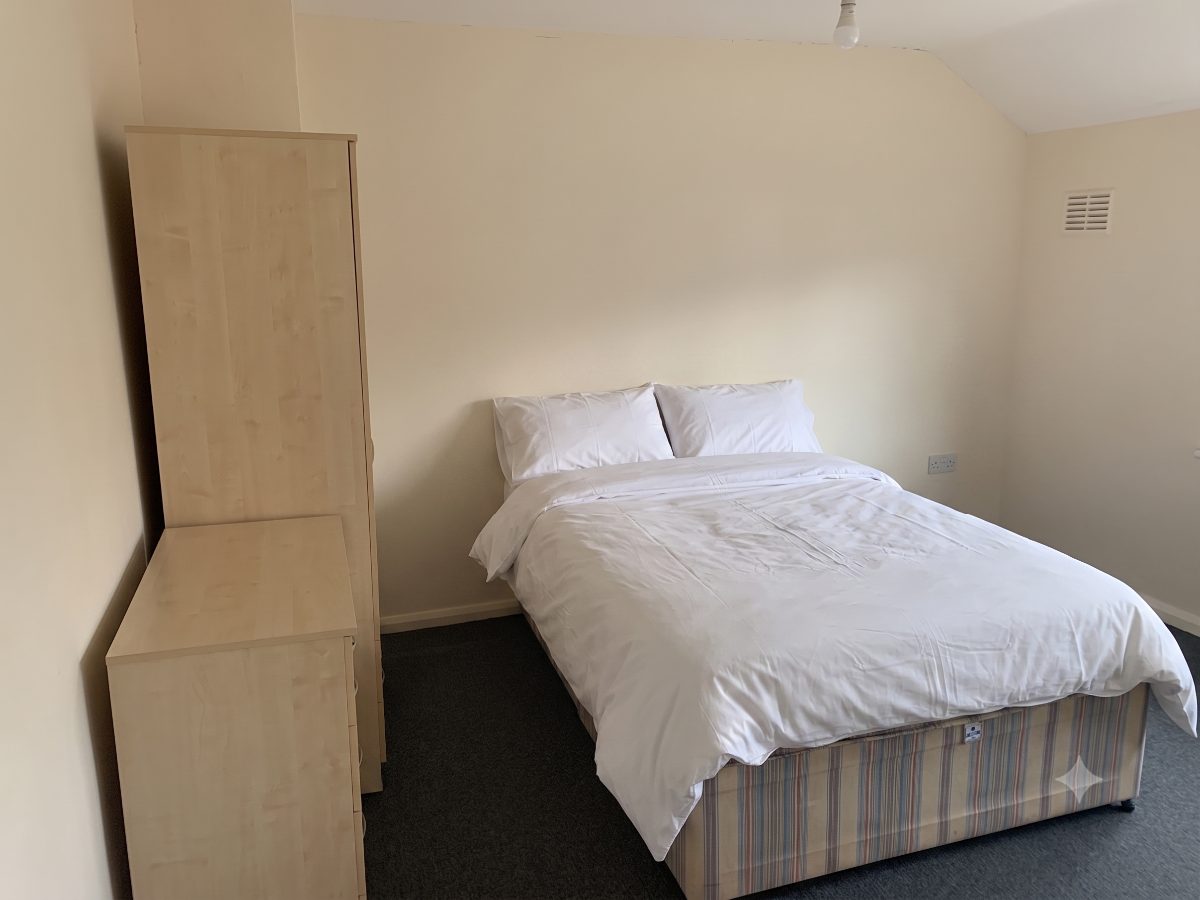
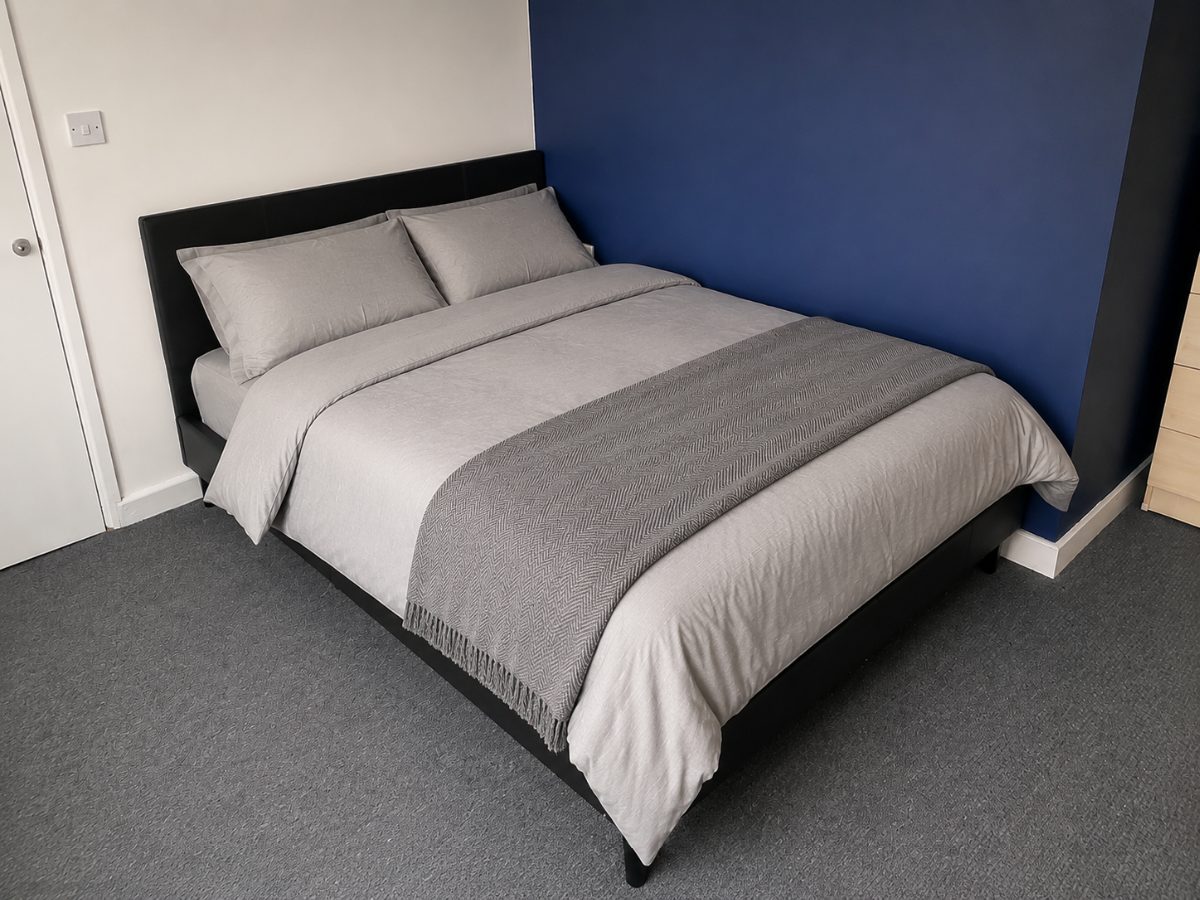
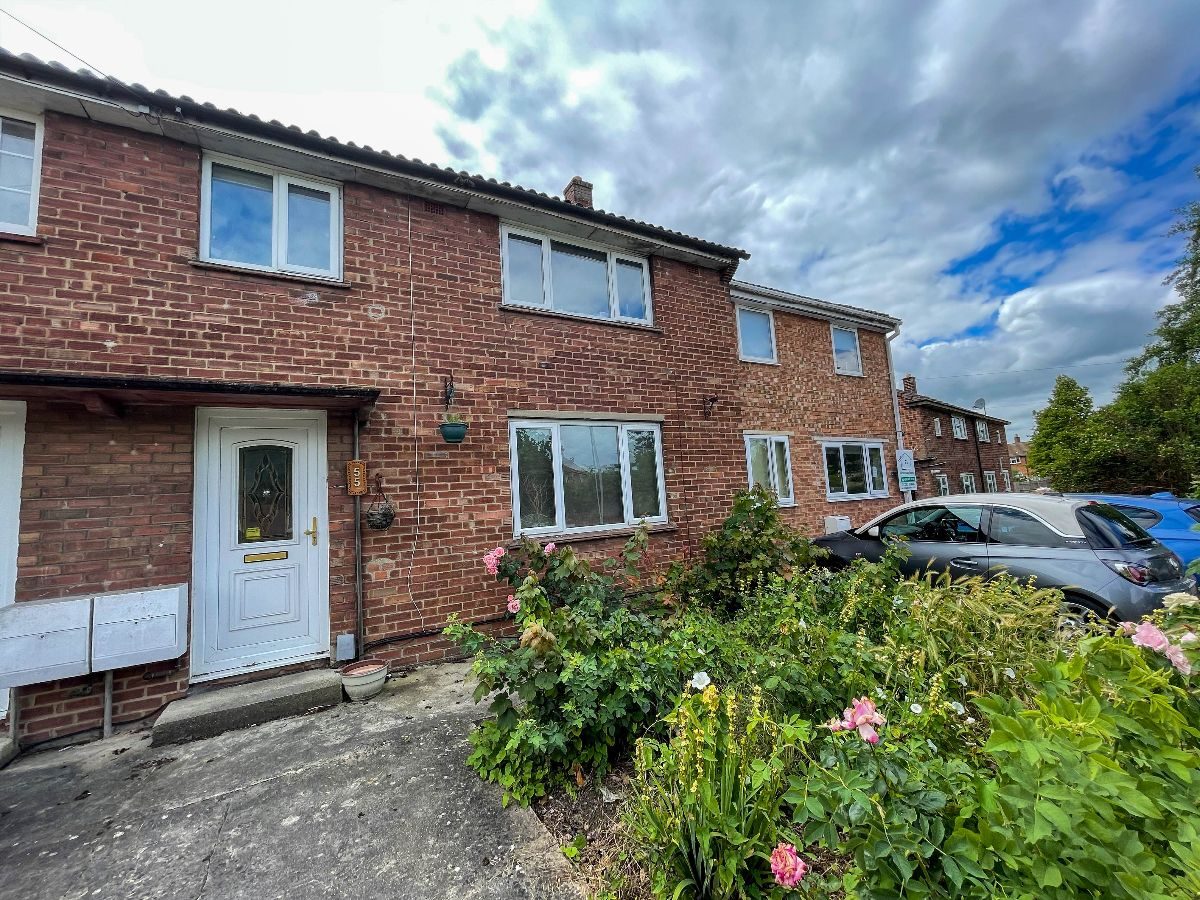
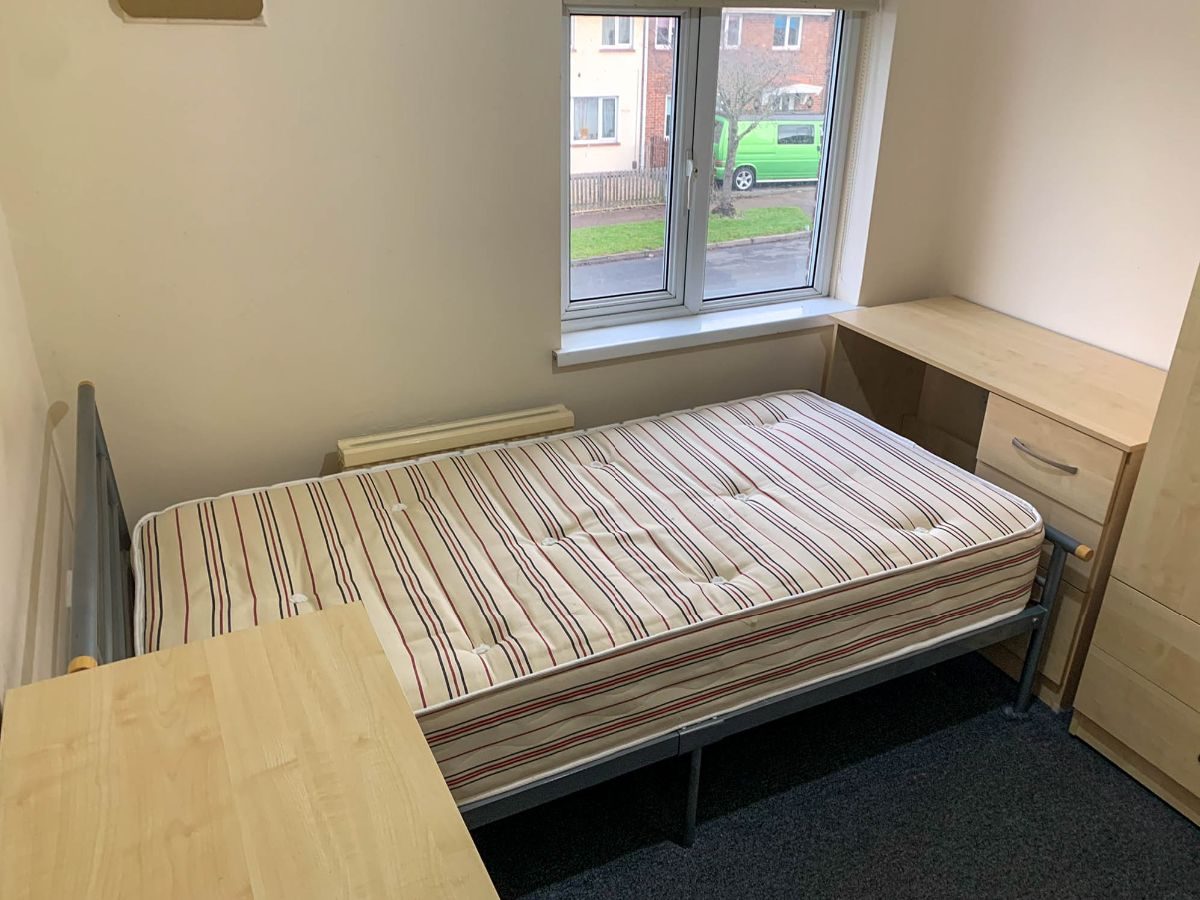
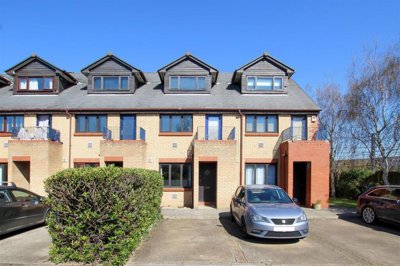
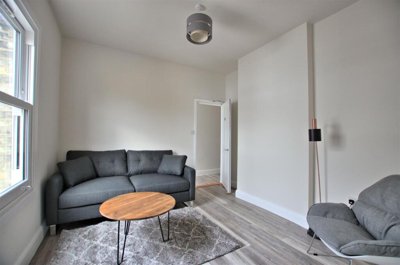
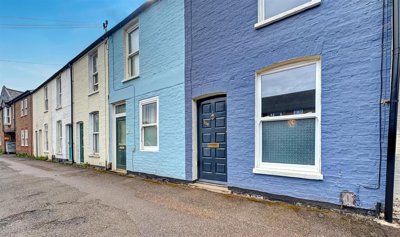
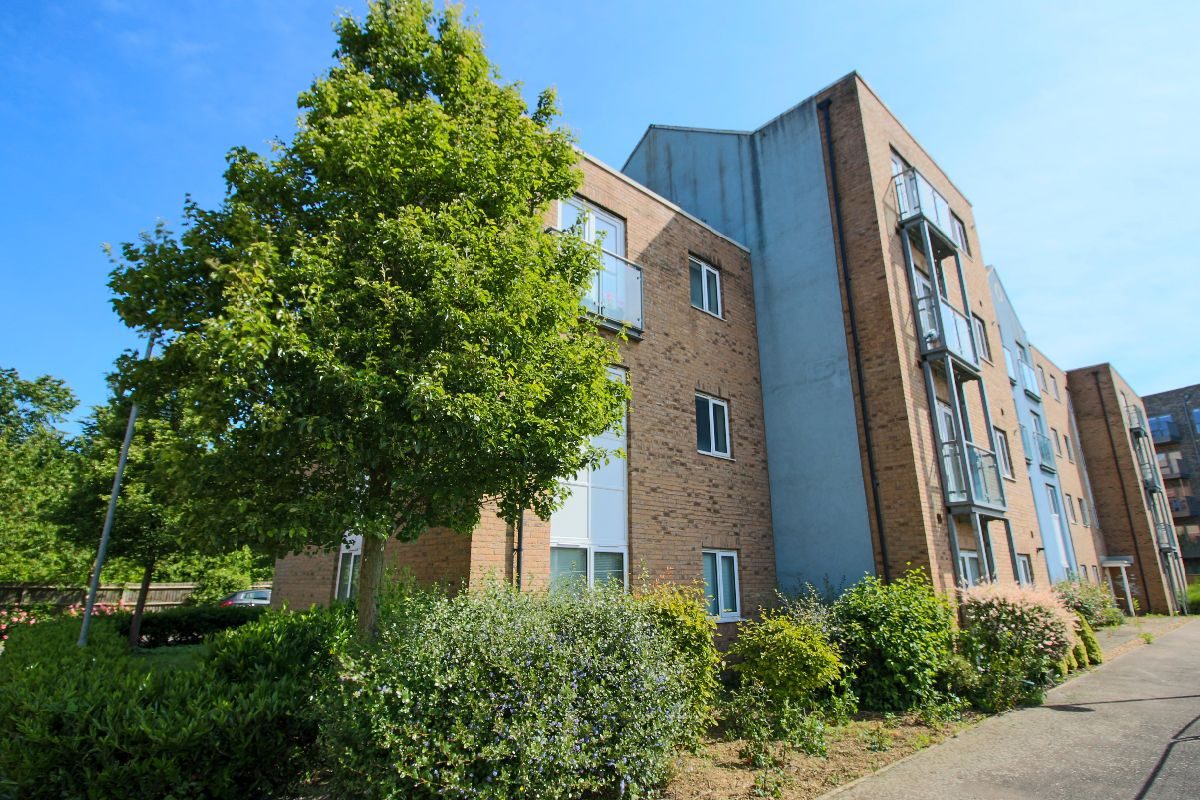
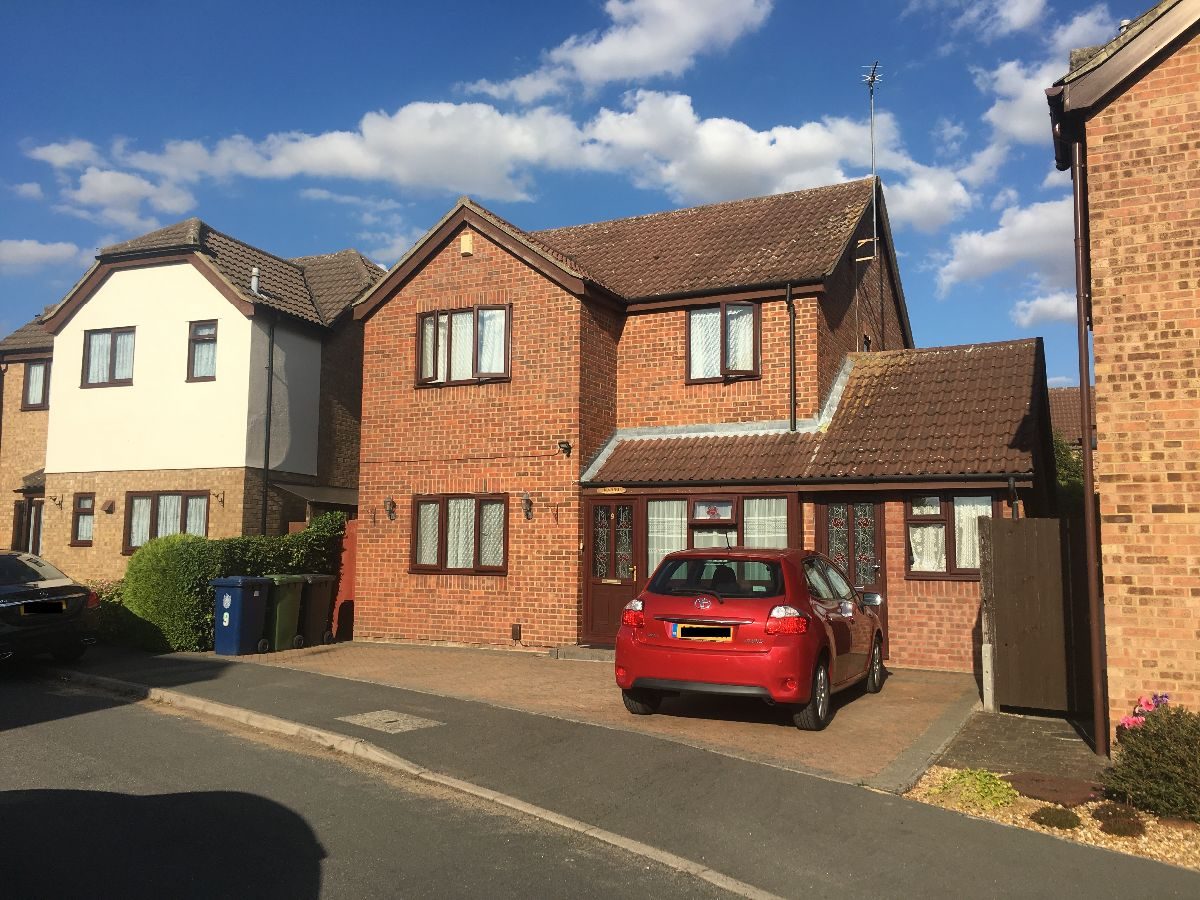
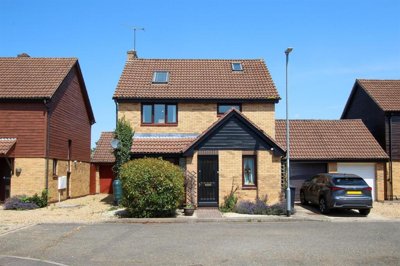
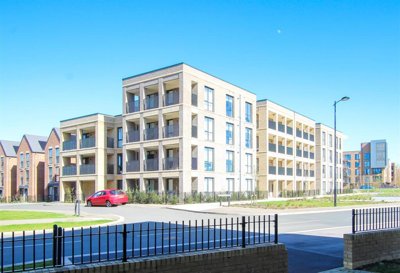
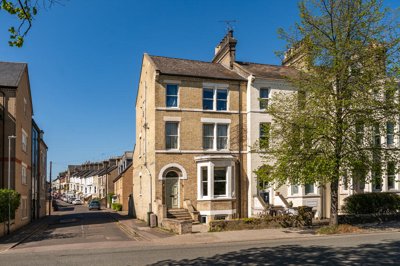
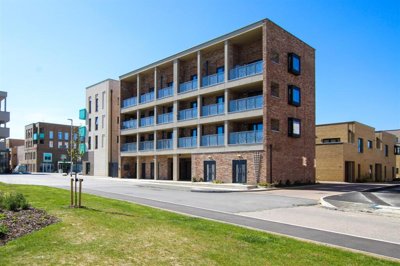
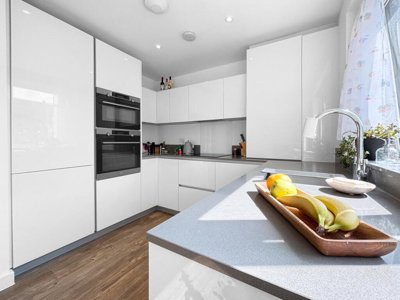
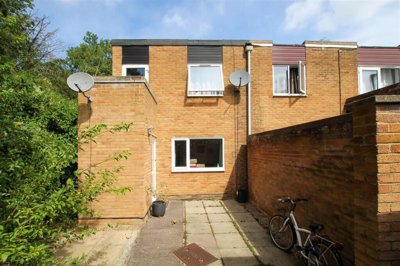
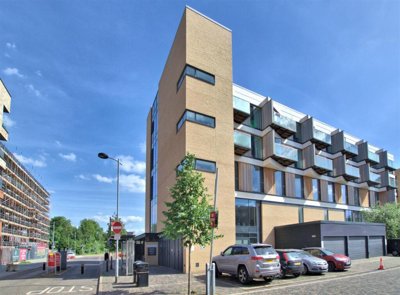
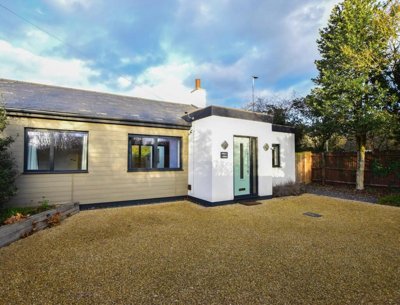
Browse 955 rental homes to rent in Cambridge, Cambridgeshire from local letting agents.
£1,600/m
171
2
60
Source: home.co.uk
Source: home.co.uk
Apartment
47 listings
Avg £1,568
Terraced
27 listings
Avg £2,111
Flat
24 listings
Avg £1,472
House Share
23 listings
Avg £1,368
Semi-Detached
11 listings
Avg £2,118
House
9 listings
Avg £1,994
End of Terrace
8 listings
Avg £1,963
Studio
6 listings
Avg £1,028
Detached
5 listings
Avg £4,580
Not Specified
5 listings
Avg £1,520
Source: home.co.uk
Source: home.co.uk
The Cambridge rental market operates within one of the most dynamic property environments in the UK, shaped by strong demand from students, university staff, healthcare workers, and technology professionals. While comprehensive rental price data requires direct enquiry with agents, the sales market provides valuable context, with average property prices around £486,000. Detached properties command the highest prices at approximately £993,000, while flats and maisonettes average around £308,000, reflecting the variety of housing types available across the city.
Recent market data indicates Cambridge has experienced modest price adjustments, with overall values declining approximately 2.5% over the twelve months to December 2025. Flats have seen slightly sharper corrections of 4-5%, whereas houses have remained relatively stable with minimal movement. Semi-detached properties average around £615,000, with terraced houses fetching approximately £504,000. This trend presents opportunities for renters who may find relative value compared to peak market conditions. The Cambridge postcode area recorded approximately 4,816 property sales in the past year, with new builds accounting for 5.3% of transactions, demonstrating continued development activity within the area.
Rental demand in Cambridge remains robust due to the city's limited housing supply against persistent population growth. The private rental sector has expanded significantly, with 31% of households now renting privately according to Census 2021 data, up from 26% in 2011. Meanwhile, owner-occupation has declined from 47% to 44% over the same period. These shifting patterns reflect changing housing preferences and the increasing difficulty many residents face in accessing homeownership in this high-demand location.

Cambridge offers an unparalleled combination of historic charm, academic prestige, and modern innovation. The city centre showcases stunning architecture spanning centuries, from the iconic King's College Chapel to the tranquil colleges along the River Cam. Beyond the immediate city centre, residential neighbourhoods each possess their own distinct character, from the creative hub of Cambridge CB1 to the family-oriented areas of Chesterton and the quieter suburbs of Fulbourn and Sawston. This diversity ensures renters can find communities that genuinely match their lifestyle preferences and daily routines.
The local economy thrives on knowledge-intensive industries, with the median gross annual pay for employees working in Cambridge standing at £43,365, significantly above national averages. Technology and biotech clusters, particularly around the Cambridge Science Park and Addenbrooke's Biomedical Campus, attract professionals from around the world. These employers drive consistent rental demand, particularly for properties offering convenient access to these key employment hubs. The presence of Cambridge University, Addenbrooke's Hospital, and numerous research institutions creates a stable economic foundation that supports the local housing market through various economic cycles.
Daily life in Cambridge benefits from exceptional amenities including diverse restaurants, independent shops, cultural venues, and extensive green spaces. The city maintains excellent walking and cycling infrastructure, making car-free living practical for many residents. Parks such as Parker Close and Logan's Meadow offer natural retreats within the urban fabric, while proximity to the Cambridgeshire countryside provides easy access to outdoor recreation. Community life remains strong despite the transient nature of student populations, with local events, markets, and neighbourhood associations fostering connections among residents.

Education provision in Cambridge ranks among the best in the UK, with the city offering access to outstanding primary and secondary schools alongside world-renowned higher education institutions. Parents renting in Cambridge can choose from a strong selection of Ofsted-rated Good and Outstanding schools across all key stages. State primary schools such as Corpus Christi Primary School and St Mary's Junior School serve the city centre, while areas like Cherry Hinton and Trumpington offer popular primary options for families. Secondary education includes well-regarded comprehensives and specialist schools, with some families pursuing options within the Cambridgeshire selective school system.
The University of Cambridge requires no introduction as one of the world's premier academic institutions, alongside Anglia Ruskin University providing higher education opportunities closer to home. Further education provision includes Cambridge Regional College, offering vocational courses and apprenticeships relevant to local industries. The concentration of educational institutions creates distinct rental demand patterns, with areas near universities experiencing higher tenant turnover but also offering consistent rental opportunities. Families should research specific school catchments when considering properties, as admission policies significantly influence property values and rental desirability in particular streets and neighbourhoods.
For families prioritising educational outcomes, Cambridge offers access to excellent independent schools including The Perse School, St Mary's School, and King's College School. These institutions, while requiring fee payment, add to the comprehensive educational landscape available to residents. The presence of multiple Ofsted-rated Outstanding secondary schools ensures state-educated children also access high-quality learning environments. Rental properties in good school catchments command premium values, making early research into local educational provision essential for families planning their Cambridge rental search.

Cambridge offers excellent connectivity despite its relatively compact footprint, with multiple transport options serving residents across the city and beyond. Cambridge railway station provides regular services to London Liverpool Street, with journey times of approximately 50 minutes to the capital. Additional services connect Cambridge to Stansted Airport, Birmingham, and Norwich, making the city well-connected for both domestic and international travel. The guided busway offers an efficient alternative to road travel, connecting residential areas to the city centre and employment hubs including the Science Park and Addenbrooke's Hospital with minimal congestion delays.
Road connectivity centres on the M11 motorway, which provides direct access to London and connections to the broader motorway network. The A14 trunk road serves freight and commuter traffic heading toward Huntingdon and the East coast ports. Within the city itself, cycling infrastructure ranks among the best in the UK, with dedicated cycle paths, bike-sharing schemes, and flat terrain making cycling a practical daily transport choice for many residents. Traffic congestion during peak hours affects central areas and key junctions, making proximity to employment hubs a significant factor in rental property selection for commuting residents.
Parking provision varies significantly across Cambridge neighbourhoods, with city centre properties often offering limited or no parking, while suburban rentals typically include off-street parking or garage spaces. Park and ride facilities on the city periphery provide convenient options for those commuting into the centre, offering free parking with bus connections into central Cambridge. For residents working at major employment sites such as the Cambridge Science Park, Addenbrooke's Biomedical Campus, or the city centre universities, public transport and cycling often prove more reliable than car travel during busy periods. When evaluating rental properties, prospective tenants should carefully assess their specific commuting requirements and the transport options available from each neighbourhood.

While Cambridge is generally considered a low-risk location for flooding compared to many UK cities, prospective renters should understand the local water patterns that can affect certain neighbourhoods. The city is influenced by several watercourses, with Alewife Brook running through the northwest of Cambridge and the River Cam flowing through the city centre and southern areas. Some neighbourhoods including parts of Cambridgeport and areas near the A14 corridor have experienced precipitation-related flooding during periods of heavy rainfall.
The Environment Agency defines flood risk using three zones, with Cambridge city centre and most residential areas falling into Flood Zone 1, indicating a less than 0.1% annual probability of river flooding. However, specific postcodes and developments near watercourses warrant individual investigation before committing to a rental. Current infrastructure including the Charles River Dam and Amelia Earhart Dam provides protection against storm surge flooding from the coast, though climate projections suggest increased flood risk could affect some areas by 2045 and beyond.
When viewing rental properties, ask the letting agent or landlord about any history of flooding or damp issues, particularly for ground-floor flats and properties near water features. Buildings insurance and contents insurance costs can be higher in flood-affected areas, and landlords may have specific requirements for tenants in higher-risk locations. Checking the Environment Agency's flood risk maps for your specific postcode before signing a tenancy helps you make an informed decision about any property you are considering.

Begin by exploring available properties through Homemove and understanding rental price ranges across different Cambridge neighbourhoods. Cambridge's varied areas offer distinct rental profiles, from affordable options in peripheral suburbs like Fulbourn and Sawston to premium rentals near the city centre and university colleges. Consider factors like proximity to your workplace, local amenities, and transport connections when narrowing your search area.
Before viewing properties, obtain a mortgage in principle or rental budget agreement to demonstrate your financial capability to landlords. Cambridge's competitive rental market rewards tenants who can move quickly with verified finances. Budget for typical upfront costs including deposit (usually 5 weeks' rent), first month's rent, referencing fees, and any administration charges from letting agents.
Contact local letting agents to arrange viewings of properties matching your criteria. Cambridge viewing schedules fill quickly for desirable properties, particularly those near university campuses, the Science Park, or in popular neighbourhoods like Romsey and Petersfield. Take notes and photographs during viewings to help compare options afterwards. We recommend viewing multiple properties before making a decision, as the standard of presentation can vary significantly across different landlords and properties.
Once you identify your preferred property, submit your rental application promptly with all required documentation. This typically includes proof of identity, employment references, previous landlord references, and bank statements. Cambridge letting agents may request additional verification given the competitive nature of the local market. Having your documentation prepared in advance speeds up the application process significantly.
Review your tenancy agreement carefully before signing, paying particular attention to the length of tenancy, rent amount and payment schedule, deposit protection arrangements, and any specific conditions relevant to your Cambridge property. Your deposit must be protected in a government-approved scheme within 30 days of receiving it. Ask the agent to explain anything you do not understand before you commit.
Arrange your move-in date with your landlord or letting agent, ensuring you receive inventory documentation and understand how to report any maintenance issues. Cambridge's compact nature means moving within the city often involves shorter journeys than in larger urban areas, potentially reducing moving costs. Document the property condition thoroughly when you move in, as this protects your deposit when you eventually leave.
Renting in Cambridge requires careful attention to several location-specific factors that can significantly impact your tenancy experience. The city's geography means some neighbourhoods experience higher traffic congestion than others, making access to employment hubs and public transport connections important practical considerations. Properties in areas like Newmarket Road or near the A14 may offer lower rents but involve longer commute times during peak hours. Conversely, rentals within easy cycling distance of the Science Park or city centre may justify premium pricing through time savings and convenience.
Cambridge's conservation areas and listed buildings add character to many neighbourhoods but bring specific responsibilities and restrictions for tenants. Properties in conservation areas may have limitations on external alterations, while listed buildings often require consent for internal modifications. Understanding these constraints before signing your tenancy prevents misunderstandings with landlords and local authorities. Older properties across Cambridge may also require more maintenance attention, so thorough inspection during viewings helps identify potential issues before commitment.
Energy performance varies significantly across Cambridge's diverse housing stock, from poorly insulated Victorian terraces to modern developments with excellent thermal performance. Given rising energy costs, prospective tenants should review EPC certificates carefully and estimate running costs alongside rent payments. Some newer developments near the city fringe offer superior insulation and may include amenity charges that affect overall affordability. Always clarify what is included in rent and what utility costs you will need to cover separately.

Renting a property in Cambridge involves several upfront costs that prospective tenants should budget for before beginning their property search. The standard deposit requirement in the private rental sector equals five weeks' rent, which must be protected in a government-approved Tenancy Deposit Scheme within 30 days of receipt. This protection ensures you can recover your deposit at the end of the tenancy, provided there are no unresolved disputes about property condition or unpaid rent. We always recommend documenting the property condition thoroughly when you move in.
Beyond the deposit, tenants typically pay the first month's rent in advance, along with various administrative fees charged by letting agents or landlords. Referencing fees, credit checks, and administration charges can add several hundred pounds to your moving costs. While some agents have moved away from charging traditional referencing fees following government legislation, others continue to apply charges for tenancy preparation and documentation. Always request a full breakdown of fees before committing to use a particular agent or property.
The Cambridge rental market has seen significant growth in monthly rents over recent years, though recent price adjustments in the sales market may influence landlord expectations. Properties near employment hubs like the Science Park, Addenbrooke's Hospital, and the university command premium rents, while more distant suburbs offer relatively more affordable options. When calculating your rental budget, remember to account for council tax (Cambridgeshire bands vary by property), utility bills, contents insurance, and potential service charges for flats and apartments. Using Homemove's rental budget tool helps you understand the full cost of renting before committing to viewings.

Comprehensive rental price data for Cambridge varies significantly by property type, size, and location. While the sales market provides useful context with average prices around £486,000 overall, rental prices depend on current supply and demand conditions. Flats typically rent from £1,200-£1,800 per month for one and two-bedroom units, while three-bedroom houses range from £1,600-£2,500 depending on location and condition. Properties near the city centre, university colleges, and major employment sites like the Science Park and Addenbrooke's Biomedical Campus command the highest rents. Contact local letting agents for current specific rental pricing in your preferred neighbourhood.
Cambridge properties fall across various council tax bands from A through H, reflecting the diversity of housing stock across the city. Band A properties typically include smaller flats and apartments, while larger Victorian and Edwardian houses in areas like Newnham and Trumpington often fall into higher bands. Cambridgeshire County Council sets the council tax rates, with additional charges from Cambridge City Council for city services. Prospective tenants should check the specific band for any property they are considering, as this affects monthly outgoings alongside rent and utility costs.
Cambridge offers exceptional educational provision at all levels, with standout primary schools including Corpus Christi Primary and St Mary's Junior School, both rated Good or Outstanding by Ofsted. Secondary options include The Perse School (independent), St John's School, and several strong comprehensives serving different catchment areas across the city. The city also provides access to the world-renowned University of Cambridge alongside Anglia Ruskin University and Cambridge Regional College for further and higher education. Families should research specific school catchments and admission criteria when selecting rental properties, as school quality significantly influences both lifestyle and property values in particular neighbourhoods.
Cambridge offers excellent public transport connectivity despite its relatively compact size. Cambridge railway station provides regular services to London Liverpool Street in approximately 50 minutes, along with connections to Stansted Airport, Birmingham, and Norwich. The Cambridgeshire Guided Busway serves key employment areas including the Science Park and Addenbrooke's Hospital, while extensive bus services operate throughout the city and surrounding villages. For residents working within Cambridge itself, cycling often proves the most efficient transport option given the city's flat terrain and extensive cycle path network.
Cambridge consistently ranks among the most desirable UK cities for renters, offering exceptional quality of life supported by excellent schools, cultural amenities, and green spaces. The city's strong economy centred on technology, research, and higher education creates consistent rental demand from professionals and academics. While rental costs reflect the premium nature of Cambridge living, residents benefit from low crime rates, excellent healthcare provision via Addenbrooke's Hospital, and convenient access to both the Cambridgeshire countryside and London. The 31% of households now privately renting demonstrates the growing appeal of Cambridge's flexible rental sector, though competition for desirable properties remains strong.
Standard upfront costs when renting in Cambridge include a deposit equivalent to five weeks' rent (protected in a government-approved scheme), the first month's rent in advance, and various referencing and administration fees that vary between letting agents. Referencing fees typically range from £100-£300 depending on the agent and number of applicants. Some agents also charge check-in fees for property inventory preparation. Budget carefully for these costs alongside potential moving expenses, and always request a complete breakdown of all fees before proceeding with a rental application.
Most residential areas in Cambridge fall into Environment Agency Flood Zone 1, indicating low risk from river flooding. However, certain neighbourhoods near watercourses such as Alewife Brook in the northwest or areas close to the River Cam warrant individual investigation. Properties in postcodes near the A14 corridor and some parts of Cambridgeport may have elevated flood risk during periods of heavy rainfall. We recommend checking the Environment Agency flood maps for your specific postcode and asking the landlord or agent about any flooding history before committing to a tenancy.
Rental value in Cambridge varies considerably by location, with properties in the historic city centre and near major employers commanding the highest rents. More affordable options can be found in peripheral suburbs like Fulbourn, Sawston, and Cambourne, which offer good transport connections to the city centre. Areas like Cherry Hinton and Romsey provide a balance of character properties and relative affordability compared to central locations. When searching for value, consider the full cost of commuting versus rent savings, as some outer areas may involve significant travel costs and time.
From 4.5%
Understand what rent you can afford with our rental budget tool
From £149
Verify your references quickly for competitive Cambridge rental market
From £95
Protect your deposit with a professional move-in inventory
From £85
Check energy performance before committing to a rental
Properties to Rent In London

Properties to Rent In Plymouth

Properties to Rent In Liverpool

Properties to Rent In Glasgow

Properties to Rent In Sheffield

Properties to Rent In Edinburgh

Properties to Rent In Coventry

Properties to Rent In Bradford

Properties to Rent In Manchester

Properties to Rent In Birmingham

Properties to Rent In Bristol

Properties to Rent In Oxford

Properties to Rent In Leicester

Properties to Rent In Newcastle

Properties to Rent In Leeds

Properties to Rent In Southampton

Properties to Rent In Cardiff

Properties to Rent In Nottingham

Properties to Rent In Norwich

Properties to Rent In Brighton

Properties to Rent In Derby

Properties to Rent In Portsmouth

Properties to Rent In Northampton

Properties to Rent In Milton Keynes

Properties to Rent In Bournemouth

Properties to Rent In Bolton

Properties to Rent In Swansea

Properties to Rent In Swindon

Properties to Rent In Peterborough

Properties to Rent In Wolverhampton

Enter your details to see if this property is within your budget.
Loans, cards, car finance
Estimated property budget
Borrowing + deposit
You could borrow between
Typical borrowing
Monthly repayment
Est. at 4.5%
Loan-to-value
This is an estimate only. Your actual budget may vary depending on interest rates, credit history, and personal circumstances. For an accurate affordability assessment, speak to one of our free mortgage advisors.
This calculator provides estimates for illustrative purposes only and does not constitute financial advice. Your home may be repossessed if you do not keep up repayments on your mortgage. Estimates based on 4.5% interest rate, repayment mortgage. Actual rates depend on your circumstances.
Homemove is a trading name of HM Haus Group Ltd (Company No. 13873779, registered in England & Wales). Homemove Mortgages Ltd (Company No. 15947693) is an Appointed Representative of TMG Direct Limited, trading as TMG Mortgage Network, which is authorised and regulated by the Financial Conduct Authority (FRN 786245). Homemove Mortgages Ltd is entered on the FCA Register as an Appointed Representative (FRN 1022429). You can check registrations at NewRegister or by calling 0800 111 6768.