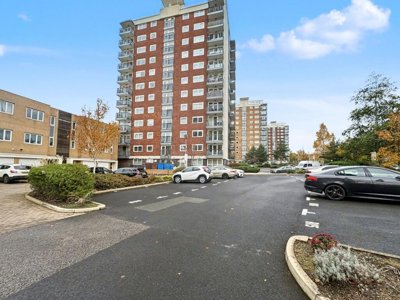
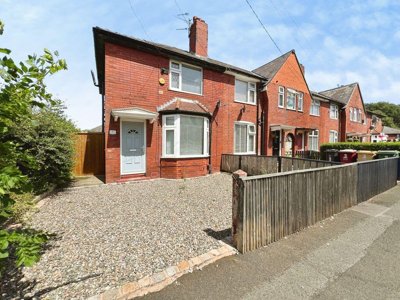
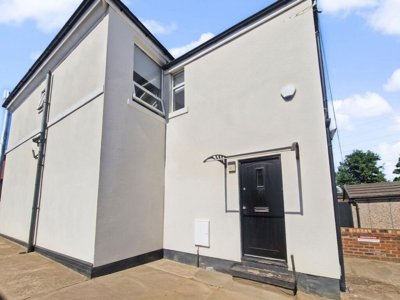
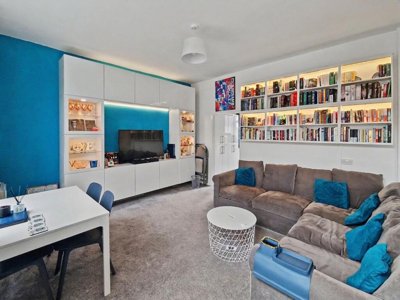
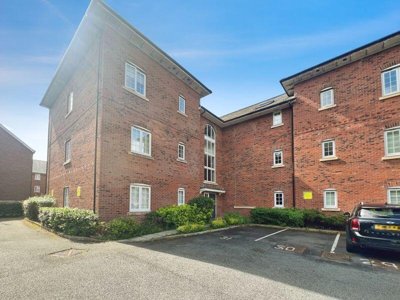
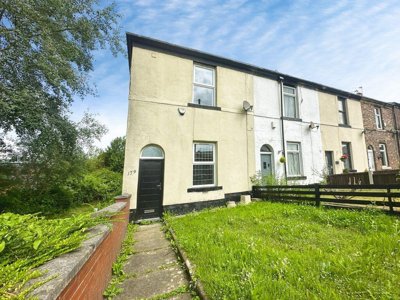
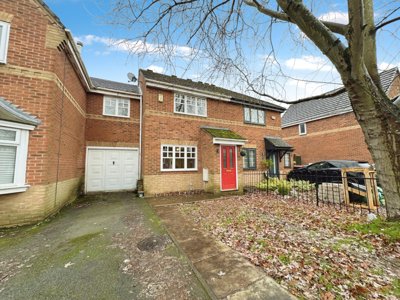
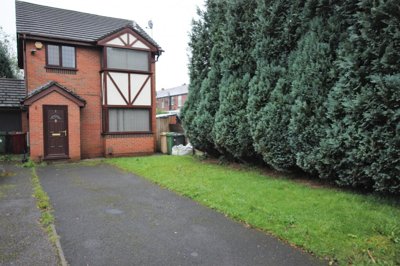
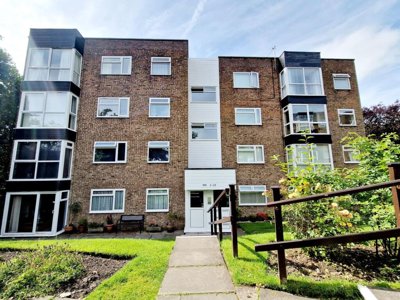
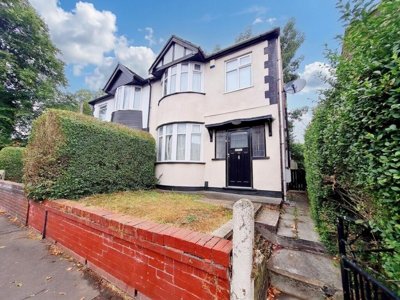
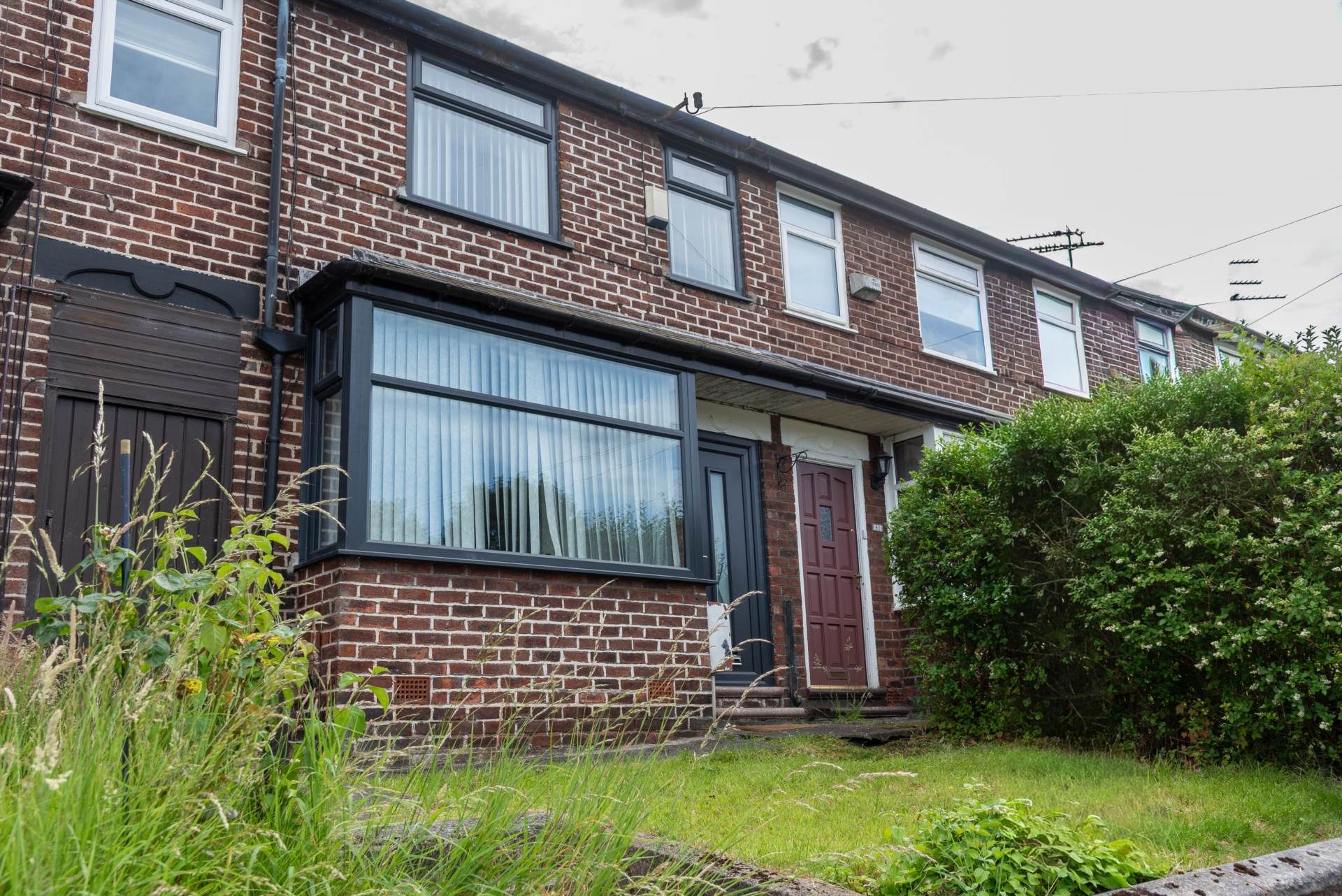
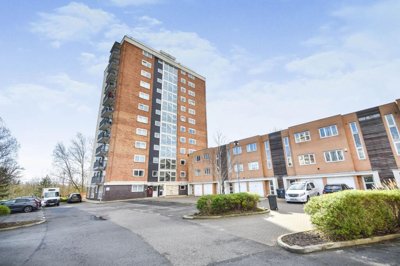
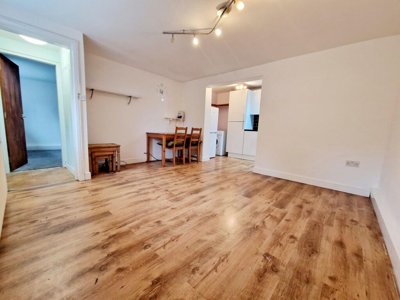
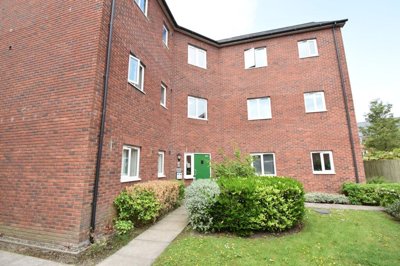
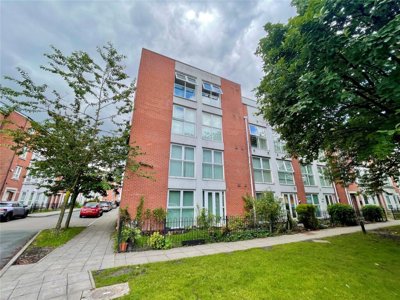
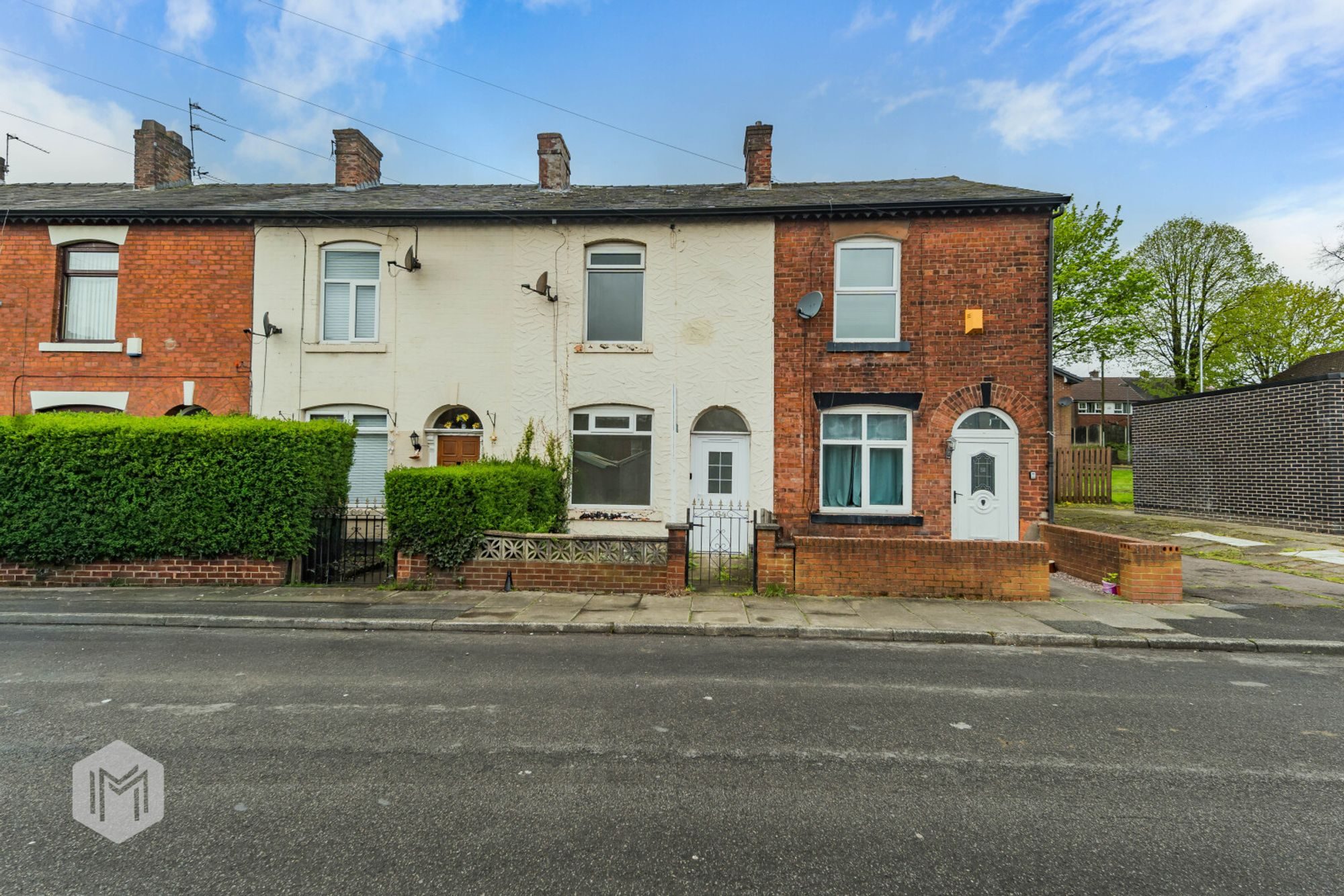
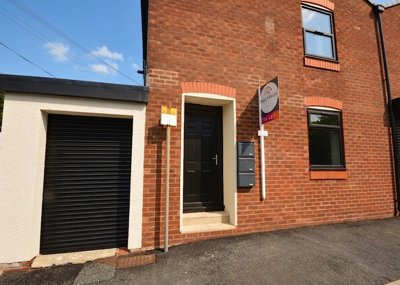
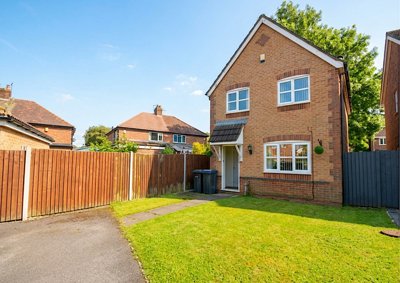
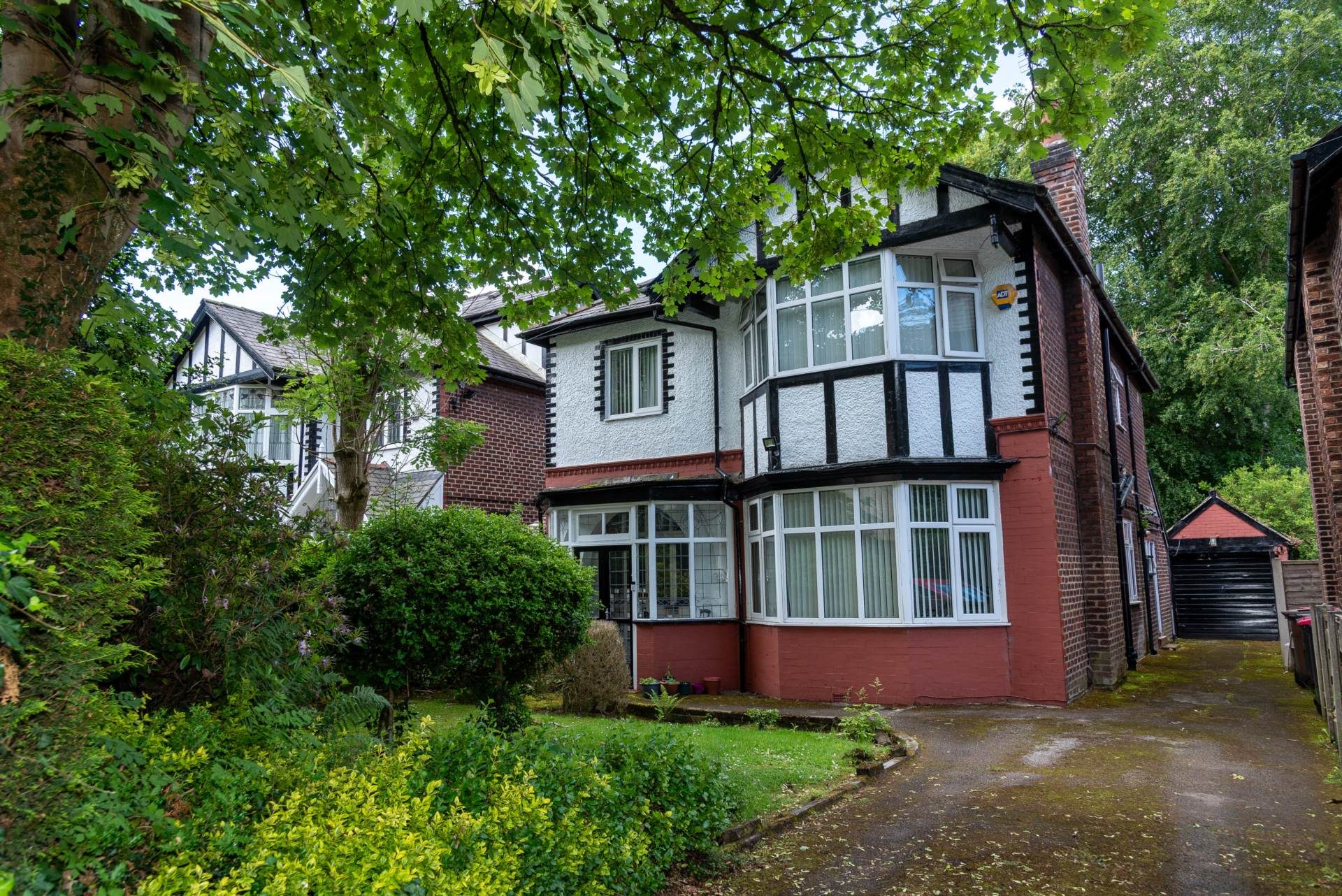
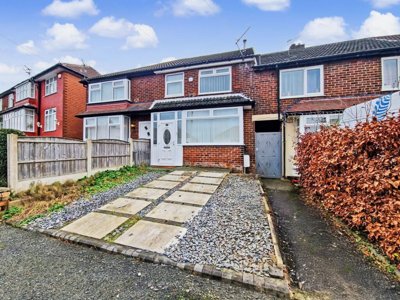
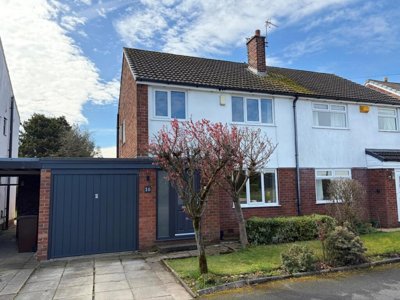
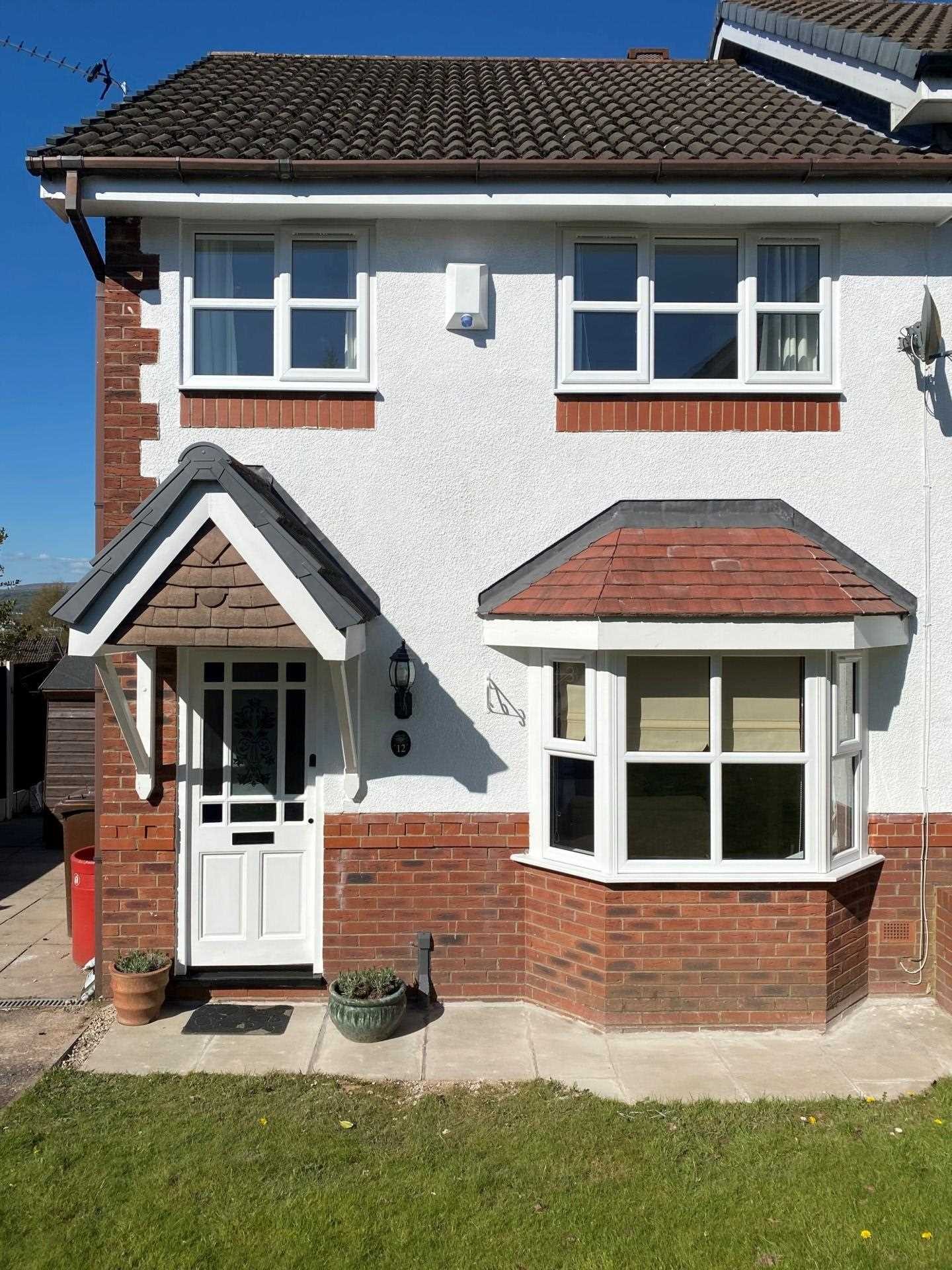
Browse 391 rental homes to rent in Bury, Greater Manchester from local letting agents.
£995/m
79
1
56
Source: home.co.uk
Source: home.co.uk
Terraced
26 listings
Avg £1,031
Apartment
10 listings
Avg £879
Flat
10 listings
Avg £1,057
Semi-Detached
10 listings
Avg £1,119
Detached
4 listings
Avg £1,363
House
4 listings
Avg £1,619
End of Terrace
3 listings
Avg £898
Town House
3 listings
Avg £1,158
Bungalow
2 listings
Avg £1,175
Detached Bungalow
2 listings
Avg £1,373
Source: home.co.uk
Source: home.co.uk
The Bury rental market has shown remarkable evolution over the past decade, with private renting increasing from 13.8% of households in 2011 to 17.7% in 2021. This growth reflects broader national trends as more people choose the flexibility of renting over home ownership. For those entering the rental market in Bury, flats and maisonettes offer the most accessible entry point, typically commanding lower monthly rents than larger family homes. The town's housing stock spans Victorian terraces through to modern apartments, giving renters genuine choice across different property types and price points.
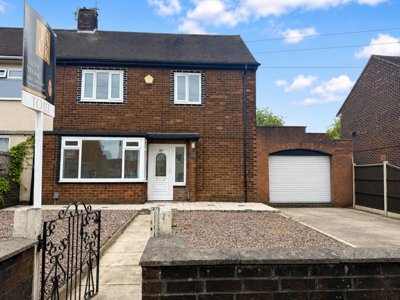
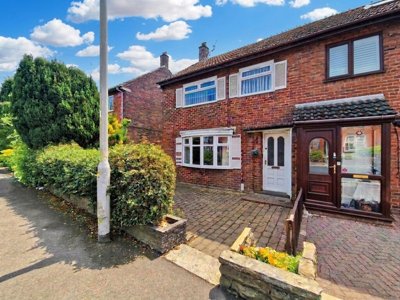
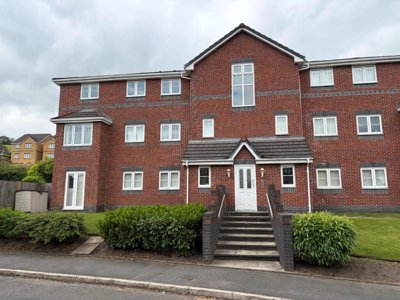
Current market data shows Bury maintains strong tenant demand driven by its strategic position within Greater Manchester. Semi-detached properties, which form a significant portion of the local housing stock, typically feature three bedrooms and garden space, making them popular with families. Terraced properties remain abundant in older neighbourhoods, offering character homes at competitive rents. New-build apartments have also emerged in recent years, providing modern rental options for those prioritising contemporary fixtures and energy efficiency. The market supports renters at various life stages, from first-time tenants seeking affordable flats to established families looking for spacious homes with good schools nearby.
The expanding private rental sector in Bury benefits tenants through increased choice and competitive pricing. More landlords entering the market typically leads to better-maintained properties and a wider range of accommodation styles. Whether you prioritise a period property with original features or a modern flat with current energy standards, the Bury market has options worth exploring. Local letting agents list properties across all price points, from compact flats near the town centre to substantial family homes in suburban streets.

Bury blends urban convenience with green spaces, creating a balanced lifestyle environment for residents. The town centre features the historic Bury Market, renowned for its quality food stalls and traditional offerings, alongside modern shopping centres that provide everyday essentials. Residential areas extend from the town centre in all directions, with each neighbourhood offering its own distinct character. Radcliffe to the north and Whitefield to the east provide suburban options with strong local amenities, while areas closer to the town centre offer excellent transport links and walkable access to facilities.
The borough's population reached 193,846 according to the 2021 Census, spread across 74,335 households with an average of 2.4 persons per household. This relatively stable household size indicates Bury remains popular with families and working professionals alike. The local economy benefits from a diverse and skilled population, though the Housing Needs Assessment notes that demand for housing comes significantly from people working outside the borough, often with higher incomes that influence property prices. Community life in Bury centres on local parks, sports facilities, and cultural venues, with the Bury Art Museum and The Met theatre providing cultural enrichment. The presence of the River Irwell and surrounding countryside provides recreational opportunities for residents who appreciate outdoor activities.
When choosing where to rent in Bury, consider what matters most to your household. Areas near the town centre provide the shortest commutes to Metrolink stops and the widest range of shops and restaurants. Suburban locations like Whitefield and Radcliffe offer quieter streets, larger gardens, and good schools within walking distance. Each neighbourhood has its own distinct atmosphere, from the character of Victorian terraces to the convenience of modern developments. Spending time in different areas before committing to a tenancy helps you find the community that best matches your lifestyle preferences.

Education provision in Bury serves students across all age groups, from nursery through to further education. Primary schools in Bury include Bury Catholic Preparatory School and Bury Grammar School for Boys at the primary level, with numerous other primary schools distributed throughout residential areas. Parents renting in Bury should research specific school catchments, as admission policies often prioritised children living within designated areas. The local education landscape includes both state and independent options, giving families genuine choice when selecting schools for their children.
Secondary education in Bury features several well-established schools including St. Mary's Catholic High School and the Bury Grammar Schools, which have built strong reputations over many years. The borough maintains a grammar school system, with selective admissions based on academic assessment. For older students, sixth form provision is available at secondary schools and colleges, with Bury College offering a wide range of vocational and academic courses. Families with children should note that school performance and Ofsted ratings vary across the borough, and consulting current performance data helps inform decisions about which neighbourhoods best suit educational needs. The proximity of Bury to Manchester means some families also consider independent schools in the wider region.
Planning a rental search around school catchments requires careful research before committing to a tenancy. Properties in sought-after catchment areas often attract higher rents due to sustained demand from families with school-age children. Some streets near popular schools fall within catchment boundaries while adjacent roads do not, making street-level precision important. Letting agents can advise on catchment areas, though verifying directly with schools provides the most current information. If your household includes children of varying ages, consider the availability of suitable schools at all required levels within your chosen neighbourhood.

Transport connectivity ranks among Bury's strongest attributes for commuters and families alike. The Metrolink tram system serves Bury town centre, providing direct connections to Manchester city centre in approximately 25 minutes. This light rail link makes Bury particularly attractive to workers who need regular access to Manchester's employment centres without the higher costs associated with city centre living. The tram runs throughout the day and into evening, supporting flexible commuting patterns for those working irregular hours.
Rail services from Bury connect to Manchester Victoria station, with journey times comparable to tram travel for many destinations. The wider Greater Manchester transport network includes extensive bus services that link Bury to surrounding towns and villages. For those who drive, the A56 provides direct access to Manchester city centre, while connections to the M60 and M62 motorways open routes across the north of England. Manchester Airport lies within reasonable driving distance, typically 30-40 minutes from central Bury, making international travel accessible for residents. Cyclists benefit from developing infrastructure across Greater Manchester, though hilly terrain in some areas requires consideration when planning routes.
When calculating the true cost of renting in different Bury neighbourhoods, transport expenses deserve careful attention. Properties within walking distance of Metrolink stops command premium rents but eliminate daily parking costs and vehicle maintenance for commuters to Manchester. Bus connections vary across the borough, with more frequent services on major routes and less coverage in some suburban areas. If your work involves travel to multiple locations, research the available transport options in any neighbourhood you are considering for rental. Manchester Airport accessibility may matter significantly for certain professions, and central Bury locations generally offer the most reliable connections to international flights.

Contact lenders or brokers to secure a rental budget agreement before searching for properties. This document demonstrates your borrowing capacity and helps you understand what rent you can comfortably afford, giving estate agents and landlords confidence in your application. Factor in not just rent but also council tax, utilities, and potential maintenance contributions when setting your budget.
Explore different areas within Bury to find the neighbourhood that matches your priorities. Consider commute times, school catchments, local amenities, and community atmosphere when narrowing down your preferred locations. Each area of Bury offers distinct advantages for different household types, from the convenience of town centre living to the space and quiet of suburban streets.
Once you have identified suitable properties, arrange viewings through Homemove or directly with letting agents. View multiple properties to compare condition, location, and value. Take notes during viewings and photograph any areas of concern that you may want to revisit or query before committing. Pay attention to the condition of fixtures, the responsiveness of the landlord or agent, and the overall atmosphere of the property and neighbourhood.
Before moving into any rental property, book a professional inventory check to document the condition of fixtures, fittings, and furnishings. This protects both you and the landlord by establishing a clear baseline condition at the start of your tenancy, making the checkout process straightforward when you eventually leave. The small cost of an inventory check can save significant disputes at the end of your tenancy.
Your chosen property will require successful referencing, which typically checks your employment, income, previous landlord references, and credit history. Prepare these documents in advance to avoid delays. Once referencing passes, you will sign the tenancy agreement and pay your deposit and first month's rent. Read the tenancy agreement carefully before signing and ask questions about any clauses you do not understand.
With keys in hand, arrange your move and take time to understand your responsibilities as a tenant. Register with local services, familiarise yourself with the neighbourhood, and report any issues to your landlord or letting agent promptly. Bury's welcoming communities make settling in a straightforward process for new residents. Take time to introduce yourself to neighbours and explore local facilities to feel at home quickly.
Renting in Bury requires the same careful consideration as any other location, with several area-specific factors worth noting. Flood risk exists in parts of Bury due to its position within the Irwell Valley and proximity to the River Irwell and its tributaries. Prospective tenants should inquire about flood history for any property near water features or in low-lying areas. Surface water flooding can also affect urbanised parts of the borough during heavy rainfall, so checking Environment Agency maps provides useful background information before committing to a tenancy.
The borough's coal mining heritage means some properties may sit above or near former mining areas, where ground stability requires consideration. While subsidence risk varies significantly across locations, older properties in particular may show signs of movement over time. Properties in conservation areas often have specific planning restrictions that limit alterations tenants can make, so understanding these constraints before signing a tenancy prevents difficulties later. Building materials across Bury typically feature traditional brick construction with slate or tile roofs, reflecting the northern English vernacular. Older properties may require more maintenance attention, and understanding the landlord's approach to repairs forms an important part of tenancy discussions.
Several conservation areas exist across Bury, typically concentrated in the historic town centre, older mill complexes, and established residential areas with period housing. Properties located within these designated areas often feature traditional brick construction with period architectural details that require careful maintenance. If you are considering renting a property in a conservation area, discuss any planning restrictions with the landlord or letting agent before committing. These restrictions may affect your ability to make alterations, install satellite dishes, or change external colours, so understanding the implications early prevents frustration during your tenancy.

While specific rental prices fluctuate regularly and current listings provide the most reliable figures, the average property sale price in Bury reached £238,000 in December 2025. Rental prices typically correlate with sale prices in any given area. Flats and smaller properties start at lower monthly rents, while semi-detached and detached family homes command higher monthly figures. Checking current listings on Homemove provides the most accurate picture of today's rental market in Bury.
Council tax in Bury falls under Bury Metropolitan Borough Council administration. Bands range from A through H, with most residential properties falling within bands A through D depending on the property's assessed value. You can verify the specific band for any property through the Bury Council website or on listing details, and council tax bills provide estimates of annual costs for budgeting purposes. Council tax typically represents a significant ongoing cost alongside rent that tenants should factor into their overall budget calculations.
Bury offers several well-regarded schools including Bury Grammar School, St. Mary's Catholic High School, and various primary schools rated Good or Outstanding by Ofsted. Grammar schools operate selective admissions based on academic assessment, while other schools admit based on catchment area proximity. Researching current Ofsted reports and admission policies helps families identify schools that match their children's specific needs. School performance data changes over time, so consulting the latest available information from official sources provides the most accurate picture when planning your rental search around educational provision.
Bury enjoys excellent public transport connections through the Metrolink tram network, which runs from Bury town centre to Manchester city centre in approximately 25 minutes. Northern Rail services also operate from Bury, connecting to wider rail networks across the north of England. Bus services provide comprehensive coverage across the borough and link Bury to surrounding towns including Radcliffe, Whitefield, and Bolton. The M60 and M62 motorways are accessible for car travel, and Manchester Airport lies within reasonable driving distance for international travel.
Bury offers excellent value for renters seeking Greater Manchester living without Manchester city centre costs. The borough provides good transport links, decent local amenities, and strong community spirit across its various neighbourhoods. Population growth of 4.8% between 2011 and 2021 demonstrates sustained appeal, and the expanding private rental sector indicates healthy market conditions for tenants. Families appreciate the school options, while professionals value the commuting connections to Manchester's employment centres. The diversity of neighbourhoods within Bury means different areas suit different household types and lifestyle preferences.
Standard deposits in England equal five weeks' rent and are protected in a government-approved deposit scheme within 30 days of receiving them. Tenant fees were largely banned in England from June 2019 under the Tenant Fees Act, meaning most charges from landlords and letting agents are now prohibited. You may still pay for referencing, which must not exceed the actual cost of the check. Budget for your first month's rent plus deposit before moving in, plus potential costs for inventory checks and tenant referencing services. Holding deposits are capped at one week's rent.
Bury sits within the Irwell Valley, placing some areas near the River Irwell and its tributaries at risk of river flooding. Surface water flooding can also occur in more urbanised parts of the borough during periods of heavy rainfall. You can check specific flood risk for any property through the Environment Agency website, which provides detailed flood maps showing river, surface water, and reservoir flood risk. Landlords must provide an Energy Performance Certificate, and many now also provide flood risk information as part of their letting documentation. Properties in higher-risk areas may require contents insurance with specific flood coverage.
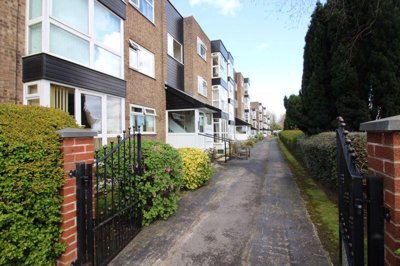
The Bury rental market offers diverse property types to suit different needs and budgets. Victorian and Edwardian terraced houses provide character accommodation in established neighbourhoods near the town centre, often featuring original fireplaces, high ceilings, and traditional layouts. Semi-detached properties, particularly prevalent in suburban areas like Whitefield and Radcliffe, offer three-bedroom family accommodation with gardens. Modern apartments and flats serve those seeking lower-maintenance living or more affordable rents. Flats typically range from studios to two-bedroom units, with maisonettes occasionally available for those wanting more space and separate entrance arrangements.
From 4.5%
Calculate your renting budget before searching for properties. Homemove can help you understand what rent you can afford.
From £30
Employment, income, and credit checks required by landlords and letting agents.
From £80
Professional documentation of property condition at check-in and check-out.
From £85
Energy Performance Certificate required for all rental properties.
Understanding the full cost of renting helps you budget accurately and avoid surprises when securing your Bury home. The standard deposit amount equals five weeks' rent, protected in a government-approved scheme such as Deposit Protection Service, MyDeposits, or Tenancy Deposit Scheme within 30 days of receipt. This protection ensures you receive your deposit back at the end of your tenancy, minus any legitimate deductions for damage or unpaid rent. Your landlord must provide prescribed information about the protection scheme within 28 days of receiving your deposit.
Since the Tenant Fees Act 2019 came into force, most letting fees charged to tenants have been banned in England. Permitted payments now include rent, a refundable deposit capped at five weeks' rent, and holding deposits capped at one week's rent. References and credit checks may still be charged but only at cost price. Some inventory services might be chargeable to tenants, though many landlords cover these costs. First-time renters should budget for removal costs, potential furniture purchases if letting unfurnished, and connection charges for utilities and broadband when moving into a new property.
When calculating your total moving costs, remember to budget beyond just rent and deposit. Council tax applies to all rented properties and varies by band, typically ranging from around £1,400 to £2,100 annually for bands A through D in Bury. Utility connection fees, internet installation charges, and contents insurance represent additional upfront costs when setting up in a new rental property. Setting aside a contingency fund for unexpected repairs or emergency costs provides financial security throughout your tenancy and ensures you can handle any issues that arise without stress.

Properties to Rent In London

Properties to Rent In Plymouth

Properties to Rent In Liverpool

Properties to Rent In Glasgow

Properties to Rent In Sheffield

Properties to Rent In Edinburgh

Properties to Rent In Coventry

Properties to Rent In Bradford

Properties to Rent In Manchester

Properties to Rent In Birmingham

Properties to Rent In Bristol

Properties to Rent In Oxford

Properties to Rent In Leicester

Properties to Rent In Newcastle

Properties to Rent In Leeds

Properties to Rent In Southampton

Properties to Rent In Cardiff

Properties to Rent In Nottingham

Properties to Rent In Norwich

Properties to Rent In Brighton

Properties to Rent In Derby

Properties to Rent In Portsmouth

Properties to Rent In Northampton

Properties to Rent In Milton Keynes

Properties to Rent In Bournemouth

Properties to Rent In Bolton

Properties to Rent In Swansea

Properties to Rent In Swindon

Properties to Rent In Peterborough

Properties to Rent In Wolverhampton

Enter your details to see if this property is within your budget.
Loans, cards, car finance
Estimated property budget
Borrowing + deposit
You could borrow between
Typical borrowing
Monthly repayment
Est. at 4.5%
Loan-to-value
This is an estimate only. Your actual budget may vary depending on interest rates, credit history, and personal circumstances. For an accurate affordability assessment, speak to one of our free mortgage advisors.
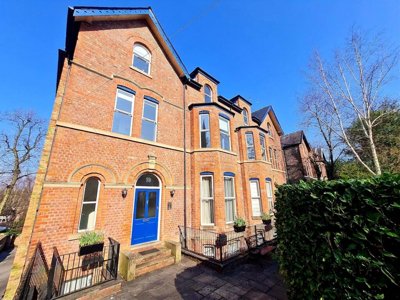
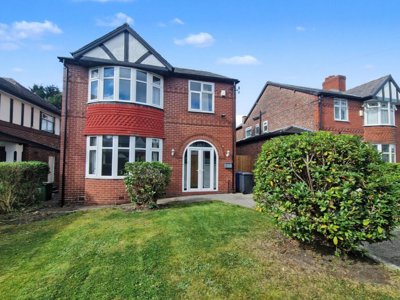
This calculator provides estimates for illustrative purposes only and does not constitute financial advice. Your home may be repossessed if you do not keep up repayments on your mortgage. Estimates based on 4.5% interest rate, repayment mortgage. Actual rates depend on your circumstances.
Homemove is a trading name of HM Haus Group Ltd (Company No. 13873779, registered in England & Wales). Homemove Mortgages Ltd (Company No. 15947693) is an Appointed Representative of TMG Direct Limited, trading as TMG Mortgage Network, which is authorised and regulated by the Financial Conduct Authority (FRN 786245). Homemove Mortgages Ltd is entered on the FCA Register as an Appointed Representative (FRN 1022429). You can check registrations at NewRegister or by calling 0800 111 6768.