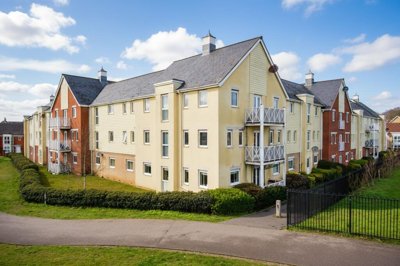
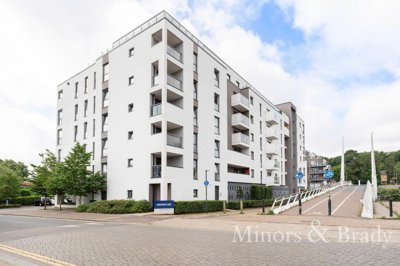
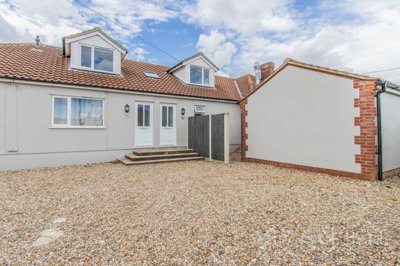
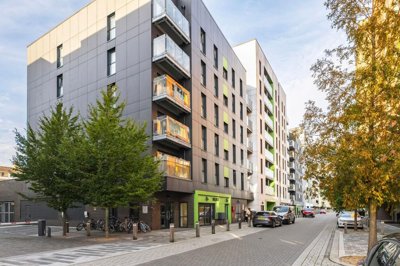
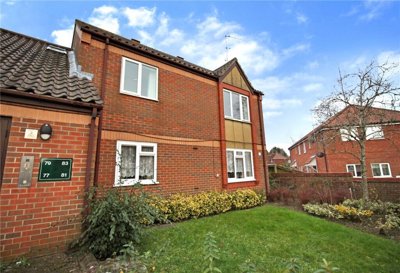
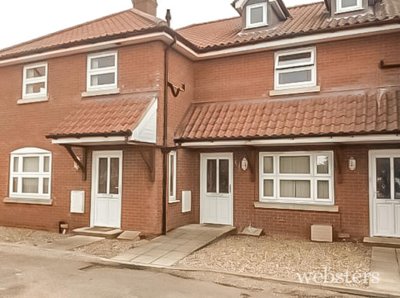
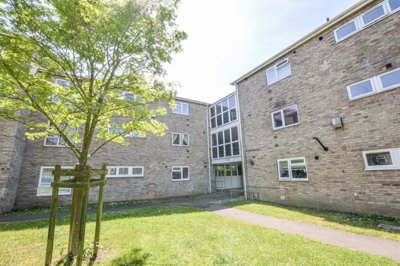
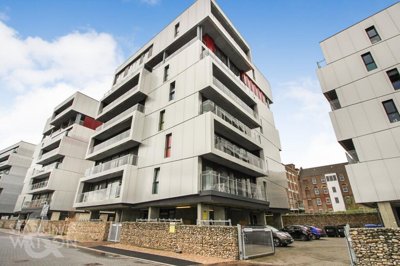
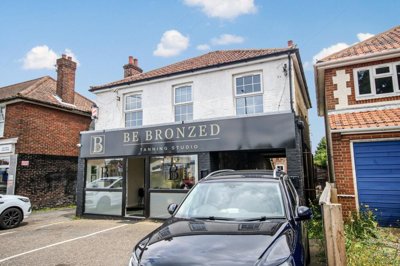
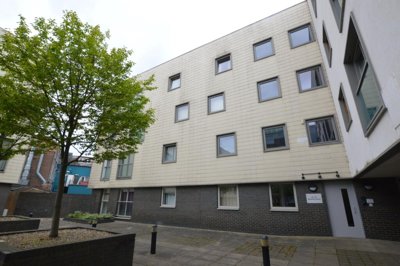
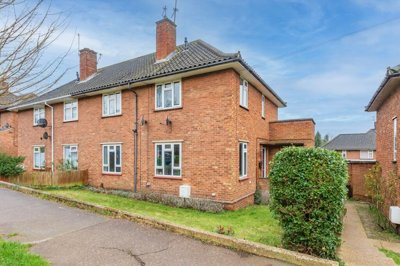
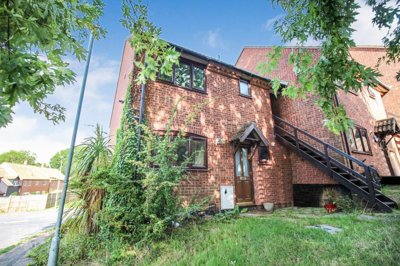
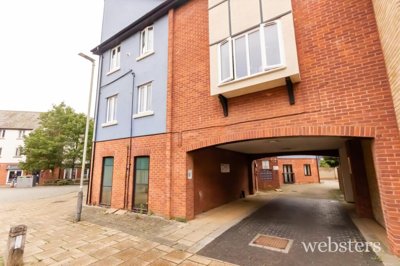
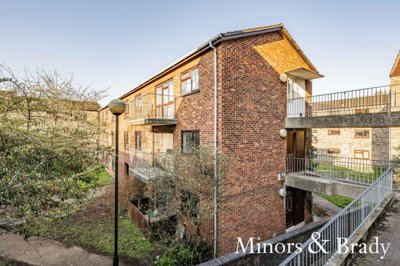
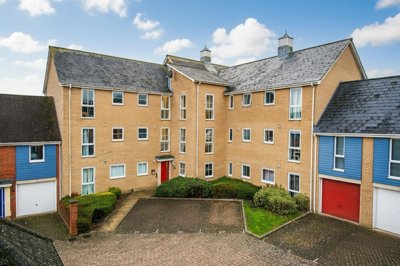
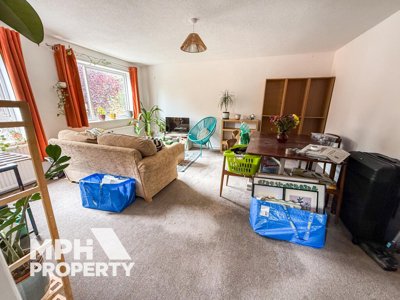
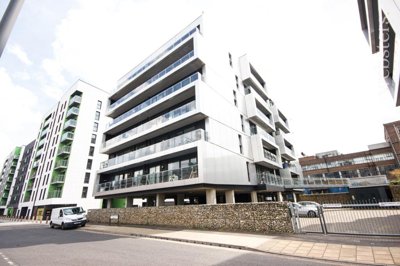
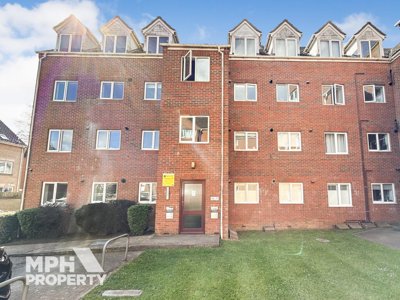
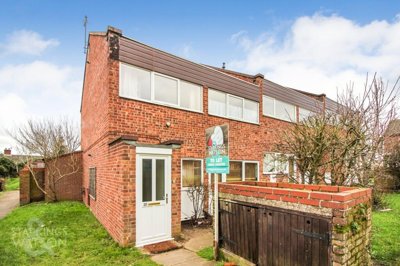
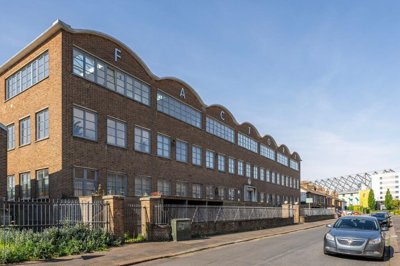
Browse 129 rental homes to rent in Broadland, Norfolk from local letting agents.
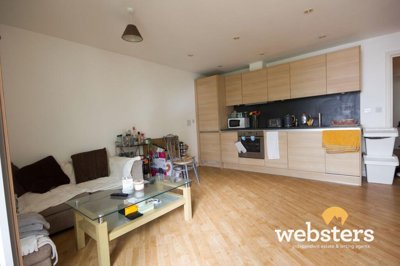
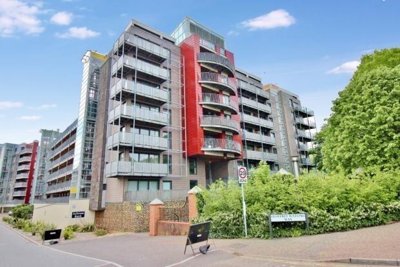
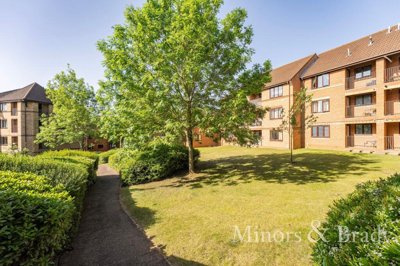
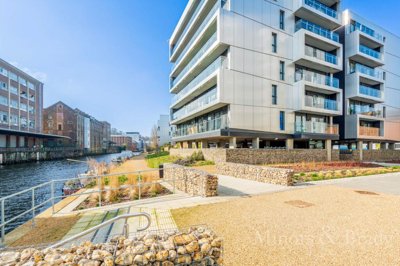
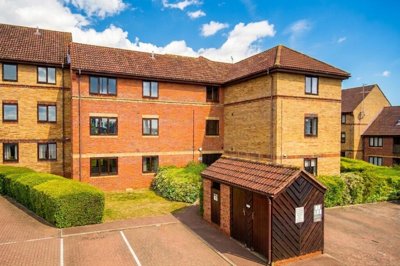
Studio apartments feature open-plan living spaces without separate bedrooms, incorporating sleeping, living, kitchen, and bathroom facilities. The Broadland studio market includes properties in modern apartment complexes, converted Victorian and Georgian buildings, and purpose-built developments.
£895/m
3
0
47
Source: home.co.uk
Showing 3 results for Studio Flats to rent in Broadland, Norfolk. The median asking price is £895/month.
Source: home.co.uk
Flat
3 listings
Avg £873
Source: home.co.uk
Source: home.co.uk
The Broadland rental market has evolved significantly in recent years, driven by changing work patterns and the growing appeal of semi-rural living. First-time buyers in the area paid an average of £272,000 in December 2025, representing a 2.4% increase year-on-year, while homes purchased with a mortgage averaged £313,000. These purchase figures provide useful context for the rental market, as they indicate the underlying value of properties in the area and the investment landlords have made. Rental prices in Broadland typically reflect property type, size, and condition, with terraced properties commanding lower rents than semi-detached or detached homes which offer additional bedrooms and garden space.
Property types available for rent in Broadland span the full range of housing styles found throughout Norfolk. Detached properties, averaging £424,000 in value, represent the premium end of the market and typically feature four or more bedrooms, substantial gardens, and often garages or workshops. Semi-detached homes, valued at approximately £277,000, offer an excellent balance of space and affordability, making them particularly popular with families seeking rental accommodation. Terraced properties, averaging £228,000, provide more economical options for smaller households or those new to the area, while flats and maisonettes, valued around £147,000, offer convenient lower-maintenance living suitable for young professionals or retirees.
The tenure statistics for Broadland reveal significant shifts in how residents occupy housing. Private renting increased from 10.3% in 2011 to 12.3% by 2021, while home ownership decreased slightly from 79.4% to 77.1% over the same period. Social renting also grew from 8.6% to 9.7%, reflecting broader national trends toward more diverse housing tenures. Broadland Housing Association has played a key role in meeting this demand, recently completing 64 new homes comprising 46 affordable rent and 18 shared ownership properties. The ongoing investment in new housing development demonstrates continued confidence in the area's rental market and ensures a supply of properties meeting different budget requirements.

Broadland district presents a distinctive blend of Norfolk's pastoral landscape and practical suburban convenience. The area character reflects its position between the city of Norwich and the Broads National Park, offering residents immediate access to waterways, marshland, and countryside walks while maintaining proximity to urban amenities. Housing stock in Broadland predominantly consists of family homes built throughout the latter half of the twentieth century, with a mix of architectural styles that include traditional brick-built properties and more contemporary constructions. The district's population of approximately 131,700 represents a 5.7% increase over the past decade, indicating sustained demand for housing in this attractive corner of Norfolk.
Community life in Broadland centres on village halls, local primary schools, and traditional Norfolk pubs that serve as social hubs for residents. The housing tenure statistics reveal interesting trends, with private renting increasing from 10.3% in 2011 to 12.3% by 2021, while home ownership decreased slightly from 79.4% to 77.1%. Social renting also grew from 8.6% to 9.7% over the same period. These shifts reflect broader national trends toward increased rental participation, partly driven by changes in employment patterns and housing affordability. For those choosing to rent in Broadland, the strong sense of community and lower crime rates compared to urban centres represent significant advantages of semi-rural living.
Employment opportunities in Broadland are closely linked to Norwich, with median full-time earnings locally at £29,096, slightly below the England average of £29,869 but reflecting the more affordable cost of living in the area. Major employment sectors include healthcare, education, retail, and professional services, with Norwich serving as the regional economic hub. The presence of the University of East Anglia in nearby Colney brings additional academic employment and research opportunities, while the Norfolk and Norwich University Hospital represents one of the largest employers in the wider area. For renters working in Norwich or surrounding towns, Broadland's villages provide a practical base with manageable commuting times.

Education provision in Broadland serves families across all age ranges, with primary schools located within individual villages and secondary options accessible through school transport or reasonable bus journeys. The district falls within Norfolk County Council's education authority, which coordinates admissions and catchment areas across the region. Primary schools in Broadland typically serve their immediate communities, with many villages maintaining their own local schools that offer small class sizes and strong community connections. Schools in the area include Hellesdon High School, Taverham High School, and Sprowston High School, each serving their respective catchment areas. For families relocating to the area, understanding local catchment boundaries is essential, as some schools have defined geographic areas that affect eligibility for places.
Several primary schools within Broadland have achieved good or outstanding Ofsted ratings, serving communities including Old Catton, Thorpe St Andrew, and the surrounding villages. These schools often benefit from strong parent engagement and community support, characteristics that tend to be more readily available in smaller village settings. Many primary schools in Broadland benefit from recent investment in facilities, with some having undergone expansions to accommodate growing pupil numbers driven by the area's population increase. Parents are encouraged to visit potential schools, meet staff, and understand the specific admissions criteria that apply to each institution, particularly given that catchment areas can influence placement decisions significantly.
Secondary education options in Broadland include several well-regarded schools in the surrounding Norwich area, accessible via the reliable bus services that connect villages to the city. Norfolk maintains a mix of academy and local authority schools, with various establishments offering sixth form provision for students continuing their education beyond GCSE. For families prioritising educational outcomes, researching individual school performance data and Ofsted ratings for specific institutions serving the Broadland area is advisable before committing to a rental property in a particular location. The proximity of the University of East Anglia to some parts of Broadland also means that families with older children may benefit from links to higher education institutions and associated cultural and sporting facilities.

Transport connectivity defines much of Broadland's appeal for renters who need to commute or access services in Norwich or beyond. The A47 trunk road passes through the district, providing direct road connections to Norwich city centre and onward routes to Great Yarmouth and King's Lynn. For residents without private vehicles, regular bus services operated by First Group and other providers link Broadland villages to Norwich, with journey times varying from 15 to 45 minutes depending on departure point and destination. This public transport provision makes car-free living feasible for those working in the city or needing regular access to urban amenities.
The flat Norfolk terrain represents a significant advantage for cyclists, with the landscape enabling comfortable bike journeys that would be challenging in hillier regions. An expanding network of cycle paths connects Broadland villages to Norwich, making cycling a practical commuting option for shorter journeys particularly along the A47 corridor. Routes through areas like Thorpe St Andrew and Old Catton provide relatively level cycling into central Norwich, while the proximity to the Broads National Park opens opportunities for recreational cycling along traffic-calmed rural lanes. Many residents find that cycling serves as their primary method of reaching work, local shops, and leisure destinations, particularly during summer months.
Norwich railway station, accessible from most parts of Broadland, offers direct services to London Liverpool Street with journey times of approximately two hours, making day trips or regular commuting to the capital practical for those working in finance, government, or professional services. Additional rail connections serve Cambridge, Birmingham, and various East Anglian destinations. For business and leisure travel beyond the region, Norwich International Airport provides connections to destinations across the UK and Europe. The district's position relative to these transport hubs means that residents have access to international travel without the inconvenience of long road journeys to major airports.

Contact lenders or use Homemove's rental budget calculator to establish how much you can afford to spend on monthly rent. Having a rental budget agreement in principle before searching for properties strengthens your position with landlords and letting agents, demonstrating your financial capability and commitment. In Broadland's competitive rental market, being prepared with financing evidence can make the difference between securing your preferred property and missing out to another applicant.
Spend time exploring different villages and neighbourhoods within the Broadland district to find the area that best suits your lifestyle and requirements. Consider factors such as distance from your workplace, proximity to schools if you have children, availability of local shops and amenities, and the character of the surrounding area. Each village in Broadland has its own distinct personality, from the more rural settings near the Broads to the more suburban areas closer to Norwich.
Use Homemove's property search to browse available rentals in Broadland, filtering by property type, number of bedrooms, and monthly rent. Schedule viewings for properties that meet your criteria, and attend with a checklist of questions about the property condition, included appliances, garden maintenance responsibilities, and any restrictions on pets or smoking. Take photographs during viewings to help compare properties later.
Once you have found a property, carefully review the tenancy agreement before signing. The agreement should specify the rent amount, deposit amount, tenancy duration, notice periods, and your responsibilities as a tenant. Standard Assured Shorthold Tenancies in England typically run for six or twelve months. In Broadland, you will typically pay a deposit equivalent to five weeks' rent, held in a government-approved scheme.
Your letting agent or landlord will arrange reference checks, including credit checks, employment verification, and potentially landlord references from previous tenancies. You will also receive an inventory report documenting the condition of the property at the start of your tenancy. Thoroughly check this inventory and report any discrepancies to protect yourself from incorrect charges at the end of your tenancy.
Flood risk represents a significant consideration when renting properties in Broadland, given the district's geography and relationship with the Broads and Norfolk coast. Approximately 60% of the Broadland Futures Initiative area lies below sea level, and the region has a documented history of flooding including the devastating 1953 East Coast floods. Prospective renters should enquire about a property's flood history, elevation, and any flood mitigation measures in place. Properties in lower-lying areas may face higher insurance premiums and potential disruption during severe weather events. The Broadland Futures Initiative partnership continues to invest in flood defences, with over 240 kilometres of flood banks upgraded to protect properties and infrastructure.
Property condition and construction materials merit careful attention when renting in Broadland, where a significant proportion of the housing stock dates from the mid-twentieth century onwards. Common issues in older properties include damp penetration, roof condition, and the state of outdated electrical systems. When viewing rental properties, check for signs of damp such as discoloured walls or musty odours, examine the condition of the roof from outside where visible, and ask about the age and condition of the electrical consumer unit and wiring. Properties with solid walls rather than cavity walls may have different insulation properties and heating requirements, affecting both comfort and utility costs.
The regional geology provides context for property conditions throughout Broadland. Norwich and surrounding areas sit on chalk bedrock overlaid with deposits of sand, gravel, and clay, creating variable ground conditions that can affect foundations and drainage. Properties near watercourses or on clay soils may be more susceptible to subsidence or drainage issues, which a thorough viewing should attempt to identify. Electrical safety has become an increasingly important consideration, with Broadland Housing Association prioritising electrical safety checks in their properties, setting a standard that private landlords should also follow. When renting, ask about recent electrical testing and the condition of consumer units.
Conservation areas and listed buildings may apply to certain properties in Broadland's villages, imposing restrictions on modifications tenants can make. If you are considering a property in a conservation area or a listed building, understand that you will likely need consent from the local planning authority before making changes to the exterior or certain internal features. These restrictions can affect your ability to hang pictures, install satellite dishes, or make alterations to windows and doors. While such properties often possess character and charm, the responsibilities they place on tenants should be clearly understood before signing a tenancy agreement.

While the research data shows average purchase prices of £315,000 for Broadland properties in December 2025, specific rental prices for the area require direct enquiry with current listings. Rental prices in Broadland typically range from around £800 per month for one-bedroom flats to over £1,800 per month for four-bedroom detached family homes, depending on location, condition, and amenities included. Properties closer to Norwich command higher rents, while those in more rural villages offer more competitive pricing. The area's rental market has seen steady activity, with demand driven by its semi-rural appeal and employment connections to Norwich. Village locations near the Broads National Park may command premiums due to their recreational appeal.
Council tax bands in Broadland, administered by Broadland District Council, range from Band A for the lowest-value properties through to Band H for the highest-value homes. The specific band depends on the property's assessed value, which is based on property type, size, and characteristics. Most terraced properties and smaller semi-detached homes in Broadland fall into Bands A to C, while larger detached properties may be in Bands D to F. You can check the council tax band for any specific property through the Valuation Office Agency website or by contacting Broadland District Council directly. Council tax payments fund essential local services including education, waste collection, and local authority services.
Broadland has several primary schools serving local villages, with secondary options accessible from various parts of the district. Specific school performance varies, and parents are encouraged to research individual school Ofsted reports and examination results to identify the best options for their children. Schools in the surrounding Norwich area also serve Broadland residents and include various establishments with strong academic records. The proximity to the University of East Anglia adds higher education options for families with older children. School catchment areas can affect placement eligibility, so confirming which schools serve specific addresses is essential when choosing a rental property. Key secondary schools serving Broadland include Hellesdon High School, Taverham High School, and Sprowston High School, each with their own catchment villages.
Broadland benefits from regular bus services operated primarily by First Group, connecting villages to Norwich city centre with journey times ranging from 15 to 45 minutes depending on location. The A47 road provides direct access to Norwich and Great Yarmouth by car, while Norwich railway station offers connections to London in approximately two hours, Cambridge, Birmingham, and other major destinations. For those working in Norwich without a car, living in villages with frequent bus services or near railway stations significantly improves transport accessibility. The flat Norfolk terrain also makes cycling a practical option for shorter journeys, with expanding cycle path networks serving communities throughout the district.
Broadland offers an attractive combination of semi-rural Norfolk living with practical connections to a major city, making it well-suited to renters seeking quality of life without sacrificing accessibility. The area has experienced consistent population growth of 5.7% since 2011, reflecting its desirability among families, professionals, and retirees. Rental properties typically offer more space and garden access compared to city centre alternatives, while village communities provide strong social connections and lower crime rates. The main considerations include flood risk awareness for certain areas, reliance on private transport for some locations, and the limited nightlife and entertainment options compared to urban centres. The Broads National Park provides exceptional recreational opportunities for residents who appreciate waterways, wildlife, and rural landscapes.
When renting a property in Broadland, you will typically pay a security deposit equivalent to five weeks' rent, held in a government-approved Tenancy Deposit Scheme for the duration of your tenancy. Additional fees may include an administration charge for reference checks, a charge for the inventory check, and possibly a holding deposit to secure the property while references are processed. As of 2024-25, tenant fees are largely restricted under the Tenant Fees Act, meaning landlords and agents cannot charge most fees beyond rent, deposit, and specific permitted payments. Always request a full breakdown of costs before committing to a tenancy. Typical inventory check fees range from £100 to £300, while holding deposits are capped at one week's rent and are offset against your first month's rent or deposit.
From 4.5%
Get pre-approved for your rental budget to strengthen your application
From £49
Complete reference checks for your rental application
From £395
If you're buying rather than renting, get a professional survey
From £85
Check the energy efficiency of your potential rental property
Understanding the full cost of renting in Broadland extends beyond monthly rent to encompass deposits, fees, and upfront moving costs. The standard security deposit in England is capped at five weeks' rent where the annual rent is less than £50,000, meaning most renters in Broadland will pay a deposit in this range. This deposit must be protected in a government-approved Tenancy Deposit Scheme within 30 days of receipt, and you should receive prescribed information about where your deposit is held. At the end of your tenancy, the deposit is returned minus any deductions for damage beyond fair wear and tear or unpaid rent.
Permitted fees under the Tenant Fees Act 2019 include holding deposits of up to one week's rent, which are typically offset against the first month's rent or deducted from the security deposit. Reference check fees, often charged by letting agents, are generally restricted under the Act, though some agents continue to charge administration fees. Inventory check fees, usually between £100 and £300, may be charged at the start or end of tenancy and cover the detailed check of property condition. When budgeting for your move to Broadland, factor in removal costs, furniture purchases if needed, and potentially the first month's rent in advance plus deposit upfront, creating a significant initial outlay before you receive any deposit back.
First-time renters in England are no longer entitled to relief from stamp duty land tax when purchasing property, but for those entering the rental market, initial costs remain substantial. Homemove recommends obtaining a rental budget agreement in principle before searching for properties in Broadland's competitive rental market. This financial pre-qualification demonstrates your seriousness to landlords and letting agents while helping you understand exactly what you can afford before falling in love with a property beyond your budget. The flat Norfolk terrain around Broadland means many properties feature outbuildings and garages that may require separate insurance considerations, adding to the overall cost picture for tenants. Budget carefully for utility connections, council tax payments from day one of tenancy, and potential decoration costs if the property requires attention.

Properties to Rent In London

Properties to Rent In Plymouth

Properties to Rent In Liverpool

Properties to Rent In Glasgow

Properties to Rent In Sheffield

Properties to Rent In Edinburgh

Properties to Rent In Coventry

Properties to Rent In Bradford

Properties to Rent In Manchester

Properties to Rent In Birmingham

Properties to Rent In Bristol

Properties to Rent In Oxford

Properties to Rent In Leicester

Properties to Rent In Newcastle

Properties to Rent In Leeds

Properties to Rent In Southampton

Properties to Rent In Cardiff

Properties to Rent In Nottingham

Properties to Rent In Norwich

Properties to Rent In Brighton

Properties to Rent In Derby

Properties to Rent In Portsmouth

Properties to Rent In Northampton

Properties to Rent In Milton Keynes

Properties to Rent In Bournemouth

Properties to Rent In Bolton

Properties to Rent In Swansea

Properties to Rent In Swindon

Properties to Rent In Peterborough

Properties to Rent In Wolverhampton

Enter your details to see if this property is within your budget.
Loans, cards, car finance
Estimated property budget
Borrowing + deposit
You could borrow between
Typical borrowing
Monthly repayment
Est. at 4.5%
Loan-to-value
This is an estimate only. Your actual budget may vary depending on interest rates, credit history, and personal circumstances. For an accurate affordability assessment, speak to one of our free mortgage advisors.
This calculator provides estimates for illustrative purposes only and does not constitute financial advice. Your home may be repossessed if you do not keep up repayments on your mortgage. Estimates based on 4.5% interest rate, repayment mortgage. Actual rates depend on your circumstances.
Homemove is a trading name of HM Haus Group Ltd (Company No. 13873779, registered in England & Wales). Homemove Mortgages Ltd (Company No. 15947693) is an Appointed Representative of TMG Direct Limited, trading as TMG Mortgage Network, which is authorised and regulated by the Financial Conduct Authority (FRN 786245). Homemove Mortgages Ltd is entered on the FCA Register as an Appointed Representative (FRN 1022429). You can check registrations at NewRegister or by calling 0800 111 6768.