Pick the right path and we'll point you to the next step.
I'm the homeowner
Track this property, get market updates, and list it on Home when you're ready to sell or let.
I'm an estate agent
Claim your branch on Home.co.uk, list your properties for free, and reach buyers actively searching your area.

From riverside apartments to country cottages, search hundreds of thousands of properties for sale, to rent, and recently sold, all enriched with three decades of market data.
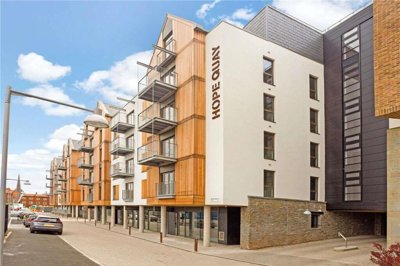
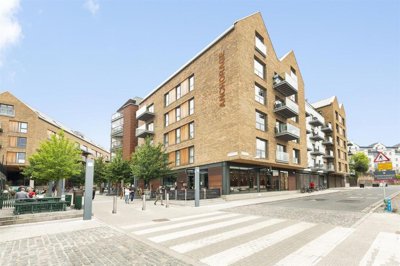
Browse 116 rental homes to rent in Bristol, West of England from local letting agents.
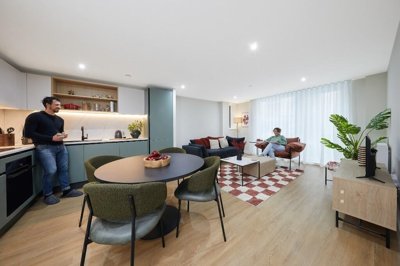
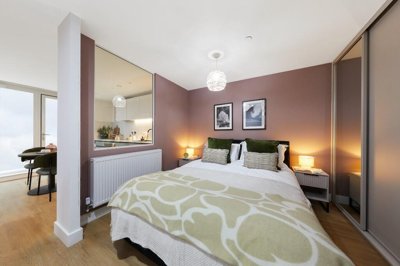
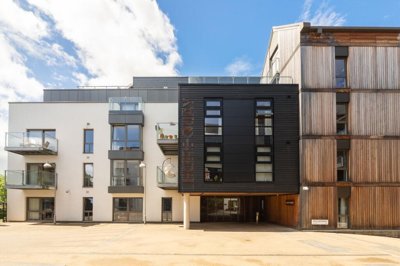
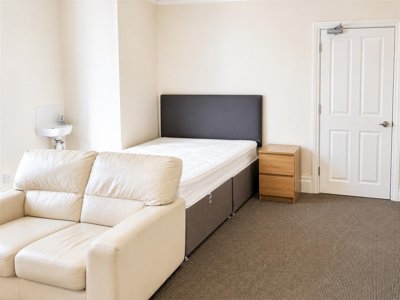
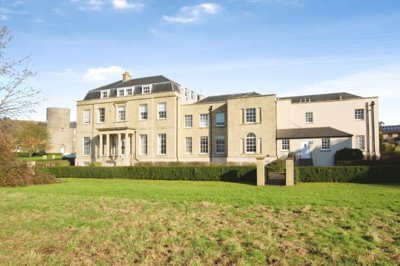
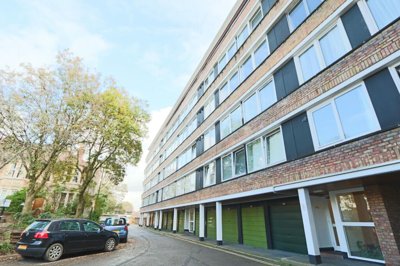
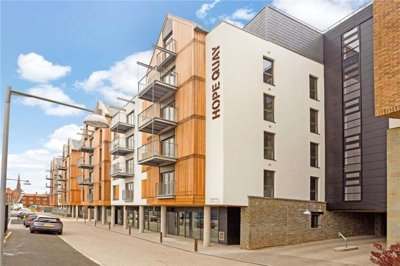
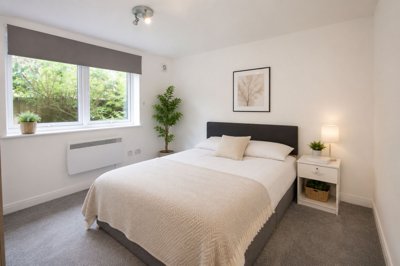
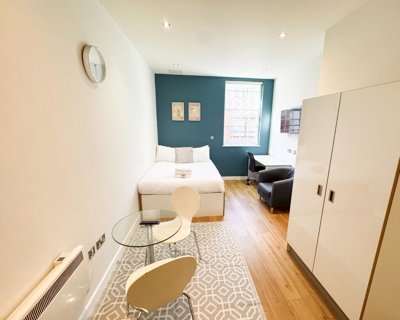
Studio apartments feature open-plan living spaces without separate bedrooms, incorporating sleeping, living, kitchen, and bathroom facilities. The Bristol studio market includes properties in modern apartment complexes, converted Victorian and Georgian buildings, and purpose-built developments.
£1,300/m
217
9
49
Source: home.co.uk
Showing 217 results for Studio Flats to rent in Bristol, West of England. 9 new listings added this week. The median asking price is £1,300/month.
Source: home.co.uk
Flat
217 listings
Avg £1,417
Source: home.co.uk
Source: home.co.uk
Across the last 12 months, Bristol's property market has been fairly steady rather than dramatic. Prices are described as essentially flat, with a modest rise of around 0.3% in the year to October 2025. The average Bristol home is £394,577, while city-level figures come in around £370,509 to £384,000 depending on the boundary used. That gap matters, because Clifton, the Harbourside, Bedminster and Horfield do not all move in the same way. For renters, we think exact streets tell you more than a neighbourhood label.
The property type changes the picture as well. homedata.co.uk shows flats averaging £282,871, terraced homes about £410,226, semi-detached homes around £432,825 and detached homes roughly £564,173 over the last year. Sales have eased too, with 6,500 sales in Bristol city over the previous 12 months, down 13.7%, and 12,500 sales across the Bristol postcode area, down 13.2%. Slower turnover like that can leave decent rental homes under pressure for longer, especially in parts of the city with easy day-to-day travel.
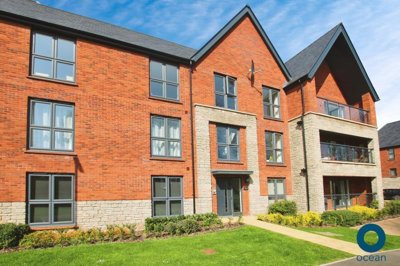
New-build supply is still adding options, though some schemes sit right on Bristol's edge, so the city boundary needs checking carefully. home.co.uk listings show new-build homes in Hengrove from £325,000 and River Gateway in Ashton from £310,000, while places closer to the centre, including Clifton, carry a premium. Older established homes and newer developments sit side by side here. That gives renters more choice on layout and finish, but maintenance standards and energy efficiency can differ sharply. We would compare the home itself, the exact street and the nearby travel options together.

Bristol reads more like a patchwork of neighbourhoods than one single centre. For renters, that makes a difference. Almost two-thirds of households live in houses or bungalows, while around 35% live in flats, so the city has a broader property mix than many English cities. Central ward has 93% flats and Hotwells and Harbourside has 80% flats, while Filwood has 89% houses and Hengrove and Whitchurch Park has 86% houses. Inner Bristol suits people who want a compact apartment and a more walkable routine. Outer residential districts often give you more room for the money.
One of Bristol's real strengths is the built fabric. Pennant stone, limestone dressings, redbrick, terracotta, slate and white stucco all appear across the city, and together they feel very Bristol. You see that in Georgian squares, Regency terraces, Victorian streets and modern dockside apartments. Bristol also has 33 conservation areas and more than 1,800 listed buildings, which helps hold onto the look of Clifton and the historic core. For plenty of movers, that counts just as much as the journey to work.
Geography comes into play quickly here, especially with a riverside flat or a house in a lower-lying area. Many parts of Bristol sit on clay-rich soils, which brings shrink-swell risk and can contribute to subsidence in older properties. Flood exposure is another issue. Around 27,000 homes and businesses are at risk from tidal and surface water flooding, with higher-risk areas including the city centre, Harboursides, Bedminster, Southville, Brislington, Eastville, Stapleton, Lawrence Weston and Shirehampton. None of that means ruling Bristol out, but we would ask direct questions about drainage, damp, storage and insurance cover before signing.
For families renting in Bristol, the school run usually shapes the search before anything else. This varies street to street, so we go on your exact address rather than a town-wide average. The rental market still feels the pull of Bristol's education sector, because the city has the University of Bristol and the University of the West of England, and around 60,000 students add demand for flats and shared homes. Homes near well-regarded school areas and key travel routes can shift quickly, especially before the academic year starts.
Street by street matters in Bristol, because catchments can change from one address to the next. Families often weigh up Clifton, Redland, Bishopston, Horfield, Southville and Brislington, then compare commute times and nearby services before checking the council admission rules. Moving with children needs a bit more legwork. We would ask the letting agent for the full postcode and then confirm the nearest primaries and secondaries on the local admissions map. We would also read the latest Ofsted reports direct, as ratings and intake do change.
Bristol's younger age profile shapes which areas feel workable for family life. The average age is 33.4 and the city has 191,600 households, so there is a strong mix of young professionals, students and established families. In practice, the catchments that feel most usable are often the ones that balance those 3 groups without too much friction. Homes near parks, bus routes and quieter side streets can be a good fit when pushchairs, bikes and after-school routines all need to work. In a city this varied, the right school area usually fits the whole week, not only the trip to the classroom.

For many renters, Bristol works because getting around is manageable across very different parts of the city. The centre, the harbourside, the north fringe and the inner suburbs all depend on a mix of rail, bus and cycle routes. That makes Clifton, Horfield, Bedminster and Redcliffe usable even when you do not drive every day. Bristol also sits near the M32, M4 and M5, which helps anyone working beyond the city boundary. It is a large city, and some streets are steep, so the exact road can matter more than the postcode.
Most renters know Temple Meads and Parkway first. After that, buses do a lot of the shorter district-to-district trips. Parking is often tight in central Bristol, Clifton and the older terraces, so homes with off-street parking or straightforward permit access usually draw more attention. Cycle routes help around the centre and along parts of the river and harbour, which can suit renters looking for a cheaper commute and a shorter door-to-door journey. We suggest testing the route before a viewing shortlist is final.
Being near the right hub can push up pressure on rents in very specific pockets of Bristol. Homes close to the main stations, hospitals, universities and office districts tend to stay in demand because they cut travel time and can remove the need for a car. That matters most for one-bedroom flats, studios and smaller houses, where many tenants want a simple daily pattern with quick access to the centre. In Bristol, the better-placed home can be more useful to the right renter than a larger one that feels cut off.
Before booking viewings, we suggest getting a rental budget agreement in principle sorted, then setting out what monthly rent, bills and travel costs you can comfortably cover.
Try comparing central Bristol, Clifton, Bedminster, Horfield, Brislington and other districts against your commute, school requirements and the kind of property you actually want.
Photos rarely tell the whole story. We would ask about heating, damp, parking, broadband, the deposit amount and whether the property sits in a conservation area or on a flood-sensitive street.
Seeing a place once is not always enough. Bristol's traffic, parking pressure and street noise can shift a lot between morning and evening, so visiting at different times of day is useful where possible.
Once a home looks right, speed matters. We recommend getting on with referencing, right to rent checks, the tenancy agreement and the inventory so nothing awkward appears later.
On day one, photograph the property, keep copies of meter readings and report problems quickly. That matters even more in older Bristol homes, where maintenance can shape the whole tenancy.
Older Bristol housing can be attractive to live in, but the checks are practical, not optional. Homes built before the 1960s are very likely to have outdated wiring, and plenty of older properties still use fuse boards without modern RCD protection. Local EICR pricing in Bristol starts at around £84.99 for smaller properties, with 1-2 bedroom homes around £139.99, 3-4 bedroom properties around £159.99 and larger 5-bedroom homes around £199.99. Where a landlord cannot produce a recent electrical safety report, we would ask for one before signing.
Damp, mould, leaks and roof defects show up regularly in older Bristol homes, especially where period materials meet hidden maintenance issues and colder weather. That is why we would look closely at ventilation, window condition and guttering in terraces, conversions and lower-ground flats. In a conservation area such as Clifton, external changes can be more tightly controlled, which protects character but can slow some repairs or alterations. For flats, it is also sensible to confirm communal maintenance, insurance and service arrangements so responsibility is clear.
Flood risk and ground conditions deserve a proper conversation, especially near the harbour, the river and lower-lying streets. Bristol's clay-rich soils can cause shrink-swell movement, and some parts of the city have known flood exposure, so we would ask whether there has been water ingress, subsidence or repeated patch repairs. Bristol also has a deep stock of older buildings, and quite a few homes have had cosmetic updates without a full systems upgrade behind the walls. A tidy kitchen helps. A safe electrical system, a dry structure and a clear maintenance history matter more over a tenancy.

This research tracks sales rather than live rents, so we cannot give a verified average monthly rent from it. homedata.co.uk records show Bristol's average home price at about £394,577 over the last year, with flats around £282,871 and terraced homes around £410,226, which helps explain why rental demand remains high. Actual rent levels need checking against live listings in the exact area you want, because central Bristol and the Harbourside usually behave very differently from outer residential districts. We would shortlist a few streets and compare the full monthly outlay, not just the asking rent.
Council tax in Bristol is set by Bristol City Council, with bands from A to H. Smaller flats and many newer homes often fall into the lower bands, while larger terraces, period homes and higher-value Clifton addresses are more likely to sit above them. The band follows the property itself, not only the neighbourhood, so 2 homes on the same street can land in different brackets. We recommend checking the full address before committing, particularly when weighing up a flat in the centre against a house in a more residential area.
Bristol's education market is shaped by the city's universities and student population, and that keeps family homes near popular catchments under steady pressure. The right school depends on the exact street, the admissions rules and your children's ages. Before signing a tenancy, we would check current Ofsted reports, admission maps and the local authority's catchment guidance.
Rail, bus and cycling routes make Bristol workable for renters who would rather not depend on a car. Temple Meads and Parkway are the main rail anchors, while buses connect many inner and outer neighbourhoods with the centre. Parking can be limited in Clifton, the city centre and older terrace districts, so homes near a station or a regular bus route are often simpler to live with. Where commuting is important, we suggest checking the route at the same time of day you would actually travel.
Bristol is one of the stronger rental cities in the South West. The city had 472,400 usual residents on Census Day 2021, and the average age was 33.4, so demand is spread across studios, flats and family homes. A varied housing stock, distinct neighbourhoods and solid day-to-day travel options all help renters narrow things down once they know what matters most to them. Competition is usually fiercer in central areas and places with easier access across the city, so good preparation still counts.
For most rental properties, the tenancy deposit is capped at five weeks' rent, and a holding deposit is usually no more than one week's rent. You may also need room in the budget for referencing, moving costs and the first month's rent in advance, depending on the letting agent and landlord. Looking further ahead, our buying budget tools use deposit thresholds of 0% up to £250,000, 5% from £250,000 to £925,000, 10% from £925,000 to £1.5 million and 12% above that, with first-time buyer relief up to £625,000. Bristol tends to reward careful budgeting well before move-in day.
For a calmer setting, we would look beyond the busiest central streets and focus on Bristol's more residential parts. Areas with a higher share of houses, including parts of Hengrove and Whitchurch Park, or quieter stretches of Horfield and Brislington, can suit tenants wanting more everyday space. Clifton can still feel peaceful on the right road, though parking and maintenance tend to matter more there. The exact building type and street usually tell you more than the broad postcode.
Move-in costs in Bristol can look manageable at first glance. Then the deposit, first month's rent and any admin linked to referencing start stacking up. A rental budget agreement in principle gives you a firm ceiling before viewings begin, which matters in a city where the better homes can attract interest quickly. Renting a period flat or a family house may also mean higher heating and maintenance costs, especially with less efficient glazing or an ageing boiler. Renters who plan the full monthly picture tend to move more smoothly.
Some of Bristol's cost pressure comes from the property type as much as the postcode. Flats in central and Harbourside locations often suit people who want convenience, while larger terraces and family homes can mean higher council tax bands and more utility spend. In older buildings, we would ask about the electrical check, and local EICR pricing starts at about £84.99 for small homes, rising to around £139.99 for 1-2 bedroom properties and around £159.99 for 3-4 bedroom homes. For anyone also thinking ahead to buying, our deposit guidance uses 0% up to £250,000, 5% from £250,000 to £925,000, 10% from £925,000 to £1.5 million and 12% above that, with first-time buyer relief up to £625,000.
Bristol tends to reward renters who cost the whole move, not only the asking rent. Deposit protection, moving vans, utility set-up and a small budget for repairs or furniture can all make a noticeable difference in the first month. Once those numbers are clear, choosing between a compact central flat, a family terrace or a quieter house in a residential district becomes much simpler. That is where local detail matters, and our search is built to help you find it.
Properties to Rent In London

Properties to Rent In Plymouth

Properties to Rent In Liverpool

Properties to Rent In Glasgow

Properties to Rent In Sheffield

Properties to Rent In Edinburgh

Properties to Rent In Coventry

Properties to Rent In Bradford

Properties to Rent In Manchester

Properties to Rent In Birmingham

Properties to Rent In Bristol

Properties to Rent In Oxford

Properties to Rent In Leicester

Properties to Rent In Newcastle

Properties to Rent In Leeds

Properties to Rent In Southampton

Properties to Rent In Cardiff

Properties to Rent In Nottingham

Properties to Rent In Norwich

Properties to Rent In Brighton

Properties to Rent In Derby

Properties to Rent In Portsmouth

Properties to Rent In Northampton

Properties to Rent In Milton Keynes

Properties to Rent In Bournemouth

Properties to Rent In Bolton

Properties to Rent In Swansea

Properties to Rent In Swindon

Properties to Rent In Peterborough

Properties to Rent In Wolverhampton

Enter your details to see if this property is within your budget.
Loans, cards, car finance
Estimated property budget
Borrowing + deposit
You could borrow between
Typical borrowing
Monthly repayment
Est. at 4.5%
Loan-to-value
This is an estimate only. Your actual budget may vary depending on interest rates, credit history, and personal circumstances. For an accurate affordability assessment, speak to one of our free mortgage advisors.
This calculator provides estimates for illustrative purposes only and does not constitute financial advice. Your home may be repossessed if you do not keep up repayments on your mortgage. Estimates based on 4.5% interest rate, repayment mortgage. Actual rates depend on your circumstances.
Homemove is a trading name of HM Haus Group Ltd (Company No. 13873779, registered in England & Wales). Homemove Mortgages Ltd (Company No. 15947693) is an Appointed Representative of TMG Direct Limited, trading as TMG Mortgage Network, which is authorised and regulated by the Financial Conduct Authority (FRN 786245). Homemove Mortgages Ltd is entered on the FCA Register as an Appointed Representative (FRN 1022429). You can check registrations at NewRegister or by calling 0800 111 6768.

We use cookies to show you personalised content and improve your experience of our website. Find out more in our Privacy policy and Cookie policy.