Powered by Home

Properties To Rent in Breckland, Norfolk

Browse 197 rental homes to rent in Breckland, Norfolk from local letting agents.

197 listings Breckland, Norfolk Updated daily

Breckland, Norfolk Market Snapshot

Median Rent

£1,050/m

Total Listings

78

New This Week

0

Avg Days Listed

37

Source: home.co.uk

Price Distribution in Breckland, Norfolk

Under £500/m
1
£500-£750/m
4
£750-£1,000/m
30
£1,000-£1,500/m
31
£1,500-£2,000/m
9
£2,000-£3,000/m
3

Source: home.co.uk

Property Types in Breckland, Norfolk

28%
19%
15%
10%

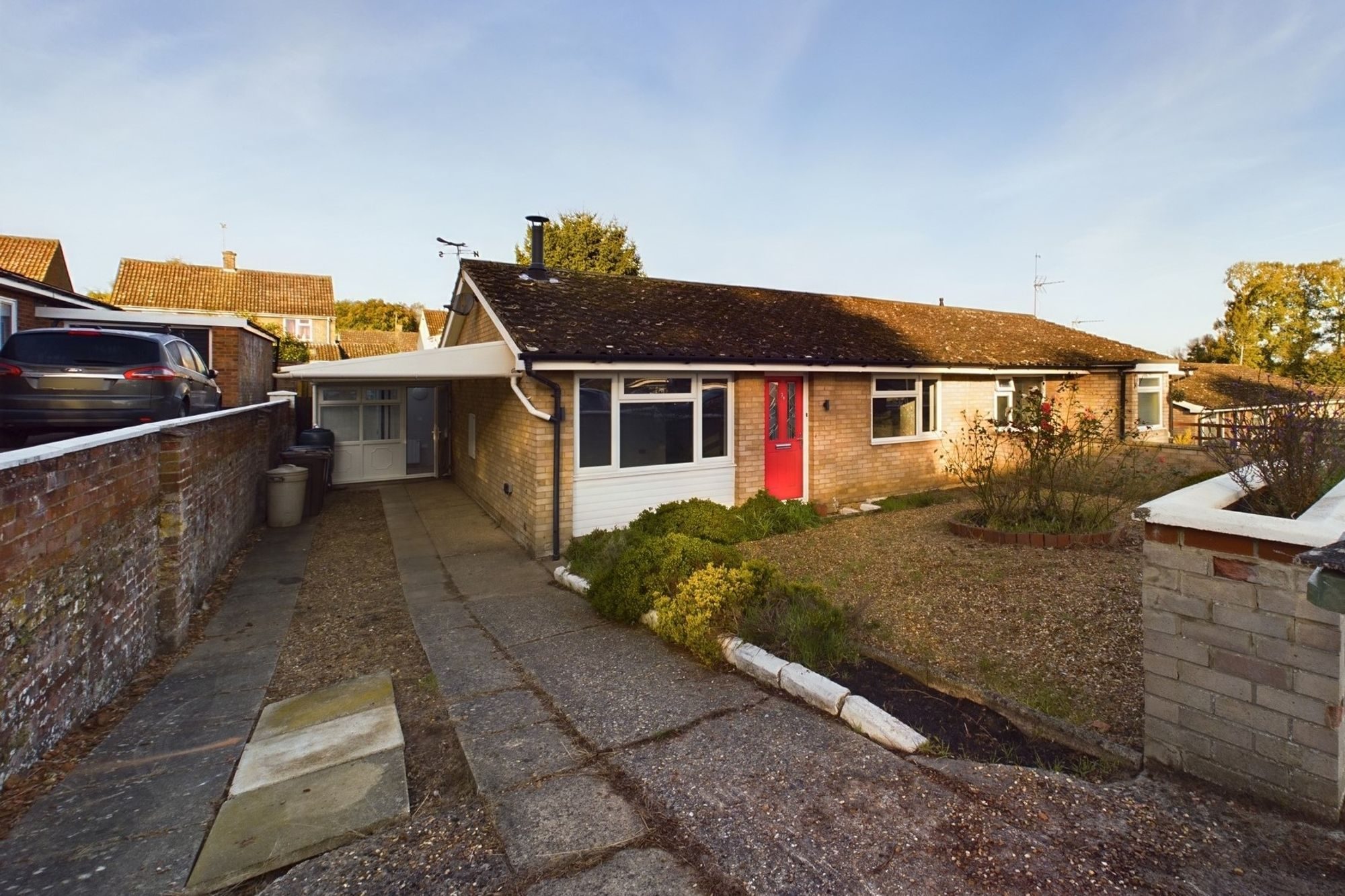
House

19 listings

Avg £1,104

Semi-Detached

13 listings

Avg £1,142

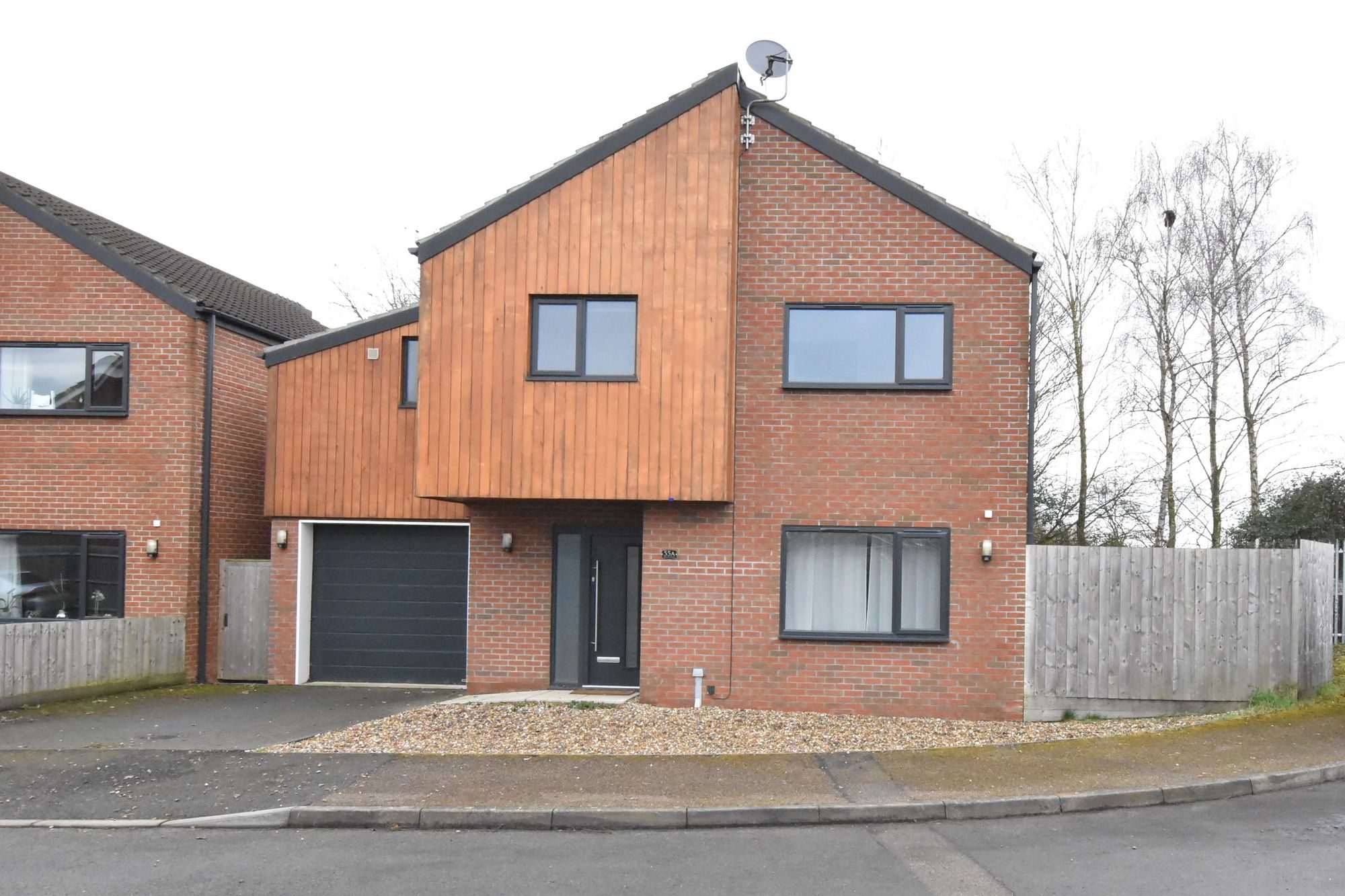
Detached

10 listings

Avg £1,543

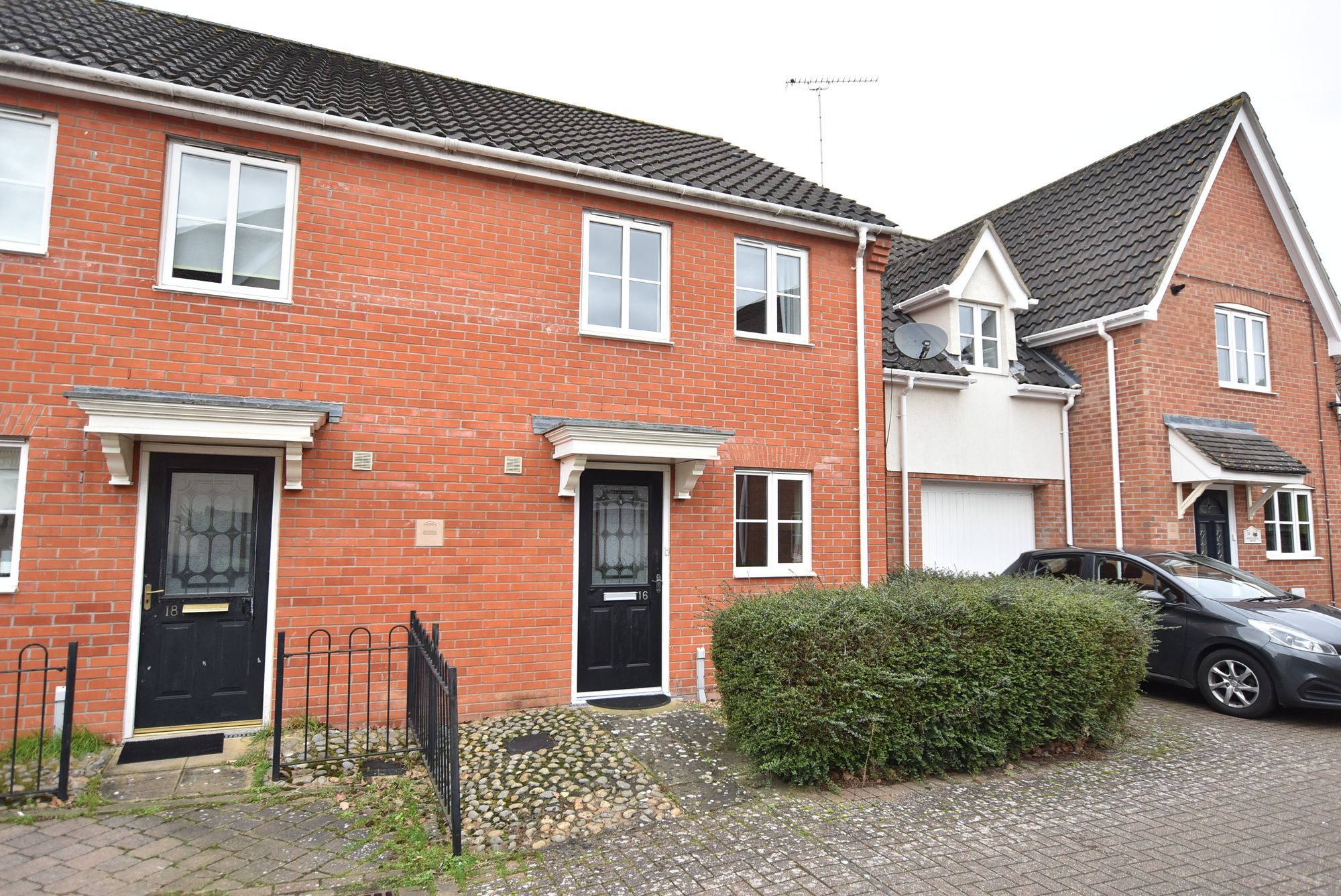
Terraced

7 listings

Avg £1,131

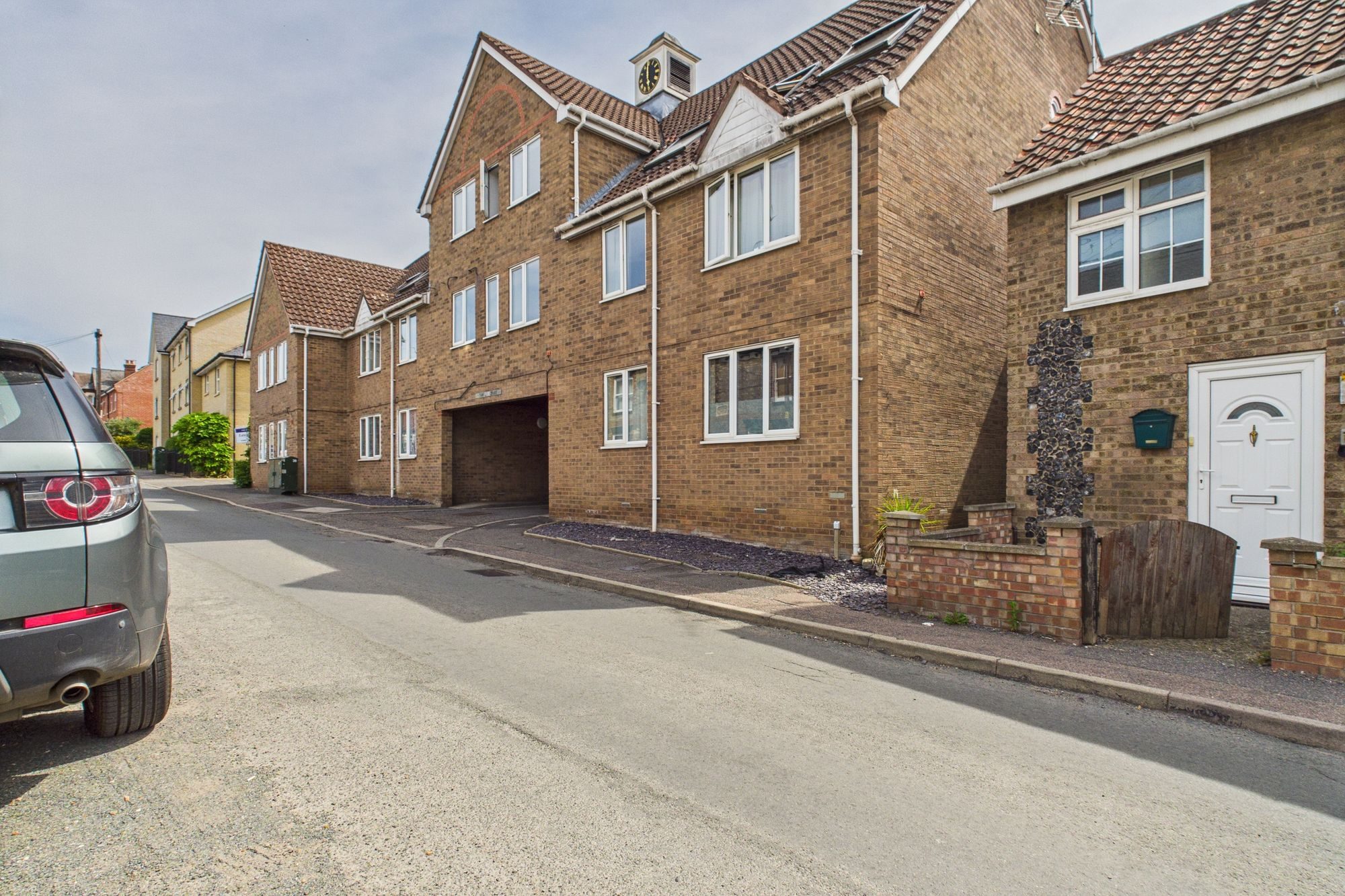
Flat

5 listings

Avg £792

Apartment

3 listings

Avg £765

Detached Bungalow

3 listings

Avg £1,200

Maisonette

3 listings

Avg £938

Not Specified

3 listings

Avg £1,167

Bungalow

2 listings

Avg £998

Source: home.co.uk

Bedrooms Available in Breckland, Norfolk

1 bed 10
£826
2 beds 27
£943
3 beds 28
£1,184
4 beds 9
£1,547
5 beds 3
£2,167

Source: home.co.uk

The Rental Market in Breckland, Norfolk

The Breckland property market offers excellent value compared to many parts of the UK, with the district achieving an average house price of £278,000 in December 2025. This represents significant growth of 6.2% over the previous year, outpacing the broader East of England regional average of 1.5%. For renters, this active market means a steady supply of properties becoming available as residents move, creating opportunities across different property types and price points throughout the district. The strong price growth reflects increasing demand for Breckland properties from buyers seeking more space and better value than urban areas can provide.

Property prices in Breckland vary considerably by type, providing options across different budgets. Detached properties command the highest prices at around £379,000 on average, reflecting the demand for family homes with gardens in this rural setting. Semi-detached homes average £248,000, while terraced properties offer more accessible entry at approximately £199,000. For those seeking lower-cost options, flats and maisonettes average £112,000, making Breckland one of the more affordable districts in Norfolk for property purchase. These price differentials directly influence the rental market, with landlords pricing properties according to type, size, and condition.

The rental market in Breckland draws from this ownership market, with landlords offering properties ranging from Victorian terraces in market towns to modern detached homes on newer developments. The area recorded 2,022 property transactions in the 12 months to September 2025, with second-hand houses accounting for 90% of sales. This dominance of existing housing stock means rental properties tend to be established homes with character rather than newly built apartments, appealing to tenants seeking traditional Norfolk properties with mature gardens and established neighbourhood character. The relative scarcity of new-build rental properties means that quality older homes command steady rental demand from tenants who appreciate period features and solid construction.

Find Rentals Breckland

Living in Breckland, Norfolk

Breckland takes its name from the unique landscape of The Brecks, a distinctive area of England characterised by heathland, forest, and rare sandy soil that supports specialised wildlife and plants. The district encompasses market towns including Thetford, Dereham, Attleborough, and Swaffham, each serving as local service centres for surrounding villages and hamlets. Residents enjoy a pace of life that balances rural tranquility with practical access to everyday amenities, making Breckland particularly popular with families and those seeking more space for their money than urban areas can offer. The landscape itself is one of Breckland's greatest assets, with Thetford Forest Park being the largest man-made forest in Britain.

The market towns within Breckland provide the commercial and social focus for the district, offering weekly markets, independent shops, pubs, and restaurants that give each town its own identity. Thetford, the largest town in the district with a population exceeding 24,000, sits on the border between Norfolk and Suffolk and has a rich history as a former county town. The town features the Ancient House Museum and remains an important administrative centre. Dereham retains its character as a traditional Norfolk market town, while Attleborough serves as a growing commuter settlement with good transport links to Norwich via the A11. Swaffham, known for its weekly markets and Georgian architecture including the striking Market Place, provides another attractive option for renters seeking a town-base within the district.

Beyond the towns, Breckland offers extensive countryside access with the Norfolk Coast Path, Thetford Forest Park, and numerous public footpaths crisscrossing the area. Cyclists enjoy the designated routes through The Brecks, while birdwatchers flock to reserves such as Santon Downham to spot rare species including the Dartford warbler and nightjar. The district's position in central Norfolk provides relatively straightforward access to the coast at Cromer or Great Yarmouth, while Cambridge lies within reasonable commuting distance for those working in the city. For families, the combination of good schools, outdoor space, and community facilities makes Breckland an increasingly sought-after location, driving both rental demand and property values upward in recent years.

Rental Search Breckland

Schools and Education in Breckland

Education provision across Breckland serves families at all levels, with primary schools scattered throughout the market towns and larger villages, and secondary schools available in each of the main towns. The district maintains a mix of community schools and academy schools, with several primary schools serving specific catchment villages and secondary schools drawing students from across wider areas. Parents renting in Breckland should research individual school catchments carefully, as property within a school's designated area typically receives priority for admission. The geography of Breckland means that schools in different towns serve largely separate catchments, making school choice a significant factor in deciding where to rent within the district.

For secondary education, schools such as Attleborough High School, Northgate High School in Dereham, and King Edward VII School in Swaffham serve their respective communities, while Thetford offers secondary options including Arelis Academy. Several of these schools have sixth form provision, though some students travel to Norwich or Cambridge for specialist A-level courses or particular subject combinations. The distance between towns means that secondary school choice often influences where families choose to rent within the district, with shorter school runs being a practical consideration. Parents should verify current performance data, as school effectiveness can vary between years and affects both educational outcomes and property values in catchment areas.

Further education options in the wider Norfolk area include Easton College near Norwich and the University of East Anglia, providing progression routes for older students seeking vocational or degree-level qualifications. For younger children, Breckland's primary schools generally offer good provision, with many village schools providing small-class settings that some parents prefer for early years education. Schools in towns like Rocklands, whose primary school serves the village and surrounding hamlets, exemplify the community-focused education available in rural Breckland. When renting property in Breckland, families should verify current school Ofsted ratings and admission policies, as these can significantly impact daily life and long-term educational outcomes.

Rental Properties Breckland

Transport and Commuting from Breckland

Transport connectivity in Breckland centres on the market towns, with road networks connecting the district to Norwich, Cambridge, and the wider East Anglia region. The A11 trunk road runs through the southern part of the district, providing a direct route to Norwich and connecting with the M11 motorway for access to Cambridge and London. The A47 passes through Dereham, linking the eastern and western parts of Norfolk, while the A1066 serves Thetford and surrounding villages. For commuters, driving remains the primary transport option for most residents, though public transport provides alternatives for some journeys. Journey times by car to Norwich typically take 35-45 minutes from Thetford, while Cambridge is approximately 75 minutes away via the A11 and M11.

Rail services near Breckland include stations at Attleborough and Ely, offering connections to Cambridge and London Liverpool Street. Attleborough station sits on the Breckland line and provides regular services to Cambridge, with journey times of around 50 minutes to the university city. Ely station offers access to Cambridge and the East Coast Main Line for faster services to London King's Cross. The bittern Line railway serves the north Norfolk coast but requires travel to Norwich for access. For those working in Norwich, the journey by car from most parts of Breckland takes 30-45 minutes depending on traffic and exact location, making day commuting feasible though not convenient for daily travel.

Local bus services operated by various providers connect Breckland's market towns with surrounding villages, though frequency is limited compared to urban areas, particularly on evenings and weekends. The 44 bus service connecting Thetford with Norwich provides a useful link for those working in the city, though journey times of around 90 minutes make it impractical for daily commuting. Those considering renting in Breckland without a car should carefully assess bus timetables for their specific needs. Cycling infrastructure varies across the district, with some purpose-built routes available through Thetford Forest but road cycling being the more common option given the generally flat terrain. Parking in market towns is generally free and straightforward, unlike the constrained parking in larger cities.

Renting Guide Breckland

How to Rent a Home in Breckland

1

Assess Your Budget

Before searching for rental properties in Breckland, obtain a rental budget agreement in principle from a lender. This document demonstrates your financial credibility to landlords and letting agents, showing you can afford the rent you are seeking. Having this prepared before viewing properties gives you a competitive advantage in the rental market, particularly for sought-after properties in towns like Dereham or near good school catchments.

2

Research the Area

Take time to explore different towns and villages within the Breckland district to find the right neighbourhood for your circumstances. Consider commute times to Norwich or Cambridge, school catchment areas, local amenities, and the character of each settlement. Thetford offers more urban amenities, while villages like Great Hockham provide a quieter rural lifestyle. Our property listings include location information to help you compare different areas within Breckland.

3

Arrange and Attend Viewings

Once you have identified suitable properties, arrange viewings through our platform or directly with local letting agents. Attend multiple viewings to compare properties in person, assessing condition, storage space, garden access, and the general feel of the neighbourhood at different times of day. In Breckland's market towns, viewings of Victorian terraces on streets like London Road in Thetford or High Street in Swaffham often reveal period features worth noting.

4

Submit Your Application

When you find a property you wish to rent, submit your application promptly with all required documentation. This typically includes proof of identity, proof of income or employment, references from previous landlords, and your rental budget in principle. In a competitive market like Breckland during the summer months when families are relocating, having complete documentation speeds up the decision process significantly.

5

Sign Your Tenancy Agreement

Once your application is approved, you will receive a tenancy agreement for review and signature. Ensure you understand the terms, including rent amount, deposit amount, tenancy duration, and any special conditions. Your deposit will be protected in a government-approved scheme within 30 days of the tenancy start date, as required by law.

6

Complete Move-In

Arrange your move by coordinating with the landlord or letting agent to collect keys and complete an inventory check. Document the property condition with photographs to protect yourself at the end of your tenancy. Utilities and council tax accounts should be set up in your name before moving day. Breckland Council handles council tax for the district, and you can set up your account online using the property address.
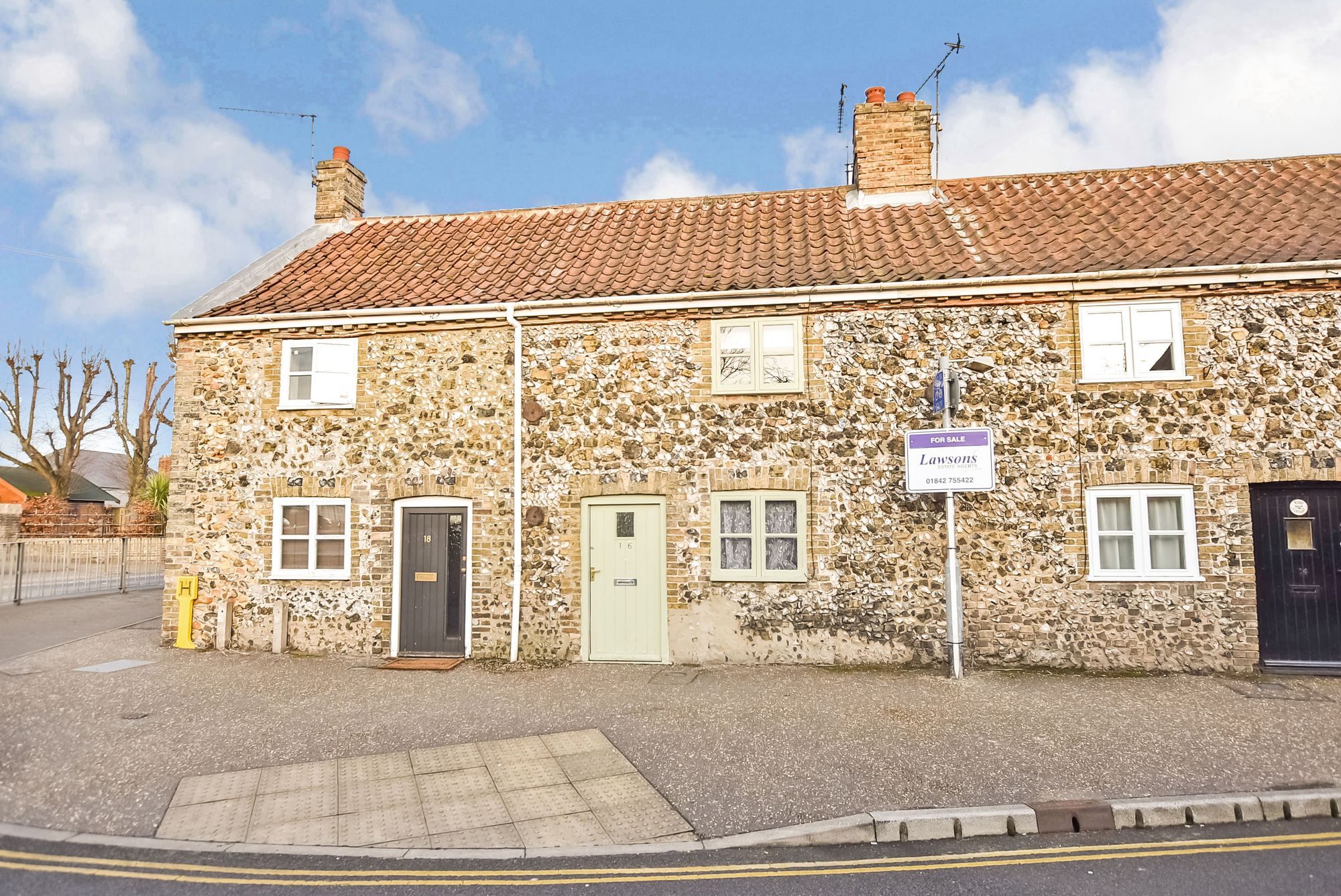
What to Look for When Renting in Breckland

Renting property in Breckland requires attention to several factors specific to this part of Norfolk. The rural nature of the district means that broadband speeds can vary considerably between properties, with some villages having access to superfast broadband while others rely on slower connections. Before committing to a tenancy, verify the internet speed available at the property if fast connectivity is important for your work or daily life. Mobile phone signal can also be weaker in some rural areas away from the market towns, so checking coverage with your provider is advisable before signing a tenancy agreement.

Property conditions in Breckland's rental market reflect the age of much of the housing stock, with numerous Victorian and Edwardian properties in the market towns alongside post-war housing and newer developments. When viewing rental properties, examine the condition of roofs, windows, and heating systems, as maintenance standards among private landlords can vary. Older properties in conservation areas of towns like Swaffham may have charming original features but could require more ongoing attention, so factor potential repair requests into your decision-making process.

Energy efficiency is another consideration when renting in Breckland, as older properties may have higher heating costs due to solid wall construction or outdated insulation. Check the Energy Performance Certificate rating before committing, as this affects both your comfort and your monthly utility bills. Properties with modern gas central heating systems typically offer lower running costs than those relying on electric heating, particularly relevant during Norfolk's cold winters when heating bills can be substantial. Let the agent know if you have specific requirements regarding insulation or heating systems.

Rental Market Breckland

Frequently Asked Questions About Renting in Breckland

What is the average rental price in Breckland?

While specific rental price data for Breckland varies by property type and location, the sales market provides useful context for understanding relative values. Average house prices in the district stand at £278,000 as of late 2025, with terraced properties averaging £199,000 and flats around £112,000. Rental prices typically track at a fraction of these values, with actual rents depending on property size, condition, and exact location within the district. A two-bedroom flat in Thetford or Dereham typically rents for less than a comparable property in Norwich, making Breckland excellent value. Contact local letting agents for current rental listings to get accurate pricing for your requirements.

What council tax band are properties in Breckland?

Council tax in Breckland is administered by Breckland Council, with bands ranging from A to H based on property value. The majority of homes in the district fall into bands A through D, reflecting the more affordable nature of Norfolk property compared to London and the South East. Band D properties in Breckland typically pay around £1,800-£2,000 per year in council tax, which is significantly lower than equivalent properties in many urban areas. You can check specific bandings on the Breckland Council website using the property address, as bands affect your monthly outgoings once you become a tenant.

What are the best schools in Breckland?

Breckland offers a range of primary and secondary schools across its market towns, with individual school performance varying. When searching for rental property, parents should research current Ofsted ratings for schools in specific catchment areas, as these can change over time. Schools in towns like Dereham, Thetford, Attleborough, and Swaffham serve their local communities, with some schools performing above national averages in recent assessments. The rural nature of parts of Breckland means that some village primary schools have small year groups which some parents value for the close-knit educational environment they provide.

How well connected is Breckland by public transport?

Public transport in Breckland is limited compared to urban areas, with bus services connecting market towns to surrounding villages but with reduced frequency on evenings and weekends. The 44 bus service between Thetford and Norwich takes approximately 90 minutes and runs several times daily. The nearest railway stations are at Attleborough and Ely, offering connections to Cambridge and London. For most residents, a car is essential for daily life in Breckland, though Norwich is accessible by bus from most towns in the district. Those considering renting without a vehicle should prioritise properties in the market towns where bus services are most frequent.

Is Breckland a good place to rent in?

Breckland offers excellent value for renters seeking space, character, and access to Norfolk's countryside. The district provides a range of property types from flats above shops in market towns to detached family homes on the outskirts of villages. A three-bedroom semi-detached house in Breckland typically rents for significantly less than the same property would command in Norwich or Cambridge, while offering more indoor and outdoor space. The market towns have improved their amenities over recent years, and the lower cost of living compared to urban areas makes Breckland attractive for families and those seeking more affordable housing. The main considerations are the limited public transport and the importance of checking broadband speeds and local school catchments before committing to a tenancy.

What deposit and fees will I pay when renting in Breckland?

Standard deposits for rental properties in England are capped at five weeks' rent, calculated based on your annual rental income. For a property renting at £1,000 per month, this means a deposit of around £4,333. This deposit must be protected in a government-approved Tenancy Deposit Protection scheme within 30 days of receiving it, safeguarding your money throughout the tenancy. When renting, you will typically pay the first month's rent in advance plus the deposit, so budgeting for around six weeks' rent total is advisable. Some landlords may request a holding deposit while your application is processed, which is capped at one week's rent and should be deducted from your final deposit.

Deposit and Fees When Renting in Breckland

Renting a property in Breckland involves several upfront costs that renters should budget for before beginning their property search. The largest cost is typically the first month's rent in advance, paid to the landlord before you receive the keys to the property. This is followed by the security deposit, which by law in England is capped at five weeks' rent for annual rents under £50,000. This deposit must be protected in a government-approved Tenancy Deposit Protection scheme within 30 days of receiving it, safeguarding your money throughout the tenancy. Landlords in Breckland typically set deposits at the maximum permitted level, so expect to pay five weeks' rent as a baseline.

Additional costs may include agency fees charged by letting agents, though the Tenant Fees Act 2019 has banned many charges previously imposed on renters. Permitted payments now include things like rent, deposits, default fees for lost keys or late rent payments, and reasonable costs for changes to the tenancy requested by the tenant. Before paying any fees, request a written breakdown from the agent or landlord to ensure all charges comply with current legislation. Some local letting agents in Breckland's market towns may charge administration fees for drawing up tenancy agreements, though these must be clearly disclosed before you commit to a property.

When budgeting for renting in Breckland, factor in the costs of moving, including hiring a van or removal company, potential storage costs if there is a gap between tenancies, and connection charges for utilities and internet services. Tenant referencing fees may be charged if you use a referencing service, though you can often provide references directly without using an intermediary. Building a moving budget that covers at least one and a half months' rent alongside your deposit provides a comfortable financial cushion for the rental process. Council tax is payable to Breckland Council, typically in 10 monthly instalments, and you will need to set up accounts with utility providers including electricity, gas, and water.

Find Rentals Breckland

Browse Homes to Rent Across the UK

Terms of use Privacy policy All rights reserved © homemove.com | Properties to Rent » England » Breckland, Norfolk

Homemove is a trading name of HM Haus Group Ltd (Company No. 13873779, registered in England & Wales). Homemove Mortgages Ltd (Company No. 15947693) is an Appointed Representative of TMG Direct Limited, trading as TMG Mortgage Network, which is authorised and regulated by the Financial Conduct Authority (FRN 786245). Homemove Mortgages Ltd is entered on the FCA Register as an Appointed Representative (FRN 1022429). You can check registrations at NewRegister or by calling 0800 111 6768.