Pick the right path and we'll point you to the next step.
I'm the homeowner
Track this property, get market updates, and list it on Home when you're ready to sell or let.
I'm an estate agent
Claim your branch on Home.co.uk, list your properties for free, and reach buyers actively searching your area.
From riverside apartments to country cottages, search hundreds of thousands of properties for sale, to rent, and recently sold, all enriched with three decades of market data.
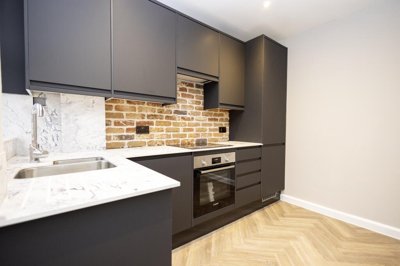
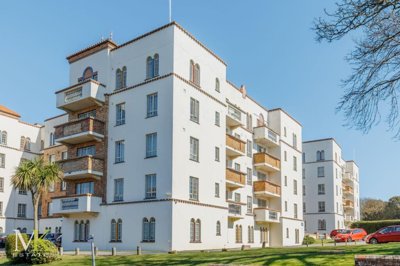
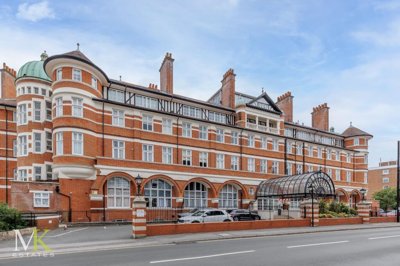
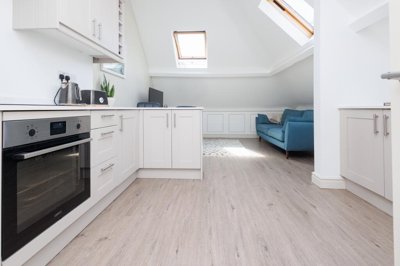
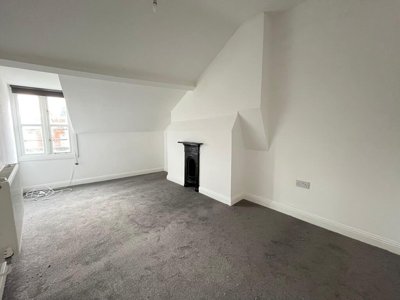
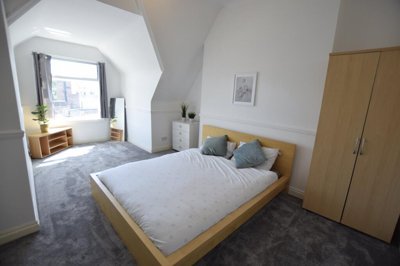
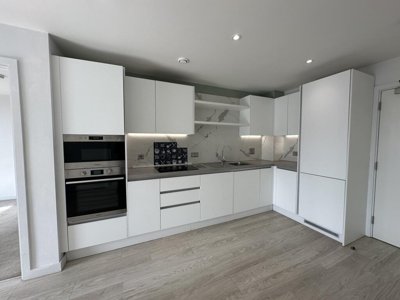
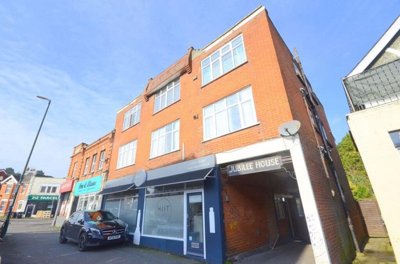
Browse 36 rental homes to rent in Bournemouth, Bournemouth from local letting agents.
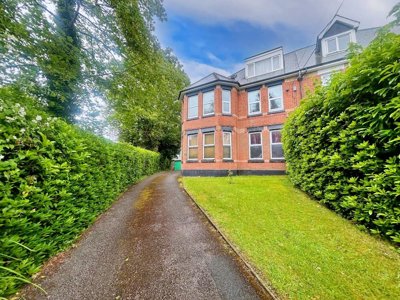
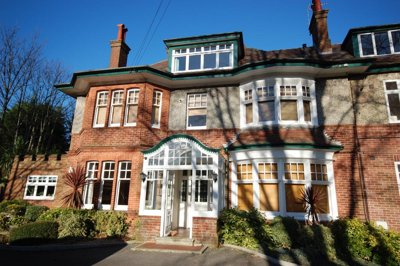
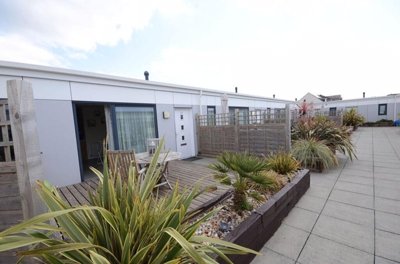
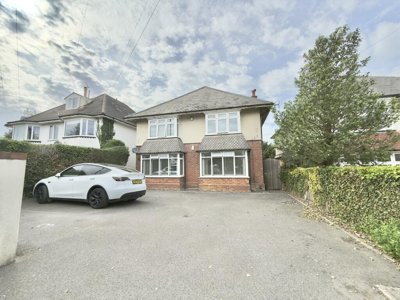
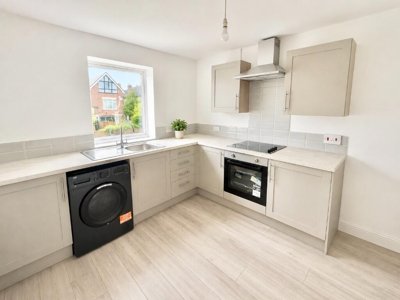
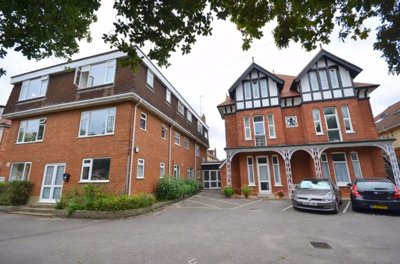
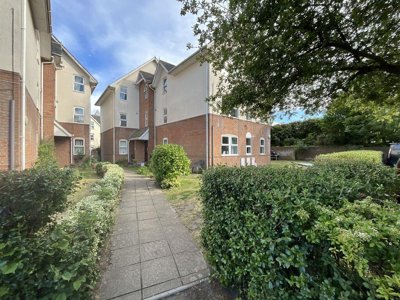
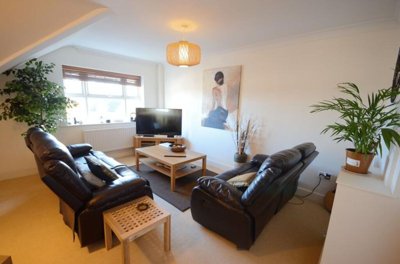
The 2 bed flat sector typically includes two separate bedrooms, dedicated living areas, and bathroom facilities. Properties in Bournemouth span purpose-built blocks, converted period houses, and modern apartment complexes on various floors.
£1,200/m
98
5
52
Source: home.co.uk
Showing 98 results for 2 Bedroom Flats to rent in Bournemouth, Bournemouth. 5 new listings added this week. The median asking price is £1,200/month.
Source: home.co.uk
Flat
98 listings
Avg £1,209
Source: home.co.uk
Source: home.co.uk
homedata.co.uk shows a mixed yet steady picture in Bournemouth. The median sold price in the postcode area sits at £355,000, and across the wider Bournemouth, Christchurch and Poole area the average was £310,000 in December 2025. Over the last twelve months, the council area was down 4.5%, while the postcode area slipped by around £3,200, or 1%. That matters in the rental market, because it feeds into what landlords paid, how they fund a property and how much flexibility they have on rent. When sales ease a little, renters often get more options, especially in flats and smaller houses.
By property type, the Bournemouth postcode area averaged about £562,000 for detached homes, near £365,000 for semi-detached homes, around £322,000 for terraced homes and roughly £238,000 for flats or maisonettes. Another reading of the Bournemouth market places detached homes at £547,000, semis at £354,000, terraces at £291,000 and flats at £198,000. That gap tells its own story. Values can change sharply by micro-location and by the kind of home involved. New-build homes were firmer, rising by £19,600, or 5%, to an average of £382,000 over the same period, which usually points to demand for newer layouts, better energy performance and homes with less upkeep.
There was still plenty of movement in the sales market. Across the Bournemouth postcode area, 7,400 property sales were recorded over the last 12 months, though that was 14.6% lower, or about 1,300 transactions down. The busiest bracket was £300,000 to £400,000, with 1,958 homes changing hands, equal to 26.6% of all sales. Only 65 newly built homes sold in that period, so brand-new stock is still scarce next to the wider market. For renters, that often means a premium on new apartments, while older homes can work out cheaper if you are willing to compromise on lift access, storage or energy efficiency.

Bournemouth has a housing mix that feels true to the place. Flats and maisonettes account for 36.9% of homes, detached properties 35.6%, semi-detached homes 17.3% and terraced houses 9.9%. So the choice is broad, from smaller coastal flats to bigger homes on quieter residential roads. It also explains why one part of town can feel quite different from the next, sometimes more suburban, sometimes more student-focused.
According to census data for Bournemouth, Christchurch and Poole, the population is around 400,200, with about 119,000 households. The median age moved from 41 to 42 between 2011 and 2021. Density is fairly high as well, at around 17.6 people per football pitch-sized patch of land, which helps explain why central streets and beachfront areas can feel especially busy. Bournemouth also works as a regional business base, with the Bournemouth International Centre in the town and a tech scene that has been expanding. Legal & General and the council are putting more than £330 million into regeneration, keeping the town centre and nearby districts in motion.
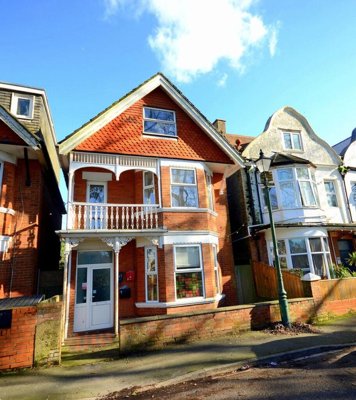
Older parts of Bournemouth still leave a strong mark on the townscape. There are 20 conservation areas and more than 300 listed buildings, so Victorian villas sit alongside Edwardian frontages and restored civic buildings. You notice it quickly. In older homes, brickwork, timber sash windows and concrete or stone repairs are common, while newer stock more often uses uPVC windows and tiled roofs. For renters, that means plenty of character, but also real variation in insulation, upkeep and construction style.
What it does make clear is that Bournemouth has two reputable universities, and that keeps a regular stream of students and people at the start of their careers moving through the rental market. Smaller homes near the centre, main routes and campus corridors often stay busy for that reason. For families, school checks are best handled street by street rather than by assuming a whole postcode will tell you enough.
One road can make the difference. In Bournemouth, catchment areas can change quickly where the town meets neighbouring districts inside Bournemouth, Christchurch and Poole. That is why we suggest checking the exact address against the current admissions map before paying a holding deposit. Parents looking at primary, secondary or sixth-form places should also test the trip itself, not just the school's reputation. A home can read well on paper, then prove awkward once the school run crosses busy coastal routes or congested town-centre roads.
Further education matters here too, not only primary and secondary schools, because it shapes how Bournemouth feels through the year. The university population helps sustain cafes, shared houses and smaller flats. Areas away from the student core are often quieter in term time. That split gives renters a useful choice, depending on whether they want a busier patch or a calmer residential road. If education is driving the move, we would shortlist homes for school or campus access first, then weigh up the rent, parking and outside space.

Getting around Bournemouth is usually straightforward if the route works for your routine. Rail and bus services keep the station, the seafront and residential districts tied into the wider Bournemouth, Christchurch and Poole area. Plenty of renters pick a home near a dependable service instead of chasing the very lowest rent, because savings on travel can outweigh a slightly cheaper monthly figure. That tends to suit students, hybrid workers and anyone who would rather not drive every day.
Near the beach, around the nightlife area and in the busier parts of the town centre, parking can get tight. That is often where a private space, a residents' permit or simple on-street parking starts to matter. It may be worth the extra cost if you drive to work. Cycling can work well for short local trips, especially on flatter central roads, though it gets less simple further inland. When two flats look similar, better parking and an easier walk to the station can save a surprising amount of time each week.
Drivers should think about peak-time congestion as well, especially close to seafront access points and around the central grid. Bournemouth is not difficult to live in, but the exact spot matters more than many renters expect at first. Quite often, a home near the right bus stop or station is easier day to day than a slightly larger place sitting away from the main routes. Our team usually tells movers to picture the weekdays first, then the weekends, because Bournemouth can behave very differently once visitors arrive in numbers.
Set out the monthly rent, council tax, utilities, parking and moving costs, then get a rental budget agreement in principle before you start viewing.
Start with the basics. Decide if you want seafront access, a central flat, a quieter inland street or a home nearer the universities and town centre.
In Bournemouth, good rental homes do not usually hang around for long, so get your ID, references and proof of income ready before you begin.
Ask direct questions. We would cover heating, insulation, flood exposure, bin storage, parking and, if the property is a flat, any service charge or management arrangement.
Read every part of the contract with care, including deposit protection, break clauses, pet rules, notice periods and repair responsibilities.
On day one, photograph the property, keep copies of the inventory and confirm the meter readings, council tax details and broadband set-up.
Homes near the coast are part of what draws people to Bournemouth, but they need a closer check. Local data specifically highlights flood risk and coastal erosion as local issues, so we would look carefully at low-lying streets, ground-floor flats and homes near the seafront. Good drainage helps. Sensible external maintenance helps too, and so does a landlord who can explain any past problems clearly. If the answers are vague, we would move on.
Older Bournemouth houses can be very attractive, particularly on Victorian and Edwardian streets, but renters should still ask the practical questions. Brickwork, timber sash windows and clay-rich ground conditions can mean more movement, more draughts or higher heating costs where upgrades have not been done properly. With flats, it is worth asking who manages the building, how service charges are dealt with and whether major works are coming up. Even when you are only renting, the leasehold set-up can affect repairs, bin storage and how smoothly the block runs.
Bournemouth's older housing stock has rules around it. With more than 300 listed buildings and 20 conservation areas, external alterations, replacement windows and signage can be more tightly controlled than they are in newer suburbs. That can help preserve the look of a street, but it can also slow down repairs when an owner is slow to act. Our advice is straightforward, ask what has already been updated, what still needs attention and whether the asking rent matches the actual condition of the home.

Rather than rely on a town-wide figure, we check the specifics for your exact address. For sale-market context, homedata.co.uk records a median sold price of £355,000 in the Bournemouth postcode area and an average of £405,000. That goes some way towards explaining why rents can differ so sharply between a compact flat and a larger house. To judge current rent levels, compare live Bournemouth listings by property type, because a one-bed flat, a coastal apartment and a family terrace may sit in very different price bands.
Council tax is charged by Bournemouth, Christchurch and Poole Council, and the band is based on the property's valuation. On the same street, a smaller flat, a mid-sized terrace and a larger detached house may all sit in different bands. It is worth checking before you commit. We always suggest asking the landlord or letting agent for the current band, because that monthly bill changes the true cost of renting.
Families should check the exact catchment for the road they are considering, because admissions in Bournemouth can shift from one area to another. The town's two universities matter as well. They create a strong education market beyond primary and secondary level, which helps keep demand steady in the neighbourhoods with the easiest access.
Bournemouth has rail, bus and road connections, and many renters aim for homes near the station or a bus route they know they will use. Exact train times depend on the service, but the station remains the key link for commuters travelling across the wider South Coast and into the London corridor. Parking is part of the picture too, along with peak-time traffic, especially around the seafront and the busiest central streets.
For many renters, the answer is yes. Bournemouth brings together coastal living, a busy town centre, demand linked to the universities and regeneration in places such as Lansdowne and Boscombe. There is range in the housing stock as well. The town has 20 conservation areas and more than 300 listed buildings, so the choice can stretch from older homes with original detail to modern flats and more practical family streets.
For a tenancy, you should expect a holding deposit that is often around one week's rent and a security deposit usually capped at five weeks' rent where the annual rent is below £50,000. It is also sensible to budget for references, inventory checks, moving costs, council tax and utilities. If your plans later shift from renting to buying, the 2024-25 deposit thresholds are 0% up to £250k, 5% from £250k-£925k, 10% from £925k-£1.5m and 12% above £1.5m, with first-time buyer relief at 0% up to £425k and 5% from £425k-£625k.
Across Bournemouth, Christchurch and Poole, flats and maisonettes form the largest single housing group at 36.9%, with detached homes close behind at 35.6%. Semi-detached properties make up 17.3% and terraced homes 9.9%. So there is a fair amount of choice for renters. That spread is one reason Bournemouth can work for students, people starting work, couples and families at the same time.
Upfront costs do not begin and end with the rent. The real planning should happen before you sign anything. Our team usually recommends getting a rental budget agreement in principle before you start viewings, because it lets you act quickly when the right Bournemouth home comes up. Then factor in the holding deposit, the tenancy deposit, the first rent payment, moving vans, utility set-up and any parking permit. Near the coast or in a managed block, it is also wise to leave a little extra for cleaning and furnishings.
The advertised rent is only part of the monthly picture. Council tax, broadband, heating, laundry and commuting can shift your total spend more than a £50 difference in rent. In Bournemouth, we would pay close attention to parking and energy efficiency, because older flats and busy coastal streets can make daily costs rise quite quickly. If you are looking at a period home, ask about insulation, the windows and the boiler age before the décor wins you over.
If renting turns out to be the first step rather than the end point, Bournemouth's wider sales market helps frame the next move. homedata.co.uk records a median sold price of £355,000 in the postcode area, and new-build homes averaged £382,000 after a 5% rise over the last year. That context is useful when you compare the short-term cost of renting with the longer-term cost of buying in the same neighbourhood. For now, we would focus on homes that fit your budget, your commute and the amount of maintenance you are prepared to take on.
Properties to Rent In London

Properties to Rent In Plymouth

Properties to Rent In Liverpool

Properties to Rent In Glasgow

Properties to Rent In Sheffield

Properties to Rent In Edinburgh

Properties to Rent In Coventry

Properties to Rent In Bradford

Properties to Rent In Manchester

Properties to Rent In Birmingham

Properties to Rent In Bristol

Properties to Rent In Oxford

Properties to Rent In Leicester

Properties to Rent In Newcastle

Properties to Rent In Leeds

Properties to Rent In Southampton

Properties to Rent In Cardiff

Properties to Rent In Nottingham

Properties to Rent In Norwich

Properties to Rent In Brighton

Properties to Rent In Derby

Properties to Rent In Portsmouth

Properties to Rent In Northampton

Properties to Rent In Milton Keynes

Properties to Rent In Bournemouth

Properties to Rent In Bolton

Properties to Rent In Swansea

Properties to Rent In Swindon

Properties to Rent In Peterborough

Properties to Rent In Wolverhampton

Enter your details to see if this property is within your budget.
Loans, cards, car finance
Estimated property budget
Borrowing + deposit
You could borrow between
Typical borrowing
Monthly repayment
Est. at 4.5%
Loan-to-value
This is an estimate only. Your actual budget may vary depending on interest rates, credit history, and personal circumstances. For an accurate affordability assessment, speak to one of our free mortgage advisors.
This calculator provides estimates for illustrative purposes only and does not constitute financial advice. Your home may be repossessed if you do not keep up repayments on your mortgage. Estimates based on 4.5% interest rate, repayment mortgage. Actual rates depend on your circumstances.
Homemove is a trading name of HM Haus Group Ltd (Company No. 13873779, registered in England & Wales). Homemove Mortgages Ltd (Company No. 15947693) is an Appointed Representative of TMG Direct Limited, trading as TMG Mortgage Network, which is authorised and regulated by the Financial Conduct Authority (FRN 786245). Homemove Mortgages Ltd is entered on the FCA Register as an Appointed Representative (FRN 1022429). You can check registrations at NewRegister or by calling 0800 111 6768.

We use cookies to show you personalised content and improve your experience of our website. Find out more in our Privacy policy and Cookie policy.