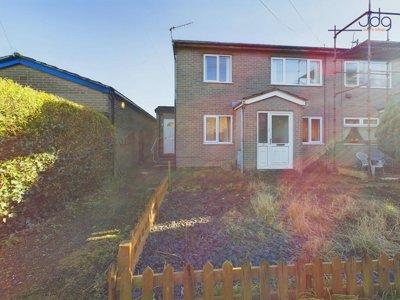
Browse 1 rental home to rent in Bolton-le-Sands from local letting agents.
The 2 bed flat sector typically includes two separate bedrooms, dedicated living areas, and bathroom facilities. Properties in Bolton Le Sands span purpose-built blocks, converted period houses, and modern apartment complexes on various floors.
The rental market in Bolton-le-Sands reflects the broader property trends affecting the wider Lancaster district, with demand consistently outstripping supply in this desirable village location. Property values in the area have shown steady growth, with the overall average currently sitting around £308,829 based on recent sales data. Detached properties command the highest values at approximately £408,667, while semi-detached homes average around £246,000 and terraced properties fetch roughly £200,000. This pricing structure influences rental expectations, with larger family homes typically commanding premium rents compared to smaller apartments and cottages.
Over the past twelve months, property prices in Bolton-le-Sands have increased by approximately 2% across all property types, indicating a stable and gradually appreciating market. Thirty-four property sales were recorded in the village over the last year, demonstrating active market participation despite the smaller scale of the community. Semi-detached properties showed the strongest growth at 2%, while detached homes and terraced properties each increased by 1%. Flats remained stable with no change over the twelve-month period, suggesting a plateau in the apartment market segment.
The area has seen new build activity with The Pastures development by Story Homes offering three, four, and five-bedroom homes ranging from £299,995 to £599,995. This development, located off Mount Pleasant near the village centre, represents a significant addition to the local housing stock. For renters, this new development represents potential opportunities to access brand new properties or newly constructed homes that may become available for rent as investment purchases complete. The presence of new build properties in the village provides additional rental options for those seeking modern homes with contemporary fixtures and fittings.
Rental availability in Bolton-le-Sands tends to be more limited compared to larger towns, given the village's modest size of approximately 1,777 households. Properties become available periodically throughout the year, with demand particularly high during the summer months when families prefer to relocate outside of school terms. Registering with local letting agents and setting up property alerts ensures you do not miss new listings as they become available on the market.
Bolton-le-Sands presents a distinctive character shaped by its Lancashire heritage, coastal proximity, and village atmosphere. The housing stock reflects the area's history and development patterns, with detached properties comprising approximately 40.2% of homes, semi-detached houses at 29.8%, terraced properties at 19.3%, and flats making up the remaining 10.7%. This mix provides renters with genuine variety when searching for their next home, from spacious executive detached houses to charming stone-fronted terraces perfect for first-time renters or couples.
The majority of properties were constructed between 1945 and 1980, accounting for 35.1% of the housing stock, with a further 31.2% built after 1980. This means that nearly 70% of homes in Bolton-le-Sands were built before 1980, making pre-tenancy surveys particularly valuable for renters. Properties from the post-war period through to the 1970s often feature construction methods and materials that may require careful assessment, including solid wall construction, aging heating systems, and original electrical installations that may not meet current standards.
The village architecture showcases the natural resources of the area, with many properties built using local sandstone that gives Bolton-le-Sands its characteristic warm, golden appearance. Red brick construction became popular from the late nineteenth century onwards, while rendered finishes add further visual variety to the streetscape. Roofs predominantly feature slate, which is durable but can become brittle over time and may require specialist repair work using traditional materials to maintain the character of older properties.
The village centre around Main Street and the Green falls within a designated Conservation Area, meaning the historic character and traditional appearance of these areas is protected. Numerous listed buildings including the Church of St Michael and All Angels and various historic farmhouses and cottages dot the village, adding architectural interest and historical depth to the community. Renters considering properties in the Conservation Area should be aware that permitted development rights may be more restricted, and any modifications to the property exterior will require planning approval from Lancaster City Council.

Families considering a move to Bolton-le-Sands will find educational provision well catered for within the village and surrounding area. Primary education is served by local schools that typically serve the community and surrounding villages, providing education for children from reception through to Year Six. The village location means primary schools are generally within walking distance for most residents, making the daily school run straightforward and convenient for families renting in the area.
Secondary school options in the wider Lancaster district include both comprehensive schools and grammar schools, with catchment areas determining placement eligibility. Parents are advised to research current catchment boundaries and admission policies when considering rental properties, as school place allocation can significantly impact family relocation decisions. Grammar schools in the Lancaster area admit students based on entrance examination results, providing academic options for families seeking selective education pathways for their children.
The property age data reveals that 18.5% of homes in Bolton-le-Sands predate 1919, with a further 15.2% built between 1919 and 1945, indicating that families choosing older properties may wish to commission thorough surveys. Properties constructed before 1945 may present maintenance considerations including outdated electrical systems, older heating infrastructure, and potential issues with damp proofing that should be assessed professionally. For families renting in the village, understanding the condition and history of their potential new home provides and helps avoid unexpected repair costs during the tenancy period.
Several primary schools in the surrounding area serve Bolton-le-Sands families, with some located in nearby villages such as Carnforth and Hest Bank. School transport arrangements and walking routes to educational establishments should be factored into your property search, particularly if you are considering a rental property on the outskirts of the village. Ofsted reports and current performance data are readily available online and should form part of any family's due diligence when selecting a rental property in the area.

Bolton-le-Sands benefits from transport connections that make it practical for commuters and those relying on public transport. The village sits between the cities of Lancaster and Morecambe, providing access to rail services, bus routes, and major road connections including the A6 and proximity to the M6 motorway. The A6 provides a direct route north to Kendal and the Lake District, while the M6 junction 35 is within easy reach for travel to Preston, Manchester, and beyond.
Lancaster railway station offers direct services to major cities including Manchester, Liverpool, and London, with journey times to Manchester typically taking around an hour. London Euston is accessible via a change at Preston or direct services, with total journey times of approximately two and a half hours. This makes Bolton-le-Sands a viable option for professionals who need to commute to major employment centres while enjoying the benefits of village living.
Local bus services connect Bolton-le-Sands with surrounding villages and towns, providing essential public transport options for those without private vehicles. Bus routes serve regular services to Lancaster city centre and Morecambe seafront, with stops located throughout the village. The Lancaster Canal passes through the village, contributing to the local landscape and offering pleasant walking routes along its towpaths. Canal-side walks provide scenic routes for recreation and commuting on foot or by bicycle.
Road parking arrangements vary throughout the village, with residential streets typically offering on-street parking for residents and visitors. Some newer developments may include allocated parking spaces, while properties in the older part of the village may rely on on-street parking arrangements. The coastal location means that Morecambe Bay and its expansive beaches are within easy reach, providing recreational opportunities that enhance the quality of life for residents choosing to rent in this attractive village location.

Renting a property in Bolton-le-Sands requires attention to several area-specific factors that can affect your tenancy experience and property condition. The local geology presents considerations for prospective tenants, with the underlying Carboniferous Limestone and glacial till deposits including boulder clay creating potential for shrink-swell ground movement. Properties with significant trees nearby or those constructed with shallow foundations may be more susceptible to ground movement, particularly during periods of extreme weather or drought.
Coastal flood risk exists due to Morecambe Bay's tidal influence, though the main village is set back from the immediate shoreline. Some low-lying roads and properties near the Lancaster Canal corridor may experience surface water flooding during periods of heavy rainfall. Tenants should clarify flood risk with letting agents and check whether the property has experienced previous flooding incidents. Buildings Insurance typically covers flooding damage to the structure, but contents insurance remains the tenant's responsibility.
With nearly 70% of properties in Bolton-le-Sands built before 1980, common defects include damp, roof wear, timber defects, and outdated electrical systems. Older sandstone properties may have solid walls without cavity insulation, making them more susceptible to penetrating damp and condensation issues. Roof condition should be carefully assessed, particularly on slate-roofed properties where individual tiles may have slipped or become brittle with age. Timber elements including floor joists, window frames, and roof timbers should be inspected for signs of wet rot, dry rot, or woodworm activity.
Properties within the Conservation Area or those that are listed buildings require specialist considerations for any alterations or repairs. Traditional building materials and methods are often required for maintenance and improvement work, which can affect both cost and practicality for tenants planning modifications. Electrical systems in older properties may not meet current standards and should be assessed by a qualified electrician before moving in. Our team can arrange a comprehensive property survey to identify any defects before you commit to a tenancy agreement.

Understanding the construction methods used in Bolton-le-Sands properties helps prospective tenants assess maintenance needs and potential issues. Local sandstone has been used extensively in older properties throughout the village, creating the distinctive warm, golden appearance that characterises many streets. This natural stone is durable but can be susceptible to weathering and erosion over time, with pointing between stone blocks requiring regular maintenance to prevent water ingress.
Red brick became the predominant building material from the late nineteenth century onwards, particularly for terraced properties built to house workers in the growing village. Many brick properties feature cavity wall construction, which provides better insulation than the solid walls found in older stone buildings. However, cavity wall insulation may have been installed incorrectly in some properties, potentially leading to damp issues that should be identified during a professional survey.
Rendered finishes are common on both stone and brick properties, providing an additional weatherproof layer and allowing for different aesthetic styles. However, rendering can trap moisture if it becomes cracked or damaged, leading to deterioration of the underlying structure. Properties with solid walls, particularly older stone buildings, may have higher heating costs as they lack the insulation properties of modern cavity wall construction. Understanding these construction characteristics helps renters budget for potential energy costs and maintenance requirements during their tenancy.
Slate roofing predominates throughout Bolton-le-Sands, sourced originally from Welsh quarries and local supplies where available. While slate is an extremely durable material with a lifespan often exceeding 100 years, individual slates can crack or slip over time, particularly after severe weather events. Lead flashings around chimneys and roof valleys require periodic inspection and maintenance to prevent water penetration. Properties with complex rooflines or multiple chimneys may incur higher maintenance costs than simpler roof designs.

Obtain a rental budget agreement in principle before beginning your property search. This document from a mortgage broker or financial advisor confirms how much rent you can afford based on your income and expenditure, helping you focus on properties within your budget and demonstrating your commitment to letting agents and landlords. Budget planning should account for rent in advance, deposit, moving costs, and ongoing utility bills.
Explore Bolton-le-Sands thoroughly before committing to a tenancy. Visit the village at different times of day to assess noise levels and traffic patterns, check local amenities including shops and pubs, research school catchment areas if relevant, and understand transport connections to ensure the location suits your lifestyle and commuting requirements. Speaking with existing residents can provide valuable insights into daily life in the village.
Browse available rental listings through Homemove and contact local letting agents to arrange viewings. Take notes during each viewing and ask about lease terms, included utilities, garden maintenance responsibilities, and any property-specific considerations. Properties in Bolton-le-Sands can be popular, so acting quickly on suitable listings is advisable. View multiple properties to compare condition, location, and value before making a decision.
Consider commissioning a RICS Level 2 Survey on any property you plan to rent long-term. With approximately 68.8% of Bolton-le-Sands homes built before 1980, professional surveys can identify defects including damp, roof issues, timber defects, and potential structural concerns. Survey findings can inform negotiations, identify urgent repairs, or simply provide about your chosen property. For listed buildings or properties in the Conservation Area, a more comprehensive RICS Level 3 Survey may be advisable.
Once you have agreed on a property, carefully review the tenancy agreement before signing. Understand your rights and responsibilities as a tenant, the deposit protection scheme that will be used, notice periods, and any clauses relating to property maintenance or alterations. Your deposit must be protected in a government-approved scheme within thirty days of receipt, and you should receive prescribed information about where your deposit is held.
Specific rental price data for Bolton-le-Sands is not publicly tracked with the same frequency as house prices, but rental costs are influenced by the local property market values. Detached homes typically command the highest rents, with average sale prices around £408,667 suggesting monthly rents in the £1,400 to £2,000 plus range for quality family homes. Semi-detached properties with average sale prices of approximately £246,000 generally offer more accessible rental rates, while terraced properties around £200,000 in value provide mid-range options. Flats and smaller terraced properties represent the most affordable rental options in the village, with average flat sale values of £135,000 making them suitable for first-time renters, couples, or those seeking smaller properties.
Properties in Bolton-le-Sands fall under Lancaster City Council for council tax purposes. Council tax bands range from A to H and are determined by the property value as assessed in 1991. Specific band distribution in Bolton-le-Sands varies by property, with individual homes ranging across all available bands depending on their size, type, and historical value. Properties in the Conservation Area around Main Street may include historic buildings that fall into higher council tax bands due to their character and desirability. Prospective tenants should check the council tax band for any specific property they are considering, as this will affect the ongoing cost of renting in the village. Lancaster City Council publishes current council tax rates on their website for each band.
Bolton-le-Sands is served by local primary schools that cater to children from the village and surrounding areas, providing education up to Year Six with most children walking to school from properties throughout the village. Secondary education options in the wider Lancaster district include several well-regarded schools, with places allocated according to catchment areas and admission criteria. Parents should research current school performance data, Ofsted inspection reports, and admission policies when selecting a rental property, as catchment boundaries can affect school placement. Grammar schools in the Lancaster area admit students based on entrance examination results, providing academic options for families seeking selective education pathways.
Bolton-le-Sands is served by local bus routes connecting the village to Lancaster, Morecambe, and surrounding communities including Carnforth and Hest Bank, providing essential public transport options for daily travel and leisure. Lancaster railway station offers comprehensive rail services including direct connections to Manchester, Liverpool, Leeds, and London Euston, with Manchester accessible in approximately one hour and London in around two and a half hours. The proximity to the A6 provides straightforward road access to Lancaster city centre and the M6 motorway at junction 35, making car travel practical for those commuting to work or exploring the region. The village location balances rural tranquility with accessible transport infrastructure.
Bolton-le-Sands offers an excellent quality of life for renters seeking a village environment with convenient access to larger towns and cities. The community benefits from a strong local identity, good basic amenities including a local shop, pubs, and recreational facilities, and proximity to the Lancashire coastline at Morecambe Bay and the Lake District National Park. The stable property market with consistent year-on-year price appreciation indicates continued demand for housing in the area, suggesting that renters can expect their neighbourhood to remain desirable. With approximately 40% of homes being detached properties and a significant proportion of characterful older properties, the village offers rental accommodation suitable for various household types and preferences.
When renting a property in Bolton-le-Sands, tenants typically pay a security deposit equivalent to five weeks rent, which is capped under the Tenant Fees Act 2019 for properties with annual rents under £50,000. The deposit must be protected in a government-approved scheme within thirty days of receipt, and you should receive written confirmation of where your deposit is held along with prescribed information about the scheme used. Holding deposits equivalent to one week's rent may be requested to secure a property while referencing checks are completed, and this amount is deductible from the final deposit due. Permitted payments under the Tenant Fees Act include rent, tenancy deposit, default charges for lost keys or security devices, and variation or assignment fees agreed with the landlord. Prospective tenants should request a full breakdown of any fees before committing to a property.
Flood risk awareness is important when renting in Bolton-le-Sands due to the coastal proximity to Morecambe Bay and surface water drainage patterns in the area. Some low-lying roads and properties near the Lancaster Canal corridor may experience surface water flooding during periods of heavy rainfall, and prospective tenants should ask letting agents about any previous flooding incidents at a property. Coastal flood risk exists due to Morecambe Bay's tidal influence, though the main village is set back from the immediate shoreline. Buildings Insurance typically covers flooding damage to the structure, but contents insurance remains the tenant's responsibility. Requesting information about flood risk and checking the property's insurance history provides important context for your tenancy decision.
The housing stock in Bolton-le-Sands offers good variety for prospective renters, with approximately 40% of properties being detached homes that typically offer generous living space and gardens. Semi-detached properties account for nearly 30% of the housing stock, providing family homes with multiple bedrooms at more accessible rental levels. Terraced properties comprise around 19% of homes, offering characterful accommodation often featuring local sandstone or brick construction, while flats make up approximately 11% of the rental market. Newer properties from post-1980 construction offer more modern layouts and insulation, while older properties provide character but may require more maintenance attention.
Understanding the full cost of renting in Bolton-le-Sands helps prospective tenants budget accurately and avoid unexpected financial pressures during their tenancy. The initial costs typically include the first month's rent in advance, a security deposit capped at five weeks rent under the Tenant Fees Act, and potentially a holding deposit of one week's rent to secure the property while referencing checks are completed. Budgeting for moving costs, potential furniture purchases, and any immediate repairs or decorations you may wish to undertake should also be factored into your financial planning.
Ongoing rental costs include monthly rent, council tax payable to Lancaster City Council, and utility bills for gas, electricity, and water. Internet and mobile phone contracts should also be budgeted for, along with contents insurance to protect your belongings. Some rental properties include water rates or communal facility maintenance within the rent, so clarify exactly what is included with your letting agent before committing to a tenancy.
For renters considering longer-term commitments, obtaining a professional property survey represents a valuable investment in protecting your tenancy. The majority of properties in Bolton-le-Sands were constructed before 1980, meaning common defects including damp, roof wear, timber issues, and outdated electrics may be present. A RICS Level 2 Survey typically costs between £400 and £900 depending on property size and value, providing detailed assessment of the property condition that can inform negotiations, identify urgent repairs, or simply provide reassurance about your chosen home.
For listed buildings or properties within the Conservation Area, more comprehensive surveys may be advisable due to the specialist construction methods and traditional materials involved. Properties with significant history may require surveys that account for historic building techniques and materials, and our team can advise on the most appropriate survey level for your specific property. Investing in a professional survey before committing to a tenancy can save significant expense and stress if defects are identified early in the process.

Properties to Rent In London

Properties to Rent In Plymouth

Properties to Rent In Liverpool

Properties to Rent In Glasgow

Properties to Rent In Sheffield

Properties to Rent In Edinburgh

Properties to Rent In Coventry

Properties to Rent In Bradford

Properties to Rent In Manchester

Properties to Rent In Birmingham

Properties to Rent In Bristol

Properties to Rent In Oxford

Properties to Rent In Leicester

Properties to Rent In Newcastle

Properties to Rent In Leeds

Properties to Rent In Southampton

Properties to Rent In Cardiff

Properties to Rent In Nottingham

Properties to Rent In Norwich

Properties to Rent In Brighton

Properties to Rent In Derby

Properties to Rent In Portsmouth

Properties to Rent In Northampton

Properties to Rent In Milton Keynes

Properties to Rent In Bournemouth

Properties to Rent In Bolton

Properties to Rent In Swansea

Properties to Rent In Swindon

Properties to Rent In Peterborough

Properties to Rent In Wolverhampton

Enter your details to see if this property is within your budget.
Loans, cards, car finance
Estimated property budget
Borrowing + deposit
You could borrow between
Typical borrowing
Monthly repayment
Est. at 4.5%
Loan-to-value
This is an estimate only. Your actual budget may vary depending on interest rates, credit history, and personal circumstances. For an accurate affordability assessment, speak to one of our free mortgage advisors.
This calculator provides estimates for illustrative purposes only and does not constitute financial advice. Your home may be repossessed if you do not keep up repayments on your mortgage. Estimates based on 4.5% interest rate, repayment mortgage. Actual rates depend on your circumstances.
Homemove is a trading name of HM Haus Group Ltd (Company No. 13873779, registered in England & Wales). Homemove Mortgages Ltd (Company No. 15947693) is an Appointed Representative of TMG Direct Limited, trading as TMG Mortgage Network, which is authorised and regulated by the Financial Conduct Authority (FRN 786245). Homemove Mortgages Ltd is entered on the FCA Register as an Appointed Representative (FRN 1022429). You can check registrations at NewRegister or by calling 0800 111 6768.