Pick the right path and we'll point you to the next step.
I'm the homeowner
Track this property, get market updates, and list it on Home when you're ready to sell or let.
I'm an estate agent
Claim your branch on Home.co.uk, list your properties for free, and reach buyers actively searching your area.
From riverside apartments to country cottages, search hundreds of thousands of properties for sale, to rent, and recently sold, all enriched with three decades of market data.
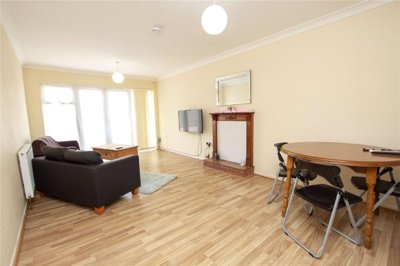
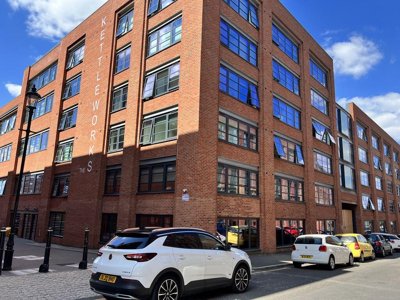
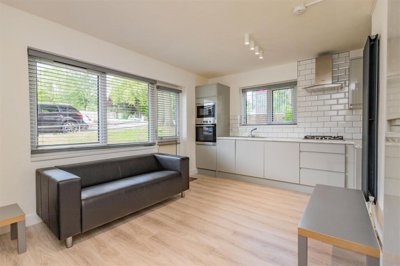
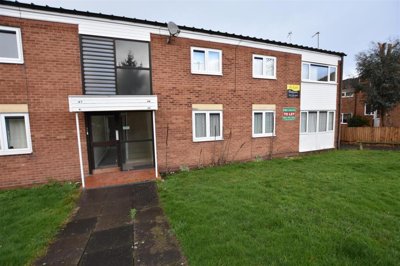
Browse 58 rental homes to rent in Birmingham, West Midlands from local letting agents.
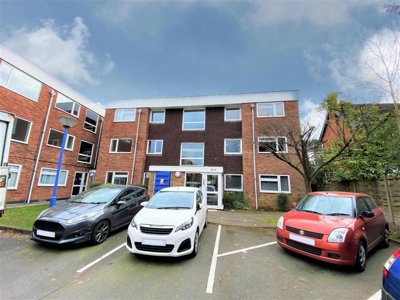
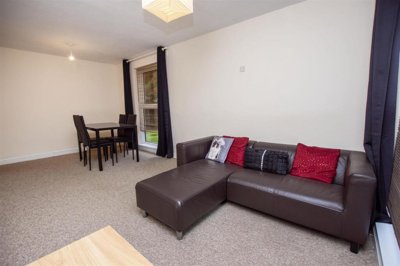
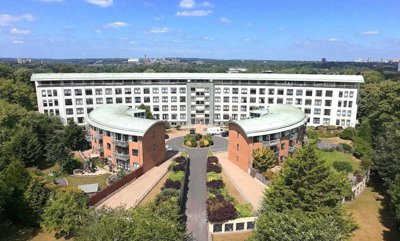
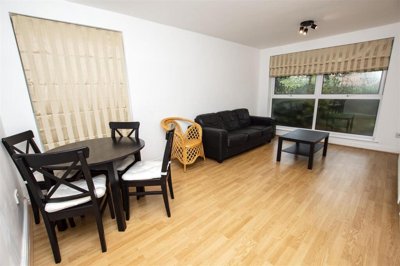
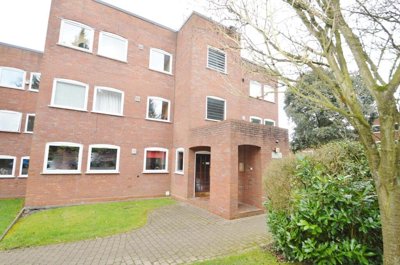
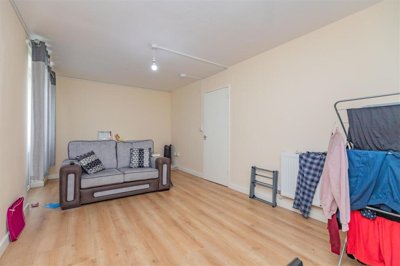
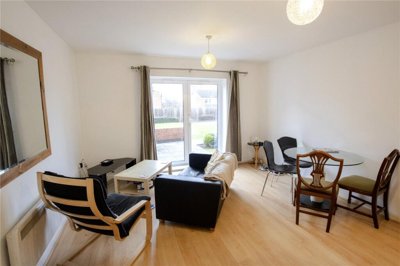
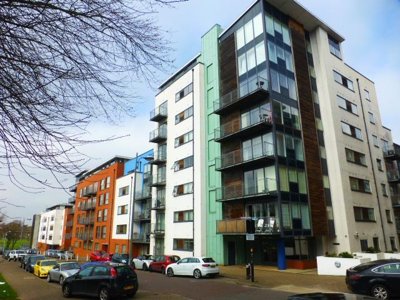
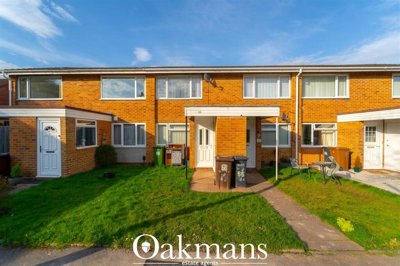
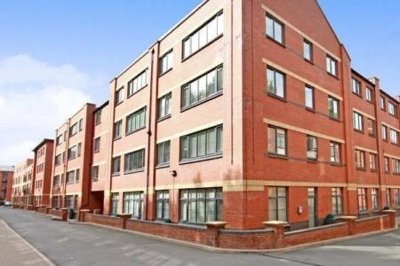
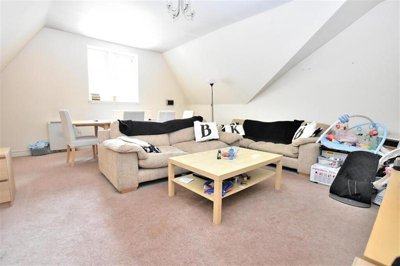
The 2 bed flat sector typically includes two separate bedrooms, dedicated living areas, and bathroom facilities. Properties in Birmingham span purpose-built blocks, converted period houses, and modern apartment complexes on various floors.
£1,050/m
87
4
61
Source: home.co.uk
Showing 87 results for 2 Bedroom Flats to rent in Birmingham, West Midlands. 4 new listings added this week. The median asking price is £1,050/month.
Source: home.co.uk
Flat
87 listings
Avg £1,091
Source: home.co.uk
Source: home.co.uk
homedata.co.uk records put Birmingham almost flat over the last year, with the average house price shifting by only 0.1% between December 2024 and December 2025. Across the Birmingham postcode area, the 12-month sales count reached 17,400, down 18.3%, or about 4,300 transactions. That points to choosier buyers, not a small market. For renters, a slower sales tempo can leave a broader run of homes on the market, from different price bands and different building periods. We still see steady interest in flats and smaller homes near rail hubs through the year.
The latest data set shows a clear spread by property type. Detached homes averaged £437,000, semi-detached homes £273,000, terraced homes £220,000 and flats or maisonettes £146,000. Sales share was led by semis at 35.4%, with terraced homes at 31.4%, detached homes at 16.7% and flats at 16.5%, which fits Birmingham’s red-brick streets as much as its newer apartment blocks. New-builds accounted for 548 sales, or 3.1% of the total over the last 12 months. Second-hand houses made up 6,957 transactions and 79% of the market, giving renters a choice between central build-to-rent schemes and older suburban homes.
For tenants, Birmingham’s housing range makes the trade-offs fairly plain. Central districts tend to mean apartments and shorter journeys into work, while inner and outer suburbs bring terraces, semis and larger family houses into the search. Our live search helps when you want to stay close to the city centre but still need room for a home office, children or a pet-friendly tenancy. Compare transport, parking and insulation carefully. In Birmingham, those costs can matter as much as the rent itself.

Birmingham reads less like one single place and more like neighbourhoods joined by canals, railways, high streets and green corridors. Red-brick terraces still shape many Victorian and Edwardian streets, and semi-detached homes form a large part of the rental stock. Newer apartment blocks have changed parts of the centre, especially where skyline and density have moved on. The result is a wide rental field, from compact flats for solo movers to larger period houses for families who need more space.
Ground conditions are worth taking seriously in Birmingham. Much of the city sits on Mercia Mudstone and sandstones from the Sherwood Sandstone Group, with glacial till and river deposits spread across the wider area. That means a moderate to high shrink-swell risk in many locations, particularly where older homes have shallow foundations or mature trees close to the building. Flooding is another local check. Streets near the Tame, Rea, Cole and Blythe can be affected by river or surface water risk, so we look at the address, not just the postcode.
Cannon Hill Park, Sutton Park, Bournville and the canal network give Birmingham useful breathing space, away from the denser streets. On the cultural side, the Jewellery Quarter, Colmore Row, Digbeth and the centre bring bars, restaurants, heritage buildings and smaller businesses into the same rental picture. Conservation areas, including the Jewellery Quarter, Bournville Village and parts of Edgbaston, protect local character but may restrict alterations. Good to know before you fall for sash windows or shopfront detailing.
School catchments often set the starting point for family searches in Birmingham. The city has a strong range across primary, secondary and post-16 education, with selective schools such as King Edward VI Camp Hill School for Boys, King Edward VI Camp Hill School for Girls, Handsworth Grammar School and King Edward VI Aston School often appearing on parent shortlists. Edgbaston, Harborne, Moseley, Bournville and Sutton Coldfield also come up regularly because housing choice and school access can line up well. Boundaries change, though. The exact address matters.
Across Birmingham, renters will find maintained schools, academies and independent schools, plus sixth-form and further-education routes. Birmingham Metropolitan College and South & City College Birmingham add vocational options, while the University of Birmingham, Aston University and Birmingham City University shape the rental market around their campuses. One- and two-bed homes tend to see regular interest in Selly Oak, Edgbaston and the centre because of that student and academic presence. Landlords in those areas are often used to sharers and postgraduates.
Moving with children? View the street at school-run time, not just on a quiet afternoon. Traffic, bus reliability and walking routes can change the feel of a place quickly, especially around Birmingham schools where drop-off pressure builds fast. We tell renters to look beyond exam results or Ofsted status and test the daily journey, green space and after-work parking. The right choice is usually found in the detail.

Birmingham’s rail network does a lot of the work for renters. New Street, Moor Street and Snow Hill anchor the city centre, with suburban stations giving tenants a way to commute without driving every day. Fast services run to London, Manchester, Liverpool, Bristol and many other major destinations, which suits hybrid workers who need reliable intercity travel. It is one reason flats near the centre and homes close to stations rarely sit unnoticed for long.
Bus coverage is extensive, and the West Midlands Metro adds useful options on key corridors. Drivers have the M6, M5 and M42 nearby, although rush-hour traffic can bite around the ring road and the main approaches into the centre. Cycling has improved as well, with canal towpaths, urban cycle routes and quieter residential streets giving some commuters a workable alternative. Parking is tighter in central districts and certain conservation areas, so a dedicated space can change the rental calculation.
Commute style varies sharply by area. The city centre, Jewellery Quarter and Digbeth suit people who prefer walking, rail or tram routes, while renters in Harborne, Erdington, Selly Oak, Moseley or Sutton Coldfield often mix train, bus and car depending on where they work. Test the route at your normal travel time. A midday viewing will not tell you what the A38, local buses or station platforms feel like at rush hour.
Start with a Birmingham rental budget agreement in principle, then add up the rent, deposit, moving costs and monthly bills you can manage without strain.
Compare central Birmingham apartments with suburban terraces and family houses, so the area fits your commute, school plans and day-to-day routine.
Good homes in Birmingham can be taken quickly, especially near New Street, the universities and familiar suburbs such as Harborne or Moseley.
In older Birmingham red-brick properties, check damp, insulation, window condition, boiler age, communal areas and any sign of movement.
Read the tenancy agreement, deposit terms, EPC and inventory carefully, then ask how maintenance, parking and utility responsibilities work in the Birmingham property.
Once checks are complete in Birmingham, pay the deposit, confirm the move-in date, photograph the property on day one and keep every document together.
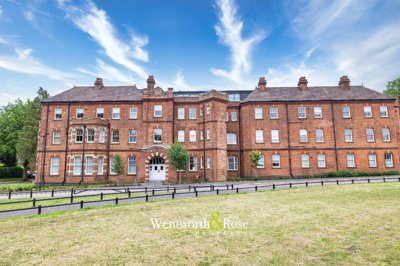
Birmingham’s older stock rewards a careful viewing, particularly where Victorian terraces, Edwardian semis and period conversions dominate the street. Red-brick homes can be attractive and in handy locations, but they may show damp, heat loss or minor movement if roofs are ageing, ventilation is poor or pointing has failed. Mercia Mudstone and clay-rich ground can add shrink-swell risk, so ask how long any house has been monitored for movement if it is not a newer flat. A decent letting agent should answer plainly.
Flood risk needs its own check, particularly close to river corridors or low-lying urban pockets where surface water gathers after heavy rain. Ask whether basements, underpasses or ground-floor rooms have had recent water issues, and whether local drainage has caused problems. Flats bring a different set of questions. Confirm what the service charge covers, whether communal maintenance is included in the rent and how the landlord deals with leasehold duties. Ground rent usually sits with the landlord, but the building’s wider costs are still useful background.
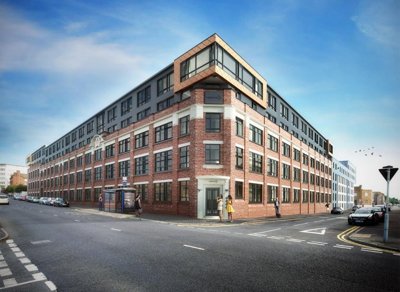
Conservation areas can look special, but they often come with stricter rules on alterations, windows, external fittings and some repairs. If you are renting in the Jewellery Quarter, Bournville, Colmore Row or parts of Edgbaston, ask what changes are allowed and whether existing modifications have permission. New-build apartments may be simpler to maintain, though parking limits, cladding questions or shared facilities can affect daily life. Newest is not automatically best. Structure, running costs and location have to fit your plans.

Live rent prices move often, so our Birmingham search is best checked on the day you plan to move. As a market guide, homedata.co.uk records show the city’s average sold price at £233,000, with flats at £146,000 and terraced homes at £220,000. That helps explain why one and two-bed rentals near the centre can be contested. Central apartments, student lets and family houses all price differently, so compare similar homes in the same part of Birmingham rather than leaning on city-wide averages.
Birmingham properties fall across council tax Bands A to H under Birmingham City Council. Smaller flats and terraces are often in the lower bands, while larger detached homes and some higher-priced family houses can sit further up the scale. The exact band comes from the property’s valuation history, not the rent being advertised today. Check it before signing. It can shift your monthly outgoings by more than expected.
Many Birmingham renters with children look closely at the King Edward VI schools, Handsworth Grammar School and King Edward VI Aston School, especially where selective entry or sixth-form strength is part of the plan. Edgbaston, Harborne, Moseley, Bournville and Sutton Coldfield are also common search areas because the school map and housing stock can work together. Ofsted ratings and catchments move over time, so check the exact address rather than relying on a school’s name. View with the school run in mind.
Birmingham is a major UK transport hub outside London. New Street, Moor Street and Snow Hill give the city direct rail services, while buses and the West Midlands Metro cover many main commuter corridors. Drivers have the M6, M5 and M42 nearby, though traffic can be heavy around the centre and ring road. For many renters, the combination of rail, bus, tram and motorway routes is a practical advantage.
Yes, Birmingham suits a wide range of renters because city-centre apartments, student-friendly homes, family terraces and larger suburban houses sit within one local authority area. Employment, universities and cultural venues keep areas such as the centre, Edgbaston, Selly Oak, Moseley and Harborne active throughout the year. Older homes need sharper checks for damp, insulation and movement, so the property’s condition matters as much as the postcode. If choice and day-to-day practicality are the aim, Birmingham is a sensible place to rent.
Most tenants pay a holding deposit, usually one week’s rent, then a tenancy deposit that is normally capped at five weeks’ rent for homes under £50,000 annual rent. The first month’s rent in advance may also be due, along with any agreed bills, furnishings or parking charges. Extra costs can include referencing, replacement keys or optional service items, but the fee structure should be clear before you commit. If you later compare renting with buying, the current stamp duty bands are 0% up to £250,000, 5% from £250,000 to £925,000, 10% from £925,000 to £1.5 million and 12% above that, with first-time buyer relief running to £425,000 and then 5% to £625,000.
The city centre, Jewellery Quarter, Digbeth and parts of Edgbaston are often chosen by renters who want quicker work journeys, evening venues and newer apartment stock. Harborne and Moseley can suit people who want a more residential setting without cutting themselves off from the centre. Rental choice runs from studio flats to larger shared homes, so match the area to your work pattern and social plans. Need a shorter journey home at night? Start near the rail stations or Metro routes.
Renting in Birmingham usually begins with three figures, the monthly rent, the deposit and the first month’s payment. Under current tenancy rules, the deposit is typically capped at five weeks’ rent for most homes, and the holding deposit is usually one week’s rent if you need to secure a property quickly. Bills then add another layer, particularly in older homes where heating, electricity or water use may be higher than expected. Check EPC ratings, boiler condition and insulation before you commit, not after move-in day.
Older Birmingham homes can look affordable online but cost more once energy use, parking and council tax are added. Centre flats may reduce travel spend, while larger suburban houses can give more space at the cost of longer journeys and higher utility bills. If the property sits in a conservation area or historic conversion, ask about maintenance arrangements, lift access, communal repairs and any building charges that sit alongside the rent. Small details can outweigh a modest difference in advertised rent.
Renters who may buy later should keep Birmingham’s wider sales market in view. homedata.co.uk records show a city average sold price of £233,000, still well below many southern markets and part of the reason future buyers see such a broad spread of homes. If you later move from renting into ownership, the current stamp duty bands are 0% up to £250,000, 5% from £250,000 to £925,000, 10% from £925,000 to £1.5 million and 12% above that, with first-time buyer relief to £425,000 and then 5% to £625,000. For now, line up your budget, compare live listings and be ready when a home fits your finances and daily routine.
Properties to Rent In London

Properties to Rent In Plymouth

Properties to Rent In Liverpool

Properties to Rent In Glasgow

Properties to Rent In Sheffield

Properties to Rent In Edinburgh

Properties to Rent In Coventry

Properties to Rent In Bradford

Properties to Rent In Manchester

Properties to Rent In Birmingham

Properties to Rent In Bristol

Properties to Rent In Oxford

Properties to Rent In Leicester

Properties to Rent In Newcastle

Properties to Rent In Leeds

Properties to Rent In Southampton

Properties to Rent In Cardiff

Properties to Rent In Nottingham

Properties to Rent In Norwich

Properties to Rent In Brighton

Properties to Rent In Derby

Properties to Rent In Portsmouth

Properties to Rent In Northampton

Properties to Rent In Milton Keynes

Properties to Rent In Bournemouth

Properties to Rent In Bolton

Properties to Rent In Swansea

Properties to Rent In Swindon

Properties to Rent In Peterborough

Properties to Rent In Wolverhampton

Enter your details to see if this property is within your budget.
Loans, cards, car finance
Estimated property budget
Borrowing + deposit
You could borrow between
Typical borrowing
Monthly repayment
Est. at 4.5%
Loan-to-value
This is an estimate only. Your actual budget may vary depending on interest rates, credit history, and personal circumstances. For an accurate affordability assessment, speak to one of our free mortgage advisors.
This calculator provides estimates for illustrative purposes only and does not constitute financial advice. Your home may be repossessed if you do not keep up repayments on your mortgage. Estimates based on 4.5% interest rate, repayment mortgage. Actual rates depend on your circumstances.
Homemove is a trading name of HM Haus Group Ltd (Company No. 13873779, registered in England & Wales). Homemove Mortgages Ltd (Company No. 15947693) is an Appointed Representative of TMG Direct Limited, trading as TMG Mortgage Network, which is authorised and regulated by the Financial Conduct Authority (FRN 786245). Homemove Mortgages Ltd is entered on the FCA Register as an Appointed Representative (FRN 1022429). You can check registrations at NewRegister or by calling 0800 111 6768.

We use cookies to show you personalised content and improve your experience of our website. Find out more in our Privacy policy and Cookie policy.