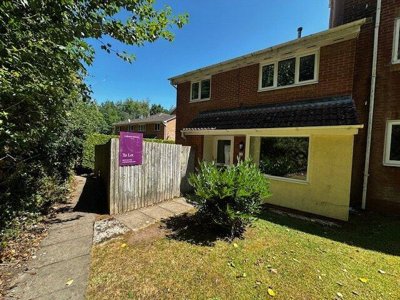
Browse 3 rental homes to rent in Barrow from local letting agents.
The 2 bed flat sector typically includes two separate bedrooms, dedicated living areas, and bathroom facilities. Properties in Barrow span purpose-built blocks, converted period houses, and modern apartment complexes on various floors.
The Barrow rental market reflects the unique economic drivers of this Cumbrian town. BAE Systems employs thousands of skilled workers at its submarine manufacturing facility, creating sustained demand for rental accommodation across all property types. Manufacturing accounts for 29% of all jobs in Barrow, nearly four times the national average, and average annual earnings of £36,300 significantly exceed the UK average of £31,800. This economic strength translates into a stable rental market where quality properties near employment hubs attract consistent interest from professionals seeking long-term tenancies.
Our data shows that one and two-bedroom terraced houses generate the highest rental interest, particularly those in Ormsgill, Hindpool, and the neighbourhoods closest to the shipyard. The local housing stock is predominantly terraced, with 52% of properties built in this style, and 45% of all homes dating from before 1919. Semi-detached family homes in Newbarns and Rating provide additional options for households seeking more space, with three-bedroom properties commanding premium rents during periods of low availability. Detached properties in prestigious addresses such as Thorncliff and the quieter streets near Furness General Hospital typically achieve the highest rents, while purpose-built flats in the town centre offer more modest monthly commitments.
Average house prices in Barrow-in-Furness currently sit around £178,000, significantly below the national average, which translates to relatively accessible rental costs. House prices have risen by approximately 2% annually over recent years, in line with broader regional trends. New developments like Abbey Heights on Dalton Lane, featuring three to five-bedroom homes from Oakmere Homes priced from £450,000 to £635,000, bring modern housing to the area, though these are primarily sold rather than rented. The Marina Village regeneration project in the docklands area continues to transform former industrial land, offering apartments and family homes as part of a long-term urban renewal programme.

Life in Barrow-in-Furness revolves around the interplay of maritime industry, Victorian heritage, and access to spectacular Cumbrian coastline. The town centre features the striking Town Hall, built from local red sandstone in 1887, alongside the historic Library and the remnants of an ambitious Victorian urban plan that included wide avenues and civic spaces. The Central Barrow Conservation Area incorporates this civic core, though heritage assessments indicate that several historic buildings within it require maintenance investment to preserve their character for future generations.
Residents appreciate the practical amenities on offer, including the Portland Park Shopping Centre, regular markets in the town square, and an expanding selection of cafes and independent restaurants that have emerged in recent years. The presence of over 270 listed buildings throughout the town reflects its rich architectural heritage, from the Grade I listed Furness Abbey dating from 1127 to the Victorian tenements built for shipyard workers in the 1880s. Local building materials reflect this history, with sandstone prominent in public buildings and docks, while brick tenements in areas like Hindpool and Ormsgill provided accommodation for the industrial workforce.
The surrounding landscape shapes daily life in ways that urban dwellers might not expect. Walney Island, accessible via two bridges, offers seven miles of beach and the Walney Island nature reserve, home to nesting seabirds and grey seals. However, Walney Island faces significant coastal erosion challenges, identified as one of the five worst-hit locations in the UK for beach retreat at five times the national average. The Duddon Estuary provides opportunities for birdwatching and watersports, while the Lake District mountains begin just twenty miles north, making weekend hiking readily achievable. Demographically, Barrow has an older population profile than many English towns, with a median age of 44, reflecting both the stability of local employment and the appeal of established communities for families and retirees alike.

Families considering a move to Barrow-in-Furness will find a comprehensive education system serving children from nursery through to sixth form. Primary education is well-represented across the town, with schools including Barrow Central Primary School, which serves the historic town centre, and St Bernards Primary Catholic Primary School offering faith-based education. Ofsted-rated Good schools in the area include several that serve the Newbarns and Walney communities, providing parents with reasonable confidence in primary provision regardless of their precise location within the borough. The oldest surviving properties in these neighbourhoods, including cottages and farmhouses dating to the early 17th century, sit alongside modern family housing that appeals to households with school-age children.
Secondary education in Barrow centres on several established institutions. Barrow-in-Furness High School and Dalton School provide comprehensive secondary education, while St Benedict's Catholic High School serves students from Catholic primary backgrounds. Sixth form provision is available at these schools as well as at Furness Academy, which offers A-level courses alongside vocational qualifications. For families requiring early years childcare, numerous nurseries operate across the town, with several located near major employment areas to facilitate working parents. The presence of the University of Cumbria campus in Barrow means that higher education options exist locally, reducing the need for young people to relocate solely for undergraduate study. Many primary schools feed into the secondary schools detailed above, making catchment area awareness important when selecting a rental property.

Transport connectivity defines the experience of living in Barrow-in-Furness, particularly for those who commute beyond the town. The Barrow railway station sits on the Cumbrian Coast Line, with direct services running to Carlisle via Workington and Whitehaven, and connecting services to Lancaster and Manchester via the West Coast Main Line at Carnforth. Journey times to Lancaster take approximately one hour and forty minutes, while reaching Manchester Piccadilly requires around three hours with a change. For those working in the shipyard, the walk from the station to the BAE Systems entrance takes roughly twenty minutes through the town centre.
Road travel provides the primary option for many residents, with the A590 trunk road connecting Barrow to the M6 motorway at Kendal, approximately fifty miles to the east. The journey to Lancaster by car takes around one hour, while Manchester lies roughly two hours away under normal traffic conditions. Bus services operated by Stagecoach provide local connectivity throughout the peninsula, including services to Walney Island and the nearby town of Dalton-in-Furness. Dalton, the second-largest town in Furness, offers additional rental options for those seeking more affordable accommodation while maintaining access to Barrow's employment opportunities. The average commute time for Barrow residents is notably shorter than in major cities, reflecting both the compact nature of the town and the concentration of employment at the shipyard.
Barrow has invested in active travel infrastructure in recent years, with cycle paths improving along key routes, though the hilly terrain to the north of the town presents challenges for less confident cyclists. For air travel, Liverpool John Lennon Airport and Manchester Airport offer international connections within approximately two and a half hours drive. The Furness Peninsula's relative remoteness means that personal transport remains advantageous, though remote working has enabled many residents to reduce their commuting frequency while maintaining employment with national employers.

Renting a property in Barrow-in-Furness requires attention to several local factors that do not apply in every UK town. The significant proportion of older housing stock means that many rental properties were built before modern construction standards, with solid walls rather than cavity insulation and original damp-proof courses that may have degraded over time. Research indicates that 14% of private sector housing stock in Barrow contains Category 1 hazards under the Housing Health and Safety Rating System, exceeding the national average in some categories. Tenants should carefully inspect for signs of dampness, particularly in ground-floor rooms and basements where rising damp can occur, especially in properties built before cavity walls became standard in the 1920s and 1930s.
Flood risk awareness is essential when choosing a rental property in this coastal location. While the main urban areas of Barrow benefit from substantial investment in drainage infrastructure, certain neighbourhoods face elevated risk from surface water flooding during periods of heavy rainfall. Properties near the Duddon Estuary shoreline, in low-lying areas of Walney Island, and along the Poaka Beck corridor merit additional investigation regarding flood history and mitigation measures. Walney Island is particularly vulnerable to coastal erosion and sea-level rise, with areas near Biggar village at ongoing risk during storm events. Properties around Rampside and Roa Island face tidal flooding risks that require specific insurance considerations. Prospective tenants should request information about any previous flooding incidents and check the current Environment Agency flood warnings before committing to a tenancy.
Conservation areas and listed buildings require additional consideration for tenants planning modifications. The Barrow Island Conservation Area contains dozens of historic shipyard buildings and Victorian tenements, with 14 listed buildings within its boundaries. The Central Barrow Conservation Area incorporates 37 listed buildings including the Town Hall and Public Library, while St George's Square Conservation Area holds nine listed buildings developed under the Furness Railway Company in the 19th century. Properties listed at Grade I, II, or II* face even stricter controls, and tenants should clarify their intended use with landlords before signing agreements if any works are anticipated. Many rental properties in these areas benefit from historic features that add character, but they may also carry higher maintenance obligations under the terms of typical Assured Shorthold Tenancies.
The legacy of iron ore mining in the Furness Peninsula creates additional considerations for tenants in certain areas. Historical mining operations around Askam, Park, Yarlside, Lindal, and other localities left underground voids that required ongoing management, with the Hodbarrow mine requiring extensive slurry filling to prevent instability. While subsidence is not widespread, properties in former mining areas may require specific structural assessments, and tenants should request building condition information during the viewing process. The presence of clay soils throughout the area creates potential for shrink-swell movement, particularly affecting older properties with shallow foundations that were constructed before modern building regulations.
Obtain a rental budget agreement in principle before beginning your property search. This document from a mortgage broker or financial adviser demonstrates your capacity to afford monthly rent, which landlords in competitive areas like Barrow often require before agreeing to viewings. With typical monthly rents ranging from £895 for a flat to £1,300 for a bungalow, understanding your affordability limits streamlines the search considerably.
Browse our comprehensive database of rental properties in Barrow-in-Furness, filtering by bedrooms, price range, and property type. Set up instant alerts to receive new listings by email, as desirable properties in areas near BAE Systems can attract multiple enquiries within days of appearing. Consider widening your search to include Dalton-in-Furness and nearby villages if you have flexibility regarding precise location, as these areas often offer lower rents while maintaining reasonable commute times.
Contact landlords or letting agents to schedule viewings of shortlisted properties. Prepare questions about the property condition, included appliances, heating system age, and any planned maintenance. View multiple properties before making decisions, as stock varies significantly between Victorian terraces requiring modernisation and recently renovated homes offering contemporary comfort. Pay particular attention to insulation quality in older properties, as solid-walled construction can result in higher heating costs.
Once you have found a suitable property, complete the tenant referencing application promptly. Letting agents typically require proof of identity, employment details, and references from previous landlords. With demand for quality rental properties in Barrow remaining steady, particularly near the shipyard, delays in submitting applications can result in losing properties to other applicants. Ensure your references are prepared in advance to avoid administrative delays during this critical stage.
Review the Assured Shorthold Tenancy agreement carefully before signing, paying particular attention to the deposit amount, notice periods, and responsibilities for repairs and maintenance. Ensure you receive the government-required How to Rent guide and that your deposit is protected in a government-approved scheme within thirty days of commencement. For properties in conservation areas or listed buildings, clarify any restrictions on decorations or modifications with your landlord before signing.
Meet the letting agent or landlord for a thorough check-in inspection on your move-in date. Document the condition of all rooms, fixtures, and fittings using photographs and written notes. This inventory protects you from unfair deductions when you eventually vacate, providing evidence of the property's condition at the start of your tenancy. Pay special attention to any existing damage, moisture marks, or worn finishes that might be misinterpreted as damage caused during your tenancy.
Understanding the upfront costs of renting helps you budget effectively when moving to Barrow-in-Furness. Tenant deposit amounts typically equal five weeks rent, capped at five weeks where the annual rent exceeds £50,000. For a property renting at £895 per month, this means a deposit of approximately £1,030. The Tenant Fees Act 2019 prohibits landlords and agents from charging most fees beyond the deposit and first month's rent, though you may still encounter charges for holding deposits of up to one week's rent while referencing checks proceed. First month's rent is payable in advance at the start of your tenancy, so total upfront costs typically range from £1,925 to £3,930 depending on the property price.
Ongoing rental costs in Barrow remain competitive compared to most English towns. Council tax bands vary by property, with Victorian terraced houses typically falling into bands A to C, meaning monthly bills of approximately £100 to £140 depending on the specific valuation for your property. Band A properties in the Westmorland and Furness Council area currently pay approximately £1,200 annually, while band D households pay around £1,700 per year. Tenants should confirm the specific band with landlords or agents before budgeting, as the age and type of property generally determine the banding.
Utility costs require consideration for older properties with solid walls, as heating expenses may exceed those in modern insulated homes. Properties in conservation areas may face additional maintenance responsibilities that tenants should clarify with landlords before committing. Energy Performance Certificate ratings vary considerably across the local housing stock, so requesting this information before signing helps estimate future running costs. Properties with solid walls rather than cavity insulation typically fall into lower EPC bands, meaning higher estimated energy costs that should factor into your budget calculations.

Average rental prices in Barrow-in-Furness reflect the local property market, with flats typically ranging from £895 per month. Two-bedroom properties commonly advertise around £895 monthly, while three-bedroom bungalows range at approximately £1,300 depending on condition and location. These figures sit well below the national average, with affordability ratios of approximately 1:4 comparing property prices to annual earnings, compared to 1:8 nationally, making Barrow an exceptionally affordable option for renters.
Council tax bands in Barrow-in-Furness follow the standard England banding system based on 1991 property values. The majority of Victorian terraced houses fall into bands A, B, or C, with semi-detached and detached properties occupying bands C through E. Band A properties in the Westmorland and Furness Council area currently pay approximately £1,200 annually, while band D households pay around £1,700 per year. Tenants should confirm the specific band with landlords or agents before budgeting, as new build properties may have different banding from older equivalents.
Barrow-in-Furness offers good educational provision across all levels. Primary schools including Barrow Central Primary and St Bernards Primary serve the town centre well, while Newbarns Primary and Walney School provide strong options for families in those neighbourhoods. Secondary education is well-served by Barrow-in-Furness High School, Dalton School, and St Benedict's Catholic High School, all of which maintain solid academic records. Sixth form options include Furness Academy and the sixth forms at local secondary schools, with the University of Cumbria campus providing higher education opportunities locally.
Public transport connectivity in Barrow centres on the railway station offering Cumbrian Coast Line services to Carlisle, with connections to Manchester and the West Coast Main Line at Carnforth. Bus services operated by Stagecoach provide extensive local coverage throughout the peninsula, including services to Walney Island and Dalton-in-Furness. Road access via the A590 connects to the M6 motorway at Kendal, approximately fifty miles east. However, those commuting daily to major cities beyond Cumbria will find car travel more practical than relying solely on public transport, given the three-hour train journey to Manchester.
Barrow-in-Furness offers excellent value for renters seeking affordable accommodation in a town with strong employment prospects and genuine community spirit. The presence of BAE Systems provides job security and attracts investment that supports local services and amenities, with manufacturing employment nearly four times the national average. Average earnings of £36,300 exceed national figures, meaning residents enjoy higher purchasing power relative to local costs. The surrounding natural landscape, including coastal walks on Walney Island and proximity to the Lake District, adds quality of life that urban locations cannot match. While the town lacks the nightlife and cultural venues of larger cities, families and those prioritising affordability and outdoor recreation often find it highly suitable.
Tenants in Barrow-in-Furness typically pay a security deposit equivalent to five weeks rent, capped at five weeks for properties with annual rents below £50,000. The first month rent is payable in advance, and holding deposits of up to one week's rent may be requested while referencing proceeds. Unlike the historical situation, tenants cannot be charged for administrative tasks such as credit checks or contract preparation under the Tenant Fees Act 2019, though inventory and check-out fees may still apply at tenancy end. Total upfront costs including first month rent and deposit typically range from £1,925 for a modest flat to £3,930 for a family home.
Flood risk in Barrow-in-Furness varies significantly by location. The main urban areas benefit from substantial drainage investment and face low flood risk from rivers and the sea. However, properties near the Duddon Estuary shoreline, in low-lying areas of Walney Island, and along the Poaka Beck corridor face higher risk from tidal and surface water flooding. Walney Island is particularly vulnerable to coastal erosion, identified as one of the five worst-hit locations in the UK for beach retreat at five times the national average, and areas near Biggar face ongoing risks from sea-level rise. Properties around Rampside and Roa Island also carry elevated tidal flooding risk. Prospective tenants should check Environment Agency flood warnings and request information about historical flooding before committing to properties in sensitive locations.
Barrow-in-Furness contains over 270 listed buildings and several designated conservation areas that can affect renting decisions. The Central Barrow, Barrow Island, and St George's Square conservation areas all contain numerous period properties, with buildings including Furness Abbey listed at Grade I due to their national architectural significance. Properties in conservation areas may require planning permission for external alterations, and listed building consent is needed for changes to any protected structure. These designations preserve the Victorian and Edwardian character that makes Barrow distinctive but require awareness from tenants planning any modifications to their rental property. The heritage condition of several conservation areas has been assessed as requiring improvement, which may affect maintenance standards in some period properties.
Employment in Barrow-in-Furness is heavily concentrated in manufacturing, which accounts for 29% of all jobs compared to approximately 7% nationally, largely due to BAE Systems submarine operations. The shipyard continues recruiting skilled workers for the Dreadnought programme, offering well-paid positions that drive rental demand across all property types. Public administration, education, and health sector employment accounts for 27.4% of jobs, while retail provides 14.5% of positions. Average annual earnings of £36,300 substantially exceed the national average of £31,800, giving residents significant spending power relative to local living costs.
The Barrow rental market has remained stable over recent years, with rental prices increasing by approximately 2% annually, in line with broader regional trends. House prices have risen by 7.4% over the twelve months to February 2026, though the market saw a decrease of 20.84% in total transaction volumes compared to the previous year, with 667 residential sales recorded. The population has declined by 2.4% since 2011 and is projected to decrease by a further 3.3% over the next decade, which may moderate future rental growth. New developments including Abbey Heights and the ongoing Marina Village regeneration are gradually increasing housing supply, though rental availability remains constrained in popular areas near employment centres.
From 4.5% APR
A rental budget agreement demonstrates your affordability to landlords, essential for securing properties in competitive areas near BAE Systems
From £30
Comprehensive referencing services prepare your application ahead of property viewings, helping you move quickly when you find the right home
From £375
A professional survey identifies defects in older properties before you commit, particularly valuable given 45% of local housing stock predates 1919
From £85
Energy Performance Certificates are required for all rental properties and help estimate heating costs in older solid-walled homes
Properties to Rent In London

Properties to Rent In Plymouth

Properties to Rent In Liverpool

Properties to Rent In Glasgow

Properties to Rent In Sheffield

Properties to Rent In Edinburgh

Properties to Rent In Coventry

Properties to Rent In Bradford

Properties to Rent In Manchester

Properties to Rent In Birmingham

Properties to Rent In Bristol

Properties to Rent In Oxford

Properties to Rent In Leicester

Properties to Rent In Newcastle

Properties to Rent In Leeds

Properties to Rent In Southampton

Properties to Rent In Cardiff

Properties to Rent In Nottingham

Properties to Rent In Norwich

Properties to Rent In Brighton

Properties to Rent In Derby

Properties to Rent In Portsmouth

Properties to Rent In Northampton

Properties to Rent In Milton Keynes

Properties to Rent In Bournemouth

Properties to Rent In Bolton

Properties to Rent In Swansea

Properties to Rent In Swindon

Properties to Rent In Peterborough

Properties to Rent In Wolverhampton

Enter your details to see if this property is within your budget.
Loans, cards, car finance
Estimated property budget
Borrowing + deposit
You could borrow between
Typical borrowing
Monthly repayment
Est. at 4.5%
Loan-to-value
This is an estimate only. Your actual budget may vary depending on interest rates, credit history, and personal circumstances. For an accurate affordability assessment, speak to one of our free mortgage advisors.
This calculator provides estimates for illustrative purposes only and does not constitute financial advice. Your home may be repossessed if you do not keep up repayments on your mortgage. Estimates based on 4.5% interest rate, repayment mortgage. Actual rates depend on your circumstances.
Homemove is a trading name of HM Haus Group Ltd (Company No. 13873779, registered in England & Wales). Homemove Mortgages Ltd (Company No. 15947693) is an Appointed Representative of TMG Direct Limited, trading as TMG Mortgage Network, which is authorised and regulated by the Financial Conduct Authority (FRN 786245). Homemove Mortgages Ltd is entered on the FCA Register as an Appointed Representative (FRN 1022429). You can check registrations at NewRegister or by calling 0800 111 6768.