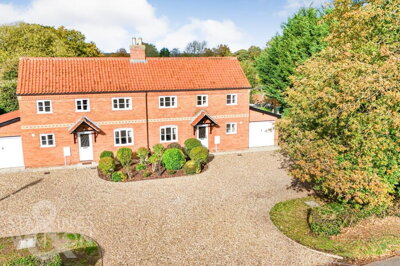
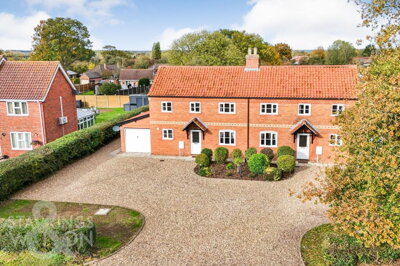
Browse 4 rental homes to rent in Aslacton, South Norfolk from local letting agents.
£0/m
0
0
0
Source: home.co.uk
£355,750 - £450,000
Average Sold Price
27%
Annual Price Growth
152-205 properties
12-Month Sales
NR15
Primary Postcode
The rental market in Aslacton reflects the character of this rural Norfolk village, offering a selection of properties that cater to different lifestyle needs. Property values in the area have shown remarkable resilience and growth, with the average house price reaching approximately £355,750 according to recent sold price data. This represents a 27% increase compared to the previous year, demonstrating strong buyer demand that often translates into the rental market. For those seeking to rent rather than buy, this growth suggests a healthy lettings market with consistent tenant demand.
New build activity in the wider NR15 area includes developments such as Old Coopers Yard, which offers contemporary 3 and 4 bedroom detached houses priced from £425,000 to £635,000. While these are primarily sale properties, new developments often stimulate local rental demand as professionals relocate to the area. The predominant housing stock in Aslacton likely comprises detached and semi-detached properties, given the village setting and the broader Norwich area data showing detached properties at 37.1% of housing stock. Flats remain relatively rare in rural villages like Aslacton, meaning those seeking rental accommodation may find a higher proportion of houses and cottages available.
Street-specific price data illustrates the variety within Aslacton's property market. The Street averages £326,349, while Sneath Road properties command around £450,000 and Station Road homes reach approximately £480,000. Wash Lane properties average £415,000. These variations reflect differences in property type, condition, and exact location within the village. For renters, this diversity means options exist across different price points, though rental prices will typically sit below equivalent sale values while maintaining strong demand given the limited stock typical of rural villages.
Life in Aslacton embodies the essence of rural Norfolk living, offering residents a peaceful environment with the practical benefits of modern connectivity. The village maintains its traditional character with properties along historic lanes such as The Street, Station Road, and Wash Lane, each contributing to the area's distinctive charm. The local community benefits from an active village atmosphere where neighbours know one another and local events bring residents together throughout the year. This strong sense of community makes Aslacton particularly appealing to families and those seeking a slower pace of life.
The NR15 postcode area, which encompasses Aslacton and surrounding villages, benefits from proximity to essential amenities while preserving its countryside character. Residents typically travel to nearby Long Stratton for everyday shopping and services, with Norwich city centre accessible for those seeking larger retail centres, healthcare facilities, and cultural attractions. The surrounding Norfolk countryside offers excellent opportunities for walking, cycling, and enjoying the natural beauty of the region, with public footpaths and country lanes providing scenic routes through farmland and woodland. The village's location provides a balanced lifestyle, combining the tranquility of rural living with reasonable access to employment centres and urban amenities.
Housing stock in Aslacton skews heavily towards detached and semi-detached properties, consistent with the broader South Norfolk pattern where detached homes comprise 37.1% of stock and semi-detached properties account for a further 25.9%. This contrasts sharply with urban areas where terraced properties and flats dominate. Renters in Aslacton can therefore expect accommodation that typically includes gardens, off-street parking, and generous living space, though furnished rentals may be less common than in cities. The village's relative scarcity of flatted development means rental options centre on houses and cottages rather than apartment-style living.

Families considering a rental property in Aslacton will find educational provision available through nearby villages and towns within reasonable travelling distance. Primary education is typically accessed through village schools in the surrounding area, with the broader South Norfolk region offering a selection of primary schools serving rural communities. Researching specific school performance and catchment areas is essential when selecting a rental property, as admission policies often prioritise children living within designated boundaries. Parents should contact Norfolk County Council education services for the most current information on school placements and availability.
Secondary education options in the area include schools in nearby market towns, which students typically access via school transport services. The presence of good secondary schools can significantly impact the desirability of rental properties for families with school-age children, making this a critical consideration during property searches. Sixth form and further education provision is available in Norwich, which offers a diverse range of educational pathways including A-levels, vocational courses, and specialist training. For renters with children of any age, understanding local school provision and transport arrangements should form a key part of the decision-making process when evaluating properties in the Aslacton area.
When renting in Aslacton, families should verify current school transport routes and timings, as rural bus services may not align with school start times in larger towns. Properties along Station Road or The Street may offer convenient access to routes serving schools in Long Stratton or further afield. Renting in the village provides families with more space and lower housing costs than comparable properties nearer Norwich schools, though factoring in transport time and costs is essential for accurate budgeting. Norfolk County Council maintains online information about school catchment areas and transport eligibility that prospective renters should consult before committing to a tenancy.

Transport connectivity from Aslacton centres on road networks, with the village positioned to take advantage of Norfolk's rural road network while maintaining reasonable access to major routes. The A140 runs through nearby Long Stratton, providing connections to Norwich to the east and the market town of Bungay to the west. For commuters working in Norwich, the journey time by car typically ranges from 25 to 40 minutes depending on traffic conditions and the specific destination within the city. The village's position offers a practical balance between peaceful rural living and accessible employment opportunities.
Public transport options in rural Norfolk villages like Aslacton typically centre on bus services connecting to larger settlements. Norfolk's bus network provides links to Norwich and surrounding towns, though service frequencies may be limited compared to urban areas. Rail connections are available at Norwich railway station, which offers East Anglia's mainline services including direct trains to London Liverpool Street, typically taking around 90 minutes to two hours. For those working in Norwich or preferring to reduce car dependency, understanding local bus timetables and planning journeys accordingly is essential when considering a rental property in Aslacton.
Parking availability in the village tends to be adequate given the lower density of housing, which contrasts favourably with urban rental situations. Properties along Sneath Road and Wash Lane typically offer off-street parking or driveways, while the village lanes accommodate on-street parking without the congestion common in towns. This makes Aslacton practical for households with multiple vehicles or those needing space for work vehicles. Renters should factor vehicle ownership into their budget, as the limited public transport means most residents rely on cars for daily travel to work, school, and amenities.

Before viewing properties, obtain a rental budget agreement in principle to understand how much you can afford. Consider all costs including rent, council tax, utilities, and moving expenses. Aslacton's rural location may mean different considerations than urban renting, including transport requirements and local service access. The village's position between Long Stratton and Norwich means commuting costs vary significantly depending on your workplace location.
Browse available rental listings in Aslacton and the surrounding NR15 postcode area through Homemove. Once you find suitable properties, arrange and attend viewings to assess the property condition, neighbourhood, and proximity to amenities. Take notes and photographs during viewings to help compare options later. Pay particular attention to property condition given Aslacton's older housing stock, noting the state of heating systems, roofs, and insulation.
When you find your ideal property, submit a rental application including references, proof of income, and identification. Landlords typically require tenant referencing checks covering credit history, employment status, and previous landlord references. Being well-prepared with documentation can expedite the application process. In competitive rural markets, having your references and budget agreement ready can make the difference when landlords have multiple applicants.
Upon acceptance, carefully review the tenancy agreement before signing. Ensure you understand all terms including the rental amount, deposit requirements, lease duration, and any special conditions. Your deposit will be protected in a government-approved deposit scheme within 30 days of the tenancy start date. For properties along historic lanes like The Street or Station Road, check whether any special conditions relate to conservation area requirements or listed building responsibilities.
Before moving in, conduct a detailed inventory check documenting the condition of the property and its contents. This protects both you and the landlord by ensuring you are not held responsible for pre-existing damage when your tenancy ends. Take date-stamped photographs as evidence of the property's condition at move-in. Given the age of many village properties, document any existing wear carefully including damp spots, cracked plaster, or weathered external features.
Arrange your move, transfer utilities into your name, and register with local services. Familiarise yourself with the village community, local amenities, and transport options. Getting involved in local activities can help you feel at home in your new Aslacton community quickly. Register with the local GP practice in Long Stratton and set up household bills with local or regional suppliers.
Renting a property in rural Aslacton requires consideration of factors specific to village and countryside living that may differ from urban rental situations. Property maintenance responsibilities should be clearly defined in your tenancy agreement, as rural properties may require additional upkeep of gardens, gutters, and exterior maintenance that landlords typically expect tenants to handle. Properties in the village often feature older construction methods and traditional building materials, which can affect insulation, heating efficiency, and ongoing maintenance requirements. Understanding these characteristics helps set realistic expectations for your rental experience.
Energy performance varies significantly across Aslacton's housing stock, with older cottages along The Street often featuring solid walls, single glazing, and older heating systems compared to more recent constructions on newer developments. Request the Energy Performance Certificate before committing, as heating costs in poorly insulated rural properties can substantially exceed expectations. Properties with modern condensing boilers and improved insulation will offer lower ongoing costs despite potentially higher rents. Ask landlords about recent improvements or planned upgrades to heating and insulation systems.
Flood risk assessment is worth considering for any property in Norfolk, though specific flood risk data for individual properties in Aslacton should be obtained from official sources. The county's geography means some areas may be susceptible to surface water flooding or proximity to watercourses, making it prudent to investigate this before committing to a tenancy. Conservation area considerations may affect properties in the village centre, potentially limiting permitted alterations or requiring adherence to specific aesthetic guidelines. Always request copies of any relevant certificates including gas safety records, electrical safety certificates, and energy performance certificates before signing your tenancy agreement.

Understanding the financial requirements for renting in Aslacton helps you budget effectively and avoid surprises during the application process. Deposits for rental properties are typically capped at five weeks' rent where the annual rent is less than £50,000, protected in a government-approved scheme within 30 days of receiving it. This protection ensures you can recover your deposit in full at the end of your tenancy, provided there is no damage beyond normal wear and tear or unpaid rent. First-time renters should also be aware that they may be eligible for relief from stamp duty on rental agreements, depending on individual circumstances.
Beyond the deposit, budget for additional upfront costs including agency fees if using a letting agent, advance rent payments typically one month in advance, and referencing fees for credit and employment checks. Ongoing costs during your tenancy will include monthly rent, council tax (banding varies by property in South Norfolk), utilities, and contents insurance which landlord insurance does not cover. Given Aslacton's rural setting, consider whether you will need a vehicle for daily transport, as this adds significant cost beyond housing expenses.
Council tax in South Norfolk varies by property band, with bands ranging from A through H depending on property value. Rural properties in Aslacton tend to include a mix of bandings, with smaller cottages potentially falling into bands A or B while larger detached family homes may be banded higher. Contact South Norfolk Council for specific banding information on properties you are considering, as council tax forms a significant part of monthly outgoings. Obtaining a rental budget agreement in principle before property hunting gives you a clear picture of what you can realistically afford across all housing costs.

Specific rental price data for Aslacton itself is not published separately, but the broader South Norfolk rental market reflects property values in the NR15 postcode area. Average sold prices in Aslacton have reached approximately £355,750 to £450,000 depending on the data source, with the market showing 27% growth over the previous year. Rental prices typically correlate with sale values in a given area, so properties in Aslacton generally fall within the mid-range for Norfolk villages. Contact local letting agents for current rental listings and pricing in the village.
Properties in Aslacton fall under South Norfolk Council for council tax purposes. Council tax bands in Norfolk vary by property depending on its valuation band, with bands ranging from A through H. Rural properties like those in Aslacton can fall across various bands depending on their size, type, and estimated value, with smaller properties along lanes like The Street often in lower bands than larger detached homes on Sneath Road or Station Road. Contact South Norfolk Council directly or check their website for specific bandings on properties you are considering renting.
Primary education in the Aslacton area is served by village schools in surrounding communities, with specific options depending on your exact location within the parish. Secondary schools are typically found in nearby market towns such as Long Stratton, with Norfolk County Council maintaining information on school capacities and admission arrangements. Research current Ofsted ratings and consider catchment areas when selecting a rental property if school placement is important to your household. Families renting along Station Road or near the village centre may find school transport routes more accessible than those living on the village periphery.
Public transport options in Aslacton reflect its rural village setting, with bus services providing connections to larger settlements including Norwich and Long Stratton. Service frequencies may be limited compared to urban areas, making car ownership more practical for many residents. Norwich railway station offers mainline rail connections including services to London Liverpool Street, typically taking 90 minutes to two hours, accessible by bus or car from Aslacton. If you rely on public transport, review current bus timetables carefully before committing to a rental property in the village, as weekend and evening services may be particularly sparse.
Aslacton offers an attractive rental proposition for those seeking peaceful rural living with reasonable access to urban employment and amenities. The village benefits from strong community spirit, beautiful countryside surroundings, and proximity to Norwich for those working in the city. Rental demand tends to be steady given the limited stock typical of rural villages, meaning properties that become available often attract interest quickly. For renters who value countryside character and community atmosphere over urban conveniences, Aslacton represents an excellent choice.
Renting a property in Aslacton typically requires a deposit equivalent to five weeks' rent, capped where annual rent is below £50,000. This deposit is legally protected in a government-approved scheme within 30 days of receipt. Additional costs may include advance rent, referencing fees, and potentially agency fees if using a letting agent. Budget for moving costs, initial utility setup, and potential furniture purchases if the property is unfurnished. Always request a full breakdown of costs before committing to a tenancy.
The rental market in Aslacton predominantly features detached and semi-detached houses, consistent with the village character and the broader South Norfolk pattern where detached properties comprise over 37% of housing stock. Cottage-style rentals along lanes like The Street and Wash Lane offer traditional Norfolk character with features such as exposed beams, inglenook fireplaces, and established gardens. These older properties appeal to renters seeking authentic countryside living but require consideration of higher heating costs and potential maintenance needs.
Newer properties in Aslacton, including those influenced by developments similar to Old Coopers Yard, may offer more modern specifications with contemporary kitchens, updated bathrooms, and improved insulation standards. While the Old Coopers Yard development itself comprises properties for sale, similar construction styles influence rental expectations in the area. Detached family homes with three or four bedrooms typically form the upper end of the rental market, offering generous space and gardens that justify higher rental figures. Flats remain scarce in the village, reflecting the predominantly residential character of this rural community.

Renting in Aslacton offers several advantages over purchasing in this village market where average sold prices have reached £355,000 to £450,000. The substantial capital required for a deposit and mortgage arrangements makes buying challenging for first-time buyers, whereas renting requires only a deposit and first month's rent upfront. Rental costs in the village typically remain lower than mortgage repayments on equivalent properties, leaving renters with more disposable income while enjoying the same village lifestyle and community benefits.
The strong property market performance in Aslacton, with prices rising 27% year-on-year and reaching 2% above the 2021 peak, suggests ongoing value growth that could eventually benefit buyers. However, this same growth has pushed purchase prices higher, making renting a practical stepping stone for those building deposits or uncertain about long-term commitments. Renters can enjoy the village lifestyle while monitoring the market for potential purchasing opportunities. Our team can advise on both rental options and mortgage budgeting if your plans include eventual purchase.

From 4.5%
Calculate what you can afford to spend on rent each month
From £99
Verification checks landlords require before approving tenants
From £85
Energy performance certificate required for all rental properties
From £95
Document property condition to protect your deposit
Properties to Rent In London

Properties to Rent In Plymouth

Properties to Rent In Liverpool

Properties to Rent In Glasgow

Properties to Rent In Sheffield

Properties to Rent In Edinburgh

Properties to Rent In Coventry

Properties to Rent In Bradford

Properties to Rent In Manchester

Properties to Rent In Birmingham

Properties to Rent In Bristol

Properties to Rent In Oxford

Properties to Rent In Leicester

Properties to Rent In Newcastle

Properties to Rent In Leeds

Properties to Rent In Southampton

Properties to Rent In Cardiff

Properties to Rent In Nottingham

Properties to Rent In Norwich

Properties to Rent In Brighton

Properties to Rent In Derby

Properties to Rent In Portsmouth

Properties to Rent In Northampton

Properties to Rent In Milton Keynes

Properties to Rent In Bournemouth

Properties to Rent In Bolton

Properties to Rent In Swansea

Properties to Rent In Swindon

Properties to Rent In Peterborough

Properties to Rent In Wolverhampton

Enter your details to see if this property is within your budget.
Loans, cards, car finance
Estimated property budget
Borrowing + deposit
You could borrow between
Typical borrowing
Monthly repayment
Est. at 4.5%
Loan-to-value
This is an estimate only. Your actual budget may vary depending on interest rates, credit history, and personal circumstances. For an accurate affordability assessment, speak to one of our free mortgage advisors.
This calculator provides estimates for illustrative purposes only and does not constitute financial advice. Your home may be repossessed if you do not keep up repayments on your mortgage. Estimates based on 4.5% interest rate, repayment mortgage. Actual rates depend on your circumstances.
Homemove is a trading name of HM Haus Group Ltd (Company No. 13873779, registered in England & Wales). Homemove Mortgages Ltd (Company No. 15947693) is an Appointed Representative of TMG Direct Limited, trading as TMG Mortgage Network, which is authorised and regulated by the Financial Conduct Authority (FRN 786245). Homemove Mortgages Ltd is entered on the FCA Register as an Appointed Representative (FRN 1022429). You can check registrations at NewRegister or by calling 0800 111 6768.