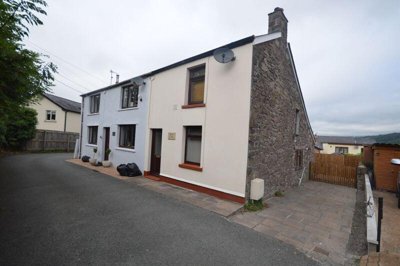
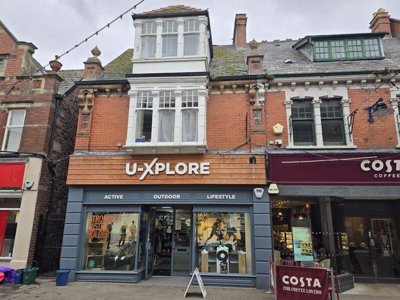
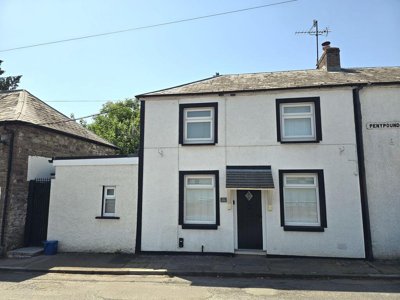
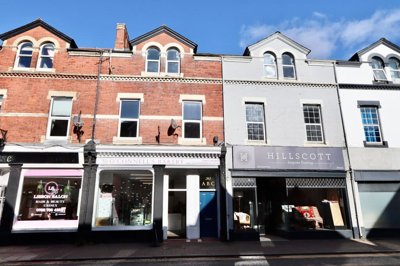
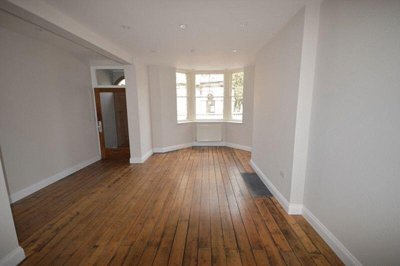
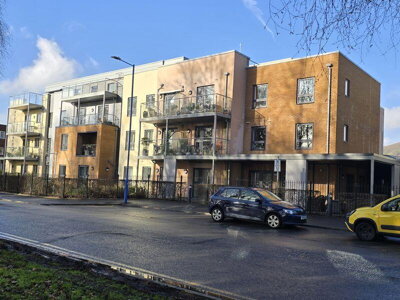
Browse 11 rental homes to rent in Abergavenny, Monmouthshire from local letting agents.
£923/m
4
0
46
Source: home.co.uk
Source: home.co.uk
Apartment
1 listings
Avg £850
Flat
1 listings
Avg £770
Retirement Property
1 listings
Avg £1,900
Semi-Detached Bungalow
1 listings
Avg £995
Source: home.co.uk
Source: home.co.uk
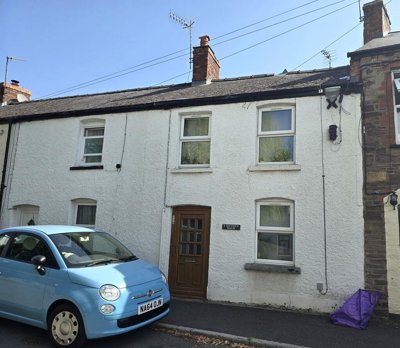
The rental market in Abergavenny offers diverse options across all property types, with prices reflecting the town's desirable location on the edge of the Brecon Beacons. Terraced properties, which make up approximately 26.3% of the local housing stock according to the 2021 Census, represent excellent value for renters seeking character homes in the town centre or conservation area. Many of these Victorian and Edwardian terraces feature the distinctive local reddish sandstone construction that gives Abergavenny its warm, golden-hued streetscape. These properties typically offer generous room sizes, high ceilings, and original features that newer builds often lack.
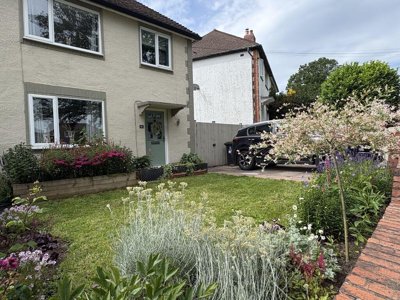
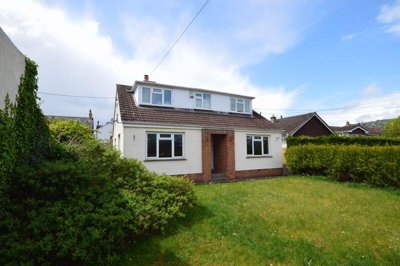
Semi-detached homes account for around 30.6% of the housing stock and remain popular among families renting in Abergavenny, offering more space and gardens than their terraced counterparts. Detached properties, comprising 26.6% of homes, provide the most generous living accommodation and are particularly sought after by professionals working from home or families requiring multiple bedrooms and private outdoor space. Flats and maisonettes make up approximately 15.6% of the market, offering more affordable rental options, particularly for single occupants or couples. New build developments in nearby Llanfoist and on Old Hereford Road provide contemporary rental options for those preferring modern construction with energy-efficient fittings and warranty coverage.
Property values in Abergavenny have shown relative stability over recent months, with overall prices decreasing by approximately 2% over the past year according to home.co.uk listings data from February 2026. This market steadiness provides a favourable environment for renters, as landlords can offer competitive rates while maintaining property standards. The local economy benefits from tourism centred around the annual Abergavenny Food Festival, retail and services serving the wider rural area, healthcare, and education sectors. Commuters also contribute to the rental market, with journey times of around 45 minutes to Cardiff making Abergavenny viable for those working in the capital while enjoying a more affordable and relaxed lifestyle.

Abergavenny is a town of approximately 10,078 residents according to the 2021 Census, offering an intimate community atmosphere while providing comprehensive amenities expected of a historic market town. The town centre features a charming mix of independent shops, national retailers, cafes, pubs, and restaurants clustered around the historic Market Hall and the remains of Abergavenny Castle. The twice-weekly markets have been held in this location for centuries and continue to draw visitors from the surrounding Monmouthshire countryside. The town's reputation as a food destination, cemented by the annual Abergavenny Food Festival each September, ensures a vibrant culinary scene with establishments ranging from traditional Welsh pubs to contemporary bistros.
The natural environment is central to life in Abergavenny, with the Sugar Loaf Mountain, Skirrid Mountain, and the Blorenge forming an impressive backdrop to daily life. The River Usk flows through the town centre, while the smaller River Gavenny adds character to the eastern side of Abergavenny. Residents enjoy extensive walking and cycling opportunities, with the Brecon Beacons National Park accessible within minutes from the town centre. The Gavenny Gardens and Castle grounds provide green spaces for relaxation, while the nearby Abergavenny Racecourse hosts events throughout the year. The town's position at the confluence of these rivers and at the entrance to the national park creates a setting that feels both sheltered and connected to spectacular natural landscapes.
Demographically, Abergavenny attracts a diverse mix of residents, from young families establishing households to retirees drawn by the excellent healthcare facilities and community amenities. The town's historic housing stock, with 24.3% of properties built before 1900, gives many neighbourhoods an established, settled character with mature gardens and tree-lined streets. The population of around 10,078 across 4,494 households creates a density that supports local services while maintaining the feeling of a close-knit community. Property types range from grand Victorian townhouses near the castle to more modest mid-century semi-detached homes on the outskirts, providing options across various budgets and lifestyle preferences.

Education provision in Abergavenny serves families well, with primary and secondary schools within the town and the surrounding Monmouthshire area providing good options for children of all ages. Primary schools in Abergavenny include St Mary's Catholic Primary School, situated near the historic Priory, and cantab primary schools such as Abergavenny Primary School and Deri View Primary School, serving different catchment areas of the town. These schools maintain strong community ties and benefit from relatively small class sizes compared to larger urban areas. The primary school phase is particularly important for families renting long-term in Abergavenny, as catchment areas can influence school placement decisions.
Secondary education is well-served by King Henry VIII Comprehensive School, which serves Abergavenny and the surrounding villages. The school offers a comprehensive curriculum and has sixth form provision, allowing students to continue their education locally without the need for daily commuting to schools further away. For families considering rental properties in Abergavenny, understanding the catchment area boundaries is essential, as Monmouthshire Local Education Authority manages school admissions based on proximity. Grammar schools in nearby towns such as Monmouth and Hereford provide selective options for academically gifted students, though competition for places is strong.
Further education opportunities are available at Coleg Gwent's Abergavenny campus, offering vocational courses and A-levels for students completing their secondary education. The college provides an important pathway for young people remaining in the area, offering qualifications from entry level through to higher education programmes. Parents renting in Abergavenny should research specific school admissions policies, as catchment areas can vary and change over time. The availability of good schools significantly influences the long-term rental market, with properties in desirable catchment areas commanding premium rents. Viewing rental properties in person, particularly at school admission decision times, helps families understand which schools serve specific locations.

Abergavenny benefits from excellent rail connections, with regular services from Abergavenny railway station to major cities and employment centres. The station provides direct routes to Cardiff Central, with journey times of approximately 45 minutes, making day commuting feasible for professionals working in the Welsh capital. Services to Newport take around 30 minutes, connecting residents to this secondary city and its growing employment opportunities. Hereford is accessible in approximately 25 minutes, opening options for working in the West Midlands region. London Paddington can be reached in around two and a half hours via the Great Western Railway service, with easy connections at Hereford or Cardiff for those needing access to the capital.
The A465 Heads of the Valleys road passes near Abergavenny, providing road connections to larger centres including Newport and the M4 motorway corridor. This strategic position means that residents who need to travel for work can reach major employment areas within reasonable timeframes. Bus services operated by Stagecoach and local operators connect Abergavenny to surrounding villages and market towns including Monmouth, Ross-on-Wye, and Brecon. For those renting properties in Abergavenny, parking availability varies by location, with the town centre offering public car parks while residential streets may have permit schemes or unrestricted on-street parking depending on the specific area.
Active travel infrastructure in Abergavenny has improved in recent years, with new cycling routes connecting the town centre to surrounding areas. The National Cycle Network passes through the region, offering opportunities for leisure cycling and sustainable commuting for shorter journeys. Walking is a practical option for many daily needs, with the compact town centre making local amenities accessible on foot from most residential areas. The tourism infrastructure also benefits residents, with the local bus services carrying both visitors and locals throughout the year. For those considering renting without a car, Abergavenny's amenities and transport connections make it relatively practical, while those with vehicles benefit from the flexibility of access to both countryside and cities.

Get a rental budget agreement in principle before viewing properties. This document from a mortgage broker or financial institution confirms how much you can afford in monthly rent, helping you focus on properties within your means and strengthening your position when making an offer.
Spend time exploring different neighbourhoods in Abergavenny, from the conservation area around the castle to suburban streets near local schools. Understanding local amenities, transport links, and community character helps you choose the right area for your lifestyle.
Contact local estate agents and landlords to arrange viewings of properties that match your requirements. Take notes during viewings and ask about lease terms, included fixtures, and any restrictions on pets or smoking.
Be aware of area-specific considerations including flood risk near the River Usk and River Gavenny, conservation area restrictions affecting properties in the historic town centre, and the prevalence of radon in parts of Monmouthshire.
Once you have agreed on a property, you will typically need to pass referencing checks including credit verification, employment confirmation, and previous landlord references. Some landlords also require a guarantor.
Upon passing referencing, you will sign the tenancy agreement and pay the deposit, usually equivalent to five weeks rent. Arrange buildings insurance for the property contents and notify utility suppliers of your moving date.
Renting a property in Abergavenny requires awareness of several area-specific factors that differ from other UK towns. Flood risk is a genuine consideration for some properties, particularly those near the River Usk or River Gavenny, or in low-lying areas of the town. The alluvial deposits along river valleys in this part of Monmouthshire mean that certain properties carry higher flood risk than their elevation might suggest. When viewing properties in Abergavenny, ask about previous flooding incidents and check whether the property lies within a flood risk zone. Landlords should provide this information, and renters insurance policies vary in their flood coverage, so understanding the specific location is important before committing to a tenancy.
The extensive conservation area covering much of Abergavenny's historic centre brings additional considerations for renters. Properties in conservation areas may have restrictions on modifications, exterior alterations, or changes that would affect the character of the building. Many properties are also Listed Buildings, which carry statutory protections requiring Listed Building Consent for certain works. These restrictions are not necessarily negative, as they help preserve the character and value of the property, but renters should understand what they can and cannot change during their tenancy. The traditional construction methods used in Abergavenny, including solid stone walls and solid brick, can affect insulation performance and heating costs, so energy efficiency should be carefully considered when comparing properties.
Ground conditions in parts of Abergavenny warrant attention, particularly regarding shrink-swell risk in clay soils. Properties with mature trees nearby or those on shallow foundations may be more susceptible to movement during periods of drought or heavy rainfall. While serious structural issues are relatively rare, understanding the general construction type and age of the property helps contextualise any signs of settlement or movement visible during viewings. The prevalence of radon in parts of Monmouthshire means that some properties may have radon levels requiring monitoring or mitigation. Landlords are required to provide an EPC (Energy Performance Certificate) and should disclose known issues, but asking about radon specifically demonstrates due diligence on your part.

Understanding the costs involved in renting a property in Abergavenny helps you budget accurately and avoid unexpected expenses. The security deposit, typically the largest upfront cost, is capped at five weeks rent under the Tenant Fees Act 2019 for properties with annual rent below £50,000. This deposit must be protected in a government-approved scheme (DPS, TDS, or MyDeposits) within 30 days of receiving it, and you should receive information about which scheme is being used. The deposit is returned at the end of the tenancy, minus any deductions for damage beyond fair wear and tear or unpaid rent. When moving into a property, document the condition thoroughly with photographs and an inventory check to protect yourself against unfair deductions.
The first month's rent is payable in advance, often due alongside the signed tenancy agreement before you receive the keys. Some landlords may request additional months rent in advance, though this is less common and would be subject to the same fee regulations. Holding deposits are permitted under the Tenant Fees Act, capped at one week's rent, and are used to reserve a property while references and checks are completed. This amount is typically deducted from your first month's rent but is non-refundable if you withdraw without good reason or provide false information. Permitted fees beyond rent and deposit are limited, with landlords and agents prohibited from charging for viewing arrangements, administration, or credit checks under the regulations.
Ongoing costs to consider when renting in Abergavenny include utility bills (gas, electricity, water, internet), council tax (payable to Monmouthshire County Council), and contents insurance. Some properties include water rates in the rent or have communal facilities where shared costs apply. Properties with electric storage heating may have higher running costs than those with gas central heating, particularly relevant given the age of much of Abergavenny's housing stock. Before committing to a tenancy, request information about typical utility costs for the specific property, and consider arranging an EPC assessment if one is not provided. Budgeting conservatively for these ongoing costs ensures that renting remains affordable throughout your tenancy.

Abergavenny's housing landscape reflects its long history as a market town and its position at the gateway to the Brecon Beacons. The 2021 Census shows approximately 24.3% of properties were built before 1900, giving the town a substantial stock of Victorian and Edwardian homes with character features that command premium rents. The local reddish sandstone, characteristic of the Brecon Beacons area, defines the golden-hued streetscape in older neighbourhoods and remains a defining architectural feature that attracts renters seeking period properties.
Construction methods across Abergavenny vary by era and property type. Pre-1900 properties typically feature solid stone or solid brick walls, while Victorian and Edwardian terraces often incorporate decorative brickwork and original timber sash windows. Properties built between 1930 and 1970 introduced more standard cavity wall construction, though many mid-century semis still retain solid wall structures. Properties from the 1970s onwards generally benefit from cavity wall insulation, though the overall thermal performance of older properties remains a key consideration for renters concerned about energy costs.
Around 62.7% of Abergavenny's housing stock predates 1970, meaning most rental properties will be at least 50 years old and likely to exhibit age-related issues. These include damp penetration through solid walls, original single-glazed windows, and outdated heating systems that prove costly to operate. When viewing older properties, paying attention to signs of damp, roof condition, and the age of services like wiring and plumbing helps assess potential maintenance needs during your tenancy.

Abergavenny functions as an employment hub for a significant rural catchment area in Monmouthshire, with the town's economy anchored by healthcare, education, retail, and public services. The Nevill Hall Hospital provides substantial healthcare employment, while King Henry VIII Comprehensive School and Coleg Gwent's Abergavenny campus anchor the education sector. These institutions employ hundreds of local residents and create consistent demand for rental accommodation from key workers seeking to live close to their places of employment.
Tourism contributes meaningfully to the local economy, with Abergavenny's position on the edge of the Brecon Beacons National Park drawing visitors throughout the year. The internationally recognised Abergavenny Food Festival each September showcases the town's culinary heritage and attracts tens of thousands of visitors, supporting hospitality businesses and seasonal employment. The tourism season extends beyond the festival, with walking, cycling, and outdoor activities bringing visitors throughout spring, summer, and autumn months. This visitor economy supports a vibrant food and drink scene that residents enjoy year-round.
Commuting to larger employment centres is practical for residents who need to access the wider job market. The rail station provides regular services to Cardiff, reaching the capital in approximately 45 minutes, making day commuting feasible for professionals working in government, finance, or other sectors concentrated in the city. The journey to Newport takes around 30 minutes, opening employment options in this growing city. Those working in the West Midlands can reach Hereford in 25 minutes, with Birmingham accessible via changes. The flexibility of commuting while living in Abergavenny expands employment possibilities without requiring a relocation closer to the city.

Abergavenny's setting at the foot of the Sugar Loaf Mountain provides residents with exceptional access to outdoor recreation. The Sugar Loaf, rising to 1,955 feet, offers walking routes suitable for all abilities, from gentle paths through woodland to challenging climbs with panoramic views across the Usk Valley. The Skirrid Mountain and The Blorenge complete the dramatic backdrop to the town, each offering distinctive walking experiences and views across the national park and beyond.
The Brecon Beacons National Park extends the outdoor opportunities significantly, with the central Beacons area reachable within 30 minutes by car. Here, opportunities include ridge walking, wild swimming in mountain lakes, and exploring ancient sites. The National Park also supports a network of guided walks, outdoor activity providers, and accommodation for longer stays. For mountain biking enthusiasts, the BikePark Wales facility near Gwaun-cae-Gurwen provides purpose-built trails within reasonable driving distance.
Water-based recreation is available on the River Usk, which flows through the town centre and is designated a Special Area of Conservation for its wildlife value. Coarse fishing permits are available for the river, and canoeists and kayakers can paddle certain sections. The Abergavenny Canal, though not currently navigable throughout, offers scenic walks along its towpath, connecting the town to the surrounding countryside. For families, the Gavenny Gardens and Castle grounds provide easily accessible green spaces within the town itself.

Abergavenny's community spirit manifests through year-round events and strong local traditions. The Abergavenny Food Festival draws national recognition and visitors from across the UK each September, celebrating the town's established reputation as a food destination. Beyond this major event, regular farmers markets, live music performances, and art exhibitions at the Abergavenny Museum provide ongoing cultural programming throughout the year. The museum itself, housed in a historic building near the castle, offers insights into the town's Roman origins and medieval history.
The town hosts numerous community groups and societies, from walking clubs exploring the surrounding hills to arts organisations and sports clubs. The Abergavenny Theatre, housed in a converted chapel, stages productions throughout the year and provides opportunities for local participation. The library serves as a community hub offering events, services, and a gathering place for residents of all ages. Youth clubs, sports teams, and community centres provide activities for families and young people, with rugby union being particularly popular alongside cycling and athletics.
The food and drink scene deserves particular mention, with establishments ranging from The Hardwick (owned by chef Stephen Terry) to traditional pubs like The Skirrid Mountain Inn, which claims to be one of the oldest inns in Wales. The Walnut Grove and numerous independent cafes and bistros contribute to a dining scene that punches above its weight for a town of this size. These venues serve as important gathering places that reinforce community connections and attract visitors from beyond the immediate area, creating a vibrant social atmosphere that enhances quality of life for renters.

While specific rental figures vary by property type and condition, the sale prices in Abergavenny provide useful context for the rental market. Average sale prices as of early 2026 stand at approximately £296,252 overall, with terraced properties averaging £220,103, semi-detached homes at £276,400, detached properties at £437,842, and flats at £145,200. Rental prices typically relate to sale values in the local market, meaning larger detached homes command the highest rents while flats offer the most affordable entry point to the rental market. Properties in the conservation area or with views of Sugar Loaf Mountain may attract premiums, while those requiring modernisation may be available at lower rents.
Properties in Abergavenny fall under Monmouthshire County Council's jurisdiction. Council tax bands range from A to H based on property value, with the band determined at the time of construction or significant alteration. The historic housing stock in Abergavenny includes properties across various bands, though Victorian and Edwardian terraced homes in the town centre frequently fall into bands A to C. Newer properties on the outskirts of town, particularly larger detached homes, often occupy higher bands. You can check specific council tax bands on the Monmouthshire County Council website or request this information from the landlord before committing to a tenancy.
Abergavenny offers good educational provision for all age groups. Primary schools include St Mary's Catholic Primary School and Abergavenny Primary School, serving their respective catchments. Secondary education is provided by King Henry VIII Comprehensive School, which has sixth form facilities for older students. The school serves the town and surrounding villages, with pupils typically progressing from local primary schools. Further education is available at Coleg Gwent's Abergavenny campus. Families considering renting should research specific catchments, as admission policies can affect school placement, particularly for oversubscribed schools.
Abergavenny has excellent rail connections, with direct services to Cardiff (approximately 45 minutes), Newport (30 minutes), and Hereford (25 minutes). London Paddington is accessible in around two and a half hours. The town is served by regular bus services connecting to surrounding towns and villages including Monmouth, Brecon, and Ross-on-Wye. The A465 Heads of the Valleys road provides road access to the M4 corridor and beyond. For those working in Cardiff but living in Abergavenny, the rail commute is practical and well-used by residents, making the town attractive for those seeking countryside living without sacrificing employment accessibility.
Abergavenny consistently ranks as one of the most desirable market towns in Wales, offering an exceptional quality of life for renters. The combination of stunning natural surroundings including Sugar Loaf Mountain and the Brecon Beacons, a thriving town centre with independent shops and restaurants, excellent transport links, and strong community spirit makes it attractive to a wide range of renters. The property market offers diverse options from historic conservation area cottages to modern homes in new developments. The annual Food Festival and regular community events create a vibrant cultural scene, while the town's scale means that most amenities are accessible on foot. For those seeking a balance between rural charm and urban accessibility, Abergavenny is an excellent choice.
Standard deposits for rental properties in England and Wales are equivalent to five weeks rent, held in a government-approved deposit protection scheme for the duration of the tenancy. You will typically pay the first month's rent in advance, along with the deposit, before moving in. Tenant fees are regulated by the Tenant Fees Act 2019, limiting what landlords and agents can charge. Permitted payments include rent, deposit (capped at five weeks rent where the annual rent is less than £50,000), and holding deposits (capped at one week's rent). Reference checks, inventory fees, and early termination fees are restricted or prohibited under the Act. Always request a full breakdown of costs before committing to a property.
Given that 62.7% of Abergavenny's housing stock was built before 1970, most rental properties will be at least 50 years old. Older properties commonly exhibit issues including damp (rising damp through solid walls, penetrating damp, or condensation), roof defects (slipped tiles, damaged leadwork, or deteriorated timbers), and outdated services (electrical wiring, plumbing, and heating systems requiring upgrading). Properties near the River Usk or River Gavenny may carry flood risk that warrants investigation. The prevalence of radon in parts of Monmouthshire means asking about radon levels and any mitigation measures is sensible due diligence. A thorough viewing with attention to these factors helps avoid costly surprises after moving in.
Abergavenny's extensive conservation area designation places constraints on what renters can do with properties. Any modifications to the exterior, including painting, installing satellite dishes, or making structural changes, typically require planning permission from Monmouthshire County Council. Listed Buildings carry additional statutory protections, with any works potentially requiring Listed Building Consent. These restrictions protect the character and value of the property but limit personalisation during your tenancy. Before committing to a rental in the conservation area, understanding what changes require permission helps avoid disputes with landlords or the local authority.
The rental market in Abergavenny reflects the town's desirability as both a residential hub and visitor destination. With prices showing relative stability (approximately 2% decrease over the past year according to home.co.uk listings data from February 2026), there is room for negotiation in certain situations. Properties that have been on the market for several weeks, those requiring modernisation, or flats in less competitive locations may be more negotiable. Offering to commit to a longer initial tenancy (12 months rather than 6) or offering to pay several months rent in advance can strengthen your negotiating position. Being prepared to move quickly and having your referencing in order helps when opportunities arise.
Tenancy endings in Abergavenny, as elsewhere in England and Wales, are governed by the Housing Act 1988 for Assured Shorthold Tenancies. Your landlord must provide at least two months written notice using the prescribed form if they wish to recover the property, or you must provide one month's notice if you wish to leave. At the tenancy end, your deposit must be returned within 10 days of both parties agreeing the final amount, with deductions only for damage beyond fair wear and tear or unpaid rent. Your landlord must protect your deposit in a government-approved scheme and provide prescribed information about which scheme is being used. Documenting the property condition thoroughly at check-in protects you against unfair deductions at check-out.
From 4.5%
Get your budget in place before searching
From £199
Reference checks for rental applications
From £85
Energy performance certificate for your rental
From £400
Professional survey for older properties
Properties to Rent In London

Properties to Rent In Plymouth

Properties to Rent In Liverpool

Properties to Rent In Glasgow

Properties to Rent In Sheffield

Properties to Rent In Edinburgh

Properties to Rent In Coventry

Properties to Rent In Bradford

Properties to Rent In Manchester

Properties to Rent In Birmingham

Properties to Rent In Bristol

Properties to Rent In Oxford

Properties to Rent In Leicester

Properties to Rent In Newcastle

Properties to Rent In Leeds

Properties to Rent In Southampton

Properties to Rent In Cardiff

Properties to Rent In Nottingham

Properties to Rent In Norwich

Properties to Rent In Brighton

Properties to Rent In Derby

Properties to Rent In Portsmouth

Properties to Rent In Northampton

Properties to Rent In Milton Keynes

Properties to Rent In Bournemouth

Properties to Rent In Bolton

Properties to Rent In Swansea

Properties to Rent In Swindon

Properties to Rent In Peterborough

Properties to Rent In Wolverhampton

Enter your details to see if this property is within your budget.
Loans, cards, car finance
Estimated property budget
Borrowing + deposit
You could borrow between
Typical borrowing
Monthly repayment
Est. at 4.5%
Loan-to-value
This is an estimate only. Your actual budget may vary depending on interest rates, credit history, and personal circumstances. For an accurate affordability assessment, speak to one of our free mortgage advisors.
This calculator provides estimates for illustrative purposes only and does not constitute financial advice. Your home may be repossessed if you do not keep up repayments on your mortgage. Estimates based on 4.5% interest rate, repayment mortgage. Actual rates depend on your circumstances.
Homemove is a trading name of HM Haus Group Ltd (Company No. 13873779, registered in England & Wales). Homemove Mortgages Ltd (Company No. 15947693) is an Appointed Representative of TMG Direct Limited, trading as TMG Mortgage Network, which is authorised and regulated by the Financial Conduct Authority (FRN 786245). Homemove Mortgages Ltd is entered on the FCA Register as an Appointed Representative (FRN 1022429). You can check registrations at NewRegister or by calling 0800 111 6768.