Pick the right path and we'll point you to the next step.
I'm the homeowner
Track this property, get market updates, and list it on Home when you're ready to sell or let.
I'm an estate agent
Claim your branch on Home.co.uk, list your properties for free, and reach buyers actively searching your area.
From riverside apartments to country cottages, search hundreds of thousands of properties for sale, to rent, and recently sold, all enriched with three decades of market data.
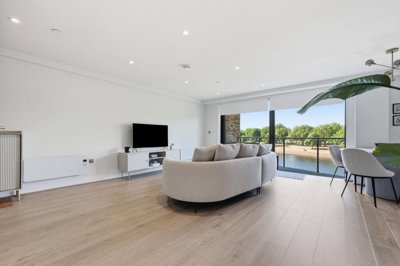
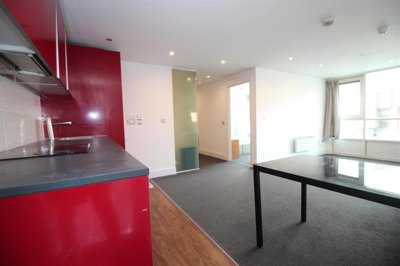
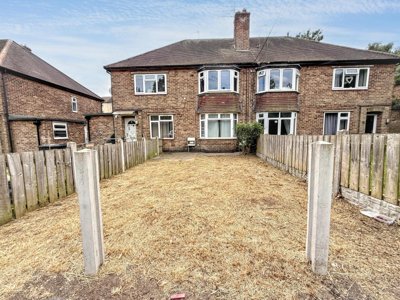
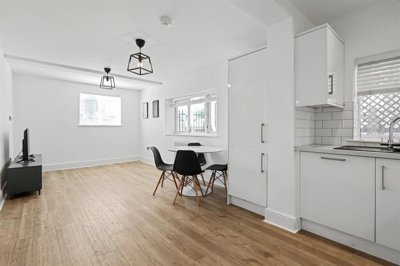
Browse 52 homes for sale in Nottingham, East Midlands from local estate agents.
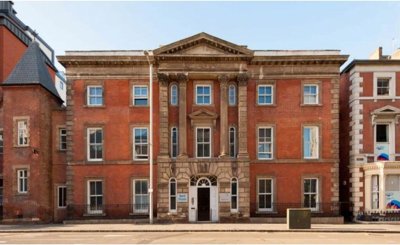
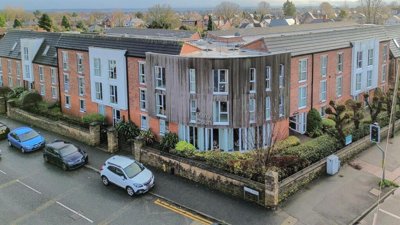
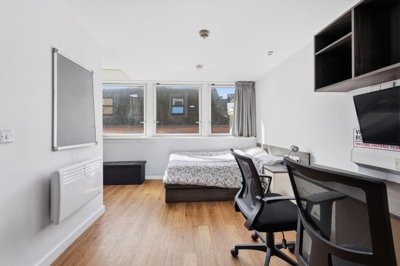
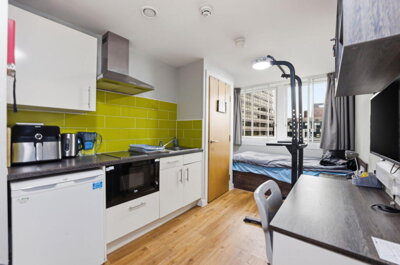
Studio apartments feature open-plan living spaces without separate bedrooms, incorporating sleeping, living, kitchen, and bathroom facilities. The Nottingham studio market includes properties in modern apartment complexes, converted Victorian and Georgian buildings, and purpose-built developments.
£120k
223
10
141
Source: home.co.uk
Showing 223 results for Studio Flats for sale in Nottingham, East Midlands. 10 new listings added this week. The median asking price is £120,000.
Source: home.co.uk
Flat
223 listings
Avg £132,902
Source: home.co.uk
Source: home.co.uk
In Nottingham, the gap between property types is often bigger than the gap between postcodes. homedata.co.uk records show detached homes at £321,000, semis at £216,000, terraces at £172,000 and flats at £129,000. The wider market has been fairly steady, with a 0.5% annual change overall in the year to December 2025, though terraces rose by 1.7% and flats fell by 2.8%. For anyone weighing up a city flat against a larger house, those figures matter straight away.
Terraces still account for a large share of Nottingham sales, which makes sense given the stock across the city. On home.co.uk, we usually see starter flats, older terraces, semi-detached family homes and fewer detached houses in the more residential districts. New-build options do come up across the wider Nottingham postcode area, but some are actually in places such as Stoke Bardolph or Radcliffe on Trent rather than the city itself. That is why we always suggest checking the exact boundary before reserving, especially where a listing sits under a broader Nottingham search.

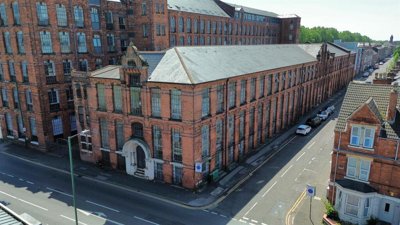
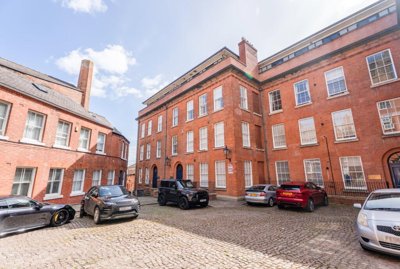
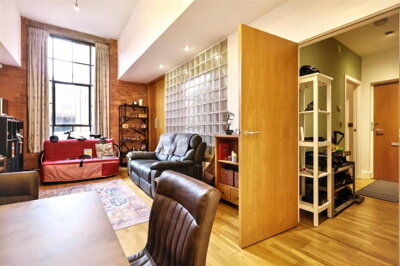
Nottingham does not read like one uniform patch of housing. The Lace Market has industrial buildings and loft-style apartments. The Park Estate is known for grand Victorian streets, while Sherwood, Lenton and Mapperley tend to offer more conventional family housing. Brick dominates, with stone and render on older historic homes, and some newer schemes use cladding or other modern methods. Period detail is easy to find here, but so is the upkeep that comes with it.
Ground conditions are part of the picture in Nottingham. The city sits on both the Mercia Mudstone Group and the Sherwood Sandstone Group, and the mudstone can include clay-rich soils with shrink-swell risk, particularly where foundations are shallow. The River Trent adds another layer, because homes near the river or its floodplain may face river flooding as well as surface water issues after heavy rain. We would treat the postcode check and the survey as seriously as the viewing itself.
Historic controls can shape what owners can and cannot do. Nottingham has many conservation areas and a large number of listed buildings, with the Lace Market, the Park Estate and the Nottingham Castle area all standing out. In those parts, planning rules may be tighter and some alterations need consent. Buyers in the centre are often pulled by the culture, the restaurants and the convenience, while others lean towards residential districts where parking is easier and there is more green space. That contrast gives the city its own identity.
Education has a direct effect on Nottingham housing. The University of Nottingham and Nottingham Trent University both feed demand, especially in Lenton, Radford and the city centre, where landlords and owner-occupiers can be looking at the same roads for very different reasons. For family buyers, the nearest school is only part of the story, because catchments and admissions can change from one side of a road to the other. We would always verify the exact address before assuming a property sits in the school area you want.
For buyers with children, school choice in Nottingham usually comes down to the postcode, the year group and the feel of the immediate area. Some streets sit in stable family patches, others in higher-turnover rental pockets, and the surrounding Nottinghamshire boundary can open up more options. This varies street to street, so we go on your exact address rather than a town-wide average. It is a small job. It can save a lot of frustration later.
Nottingham has depth at sixth-form and university level, and that affects the market too. The 2 universities keep a steady academic presence in the city, support jobs and help maintain rental demand in places with practical links across town. For investors, that can be helpful, but HMO rules, licensing and day-to-day management still need close attention. If a home might later suit students or young professionals, layout and location can matter as much as the headline price.

Rail and tram travel are a big part of how Nottingham works day to day. Nottingham Station handles regional trips and longer-distance journeys, and the tram network links key parts of the city without putting all the pressure on central parking. Buses fill in the wider urban area, which matters if the property is in a residential district rather than right in the centre. That mix often makes a home workable even if keeping a second car would be awkward or costly.
For drivers, much depends on where in Nottingham you start from. The A52, A46 and routes towards the M1 make regional travel manageable, but central streets can be harder going for parking, especially near period terraces, converted buildings and busy rental zones. We usually tell buyers to look past the postcode and test the actual run to Nottingham Station, the ring road or the motorway in peak traffic. Cycling has its place as well, particularly on flatter stretches and along the river corridors.
Daily travel patterns often decide whether a place truly works. A flat near the centre can suit someone who wants to walk more and pick up an easy train from Nottingham Station, while a house in a quieter suburb may make more sense if on-street parking and space for a family car are non-negotiable. We always suggest trying the route at the time you would actually travel. Paper plans can look fine. Monday to Friday is the real test.
We would start by setting the city centre against the older terraces, the family suburbs and the riverside areas. Then check flood maps, parking pressure, conservation controls and the kind of stock that turns up on each Nottingham street.
Before lining up too many viewings, get a mortgage agreement in principle sorted. Sellers and agents in Nottingham tend to take things more seriously when the budget is already clear, and it helps narrow the search from flats and terraces to larger semi-detached homes in the right price band.
Try to view in daylight. Nottingham can change quickly from one neighbourhood to the next, so we would compare more than one area and pay attention to access to transport, schools, parks and local shops, not just what the sitting room looks like.
Much of Nottingham is made up of older brick-built homes, so a RICS Level 2 survey is often the right starting point for a standard house or flat. If there have been major alterations, visible movement or the structure is more complicated, a fuller survey is usually the safer call.
Legal checks do a lot of the heavy lifting. Your solicitor should review title, searches, drainage, flood risk, planning history and any leasehold details if the purchase is a flat or a conversion. In Nottingham, that scrutiny matters even more where conservation rules apply, where a building is historic, or where an old industrial conversion is involved.
After the legal work is done and the finance is ready, the next steps are exchange and then completion. We would keep a bit back for moving costs, early repairs and any furniture or appliances you want in place straight away.
Older terraces and converted buildings in Nottingham can be rewarding homes, but they need a proper look. The city has plenty of pre-1919 stock, so we would watch for damp, roof wear, timber decay, outdated wiring and signs that earlier repairs were not completed to a modern standard. The clay-rich geology can also raise shrink-swell risk in some spots, which makes cracks, sticking doors and uneven floors worth checking with care. A survey will not remove that risk. It will show whether you are looking at a cosmetic issue or something more serious.
Near the River Trent, flood risk should be checked early. That is especially true in lower-lying parts of Nottingham and around older drainage routes, where surface water can also become an issue after heavy rain on hard urban ground. There is another local point as well, because Nottingham’s coal mining history means some northern and eastern areas may have mining subsidence considerations. We would not treat the conveyancing searches as box-ticking here.
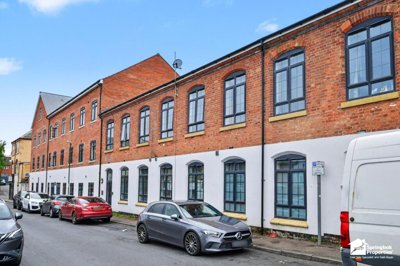
Flats and converted warehouses need their own checks. Lease length, service charges and ground rent all deserve close attention, and in the Lace Market or the Park Estate, conservation rules can limit external works and push up the cost of approved repairs. We would also ask about electrics, whether there is a modern consumer unit, and how communal maintenance is planned. A character home can be tempting. So can a newer apartment. The long-term upkeep bill may be the deciding factor.
As of December 2025, homedata.co.uk records show a median sold price in Nottingham of £194,000. The mix by type is quite spread out, with terraces around £172,000, flats near £129,000, semis around £216,000 and detached homes closer to £321,000. That range is a large part of why the city suits both entry-level buyers and households moving up.
Nottingham properties sit within the usual council tax bands from A to H. The band depends on the assessed value and the local authority record, so there can be a clear difference between a flat in the centre and a larger house on a suburban street. We would always check the individual listing, the council tax page and the solicitor’s paperwork before settling the budget.
The clearest education influence on Nottingham is the presence of the University of Nottingham and Nottingham Trent University. They shape the city’s wider education profile, but for primary and secondary schools the better option still depends on the exact postcode, the current catchment rules and the age of the child. Admissions do move, so we would ask for the full address and then check the current Ofsted report before making a decision.
Public transport is one of Nottingham’s practical strengths. Rail, tram and bus services make it workable for city living and commuting, with Nottingham Station acting as the main rail hub and the tram linking key districts without driving through the centre. Even so, we would still test the route at rush hour if daily travel matters. That is when the system shows its real shape.
For investors, Nottingham can hold interest for fairly obvious reasons. The city has a large student population, rental demand is firm in some districts, and homedata.co.uk records show 2,593 sales in the last 12 months in a market that has stayed fairly steady overall. Even so, flats, HMOs and older terraces all come with different rules and running costs. We would check yields alongside licensing, service charges and the management time involved.
Stamp duty still needs careful budgeting in 2024-25. For most buyers, the rates are 0% up to £250,000, then 5% from £250,000 to £925,000, 10% from £925,000 to £1.5 million and 12% above £1.5 million. First-time buyers pay 0% up to £425,000, then 5% from £425,000 to £625,000, with no relief above £625,000. The final bill depends on whether the purchase is a first home, a move, or an additional property.
Yes, some Nottingham homes do need extra care. The River Trent crosses the city, and parts of the ground sit on clay-rich Mercia Mudstone, so flood risk, shrink-swell movement and in some places mining-related issues can all appear in the survey or the conveyancing search. We would want a local surveyor and solicitor to check the exact postcode, not rely on broad assumptions about Nottingham as a whole.
Victorian and Edwardian terraces are often where the maintenance questions start. Roofs, electrics, damp proofing and timber all need a close look, and converted flats can add service charges, leasehold terms and communal repair obligations on top. A lower asking price may still stack up if the long-term maintenance is manageable. We would look at the full cost of ownership, not just the entry price.
After the purchase price is agreed, stamp duty is often one of the biggest extra costs. In 2024-25, buyers pay 0% up to £250,000, then 5% from £250,000 to £925,000, 10% from £925,000 to £1.5 million and 12% above £1.5 million. First-time buyers get relief up to £425,000, then pay 5% from £425,000 to £625,000, with no relief above £625,000. In Nottingham, where many homes still sit below the upper bands, that can mean no stamp duty at all or a relatively modest bill, depending on the property type.
There is more to budget for than the deposit. Survey fees, legal work, mortgage fees, searches and removals all add up, and older Nottingham homes may need extra money for damp treatment, rewiring or redecoration soon after completion. If the purchase is a flat, service charges and any ground rent should be included as well because they can change the monthly picture quite quickly. We would total the full outgoings before any offer goes in.
When comparing parts of Nottingham, it helps to think beyond the ticket price. A cheaper terrace needing work can cost more in the end than a slightly pricier home that is ready to live in, especially if the property sits in a conservation area or somewhere more exposed to flood issues. This is where the mortgage agreement in principle, the survey and the solicitor’s report all start to work together. Once those pieces are in place, the real cost of owning in Nottingham is much clearer.
Properties for Sale In London

Properties for Sale In Plymouth

Properties for Sale In Liverpool

Properties for Sale In Glasgow

Properties for Sale In Sheffield

Properties for Sale In Edinburgh

Properties for Sale In Coventry

Properties for Sale In Bradford

Properties for Sale In Manchester

Properties for Sale In Birmingham

Properties for Sale In Bristol

Properties for Sale In Oxford

Properties for Sale In Leicester

Properties for Sale In Newcastle

Properties for Sale In Leeds

Properties for Sale In Southampton

Properties for Sale In Cardiff

Properties for Sale In Nottingham

Properties for Sale In Norwich

Properties for Sale In Brighton

Properties for Sale In Derby

Properties for Sale In Portsmouth

Properties for Sale In Northampton

Properties for Sale In Milton Keynes

Properties for Sale In Bournemouth

Properties for Sale In Bolton

Properties for Sale In Swansea

Properties for Sale In Swindon

Properties for Sale In Peterborough

Properties for Sale In Wolverhampton

Enter your details to see if this property is within your budget.
Loans, cards, car finance
Estimated property budget
Borrowing + deposit
You could borrow between
Typical borrowing
Monthly repayment
Est. at 4.5%
Loan-to-value
This is an estimate only. Your actual budget may vary depending on interest rates, credit history, and personal circumstances. For an accurate affordability assessment, speak to one of our free mortgage advisors.
This calculator provides estimates for illustrative purposes only and does not constitute financial advice. Your home may be repossessed if you do not keep up repayments on your mortgage. Estimates based on 4.5% interest rate, repayment mortgage. Actual rates depend on your circumstances.
Homemove is a trading name of HM Haus Group Ltd (Company No. 13873779, registered in England & Wales). Homemove Mortgages Ltd (Company No. 15947693) is an Appointed Representative of TMG Direct Limited, trading as TMG Mortgage Network, which is authorised and regulated by the Financial Conduct Authority (FRN 786245). Homemove Mortgages Ltd is entered on the FCA Register as an Appointed Representative (FRN 1022429). You can check registrations at NewRegister or by calling 0800 111 6768.

We use cookies to show you personalised content and improve your experience of our website. Find out more in our Privacy policy and Cookie policy.