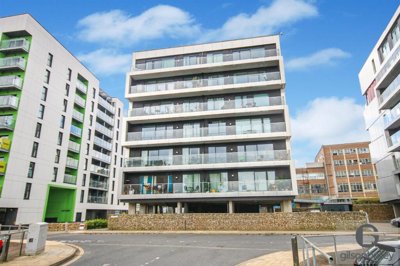
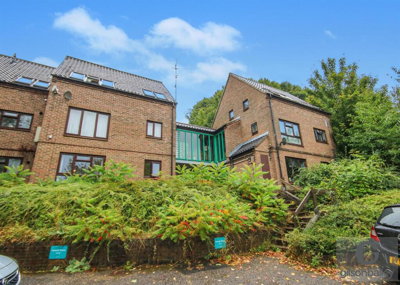
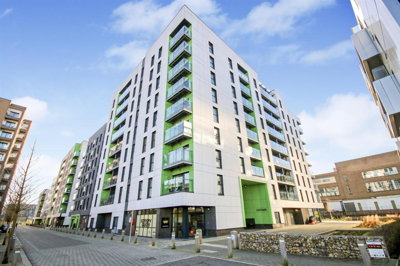
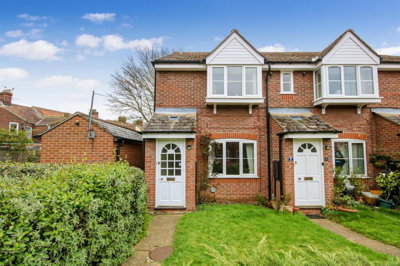
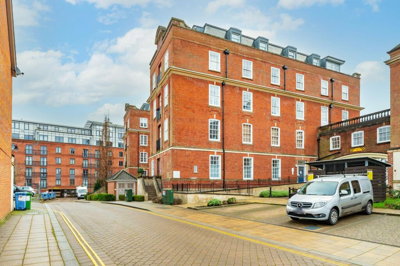
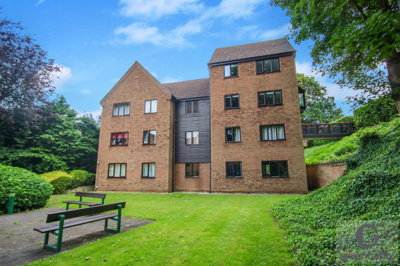
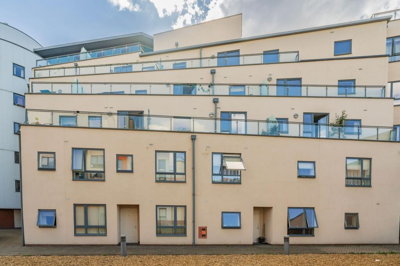
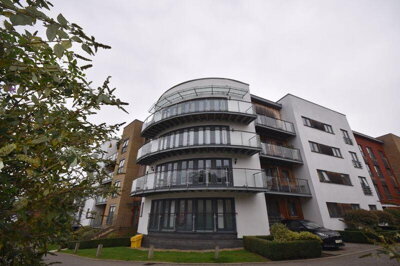
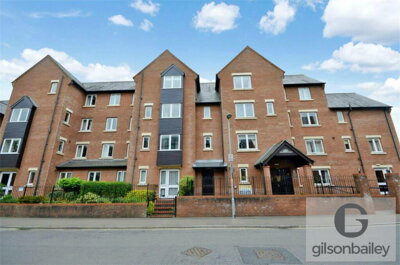
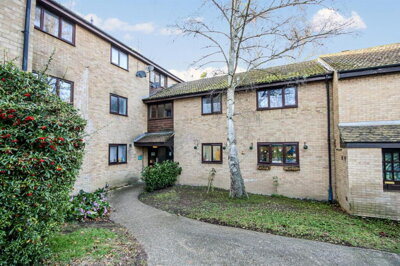
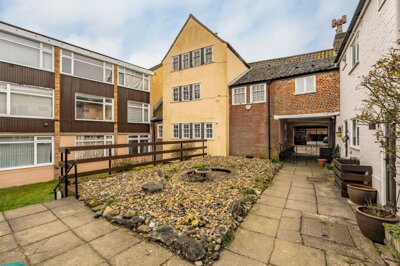
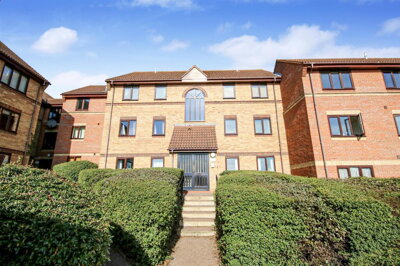
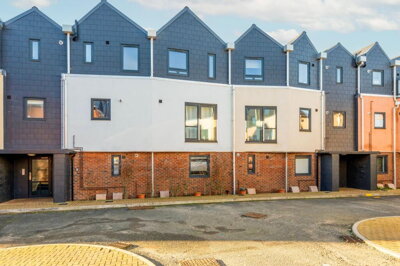
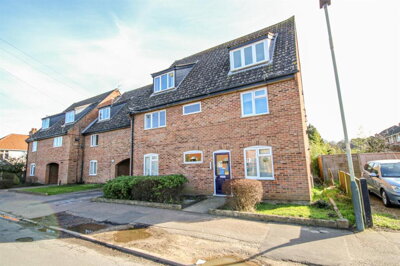
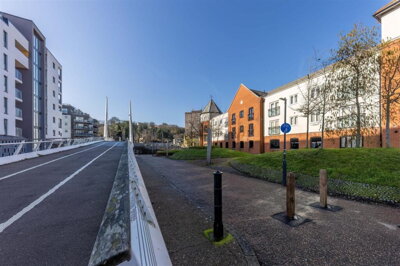
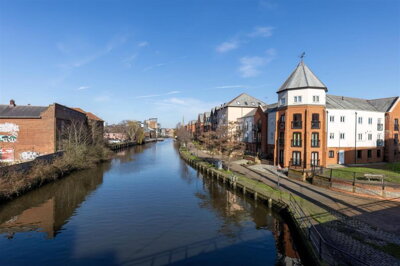
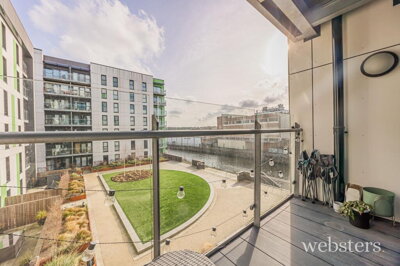
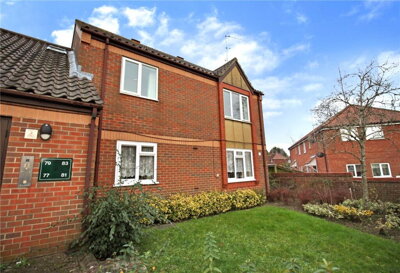
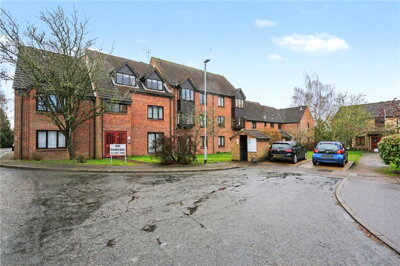
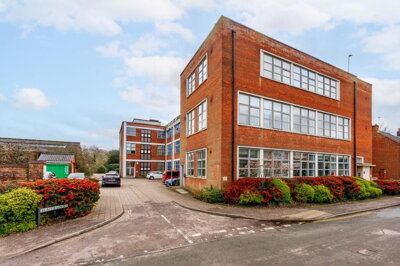
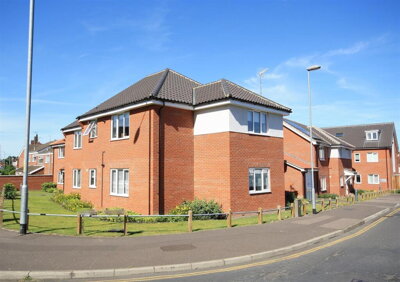
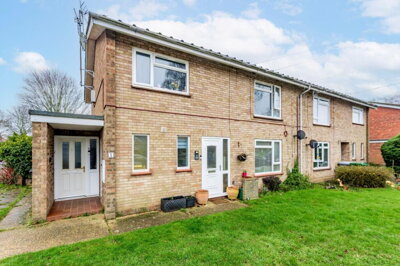
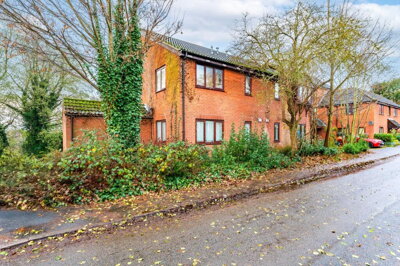
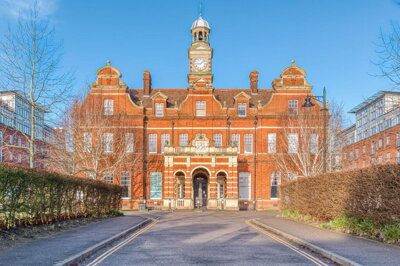
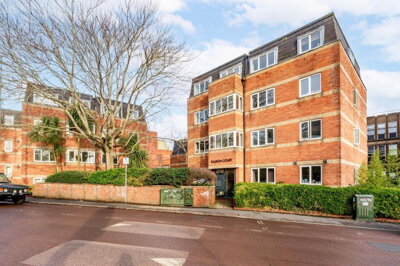
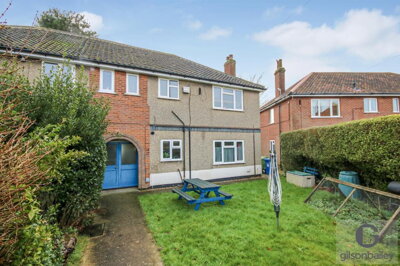
Browse 232 homes for sale in Norwich, Norfolk from local estate agents.
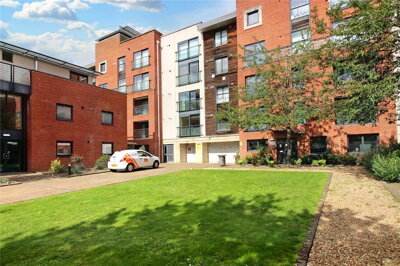
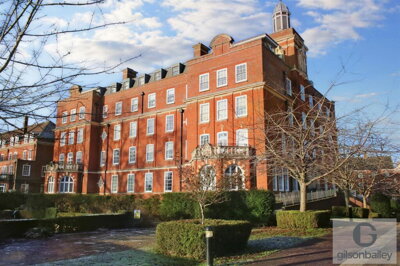
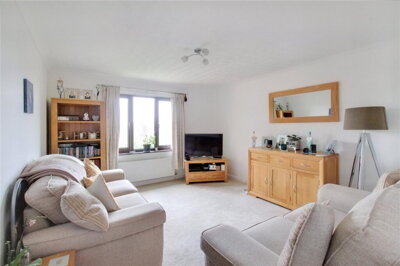
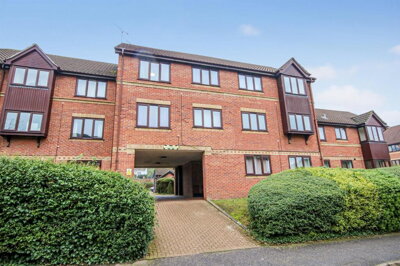
One bed apartments provide a separate bedroom alongside distinct living space, bathroom, and kitchen areas. Properties in Norwich are available in various building types including mansion blocks, contemporary developments, and house conversions.
£133k
52
6
114
Source: home.co.uk
Showing 52 results for 1 Bedroom Flats for sale in Norwich, Norfolk. 6 new listings added this week. The median asking price is £132,500.
Source: home.co.uk
Flat
52 listings
Avg £135,288
Source: home.co.uk
Source: home.co.uk
Norwich has established itself as East Anglia's most affordable major city, with property prices significantly below comparable cities like Cambridge and Ipswich. Our data shows terraced houses in sought-after areas like the Golden Triangle typically range from £200,000 to £350,000, while semi-detached family homes in suburbs such as Thorpe St Andrew and Sprowston command prices between £280,000 and £450,000. Detached properties in desirable locations can reach £500,000 and beyond, offering generous gardens and off-street parking that city living rarely provides.
The city centre apartment market has grown substantially over the past decade, with new developments along St Anne's Quarter and the Riverside area offering studio and one-bedroom flats from £120,000 to £250,000. Period conversions in areas like King Street and Colegate provide character-filled alternatives, often featuring high ceilings, original fireplaces, and stripped wooden floors that appeal to buyers seeking something with more personality than modern new-builds.
Norwich property prices have shown steady growth of approximately 4-6% annually over recent years, outperforming some regional neighbours. First-time buyers are particularly drawn to the city due to the relatively low entry point compared to other East Anglia cities. The new development at Anglia Square, situated on the northern edge of the city centre, represents one of the largest urban regeneration projects in the region and will add significant new housing stock over the coming years, potentially affecting prices in surrounding areas.

Norwich consistently ranks among the best places to live in the UK, combining historic charm with excellent amenities and a thriving cultural scene. The city centre features the iconic Norwich Castle, two cathedrals, and the largest outdoor market in the East of England, while the Lanes district offers independent boutiques, artisan coffee shops, and an eclectic mix of bars and restaurants. The River Wensum winds through the city, providing scenic walking and cycling routes that connect residential areas to the waterfront.
The Golden Triangle, situated between the city centre and the University of East Anglia campus, has become particularly popular with young professionals and academics, known for its Victorian and Edwardian housing stock, tree-lined streets, and strong sense of community. This area encompasses streets around Earlham Road, Earlham Street, and Chapel Field North, where period properties command a premium but remain more affordable than comparable neighbourhoods in Cambridge or Oxford. The nearby village of Bowthorpe offers more affordable options with good bus connections to the city centre.
Suburban areas like Eaton, Cringleford, and Colney offer larger properties with good schools, making them ideal for families seeking more space while remaining within easy reach of the city centre. Eaton is particularly sought after for its proximity to the University of East Anglia and the Norfolk and Norwich University Hospital, both major employers that make commuting redundant for many residents. The surrounding Norfolk countryside provides easy access to the Norfolk Broads, coastal towns like Great Yarmouth and Cromer, and Areas of Outstanding Natural Beauty.
The city has invested significantly in cultural infrastructure, with the Norwich Theatre Royal, The Forum (home to the BBC Norfolk headquarters), and numerous galleries and music venues providing entertainment options typically found only in much larger cities. Norwich's pub and restaurant scene has flourished in recent years, with the Norwich Lanes area becoming a particular hotspot for independent dining establishments that attract visitors from across the region.

Norwich offers excellent educational opportunities at all levels, from primary schools to higher education. Norwich School, located in the historic Cathedral Close, is one of the city's oldest independent schools and consistently achieves outstanding academic results. Norwich High School for Girls, also an independent establishment, provides a supportive learning environment with excellent facilities. For state-educated options, schools such as Notre Dame High School and Ormiston Victory Academy serve the wider Norwich area with strong Ofsted ratings and comprehensive curricula.
The University of East Anglia, situated just west of the city centre, is ranked among the top UK universities and attracts students from across the country and internationally. The campus features the award-winning Sainsbury Centre for Visual Arts, designed by Norman Foster, and provides significant economic and cultural contributions to the Norwich area. Norwich also hosts the Norfolk and Suffolk College and the University of East Anglia School of Medicine, providing further higher education options.
Parents researching the area will find good primary schools including Hellesdon High School, Framingham Earl High School, and Sewell Park Academy, with catchment areas that vary depending on property location. The surrounding villages of Poringland, Long Stratton, and Acle each have their own primary schools serving local communities, often with good Ofsted ratings that attract families willing to commute slightly further for smaller, more community-focused education. The area around the University of East Anglia, including Cringleford and Colney, has seen significant investment in school provision to keep pace with new housing developments.
Norwich enjoys excellent transport connections, making it an accessible base for commuters and those who travel regularly for business. Norwich railway station offers direct services to London Liverpool Street, with the fastest trains completing the journey in approximately 1 hour 50 minutes. Regular services also connect Norwich to Cambridge, Ipswich, Birmingham, and Liverpool, while the Bittern Line provides scenic routes to coastal destinations including Cromer, Sheringham, and Great Yarmouth. The station has undergone significant redevelopment in recent years, improving facilities and passenger experience.
Road connectivity is strong, with the A11 providing a direct link to Cambridge and the M11 motorway beyond, while the A47 connects Norwich to King's Lynn and the Midlands. The A140 offers routes to Cromer and the north Norfolk coast. Norwich airport provides domestic flights and limited European destinations, with good connections to London City Airport and Amsterdam Schiphol. Within the city, First Bus operates comprehensive services, and Norwich has invested heavily in cycling infrastructure with the Norwich Cycle Zone providing safe routes throughout the urban area. The NCN1 national cycle route passes through Norwich, connecting the city to the coast and beyond.
For those working in the healthcare sector, the Norfolk and Norwich University Hospital on Colney Lane is one of the largest employers in the county and benefits from excellent road access via the A47 southern bypass. Norwich Research Park on the eastern outskirts houses multiple biomedical and environmental research institutions, providing high-skilled employment for residents who prefer to live locally rather than commute to London or other major cities.
Before viewing properties, obtain a mortgage agreement in principle from a lender. Norwich has competitive mortgage products available, and knowing your budget strengthens your position when making offers. Factor in additional costs including Stamp Duty, solicitor fees averaging £1,000-1,500, and survey costs of £400-800 for a standard RICS Level 2 survey. Norwich's relatively affordable property prices mean that mortgage calculations for a typical terraced house at £250,000 will differ significantly from comparable properties in Cambridge, where the same type of home might cost £500,000 or more.
Spend time exploring different areas before committing. The Golden Triangle suits professionals wanting vibrant street life, while Thorpe St Andrew and Sprowston offer family-friendly suburbs with good schools. Consider proximity to your workplace, schools if you have children, and the amenities that matter most to your lifestyle. Norwich's property market offers distinct micro-markets, with city-centre flats appreciating differently from family homes in suburban villages.
Norwich's property market moves at a steady pace. Register with multiple agents including Savills, Berrys, and TW Gaze who cover the city and surrounding villages. Set up property alerts so you are notified immediately when suitable homes come to market, particularly important in popular areas where properties can sell quickly. The Golden Triangle and Riverside developments particularly benefit from early notification, as desirable properties in these areas often receive multiple offers within days of listing.
Attend viewings with a prepared checklist noting condition, potential issues, and any renovations required. For Victorian and Edwardian properties common in Norwich, pay particular attention to the roof, plumbing, and electrical systems. When you find the right property, submit a realistic offer based on comparable sales data and be prepared to negotiate. Norwich's diverse housing stock means understanding the specific maintenance requirements for your chosen property type is essential before committing.
Once your offer is accepted, instruct a conveyancing solicitor immediately. For Norwich properties, especially period homes, we recommend a RICS Level 2 survey to identify any structural or maintenance issues. Your solicitor will handle searches with Norfolk County Council and South Norfolk District Council, check title deeds, and manage the complex paperwork involved in property transactions. Local solicitors familiar with Norwich's title register quirks and historical property boundaries can expedite the process considerably.
Your solicitor will coordinate with the seller's legal team to exchange contracts, at which point you commit legally to the purchase. Completion typically follows 2-4 weeks later, when the remaining funds are transferred and you receive the keys to your new Norwich home. On completion day, collect your keys from the estate agent and arrange utility transfers to your name, noting that some Norwich properties may still use oil-fired heating systems that require separate arrangements.
Norwich's diverse housing stock means buyers should understand the specific considerations for different property types. Victorian and Edwardian terraces in areas like the Golden Triangle often have original features that require ongoing maintenance, including sash windows, period fireplaces, and cast iron radiators. These properties typically have solid walls rather than cavity wall insulation, which affects heating costs and may require planning permission for external insulation. Always check whether the property falls within a conservation area, as this restricts permitted development rights and external alterations. The Norwich City Centre Conservation Area and Golden Triangle Conservation Area both impose specific controls on alterations that affect what you can and cannot do to period properties.
New developments in Norwich, particularly around the city centre and Riverside, often come with leasehold arrangements that include service charges and ground rent clauses. Review these carefully, as service charges for city-centre apartments can range from £1,000 to £3,000 annually depending on the development. Flood risk should be considered for properties near the River Wensum or in low-lying areas, though Norwich itself has good flood defences. Properties in surrounding villages may have septic tank or private drainage systems that require specific maintenance and compliance with current regulations. The Environment Agency flood risk maps show that most Norwich city-centre properties fall in the low-risk category, though riverside locations near Trowse should be verified individually.
Properties in older Norwich neighbourhoods frequently have evidence of historic subsidence or movement, particularly those built on the clay geology common to parts of the city. Look for signs of cracking, uneven floors, or doors that stick, which may indicate foundation issues. Norwich's underlying geology, which includes chalk beds in some areas and Boulder Clay in others, can affect how properties perform over time and the types of foundations originally used. Properties in areas like Thorpe St Andrew may have different foundation requirements due to the local soil conditions compared to city-centre properties built on more stable ground.
When evaluating Norwich properties, check the tenure status carefully. Many city-centre apartments are leasehold with varying lease lengths remaining, while houses in suburbs like Sprowston and Thorpe St Andrew are predominantly freehold. Shared ownership schemes operate in the city, particularly for new developments, offering an alternative route onto the property ladder for buyers who may struggle with full ownership costs.
Norwich offers excellent value compared to other major East of England cities. Terraced houses typically sell between £200,000 and £300,000, while semi-detached properties range from £250,000 to £400,000 depending on location. Detached homes in desirable suburbs like Eaton and Cringleford can exceed £500,000. Norwich remains significantly more affordable than Cambridge, where similar properties often cost 50-60% more, making it an attractive option for buyers seeking value in the region. First-time buyers can find studio apartments in the city centre from around £120,000, while family houses with three or four bedrooms in suburbs like Sprowston typically start from £280,000.
Norwich properties fall within Norwich City Council and South Norfolk Council boundaries depending on location. Most residential properties in the city fall into bands A through D, with many terraced houses in band B or C, typically charging between £1,400 and £1,800 annually. Larger detached properties in areas like Eaton and Cringleford often fall into bands E or F. Always verify the specific band with Norwich City Council when purchasing, as this affects your ongoing annual costs. Properties in the surrounding villages of South Norfolk may fall under different banding arrangements depending on the local parish council arrangements.
Norwich offers excellent educational options at every level. For primary education, St. Augustine's Catholic Primary School and Angel Road Infant School both have strong reputations. At secondary level, Notre Dame Catholic Voluntary Academy and Ormiston Victory Academy serve the state sector effectively. The city has several outstanding independent schools including Norwich School and Norwich High School for Girls. The University of East Anglia provides higher education opportunities within the city itself, along with Norwich University of the Arts for creative disciplines and the UEA School of Medicine for medical training.
Norwich railway station provides direct services to London Liverpool Street in under 2 hours, making it practical for regular commuters. The city connects to Cambridge in approximately 1 hour 15 minutes and to Birmingham in around 2 hours 30 minutes. Within the city, First Bus operates comprehensive services across Norwich and the surrounding suburbs, with the Park and Ride scheme offering convenient access to the city centre from outlying car parks. Norwich International Airport offers domestic flights and connections to Amsterdam, providing international travel options without requiring a trip to London.
Norwich has shown consistent, stable property price growth over recent years, making it an attractive option for property investors. The city benefits from major employers including the University of East Anglia, Norfolk and Norwich University Hospital, and Norwich Research Park, which sustain tenant demand. Rental yields in Norwich typically range from 4% to 6% for city-centre apartments and 3.5% to 5% for family homes. The city's ongoing regeneration projects, particularly around the Riverside and St Anne's Quarter areas, suggest continued potential for capital growth. Student rental demand is particularly strong near the University of East Anglia, where properties within walking distance command premium rents during term time.
For properties purchased at the standard SDLT rates, you pay nothing on the first £250,000, 5% on the portion from £250,001 to £925,000, and 10% up to £1.5 million. A £300,000 property would attract SDLT of £2,500. First-time buyers purchasing properties up to £425,000 pay no SDLT, with 5% on the portion between £425,001 and £625,000. Properties above £625,000 do not qualify for first-time buyer relief. Given Norwich's relatively affordable prices, many first-time buyers purchasing terraced houses or apartments will pay no SDLT at all, representing significant savings that can be redirected towards moving costs or home improvements.
First-time buyers in Norwich are increasingly looking beyond the city centre to surrounding suburbs where prices remain accessible. The Thorpe St Andrew and Sprowston areas offer good value with strong community facilities and regular bus connections to the city centre. New build developments in areas like Longwater and Sweetbriar provide modern properties with energy-efficient specifications that reduce ongoing utility costs. For those working at the University of East Anglia or the Norfolk and Norwich University Hospital, properties in Cringleford and Colney offer convenient commuting on foot or by bicycle, avoiding parking costs while enjoying village-style amenities.
Norwich has several significant regeneration projects that buyers should monitor. The Anglia Square development on the northern edge of the city centre will eventually deliver thousands of new homes along with retail and commercial space, potentially affecting property values in surrounding areas like Magdalen Street and St Augustines. The Riverside area has already transformed from industrial use to residential and leisure, with further phases planned. The city council's growth strategy aims to add 35,000 new homes by 2036, which will shape property availability and prices across the Norwich area over the coming years.
Understanding the full cost of buying a property in Norwich extends beyond the purchase price. The primary additional cost is Stamp Duty Land Tax, which for most standard residential purchases means 0% on the first £250,000, 5% between £250,001 and £925,000, and increasing rates above that. For a typical Norwich terraced house priced at £275,000, this amounts to SDLT of just £1,250. First-time buyers purchasing properties up to £425,000 pay no SDLT at all, a significant saving that can make Norwich's property market particularly accessible.
Solicitor conveyancing fees for Norwich property transactions typically range from £800 to £1,500 depending on complexity and whether the property is freehold or leasehold. Survey costs vary by property type and report depth: a basic mortgage valuation costs around £300, while a comprehensive RICS Level 2 homebuyer report ranges from £350 to £600. For older Norwich properties, particularly Victorian and Edwardian homes, a RICS Level 3 building survey at £600-1,000 provides more detailed structural assessment. Land registry searches with Norfolk County Council typically cost £200-300, and you should budget for removal costs, which average £500-1,500 depending on distance and volume of belongings.
Additional costs to budget for include building insurance (essential from exchange of contracts onwards), removal company fees, and potential mortgage arrangement fees. Some lenders charge booking fees of £100-200, while others add arrangement fees to the mortgage itself. For leasehold properties, you may need to pay a notice fee to the freeholder and potentially contribute to major maintenance works already planned. We recommend budgeting an additional 2-3% of the property price to cover all buying costs beyond the deposit and mortgage.
From 3.99% APR
Competitive mortgage products available for Norwich properties
From £499
Norwich property solicitors handling local transactions
From £350
Recommended for Norwich period properties
From £60
Energy performance certificate for Norwich homes
Properties for Sale In London

Properties for Sale In Plymouth

Properties for Sale In Liverpool

Properties for Sale In Glasgow

Properties for Sale In Sheffield

Properties for Sale In Edinburgh

Properties for Sale In Coventry

Properties for Sale In Bradford

Properties for Sale In Manchester

Properties for Sale In Birmingham

Properties for Sale In Bristol

Properties for Sale In Oxford

Properties for Sale In Leicester

Properties for Sale In Newcastle

Properties for Sale In Leeds

Properties for Sale In Southampton

Properties for Sale In Cardiff

Properties for Sale In Nottingham

Properties for Sale In Norwich

Properties for Sale In Brighton

Properties for Sale In Derby

Properties for Sale In Portsmouth

Properties for Sale In Northampton

Properties for Sale In Milton Keynes

Properties for Sale In Bournemouth

Properties for Sale In Bolton

Properties for Sale In Swansea

Properties for Sale In Swindon

Properties for Sale In Peterborough

Properties for Sale In Wolverhampton

Enter your details to see if this property is within your budget.
Loans, cards, car finance
Estimated property budget
Borrowing + deposit
You could borrow between
Typical borrowing
Monthly repayment
Est. at 4.5%
Loan-to-value
This is an estimate only. Your actual budget may vary depending on interest rates, credit history, and personal circumstances. For an accurate affordability assessment, speak to one of our free mortgage advisors.
This calculator provides estimates for illustrative purposes only and does not constitute financial advice. Your home may be repossessed if you do not keep up repayments on your mortgage. Estimates based on 4.5% interest rate, repayment mortgage. Actual rates depend on your circumstances.
Homemove is a trading name of HM Haus Group Ltd (Company No. 13873779, registered in England & Wales). Homemove Mortgages Ltd (Company No. 15947693) is an Appointed Representative of TMG Direct Limited, trading as TMG Mortgage Network, which is authorised and regulated by the Financial Conduct Authority (FRN 786245). Homemove Mortgages Ltd is entered on the FCA Register as an Appointed Representative (FRN 1022429). You can check registrations at NewRegister or by calling 0800 111 6768.

We use cookies to show you personalised content and improve your experience of our website. Find out more in our Privacy policy and Cookie policy.