Pick the right path and we'll point you to the next step.
I'm the homeowner
Track this property, get market updates, and list it on Home when you're ready to sell or let.
I'm an estate agent
Claim your branch on Home.co.uk, list your properties for free, and reach buyers actively searching your area.
From riverside apartments to country cottages, search hundreds of thousands of properties for sale, to rent, and recently sold, all enriched with three decades of market data.
Browse 229 homes for sale in Norwich, Norfolk from local estate agents.
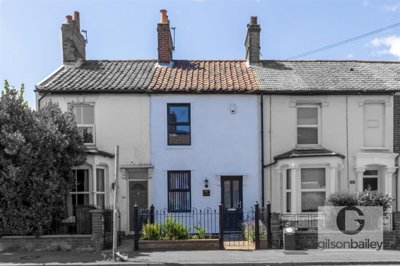
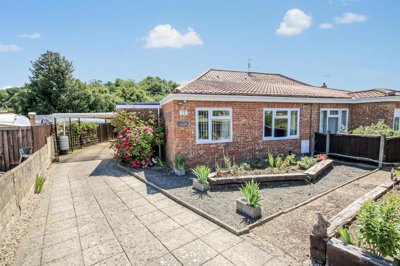
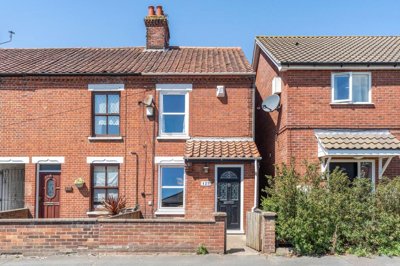
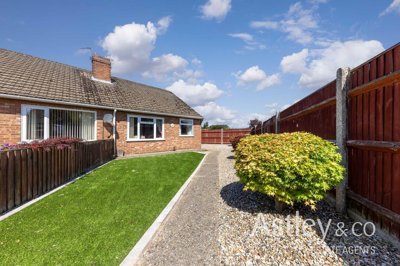
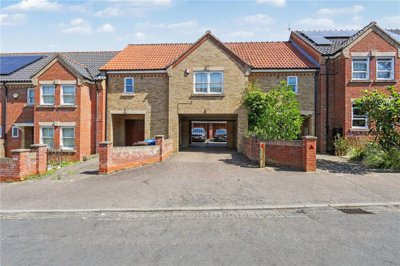
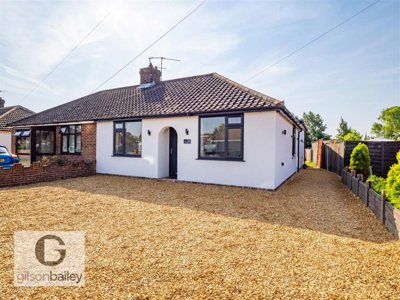
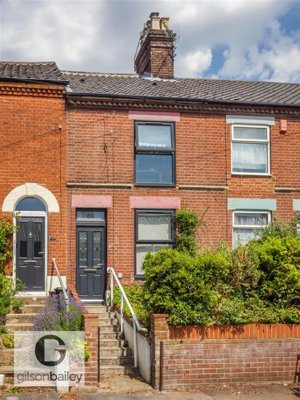
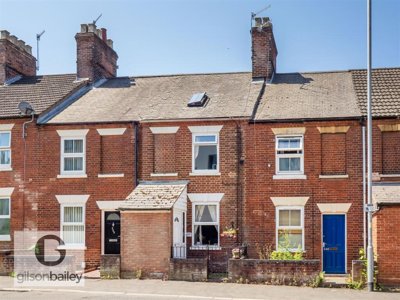
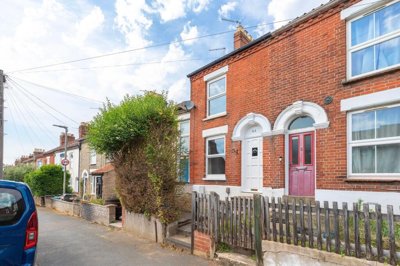
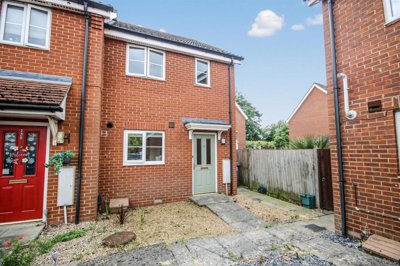
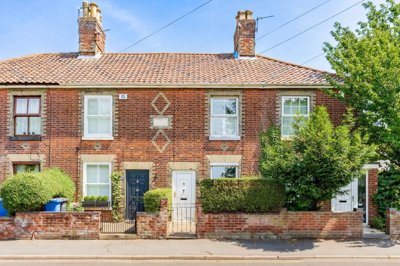
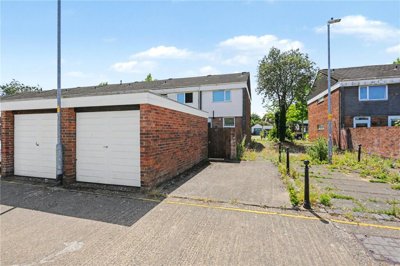
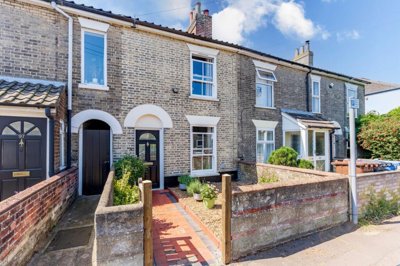
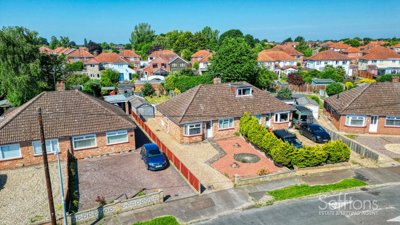
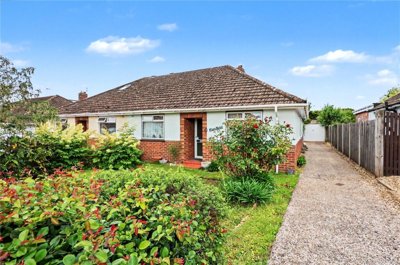
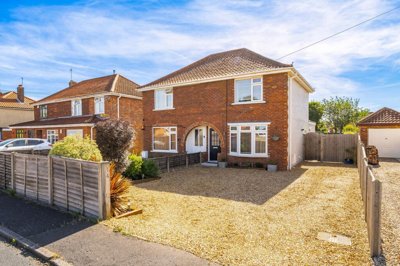
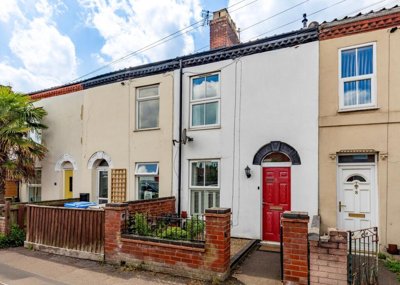
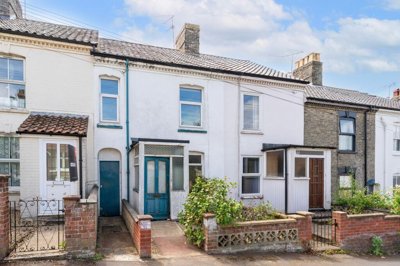
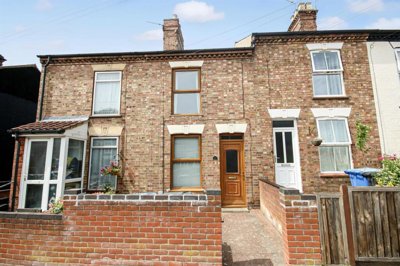
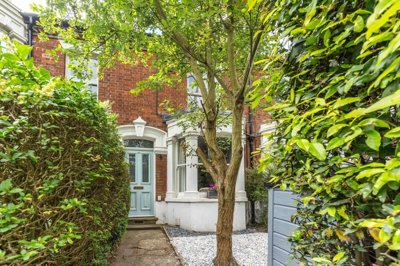
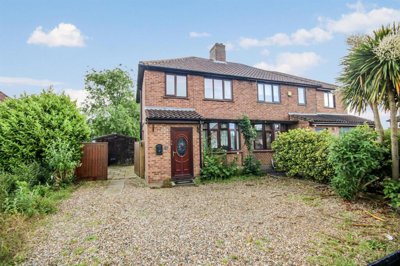
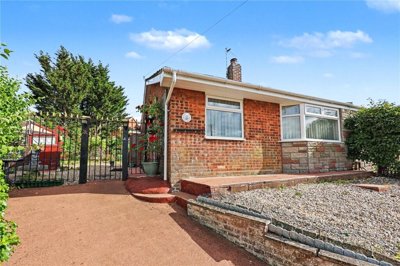
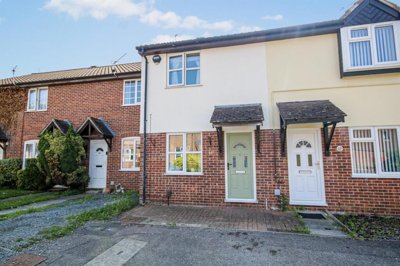
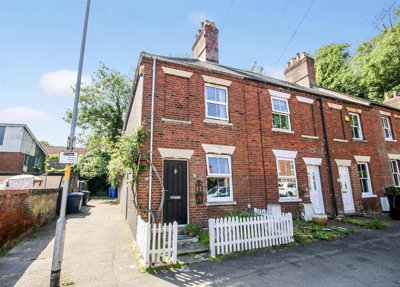
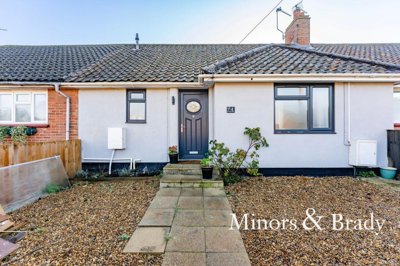
The 2 bed house market features detached, semi-detached, and terraced properties with two separate bedrooms plus living spaces. Properties in Norwich range from Victorian and Edwardian period homes to modern new builds, with pricing varying across different neighbourhoods.
£238k
82
4
76
Source: home.co.uk
Showing 82 results for 2 Bedroom Houses for sale in Norwich, Norfolk. 4 new listings added this week. The median asking price is £237,500.
Source: home.co.uk
Terraced
71 listings
Avg £237,324
Semi-Detached
11 listings
Avg £241,364
Source: home.co.uk
Source: home.co.uk
homedata.co.uk shows Norwich behaving like an active city market, not a sleepy provincial one. Around 2,700 homes changed hands across the city from January 2025 to December 2025, a sign of steady buyer movement despite softer prices. Values eased by 1% over that period, while another sold-price measure recorded a year-on-year fall of 4.7%, giving buyers more negotiating room than they had a few years back. Across many Norwich streets, terraced homes still dominate, and flats remain especially common in the city centre.
Current listings on home.co.uk show a wide range of new-build homes across Norwich. At Woodland Heath in Sprowston, prices start from £329,995, Furlong Heath starts from £319,950, Roundhouse Gate starts from £324,950, and Cringleford Heights runs from £468,995 to £632,995. Taylor Wimpey sites in Norwich also include smaller homes from £255,000 and £280,000, which keeps the lower end of the new-build market relatively accessible for the area. For buyers weighing up a turnkey move, those homes sit alongside established terraces and period stock, where condition, location and energy performance often make the difference.

Norwich has the feel of a proper city, but parts of it still move at the pace of a county town. The medieval centre, Norwich Castle, Norwich Cathedral and the market give the place its frame, while the River Wensum and River Yare shape the greener and waterside parts of the city. There are 17 conservation areas and around 1,500 listed buildings here. That is usually obvious as soon as you start walking around.
Housing in Norwich reflects how people actually live there. The city has 64,459 households, including 25,098 one-person households and 20,646 two-person households, which goes a long way towards explaining why flats and terraces remain in demand near the centre. Population in the local authority area was recorded at 143,900, with a 2025 estimate of 147,182, and that gradual rise keeps pressure on the market. Aviva, Marsh, Swiss Re, Norwich Research Park, the universities and the tourism economy all help keep the city active through the week.
Under the surface, Norwich has its own complications. The city sits on glacial drift over chalk, and some locations have a history of clay-related movement. Brick is the main building material, flint is common across Norfolk and easy to spot in older walls or boundary details, and some landmark buildings use limestone. That local mix gives plenty of houses real presence, but it also tells us to look closely at maintenance, especially where older masonry, roofs or timber features are involved. With the waterways, the parks and the city’s cultural calendar in the picture as well, close area research pays off here.
Education is one of the stronger reasons people focus on Norwich. The University of East Anglia, Norwich University of the Arts and City College Norwich give the city a substantial higher and further education base, and Norwich Research Park adds a science-led academic layer to the local economy. That concentration helps support rental demand, graduate demand and a regular flow of staff and families settling nearby. For plenty of movers, that matters just as much as the house itself.
For many families, the school catchment comes before the house search. In Norwich, the right road can matter more than the right postcode, because primary and secondary places vary from area to area. Buyers often narrow their shortlist around the schools they want, then check the latest admissions map before offering. Suburbs, edge-of-city neighbourhoods and family estates can all suit, but we would always weigh the school run against the commute and the size of the house together.

Norwich gives rail users a straightforward base, with the city working as a regional hub and offering direct links for commuting or weekends away. Drivers tend to focus on the A47 and A11, which provide the main routes out towards the rest of Norfolk and further afield. That can make a real difference if your week is split between the city, the coast and nearby business districts. In practice, the journey to work often decides the area before the property does.
Daily travel is not just about the car here. Bus routes, park-and-ride services and cycling links give Norwich a bit more flexibility, especially near the centre or along a strong bus corridor. Parking usually feels tighter in the historic core, whereas homes on the edges of the city often have easier driveway or on-street arrangements. We always suggest testing the journey at the time you would actually travel, because traffic around the ring road and the central approach routes can alter how an area feels.
Before booking viewings, we suggest getting a mortgage agreement in principle in place and setting a budget that covers the deposit, fees and moving costs as well.
Do not stick to one patch of Norwich too early. The city centre, riverside streets, university districts and outer suburbs can feel quite different from each other.
Go back more than once. Try different times of day, look at parking, noise, school routes and flood history, then note how each property fits the way you live.
For many Norwich properties, a RICS Level 2 survey is the sensible first step, especially with older terraces, flats or homes showing signs of damp or movement.
We would ask the conveyancer to review the title and the searches, then check lease terms if the property is leasehold, along with any conservation area or planning restriction issues.
Once the mortgage, searches and legal checks are sorted, the next steps are to agree the completion date, transfer the funds and get ready for moving day.
In Norwich, surveyors watch closely for movement, damp and roof condition. The local geology can produce issues that are easy to miss during a quick viewing, and shrink-swell clay soils, tree roots or older foundations may all play a part in cracking or distortion, especially where a house has been extended or altered over time. Our local research also highlights many unmapped pits and excavations across the city where chalk, flint, sand and gravel were worked in the past. That is one reason a proper survey matters before you commit.
Flood risk needs checking too. Norwich has exposure to both river flooding and surface water flooding, with the Rivers Wensum and Yare affecting some parts of the city, and with higher surface water risk in former stream corridors including land between Unthank Road and Earlham Road and from Catton Grove Road and Oak Lane up towards Magdalen Street. Local survey data suggests around 6,500 properties in the Norwich urban area may be at risk from surface water flooding. We would also ask about drainage, guttering, insurance history and any past claims before moving ahead.
Leasehold flats in central Norwich and newer apartment schemes need a close look at service charges, ground rent and the unexpired lease term. In the city’s 17 conservation areas, and among its high number of listed buildings, planning controls can limit external changes such as windows or roof works. Character comes with extra responsibility, particularly in the historic core. Well-kept older homes can still be efficient and attractive, but lime mortar, timber detailing and traditional brick or flint need careful checking if you want a realistic view of future repair costs.

For January 2025 to December 2025, homedata.co.uk records a median sold price of £276,000 in Norwich. Detached homes are much higher at about £447,000, semi-detached homes sit around £283,000, terraced homes around £244,000, and flats and maisonettes around £143,000. That range is part of what keeps the market workable for buyers at different stages. Over the last year, price pressure has eased a little, so negotiation is often more realistic than it was at the peak.
Council tax in Norwich falls under Norwich City Council, and the band is based on the home’s valuation, not the street name. Smaller terraces and many flats often sit in the lower bands, while larger family houses and period properties can fall into higher ones. The exact band should appear on the listing, or you can confirm it directly with the council. When two homes look similar on price, this is one of the extra costs we would compare.
Older students looking at Norwich usually start with the University of East Anglia, Norwich University of the Arts and City College Norwich, especially for post-16 routes. For primary and secondary places, the better option usually comes down to catchment, because boundaries vary by street and can change. Many families therefore concentrate on suburbs that make the school run manageable and still work for public transport or nearby open space. We would check the latest admissions map before offering on any house.
For a regional city, Norwich gives people several ways to get around. Rail, bus, park-and-ride and cycling all play a part in daily travel, the station provides direct rail access for commuters, and the A47 with the A11 makes driving out of the city fairly straightforward. Parking tends to be easier in many suburban family areas, while the historic centre can feel tighter and busier. If the commute matters, try the route at your normal time rather than guessing.
Norwich can stack up well for investment because the tenant base is broad. Strong local employers, two universities, and a steady flow of students, graduates and professionals all help, and homedata.co.uk records of 2,700 sales in the last 12 months also point to enough market activity to keep price discovery moving. Flats and terraces usually get the most attention from renters near the centre, around the universities and close to major employment areas. Even so, the numbers still come back to yield, maintenance costs, lease length and the amount of work needed.
Stamp duty needs setting out clearly at the start. In England, most buyers pay 0% up to £250,000, then 5% on the portion from £250,000 to £925,000, 10% up to £1.5 million and 12% above that. First-time buyers pay 0% up to £425,000 and 5% on the portion from £425,000 to £625,000, with no first-time buyer relief above £625,000. On a typical Norwich purchase at £276,000, a non-first-time buyer would pay £1,300, although the final bill still depends on whether another property is already owned and whether the purchase will be a main residence.
Family buyers often head towards the edge of Norwich first. Homes there are usually larger, the streets are often quieter, and parking is commonly easier than it is closer to the centre. New-build schemes on the Norwich fringe, along with established suburbs near schools and green space, tend to draw the most interest from households looking for three or four bedrooms. We find that a viewing route which includes the school run and the evening traffic can tell you a lot very quickly.
On a typical Norwich purchase, stamp duty should be in the budget from day one. The current bands are 0% up to £250,000, 5% from £250,000 to £925,000, 10% from £925,000 to £1.5 million and 12% above that. First-time buyers have relief up to £425,000, then pay 5% on the portion from £425,000 to £625,000, with no relief above that point. Using Norwich’s 2025 median of £276,000, a non-first-time buyer would pay £1,300, while a first-time buyer would usually pay nothing.
The extra costs matter as much as the headline price. For a typical Norwich purchase, a RICS Level 2 survey starts from £350, conveyancing starts from £499, and mortgage fees depend on the lender and the product. That is why we like to see an agreement in principle arranged first, then the full cost of ownership compared across each flat, terrace or family house. Once those fees are clear, the budget usually becomes much easier to judge.
Properties for Sale In London

Properties for Sale In Plymouth

Properties for Sale In Liverpool

Properties for Sale In Glasgow

Properties for Sale In Sheffield

Properties for Sale In Edinburgh

Properties for Sale In Coventry

Properties for Sale In Bradford

Properties for Sale In Manchester

Properties for Sale In Birmingham

Properties for Sale In Bristol

Properties for Sale In Oxford

Properties for Sale In Leicester

Properties for Sale In Newcastle

Properties for Sale In Leeds

Properties for Sale In Southampton

Properties for Sale In Cardiff

Properties for Sale In Nottingham

Properties for Sale In Norwich

Properties for Sale In Brighton

Properties for Sale In Derby

Properties for Sale In Portsmouth

Properties for Sale In Northampton

Properties for Sale In Milton Keynes

Properties for Sale In Bournemouth

Properties for Sale In Bolton

Properties for Sale In Swansea

Properties for Sale In Swindon

Properties for Sale In Peterborough

Properties for Sale In Wolverhampton

Enter your details to see if this property is within your budget.
Loans, cards, car finance
Estimated property budget
Borrowing + deposit
You could borrow between
Typical borrowing
Monthly repayment
Est. at 4.5%
Loan-to-value
This is an estimate only. Your actual budget may vary depending on interest rates, credit history, and personal circumstances. For an accurate affordability assessment, speak to one of our free mortgage advisors.
This calculator provides estimates for illustrative purposes only and does not constitute financial advice. Your home may be repossessed if you do not keep up repayments on your mortgage. Estimates based on 4.5% interest rate, repayment mortgage. Actual rates depend on your circumstances.
Homemove is a trading name of HM Haus Group Ltd (Company No. 13873779, registered in England & Wales). Homemove Mortgages Ltd (Company No. 15947693) is an Appointed Representative of TMG Direct Limited, trading as TMG Mortgage Network, which is authorised and regulated by the Financial Conduct Authority (FRN 786245). Homemove Mortgages Ltd is entered on the FCA Register as an Appointed Representative (FRN 1022429). You can check registrations at NewRegister or by calling 0800 111 6768.

We use cookies to show you personalised content and improve your experience of our website. Find out more in our Privacy policy and Cookie policy.