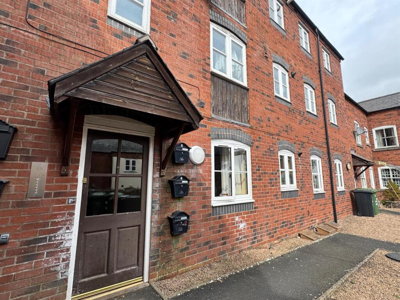
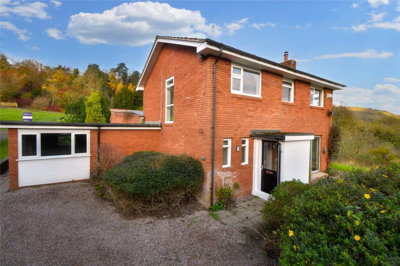
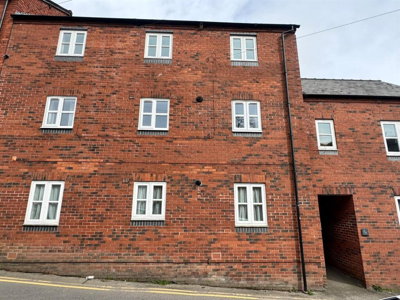
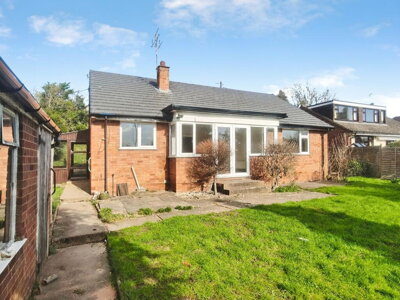
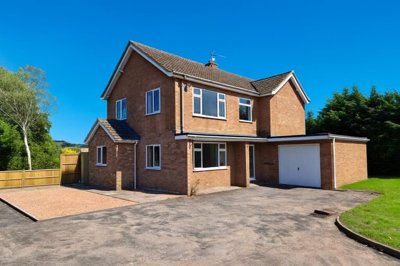
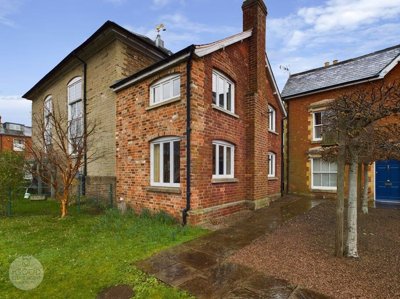
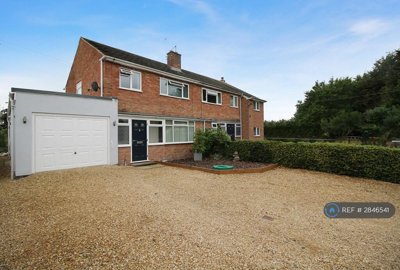
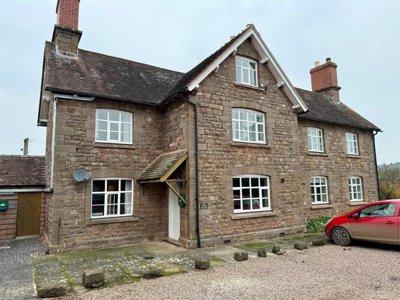
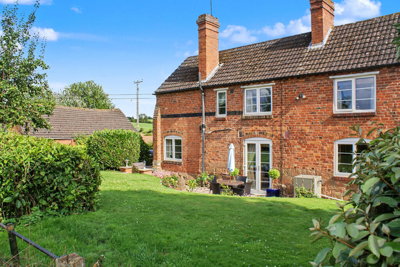
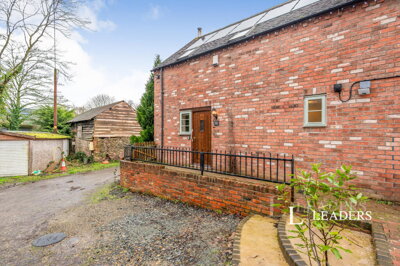
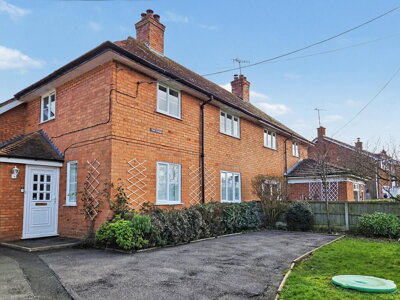
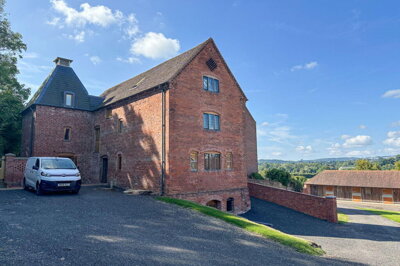
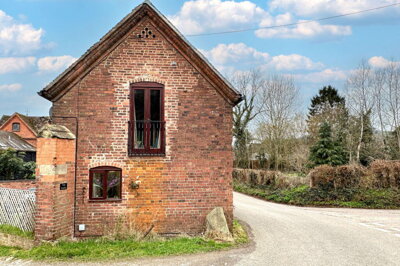
Browse 22 rental homes to rent in WR6 from local letting agents.
£995/m
4
0
46
Source: home.co.uk
Source: home.co.uk
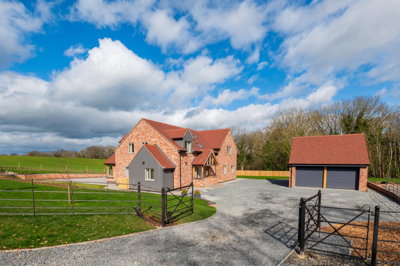
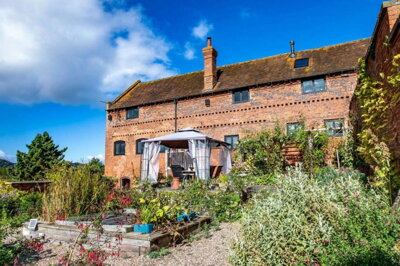
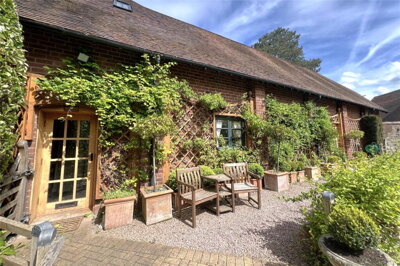
Barn Conversion
2 listings
Avg £1,075
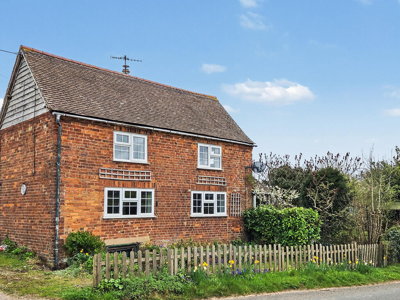
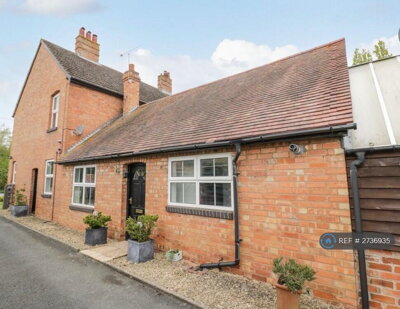
Cottage
1 listings
Avg £995
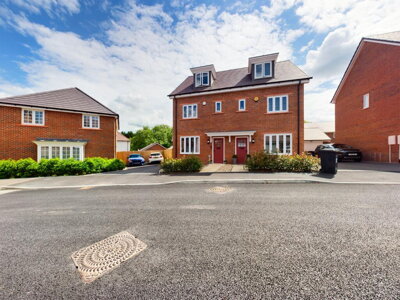
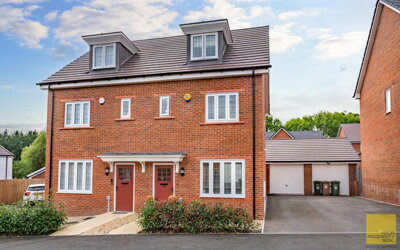
Semi-Detached
1 listings
Avg £995
Source: home.co.uk
Source: home.co.uk
The WR6 rental market reflects the broader Worcestershire property landscape, where demand consistently outstrips supply in desirable village locations. Our data shows that the area attracts tenants from diverse backgrounds, including young families seeking garden space, professionals working from home, and those looking to relocate from Birmingham and surrounding urban areas. The mix of period cottages, modern family homes, and converted farm buildings creates a varied rental portfolio that appeals to different lifestyle preferences and budget requirements. The average house price across WR6 sits around £470,000 to £550,000 depending on the source, with Zoopla reporting £547,902 and Rightmove showing £470,098 for the past twelve months.
Rental prices in WR6 typically align with the sales market, where detached properties command premium rents reflecting their larger floor areas and private gardens. Detached homes in the area have averaged around £553,000 to £688,000 in sale price, which translates to higher rental rates for tenants seeking this property type. Semi-detached homes offer excellent value for families needing multiple bedrooms without the higher costs associated with detached accommodation, with average sales prices around £360,000 to £378,000. Terraced properties in the villages remain popular among first-time renters and couples, offering character features and proximity to local amenities at more accessible price points, with typical sales values between £239,000 and £260,000.
The market has shown resilience despite economic pressures, with rental demand remaining steady throughout seasonal fluctuations. Landlords in WR6 generally maintain rental properties to high standards given the competitive tenant market, with many investing in upgrades to kitchens and bathrooms to attract quality tenants. Properties near village centres command premiums due to walkability, while those on the edges of villages may offer better value with the trade-off of requiring transport for daily needs. The Tenant Fees Act 2019 has standardised many aspects of the renting process, providing transparency around deposits, referencing costs, and permitted fees that tenants should expect when applying for properties in the area.

The WR6 postcode encompasses a network of traditional Worcestershire villages set against the backdrop of rolling farmland and the Malvern Hills escarpment. The area retains a strong agricultural heritage, with working farms, farm shops, and country markets forming part of daily life for residents. Villages such as Holt feature historic buildings including Grade II listed properties like Bentley Court farmhouse, reflecting the architectural richness of the locality. The Mercia Mudstone geology underlying much of the area, sometimes known as Keuper Marl, creates the characteristic red-brown soils that have shaped local building traditions and agricultural use for centuries.
Residents of WR6 enjoy access to essential amenities including village primary schools, parish churches, traditional public houses, and independent shops serving daily needs. The proximity to Worcester city centre, approximately 8 miles away, provides access to larger retail centres, supermarkets, healthcare facilities, and leisure amenities including the Cathedral, Guildhall, and Riverside shopping complex. The River Teme and its tributaries flow through parts of the postcode area, contributing to the scenic landscape while also necessitating awareness of localised flood considerations in certain low-lying areas. Properties near watercourses or in valley locations warrant particular attention regarding drainage and flood history before committing to a tenancy.
The community spirit in WR6 manifests through village halls, local football clubs, and seasonal events that bring residents together throughout the year. The Worcestershire Wildlife Trust manages several local nature reserves within reach of the postcode, offering walking routes and educational activities for families. Traditional pub culture remains strong, with establishments serving locally brewed ales and home-cooked food that form social hubs for village communities. Estate agents serving the area report that tenants who embrace village life and participate in community activities tend to enjoy longer, more settled tenancies in their rental properties.

Education provision within the WR6 postcode centres on several well-regarded primary schools serving the village communities. These smaller rural schools typically benefit from strong community connections and smaller class sizes, providing attentive learning environments for children in Key Stage 1 and Key Stage 2. Parents renting in WR6 should research specific school catchments, as admission policies often prioritse residents within defined geographic boundaries and waiting lists can be competitive for popular schools. The quality of rural primary education in Worcestershire generally receives positive recognition, with several schools maintaining Good or Outstanding Ofsted ratings that attract families specifically to the area.
Secondary education options for WR6 residents include schools in nearby Worcester and the surrounding market towns. Families may consider the availability of school transport services when selecting rental properties, as some secondary schools operate bus routes serving the village communities and these services may have capacity limits or eligibility criteria. The train station at Worcester Foregate Street provides direct connections to further education institutions, while sixth form provision is concentrated in Worcester city, offering A-level courses across various subject specialisms at schools including Worcester Sixth Form College and the Royal Grammer School. For families prioritising educational outcomes, researching specific school performance data and admission criteria before committing to a rental property is strongly advisable.
Families moving to WR6 from urban areas often find that the educational environment differs substantially from larger town schools, with more personalised attention and closer relationships between teachers and pupils. The Worcestershire local education authority provides online resources for checking school capacities and catchment boundaries, which tenants can use to identify which properties fall within desirable school zones. Properties near school bus routes can be particularly valuable for families, as private transport costs add significantly to the household budget when evaluating rental affordability. The investment in securing a rental property within a good school catchment often pays dividends in children's educational outcomes and family satisfaction with the chosen location.

Transport connectivity from WR6 relies primarily on road networks, with the A4103 and connecting B-roads linking village communities to Worcester and the wider motorway network. The M5 motorway junction 7 provides access to Birmingham, the West Midlands, and the South West, making WR6 viable for commuters willing to travel for work. Journey times to Worcester city centre typically range from 15 to 25 minutes depending on specific village location, while Birmingham can be reached in approximately 60 to 90 minutes by car during normal traffic conditions. The rural nature of the postcode means that car ownership remains practically essential for most residents, and this factor should feature prominently in rental budgeting decisions.
Public transport options in WR6 include bus services connecting villages to Worcester and nearby towns, though frequency may be limited compared to urban routes with some villages receiving only hourly services or less frequent departures on certain days. The Worcestershire County Council bus information service provides current timetables for routes serving WR6, though prospective tenants should verify weekend and evening service levels as these often differ from weekday provision. The train stations at Worcester Foregate Street or Worcester Shrub Hill provide rail connections to major destinations including Birmingham New Street, London Paddington via Oxford, and Bristol Temple Meads, with journey times to London typically around two and a half hours from Worcester.
For cyclists, the Worcestershire countryside offers both challenging hill routes towards the Malverns and more moderate lanes through the river valleys that make for pleasant commuting on drier days. National Cycle Route 44 passes through parts of the region, providing traffic-free options where available and connecting to the wider regional cycling network. Residents working from home benefit from improving broadband availability across most of the postcode, though rural connectivity speeds can vary between villages and properties should be checked individually for actual download and upload speeds before signing a tenancy agreement. The increasing prevalence of remote and hybrid working has made WR6 more attractive to professionals who can combine countryside living with video conference-based work, reducing the importance of daily commuting for many residents.

Calculate your monthly rental budget including rent, utilities, council tax, and moving costs. Aim to keep rent below 35% of gross income. Obtaining a rental budget agreement in principle before searching helps demonstrate seriousness to landlords and agents. In WR6, council tax bands typically range from A to D for most residential properties, with annual costs varying between approximately £1,200 and £1,800 depending on the band. Utility costs in larger detached properties can be substantially higher than in compact urban flats, so factoring in heating costs for period properties with less efficient insulation is advisable.
Explore different villages within the postcode to find locations matching your lifestyle needs. Consider proximity to schools, transport links, amenities, and commute requirements. Visiting at different times of day helps assess noise levels, traffic, and community atmosphere. The difference between villages like Holt with its historic core and newer developments near Bransford can significantly impact daily life, so understanding these distinctions before committing helps avoid unsuitable matches. Local letting agents can provide insights into which villages have lower vacancy rates and stronger tenant demand.
Contact local letting agents or use Homemove to arrange viewings of suitable properties. Prepare questions about the property condition, lease terms, included appliances, and landlord requirements. Viewing multiple properties helps compare value and identify the best options within your budget. When viewing properties in WR6, pay particular attention to the condition of boundaries, gardens, and outbuildings, as maintenance responsibilities will be detailed in the tenancy agreement. Photographs of existing damage should be documented immediately and shared with the agent to ensure the check-in report accurately reflects the property condition.
Once you find a suitable property, complete referencing applications promptly. Landlords typically require proof of identity, income verification, employment references, and previous landlord references. Having documentation prepared speeds up the process significantly. In competitive areas of WR6, landlords may receive multiple applications for desirable properties, so being first with a complete application that includes all required evidence improves your chances of success. Some landlords request additional information such as character references or employer contact details beyond the standard referencing requirements.
Review the tenancy agreement carefully before signing, noting the term length, rent amount, deposit amount, and any special conditions. Ensure you understand your responsibilities for maintenance and utilities. The deposit will be protected in a government-approved scheme within 30 days. In WR6, standard Assured Shorthold Tenancy agreements typically run for six months or one year, with many landlords preferring twelve-month terms to provide stability. The agreement should clearly specify which utilities are included, garden maintenance obligations, and any restrictions on pets or smoking that may apply to the property.
Coordinate with the landlord or agent to collect keys and complete a detailed inventory check. Document the property condition with photographs to protect against disputes at tenancy end. Arrange building insurance and notify utility companies of your move-in date. In rural WR6, ensuring broadband is connected before moving day avoids the frustration of delayed installation appointments, as Openreach scheduling can take several weeks in less populated areas. Registering with the local GP surgery and dental practice should be done promptly after moving, as local healthcare providers often have waiting lists for new patients.
Renting in rural Worcestershire requires attention to specific factors beyond those relevant in urban settings. Flood risk awareness is particularly relevant in parts of WR6 given the presence of the River Teme and its tributaries, with properties in low-lying valley locations potentially facing water ingress during periods of heavy rainfall. The local clay geology, derived from Mercia Mudstone deposits, can cause ground movement during dry spells that affects older structures, though modern properties are typically built with foundations designed to accommodate these conditions. Prospective tenants should enquire about previous flooding incidents, property elevation, and drainage history before committing to a tenancy, particularly for properties near watercourses or in areas shown on Environment Agency flood maps.
The age of properties in WR6 varies considerably, from Victorian terraces to modern estate homes built within the past two decades, creating a diverse housing stock with different maintenance requirements and character features. Older properties often feature character details such as original fireplaces, exposed beams, and thick walls providing natural insulation, but may require more maintenance attention and could have less effective modern heating systems. Properties in or near conservation areas, which exist in several WR6 villages, may have planning restrictions affecting alterations, so understanding these constraints before renting is advisable. Energy performance certificates provide important information about heating costs, with older period properties sometimes displaying lower ratings that impact utility budgets significantly during winter months.
Listed buildings require particular consideration, as Grade II listed properties like Bentley Court farmhouse in Holt have special protections that affect what tenants can do regarding modifications and alterations. Structural surveys are not typically required for rental properties, but tenants renting older homes would be wise to check the general condition of roofs, drains, and building foundations during viewings. The damp test readings and timber condition reports that our surveyors complete for property purchases provide useful indicators of maintenance issues that may affect rental properties in the same area. Checking the history of gas safety certificates, electrical installations, and any recent renovations helps tenants understand how well the property has been maintained by previous landlords.
Average rental prices in WR6 vary significantly based on property type and size, with detached family homes typically commanding £1,200 to £1,800 per month depending on size, condition, and specific location. Semi-detached homes and terraced cottages offer more affordable options ranging from approximately £700 to £1,200 per month for standard family accommodation. The rural location generally provides better value compared to comparable properties nearer to Birmingham or Bristol, where similar property types command premiums of 20-30%. Contact local letting agents for current market rents as prices fluctuate seasonally and depend on property condition, included appliances, and whether the property is furnished or unfurnished.
Properties in WR6 fall under Malvern Hills District Council or Worcester City Council depending on specific location within the postcode, with most villages served by Malvern Hills District. Council tax bands range from A to H and are assigned based on property value at the time of construction, with most residential properties in the area falling within bands A through D. Band D properties typically pay around £1,800 to £1,900 annually, while Band A properties pay approximately £1,200 to £1,300 per year. Prospective tenants should confirm the council tax band and associated annual costs before budgeting, as these form a significant part of monthly expenditure alongside rent and utilities.
Primary schools in the WR6 villages generally receive positive Ofsted reports, with class sizes typically smaller than urban alternatives providing more individual attention for children. The best school for your child depends on specific catchment areas and individual circumstances, so parents should verify which schools serve each village and property before making rental decisions. For secondary education, schools in Worcester such as the Royal Grammar School and Bishop Perowne College serve the area, along with options in nearby Malvern and Pershore. School transport availability from your chosen village location should factor into decisions for families with secondary-age children, as some routes may not serve all village locations.
Public transport connectivity in WR6 is limited compared to urban areas, with bus services providing the primary public option but operating at frequencies well below urban levels. Bus routes connecting villages to Worcester operate at varying frequencies, with some routes running only hourly or less on weekends and early morning services sometimes requiring advance booking. The train stations at Worcester Foregate Street and Shrub Hill provide broader rail connections to Birmingham, London, and Bristol but require road transport to reach from most WR6 villages, typically involving a bus journey or car trip to Worcester first. Residents without private vehicles should carefully assess bus timetables and consider the practical implications for commuting, shopping, and accessing healthcare appointments before committing to a rural rental.
WR6 offers an excellent quality of life for renters seeking rural Worcestershire living with reasonable access to urban amenities, particularly suitable for families valuing space and outdoor activities and remote workers wanting a countryside setting. The area provides strong community atmosphere through village events, local pubs, and community organisations that welcome new residents, while the proximity to the Malvern Hills enables excellent walking and outdoor recreation directly from your doorstep. The trade-off involves reduced public transport options and potentially longer commutes for those working in Worcester or further afield, requiring car ownership for most daily activities. Properties generally offer good value for the space provided, with village locations providing peaceful environments while maintaining access to essential services in nearby towns.
Standard deposits on rental properties in WR6 typically amount to five weeks rent, capped at five weeks rent where the annual rent exceeds £50,000, and this deposit must be protected in a government-approved scheme within 30 days of the tenancy start date. In addition to deposits, tenants should budget for referencing fees typically ranging from £60 to £150 depending on the agency, admin charges from letting agents, and check-out costs at tenancy end usually between £100 and £200. The Tenant Fees Act 2019 restricts what landlords and agents can legally charge, meaning surprise costs should not arise if using a reputable agency, though tenants should request a full breakdown of anticipated costs before submitting any application to rent a property.
Flood risk in WR6 varies considerably by specific location, with properties near the River Teme and its tributaries facing higher risk than those on higher ground in villages like Leigh Sinton and Bransford. The Environment Agency flood maps show varying risk levels across the postcode, with valley locations and properties near drainage channels potentially affected during periods of heavy rainfall or prolonged wet weather. Tenants should request information about flooding history from landlords or agents, verify the property's flood risk category, and consider whether buildings insurance covers flood damage before signing a tenancy agreement. Properties on elevated sites within the same village may offer significantly lower flood risk while remaining within walking distance of the same amenities.
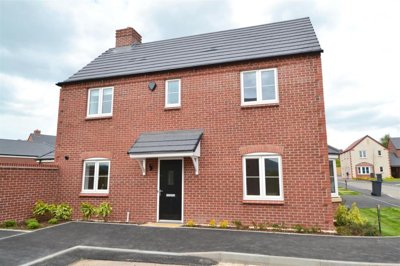
The WR6 rental market offers a diverse range of property types reflecting the varied housing stock across its constituent villages, from Victorian and Edwardian terraces in village centres to spacious detached homes on modern estates. Converted farm buildings and period cottages provide character accommodation sought by tenants wanting traditional features such as exposed beams, inglenook fireplaces, and thick stone walls. Modern semi-detached houses on estate developments offer family-friendly accommodation with contemporary fittings and good energy efficiency ratings, typically requiring lower utility costs than period properties. Availability fluctuates seasonally, with more properties typically coming onto the rental market during spring and summer months, so tenants flexible on move-in timing often find better selection.
From 4.5%
Our rental budgeting service helps you calculate what you can afford, including all associated costs
From £60
Comprehensive referencing including credit checks, employment verification, and previous landlord references
From £350
Professional survey for properties in WR6, ideal for older homes and character properties
From £75
Energy Performance Certificate for rental properties, required by law for all tenancies
Understanding the full cost of renting in WR6 extends beyond simply calculating monthly rent payments, with upfront costs often requiring several months rent in advance before moving day. The deposit represents the largest upfront cost, typically set at five weeks rent and refundable at tenancy end subject to property condition and any agreed deductions. Under the Tenant Fees Act 2019, deposits must be protected in a government-approved scheme within 30 days of receipt, providing security for both parties with clear dispute resolution procedures if disagreements arise at checkout. Deductions from deposits at checkout should be itemised with photographic evidence, so documenting the property condition at move-in with timestamped photographs protects tenants from unfair claims.
Additional fees to budget for include referencing costs covering credit checks and employment verification, typically ranging from £60 to £150 depending on the agency and depth of referencing required. Some landlords require a holding deposit to secure the property while referencing proceeds, usually equivalent to one week's rent and offset against the main deposit upon successful completion of checks. Utility connections, council tax registration, and removal van costs complete the moving budget, with rural moves potentially requiring longer travel times and higher van costs than urban relocations. Tenants moving from furnished properties should consider inventory costs for items needing replacement or storage, while those moving into unfurnished accommodation will need to budget for furniture and white goods.
First-time renters or those relocating from outside the area may face additional costs for furnishing and domestic connections that established residents might overlook. Broadband installation in rural WR6 can take several weeks to arrange, so tenants working from home should confirm availability and scheduling with service providers before move-in day. Building insurance for rental properties is the tenant's responsibility in most cases, with annual premiums typically ranging from £150 to £400 depending on property value and contents. Working with a reputable letting agent registered with a professional body such as ARLA Propertymark provides additional protections and ensures compliance with relevant regulations throughout the renting process.

Properties to Rent In London

Properties to Rent In Plymouth

Properties to Rent In Liverpool

Properties to Rent In Glasgow

Properties to Rent In Sheffield

Properties to Rent In Edinburgh

Properties to Rent In Coventry

Properties to Rent In Bradford

Properties to Rent In Manchester

Properties to Rent In Birmingham

Properties to Rent In Bristol

Properties to Rent In Oxford

Properties to Rent In Leicester

Properties to Rent In Newcastle

Properties to Rent In Leeds

Properties to Rent In Southampton

Properties to Rent In Cardiff

Properties to Rent In Nottingham

Properties to Rent In Norwich

Properties to Rent In Brighton

Properties to Rent In Derby

Properties to Rent In Portsmouth

Properties to Rent In Northampton

Properties to Rent In Milton Keynes

Properties to Rent In Bournemouth

Properties to Rent In Bolton

Properties to Rent In Swansea

Properties to Rent In Swindon

Properties to Rent In Peterborough

Properties to Rent In Wolverhampton

Enter your details to see if this property is within your budget.
Loans, cards, car finance
Estimated property budget
Borrowing + deposit
You could borrow between
Typical borrowing
Monthly repayment
Est. at 4.5%
Loan-to-value
This is an estimate only. Your actual budget may vary depending on interest rates, credit history, and personal circumstances. For an accurate affordability assessment, speak to one of our free mortgage advisors.
This calculator provides estimates for illustrative purposes only and does not constitute financial advice. Your home may be repossessed if you do not keep up repayments on your mortgage. Estimates based on 4.5% interest rate, repayment mortgage. Actual rates depend on your circumstances.
Homemove is a trading name of HM Haus Group Ltd (Company No. 13873779, registered in England & Wales). Homemove Mortgages Ltd (Company No. 15947693) is an Appointed Representative of TMG Direct Limited, trading as TMG Mortgage Network, which is authorised and regulated by the Financial Conduct Authority (FRN 786245). Homemove Mortgages Ltd is entered on the FCA Register as an Appointed Representative (FRN 1022429). You can check registrations at NewRegister or by calling 0800 111 6768.

We use cookies to show you personalised content and improve your experience of our website. Find out more in our Privacy policy and Cookie policy.