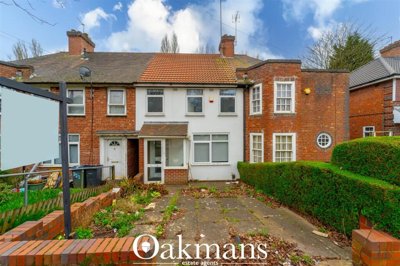
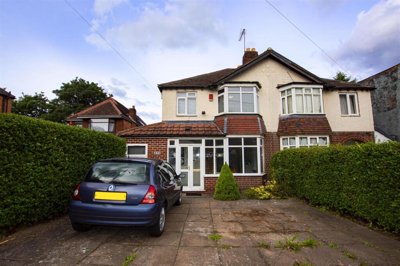
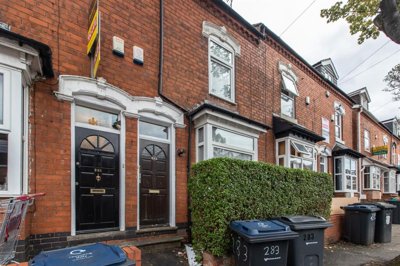
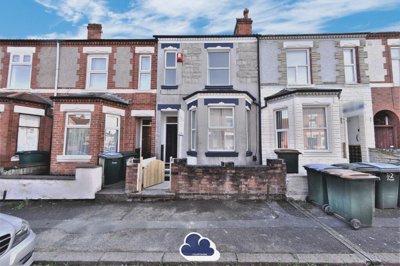
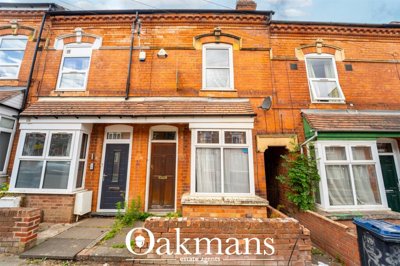
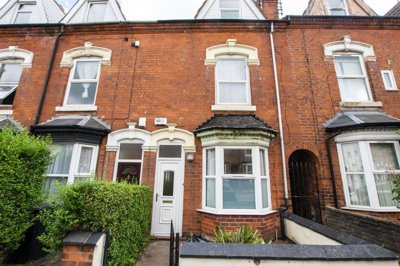
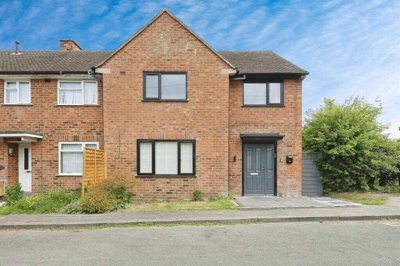
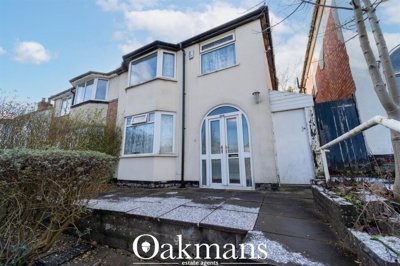
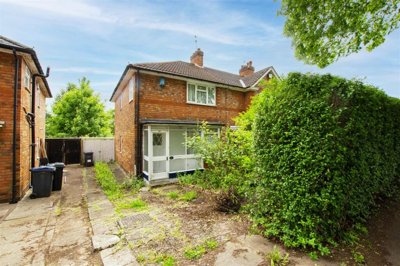
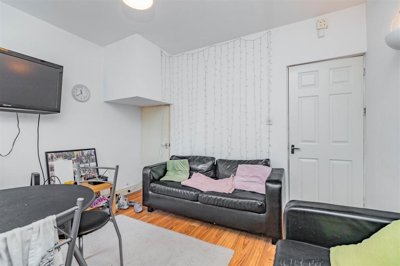
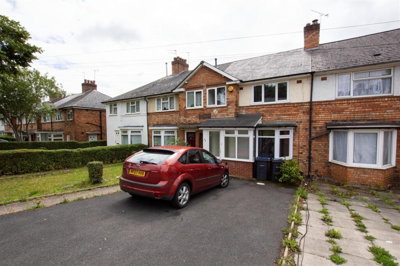
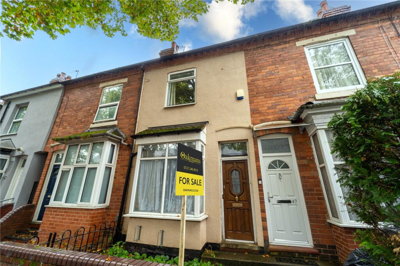
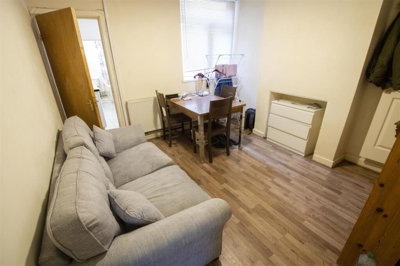
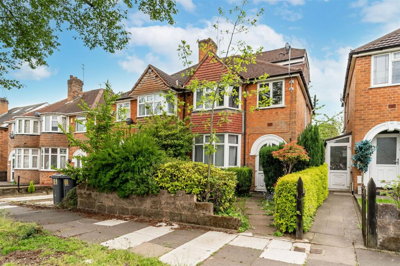
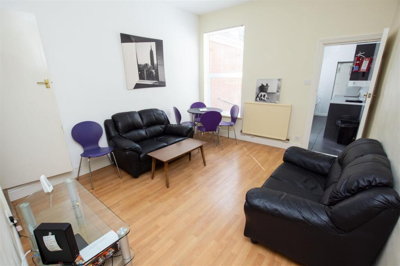
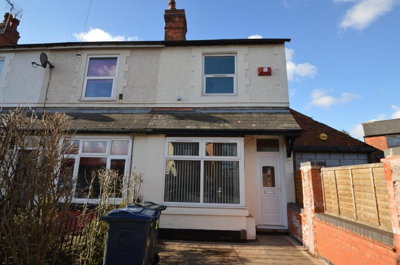
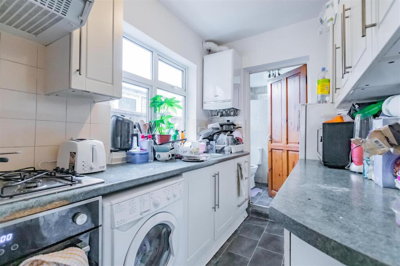
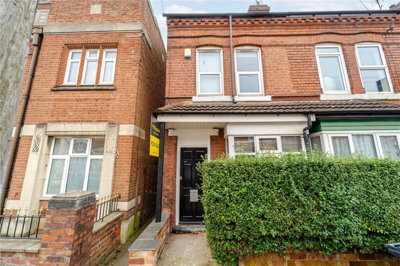
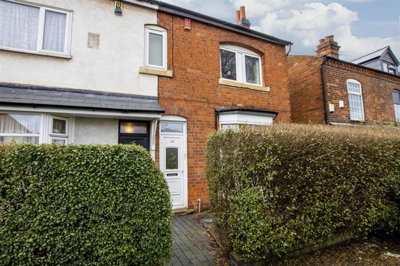
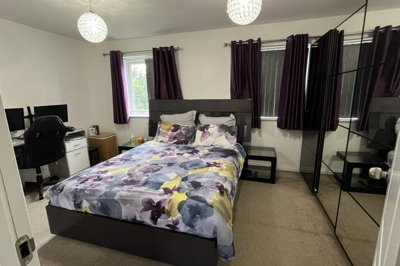
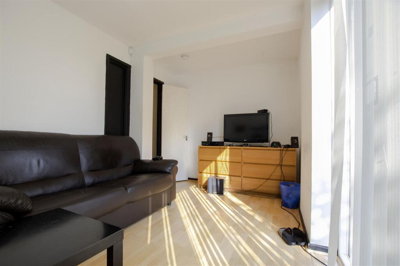
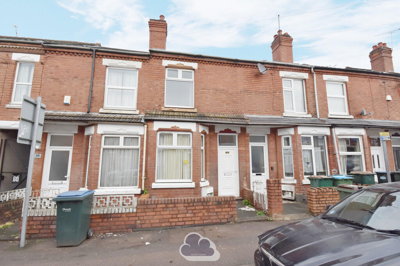
Browse 620 rental homes to rent in West Midlands from local letting agents.
The larger property sector typically features multiple bathrooms, substantial reception space, and private gardens or off-street parking. Four bedroom houses in West Midlands span detached, semi-detached, and occasionally terraced configurations, with styles ranging from period properties to modern executive homes.
The West Midlands rental market demonstrates healthy activity with approximately 59,500 property transactions recorded across the region in the past twelve months, according to market data from leading property analysts. The region has experienced some cooling in transaction volumes, with sales dropping by 17.1% compared to the previous year, though rental demand remains steady due to ongoing employment opportunities and the attraction of the region's cultural offerings. This market activity reflects the diverse nature of the West Midlands economy, which includes major employers such as Jaguar Land Rover, the NHS, major universities, and extensive manufacturing and technology sectors.
Property prices in the West Midlands region average around £281,000, with the county area showing a slightly lower average of £261,000. This price point makes the West Midlands notably more accessible than London and the South East, while still offering excellent connectivity and employment opportunities. Recent data indicates that house prices in the West Midlands have increased by approximately 2% over the past twelve months, with some areas showing growth of up to 3.5%, suggesting a stable and gradually appreciating market. Zoopla reported a 2.0% increase in West Midlands house prices in the four weeks leading to February 2026, indicating continued modest growth.
Property types across the West Midlands are well-distributed, with semi-detached homes comprising 35.3% of the market, terraced properties at 28.3%, detached houses at 25.3%, and flats accounting for 11.1% of available homes. This variety ensures that renters can find properties suited to their specific needs, whether seeking the character of a Victorian terraced home in areas like Jewellery Quarter or Balsall Heath, the space of a modern detached house in suburban Solihull, or the convenience of a city-centre flat in Birmingham's Eastside or Coventry city centre. The West Midlands also has an active new-build sector, with approximately 2,040 newly built properties sold in the region in the past twelve months, representing 3.4% of all sales.

The West Midlands region encompasses a rich variety of urban centres, historic towns, and suburban communities, each offering its own distinct character and lifestyle advantages. Birmingham, the second-largest city in England, serves as the regional powerhouse with world-class dining, shopping at the Bullring and Grand Central, cultural attractions including the Birmingham Museum and Art Gallery, and thriving entertainment districts in Brindleyplace and the Mailbox. The city has undergone significant regeneration in recent years, with developments like Paradise Birmingham and the Big City Plan transforming the city centre while preserving its historic heritage. Coventry brings its own heritage as a city of innovation and culture, having been named UK City of Culture in 2021, while Wolverhampton, Dudley, Solihull, Walsall, and Sandwell each contribute unique neighbourhoods and communities to the region's diverse landscape.
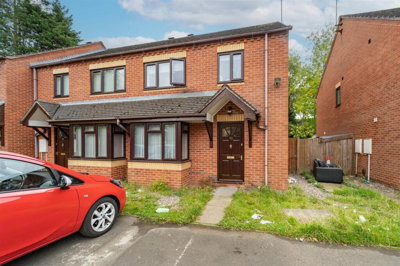
The area's industrial heritage has shaped much of the built environment, with red brick properties dominating the housing stock from the Victorian and Edwardian eras through to modern developments. The local geology features Mercia Mudstone, a red clay-rich deposit that underlies many parts of the region, contributing to the distinctive character of local architecture and providing the materials for the region's characteristic brick-making tradition. This clay-rich geology can present challenges for property foundations in some areas, particularly where historical mining activity has occurred, making thorough property investigations valuable for potential buyers in affected locations.
Green spaces are well-distributed throughout the West Midlands, with numerous parks, nature reserves, and the beautiful Warwickshire countryside providing recreational opportunities for residents. The region includes the extensive Birmingham Botanical Gardens, the historic Cannon Hill Park, and the stunning National Memorial Arboretum in Staffordshire. The West Midlands also benefits from an extensive network of canal towpaths, originally built for industrial transport but now popular for cycling and walking, providing scenic routes through urban areas and connecting to the wider countryside. The region also benefits from excellent cultural venues, including the Royal Shakespeare Company in Stratford-upon-Avon, the Coventry City of Culture events programme, and Birmingham's internationally-acclaimed arts scene at venues such as the Birmingham Hippodrome, Symphony Hall, and the Custard Factory creative quarter.

The West Midlands boasts an impressive range of educational institutions, making it a particularly attractive location for families seeking quality schooling options. Birmingham is home to several highly-regarded grammar schools, including King Edward VI School in Camp Hill, Grammar School for Girls, and Bishop Vesey's Grammar School for Boys, which consistently achieve excellent examination results and attract students from across the region. The eleven-plus examination process for entry to these selective schools begins in Year 4, with preparation typically starting in Year 3, and parents often prioritise rental locations within catchment areas to improve their children's chances of securing places at these prestigious institutions.
The city also offers numerous primary and secondary schools rated Good or Outstanding by Ofsted, providing parents with confidence in their children's educational development. Primary schools such as St Mary's Catholic Primary in Handsworth, Bournville Primary, and Pilgrim Catholic Primary are highly regarded, while secondary schools including Bishop Challoner Catholic College and King Edward VI School for Boys consistently achieve strong academic results. University of Birmingham, Aston University, and Birmingham City University all contribute to the city's strong academic reputation and international recognition, with the University of Birmingham ranked consistently among the UK's top 20 institutions and part of the prestigious Russell Group.
Beyond Birmingham, the West Midlands offers additional educational excellence through institutions such as the University of Warwick in Coventry, consistently ranked among the UK's top universities and renowned for its research output and graduate employability rates. Coventry University with its growing research profile attracts students from over 130 countries, while Wolverhampton University and Newman University in Birmingham provide valuable higher education options with strong vocational focus. Families considering rental properties in Solihull will find the borough well-served by selective grammar schools including Queen Elizabeth's School and Tudor Grange Grammar School, as well as high-performing comprehensives. For younger children, there are excellent primary schools across the region, with many achieving Outstanding Ofsted ratings in areas including Harborne, Edgbaston, and Bournville in Birmingham, as well as market towns throughout Warwickshire and Staffordshire. The presence of further education colleges in Wolverhampton, Walsall, and Dudley provides valuable vocational pathways for older students and career changers seeking practical qualifications.

The West Midlands benefits from exceptional transport infrastructure that connects residents to major cities and employment centres across the UK. Birmingham New Street station serves as a major hub with regular services to London Euston (journey time approximately 1 hour 10 minutes), Manchester Piccadilly, Leeds, Newcastle, and numerous other destinations. The station has undergone significant redevelopment, with the new Grand Central shopping complex providing excellent facilities for commuters and visitors alike. Birmingham Moor Street and Birmingham Snow Hill stations provide additional rail connections, while the nearby Birmingham International station offers direct services to London and provides connections to Birmingham Airport via the Air-Rail Link monorail system.
The West Midlands Metro tram system provides convenient urban transport across Birmingham, Wolverhampton, and surrounding areas, with extensions under construction to connect more neighbourhoods to the tram network. The wider bus network operated by National Express West Midlands offers extensive coverage throughout the region, with affordable day tickets and weekly passes available for regular commuters. For those commuting by car, the M6, M5, M42, and M40 motorways provide excellent road connections to Birmingham and surrounding towns, though traffic congestion during peak hours can affect journey times significantly on routes into Birmingham city centre and major employment areas.
Commuters from towns like Coventry can access Birmingham in under 30 minutes by train, making reverse commuting from Birmingham a practical option for those seeking more affordable rents while maintaining city-centre employment. Solihull offers direct CrossCountry services to Manchester and the north, while Warwick and Leamington Spa provide regular connections to Birmingham for residents of these popular commuter towns. The proposed HS2 high-speed rail link will further enhance connectivity, with Birmingham Curzon Street becoming a major interchange station and significantly reducing journey times to London to under 50 minutes once the line is complete. Birmingham Airport, located in the heart of the region at Elmdon, provides international connections and domestic flights, making the West Midlands an excellent base for frequent travellers and those with family abroad. For cyclists, the West Midlands Combined Authority has invested in expanding cycling infrastructure, with popular routes including the A38 cycleway and connections to the Rea Valley and canal towpaths that offer scenic alternatives to road commuting.

Before viewing properties, secure a rental budget agreement in principle from a financial provider. This demonstrates to landlords and letting agents that you are a serious tenant with verified affordability, giving you a competitive edge in the West Midlands rental market where demand can be high. Some letting agents may also request proof of employment income, typically requiring three months of payslips or recent bank statements.
Explore different areas within the West Midlands to find the neighbourhood that best matches your lifestyle needs. Consider commute times to work, proximity to schools if you have children, access to public transport, local amenities, and the character of different areas from urban Birmingham to suburban Solihull or historic Coventry. Popular rental areas include Moseley and Kings Heath for their vibrant community feel, Harborne for its village atmosphere close to the city, and Sutton Coldfield for family-friendly suburban living.
Once you have identified suitable properties, schedule viewings through our platform or directly with letting agents. In the competitive West Midlands market, be prepared to act quickly on properties you love and bring required documentation including proof of identity, employment references, and bank statements. Many properties in popular areas like Edgbaston, Moseley, and Solihull can receive multiple applications within days of listing, so being prepared with documentation gives you an advantage.
Successful applicants will undergo referencing checks including credit history verification, employment confirmation, and landlord references. Some letting agents in the West Midlands may also require a guarantor who is a UK homeowner and can commit to covering rent payments if needed. Ensure all paperwork is completed promptly to avoid losing your chosen property to another applicant, as referencing can take anywhere from 24 hours to several days depending on the agency.
Review your tenancy agreement carefully before signing, ensuring you understand the terms including rent amount, deposit amount (typically five weeks rent), lease length, and any specific conditions. Your deposit will be protected in a government-approved scheme within 30 days of the tenancy start date, and you should receive the prescribed information about which scheme is being used. Typical tenancy agreements in the West Midlands are for an initial six-month or twelve-month period.
Arrange your inventory check at the start of the tenancy, which documents the condition of the property and protects both tenant and landlord. This check should include detailed notes and photographs of all rooms and any items provided with the property. Arrange buildings insurance if required, set up utility accounts in your name, and enjoy settling into your new West Midlands home.
Renting in the West Midlands requires careful attention to several area-specific factors that can significantly impact your tenancy experience. Flood risk is an important consideration, particularly for properties near major rivers including the River Severn, River Tame, River Avon, and River Trent, as well as their tributaries and associated waterways. Surface water flooding during heavy rainfall can affect urban areas with extensive impermeable surfaces, so checking the Environment Agency flood risk maps before committing to a property is advisable, especially during autumn and winter months when rainfall is most intense. Properties in flood risk areas may require specialist insurance and could face disruption during extreme weather events.
Properties in former mining areas, particularly in parts of the Black Country and surrounding Staffordshire and Warwickshire, may be subject to ground instability issues related to historical coal mining activity. While many homes in these areas are perfectly safe, understanding the mining history of a specific location can help you make an informed decision. A mining report from the Coal Authority can provide information about historical mining activity beneath a property, and this is particularly advisable for properties in areas like Dudley, Walsall, and parts of Wolverhampton where coal mining was extensive. The West Midlands also contains numerous conservation areas and listed buildings, particularly in historic city and town centres, which may be subject to specific planning restrictions regarding alterations, extensions, or exterior changes.
When evaluating rental properties, consider the construction type and age of the property, as these factors influence heating costs, maintenance requirements, and potential issues. The West Midlands has a significant proportion of older properties from the Victorian, Edwardian, and inter-war periods, which may feature solid wall construction, older wiring systems, or original features that require careful maintenance. Properties built before the 1980s may have older electrical systems that have not been updated to meet current standards, and you should ask the landlord about recent electrical inspections and any planned upgrades. Modern apartments in developments across Birmingham and Coventry may offer contemporary conveniences but could come with service charges and ground rent considerations that should be factored into your overall rental budget calculations.

While specific rental prices vary by property type and location, the West Midlands offers generally more affordable rents compared to London and the South East. One-bedroom apartments in Birmingham city centre typically range from £800 to £1,200 per month, with prices varying significantly between premium areas like Brindleyplace and more affordable options in Digbeth or Balsall Heath. Similar properties in Coventry or Wolverhampton may be available from £650 to £950 per month, making these cities attractive options for renters seeking more space for their budget. Family homes with three or four bedrooms in suburban areas like Solihull, Harborne, or Sutton Coldfield typically range from £1,400 to £2,200 per month depending on size, condition, and proximity to local amenities. Two-bedroom terraced houses in popular areas like Moseley or Stirchley offer excellent value at around £950 to £1,250 per month.
Council tax bands in the West Midlands vary by property value and local authority area, with bands ranging from A (the lowest) to H (the highest). Birmingham properties typically fall into bands A through H, with the majority of standard three-bedroom homes in band C or D, costing approximately £1,500 to £2,000 per year depending on the specific band and any applicable discounts. Coventry, Wolverhampton, Dudley, Walsall, and Solihull each operate their own council tax schedules, with similar band distributions across the region but varying rates per band. You can check the specific council tax band for any property through the relevant local authority website using the property address, and students, single occupants, and those with disabilities may qualify for council tax discounts.
The West Midlands offers excellent educational options at all levels, with Birmingham hosting several prestigious grammar schools including King Edward VI School and Bishop Vesey's Grammar School for Boys, Grammar School for Girls, and King Edward VI Camp Hill Boys and Girls grammar schools, all of which regularly feature in top school rankings nationally. Primary schools such as St Mary's Catholic Primary in Handsworth and Bournville Primary are highly regarded, while secondary schools including Bishop Challoner Catholic College and King Edward VI School for Boys consistently achieve strong academic results with high percentages of students achieving top GCSE grades. The University of Birmingham, University of Warwick (ranked in the top 10 UK universities), and Coventry University provide top-tier higher education opportunities within the region, while Solihull's grammar schools including Queen Elizabeth's School attract students from across the West Midlands.
The West Midlands benefits from excellent public transport infrastructure, with Birmingham New Street serving as a major national rail hub offering direct services to London, Manchester, Leeds, Newcastle, and other major cities, with the fastest trains to London taking just over one hour. The West Midlands Metro tram network connects Birmingham, Wolverhampton, and surrounding areas including West Bromwich and Bilston, with further extensions planned to improve coverage. An extensive bus network provides comprehensive local coverage throughout the region, with National Express West Midlands operating the majority of urban routes and smaller operators serving more rural areas. Birmingham Airport offers international connections to over 40 destinations and domestic flights, while towns like Coventry and Solihull have their own train stations with regular services to Birmingham New Street, making commuting throughout the region highly practical even without a car.
The West Midlands is widely regarded as an excellent area for renters, offering a strong combination of affordability, employment opportunities, and quality of life that compares favourably to many other UK regions. The region benefits from a diverse economy with major employers including Jaguar Land Rover (with facilities in Solihull and Coventry), the NHS (one of the largest employers in the country), major universities, and extensive manufacturing and technology sectors that provide steady employment across various skill levels. Rental demand remains steady due to ongoing employment opportunities and the attraction of the region's cultural offerings, schools, and transport connections, while the variety of neighbourhoods from vibrant city-centre Birmingham to suburban Solihull and historic Coventry provides options for different lifestyles and budgets. The cost of living in the West Midlands is generally lower than in London and the South East, with lower rents, more affordable property prices, and reduced commuting costs contributing to a higher standard of living.
Standard deposits on rental properties in the West Midlands are typically five weeks rent, which is capped at five weeks rent where the annual rent is less than £50,000, providing important protection for tenants renting at higher end properties. For a typical one-bedroom apartment renting at £900 per month, this means a deposit of approximately £2,075, which must be protected in a government-approved scheme (such as Deposit Protection Service, MyDeposits, or Tenancy Deposit Scheme) within 30 days of the landlord receiving it. Holding deposits are sometimes requested to secure a property while referencing checks are completed, but these are capped at one week's rent and should be deducted from your final deposit or rent. Tenant fees were largely banned for most holding deposits and check-in costs under the Tenant Fees Act 2019, though some permitted payments may still apply including reasonable costs for late rent payments or replacing lost keys. Always request a full breakdown of any fees from your letting agent before committing to a property.
From 4.5% APR
Calculate your renting budget and affordability
From £499
Comprehensive tenant referencing checks
From £85
Energy performance certificates for rental properties
From £99
Detailed property inventory reports
Understanding the financial requirements for renting in the West Midlands helps you budget effectively and avoid unexpected costs during your tenancy search. The most significant upfront cost is the security deposit, which is capped at five weeks rent for properties with annual rents below £50,000, providing important tenant protections under the Tenant Fees Act 2019. For a typical one-bedroom apartment renting at £900 per month, this means a deposit of approximately £2,075, while a three-bedroom family home at £1,500 per month would require a deposit of around £3,461. This deposit must be protected in a government-approved scheme (such as Deposit Protection Service, MyDeposits, or Tenancy Deposit Scheme) within 30 days of receiving it, giving you legal protection and ensuring you can recover it at the end of your tenancy if the property is left in satisfactory condition and with reasonable wear and tear accounted for.
Holding deposits are sometimes requested to secure a property while referencing checks are completed, but these are capped at one week's rent and should be deducted from your final deposit or rent payments rather than being an additional cost. Permitted fees under the Tenant Fees Act 2019 are limited to rent, deposits, default charges for lost keys or security devices, and reasonable changes to the tenancy requested by the tenant. Many letting agents in the West Midlands have shifted to zero-fee models in recent years, though it is always worth confirming before engaging with any agent, as fee structures can vary between agencies and between individual landlords.
When calculating your moving costs, remember to budget for removal services, potential furniture purchases if moving from furnished accommodation, and setting up utility accounts including gas, electricity, water, and internet, which are typically transferred into your name on the tenancy start date. You may also need to pay connection fees for some utilities and broadband services. Council tax registration should be completed promptly upon moving in, as failing to do so can result in penalties, and you should check whether you qualify for any discounts such as single occupancy reduction, student exemption, or disability discount. The first month's rent is typically due at the start of the tenancy alongside your deposit, so ensuring you have sufficient funds to cover both is essential before committing to a property.
Properties to Rent In London

Properties to Rent In Plymouth

Properties to Rent In Liverpool

Properties to Rent In Glasgow

Properties to Rent In Sheffield

Properties to Rent In Edinburgh

Properties to Rent In Coventry

Properties to Rent In Bradford

Properties to Rent In Manchester

Properties to Rent In Birmingham

Properties to Rent In Bristol

Properties to Rent In Oxford

Properties to Rent In Leicester

Properties to Rent In Newcastle

Properties to Rent In Leeds

Properties to Rent In Southampton

Properties to Rent In Cardiff

Properties to Rent In Nottingham

Properties to Rent In Norwich

Properties to Rent In Brighton

Properties to Rent In Derby

Properties to Rent In Portsmouth

Properties to Rent In Northampton

Properties to Rent In Milton Keynes

Properties to Rent In Bournemouth

Properties to Rent In Bolton

Properties to Rent In Swansea

Properties to Rent In Swindon

Properties to Rent In Peterborough

Properties to Rent In Wolverhampton

Enter your details to see if this property is within your budget.
Loans, cards, car finance
Estimated property budget
Borrowing + deposit
You could borrow between
Typical borrowing
Monthly repayment
Est. at 4.5%
Loan-to-value
This is an estimate only. Your actual budget may vary depending on interest rates, credit history, and personal circumstances. For an accurate affordability assessment, speak to one of our free mortgage advisors.
This calculator provides estimates for illustrative purposes only and does not constitute financial advice. Your home may be repossessed if you do not keep up repayments on your mortgage. Estimates based on 4.5% interest rate, repayment mortgage. Actual rates depend on your circumstances.
Homemove is a trading name of HM Haus Group Ltd (Company No. 13873779, registered in England & Wales). Homemove Mortgages Ltd (Company No. 15947693) is an Appointed Representative of TMG Direct Limited, trading as TMG Mortgage Network, which is authorised and regulated by the Financial Conduct Authority (FRN 786245). Homemove Mortgages Ltd is entered on the FCA Register as an Appointed Representative (FRN 1022429). You can check registrations at NewRegister or by calling 0800 111 6768.

We use cookies to show you personalised content and improve your experience of our website. Find out more in our Privacy policy and Cookie policy.