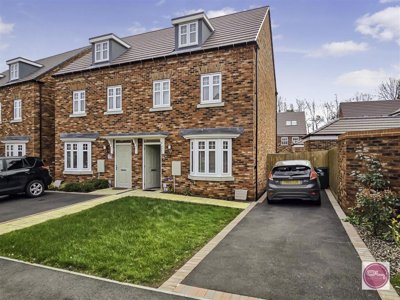
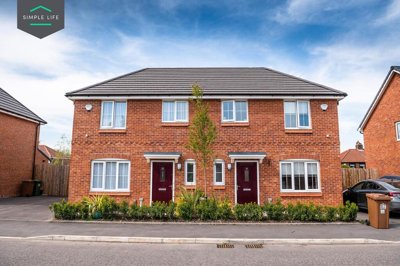
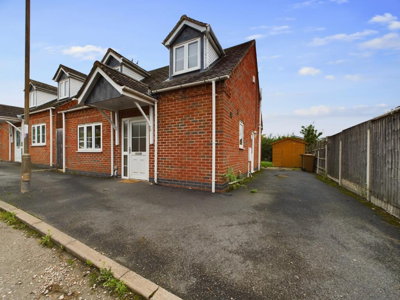
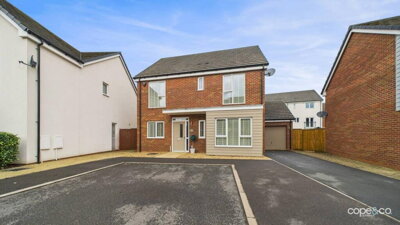
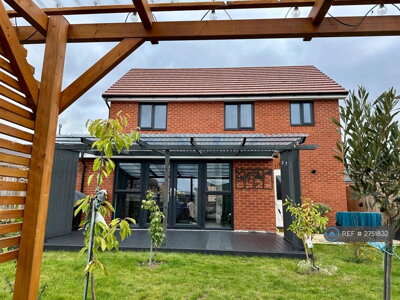
Browse 5 rental homes to rent in Walton upon Trent from local letting agents.
The rental market in Walton upon Trent reflects the village's desirable location and the broader trends in South Derbyshire's property sector. Our data shows that rental properties in this area typically command competitive prices due to limited supply and strong demand from tenants seeking village living with excellent transport connections. The market primarily features traditional properties including terraced cottages, semi-detached homes, and occasionally larger detached houses that appeal to families.
When considering rental options in Walton upon Trent, prospective tenants should be aware that the village's popularity has grown significantly in recent years. Property prices in the broader area have seen rises of around 3% year-on-year according to recent market data, with some segments showing stronger growth. Properties along Main Street and those within the designated Walton on Trent Conservation Area are particularly sought after, offering character features and proximity to the village's historic core. The nearby Drakelow Park development has also influenced the local market, with new homes in the surrounding area creating additional rental opportunities and raising the profile of the Walton upon Trent area.
For those interested in purchasing rather than renting, the sales market shows overall average prices around £333,363, with detached properties averaging £511,665 and semi-detached homes around £275,333. Terraced properties in the village average around £240,000, offering more accessible entry points to this popular South Derbyshire location. These figures demonstrate the premium that buyers place on Walton upon Trent's character and connectivity, which similarly influences rental values in the area.

Walton upon Trent is a village that rewards those who appreciate England's rural heritage and architectural history. The Walton on Trent Conservation Area, designated in 1992, encompasses much of the village's historic centre, protecting buildings of significant character including Walton Hall (Grade II*), the Church of St Laurence (Grade II*), and numerous other listed buildings that line Main Street. The village's architecture tells a story of centuries of development, from timber-framed 17th-century houses with brick nogging to the impressive 18th-century brick mansions that still stand today. Many buildings feature the distinctive red clay tiles that became common after the Trent and Mersey Canal opened in 1777, connecting the area to broader markets.
The village sits within the Trent valley on the east bank of the River Trent, a geographical setting that has shaped both its history and character. Local building materials reflect this riverside heritage, with many historic properties featuring red brick construction, painted gauged brick, and stone dressings. The Church of St Laurence exemplifies local building traditions, constructed from an attractive assortment of reddish-brown and buff-coloured sandstones that warm the village's appearance throughout the year. More substantial historic houses often have stone lintels and dressed stone sills, reflecting the prosperity that came from agricultural trade along the River Trent.
The village maintains a traditional pub, local shop, and community facilities that serve residents without requiring journeys to larger towns. Community life centres around the historic core, with events and gatherings drawing residents together throughout the year. The Walton upon Trent area also benefits from proximity to natural green spaces, including the Trent valley countryside that offers extensive walking and cycling opportunities. For recreational activities, the nearby towns of Burton upon Trent and Lichfield provide additional amenities, leisure facilities, and retail options within easy reach.

Families considering a move to Walton upon Trent will find educational options available within the local area, though the village itself has limited schooling facilities within its boundary. The nearest primary schools serve surrounding villages and the nearby town of Barton-under-Needwood, which has earned a strong reputation for educational provision in South Derbyshire. Parents should research specific admissions criteria and catchment areas, as these can vary significantly and change with local authority policy updates. Early years provision is available locally, with several nurseries and pre-schools operating in nearby communities.
Secondary education options include schools in Burton upon Trent and further afield in Derby, with school transport arrangements available for families requiring them. The village's position between these two larger towns means families have access to a broader range of educational choices than might be expected in a village of this size, making Walton upon Trent attractive for households with school-age children. Schools in Burton upon Trent include The de Ferrers Academy and Thomas Heckingbottom School, both serving students from Year 7 onwards. Parents should verify current school performance data through official Ofsted reports and admissions policies, as catchment areas can be competitive.
For those seeking independent schooling, the surrounding region offers several well-regarded options in Staffordshire and Derbyshire. Transport considerations should factor into decisions about secondary school placement, particularly given the rural nature of the area and variable public transport frequencies. Families should also consider the additional time and costs associated with transporting children to schools in nearby towns, as early morning and afternoon transport arrangements can significantly impact daily routines.

Transport connectivity is a significant advantage of renting in Walton upon Trent, with the village positioned to offer the best of rural and urban accessibility. The A38 dual carriageway runs nearby, providing direct connections to Derby to the north and Burton upon Trent to the south, where the A50 links to the wider motorway network including connections to the M1, M6, and M42. This strategic positioning makes Walton upon Trent particularly attractive to commuters working in the East Midlands, with Birmingham accessible in around 45 minutes by car when traffic conditions allow.
Public transport options include bus services connecting Walton upon Trent with nearby towns, though frequencies may be limited compared to urban centres. Bus routes serve the village regularly throughout the day, providing connections to Burton upon Trent where passengers can access additional transport options. The nearest railway stations can be found in Burton upon Trent and Lichfield, offering direct services to major cities including Birmingham, Derby, and London. Lichfield Trent Valley station provides direct trains to London Euston, while Burton upon Trent station offers regular services to Birmingham and Derby.
For cyclists, the surrounding countryside offers scenic routes along the Trent valley, though the A38 presents challenges for those without dedicated cycling infrastructure. The proposed infrastructure improvements, including a new bypass and replacement bridge over the River Trent, aim to address current traffic pressures in the village and improve safety for residents and cyclists alike. These planned developments, part of the Drakelow Park housing development, should significantly enhance connectivity when completed, reducing journey times and providing safer routes for all users.

The area surrounding Walton upon Trent is experiencing significant development activity that impacts the local property market and rental landscape. The most notable is the Drakelow Park development on the former Drakelow Power Station site, a major project by Countryside Partnerships (now Vistry Group) located near Burton upon Trent. While the specific postcodes for Drakelow Park properties (DE15 9WQ and DE15 9UA) fall outside the DE12 Walton upon Trent postcode area, the development's proximity and planned infrastructure improvements are influencing rental demand in the village itself.
The Drakelow Park development includes a mix of 3 and 4-bedroom homes with shared ownership options, creating new housing stock in the South Derbyshire area. Crucially, this development includes planned infrastructure improvements specifically designed to benefit Walton upon Trent residents. A new 1.5km bypass and a 150m-long three-span bridge over the River Trent are proposed to ease traffic congestion in the village and replace the existing Bailey Bridge. These improvements address long-standing concerns about traffic flow through Walton upon Trent, particularly during peak hours and flood events when the existing bridge has been damaged in the past.
Within Walton upon Trent itself, planning approvals have included new build dwellings on previously undeveloped sites, reflecting continued interest in development within the village. An approved development at 14 Coton Road represents exclusive new housing opportunities within the village boundary. These developments, alongside the broader growth in South Derbyshire, contribute to the evolving character of the area while maintaining the traditional architecture and materials that define Walton upon Trent's conservation area.

Begin your rental journey by exploring available properties in Walton upon Trent through Homemove. Consider your budget, preferred property type, and proximity to essential amenities like schools and transport links. Take time to understand the village's character by visiting at different times and exploring the conservation area along Main Street and around Walton Hall.
Once you have identified suitable properties, schedule viewings to assess the property's condition, location within the village, and whether it meets your requirements. Take time to explore the surrounding neighbourhood and check flood risk for the specific property you are considering, particularly if viewing properties near Main Street or the Drakelow West area.
Before making an offer or proceeding with a tenancy application, secure a rental budget agreement in principle. This demonstrates your financial credibility to landlords and helps you understand your borrowing capacity for monthly rental payments. Landlords in Walton upon Trent typically seek tenants who can demonstrate stable income and reliable references.
If you decide to proceed, complete the landlord's referencing process, which typically involves credit checks, employment verification, and landlord references. Be prepared to provide documentation supporting your income and residency history. First-time renters should gather payslips, bank statements, and previous landlord details in advance.
Review your tenancy agreement carefully, paying particular attention to deposit amounts, lease duration, and any specific conditions relating to the property. Your deposit will be protected in a government-approved scheme within 30 days. Properties within the conservation area may have additional conditions relating to permitted alterations.
Arrange your inventory check at move-in, ensuring all items are documented to protect your deposit at the end of the tenancy. Take photos and keep copies of all documentation. For properties with gardens, particularly those extending into Flood Zones, document the condition thoroughly including any flood defences or previous damage.
Renting in Walton upon Trent requires careful consideration of several local factors that distinguish this village from more urban locations. Flood risk is an important consideration for prospective tenants, as the village lies within the River Trent valley and some properties, particularly those on Main Street and in the Drakelow West area, have gardens that extend into designated Flood Zones. Some properties already experience flooding during a one-in-100-year flood event, making this a serious consideration for long-term tenants. Before committing to a tenancy, discuss flood history with the landlord and consider whether buildings insurance covers flood damage.
The existing Bailey Bridge over the River Trent has experienced flood damage in the past, which can affect access during extreme weather events. Planned replacement with a new three-span bridge is intended to address these access issues, but until the Drakelow Park infrastructure is complete, residents should be prepared for potential disruption during severe weather. Tenants should also discuss emergency access arrangements with landlords and ensure they understand the village's emergency procedures during flood events.
Properties within the Walton on Trent Conservation Area may be subject to planning restrictions that limit alterations or extensions without consent from South Derbyshire District Council. Tenants should clarify what changes are permitted during their tenancy and understand that certain planning conditions run with the property. Traditional construction methods common in the village's older properties may require more maintenance attention, including potential issues with damp in timber-framed buildings or the condition of original clay tile roofs. Factor this into your property inspections and negotiate accordingly with landlords regarding maintenance responsibilities. The village's historic properties, some dating back to the 17th century, require sympathetic maintenance that landlords should budget for appropriately.
Understanding the financial commitment involved in renting is essential before beginning your property search in Walton upon Trent. The initial costs typically include your first month's rent in advance, a security deposit equivalent to five weeks' rent, and various administrative fees associated with tenancy setup. For properties with annual rent below £50,000, there is currently no stamp duty land tax payable by tenants, though this threshold may change with future government announcements. Budget for additional costs including inventory checks, which typically cost between £100-200 depending on property size, and referencing fees.
First-time renters should note that while you may benefit from relief on stamp duty land tax as a first-time buyer purchasing a property, this relief does not typically apply to rental payments. Protecting your deposit through a government-approved scheme is a legal requirement for landlords, and you should receive information about which scheme protects your money within 30 days of the start of your tenancy. The three approved schemes are the Deposit Protection Service, MyDeposits, and the Tenancy Deposit Scheme. Ask your landlord or letting agent which scheme applies to your deposit.
Always obtain receipts for all payments made and keep copies of all documentation and correspondence with your landlord or letting agent throughout your tenancy to protect yourself in any future disputes. For properties in Walton upon Trent, where many homes have historic features or are listed buildings, documentation of property condition at move-in is particularly important. Disputes about deposit deductions for wear and tear are less likely to arise when thorough records exist from the start of your tenancy.
While specific rental data for Walton upon Trent is limited due to the village's small size, rental prices in this part of South Derbyshire typically reflect the area's desirability and proximity to Burton upon Trent and Derby. Prices vary significantly based on property type, with terraced cottages generally offering more affordable options while detached family homes command premium rents. Comparable properties in nearby towns suggest two-bedroom terraced properties typically rent from around £700-900 per month, with larger family homes ranging from £1,000-1,500 per month depending on condition and location. For accurate current pricing, we recommend searching our property listings which are updated regularly with new rental opportunities throughout Walton upon Trent and surrounding areas.
Properties in Walton upon Trent fall under South Derbyshire District Council for council tax purposes. Council tax bands vary by property depending on the property's valuation and type. Historic properties, including many of the village's listed buildings and conservation area homes, may fall into various bands depending on their characteristics and size. For example, a period cottage on Main Street might fall into Band C or D, while larger detached properties could be in higher bands. Prospective tenants should request the specific council tax band from the landlord or agent before committing to a tenancy, as this forms part of the ongoing cost of renting.
Walton upon Trent itself has limited schooling facilities within the village boundary, with families typically relying on primary schools in surrounding villages and nearby towns. Barton-under-Needwood Primary School is well-regarded and serves several surrounding communities, including those on the northern side of Walton upon Trent. For secondary education, The de Ferrers Academy in Burton upon Trent serves the local area, along with other secondary schools accessible via school transport. Parents should verify current school performance data through official Ofsted reports and admissions policies, as catchment areas can be competitive and transport arrangements may be necessary for families choosing schools further afield in Derby.
Walton upon Trent is connected to surrounding areas via local bus services, though frequencies may be limited compared to urban centres. The village has regular bus connections to Burton upon Trent throughout the day, allowing access to additional bus routes, train services, and town amenities. The nearest railway stations are in Burton upon Trent and Lichfield, both offering regular services to Birmingham, Derby, and beyond. Lichfield Trent Valley provides direct trains to London Euston with a journey time of around 90 minutes. For commuters reliant on public transport, checking specific bus and train timetables is essential before committing to a rental property in the village, as weekend and evening services may be particularly sparse.
Walton upon Trent offers an excellent quality of life for renters seeking village living with good connections to larger towns and cities. The village's conservation area status and listed buildings create a distinctive character that appeals to those who appreciate historic environments and traditional architecture. Community facilities include a local shop, traditional pub, and regular community events that bring residents together. Commuters benefit from proximity to the A38 and A50, while the planned infrastructure improvements, including a new bypass and bridge, should enhance the village's accessibility and reduce traffic pressures further. The limited availability of rental properties means early viewing is advisable when opportunities arise.
Standard practice for renting in England involves a security deposit equivalent to five weeks' rent, which must be protected in a government-approved scheme within 30 days of receiving it. Tenant referencing fees, background checks, and inventory costs may also apply as part of the tenancy setup. Inventory costs typically range from £100-200 depending on property size, while referencing fees vary by provider. First-time renters should note that stamp duty land tax does not typically apply to residential tenancy agreements. Always request a full breakdown of costs from your landlord or letting agent before committing to ensure you understand all financial commitments involved. In Walton upon Trent, where many properties are historic or character homes, tenants should also budget for potential maintenance requests or property-related communications with landlords.
From 4.5%
Expert rental budget assessments to help you understand what you can afford
From £49
Comprehensive referencing services for landlords and tenants
From £85
Energy Performance Certificates for rental properties
From £100
Professional inventory reports to protect your deposit
Properties to Rent In London

Properties to Rent In Plymouth

Properties to Rent In Liverpool

Properties to Rent In Glasgow

Properties to Rent In Sheffield

Properties to Rent In Edinburgh

Properties to Rent In Coventry

Properties to Rent In Bradford

Properties to Rent In Manchester

Properties to Rent In Birmingham

Properties to Rent In Bristol

Properties to Rent In Oxford

Properties to Rent In Leicester

Properties to Rent In Newcastle

Properties to Rent In Leeds

Properties to Rent In Southampton

Properties to Rent In Cardiff

Properties to Rent In Nottingham

Properties to Rent In Norwich

Properties to Rent In Brighton

Properties to Rent In Derby

Properties to Rent In Portsmouth

Properties to Rent In Northampton

Properties to Rent In Milton Keynes

Properties to Rent In Bournemouth

Properties to Rent In Bolton

Properties to Rent In Swansea

Properties to Rent In Swindon

Properties to Rent In Peterborough

Properties to Rent In Wolverhampton

Enter your details to see if this property is within your budget.
Loans, cards, car finance
Estimated property budget
Borrowing + deposit
You could borrow between
Typical borrowing
Monthly repayment
Est. at 4.5%
Loan-to-value
This is an estimate only. Your actual budget may vary depending on interest rates, credit history, and personal circumstances. For an accurate affordability assessment, speak to one of our free mortgage advisors.
This calculator provides estimates for illustrative purposes only and does not constitute financial advice. Your home may be repossessed if you do not keep up repayments on your mortgage. Estimates based on 4.5% interest rate, repayment mortgage. Actual rates depend on your circumstances.
Homemove is a trading name of HM Haus Group Ltd (Company No. 13873779, registered in England & Wales). Homemove Mortgages Ltd (Company No. 15947693) is an Appointed Representative of TMG Direct Limited, trading as TMG Mortgage Network, which is authorised and regulated by the Financial Conduct Authority (FRN 786245). Homemove Mortgages Ltd is entered on the FCA Register as an Appointed Representative (FRN 1022429). You can check registrations at NewRegister or by calling 0800 111 6768.

We use cookies to show you personalised content and improve your experience of our website. Find out more in our Privacy policy and Cookie policy.