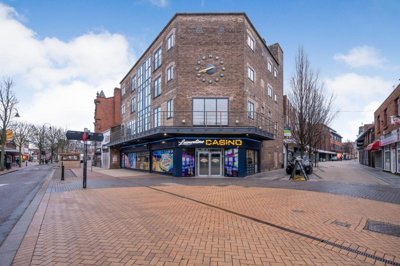
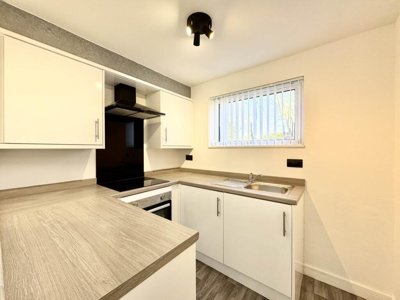
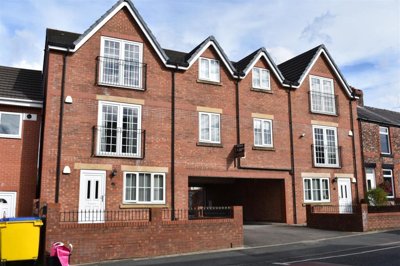
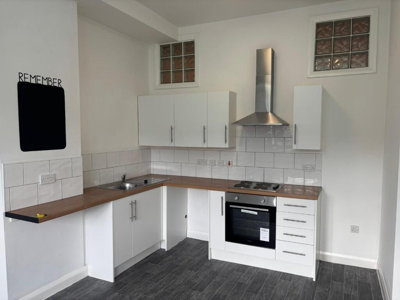
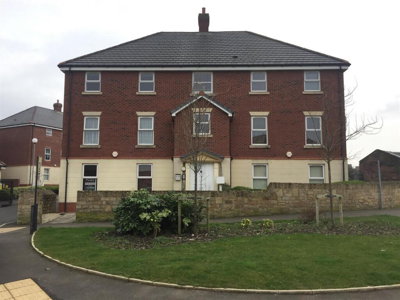
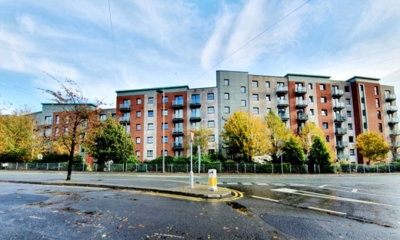
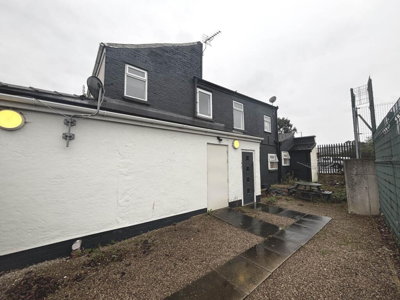
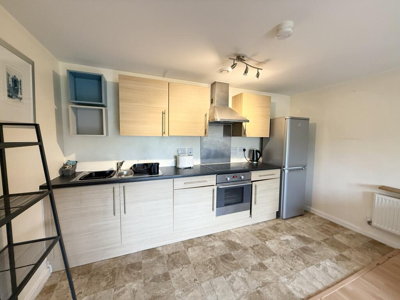
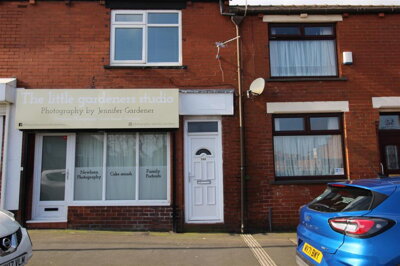
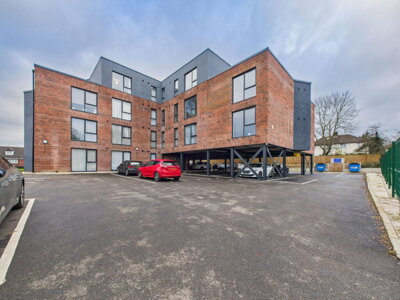
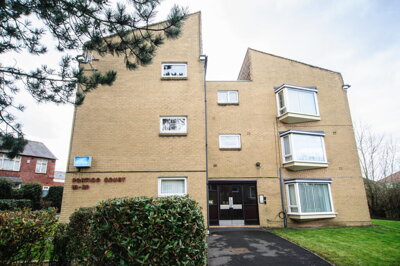
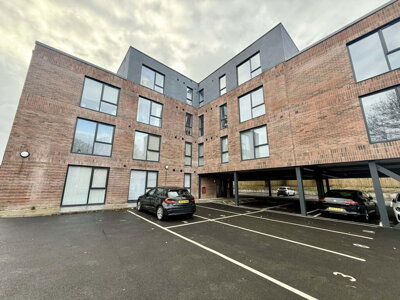
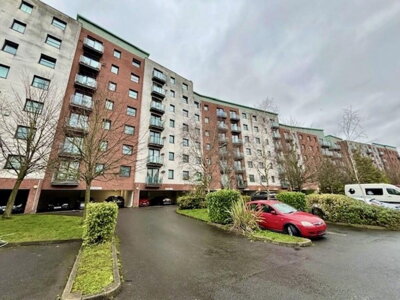
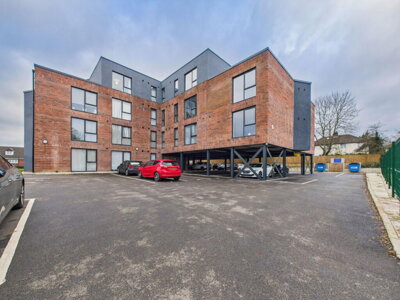
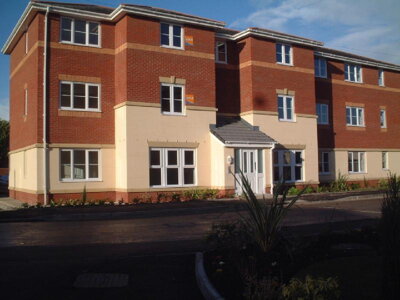
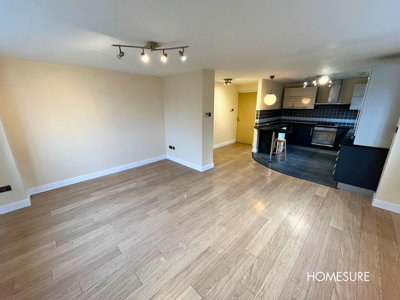
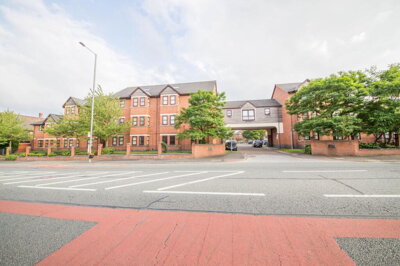
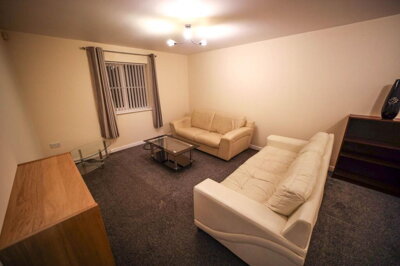
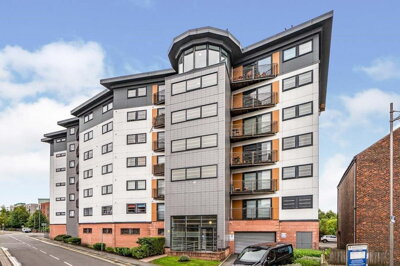
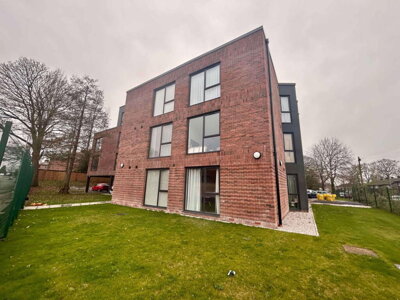
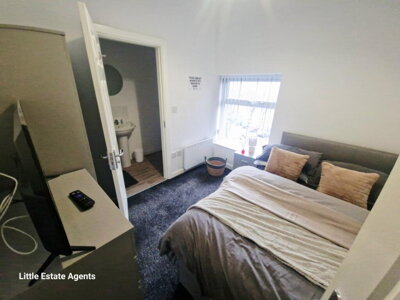
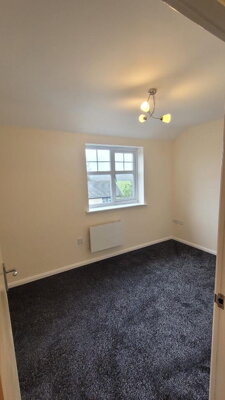
Browse 22 rental homes to rent in WA10 from local letting agents.
Studio apartments feature open-plan living spaces without separate bedrooms, incorporating sleeping, living, kitchen, and bathroom facilities. The WA10 studio market includes properties in modern apartment complexes, converted Victorian and Georgian buildings, and purpose-built developments.
£595/m
3
0
60
Source: home.co.uk
Showing 3 results for Studio Flats to rent in WA10. The median asking price is £595/month.
Source: home.co.uk
Flat
3 listings
Avg £613
Source: home.co.uk
Source: home.co.uk
The WA10 rental market offers excellent variety for tenants seeking quality homes at competitive prices. Property types span from traditional terraced houses dominating approximately 39.5% of local housing stock to semi-detached family homes at around 39%, with a smaller proportion of detached properties (12%) and flats (9.5%) available. The median property value in WA10 stands around £194,500, with terraced properties averaging £125,000 and semi-detached homes reaching approximately £190,000, providing context for the rental market dynamics. This pricing structure means renters can access larger properties than in neighbouring Liverpool or Warrington, where prices tend to be significantly higher.
New build developments continue to expand rental options in WA10. The Pastures by Keepmoat Homes offers 2, 3 and 4 bedroom homes from £169,995, while Spinners Brook by Barratt Homes provides 3 and 4 bedroom properties from £229,995. David Wilson Homes presents The Broads development with similar family home options from £249,995. These developments bring modern rental options to the area, often featuring energy-efficient construction, open-plan layouts, and allocated parking. The 1.87% annual price increase in WA10 indicates a stable market, suggesting rental demand remains consistent throughout the area.
Understanding property age distribution helps renters gauge what to expect from the local housing stock. Approximately 25% of WA10 properties were built before 1919, featuring solid brick walls and traditional construction methods that require specific maintenance approaches. A further 20% dates from the interwar period (1919-1945), while 35% represents post-war construction (1945-1980). Only 20% of local properties are post-1980 builds. This means around 80% of homes in WA10 predate 1980, so renters should anticipate traditional construction features including potential period details alongside age-related maintenance considerations.

St Helens carries a proud industrial heritage that continues to shape its character today. The town gained prominence through glass manufacturing, most notably Pilkington Glass, and the coal mining industry that once dominated the local economy. This working-class heritage has fostered a strong sense of community and identity among residents. The WA10 area features a blend of Victorian and Edwardian terraced streets alongside post-war housing estates and more recent developments, creating varied neighbourhoods with their own distinct atmospheres. The predominant red brick construction gives many areas a cohesive aesthetic, while tree-lined streets and local parks soften the urban landscape.
The local population of approximately 26,000 residents across 11,000 households creates a tight-knit community atmosphere rarely found in larger towns. Residents enjoy access to comprehensive amenities including shopping centres, supermarkets, restaurants, and leisure facilities. The town centre has undergone significant regeneration, with investments in retail and entertainment venues creating a more vibrant hub. Healthcare services are well-represented through local hospitals and clinics, while the education sector provides additional employment opportunities. The combination of affordable living costs, strong community bonds, and improving local facilities makes WA10 an appealing choice for renters seeking value without sacrificing quality of life.
The Church Square Conservation Area and Victoria Square Conservation Area within or immediately adjacent to WA10 contain concentrations of historically significant properties reflecting the town's Victorian and Edwardian architectural heritage. Properties in these areas often feature traditional detailing including ornate brickwork, sash windows, and original ironwork that appeals to renters seeking period character. However, tenants planning any modifications to conservation area properties should verify what permissions might be required from both the landlord and St Helens Council planning department, as stricter controls apply to alterations affecting the external appearance of historically significant buildings.

Education provision in WA10 serves students from primary through secondary levels, with several well-regarded schools within the postcode area. Families renting in WA10 will find a selection of primary schools catering to children aged 5-11, with many receiving positive Ofsted ratings for teaching quality and student welfare. The area features a mix of community primary schools and faith schools, providing parents with choices based on their preferences and values. Primary schools in the surrounding St Helens borough consistently work toward maintaining good standards, with several schools achieving "Good" or "Outstanding" Ofsted classifications in recent inspections.
Secondary education in WA10 includes both comprehensive schools and grammar school options for academically able students. The St Helens grammar school system provides an alternative route for families seeking selective education, with entrance based on the 11-plus examination. Local secondary schools offer diverse curriculum offerings, including vocational pathways and traditional academic routes. For students continuing beyond GCSEs, several schools operate sixth forms offering A-level and equivalent qualifications, while further education colleges in the wider St Helens borough provide additional vocational and technical training opportunities. Parents researching schools should verify current Ofsted ratings and consider catchment areas when selecting rental properties, as school places are typically allocated based on proximity.
The presence of quality educational institutions affects rental demand and property values throughout WA10. Properties located within the catchment areas of highly-rated schools often attract premium rental interest from families, particularly during the summer months when school allocations are confirmed. Renting in WA10 allows families to evaluate local schools before committing to a longer-term purchase, making the area particularly suitable for those new to the region or considering a permanent move. Consulting the latest government school performance data alongside Ofsted reports provides the most current information for families prioritising educational provision in their rental search.

Transport connectivity ranks among WA10's strongest attributes, offering residents excellent options for commuting and travel across the region. St Helens Central railway station provides regular services to major destinations including Liverpool Lime Street, with journey times typically taking around 30-40 minutes. The station also offers connections to Manchester and Warrington, making WA10 practical for workers who need access to these employment centres. For those preferring road travel, the M6 motorway passes nearby, providing straightforward access to Liverpool (approximately 20 miles), Manchester (approximately 35 miles), and the wider national motorway network. The A580 East Lancashire Road runs through the area, offering an additional major route for commuters.
Local bus services operated by Arriva and other providers connect WA10 neighbourhoods with St Helens town centre and surrounding areas including Prescot, Warrington, and Liverpool. The comprehensive bus network ensures residents without private vehicles can access employment, shopping, and leisure destinations throughout the region. For cyclists, St Helens Council has invested in improving cycling infrastructure, with dedicated routes connecting residential areas to employment zones and town centres. Parking provision varies by neighbourhood, with town centre flats typically offering limited parking while suburban streets often permit on-street parking. Residents considering rental properties should assess parking availability, particularly in denser neighbourhoods where competition for on-street spaces can be intense.
The excellent transport connections partly explain why WA10 attracts commuters working in Liverpool, Manchester, and Warrington who seek more affordable housing than city centres provide. Properties to rent in WA10 with good transport access often command steady rental demand given the practical balance between accommodation costs and commuting convenience. Prospective renters should consider their typical commute patterns and verify relevant service frequencies, particularly if working irregular hours or requiring connections outside peak operating times.

Before searching for properties to rent in WA10, obtain a mortgage in principle or rental budget agreement to demonstrate your financial readiness to landlords and letting agents. Having documentation prepared strengthens your application when you find suitable properties.
Explore different areas within WA10 including Sutton, Thatto Heath, and the town centre to find the neighbourhood that best matches your lifestyle needs and budget. Each area offers distinct character, from the more residential feel of suburban streets to the convenience of town centre living.
Contact local letting agents to arrange viewings of properties that interest you, taking notes on condition, location, and any concerns about the property or building. Viewing multiple properties helps you compare options and identify which represents best value for your circumstances.
Given that approximately 80% of WA10 homes were built before 1980, our team recommends considering a RICS Level 2 Survey to identify any structural issues or defects before committing to a tenancy. These surveys typically cost between £400 and £700 depending on property size, and can reveal problems like damp, roof defects, or subsidence risk that might not be immediately visible during a viewing.
Review the tenancy terms carefully, including the deposit amount (typically 5 weeks rent), rental amount, maintenance responsibilities, and any restrictions on pets or modifications. Ensure you understand which repairs and maintenance tasks fall to you as tenant versus the landlord's obligations.
At move-in, participate in a thorough inventory check documenting the condition of all fixtures and fittings to protect your deposit when you eventually leave the property. Photographs and written records provide evidence if any disputes arise about property condition at the end of your tenancy.
Renting properties in WA10 requires careful attention to local factors that can affect your tenancy experience. The geological composition of the St Helens area includes significant clay deposits from glacial till, which creates potential for ground movement affecting properties with shallow foundations. Tenants should look for signs of subsidence including cracked walls, sticking doors, and uneven floors. Properties in areas with mature trees may be particularly susceptible to clay-related subsidence as roots extract moisture from the soil during dry periods. Requesting information about the property's foundation depth and any history of structural movement provides valuable before signing a tenancy agreement.
St Helens has a significant coal mining history, and while most mines are now closed, properties in former mining areas may be at risk of ground instability or subsidence due to historical mining activity. This mining legacy affects certain parts of the WA10 postcode, particularly in areas where shafts were located or where shallow seams were extracted. Prospective tenants should investigate whether a property falls within a former mining zone and what investigations or warranties may be available regarding ground stability. The combination of clay-related shrink-swell risk and potential mining subsidence means understanding local ground conditions matters significantly when renting older properties in WA10.
Flood risk awareness proves essential for tenants considering properties near watercourses in WA10. The River Sankey and its tributaries including Black Brook run through parts of the area, creating fluvial flood risk for properties in close proximity. Additionally, low-lying areas and urban drainage systems can experience surface water flooding during heavy rainfall events. Prospective tenants should check the Environment Agency flood maps for specific locations and review what flood resilience measures the property may have installed. Properties in conservation areas such as Church Square or Victoria Square may have restrictions on modifications, so tenants planning any alterations should verify what permissions might be required from the landlord and local authority.
Given that approximately 80% of WA10 properties were built before 1980, renters should anticipate common issues associated with older housing stock. Traditional brick construction with cavity walls characterises post-1900 properties, while older Victorian and Edwardian homes may feature solid brick walls requiring different maintenance approaches. Watch for signs of damp including musty odours, black mould on walls, and peeling wallpaper, particularly in properties with inadequate ventilation or failed damp proof courses. Roof condition matters significantly for top-floor renters, with slipped tiles, damaged flashing, and worn felt potentially causing leaks. Electrical systems in older properties may not meet current safety standards, so asking about recent rewiring or electrical condition reports provides important safety information.

While specific rental figures vary by property type and location, the WA10 housing market shows strong fundamentals with property values averaging around £194,500. Terraced properties typically command lower rents, with values around £125,000, while semi-detached homes average approximately £190,000 and detached properties reach around £308,800. The area attracts renters seeking affordable accommodation compared to nearby Liverpool or Warrington, with rental prices reflecting the local property values and the ongoing regeneration of the St Helens area. Contacting local letting agents provides the most accurate current rental pricing for specific property types.
Council tax bands in WA10 follow the St Helens Council banding system, with most residential properties falling within bands A through D. Band A represents the lowest council tax liability, typically applying to properties valued up to £30,000, while band D covers properties valued between £68,001 and £88,000. The actual council tax amount depends on the specific band assigned to the property and the current St Helens Council tax rates. Prospective tenants should request the council tax band from the landlord or letting agent before committing to a tenancy, as this forms part of the regular monthly outgoings to budget for alongside rent.
WA10 offers good educational options with several primary and secondary schools serving the local community. Primary schools in the area include both community schools and faith schools, with many receiving positive Ofsted ratings. For secondary education, students can attend local comprehensive schools or sit the 11-plus examination for entry to St Helens grammar schools. Several schools have sixth forms offering A-level qualifications, while further education colleges in the wider borough provide vocational courses. School performance data changes regularly, so parents should consult the latest Ofsted reports and government performance tables when evaluating schools for their children.
WA10 enjoys excellent public transport connectivity through St Helens Central railway station, offering regular services to Liverpool Lime Street (30-40 minutes), Manchester, and Warrington. Local bus services operated by Arriva connect WA10 neighbourhoods with surrounding towns including Prescot, Warrington, and Liverpool. The M6 motorway provides straightforward road access to major cities, while the A580 East Lancashire Road offers additional commuting routes. This comprehensive connectivity makes WA10 practical for workers who need access to employment centres throughout the North West.
WA10 presents an attractive option for renters seeking affordable accommodation with excellent connectivity and strong community spirit. The area combines competitive property values with comprehensive amenities, good schools, and straightforward transport links to Liverpool, Manchester, and Warrington. The ongoing regeneration of St Helens town centre continues to improve local facilities, while the diverse housing stock means renters can find properties ranging from Victorian terraces to modern new builds. With 319 property sales in the past year and prices rising by 1.87%, the market demonstrates healthy activity. The strong sense of community and relatively low cost of living compared to neighbouring cities make WA10 particularly suitable for first-time renters, families, and those seeking more space for their budget.
Standard deposits for rental properties in WA10 typically amount to five weeks rent, held in a government-approved deposit protection scheme throughout your tenancy. Tenant referencing fees usually apply, covering credit checks and employment verification. Most letting agents charge an administration fee for processing the tenancy, though regulations have limited the amounts agencies can charge. First-time renters should budget for moving costs including advance rent payment (typically one month) plus deposit. Additional costs may include inventory check fees and the cost of setting up utility accounts. Getting a rental budget agreement in principle before viewing properties strengthens your application.
WA10 predominantly features traditional cavity wall construction with brick exteriors for properties built post-1900, while older Victorian and Edwardian homes may have solid brick walls requiring different maintenance approaches. Roofs typically use pitched construction with slate or clay tiles. Given that 25% of local properties predate 1919 and 20% date from the interwar period, renters may encounter period features including high ceilings, original fireplaces, and traditional timber windows alongside age-related maintenance considerations. Newer developments like The Pastures, Spinners Brook, and The Broads offer modern construction with contemporary insulation standards and energy-efficient features.
The combination of local geology and property age creates specific considerations for renters in WA10. The glacial till (boulder clay) underlying much of the area presents moderate to high shrink-swell risk, particularly for properties with shallow foundations near mature trees. Properties in former coal mining areas may face ground instability risks from historical mining activity. Approximately 80% of WA10 homes built before 1980 may have original plumbing, electrical systems, or damp proof courses that do not meet current standards. We recommend requesting information about any previous structural surveys, checking the condition of rainwater goods, and asking landlords about recent maintenance on older properties before committing to a tenancy.
From 4.5%
Budget assessments to help you understand what you can afford to rent in WA10
From £99
Credit checks and employment verification for rental applications
From £400
Expert property surveys for older WA10 homes - 80% built pre-1980
From £85
Energy performance certificates required for rental properties
Understanding the full cost of renting in WA10 helps prospective tenants budget accurately and avoid financial surprises. The standard deposit requirement stands at five weeks rent, held securely in a government-approved scheme such as the Deposit Protection Service, MyDeposits, or Tenancy Deposit Scheme throughout the tenancy. This deposit protects both tenant and landlord by ensuring funds are available to cover any legitimate claims for damage or unpaid rent at the end of the tenancy. Regulations require landlords to return deposits within 10 days of agreeing on final deductions, providing important protections for tenants.
Initial costs typically include the first month's rent paid in advance, plus the deposit. This means moving into a property renting at £800 per month would require approximately £4,000 upfront (one month rent plus five-week deposit). Additional fees may include tenant referencing charges covering credit checks and employment verification, administration fees for processing the tenancy application, and inventory check fees documenting property condition at move-in. Since tenant fee regulations came into effect, many letting agents have eliminated upfront booking fees, though charges for admin or credit checks may still apply. Reading your tenancy agreement carefully before signing helps ensure you understand all financial obligations.
For renters in WA10's older properties, additional considerations include potential maintenance costs that may fall to tenants under the terms of your tenancy. Properties with older heating systems, plumbing, or electrical installations may require more frequent repairs, so understanding your maintenance responsibilities matters significantly. The approximately 80% of WA10 homes built before 1980 often feature original or early-generation systems that, while functional, may be less efficient than modern alternatives. Budgeting for potential repairs, even when landlords retain responsibility, proves wise given the age of much local housing stock. Consider arranging a thorough inspection before committing to any rental property in the area.
Properties in conservation areas such as Church Square or Victoria Square may have additional requirements regarding modifications and maintenance that affect tenant responsibilities. Tenants should clarify with landlords what permissions exist for making changes to the property and who is responsible for maintaining period features or historic elements. These details should be documented in the tenancy agreement to prevent disputes at the end of the tenancy regarding alterations made during occupation.
Properties to Rent In London

Properties to Rent In Plymouth

Properties to Rent In Liverpool

Properties to Rent In Glasgow

Properties to Rent In Sheffield

Properties to Rent In Edinburgh

Properties to Rent In Coventry

Properties to Rent In Bradford

Properties to Rent In Manchester

Properties to Rent In Birmingham

Properties to Rent In Bristol

Properties to Rent In Oxford

Properties to Rent In Leicester

Properties to Rent In Newcastle

Properties to Rent In Leeds

Properties to Rent In Southampton

Properties to Rent In Cardiff

Properties to Rent In Nottingham

Properties to Rent In Norwich

Properties to Rent In Brighton

Properties to Rent In Derby

Properties to Rent In Portsmouth

Properties to Rent In Northampton

Properties to Rent In Milton Keynes

Properties to Rent In Bournemouth

Properties to Rent In Bolton

Properties to Rent In Swansea

Properties to Rent In Swindon

Properties to Rent In Peterborough

Properties to Rent In Wolverhampton

Enter your details to see if this property is within your budget.
Loans, cards, car finance
Estimated property budget
Borrowing + deposit
You could borrow between
Typical borrowing
Monthly repayment
Est. at 4.5%
Loan-to-value
This is an estimate only. Your actual budget may vary depending on interest rates, credit history, and personal circumstances. For an accurate affordability assessment, speak to one of our free mortgage advisors.
This calculator provides estimates for illustrative purposes only and does not constitute financial advice. Your home may be repossessed if you do not keep up repayments on your mortgage. Estimates based on 4.5% interest rate, repayment mortgage. Actual rates depend on your circumstances.
Homemove is a trading name of HM Haus Group Ltd (Company No. 13873779, registered in England & Wales). Homemove Mortgages Ltd (Company No. 15947693) is an Appointed Representative of TMG Direct Limited, trading as TMG Mortgage Network, which is authorised and regulated by the Financial Conduct Authority (FRN 786245). Homemove Mortgages Ltd is entered on the FCA Register as an Appointed Representative (FRN 1022429). You can check registrations at NewRegister or by calling 0800 111 6768.

We use cookies to show you personalised content and improve your experience of our website. Find out more in our Privacy policy and Cookie policy.