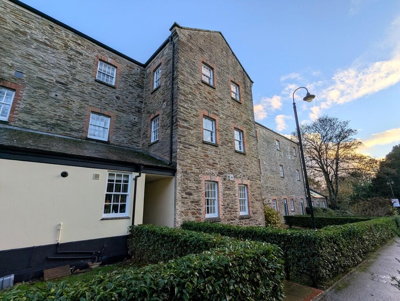
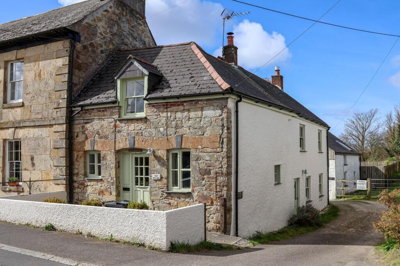
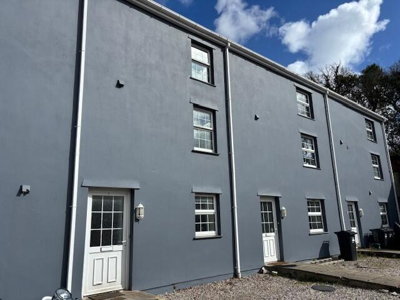
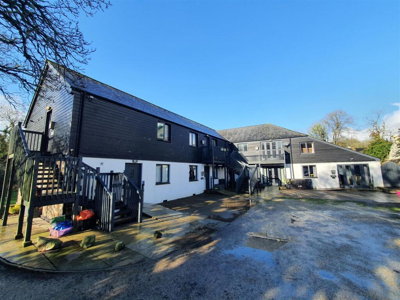
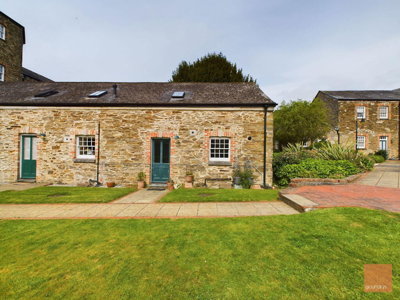
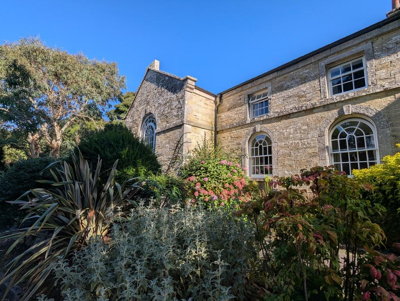
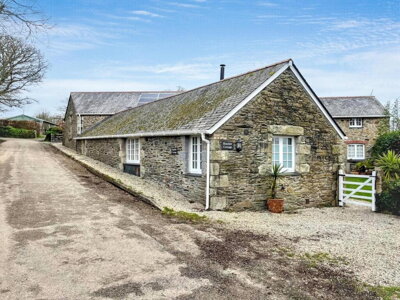
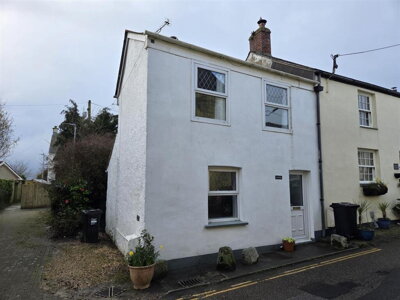
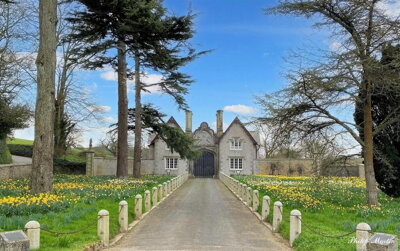
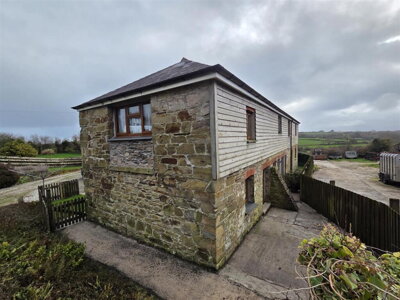
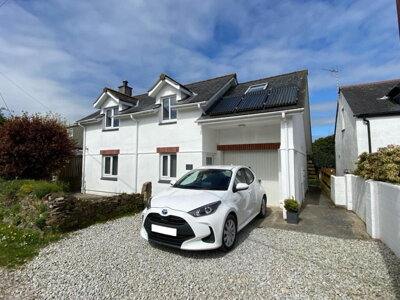
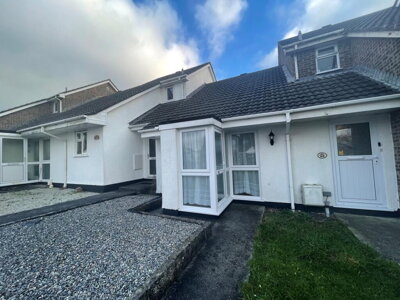
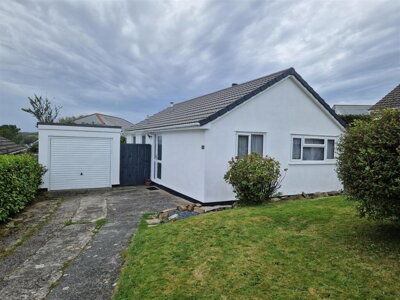
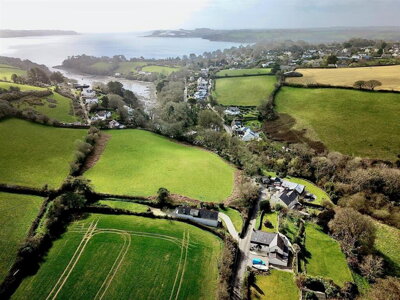
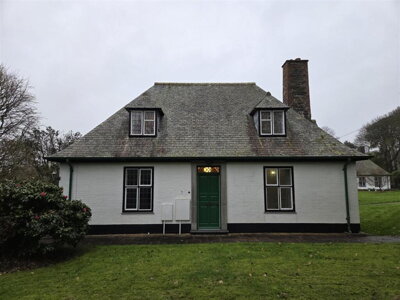
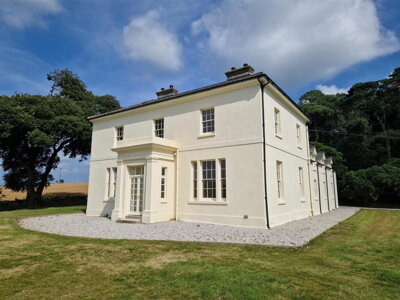
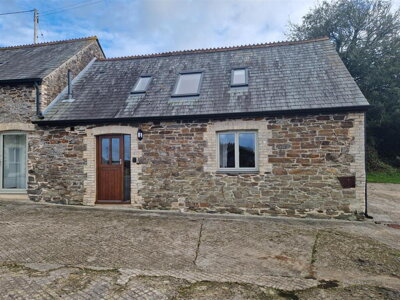
Browse 29 rental homes to rent in TR2 from local letting agents.
£1,150/m
10
1
35
Source: home.co.uk
Source: home.co.uk
Cottage
3 listings
Avg £1,133
Barn Conversion
2 listings
Avg £925
End of Terrace
2 listings
Avg £1,200
Detached
1 listings
Avg £2,000
Detached Bungalow
1 listings
Avg £1,150
Semi-Detached
1 listings
Avg £1,150
Source: home.co.uk
Source: home.co.uk
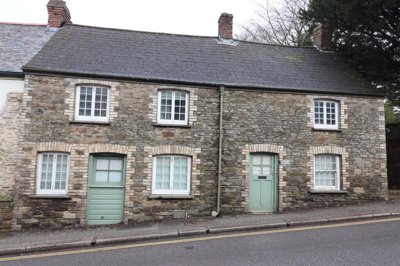
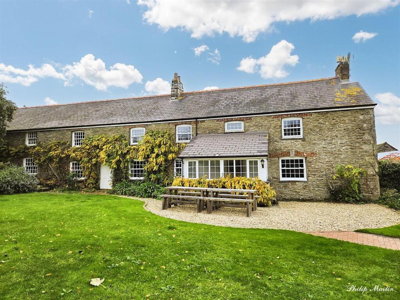
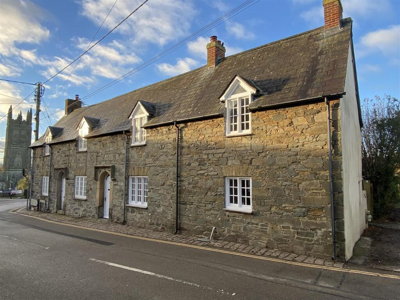
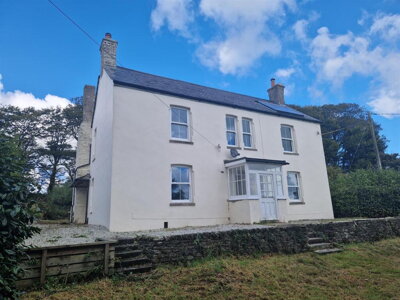
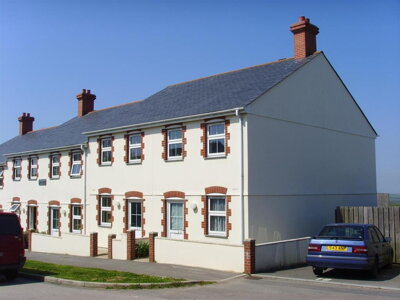
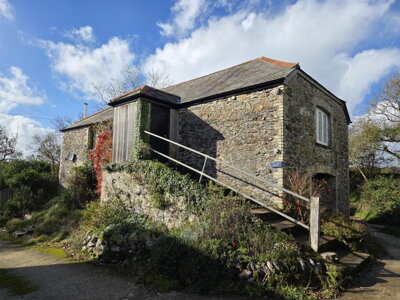
The rental market in TR2 reflects the broader appeal of living in Cornwall's postcode heartland, where demand consistently outstrips supply in popular villages and hamlet locations. Properties available to rent range from traditional granite cottages with slate roofs to contemporary semis and detached family homes on newer developments. Terraced properties in TR2 typically command rental prices that represent good value compared to city centre equivalents, making the area particularly attractive to young families and first-time renters seeking more space for their money. The local rental stock includes homes with gardens, off-street parking, and stunning views across Cornwall's countryside, features that are increasingly sought after by tenants prioritising quality of life.
Recent market analysis shows that property prices in TR2 have experienced a 21% adjustment over the past year compared to the previous period, and prices are currently 11% below the 2022 peak of £510,214. This market recalibration has created opportunities for renters, as some landlords have adjusted their expectations in response to changing conditions. New build activity in the surrounding area includes developments by Wainhomes in locations like Probus, where modern two-bedroom designs and semi-detached properties offer contemporary living standards. Additionally, shared ownership options are available through schemes like Fairfields in Probus, where terraced properties start from £96,000 for equity shares, providing flexible pathways onto the property ladder for those who may eventually wish to buy.
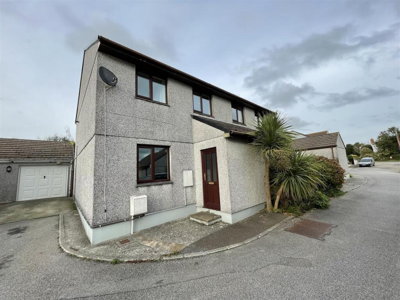
Semi-detached properties in TR2 average around £344,111 according to recent sales data, positioning them between terraced and detached values in the local market hierarchy. Amelia Close in Probus represents one example of more recent residential development in the area, with semi-detached homes in this location commanding attention from buyers and renters alike. The rental market benefits from this mix of property ages and styles, meaning tenants can choose between the character of older cottages and the low-maintenance appeal of properties built within the last two decades. Understanding the relationship between sale values and rental yields helps explain why certain property types appear more frequently in the rental market than others.

Life in TR2 offers a pace of living that many find increasingly precious, characterised by the rhythms of Cornwall's agricultural heartland and the close-knit communities that define village life in this part of the county. The area around Truro encompasses diverse settlements from the pretty village of Probus, known for its local amenities and sense of community, to smaller hamlets scattered across the rolling countryside that forms the backbone of this postal district. Residents enjoy access to beautiful Cornish landscapes, with footpaths and bridleways connecting villages through fields and woodland, perfect for dog walkers, families, and outdoor enthusiasts who appreciate the therapeutic benefits of countryside living. The proximity to the River Fal and its tributary valleys adds to the scenic appeal, with opportunities for kayaking, fishing, and riverside walks within easy reach.
The local economy in TR2 and the surrounding Cornwall area has historical roots in mining, fishing, and agriculture, though today tourism and service industries play increasingly important roles in providing employment. Truro city centre, just a short drive or bus ride from most TR2 locations, offers a comprehensive range of amenities including high street shops, supermarkets, independent retailers, cafes, restaurants, and cultural attractions such as the Royal Cornwall Museum. The city's growing reputation as a cultural hub, with its cathedral, theatres, and regular markets, means that residents of TR2 benefit from urban conveniences while living in a more peaceful rural setting. Community life in TR2's villages is enhanced by local pubs, village halls, sports clubs, and seasonal events that bring neighbours together and create a genuine sense of belonging.
Cornwall's rich heritage extends throughout TR2, with numerous listed buildings and conservation areas reflecting centuries of architectural tradition. The county contains over 12,600 listed buildings, many constructed from local granite and slate using techniques passed down through generations. Properties within designated conservation areas may be subject to planning restrictions that affect what changes can be made during a tenancy, so renters should familiarise themselves with any relevant constraints. The geology of the area, featuring granite uplands and valleys carved by ancient rivers, shapes not only the landscape but also the character of properties built from these distinctive materials. Understanding the relationship between local building traditions and modern living requirements helps renters appreciate why certain properties have the features they do.

Families considering a move to TR2 will find a reasonable selection of educational establishments within the postcode area and its immediate surroundings, providing options for children at all stages of their educational journey. Primary schools serving the TR2 area include establishments in Probus and the surrounding villages, which typically cater to children from Reception through to Year 6. These smaller rural schools often benefit from strong community ties and individual attention for pupils, though parents should check current Ofsted ratings and admission policies, as catchment areas can be competitive in popular village locations. For secondary education, pupils in TR2 often travel to schools in Truro, where institutions such as Truro High School for Girls and other local academies offer a broader range of GCSE and A-Level subjects.
Cornwall's educational landscape includes several notable institutions, and parents moving to TR2 should research specific school performance data and consider transportation arrangements, as some secondary schools require daily travel to Truro or other towns. Truro College provides sixth form and further education opportunities, offering both vocational and academic pathways for students completing their secondary education. The college serves students from across Cornwall and represents a significant educational resource for families living in the TR2 area who wish to access higher-level qualifications without relocating to a major city. For families with younger children, the area also hosts various nursery and preschool settings, many of which operate from village halls or purpose-built childcare centres.
When renting in TR2, it is worth noting that school admissions can be competitive, and properties within specific catchment areas may command a premium, so understanding your local options before committing to a tenancy is advisable. Parents should verify which schools serve specific addresses by contacting Cornwall Council's admissions team or using the online catchment area checker. The timing of school applications, typically due in January for September intake, should align with your tenancy search if possible to avoid delays in securing placements for your children. Several villages in TR2 have active parent-teacher associations and school communities that welcome new families, providing natural entry points for those new to the area.

Transport connectivity from TR2 strikes an effective balance between rural tranquility and access to major transport links, with Truro station serving as the primary gateway for rail travel from this postcode area. Trains from Truro provide direct services to London Paddington, with journey times of approximately four and a half to five hours, making occasional business trips or capital city visits entirely feasible for residents who need to travel further afield. The station also offers connections to Exeter, Plymouth, Bristol, and other regional centres, while local services connect Truro to coastal towns like Falmouth and St Ives, opening up employment and leisure opportunities throughout Cornwall. For those who drive, the A390 provides the main road link from the TR2 villages into Truro, connecting with the A39 that runs north-south through the county.
Bus services operated by various providers connect TR2 villages to Truro and surrounding towns, though frequencies may be limited compared to urban routes, making car ownership advisable for many residents. The proximity of the A30 trunk road, Cornwall's main arterial route, means that Newquay airport and the north coast beaches are accessible within approximately 30 to 45 minutes by car, while the south coast harbours and sailing facilities are equally convenient. Cycling is popular in the area, with many country lanes and designated routes available for recreational and commuting purposes, though the hilly terrain requires a reasonable level of fitness. Parking availability at local stations and village centres is generally adequate, with some developments offering dedicated parking as part of rental agreements.
For remote workers and those who travel occasionally, the reliable internet connectivity available in most TR2 properties enables flexible working arrangements that reduce the frequency of commuting. Many residents of TR2 choose to work from home for the majority of the week and make use of the direct rail links to London only when face-to-face attendance is required. The journey to London Paddington involves a change at Plymouth or Reading depending on the service, and advance booking of tickets can significantly reduce the cost of rail travel. Planning your journey to include adequate time for connections is advisable, particularly during peak hours when services may be busier.

Before viewing properties in TR2, secure a rental budget agreement in principle from a lender or broker. This document demonstrates to landlords and letting agents that you can afford the monthly rent, typically requiring income verification of around 30 times the monthly rental figure. Having this documentation ready streamlines your application and shows serious intent when competing against other tenants for popular properties.
Browse available rental listings on Homemove to understand what is on the market in your target villages and price range. Consider factors such as proximity to schools, transport links, and local amenities, and note that rental availability in rural TR2 can be limited compared to urban areas. Setting up property alerts ensures you receive notification of new listings promptly, as desirable properties in villages like Probus can be let within days of appearing on the market.
Contact local letting agents to arrange viewings of properties that meet your criteria. Viewing multiple properties is advisable to compare condition, maintenance standards, and landlord responsiveness before making a decision on which property to pursue. Take notes and photographs during viewings to help remember the differences between properties you have seen.
If you are renting an older property in TR2, particularly one built before the 1960s, consider booking a RICS Level 2 survey. Typical costs in the Truro area range from £395 to £1,250 depending on property size and complexity, and a survey can identify issues such as damp, structural movement, or mundic block construction. While surveys are more commonly associated with purchases, tenants can also benefit from understanding the condition of their potential home.
Once you have chosen a property, the letting agent will require references, proof of identity, and the first month's rent plus deposit. Deposits are typically capped at five weeks' rent for properties with annual rent below £50,000, and your Tenancy Agreement will outline terms, obligations, and notice periods. Ensure you receive written confirmation of your deposit protection within 30 days of the start of your tenancy.
Renting in TR2 requires awareness of several local factors that can significantly impact your tenancy experience, from the construction materials used in local properties to the environmental considerations that affect the Cornish countryside. Many properties in the TR2 postcode area are constructed from local granite and feature slate roofs, materials that are beautiful and characterful but require understanding of their maintenance needs and potential issues such as damp penetration through solid walls that lack cavity insulation. Older cottages may have been built without modern damp-proof courses, and the humid Cornish climate can exacerbate moisture problems if ventilation is inadequate or if previous owners have used non-breathable materials during renovations. A thorough inspection of walls, windows, and any signs of damp or mould should be part of your viewing process.
One specific construction issue affecting some properties in Cornwall is mundic block, a term used to describe concrete building materials that may contain reactive aggregates from beach or mine waste. Properties built between approximately 1900 and 1965 may be constructed using mundic block, which can deteriorate over time and potentially affect a property's structural integrity and mortgageability. While mundic block is primarily a concern for buyers and lenders, tenants should be aware that properties affected may have restrictions on what improvements can be made during a tenancy. If you are considering renting a property of this age, ask the landlord or letting agent about its construction history and any surveys that have been conducted.
Flood risk is another consideration for renters in Cornwall, and while the TR2 area benefits from generally low flood risk according to current warnings, certain valley locations and properties near watercourses may be more vulnerable to surface water flooding during periods of heavy rainfall. Cornwall Council's records indicate that approximately 1 in 6 properties across the county faces some level of flood risk, with around 12,000 properties vulnerable to river flooding and 29,000 exposed to surface water flooding. Checking the specific flood history and drainage arrangements for any property you are considering is worthwhile, particularly if the property is located in a valley or near a stream. Properties in Conservation Areas, of which Cornwall has 145 designated zones, may be subject to planning restrictions that affect what changes tenants can make to the property during their tenancy.
Electrical systems in older Cornish properties may also require attention, as wiring decades old can present safety concerns, particularly in coastal areas where salty air accelerates corrosion. Signs that electrical systems may need updating include frequently tripping circuit breakers, discoloured or warm socket covers, and the continued presence of round-pin plugs or fabric-covered cables. Landlords have legal obligations to ensure electrical safety, but tenants should still satisfy themselves that systems meet modern standards before committing to a tenancy. Ask for recent electrical inspection reports or certificates, and note any concerns raised during your viewing.

While specific TR2 rental prices vary by property type and condition, the overall average house price in the area stands at £453,436 based on recent sales data. Terraced properties average £305,373, semi-detached homes around £344,111, and detached homes reach £661,798, which provides context for the rental market. Rental prices typically represent a percentage return on these capital values, meaning a typical three-bedroom house might rent for between £1,000 and £1,500 per month depending on location, condition, and amenities. Contact local letting agents for current specific rental figures on properties matching your requirements.
Council tax bands in the TR2 postcode area are set by Cornwall Council and will vary by property depending on its assessed value. Bands range from A through to H, with most residential properties in rural Cornwall falling into Bands A to D. You can check the specific band for any property by entering its address on the Valuation Office Agency website, and your annual council tax bill will be sent to you by Cornwall Council following the start of your tenancy. Budgeting for annual council tax payments should form part of your overall financial planning when considering a tenancy in the area.
Primary schools serving TR2 include establishments in Probus and surrounding villages, with pupils typically progressing to secondary schools in Truro such as Truro High School for Girls or other local academies. Truro College provides sixth form and further education opportunities for students post-16. Ofsted ratings and specific admission policies should be checked directly on the Ofsted website, as school performance data is updated regularly and catchment areas can affect eligibility. Parents are advised to verify which schools serve their specific address before committing to a tenancy, as admission arrangements can be complex in rural areas.
Public transport from TR2 centres on bus services connecting villages to Truro, where the main railway station provides direct trains to London Paddington, Exeter, Plymouth, and Bristol. Bus frequencies in rural villages may be limited to certain times of day, making car ownership advisable for many residents. The A390 road provides the primary route into Truro, while the A30 trunk road gives access to the rest of Cornwall including Newquay airport. The journey time from TR2 villages to Truro city centre by car is typically 15 to 25 minutes depending on your specific location.
TR2 offers an excellent quality of life for renters who value Cornwall's countryside, community atmosphere, and access to Truro's urban amenities. The area combines the charm of rural village living with practical connections to employment, education, and transport links. Properties range from historic granite cottages to modern family homes, catering to various budgets and preferences. The villages of Probus, Grampound, and St Erme each offer their own character and amenities, while the proximity to the River Fal adds to the scenic appeal of the area. The rental market can be competitive in popular villages, so acting promptly when you find a suitable property is advisable.
As a renter in England, your deposit is capped at five weeks' rent where the annual rent is below £50,000, and your landlord must protect it in a government-approved Tenancy Deposit Scheme within 30 days of receiving it. You will also need to pay the first month's rent in advance. Holding deposits may be requested while references are checked, typically capped at one week's rent. As a first-time renter, you do not qualify for SDLT relief as that applies to property purchases rather than rentals, but you should budget for moving costs, furniture if needed, and potential agency fees depending on your letting agent.
Many rental properties in TR2 are constructed from granite and slate, traditional building materials that require specific maintenance approaches and understanding. Older properties may lack modern damp-proof courses, making them more susceptible to moisture penetration in Cornwall's humid climate. Some properties may contain mundic block construction, particularly those built between 1900 and 1965, which can affect structural integrity and future mortgageability. We recommend arranging a thorough inspection before committing to a tenancy on an older property, and requesting any existing survey reports from the landlord or letting agent.
New build activity in TR2 includes semi-detached properties on developments like Amelia Close in Probus, where contemporary designs offer modern living standards. Shared ownership schemes at Fairfields in Probus provide alternative entry points to the property market, with terraced properties available from £96,000 for equity shares. Modern developments typically offer benefits including improved energy efficiency, contemporary fittings, and lower maintenance requirements compared to older properties. Rental availability on new developments can be limited, so registering with local letting agents and setting up alerts is advisable.
Understanding the full cost of renting in TR2 extends beyond the monthly rent figure, and budgeting carefully ensures you are prepared for all associated expenses from the moment your tenancy begins. The deposit, which is capped at five weeks' rent for properties with annual rents below £50,000, must be protected in a government-approved Tenancy Deposit Scheme within 30 days of your landlord receiving it. This protection means you should receive your deposit back at the end of your tenancy, minus any legitimate deductions for damage or unpaid rent, provided you leave the property in the same condition as when you moved in. Documenting the property's condition with a detailed inventory at the start of your tenancy is strongly advisable, as this written record protects both you and your landlord in the event of any deposit dispute.
Additional upfront costs include the first month's rent, which is typically required in advance before you receive the keys to your new home, plus any agency fees if your letting agent charges for referencing, administration, or contract preparation. As a first-time renter, you may also need to budget for household items and furnishings if the property is unfurnished, connection fees for utilities and internet services, and the cost of a removal company or van hire for your move. If you are renting an older property in TR2, particularly one with granite walls or construction dating from the early-to-mid 20th century, you might consider the value of a RICS Level 2 survey to identify any defects that could affect your enjoyment of the home or require you to negotiate repairs with your landlord. Survey costs in the Truro area typically range from £395 to £1,250 depending on the property size and complexity, and while this is an upfront cost, it can provide valuable if issues are identified before you commit to a tenancy.
Monthly budgeting should account for rent, council tax, utilities, internet, buildings insurance, and a contingency fund for unexpected repairs or emergencies. Cornwall's rural location means that heating costs may be higher than in urban areas, particularly for older properties with solid walls and less effective insulation. Setting aside a small amount each month towards future maintenance responsibilities, even when the landlord is primarily responsible, helps ensure you are prepared for any issues that arise during your tenancy.

From 4.5%
Get pre-approved for your rental budget before searching for properties
From £99
Complete referencing checks to speed up your rental application
From £395
Get a professional survey on older properties to identify defects
From £85
Check the energy efficiency rating of your potential rental property
Properties to Rent In London

Properties to Rent In Plymouth

Properties to Rent In Liverpool

Properties to Rent In Glasgow

Properties to Rent In Sheffield

Properties to Rent In Edinburgh

Properties to Rent In Coventry

Properties to Rent In Bradford

Properties to Rent In Manchester

Properties to Rent In Birmingham

Properties to Rent In Bristol

Properties to Rent In Oxford

Properties to Rent In Leicester

Properties to Rent In Newcastle

Properties to Rent In Leeds

Properties to Rent In Southampton

Properties to Rent In Cardiff

Properties to Rent In Nottingham

Properties to Rent In Norwich

Properties to Rent In Brighton

Properties to Rent In Derby

Properties to Rent In Portsmouth

Properties to Rent In Northampton

Properties to Rent In Milton Keynes

Properties to Rent In Bournemouth

Properties to Rent In Bolton

Properties to Rent In Swansea

Properties to Rent In Swindon

Properties to Rent In Peterborough

Properties to Rent In Wolverhampton

Enter your details to see if this property is within your budget.
Loans, cards, car finance
Estimated property budget
Borrowing + deposit
You could borrow between
Typical borrowing
Monthly repayment
Est. at 4.5%
Loan-to-value
This is an estimate only. Your actual budget may vary depending on interest rates, credit history, and personal circumstances. For an accurate affordability assessment, speak to one of our free mortgage advisors.
This calculator provides estimates for illustrative purposes only and does not constitute financial advice. Your home may be repossessed if you do not keep up repayments on your mortgage. Estimates based on 4.5% interest rate, repayment mortgage. Actual rates depend on your circumstances.
Homemove is a trading name of HM Haus Group Ltd (Company No. 13873779, registered in England & Wales). Homemove Mortgages Ltd (Company No. 15947693) is an Appointed Representative of TMG Direct Limited, trading as TMG Mortgage Network, which is authorised and regulated by the Financial Conduct Authority (FRN 786245). Homemove Mortgages Ltd is entered on the FCA Register as an Appointed Representative (FRN 1022429). You can check registrations at NewRegister or by calling 0800 111 6768.

We use cookies to show you personalised content and improve your experience of our website. Find out more in our Privacy policy and Cookie policy.